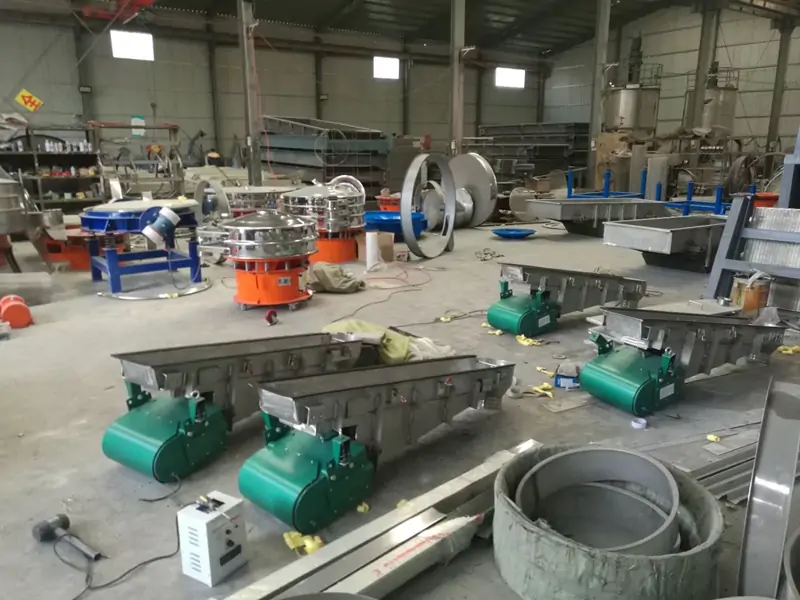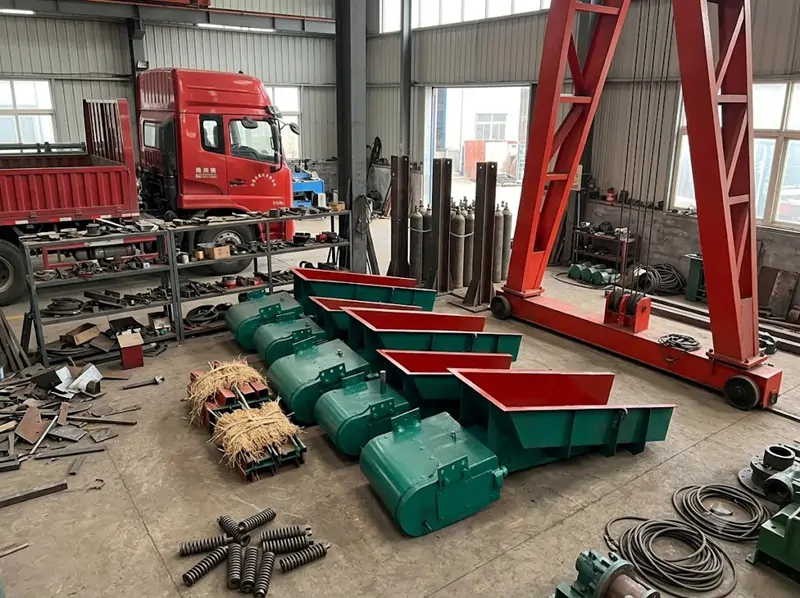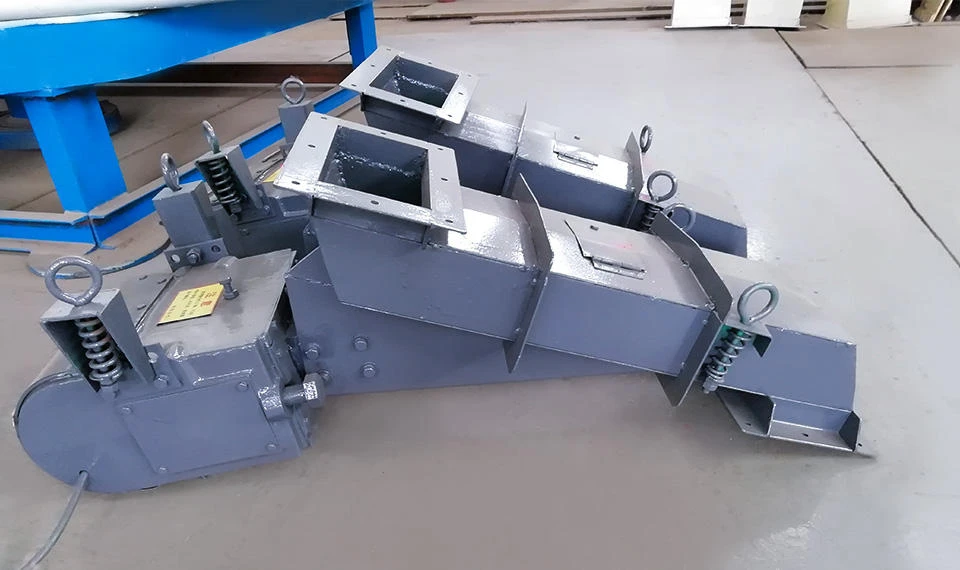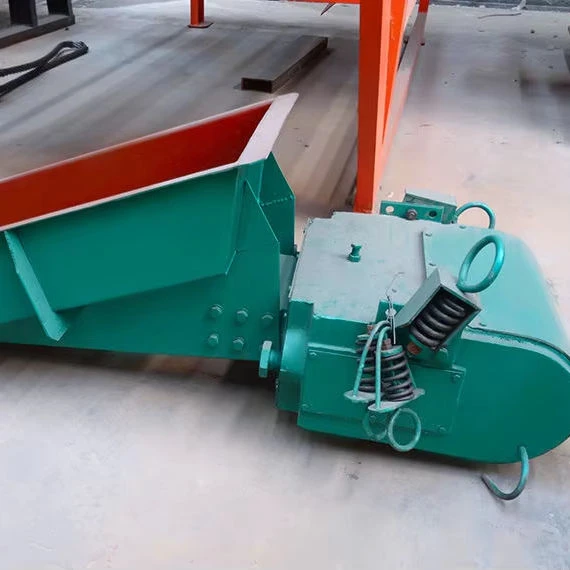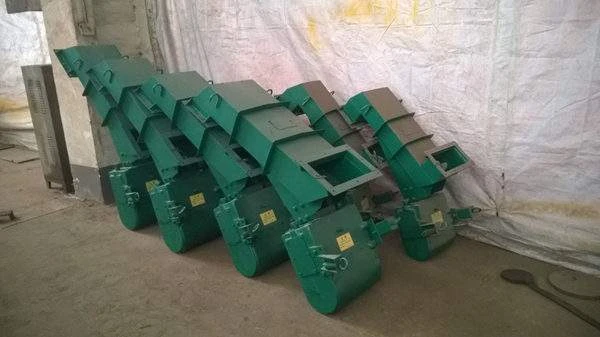
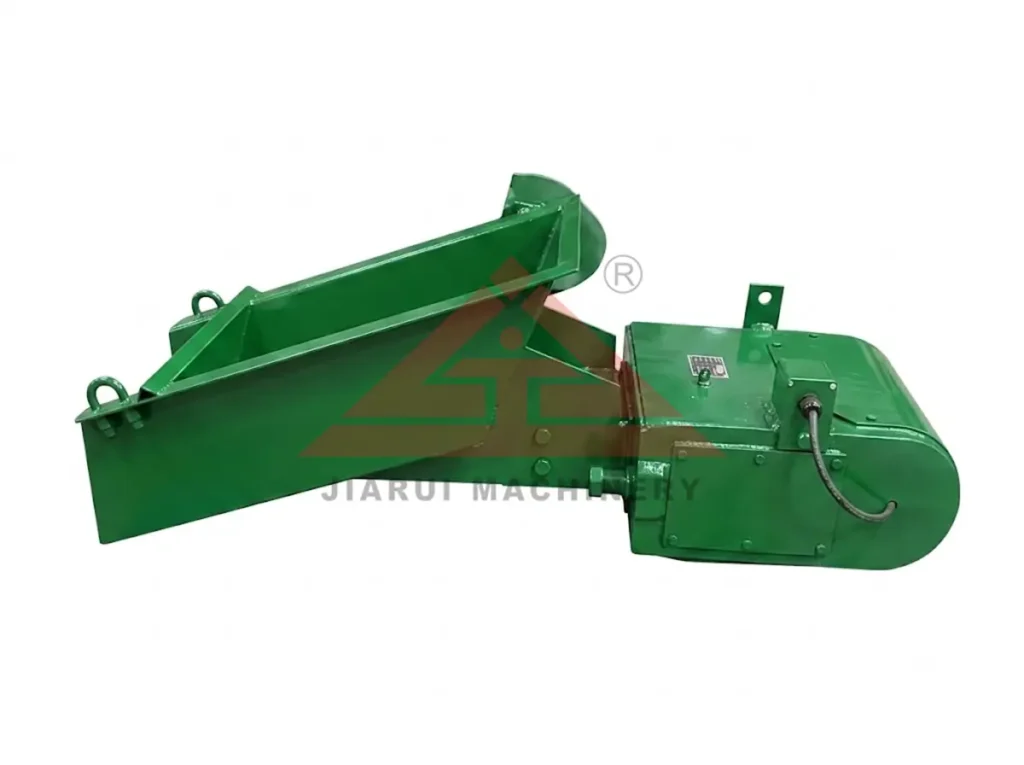
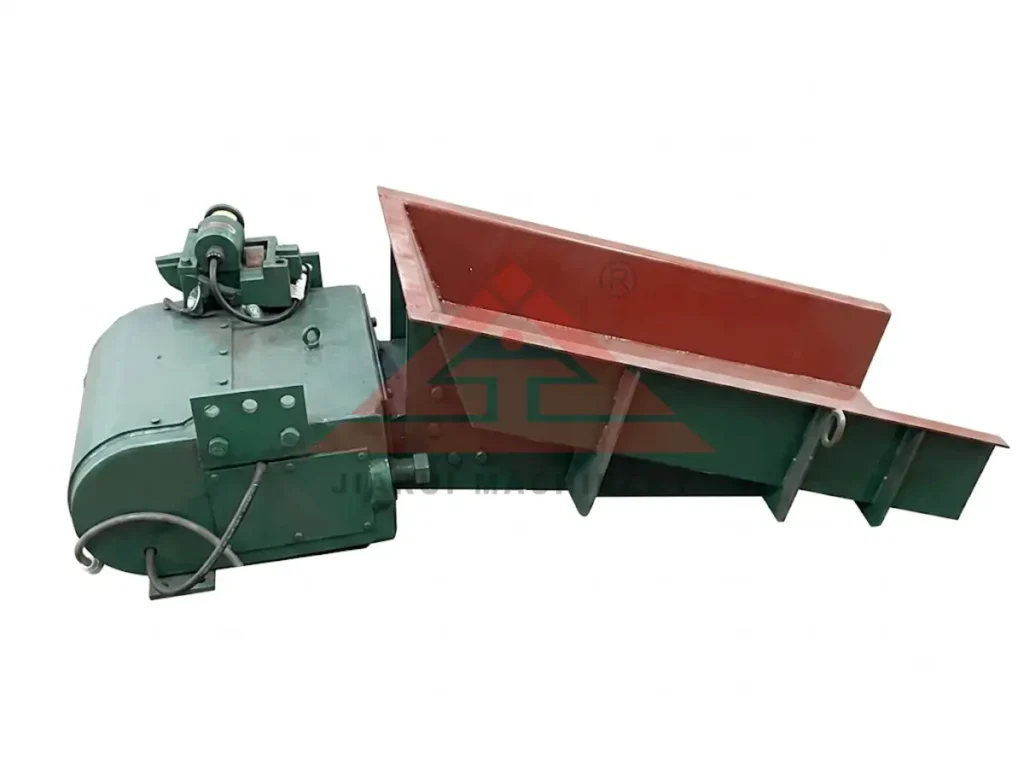
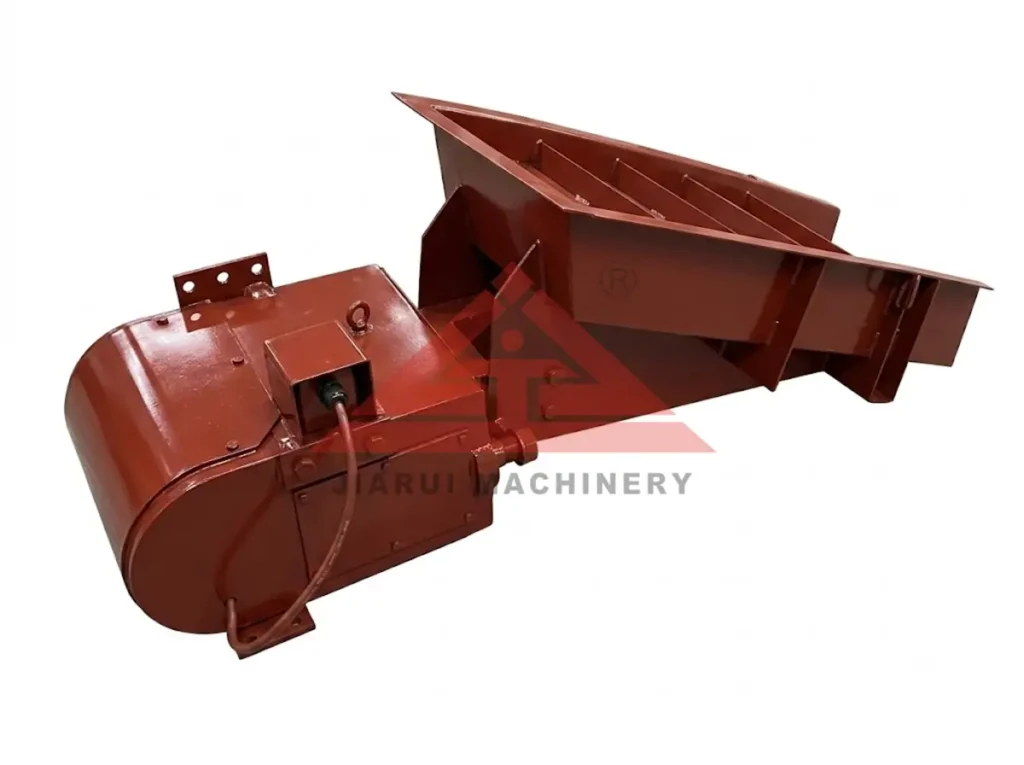
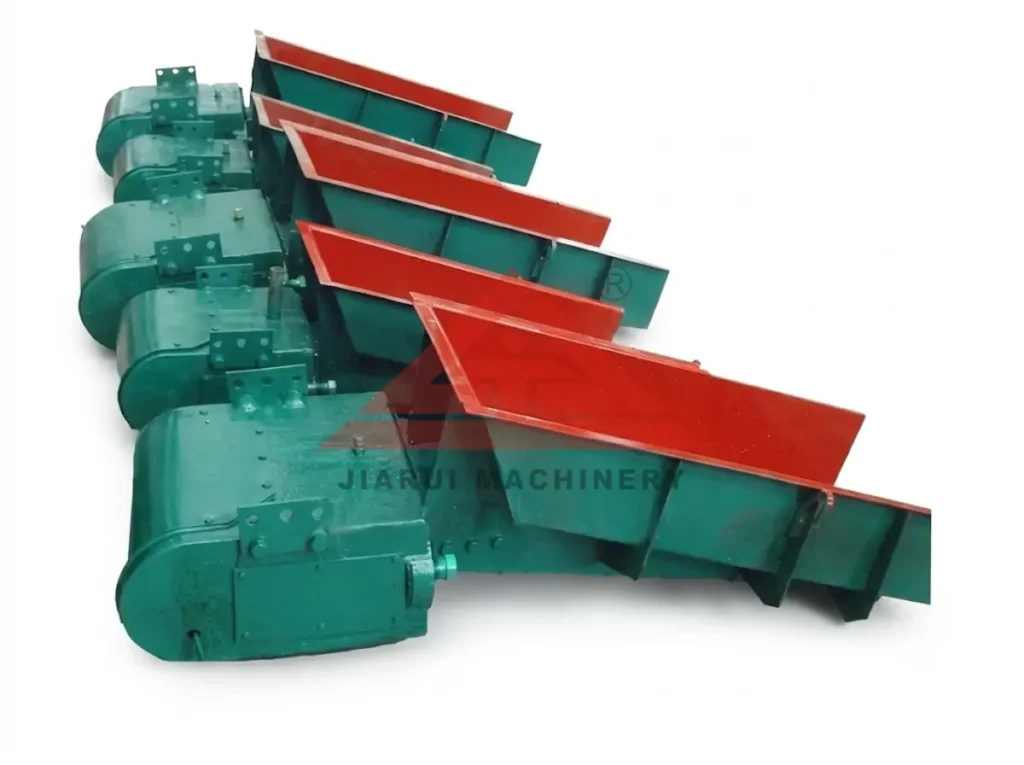
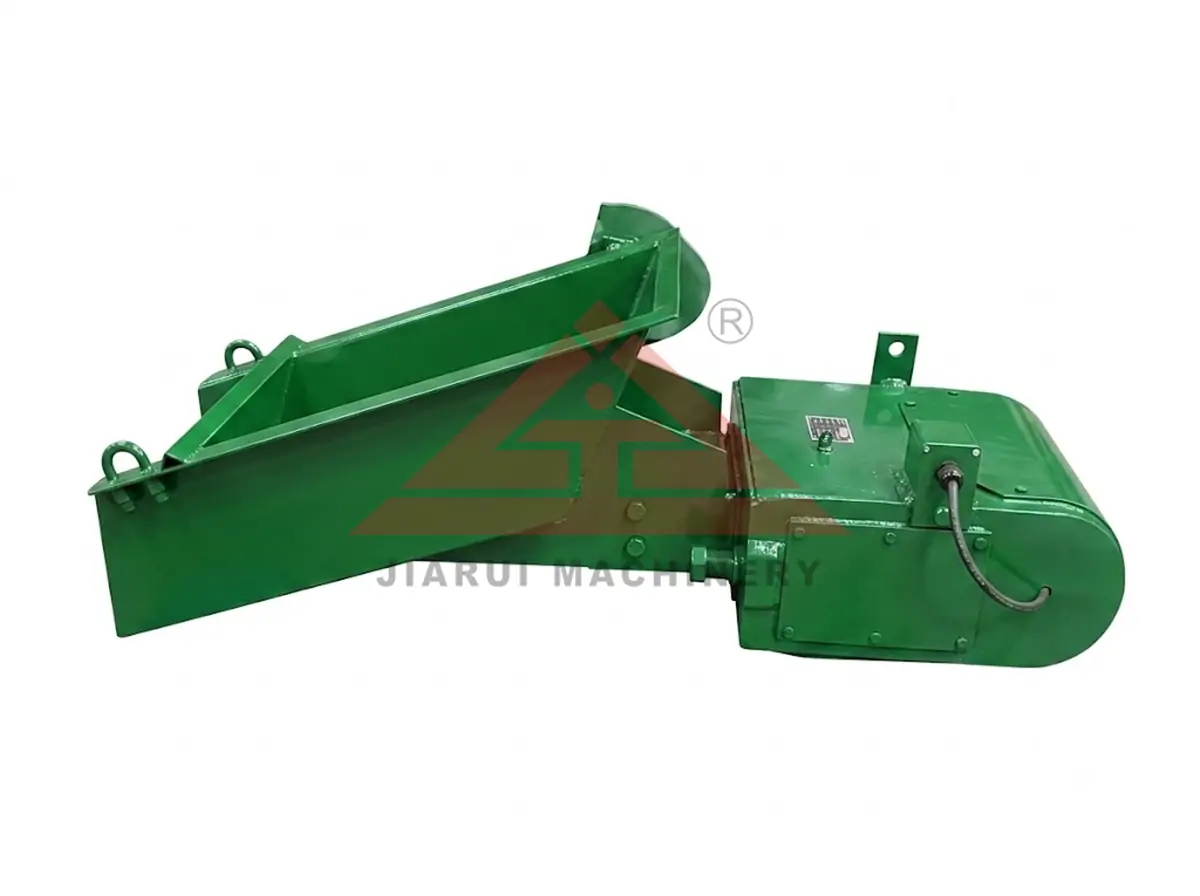
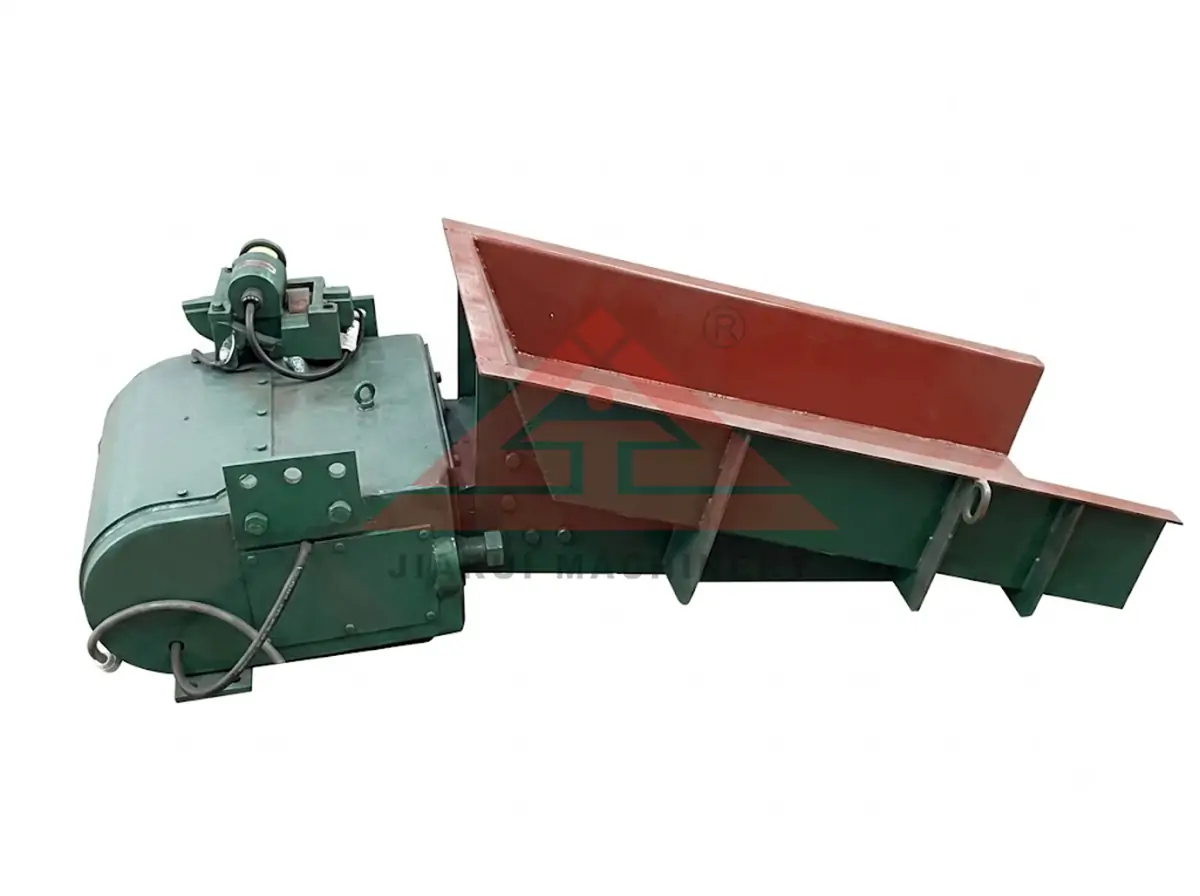
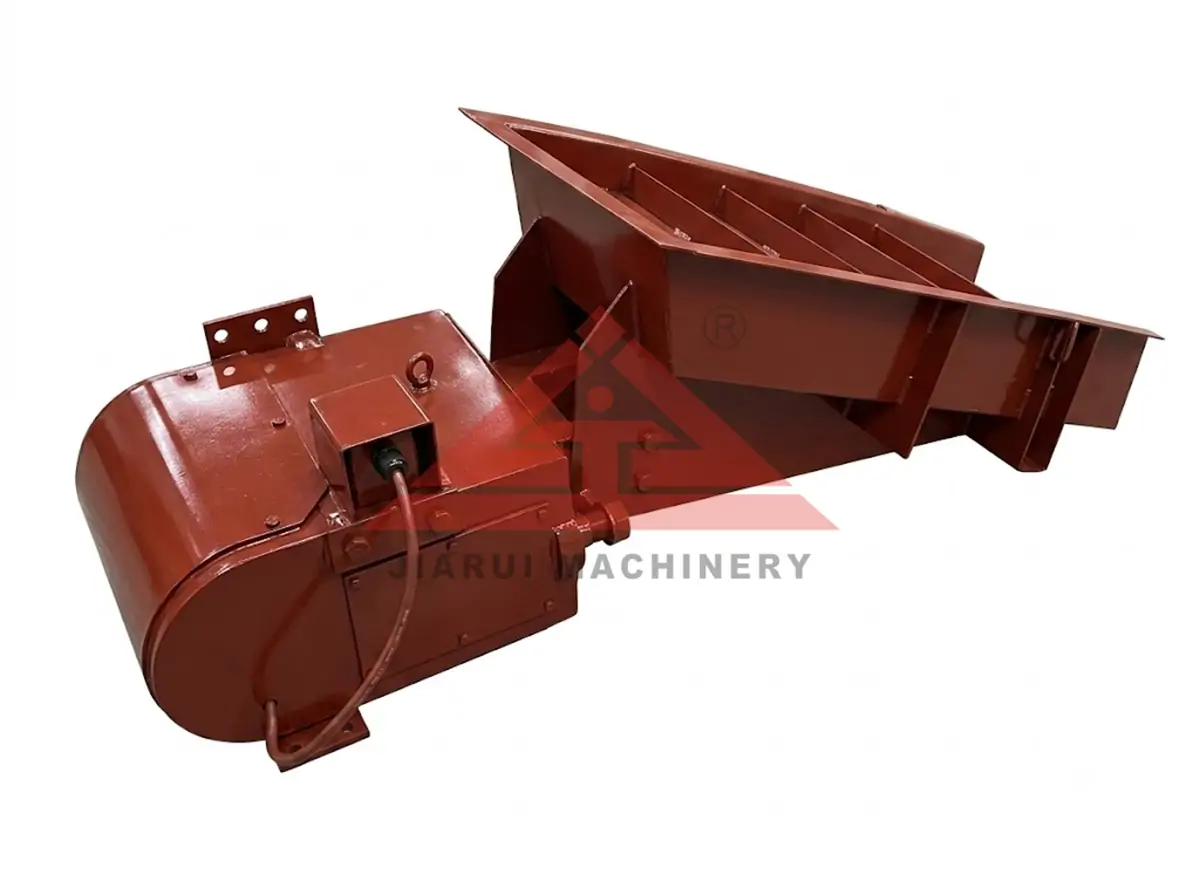
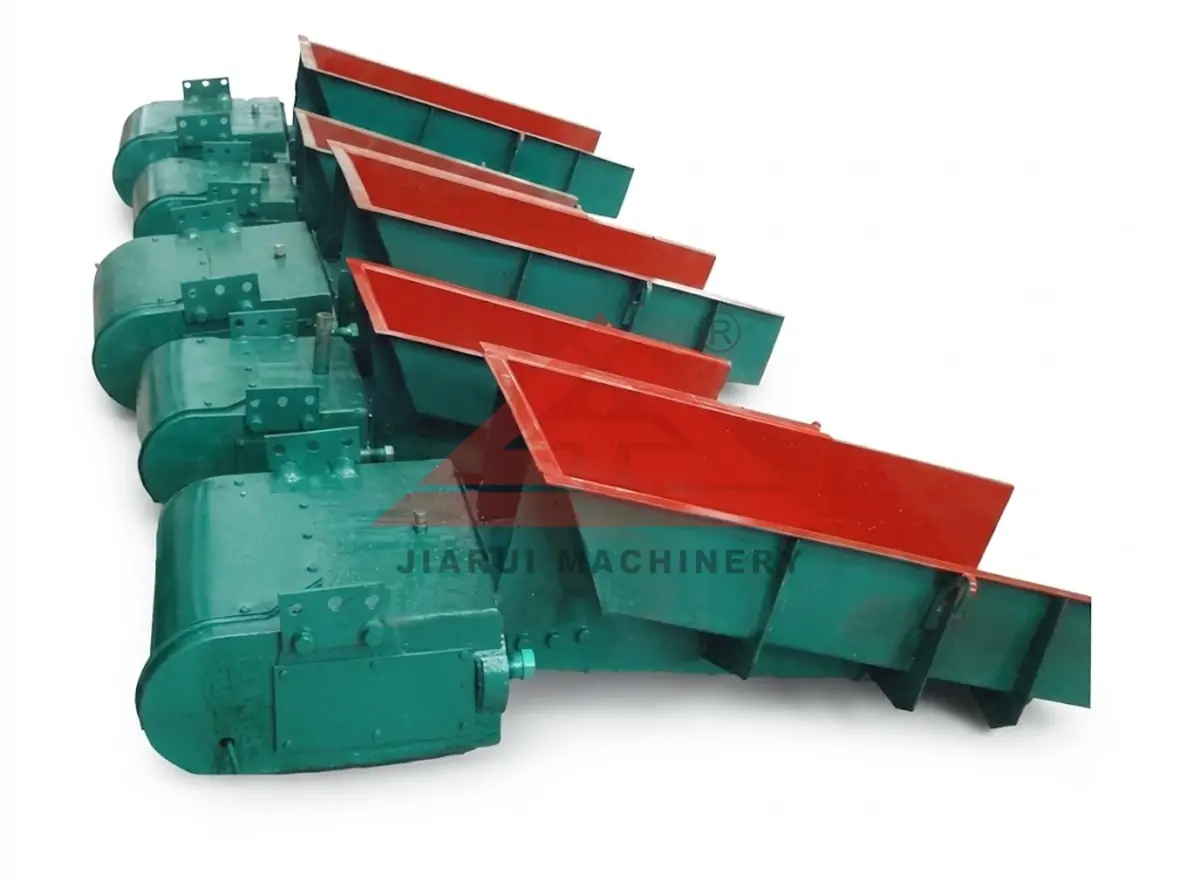
GZシリーズ電磁振動フィーダー
GZシリーズ電磁振動フィーダは、ホッパーからの材料の均一な排出を制御するために主に使用されます。電磁振動がトラフを連続的に作動させ、粉体、顆粒、および小塊材料を設定された供給速度で次の工程に送り込みます。供給速度は調整が容易で、運転中の機器の応答が速く、正確な材料供給を必要とする計量、秤量、および自動化生産プロセスに適しています。.
佳瑞 材料特性と運転条件に応じてGZシリーズ電磁振動フィーダーの構造とパラメータを調整します。これには、トラフサイズ、防塵設計、耐摩耗処理、および制御方法の選択が含まれます。鉱石や骨材などの一般的な材料、または粉体や顆粒材料を扱う場合でも、当社のエンジニアリングチームは能力要件、設置位置、および生産プロセスを評価し、適切な供給構成を提供します。.
- 型号: GZシリーズ電磁振動フィーダー
- 処理能力: 5–750 t/h (customizable)
- 供給方法: 電磁振動、連続および調整可能な供給
- 最大供給サイズ: 40–500 mm
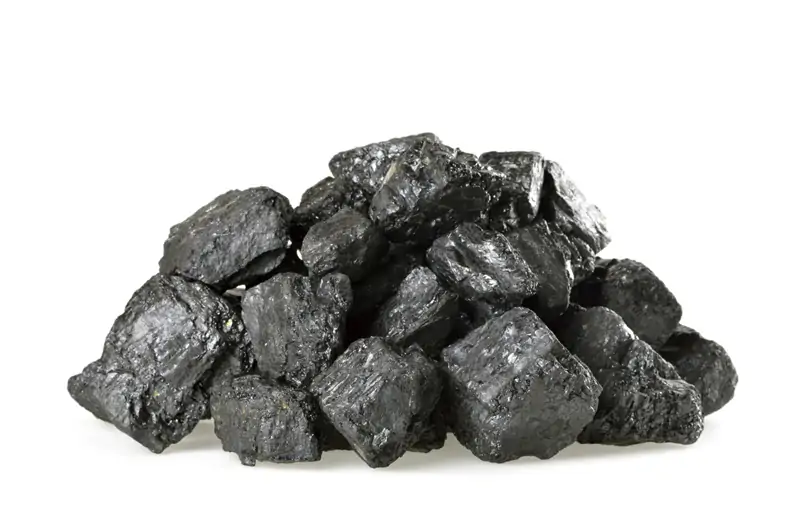
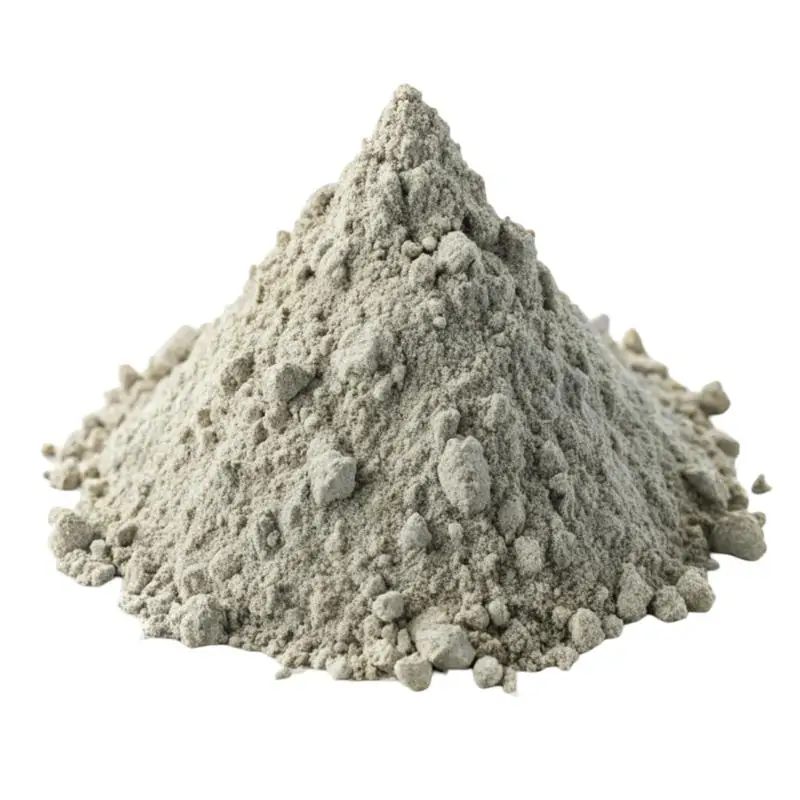
- 適合材料: 鉱石、石炭、石灰石、粉体および顆粒
- 用途: 鉱業、建材、化学および自動化生産ライン
- 定制化: トラフサイズ、構造および制御システムはカスタマイズ可能
GZシリーズ電磁振動フィーダーとは?
GZシリーズ電磁振動フィーダーは、電磁フィーダーまたは電磁振動フィーダー機とも呼ばれ、電磁振動を使用して連続的な材料供給を実現する産業用供給装置です。主に塊状、顆粒状、および粉体材料をホッパーまたは貯蔵設備から次の生産プロセスへ均等に移送するために使用されます。この装置は電磁駆動を通じて周期的な振動を生成し、材料が安定した供給速度でトラフ方向に沿って移動するようにします。.
GZシリーズ電磁振動フィーダーは、電磁制御を使用して振動振幅を調整し、供給速度を変更します。均一な供給と流量制御を必要とする生産プロセスに適しています。従来の機械式供給装置と比較して、よりコンパクトな構造とより速い調整応答を備えています。鉱石、石炭、骨材、粉体材料、および顆粒の連続供給に一般的に使用され、ホッパーと破砕機などの装置間の接続ユニットとして機能します。, スクリーン, 、および計量システム。.
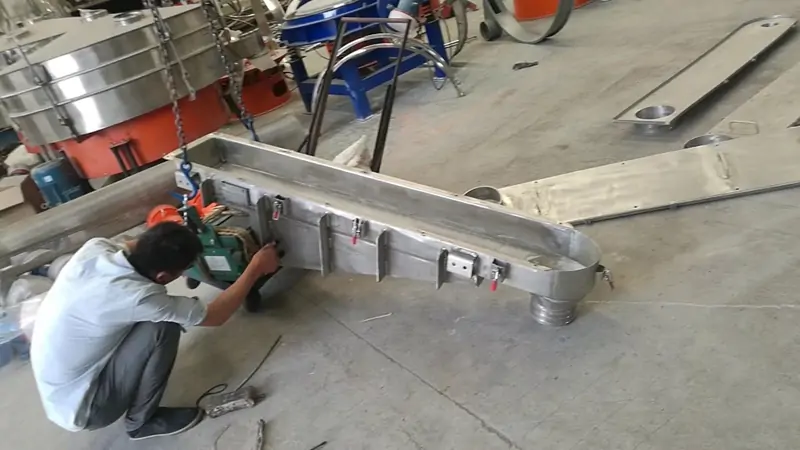
動作原理
GZシリーズ電磁振動フィーダーは、電磁バイブレーターを使用して周期的な起振力を生成し、トラフを高周波往復振動させます。トラフ内の材料は排出方向に向かって連続的に移動します。供給速度は電磁駆動および制御システムを通じて調整でき、連続的かつ制御可能な材料供給に適した装置となっています。.
電磁振動がトラフを駆動
電力が供給されると、電磁バイブレーター内のコイルが周期的な吸引力を生成し、アーマチュアとトラフを前後に動かします。この装置は電磁駆動を使用しているため、複雑な機械的伝動部品のないコンパクトな構造を備えています。起動および停止の応答が速く、生産要件に応じて運転を調整しやすくなっています。.
振動力が材料を前方に移動
トラフの振動中、材料は振動力と自重の影響を受けます。材料はほぐされ、出口に向かって連続的に移動します。材料の粒子サイズ、流動特性、および堆積状態は実際の運転結果に影響を与えるため、機器の選定は特定の運転条件に基づいて行う必要があります。.
電流を調整して供給速度を制御
制御ボックスは入力電流を調整して、電磁バイブレーターによって生成される振動力と振幅を変更し、材料の移動速度を変化させます。オペレーターは破砕、スクリーニング、秤量、または計量プロセスの要件に応じて供給速度を調整でき、上流および下流の装置が連携して動作するのに役立ちます。.
GZシリーズ電磁振動フィーダーの動作原理はシンプルですが、その適用性能はトラフ設計、設置方法、および制御パラメータのマッチングに密接に関連しています。適切な選定は運転調整を減らし、フィーダーと生産ライン間の調整を改善するのに役立ちます。.
.
利点
GZシリーズ電磁振動フィーダーの利点は、主に供給制御と現場適用に焦点を当てています。通常の機械式供給装置と比較して、GZシリーズは電磁駆動と制御ボックスを使用して振動条件を調整するため、供給速度の制御が容易です。連続供給、流量調整、および自動制御を必要とする生産プロセスに適しています。.
供給速度調整が容易
制御ボックスの出力パラメータを調整することにより、振動振幅と材料移動速度を変更できます。これにより、生産要件に応じて供給速度を調整でき、正確な流量制御を必要とする計量や秤量などのプロセスに適しています。.
自動化生産ラインにより適している
GZシリーズは電磁制御を使用しており、運転パラメータの調整がより迅速です。PLCシステム、秤量装置、および自動計量システムと接続でき、連続生産中の自動制御をサポートします。.
起動および停止の応答が速い
電磁駆動構造は複雑な機械的伝動部品を必要としません。装置は柔軟な調整で起動および停止でき、供給条件の頻繁な変更を必要とする生産プロセスに適しています。.
コンパクトな構造と小さな設置スペース
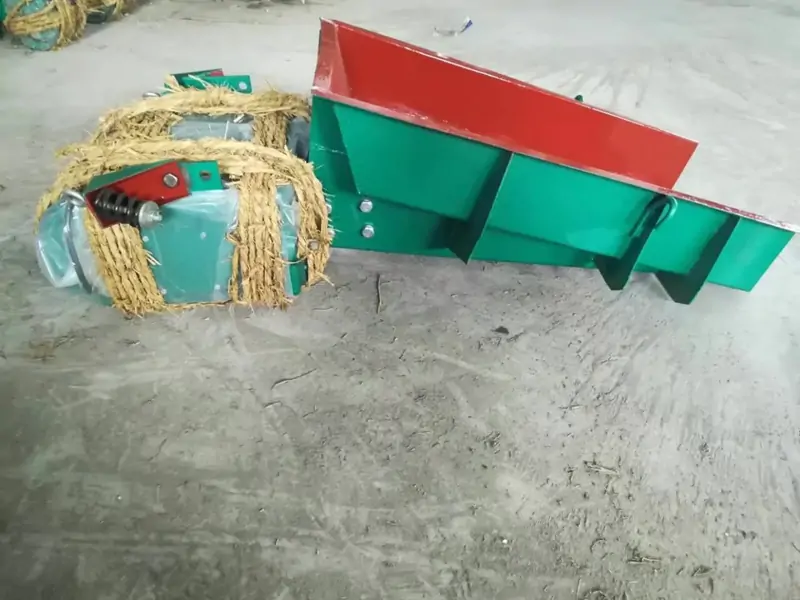
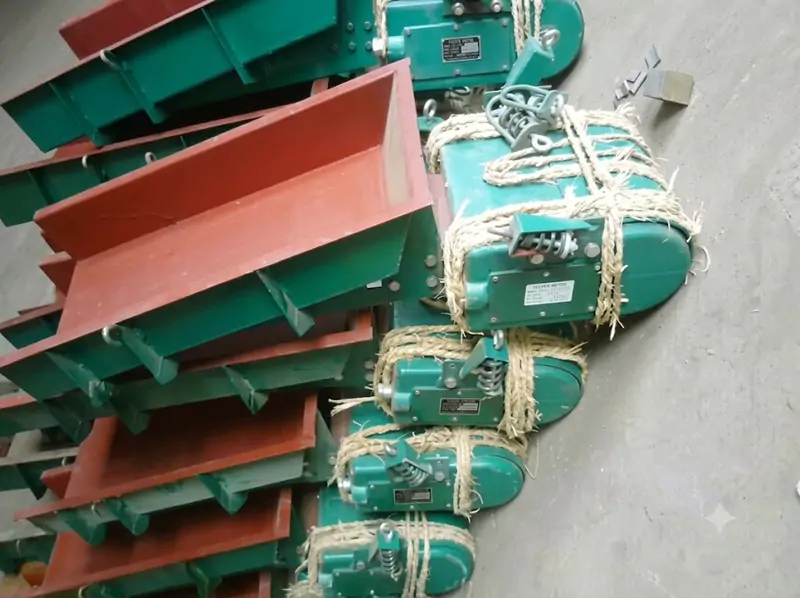
この装置は主に電磁バイブレーター、スプリング部品、トラフ、および制御システムで構成されています。全体構造はシンプルで、ホッパー出口または生産ラインの接続ポイントへの設置に適しています。.
多種料槽設計,適用於不同應用場景
根據安裝空間和物料特性,GZ系列可配置基本型、密閉型、頂裝振動型、寬槽型、管式等結構,以滿足粉塵控制、安裝條件和給料工況的不同要求。.
穩定連續運行
通過振動參數與料槽結構的合理匹配,設備可保持連續均勻給料,減少因上下游設備間物料供應不穩定而導致的生產波動。.
用途
GZ系列電磁振動給料機通常安裝在料倉出口、儲料設備卸料點或生產線給料段,用於控制物料進入下一工序的給料速度。不同應用場景對設備的要求各有側重:礦山應用更注重對大塊物料的處理能力,粉體行業關注粉塵控制和連續卸料,而自動化生產線則要求更精準的給料調節和設備銜接。.
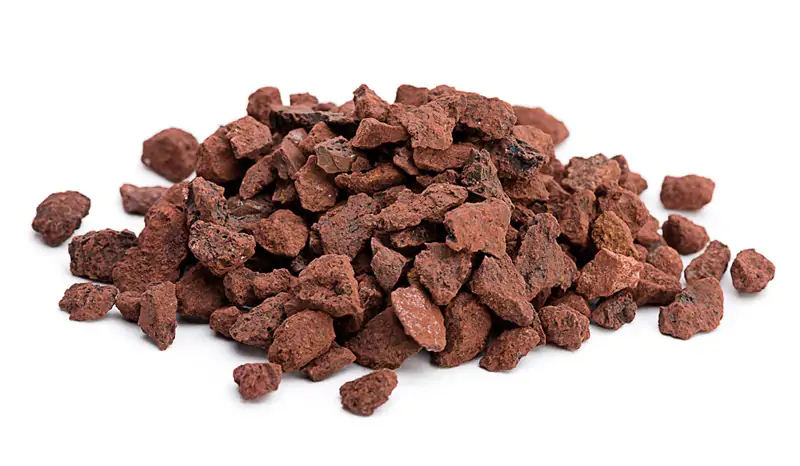
常見應用領域
| 業界 | 典型物料 | 常見安裝位置 |
| 鉱業 | 鐵礦石、銅礦石、破碎礦石、骨料 | 安裝在料倉下方,向破碎機、篩分機或帶式輸送機系統供料 |
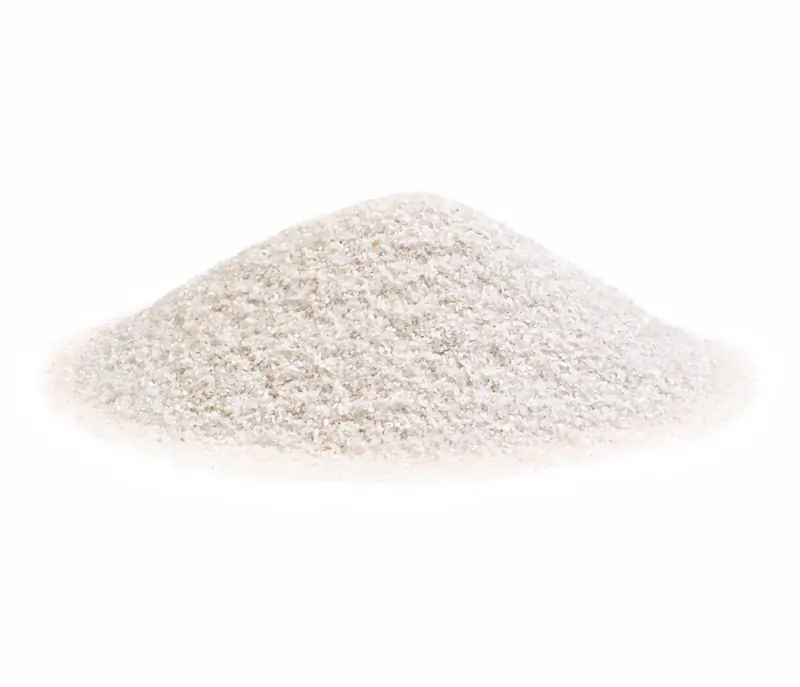
| 建材産業 | 石灰石、水泥熟料、石英砂、建築骨料 | 用於破碎、研磨和篩分生產線的前端,與下游設備連接 |
| 石炭産業 | 原煤、塊煤、焦炭 | 安裝在儲煤倉下方,控制物料進入輸送或加工設備 |
| 冶金行業 | 礦粉、爐料、金屬顆粒 | 用於冶煉、篩分和配料工藝中的連續給料 |
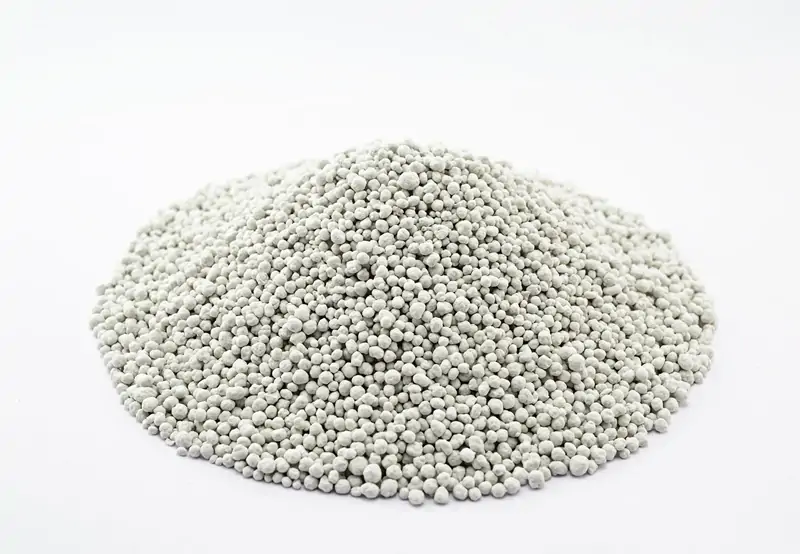
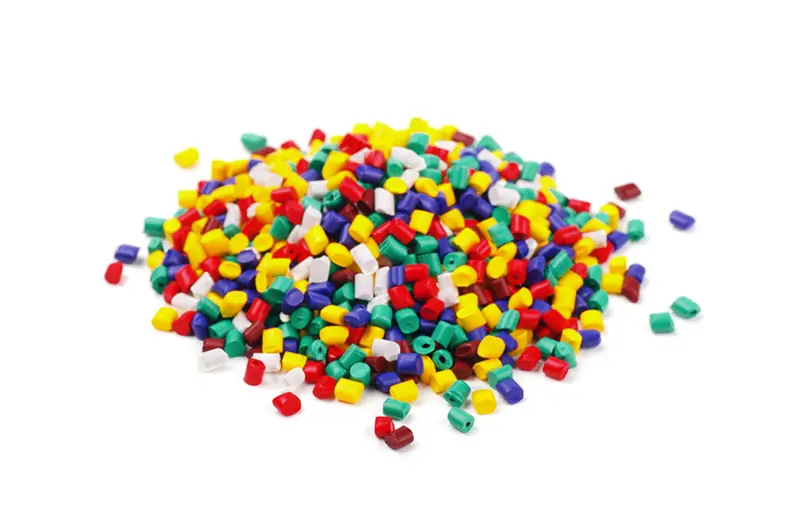
| 化学業界 | 化肥顆粒、樹脂顆粒、塑料顆粒、粉體物料 | 用於配料、包裝和自動化生產線的前端。可根據環境要求選擇密閉結構 |
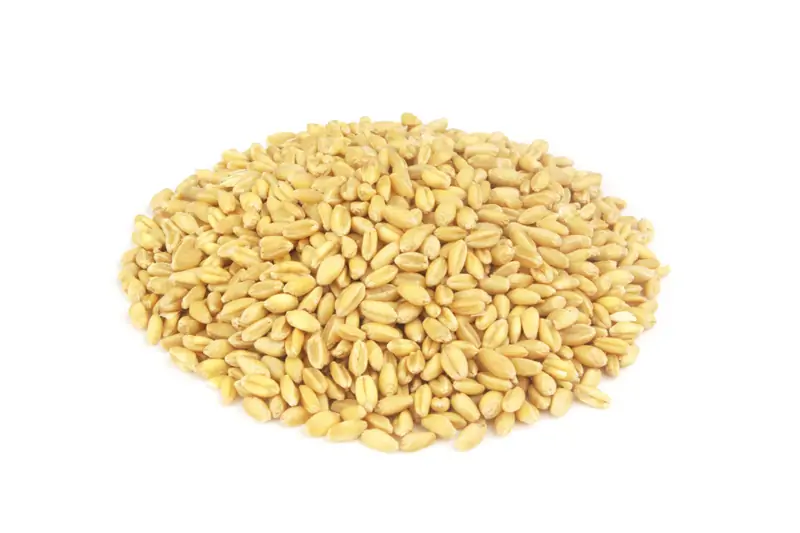
| 食品産業 | Grain, seeds, granular food materials | Used before storage, weighing, and packaging equipment for uniform material discharge |
Situations Requiring Careful Selection
GZ Series Electromagnetic Vibrating Feeder is suitable for most dry bulk materials, but not every material and operating condition is suitable for direct use. Confirming field conditions before selection can reduce later adjustment and operation problems.
- High moisture and sticky materials: For example, wet mineral powder and water-containing powder materials may accumulate inside the trough. The structure and treatment method should be selected according to actual conditions.
- Oversized lump materials: If the feeding size exceeds the designed range, it may increase impact load on the trough and affect equipment operation.
- Long-distance conveying requirements: Electromagnetic vibrating feeders are mainly used for short-distance continuous feeding and are not suitable as long-distance conveying equipment.
- Production environments sensitive to vibration: Some precision production processes need to avoid vibration influence. The installation method should be confirmed in advance.
The application performance of GZ Series Electromagnetic Vibrating Feeder is related to material condition, installation position, and connection with upstream and downstream equipment. Selection should consider not only capacity, but also installation space, connected equipment, and operating environment.
技术参数
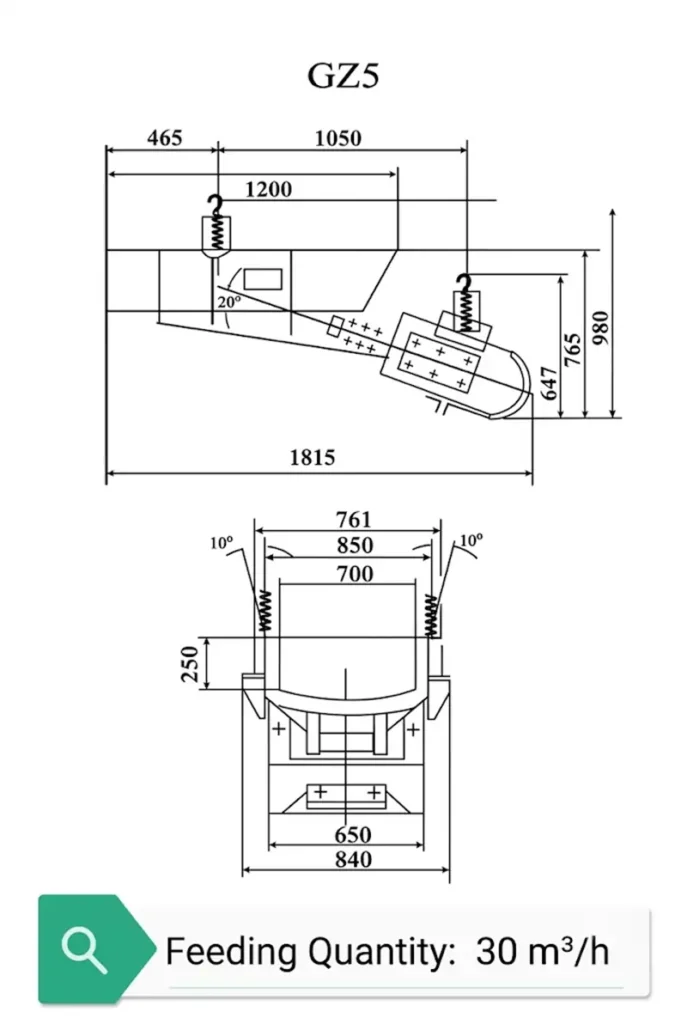
GZ Series Electromagnetic Vibrating Feeder covers different specifications and can be selected according to production capacity, feeding size, and installation conditions. During equipment selection, the maximum capacity should not be the only factor considered. Material characteristics, connection with upstream and downstream equipment, and available installation space should also be evaluated.
| Model Range | 処理能力 | Max Feeding Size | Suitable Application |
| GZ1-GZ3 | 5-25 t/h | ≤75 mm | Small-flow continuous feeding, batching, and auxiliary feeding |
| GZ4-GZ6 | 50-150 t/h | ≤200 mm | Feeding of common ore, aggregates, and granular materials |
| GZ7-GZ8 | 250-400 t/h | ≤300 mm | Continuous feeding for medium and large production lines |
| GZ9-GZ10 | 600-750 t/h | ≤500 mm | Large mining and industrial production lines |
The main differences between different GZ Series models are trough size, vibration parameters, and structural configuration. For example, the standard type is suitable for common bulk material feeding; the enclosed type is suitable for environments with higher dust control requirements; the top-mounted vibration type can solve installation problems where space is limited. The actual selection should be based on hopper height, discharge method, and downstream equipment connection.
Basic Parameter Reference
| 参数 | 内容 |
| Drive Method | Electromagnetic vibration drive |
| 供給方法 | Continuous and adjustable feeding |
| 処理能力 | 5-750 t/h |
| Max Feeding Size | 40-500 mm |
| 適合材料 | Ore, coal, limestone, powder materials and granules |
| Control Method | Control box adjustment of vibration amplitude and feeding speed |
| Structure Types | Basic type, enclosed type, top-mounted type, wide trough type, tubular type, etc. |
When selecting GZ Series Electromagnetic Vibrating Feeder, it is recommended to confirm material type, capacity requirements, and installation conditions first, then determine the suitable model and structure. Jiarui matches equipment parameters according to actual operating conditions to avoid selecting a specification that does not fit the production requirements.
How to Select Different Structures?
GZ Series Electromagnetic Vibrating Feeder can be designed with different structures according to installation space, feeding environment, and application requirements. Different structures do not represent different performance levels, but are designed to match different operating conditions. Selection mainly depends on installation conditions and usage requirements.
| タイプ | Main Difference | Suitable Application |
| Basic Type | Open trough structure with mature design and wide application range | Common ore, coal, aggregates, and bulk materials where there are no special restrictions |
| Top-Mounted Type | Vibration device installed above the trough | Applications where space below the feeder is limited or other equipment installation needs to be avoided |
| Enclosed Type | Added protective cover to reduce dust dispersion | Powder materials, dusty materials, or workshops with higher environmental control requirements |
| Light Trough Type | Lighter trough structure with lower equipment load | Installations with limited supporting conditions or requirements for reduced equipment weight |
| Flat Trough Type | Flatter trough design for more uniform discharge | Thin-layer feeding or connection with screening and batching equipment |
| Wide Trough Type | Increased trough width for higher passing capacity | Applications requiring a wider feeding surface or larger material flow |
| Tubular Type | Enclosed tubular structure with better sealing performance | Applications requiring strict dust control or reduced external contamination |
| Heavy-Duty Type | Reinforced load-bearing structure for higher capacity | Large mining operations and continuous high-capacity feeding systems |
When selecting the structure of GZ Series Electromagnetic Vibrating Feeder, it is not recommended to choose only based on model size. The installation position, connection method with other equipment, and operating environment should also be considered. Different structures are mainly used to match different installation conditions and production requirements.
How to Select Electromagnetic Vibrating Feeder?
These two types of equipment both use vibration force to move materials, but their purposes in production lines are different. GZ Series Electromagnetic Vibrating Feeder mainly solves the problem of controlling feeding rate and operating rhythm. It is more suitable for continuous quantitative feeding and automatic control processes. Vibrating feeder conveyors mainly focus on moving large amounts of materials continuously and are suitable for high-capacity and heavy-duty applications.
| 比較項目 | GZシリーズ電磁振動フィーダー | 振動フィーダーコンベヤ |
| Equipment Function | Precise feeding control equipment | High-capacity material conveying equipment |
| Drive Method | Electromagnetic drive, feeding speed adjusted by vibration amplitude | Driven by vibration motors or exciters to move materials continuously |
| Main Purpose | Controls hopper discharge speed for continuous and quantitative feeding | Handles large-volume material conveying in production lines |
| 適切な用途 | Batching systems, weighing equipment, packaging equipment, automated production lines | Mining crushing plants, screening lines, and large conveying systems |
| 適合材料 | Powder materials, granules, and small to medium lump materials | Ore, aggregates, coal, and large bulk materials |
| Main Advantages | Fast adjustment response, flexible feeding control, easy connection with control systems | High capacity, strong load-bearing ability, suitable for continuous heavy-duty operation |
| Installation Features | Compact structure, suitable for hopper outlets and equipment connection points | More suitable for large production line layouts and long-term continuous operation |
If the production line focuses on controlling feeding speed, matching weighing and batching systems, or frequently adjusting discharge quantity, GZ Series Electromagnetic Vibrating Feeder is more suitable. If the main requirement is handling large lump materials, high capacity, and continuous conveying, a vibrating feeder conveyor is a better choice.
Customization Service
Although GZ Series Electromagnetic Vibrating Feeder has standard models, different production lines have different requirements for installation position, connected equipment, and operating conditions. If equipment dimensions, trough structure, and control methods are not matched with the application, it may affect installation and operation performance. For these situations, we adjust the equipment structure and configuration according to customer requirements to determine a more suitable feeding design.
If you are not sure which model or structure is suitable, you can provide the following basic information. We will evaluate the operating conditions and confirm the suitable trough design, specifications, and control method.
Selection information recommended:
- Material information: Material name, particle size, whether it is sticky or dusty
- Capacity requirements: Required feeding capacity per hour
- Installation conditions: Hopper size, installation space, discharge direction
- Operating environment: Whether dust protection, wear resistance, or special materials are required
- Control requirements: Whether connection with PLC, batching, or automatic control systems is needed
Jiarui engineering team evaluates the provided information to match equipment configuration, from model selection and structural design to manufacturing requirements, reducing selection errors and helping the equipment fit the production process.

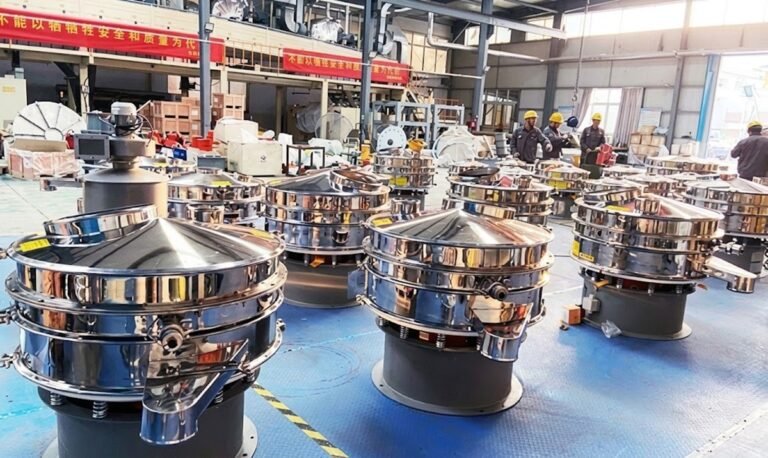
佳瑞制造
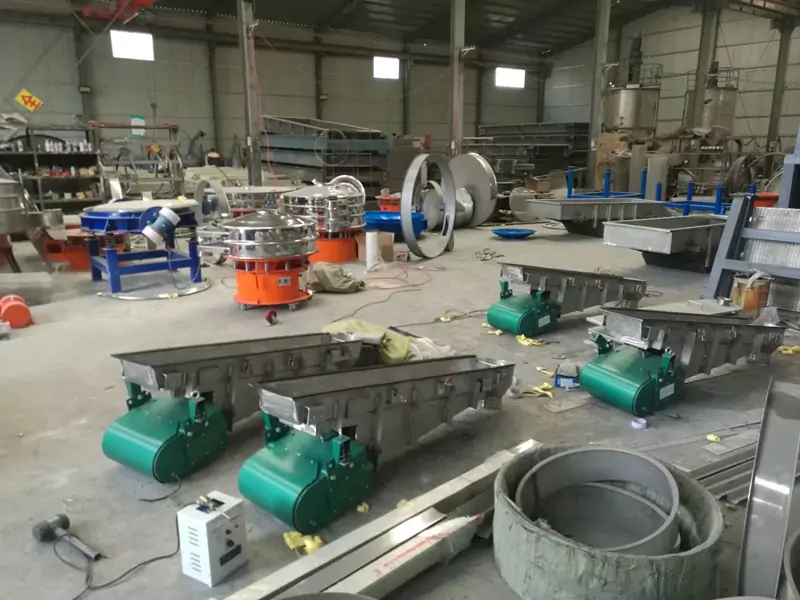
For GZ Series Electromagnetic Vibrating Feeder, manufacturing accuracy affects how the equipment performs after installation. The trough structure, electromagnetic vibration system, and assembly process need to match the material characteristics and working conditions to maintain stable feeding.
Trough structure designed for actual conditions
The trough dimensions, material selection, and wear protection are determined according to feeding capacity, material properties, and installation requirements. This helps reduce material blockage and keeps the feeding process more consistent.
Vibration system matched during assembly
The electromagnetic vibrator, springs, and control components are assembled according to the confirmed design parameters. After assembly, each feeder is checked for vibration operation and feeding response before delivery.
Manufacturing based on approved drawings
Jiarui completes the manufacturing process from CAD confirmation and component processing to assembly and testing according to the customer’s technical requirements. This keeps the final equipment configuration consistent with the confirmed design.
The manufacturing process follows quality management principles to control key production steps and maintain stable equipment performance.
よくある質問
获取免费咨询
填写以下表格,与我们的专家联系,获取针对您应用场景的个性化推荐。.