超音波振動篩
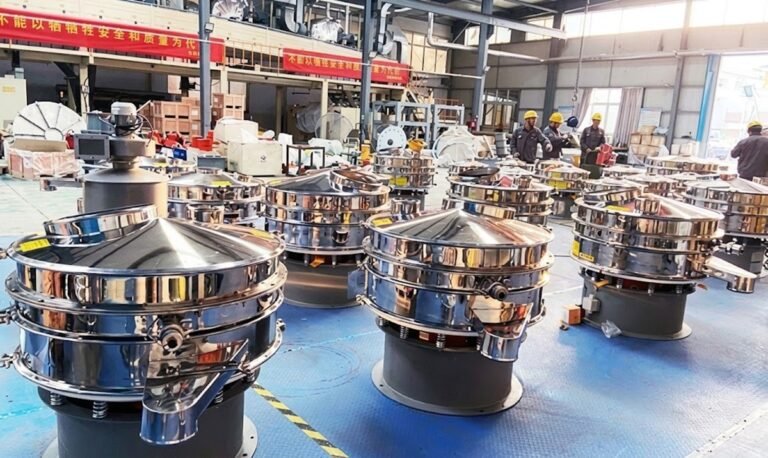
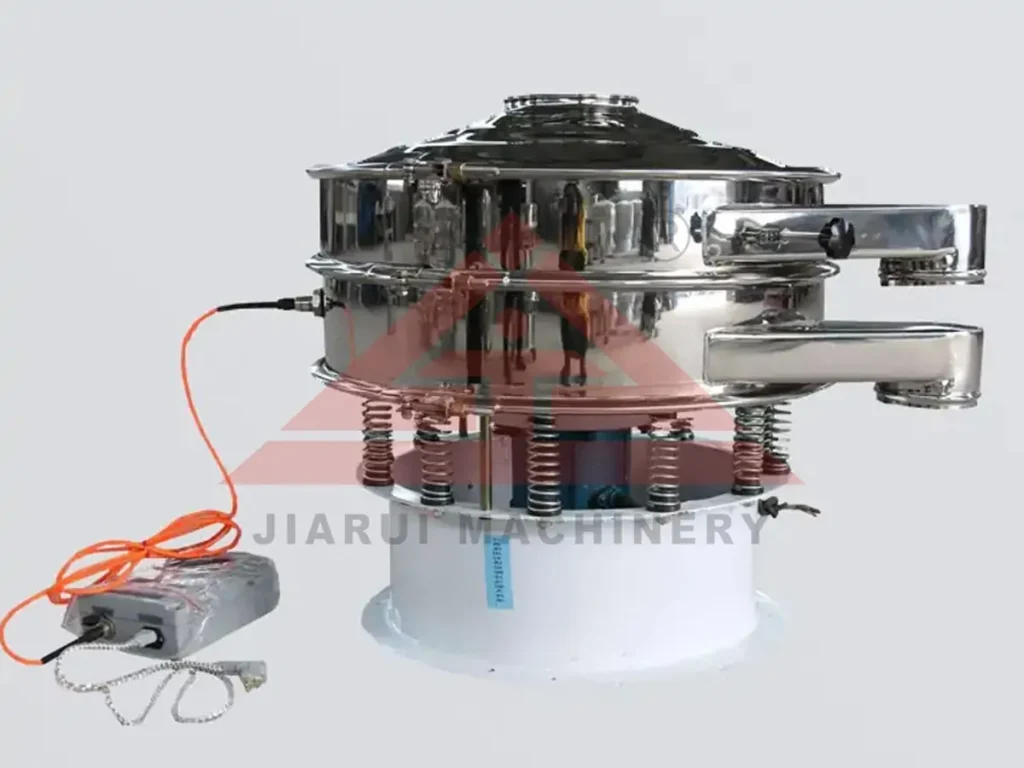
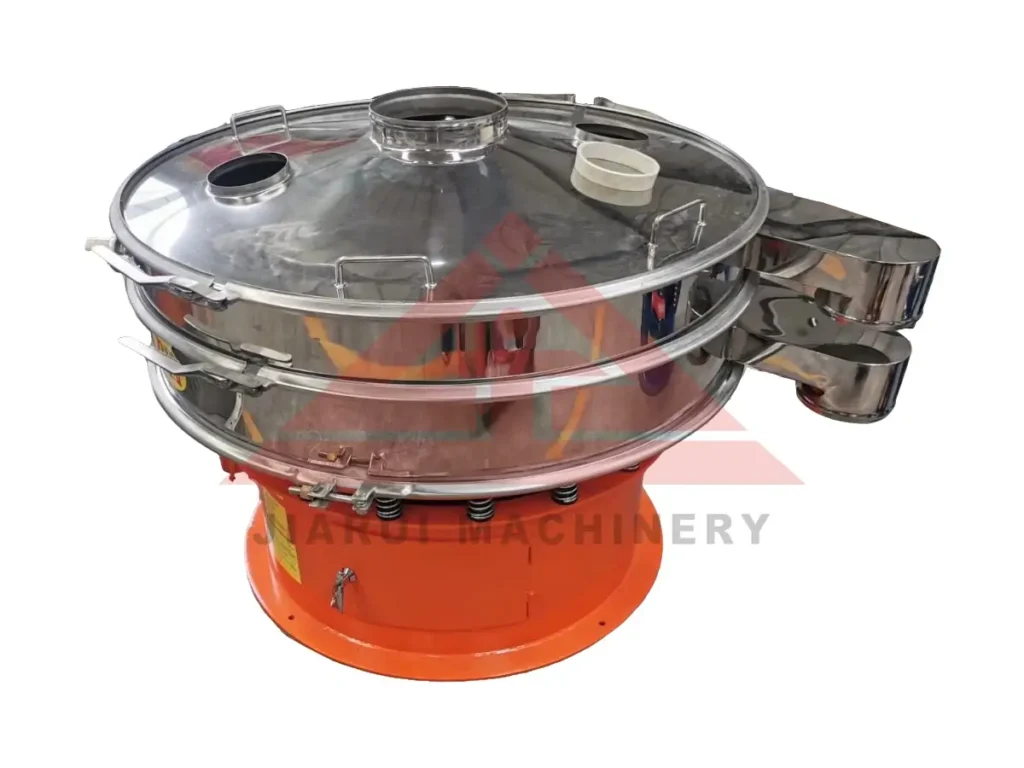
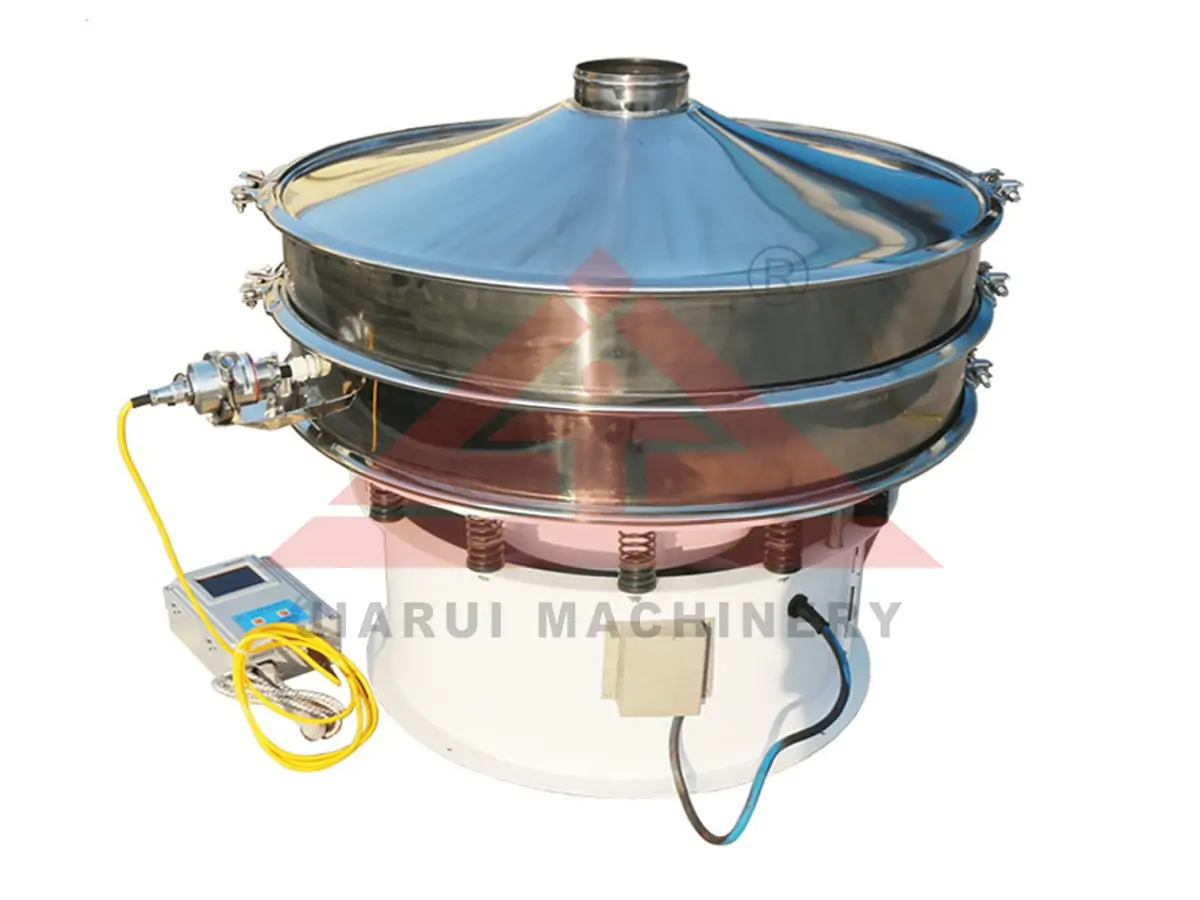
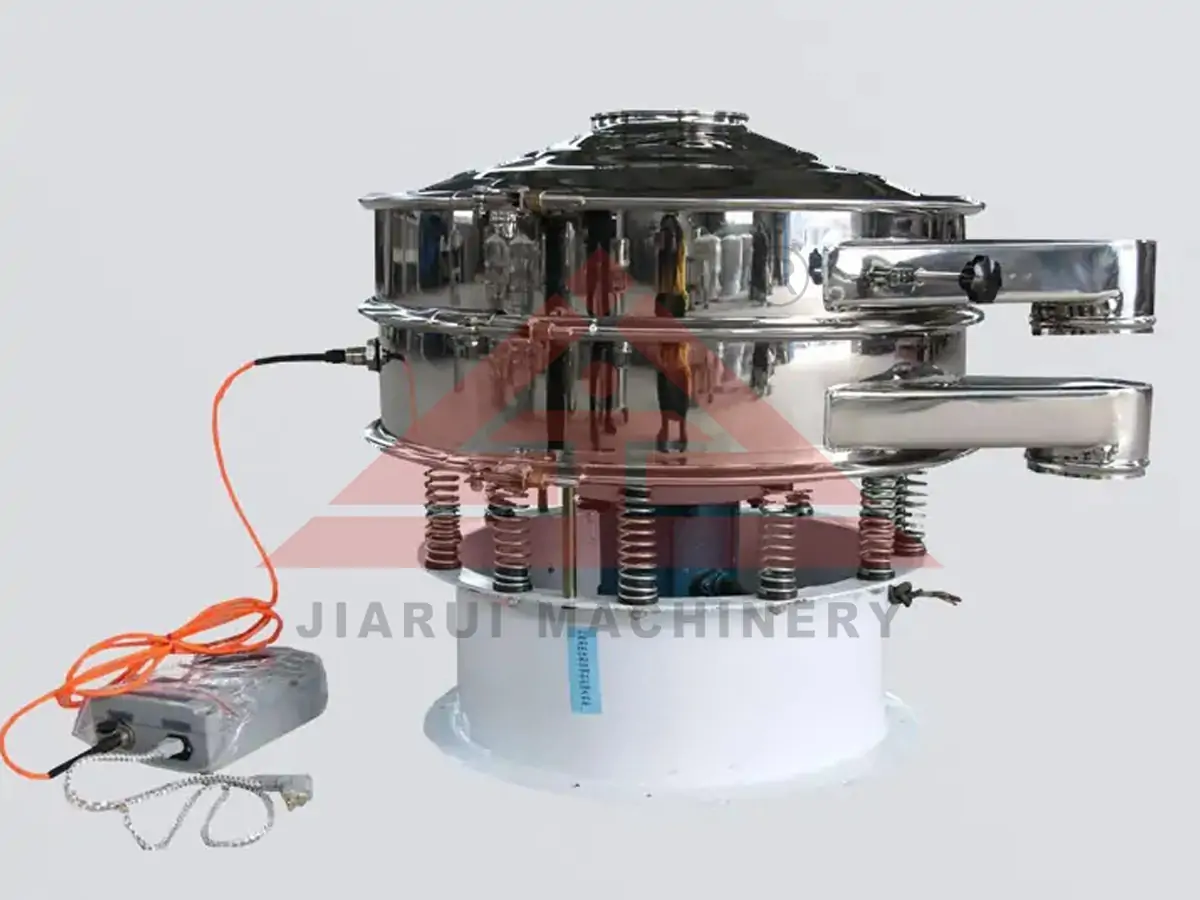
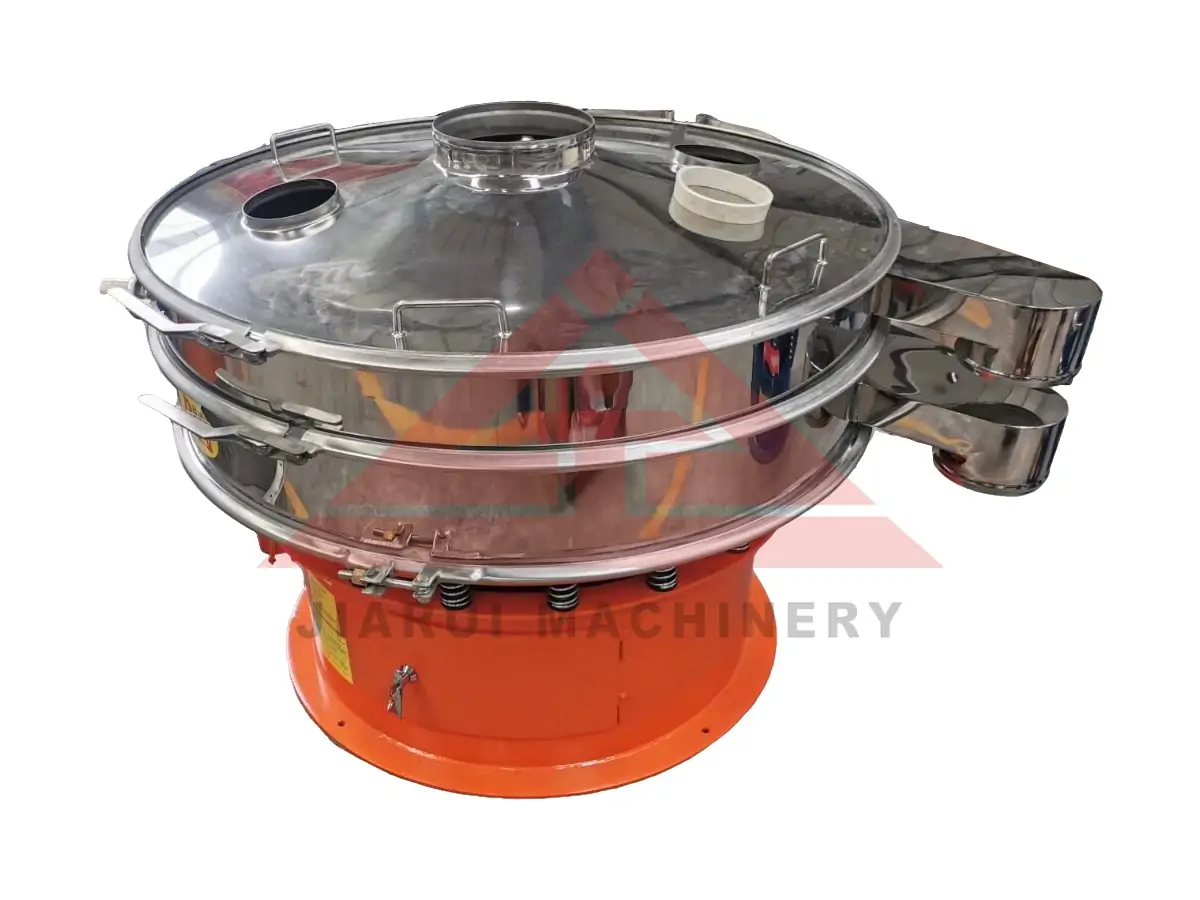
Ultrasonic vibrating screens are also known as ultrasonic rotary vibrating screens. This equipment builds upon traditional vibrating screens (such as rotary vibrating screens) by incorporating a high-frequency ultrasonic vibration system to enhance screening efficiency and precision. It is an advanced screening solution designed to address the challenges of processing ultra-fine powders, highly viscous materials, materials prone to agglomeration, and electrically charged materials. Its core value lies in “anti-clogging” and “high precision,” making it a critical piece of equipment in industries such as fine chemicals, pharmaceuticals, food, and new materials (e.g., lithium batteries).
What is an Ultrasonic Vibrating Screen
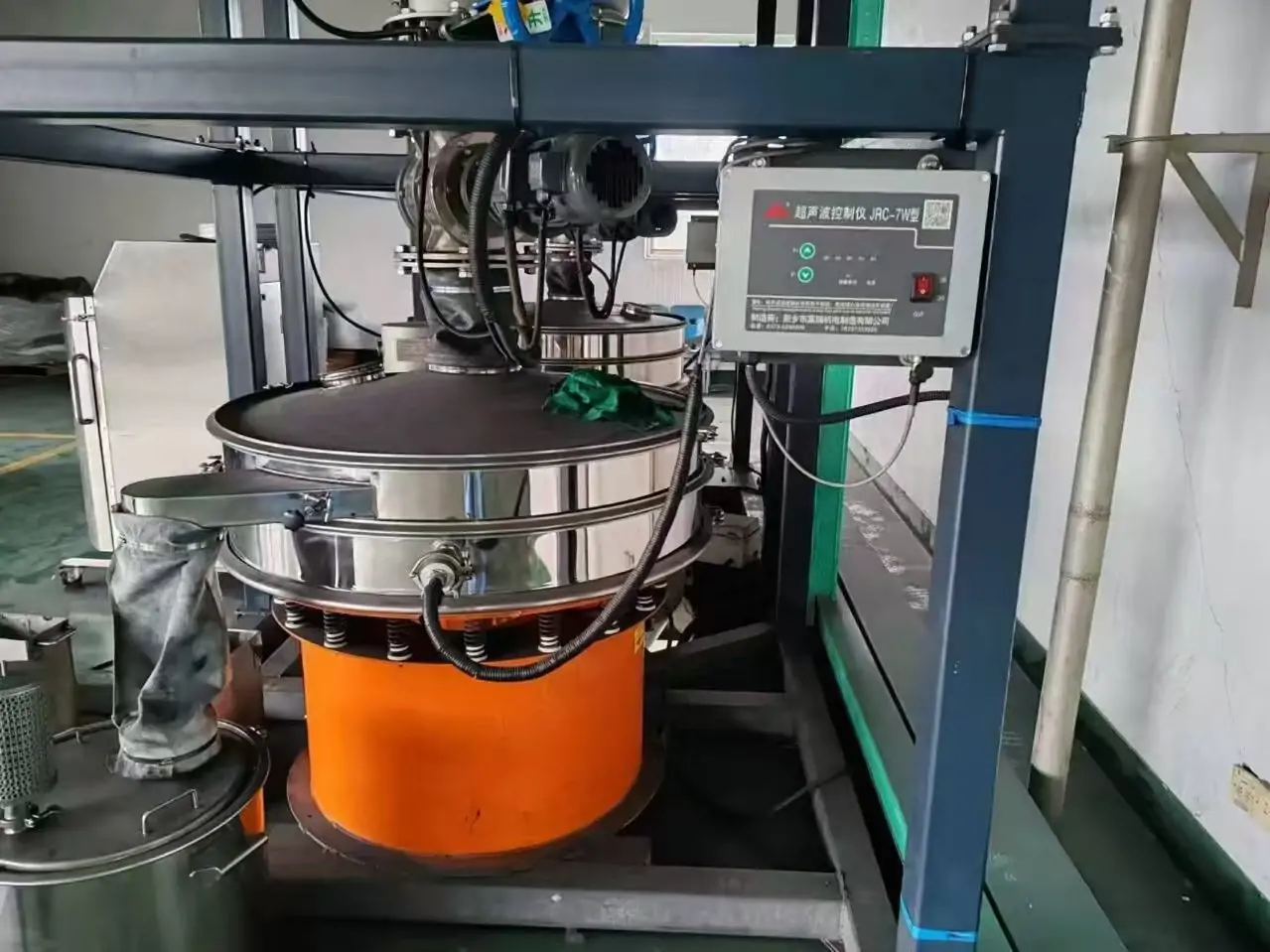
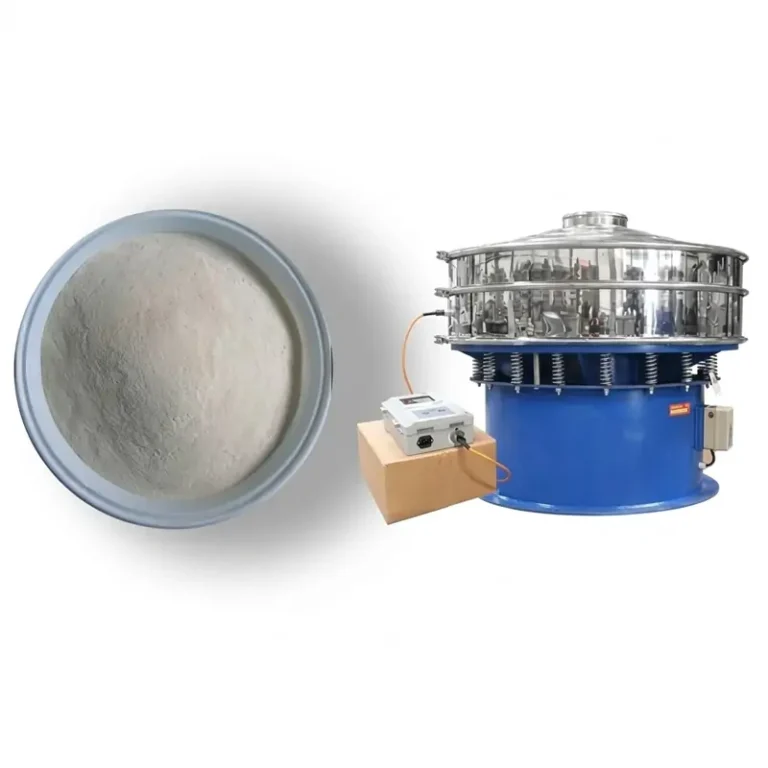
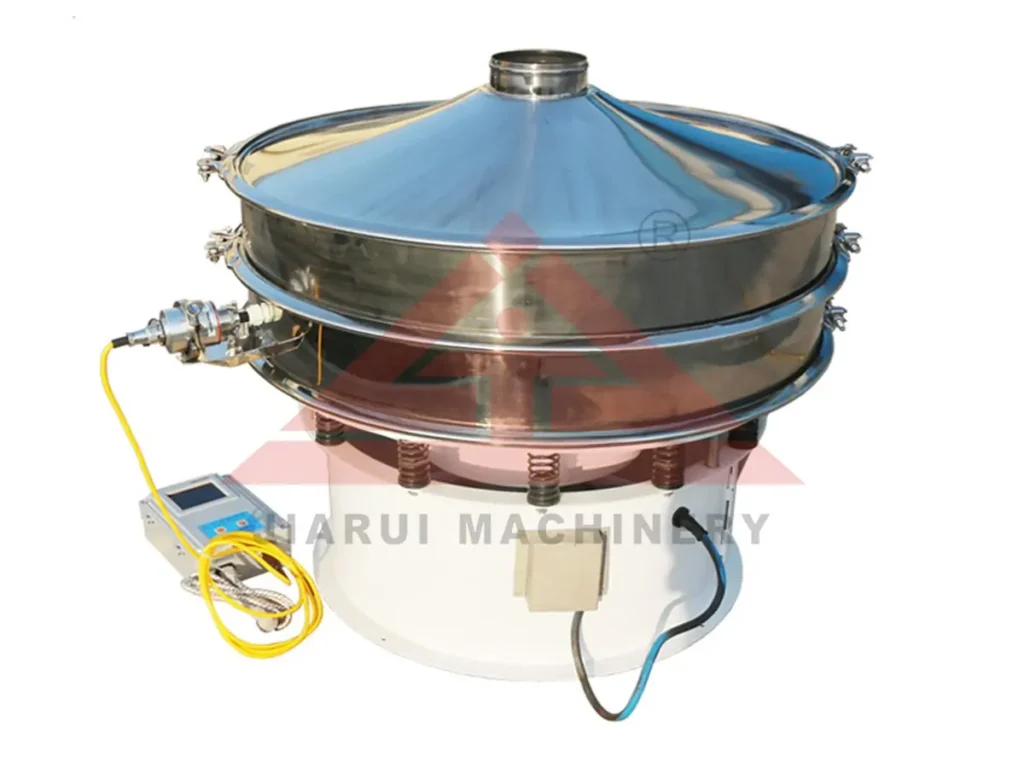
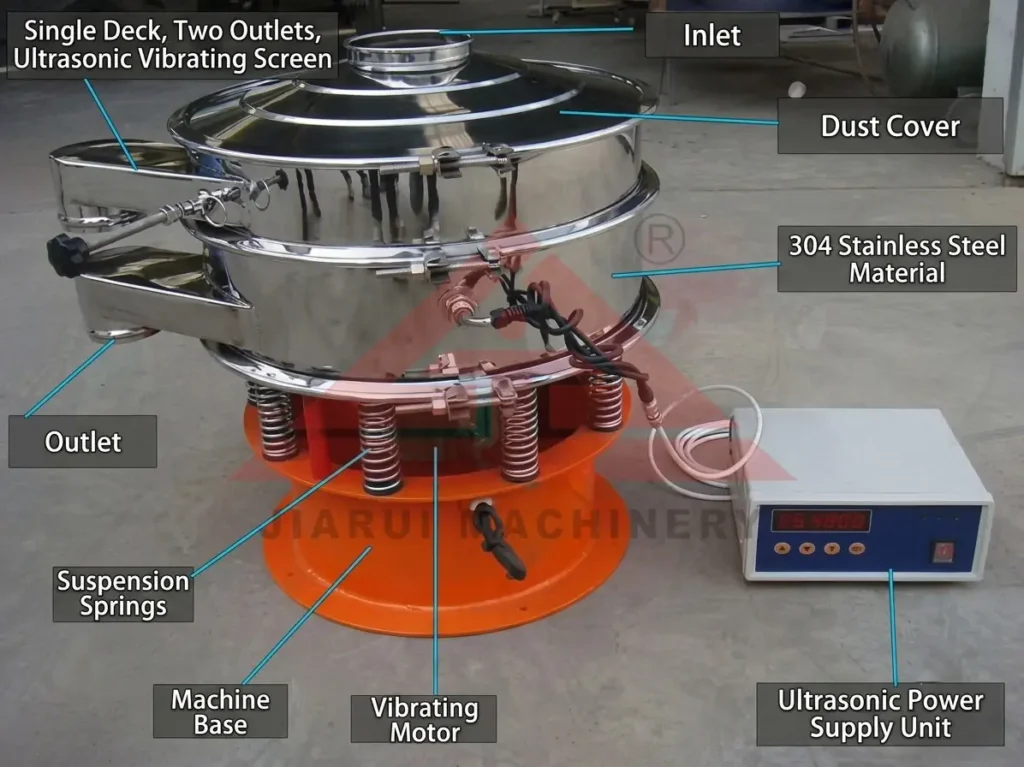
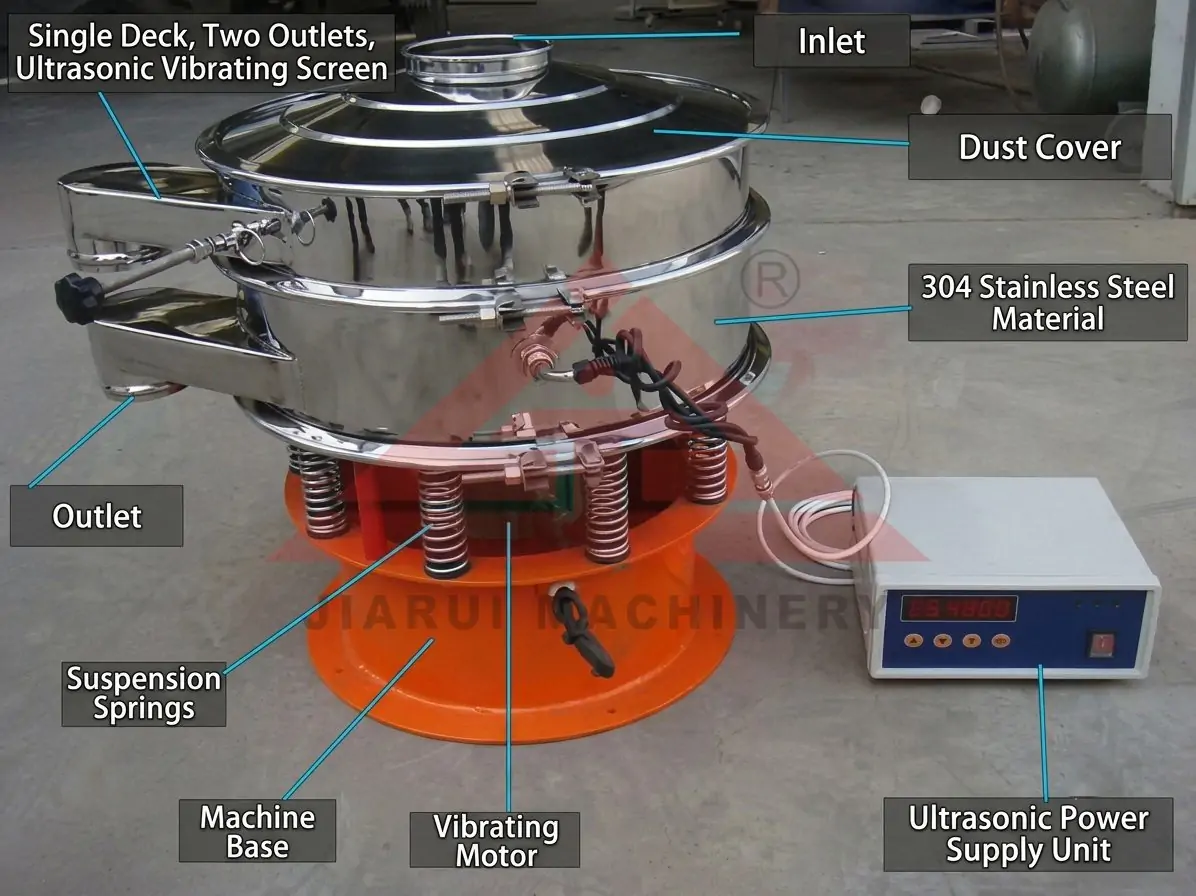
An ultrasonic vibrating screen, also known as an ultrasonic rotary vibrating screen, is a high-precision screening device that combines ultrasonic technology with the functionality of a traditional vibrating screen. Its core operating principle is “dual-power drive”: on one hand, a vibration motor provides basic mechanical vibration, ensuring that the material is evenly distributed across the screen surface; on the other hand, an ultrasonic system (consisting of a generator and transducers) converts electrical energy into high-frequency mechanical vibrations (typically 20–40 kHz) and superimposes them onto the screen mesh. This high-frequency, low-amplitude vibration effectively breaks down the adhesive forces and electrostatic attraction between materials, causing fine particles to “suspend,” thereby completely resolving the problem of screen clogging during the screening of fine powders and significantly improving screening efficiency and precision.
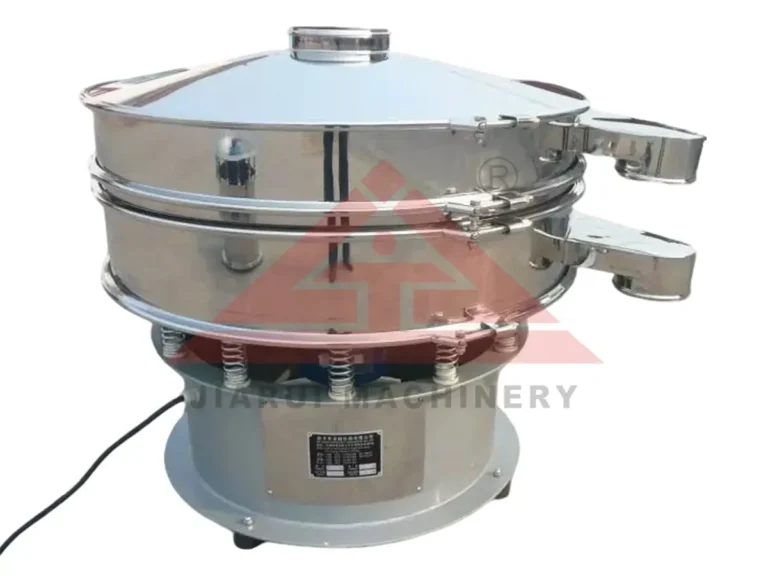
The JR-C Series Ultrasonic Vibrating Screen is a new type of “high-precision, high-stability” ultrasonic screen developed by Jiarui Machinery based on years of experience in fine classification and through technical cooperation with Germany. This ultrasonic vibrating screen converts 220V, 50Hz or 110V, 60Hz electrical power into 38kHz high-frequency electrical energy, which is then fed into the ultrasonic transducer. This enables efficient screening and screen cleaning, making the screening of ultra-fine powders effortless. Building upon traditional vibrating screens, this system introduces low-amplitude, high-frequency ultrasonic vibrations (mechanical waves) to the screen mesh, thereby enhancing the screening performance of ultra-fine particles. Major application areas include: the chemical industry (e.g., powder coatings, resins, battery materials), the food industry (e.g., milk powder, powdered sugar, starch), the pharmaceutical industry (e.g., Chinese and Western medicinal powders, active pharmaceutical ingredients requiring GMP compliance), as well as the metallurgy and new materials industries (e.g., metal powders, ceramic powders, quartz sand, etc.). Additionally, this equipment plays a significant role in the environmental protection and new energy sectors (e.g., screening of lithium battery materials).
超音波振動篩應用領域
憑藉其獨特能力,可解決超細粉末篩分中的篩網堵塞及靜電團聚等挑戰,嘉瑞機械的超音波振動篩廣泛應用於眾多對物料篩分精度與純度要求極高的行業。.

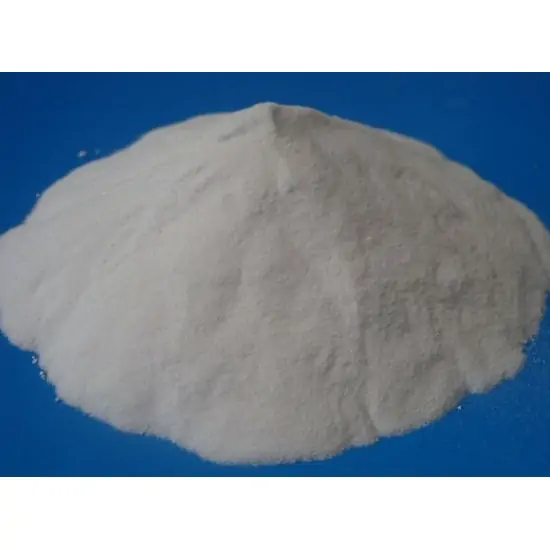
原料藥中間體
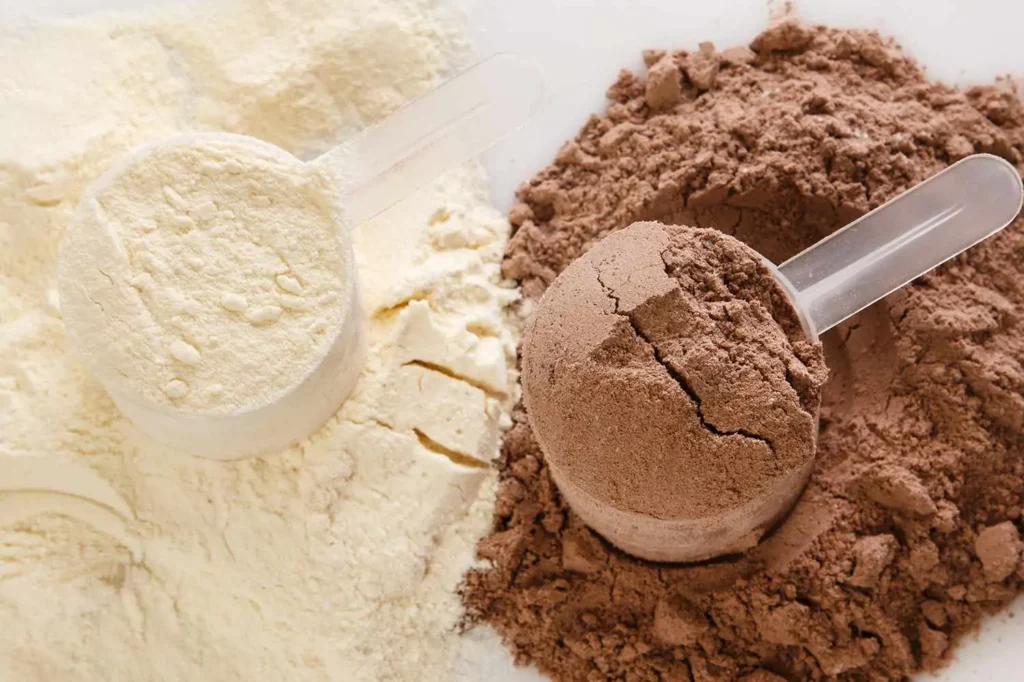
麥芽粉
糖粉
利巴韋林粉末
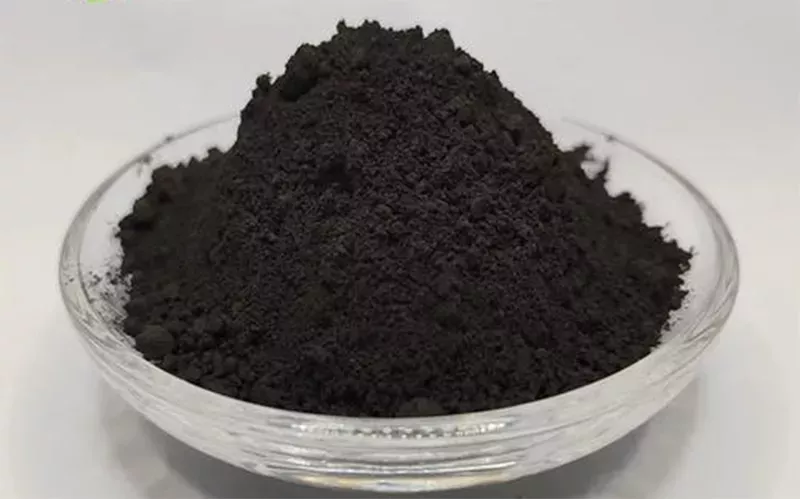
碳化硼粉末
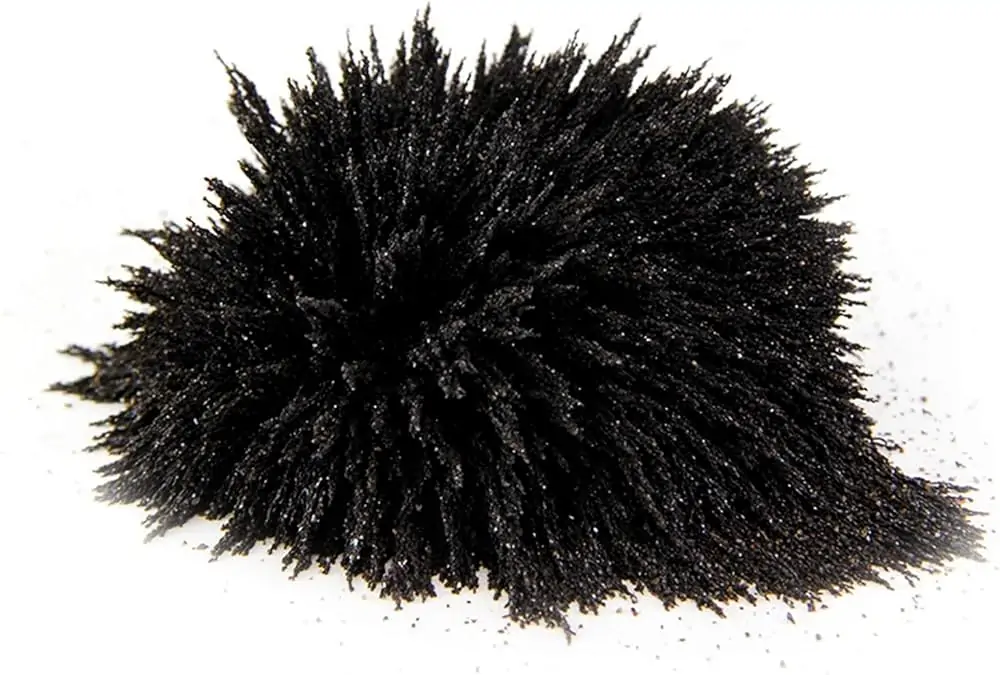
磁性粉末
粉末塗料
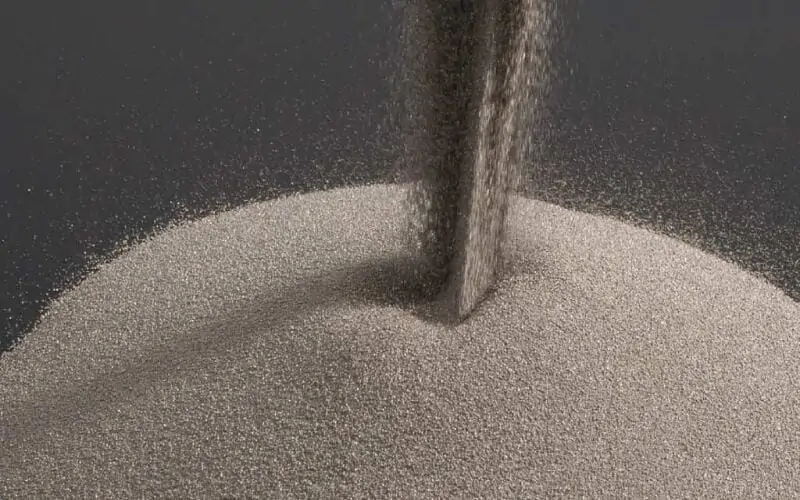
不鏽鋼粉末
| 行業 | 典型物料(400–600目篩分) |
|---|---|
| 新能源與先進材料 | 鋰電池負極材料、正極材料、磁性粉末、雷射粉末、合金粉末 |
| 金屬粉末與粉末冶金 | 鉬粉、不鏽鋼粉末、鎢粉、鎳粉、鈷粉、合金粉末 |
| 化工與塗料行業 | 粉末塗料、碳化矽粉末、碳化硼粉末、石英粉末、有機化工粉末 |
| 食品與食品添加劑 | 麥芽粉、咖啡粉、澱粉、糖粉、奶粉 |
| 製藥與原料藥加工 | 利巴韋林粉末、草藥粉末、藥用粉末、原料藥中間體 |
| 磨料與陶瓷材料 | 碳化矽、碳化硼、石英粉末、氧化鋁、陶瓷粉末 |
若您的行業未列於上述,歡迎隨時 聯絡嘉瑞機械 ,以確認是否有更適合您篩選需求的解決方案。.
在嘉瑞機械,我們可提供從標準機型到高度客製化的篩選解決方案,針對您行業的特定需求進行調整。.
Technical Specifications of Ultrasonic Vibrating Screen
Designed for ultra-fine powder screening, this ultrasonic vibrating screen integrates advanced ultrasonic technology with high-efficiency screening performance. It is widely used in industries such as chemical processing, lithium battery materials, food powders, and pharmaceuticals.
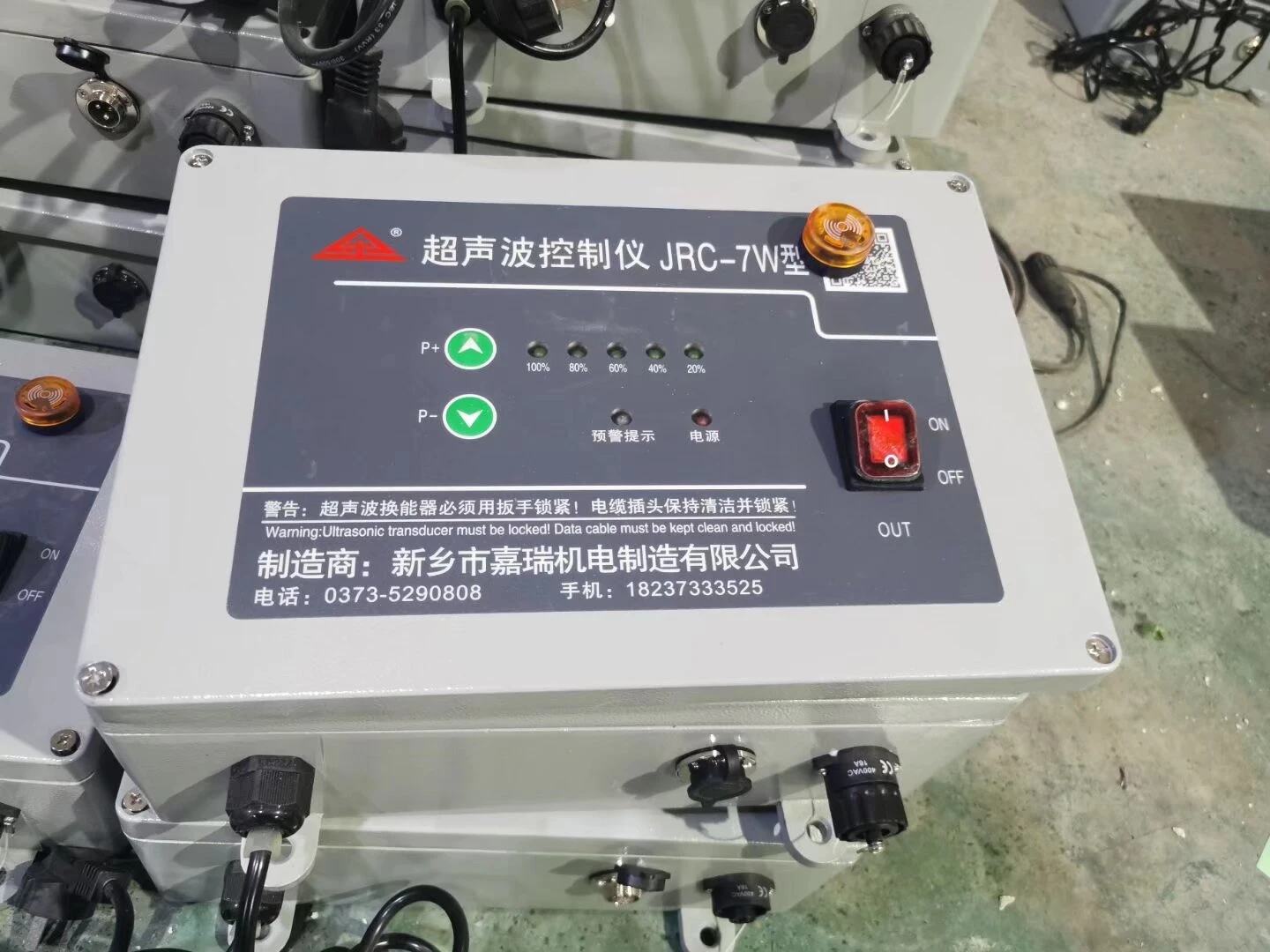
超音波電源供應器
- Converts 220V / 50Hz or 110V / 60Hz into 38 kHz high-frequency electrical energy
- Fully enclosed circuit design for stable and long-term operation
- Supports digital control, enabling continuous and intermittent working modes
- Power range: 0.25 kW – 3 kW
- Adaptive frequency adjustment based on material density and viscosity
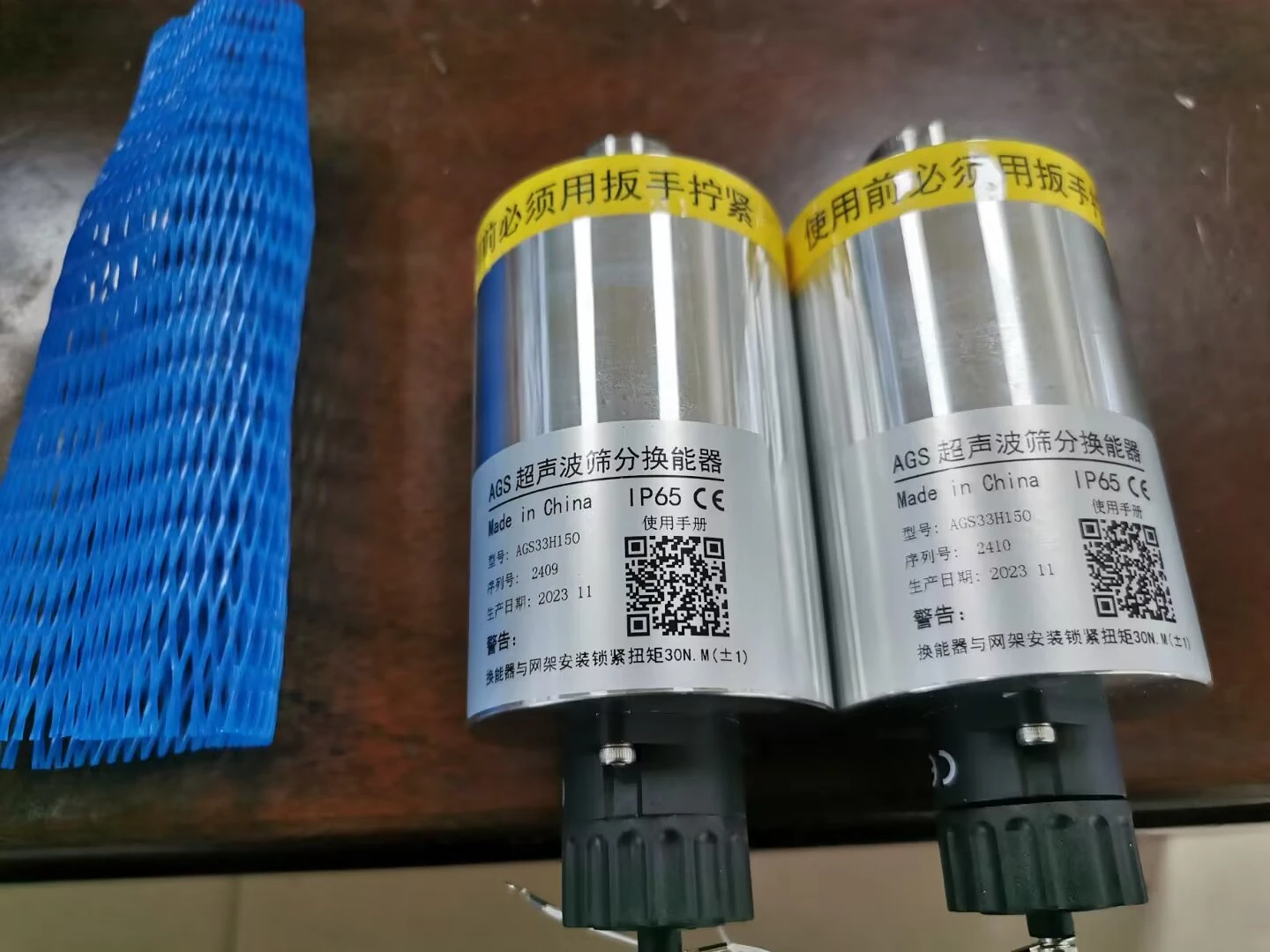
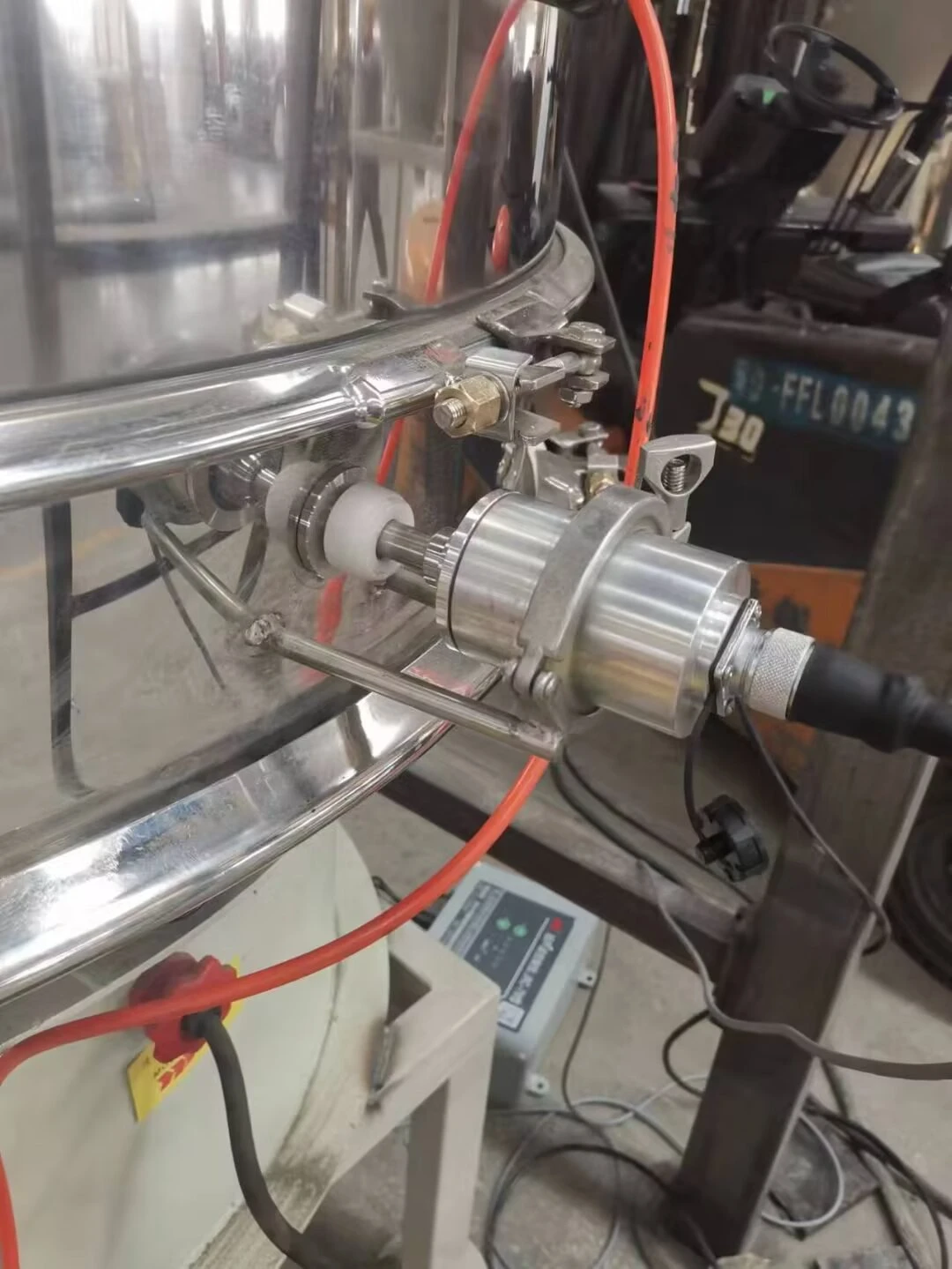
超音波換能器
- Converts electrical energy into high-frequency mechanical vibration waves
- Ensures uniform ultrasonic distribution across the screen surface
- Supports 12–24 hours of continuous operation under heavy-duty conditions
- Equipped with sealed aviation connectors, no cooling system required
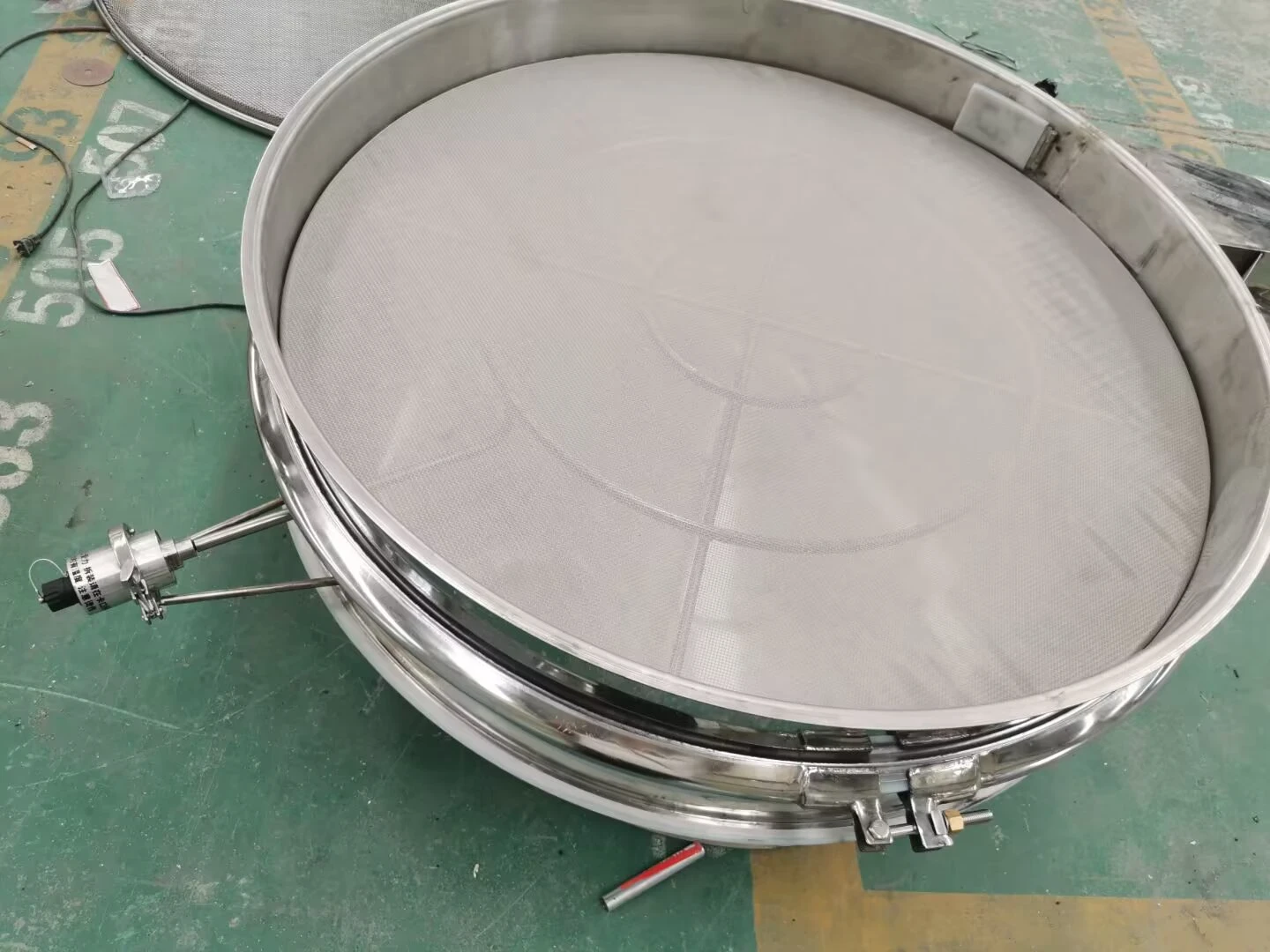
超音波篩網
- Combines 3D vibration motion + ultrasonic vibration, improving screening precision
- Ideal for ultra-fine powders (> 500 mesh)
- Self-cleaning function eliminates mesh blockage
- Screening fineness up to 635 mesh (18 microns)
- Maintains stable throughput without efficiency loss
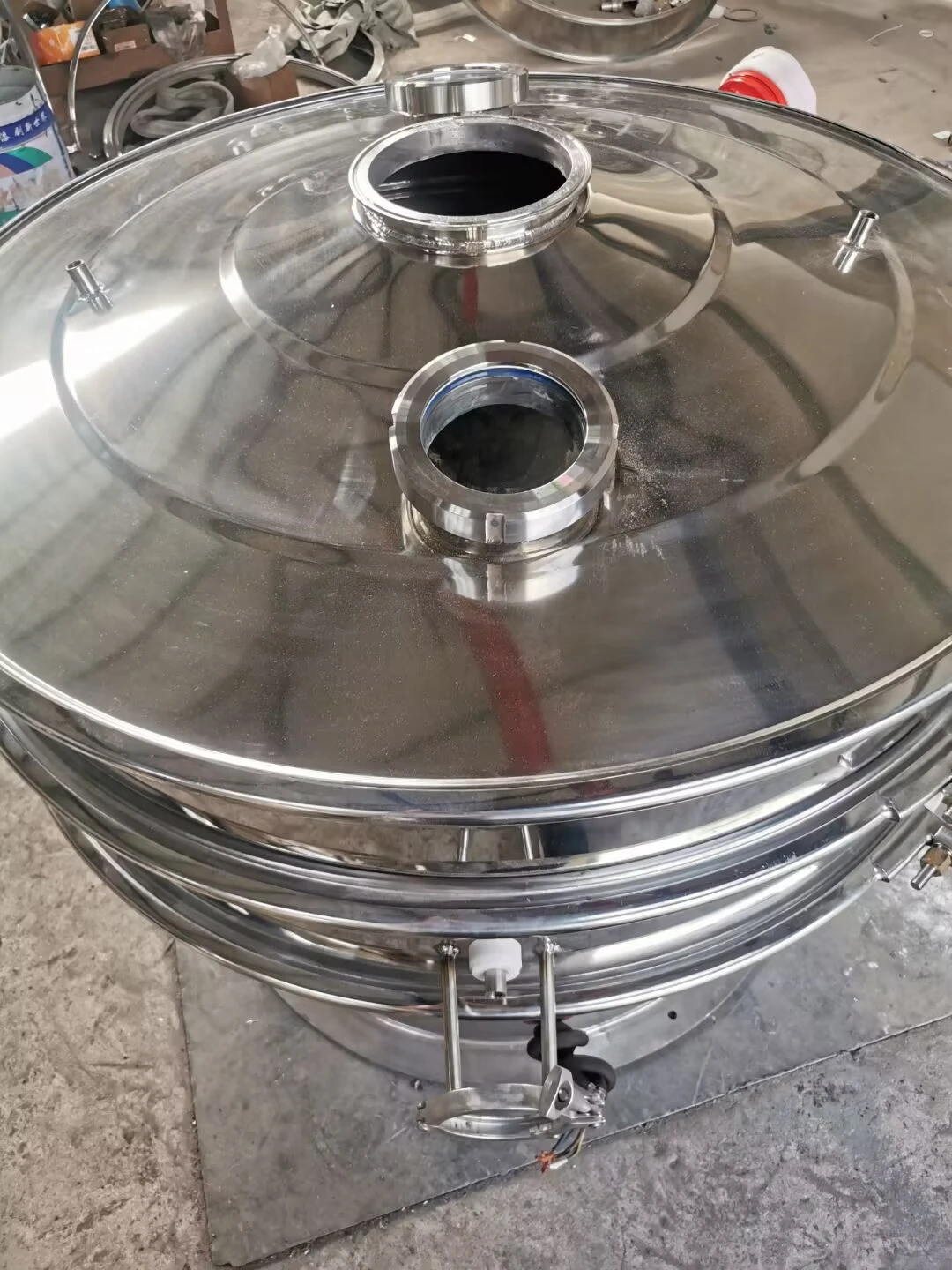
Sieve Body Structure
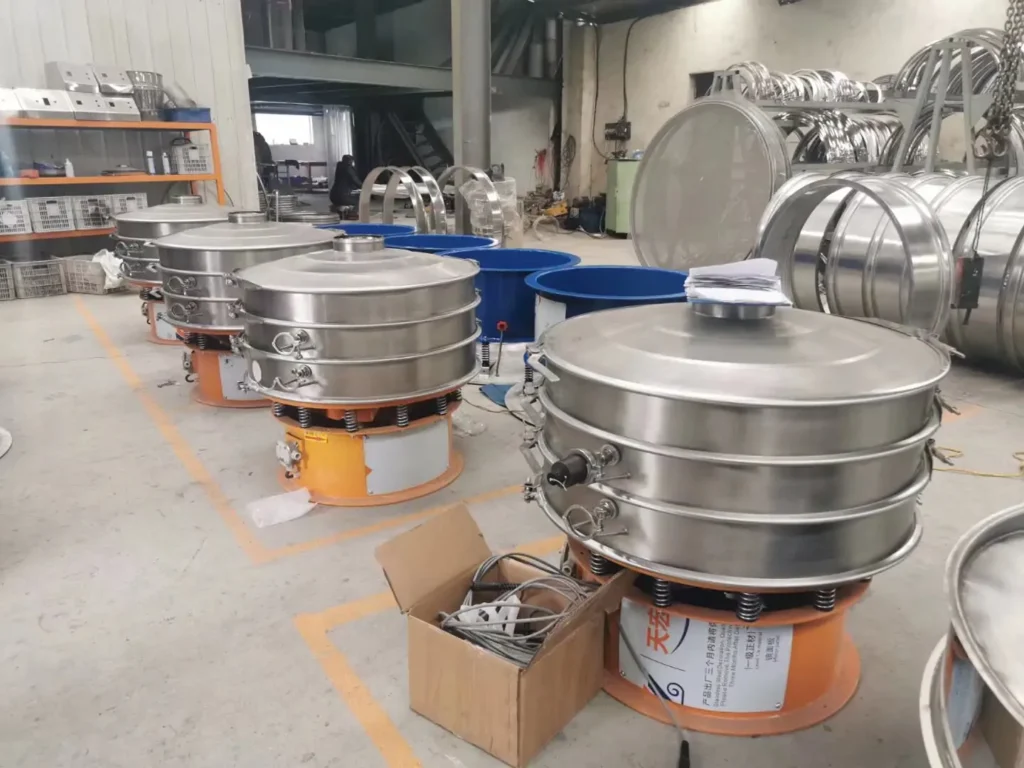
- Diameter options: Φ400 mm – Φ1800 mm
- Effective screening area: 0.09 – 2.26m2
- Modular design for easy maintenance and component replacement
- Optional PTFE (Teflon) coating for:
- Anti-sticking materials
- Corrosive environments
- High-purity processing industries
Component Details
Technical Specifications Overview Table
| Parameter | Specification |
|---|---|
| Voltage | 110V / 220V |
| 频率 | 38 kHz |
| Power Range | 0.25 kW – 3 kW |
| Screening Fineness | Up to 635 mesh (18 μm) |
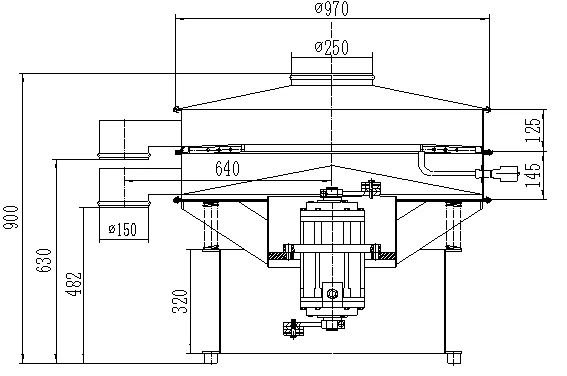
| 機器直徑 | Φ400 – Φ1800 mm |
| 篩分區域 | 0.09 – 2.26m2 |
| 運行模式 | Continuous / Intermittent |
| Application Materials | Fine powder, slurry, sticky materials |
型號
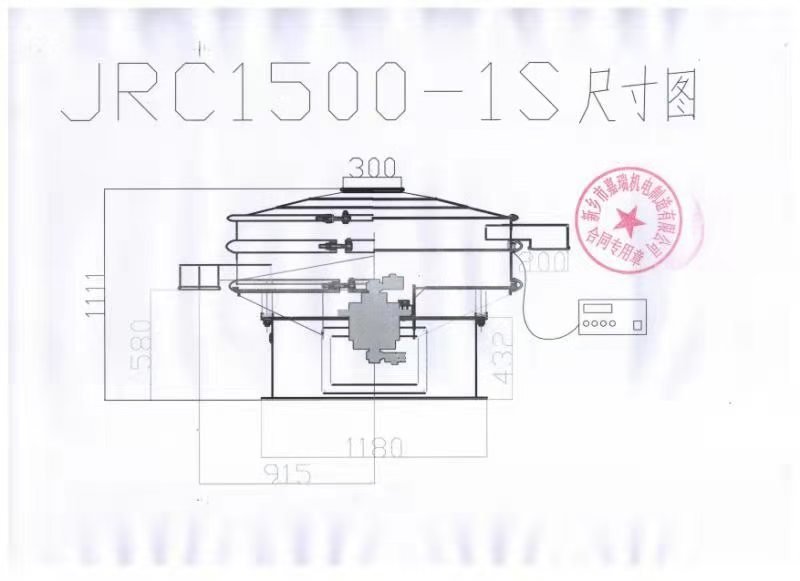
| Technical Parameter | JR-C-400 | JR-C-600 | JR-C-800 | JR-C-1000 | JR-C-1200 | JR-C-1500 | JR-C-1800 |
|---|---|---|---|---|---|---|---|
| Effective Screen Diameter (mm) | 350 | 550 | 750 | 950 | 1150 | 1430 | 1700 |
| Effective Screening Area (m²) | 0.0961 | 0.2375 | 0.4416 | 0.7085 | 0.9028 | 1.6052 | 2.2687 |
| Screen Mesh Range | 100–635 Mesh | 100–635 Mesh | 100–635 Mesh | 100–635 Mesh | 100–635 Mesh | 100–635 Mesh | 100–635 Mesh |
| Number of Screen Decks | 1–3 | 1–3 | 1–3 | 1–3 | 1–3 | 1–3 | 1–3 |
| 電機功率(kW) | 0.25 | 0.55 | 0.75 | 1.5 | 1.75 | 2.2 | 3.0 |
Special Notes
In addition to the standard specifications of the IR-C ultrasonic vibrating screen, we offer a variety of custom designs. For the screening of special materials, we can provide solutions such as systems for injecting cleaning fluid or screening under an inert gas atmosphere.
Ultrasonic Vibrating Screen vs. Conventional Vibrating Screen: Selection Guide
Choosing between a conventional vibrating screen and an ultrasonic vibrating screen depends on particle size, material characteristics, screening efficiency, and production requirements. The comparison below helps identify the most suitable solution for different applications.
Below are some recommendations from Jiarui Machinery for your consideration.
| Comparison Item | 傳統振動篩 | 超音波振動篩 | Selection Consideration |
|---|---|---|---|
| 工作原理 | Three-dimensional vibration generated by a vibrating motor and eccentric weights. | Three-dimensional vibration combined with high-frequency ultrasonic energy. | Determine whether ultrasonic energy is needed to overcome particle adhesion and agglomeration. |
| Key Advantages | Stable operation, simple structure, cost-effective for general powders and granules. | Effectively eliminates static electricity, agglomeration, and strong particle adhesion in ultra-fine powders. | Select based on material characteristics and production budget. |
| Mesh Cleaning Method | Rubber or silicone bouncing balls continuously clean the screen mesh. | Ultrasonic vibration provides automatic mesh self-cleaning without bouncing balls. | Suitable for materials prone to mesh blockage or contamination. |
| Recommended Screening Range | Best performance for materials below 200 mesh (≈75 μm). | Ideal for 200–635 mesh (≈18–75 μm) ultra-fine powder classification. | Choose according to the target particle size distribution. |
| Screening Performance | Excellent for conventional materials but efficiency decreases when fine powders block the mesh. | Screening accuracy can improve by 1%–70%, while capacity may increase by 0.5–10 times compared with conventional screening. | Recommended for high-mesh continuous production requiring stable throughput. |
| Maintenance & Investment | Lower equipment cost and simple maintenance. | Higher initial investment due to the ultrasonic system and basic operator training requirements. | Balance upfront investment with long-term production efficiency and quality improvements. |
How to Choose the Right Screening Solution
Choose a 傳統振動篩 if:
- Processing powders or granules below 200 mesh
- Materials have good flowability with minimal static electricity
- Cost-effectiveness is the primary consideration
- Standard screening accuracy meets production requirements
可選擇 超音波振動篩 if:
- Screening 200–635目超細粉末
- Materials exhibit static electricity, agglomeration, or strong adhesion
- High screening accuracy and stable throughput are critical
- Applications involve lithium battery materials, metal powders, pharmaceutical powders, food additives, or advanced ceramic materials
Quick Recommendation
| Application Requirement | Recommended Solution |
|---|---|
| General powder screening | 傳統振動篩 |
| Fine powder classification (100–200 mesh) | 傳統振動篩 |
| Ultra-fine powder screening (200–635 mesh) | 超音波振動篩 |
| Static, sticky, or agglomerated powders | 超音波振動篩 |
| High-precision particle size control | 超音波振動篩 |
| Budget-sensitive standard production | 傳統振動篩 |
| High-value powder processing with maximum yield | 超音波振動篩 |
Selecting the right ultrasonic vibrating screen isn’t as simple as comparing a single table to find the perfect product. We offer a free selection guide. If you’re unsure how to choose, contact Jiarui Machinery today.
Jiarui Ultrasonic Vibrating Screen
High-efficiency Ultrasonic Vibrating Screens: A specialized solution for superfine powder
Designed specifically for difficult-to-screen fine materials, it offers high-precision grading and non-clogging operation to boost production quality and output.
Extremely efficient and durable
Converts electrical energy into 38 kHz vibrations, improving screening efficiency by 50%–400% and enabling 12–24 hours continuous operation without cooling.
Ultra-fast screen change
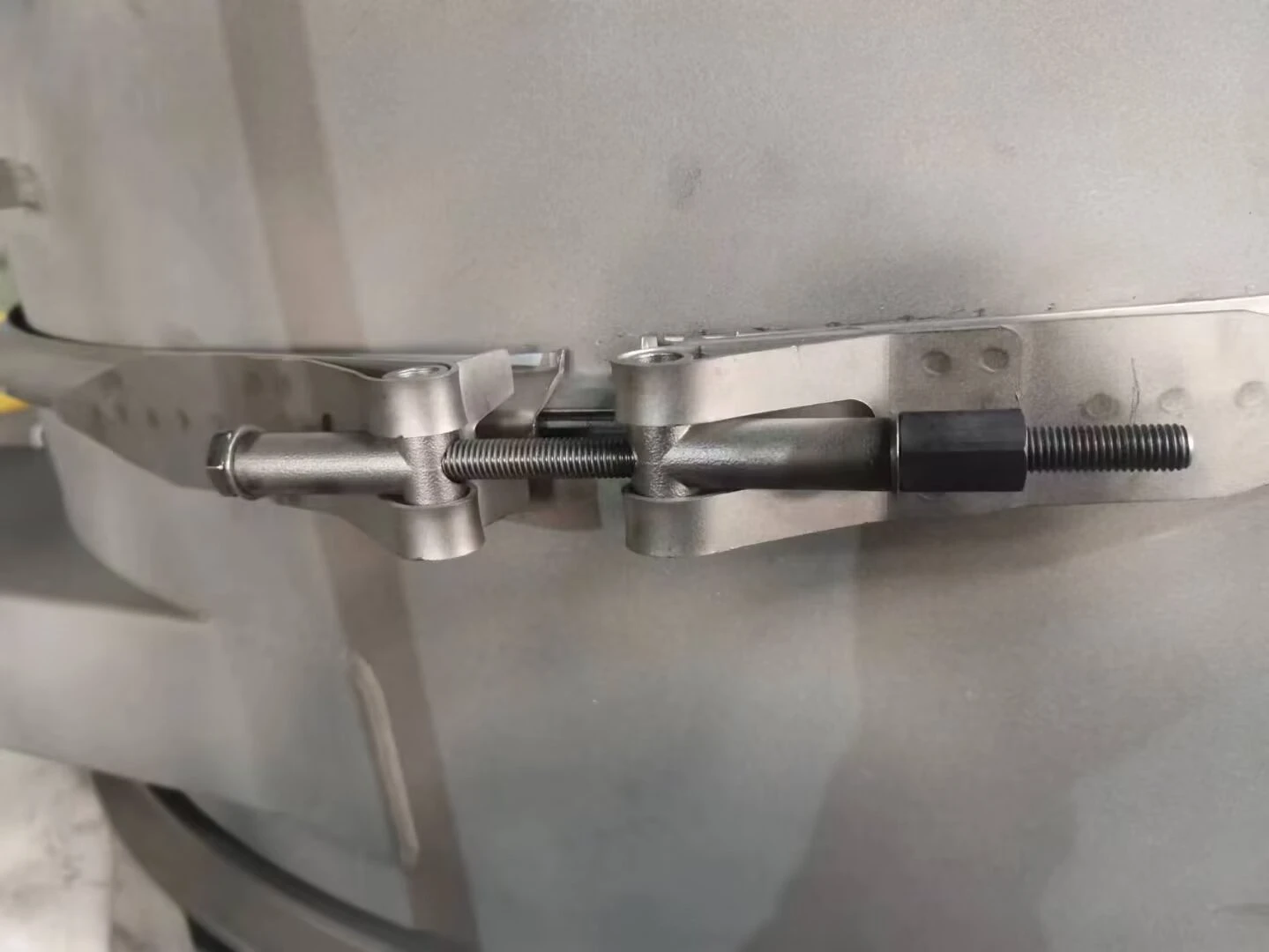
Quick screen replacement design reduces downtime. Fully enclosed aviation connectors and integrated transducers ensure easy operation, safety, and low maintenance.
Precise fine powder screening
Self-cleaning screen cloth prevents clogging at 500 mesh and achieves up to 635 mesh (18 microns) with stable particle size and unchanged material properties.
Advanced problem solving
Eliminates static, agglomeration, and adsorption issues. Improves powder flow and increases output by 0.5–10 times for high-value materials like lithium battery powders.
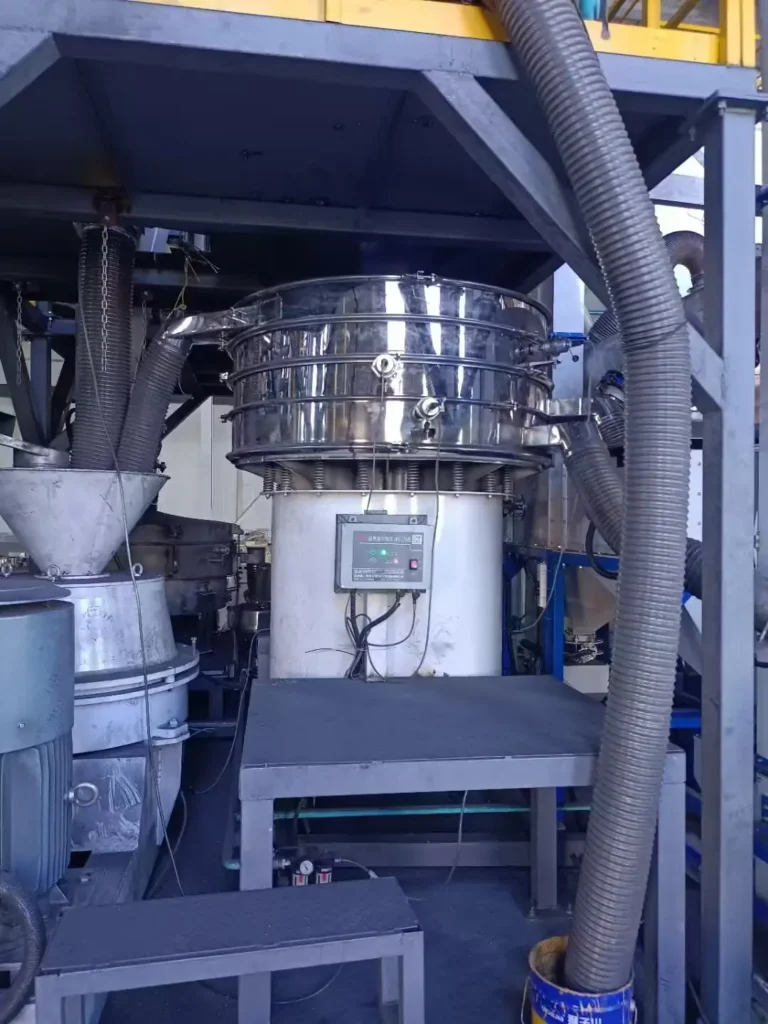
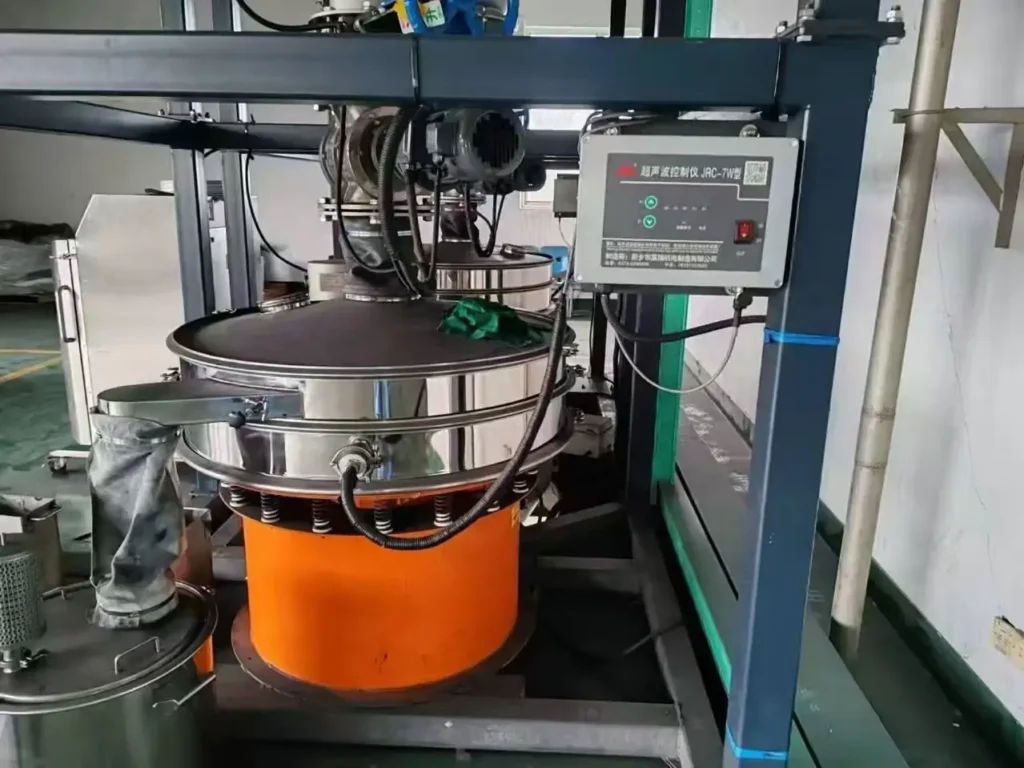
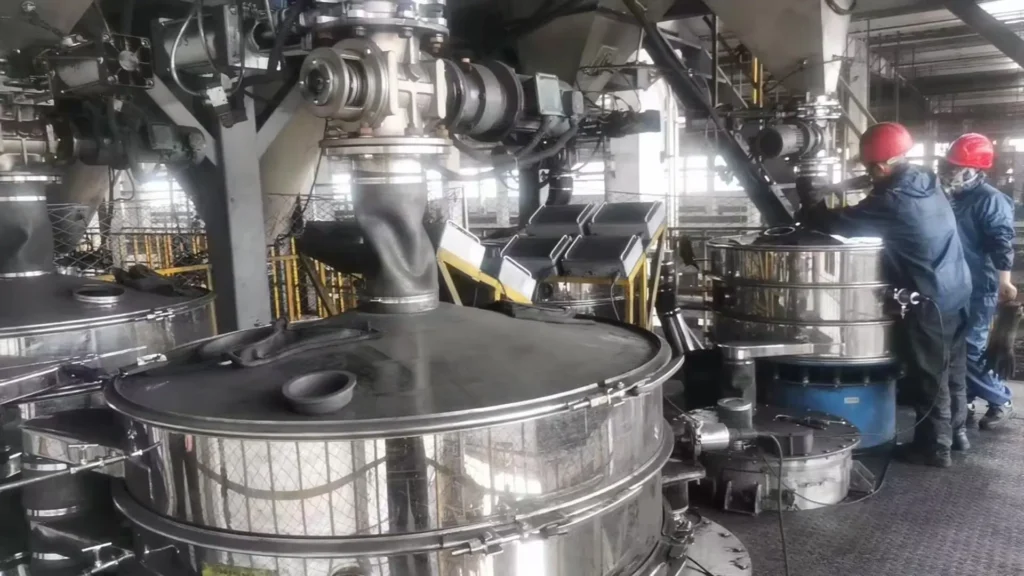
案例
Why Choose Us?

Precision Engineering & Compliance Standards
10-Year Design Life: Built to industrial-grade durability standards, ensuring a 10-year operational lifespan under heavy, continuous workloads.
Global Certifications: Production lines are ISO 9001:2008-certified, and all screening equipment carries the European CE safety mark.
Rigorous Quality Control & Process Adaptation
2-Hour Pre-Shipment Run: Every unit undergoes a mandatory 2-hour continuous trial run to verify amplitude stability and motor temperature before dispatch.
Long-Term Parts Availability: Backed by a 1-year warranty and a permanent inventory of standard wear parts (screens, seals, springs) to minimize factory downtime.
常見問題
獲取免費諮詢
填寫以下表單與我們的專家聯繫,並獲得針對您應用的個人化建議。.