Высокоэффективная обеспыливающая загрузочная станция
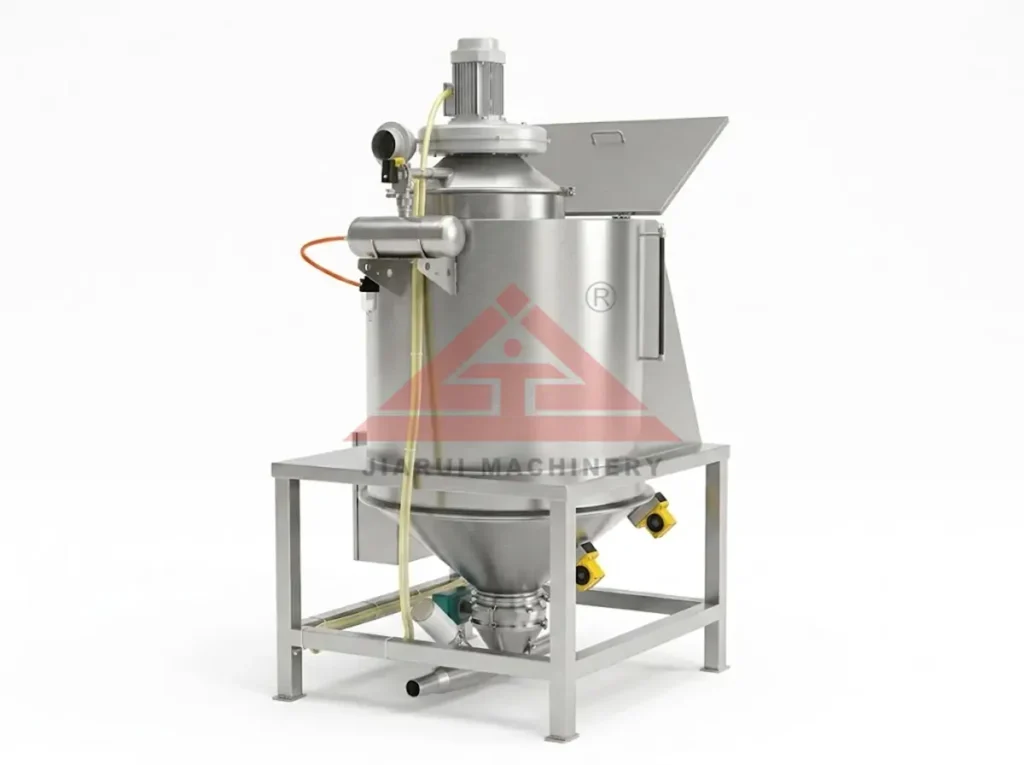
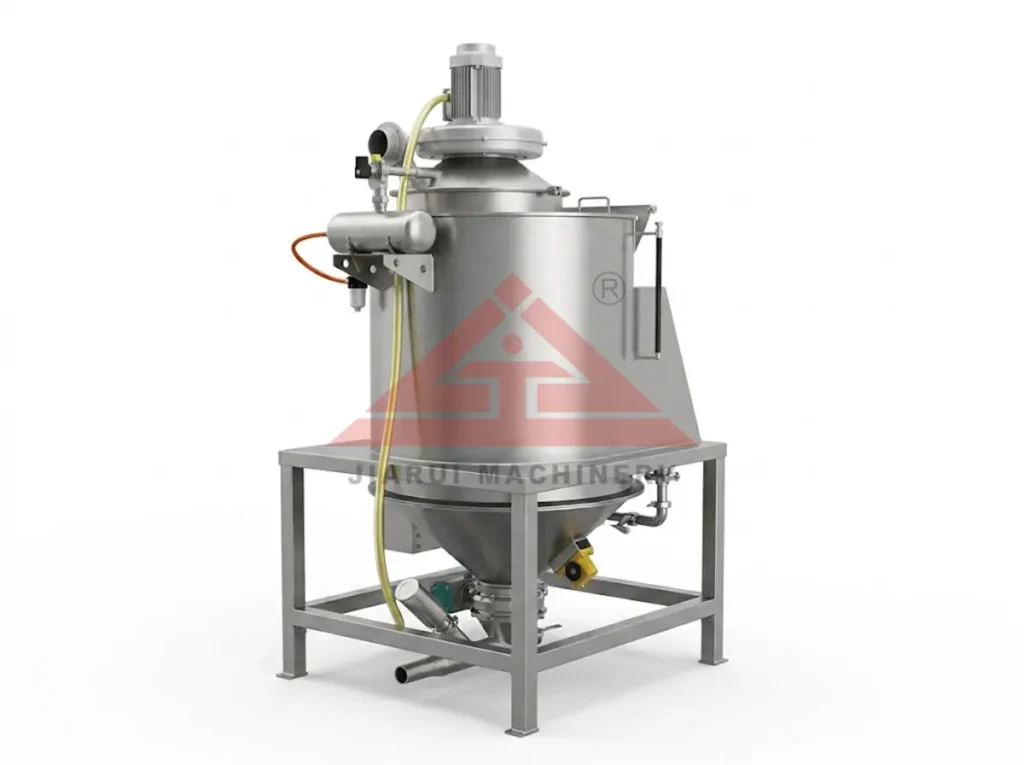
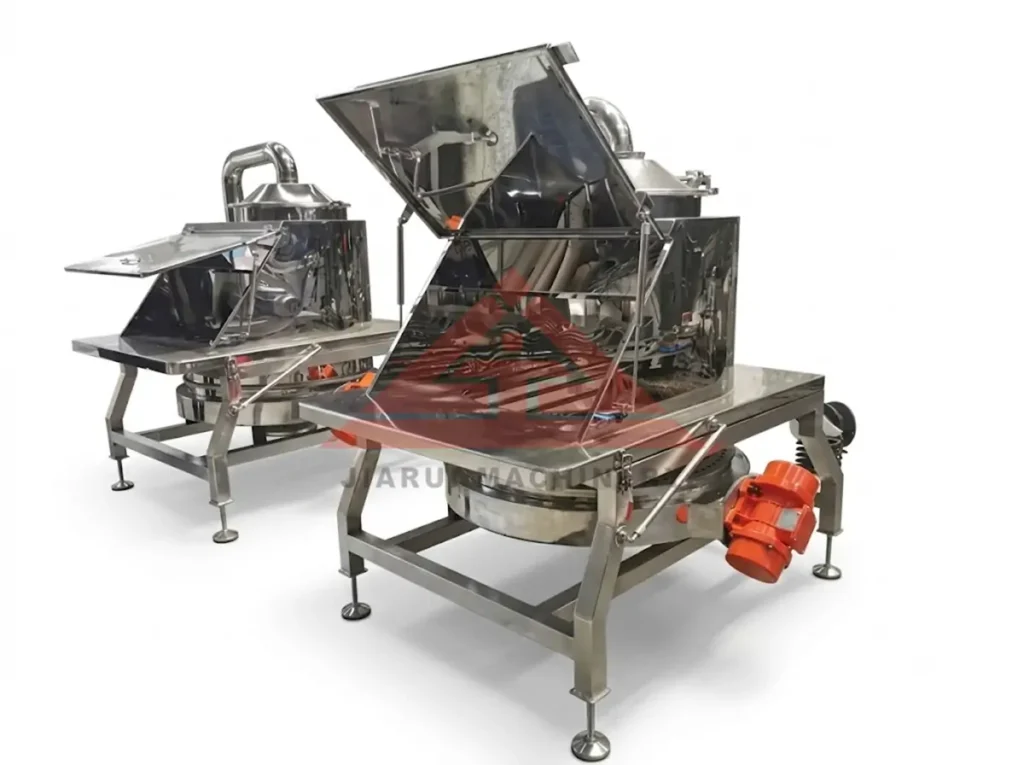
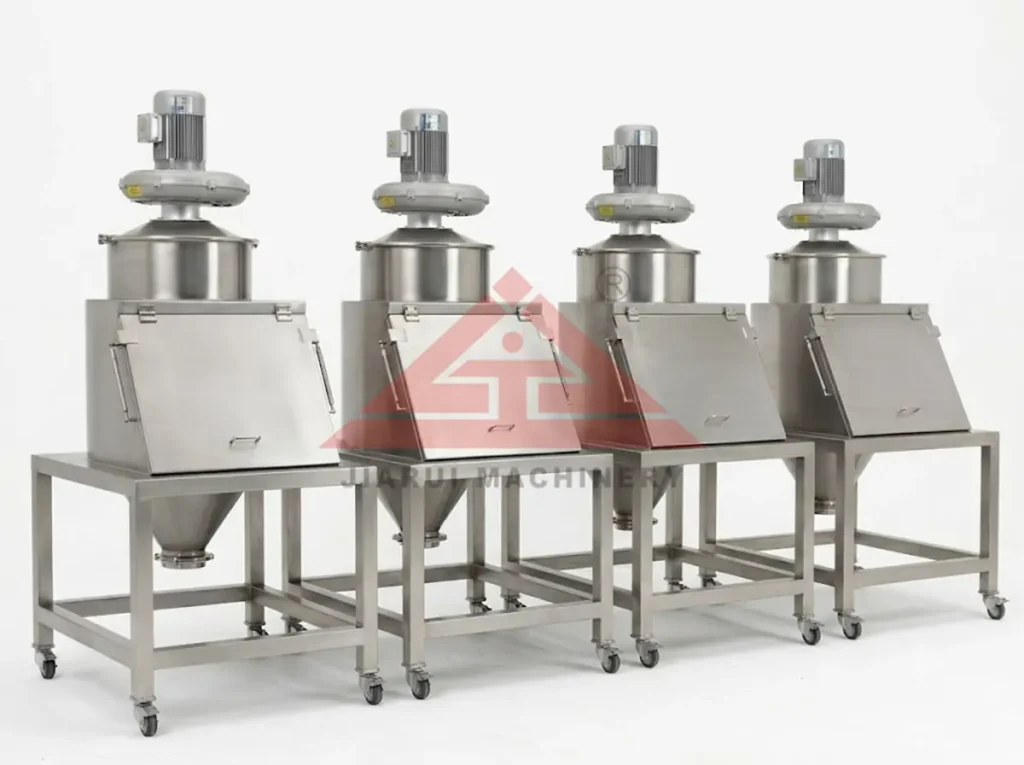
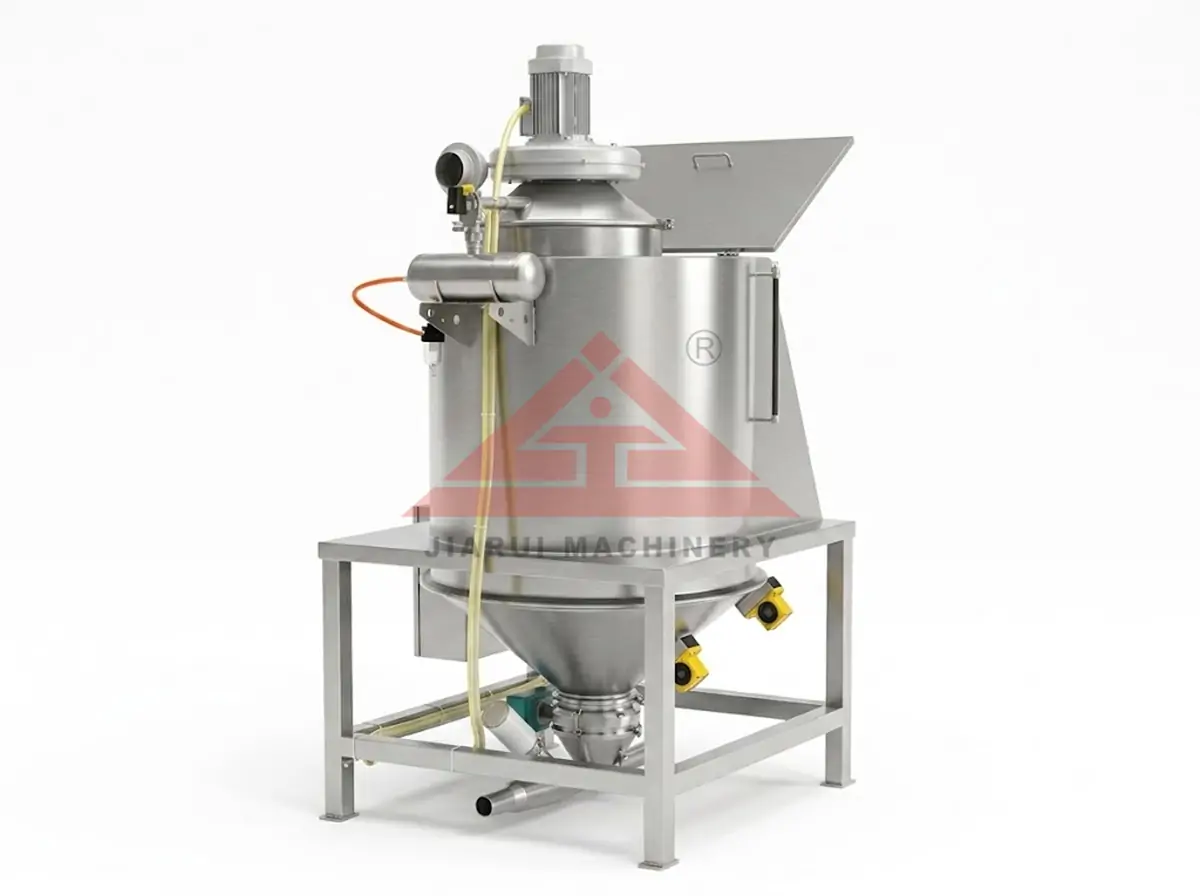
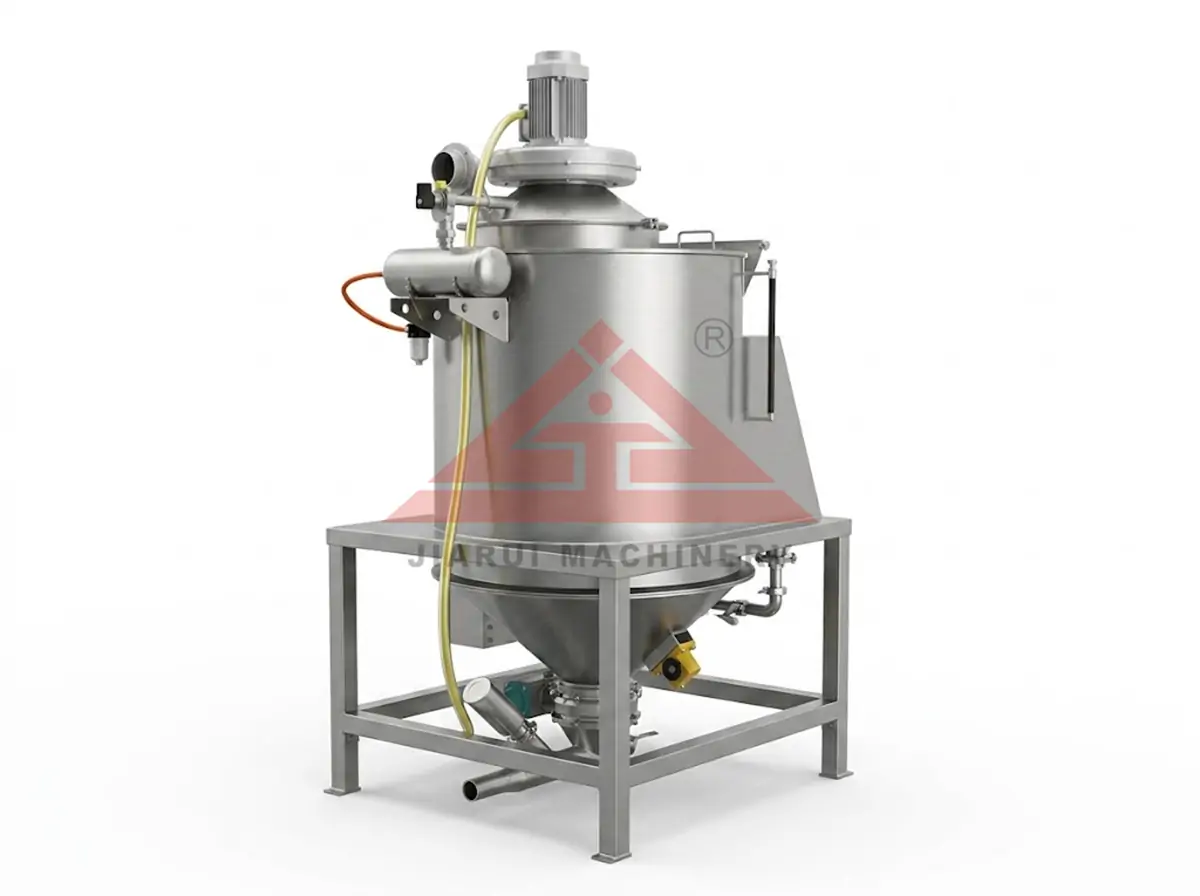
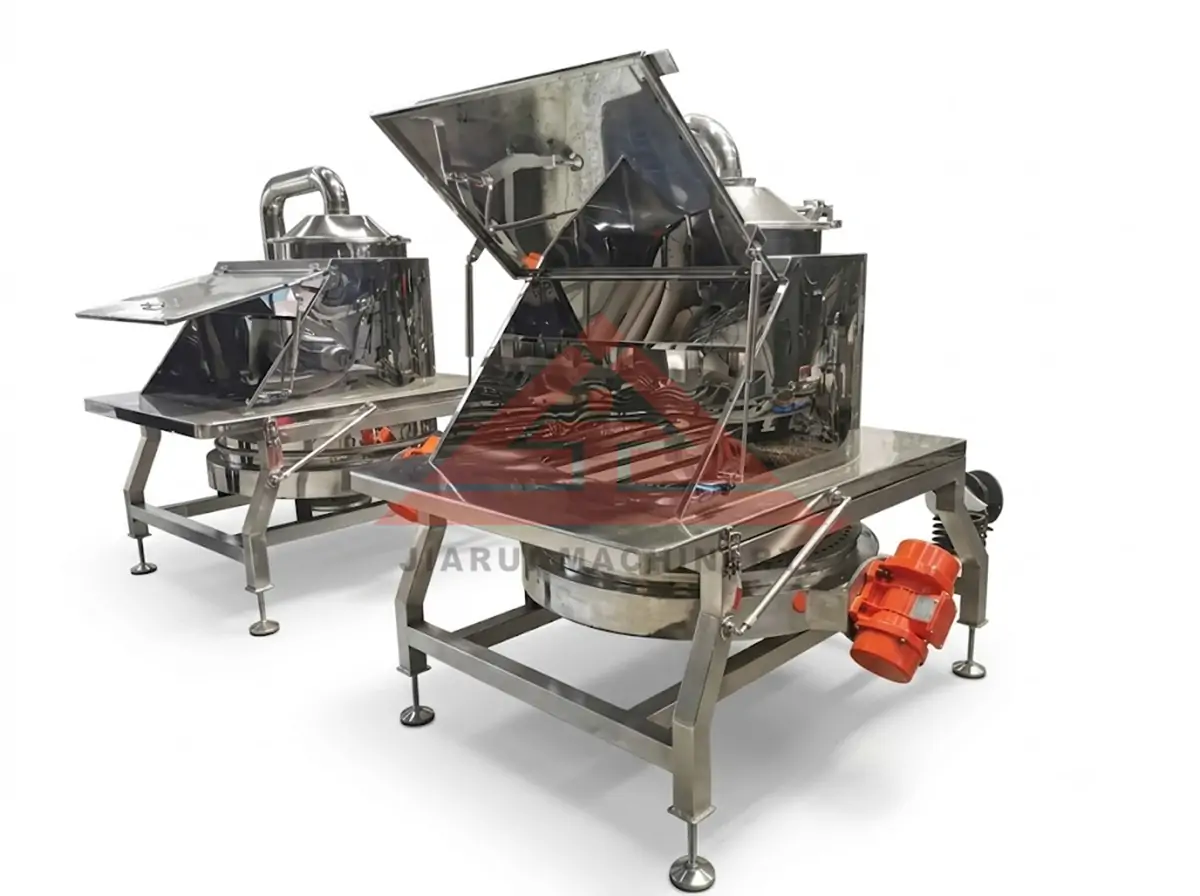
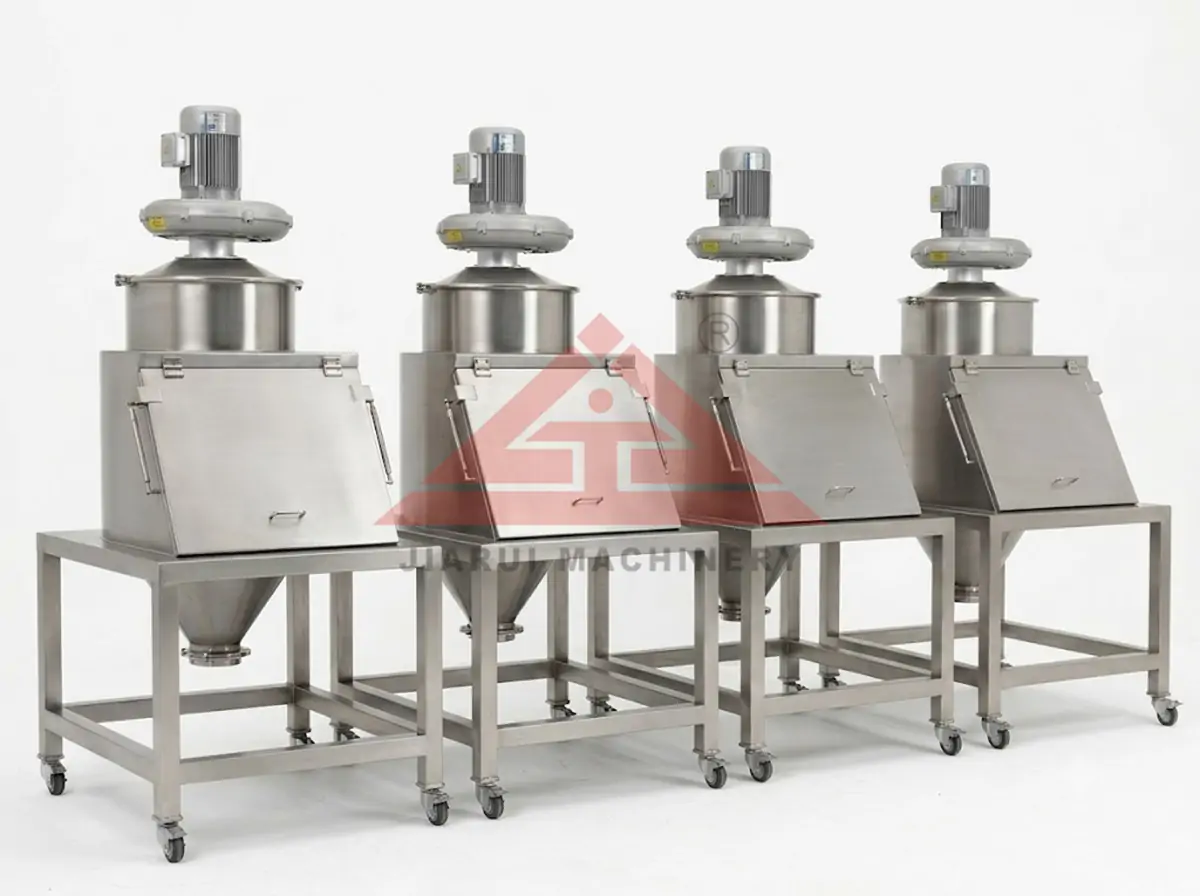
Высокоэффективная обеспыливающая загрузочная станция в основном используется для ручной выгрузки мешков с порошкообразными и гранулированными материалами. Она оснащена закрытой конструкцией загрузки, системой пылеудаления с отрицательным давлением и вибрационным грохотом для контроля распространения пыли при загрузке и просеивания материалов перед подачей в следующий процесс. Оборудование может быть соединено с вакуумными конвейерами, винтовыми конвейерами, и другим транспортирующим оборудованием. Оно подходит для таких отраслей, как пищевая, химическая, производство новых энергетических материалов, фармацевтическая и переработка минеральных порошков.
Дзяжуй. Конструкция обеспыливающей загрузочной станции корректируется в зависимости от характеристик мешков, свойств пыли материалов и способа транспортировки на последующих этапах. Например, для мелкодисперсных порошков требуется больше внимания к площади фильтрации и методам рекуперации пыли; материалы, склонные к агломерации, требуют дополнительной функции просеивания; а для линий непрерывной загрузки могут быть предусмотрены интерфейсы для вакуумной или винтовой транспортировки.
- Модели: JR800 / JR1000
- Справочная производительность: 1–4 т/ч
- Тип загрузки: Ручная выгрузка мешков
- Пылеудаление: Система фильтрации с отрицательным давлением
- Просеивание: Вибрационный грохот (опционально)
- Подходящие материалы: Порошкообразные, гранулированные и мелкодисперсные материалы
- Индивидуальная настройка: Возможна индивидуальная настройка размеров бункера, систем пылеудаления, конструкций просеивания и конвейерных соединений
Что такое высокоэффективная обеспыливающая загрузочная станция?
Высокоэффективная обеспыливающая загрузочная станция, также известная как станция выгрузки малых мешков или станция ручной выгрузки мешков, представляет собой оборудование начального этапа, используемое для ручной подачи порошкообразных и гранулированных материалов. Обычно она устанавливается перед бункерами сырья, смесителями, упаковочными машинами или транспортирующим оборудованием для обработки процесса загрузки после вскрытия мешков.
В отличие от традиционной открытой ручной выгрузки, обеспыливающая загрузочная станция объединяет зону оператора, зону сбора материала и систему пылеудаления в единый блок, что позволяет выполнять подачу и предварительную обработку материала до его поступления в производственную линию. Оборудование может быть оснащено просеивающими, магнитными сепарационными и конвейерными соединительными конструкциями в соответствии с производственными требованиями.
Принцип работы
Рабочий процесс обеспыливающей загрузочной станции начинается с ручного вскрытия мешка. После поступления материала в загрузочный бункер система отрицательного давления удаляет пыль, образующуюся при загрузке. Отфильтрованный воздух выводится из оборудования, а материал поступает в транспортирующее оборудование последующих этапов через просеивание и нижнее выпускное отверстие.
Ручное вскрытие мешков и закрытая загрузка
После размещения мешка с материалом на загрузочной платформе оператор вскрывает мешок и подает материал в бункер. Для мелкодисперсных порошков, таких как мука, графитовый порошок и фармацевтическое сырье, закрытая зона загрузки снижает распространение порошка при выгрузке.
Пылеудаление с отрицательным давлением и рекуперация порошка
Во время работы вентилятор непрерывно отводит воздух из зоны загрузки, заставляя пыль, образующуюся при вскрытии мешков, перемещаться в зону фильтрации. Запыленный воздух проходит через фильтрующие картриджи, где частицы порошка задерживаются на поверхности фильтра. После регулярной импульсной очистки собранный порошок возвращается в бункер, что снижает потери мелкодисперсного материала.
Просеивание и соединение с последующим транспортом
После поступления в зону разгрузки материалы могут проходить через вибрационный грохот для удаления агломерированных частиц и упаковочных отходов. Просеянные материалы выводятся через нижнее выпускное отверстие и соединяются с вакуумными конвейерами, винтовыми конвейерами или накопительным оборудованием для дальнейших процессов, таких как смешивание и упаковка.
От ручного вскрытия мешков материалы проходят через загрузочный бункер, зону просеивания и выпускное отверстие перед поступлением в транспортирующее оборудование последующих этапов. Это объединяет выгрузку мешков, пылеудаление и подачу материала в единую систему. Различные порошки отличаются по размеру частиц, влажности и текучести, поэтому конфигурация оборудования должна определяться с учетом трех факторов: метода контроля пыли, требований к просеиванию и способа соединения с последующими этапами.
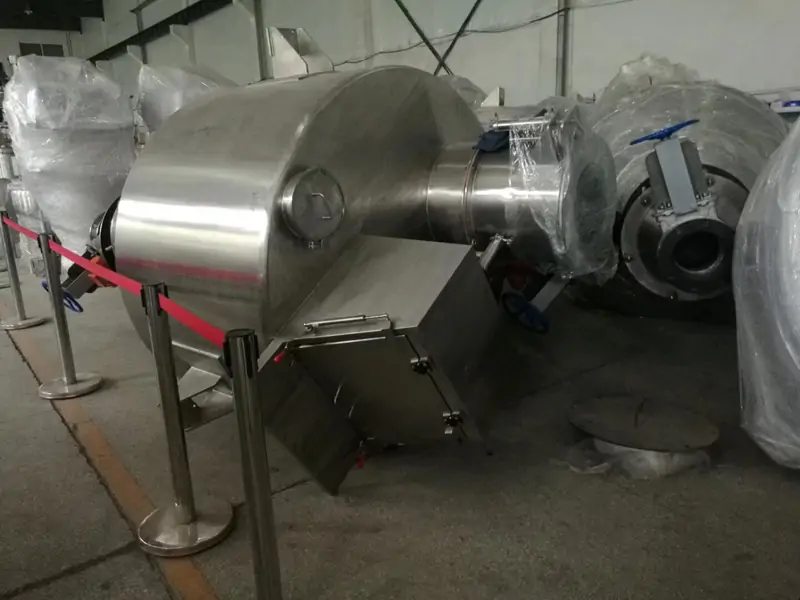
Основная конструкция
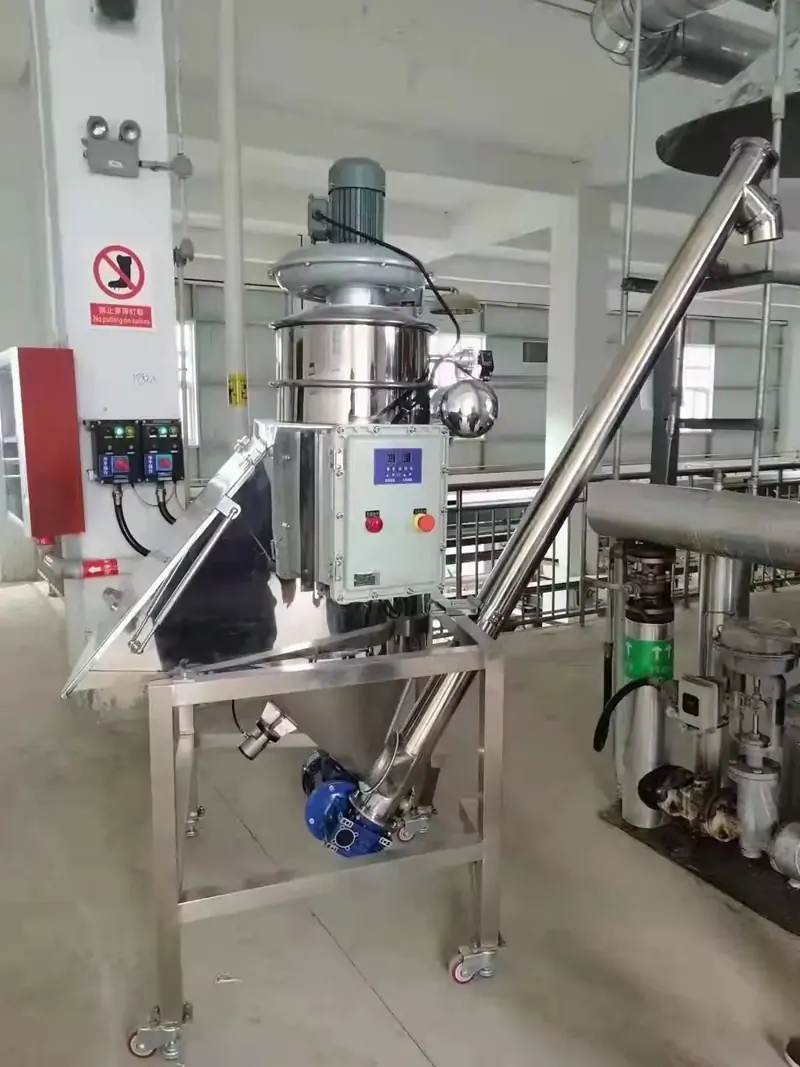
Обеспыливающая загрузочная станция разработана вокруг трех процессов: ручной выгрузки мешков, контроля пыли и транспортировки материала. Основные компоненты включают загрузочный бункер, систему пылеудаления и секцию конвейерного соединения.
Загрузочный бункер и конструкция просеивания
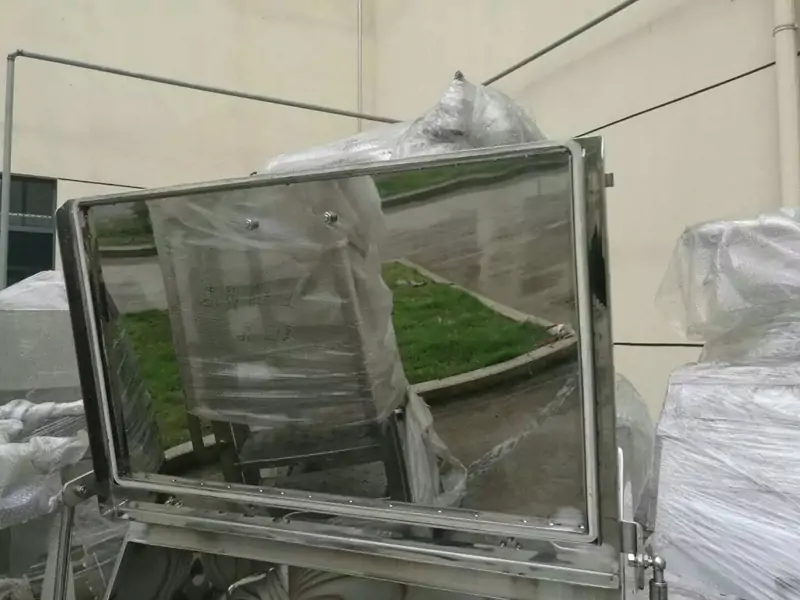
Загрузочный бункер принимает порошкообразные или гранулированные материалы после ручного вскрытия мешков. Конструкция бункера может быть скорректирована в зависимости от методов работы и монтажного пространства. В нижней части может быть установлен вибрационный грохот для удаления агломерированных материалов, упаковочных отходов и примесей перед поступлением материалов в следующий процесс.
Система пылеудаления с отрицательным давлением
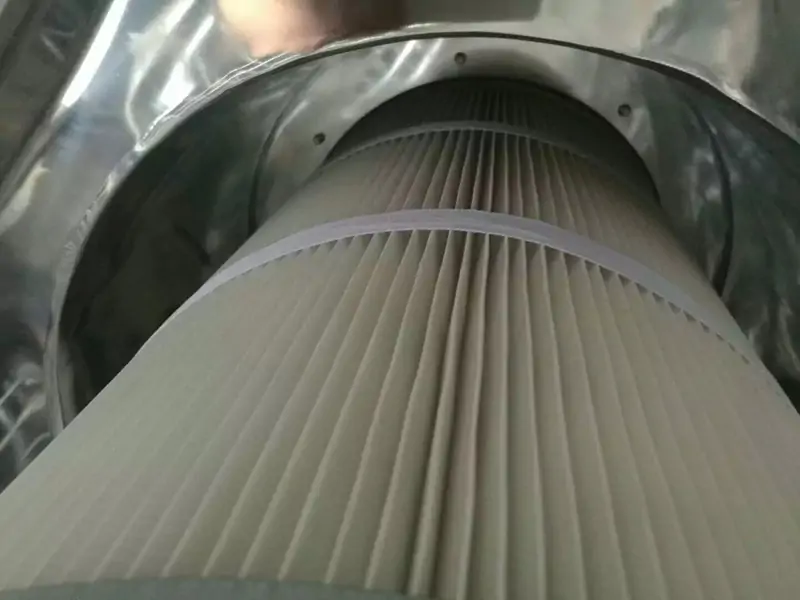
Система пылеудаления с отрицательным давлением является ключевым компонентом контроля распространения пыли в обеспыливающей загрузочной станции. Она в основном состоит из вентилятора, фильтрующих элементов и устройств очистки. Во время загрузки запыленный воздух поступает в зону фильтрации, где задерживаются частицы порошка, а чистый воздух выводится из оборудования. Мелкодисперсные порошки, влагочувствительные материалы и высокоценные порошки предъявляют различные требования к площади фильтрации, типу фильтра и методам рекуперации порошка. Конфигурация оборудования не может быть одинаковой для всех материалов.
Конструкция конвейерного соединения
В нижней части оборудования предусмотрено выпускное отверстие для материала, которое может быть соединено с вакуумными конвейерами, винтовыми конвейерами или накопительным оборудованием. Оно связывает процесс ручной выгрузки мешков с производственным оборудованием последующих этапов. Для производственных линий, требующих непрерывной подачи, рациональная конструкция положения выпускного отверстия и способа разгрузки способствует повышению совместимости между монтажом оборудования и его эксплуатацией.
Станция беспылевой загрузки не использует одинаковую конструкцию для всех условий эксплуатации. Например, для мелкодисперсных порошков, таких как мука и фармацевтическое сырьё, требуется больше внимания к мощности фильтрации пыли, тогда как для гранулированных материалов, таких как смоляные гранулы, основное внимание уделяется скорости загрузки и конструкции разгрузочного интерфейса. Поэтому конструкция оборудования должна корректироваться в зависимости от характеристик материала.
.
Решаемые производственные проблемы
При ручной разгрузке мешков с порошкообразными материалами основные проблемы включают распространение пыли, потери материала, контроль примесей и соединение с производственным процессом. Станция беспылевой загрузки решает эти задачи за счёт закрытой подачи, системы пылеудаления с отрицательным давлением, просеивания и конструкции соединительного транспортирования, что упрощает интеграцию процесса загрузки с последующими производственными линиями.
Снижение распространения пыли при ручной разгрузке мешков
Порошкообразные материалы могут легко создавать мгновенное пылеобразование при вскрытии и высыпании мешков, особенно мелкодисперсные порошки, такие как мука, графитовый порошок и фармацевтическое сырьё. При вскрытии мешков операторами пыль, образующаяся при загрузке, отводится в зону пылеудаления сбоку оборудования, фильтруется через картриджи и не попадает непосредственно в воздух производственного помещения.
Снижение потерь мелкодисперсных порошковых материалов
Лёгкие порошки легко рассеиваются в воздухе при открытой загрузке, что ухудшает рабочую среду и приводит к потерям материала. Система фильтрации улавливает пыль, образующуюся при загрузке, и собранный порошок может возвращаться в бункер после очистки, снижая потери ценных порошковых материалов.
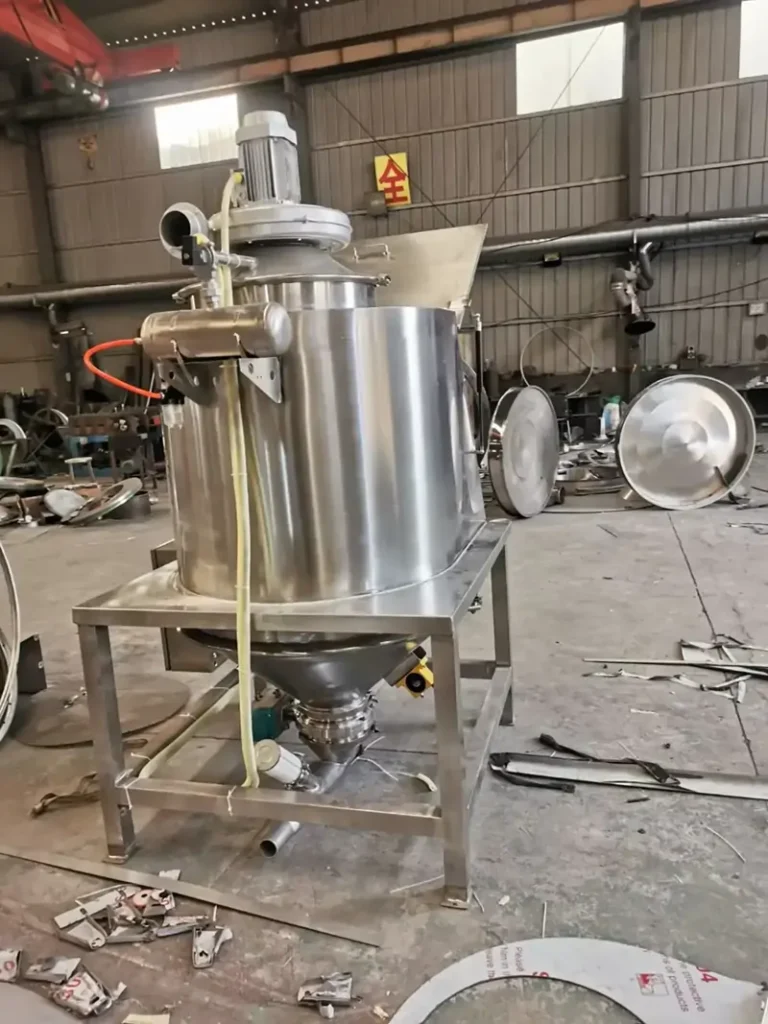
Предотвращение попадания фрагментов упаковки в производственный процесс
При ручном вскрытии мешков фрагменты упаковки и слипшиеся материалы могут попадать в последующее технологическое оборудование. Станция беспылевой загрузки может быть оснащена вибрационным грохотом для удаления этих материалов и снижения содержания примесей, попадающих в процессы смешивания, упаковки или другие производственные операции.
Удобное соединение с автоматическим транспортирующим оборудованием
Нижняя часть станции беспылевой загрузки может быть подключена к вакуумным конвейерам, винтовым конвейерам или накопительному оборудованию, что позволяет материалам после ручной разгрузки мешков напрямую поступать на следующий этап. Для производственных линий, требующих непрерывной подачи, это снижает необходимость ручного перемещения и улучшает связь между загрузкой и последующим оборудованием.
Сравнение станций беспылевой загрузки
Традиционная ручная выгрузка мешков проста в эксплуатации, но порошкообразные материалы могут легко образовывать пыль при выгрузке, что приводит к потерям материала и попаданию упаковочных отходов в производственный процесс. Пылезащитная станция загрузки использует закрытую конструкцию загрузки, систему пылеудаления с отрицательным давлением и конструкцию грохочения для централизованной обработки процесса выгрузки мешков, снижая рассеивание пыли и обеспечивая более стабильное поступление материалов в последующие процессы.
| Параметр сравнения | Традиционная ручная выгрузка мешков | Беспыльная станция загрузки |
| Способ загрузки | Операторы вскрывают мешки и напрямую выгружают материалы в бункер. Зона работы относительно открытая. | Вскрытие мешков и подача материалов выполняются в закрытой зоне загрузки. |
| Контроль пыли | Мелкие порошки легко образуют пыль при выгрузке и требуют ручной очистки. | Система пылеудаления с отрицательным давлением собирает запыленный воздух и снижает выброс пыли. |
| Потери материала | Легкие порошки, такие как мука и графитовый порошок, могут рассеиваться в воздухе, вызывая потери материала. | Пыль фильтруется и собирается, снижая потери мелкодисперсных порошковых материалов. |
| Контроль примесей | В основном полагается на ручной контроль состояния упаковки и материалов. | Может быть установлен вибрационный грохот для снижения попадания агломерированных материалов и упаковочных отходов в производственный процесс. |
| Рабочая среда | В зоне загрузки чаще происходит накопление пыли, что требует частой очистки и обслуживания. | Снижает запыленность в зоне загрузки и улучшает рабочую среду. |
| Подключение к последующим процессам | Обычно требует ручной передачи или подключения дополнительного оборудования. | Может подключаться к вакуумным конвейерам, шнековым конвейерам и другому оборудованию для непрерывной подачи. |
Условия применения
Пылезащитная станция загрузки обычно подходит для следующих производственных условий:
- Ручная выгрузка мешков с мелкодисперсными порошковыми материалами, такими как мука, крахмал, графитовый порошок и фармацевтическое сырье, где образование пыли высокое;
- Производственные процессы, требующие снижения потерь порошка и повышения эффективности использования сырья;
- Пищевая, фармацевтическая промышленность, производство новых энергетических материалов и другие отрасли с высокими требованиями к гигиене загрузки и рабочей среде;
- Процессы, где материалы требуют грохочения перед поступлением на следующий этап для удаления агломерированных материалов или упаковочных отходов;
- Производственные линии, требующие подключения к вакуумным конвейерам, шнековым конвейерам или другому оборудованию для непрерывной подачи.
Пылезащитная станция загрузки — это не просто замена ручной выгрузки. Она объединяет выгрузку мешков, пылеудаление, грохочение и подключение к транспортировке в единый процесс загрузки. Для применений, требующих снижения запыленности при загрузке, уменьшения потерь материала и подключения к последующему оборудованию, данное оборудование обеспечивает более стабильный способ загрузки.
Применения и материалы
При ручной выгрузке мешков с порошкообразными материалами могут возникать рассеивание пыли, потери материала и попадание упаковочных отходов в процесс. Пылезащитная станция загрузки объединяет ручную подачу, пылеудаление с отрицательным давлением, вибрационное грохочение и подключение к последующей транспортировке в одном устройстве для контроля выделения пыли при загрузке и повышения чистоты материалов перед поступлением в производственную линию.
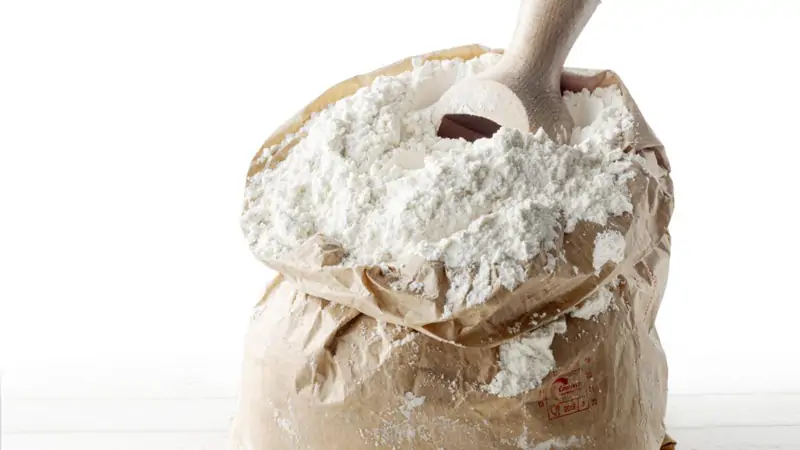 Мука
Мука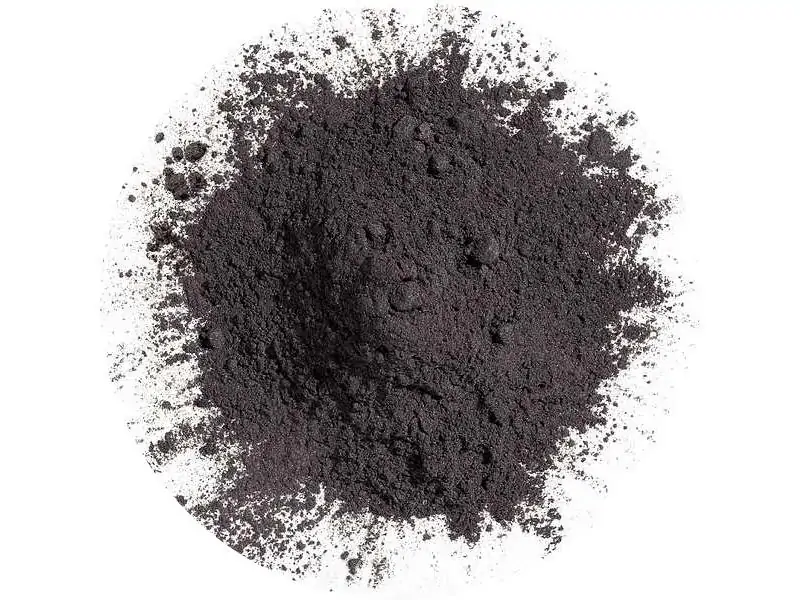 Графитовый порошок
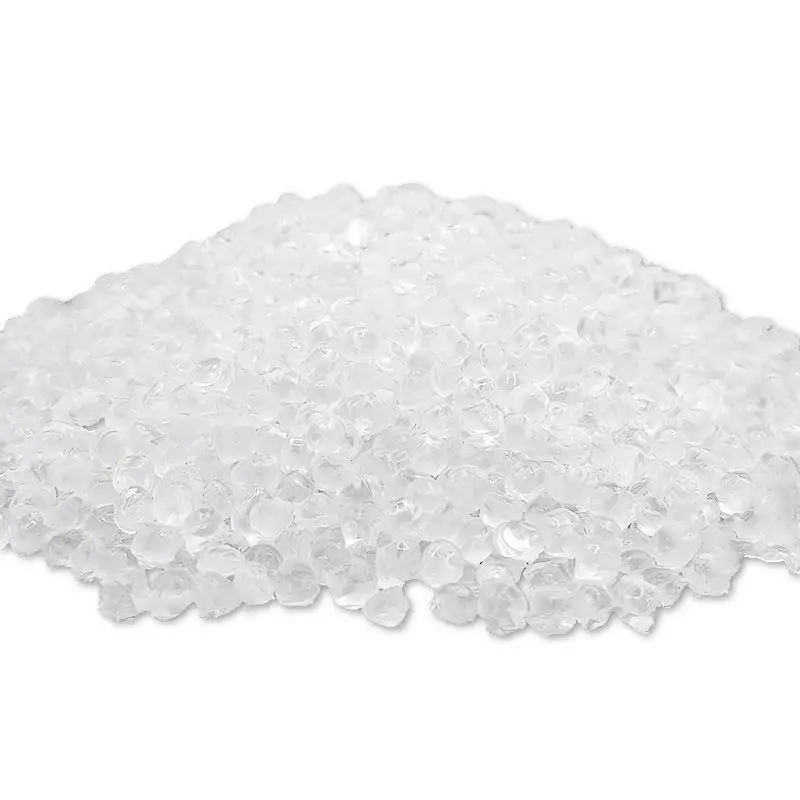 Гранулы смолы
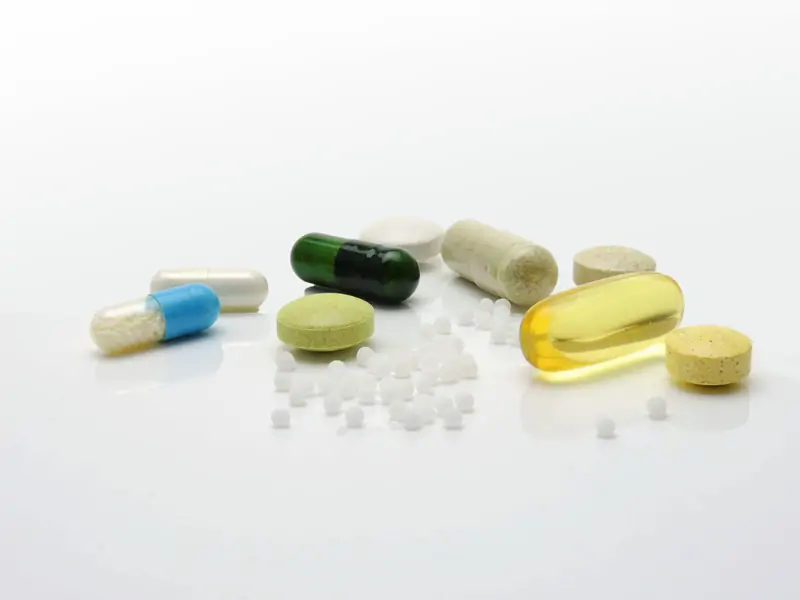 Фармацевтический порошок
Характеристики материала
| Тип материала | Типичные материалы | Характеристики загрузки | Приоритеты конфигурации |
| Пищевой порошок | Мука, крахмал, сахарная пудра, сухое молоко, пищевые добавки | Мелкие порошки легко образуют пыль, а производственные процессы предъявляют повышенные требования к гигиене. | Приоритет: материал SUS304/316L, внутренняя конструкция для очистки и метод фильтрации. |
| Фармацевтический порошок | Фармацевтическое сырье, порошок традиционной медицины, фармацевтические вспомогательные вещества | Высокоценные материалы требуют строгого контроля производственной среды и перекрестного загрязнения. | Приоритет: герметичная конструкция, гигиеническая структура и метод восстановления фильтрата. |
| Порошок для новых источников энергии | Графитовый порошок, литий-железо-фосфат, углеродные материалы | Мелкий размер частиц и легкое рассеивание. Некоторые материалы требуют дополнительных мер безопасности. | Приоритет: мощность пылеудаления, антистатическая конструкция и восстановление порошка. |
| Химический порошок | Смоляной порошок, пигменты, ПВХ-порошок, катализаторы | Широкий диапазон материалов. Некоторые материалы могут иметь проблемы с адгезией или коррозией. | Приоритет: фильтрующий материал, защита от коррозии и конструкция разгрузки. |
| Гранулированные материалы | Гранулы смолы, пластиковые гранулы, гранулированные добавки | Отличаются от порошков характеристиками текучести, требуя стабильной и непрерывной подачи. | Сосредоточьтесь на конфигурации просеивания и соединении с последующим транспортированием. |
Когда не следует использовать
Пылезащитная загрузочная станция подходит для большинства мешковых порошков и мелкогранулированных материалов, но для некоторых специальных материалов требуется предварительное подтверждение конструкции оборудования.
- Материалы с высоким содержанием влаги и сильной адгезией требуют корректировки конструкции разгрузочного узла;
- Взрывоопасные и легковоспламеняющиеся порошки требуют дополнительной взрывозащиты и антистатического исполнения. Соответствующее проектирование должно учитывать требования безопасности в средах с горючей пылью.
- Разгрузка больших мешков или крупномасштабные автоматические системы загрузки требуют переработанного системного решения.
Выбор пылезащитной загрузочной станции должен учитывать не только тип отрасли, но и подтверждать характеристики материала, способ загрузки и последующий производственный процесс. Только при наличии подходящей конфигурации пылеулавливания, просеивания и транспортирования процесс загрузки может надежно соединяться с полной производственной линией.
Технические параметры
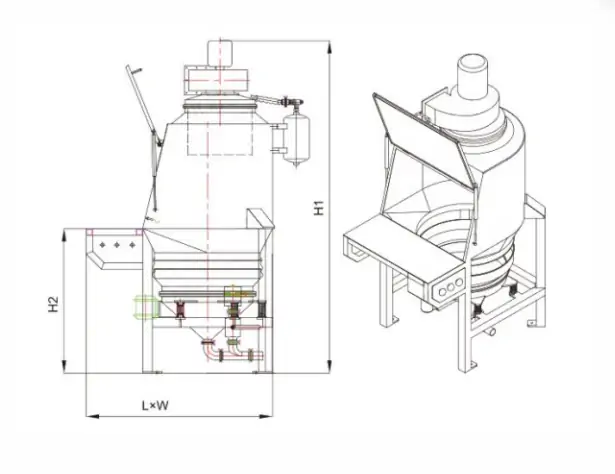
Пылезащитная загрузочная станция не имеет фиксированных размеров. Выбор модели в основном зависит от характеристик материала, способа загрузки и монтажного пространства. Следующие параметры являются справочными значениями для стандартных моделей. Фактические габариты оборудования, конфигурация просеивания и интерфейсы транспортирования могут быть скорректированы в соответствии с производственными требованиями.
| Модель | Высота оборудования H1 (мм) | Высота загрузки H2 (мм) | Длина L (мм) | Ширина W (мм) | Справочная производительность |
| JR800 | 2200 | 900 | 1100 | 800 | 1-2 т/ч |
| JR1000 | 2200 | 900 | 1100 | 1000 | 2-4 т/ч |
Приведенные выше значения производительности являются справочными. Фактическая производительность зависит от плотности материала, размера частиц, текучести и характеристик сита. Оборудование поддерживает индивидуальное проектирование в соответствии с монтажным пространством заказчика, характеристиками материала и производственными требованиями.
Как выбрать пылезащитную загрузочную станцию?
При выборе пылезащитной загрузочной станции необходимо подтвердить, легко ли материал образует пыль, происходит ли агломерация, и поступает ли материал непосредственно в транспортирующее или смесительное оборудование после загрузки. Различные материалы отличаются по пылеобразованию, текучести и способам транспортирования, что влияет на требования к пылеулавливанию, просеиванию и соединительным конструкциям. Пищевые порошки обычно требуют внимания к материалам контактной зоны и конструкциям очистки, порошки для новой энергетики требуют большего внимания к рекуперации порошка и антистатическому исполнению, а гранулированные материалы требуют подтверждения размера разгрузочного отверстия и способа транспортирования.
- Мелкодисперсные порошковые материалы с высоким пылеобразованием
Для таких материалов, как графитовый порошок, фармацевтическое сырье и мука, следует уделять внимание площади фильтрации, мощности пылеулавливания и методам рекуперации порошка. При необходимости может быть добавлена антистатическая конфигурация для снижения рассеивания порошка при ручной разгрузке мешков.
- Материалы, склонные к агломерации или содержащие примеси
Для таких материалов, как пищевые добавки и некоторые химические порошки, следует учитывать конфигурацию вибрационного грохота и характеристики сита для уменьшения попадания агломерированных материалов и фрагментов упаковки в следующий процесс.
- Гранулированные материалы
Для таких материалов, как смоляные гранулы и пластиковые гранулы, более важными являются стабильная подача и соединение с последующим оборудованием. Необходимо подтвердить разгрузочный интерфейс, способ транспортирования и монтажное пространство.
В ходе общения по проектам мы обнаруживаем, что многие заказчики изначально сосредоточены только на характеристиках пылеулавливания, но стабильность работы оборудования также зависит от текучести материала, характеристик упаковки и производственных процессов. После предоставления информации о материале и технологических требованиях инженерная команда Jiarui может помочь подтвердить более подходящую конфигурацию.
Индивидуальная конфигурация
Конструкция пылезащитной загрузочной станции не является фиксированной. При проектировании необходимо сначала подтвердить характеристики материала и требования последующего процесса. Размер частиц материала, текучесть, содержание влаги и уровень пылеобразования напрямую влияют на выбор системы фильтрации, конфигурации просеивания и разгрузочного интерфейса. Графитовый порошок и другие легкие порошковые материалы обычно требуют большего внимания к рекуперации пыли и мощности фильтрации, тогда как смоляные гранулы и другие материалы с хорошей текучестью требуют большего внимания к методам разгрузки и соединениям транспортирования.
Jiarui может корректировать конфигурации пылезащитных загрузочных станций в соответствии с различными требованиями применения, включая размер загрузочного бункера, систему пылеулавливания, конструкцию просеивания, выбор материалов и интерфейсы транспортирования. Инженерная команда будет учитывать состояние материала, требования к производительности и производственные требования для подтверждения конструкций оборудования, подходящих для таких отраслей, как пищевая, фармацевтическая, новые энергетические материалы и химическая переработка.
При индивидуальном заказе пылезащитной загрузочной станции рекомендуется предоставить следующую информацию:
- Наименование и состояние материала (порошок или гранулы, легко ли образует пыль или прилипает);
- Требования к производительности (объем загрузки в час);
- Способ упаковки и метод ручной загрузки;
- Последующее подключенное оборудование (вакуумный конвейер, шнековый конвейер и т. д.);
- Монтажное пространство и специальные требования (взрывозащита, гигиенические материалы и т. д.).
После предоставления вышеуказанной базовой информации инженеры могут подтвердить габариты оборудования, функциональные конфигурации и способы подключения, что позволяет установить загрузочную станцию в существующий производственный процесс.
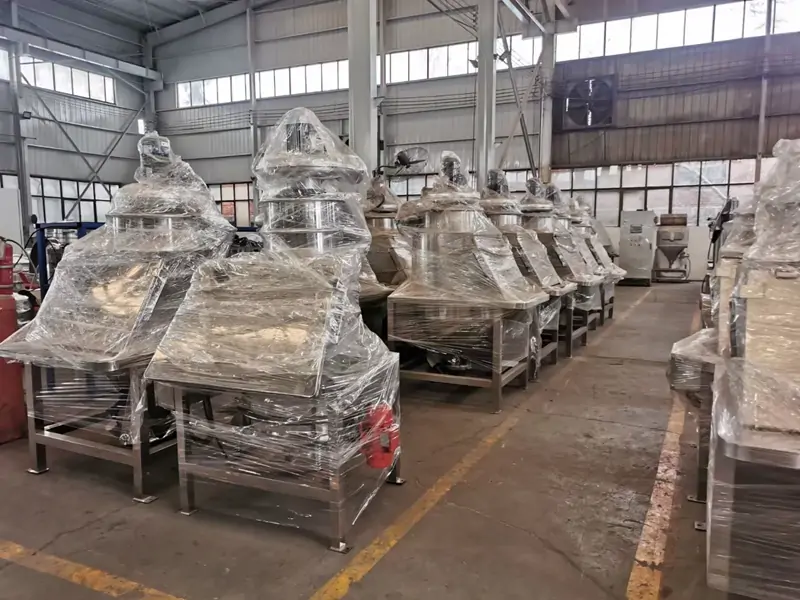
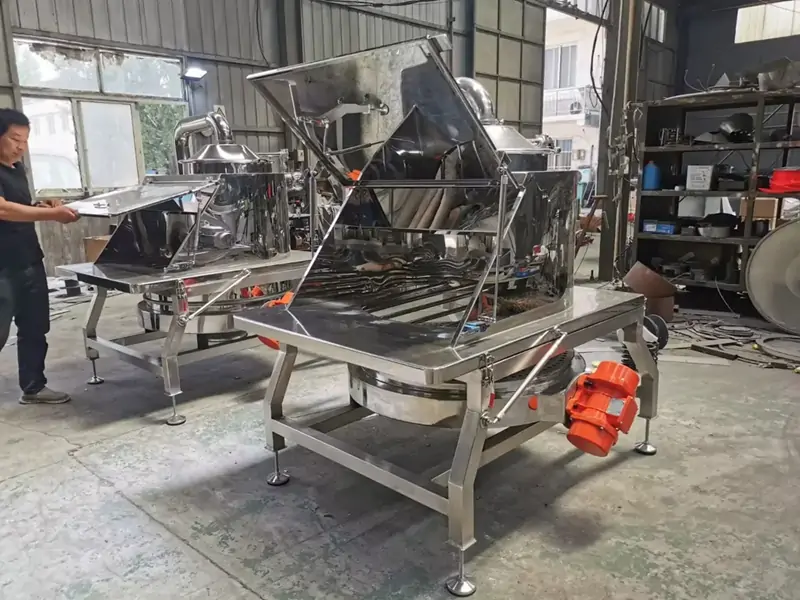
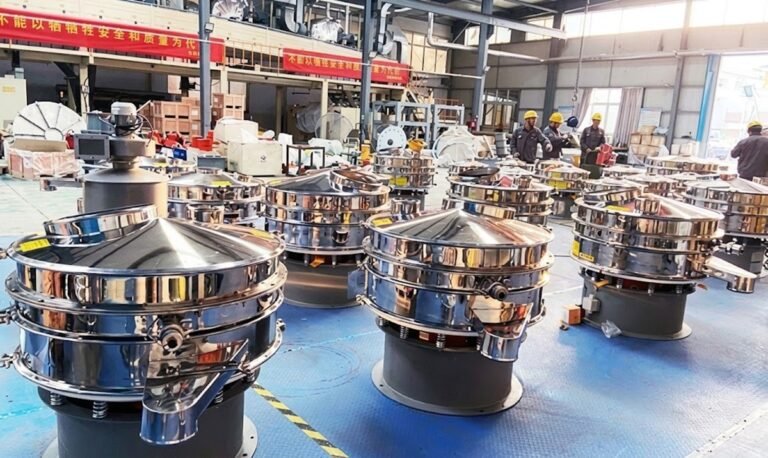
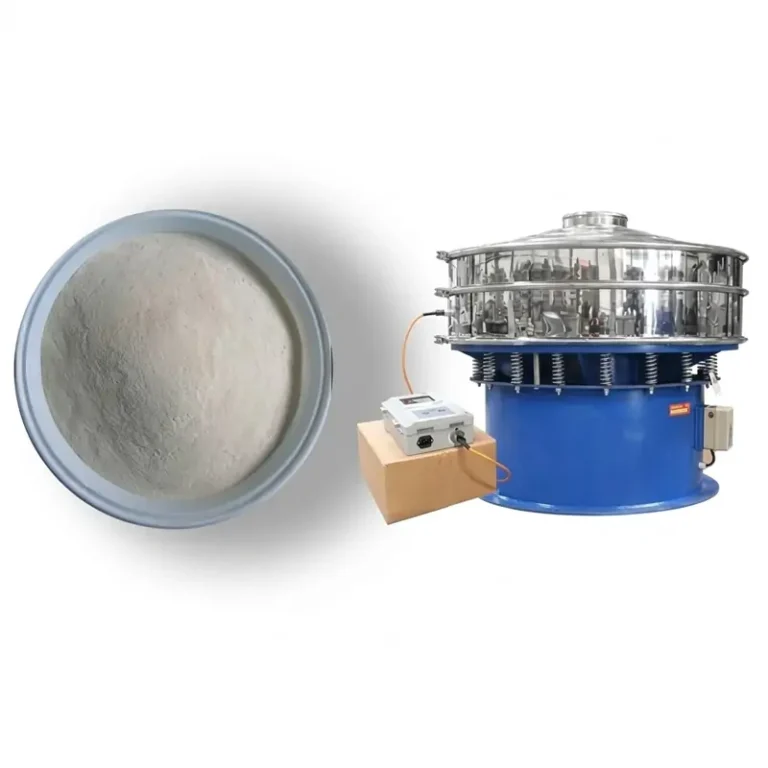
Производство Jiarui
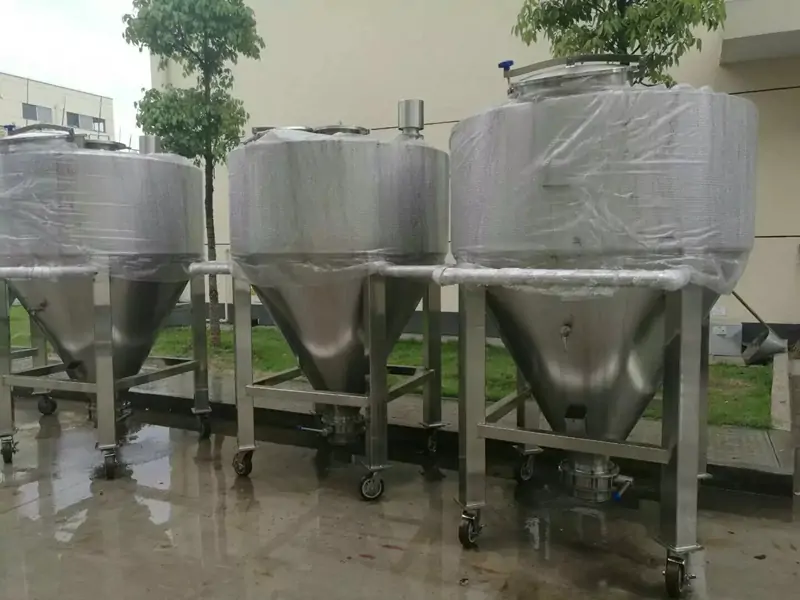
Изготовление пылезащитной загрузочной станции требует не только прочности оборудования, но и внимания к герметичности, эффективности пылеулавливания и условиям потока материала при порошковой загрузке. Конструкция загрузочного бункера, положение пылеулавливающего патрубка, конфигурация системы фильтрации и способ установки просеивающих элементов — все это влияет на контроль пыли и производительность транспортирования материала во время работы.
При изготовлении беспылевых загрузочных станций компания Jiarui корректирует конструкцию оборудования в зависимости от типа материала и условий эксплуатации. Для таких отраслей, как пищевая и фармацевтическая, основное внимание уделяется выбору материалов для контактных зон, качеству внутренней обработки поверхности и требованиям к очистке. Для мелкодисперсных порошков в отраслях новых энергетических технологий и химической промышленности основное внимание уделяется пылеулавливанию, антистатической конфигурации и методам рекуперации порошка.
От подтверждения проекта до изготовления оборудования инженерная группа корректирует размер загрузочного бункера, конфигурацию просеивающего оборудования и конструкцию соединений в зависимости от характеристик материала, требований к производительности, способов загрузки и downstream-транспортного оборудования. Беспылевая загрузочная станция Jiarui поддерживает индивидуальное проектирование и может быть адаптирована к условиям площадки и производственным требованиям.
Часто задаваемые вопросы
Получить бесплатную консультацию
Заполните форму ниже, чтобы связаться с нашими экспертами и получить персональные рекомендации для вашего применения.