What Is an Inline Vibrating Screen?
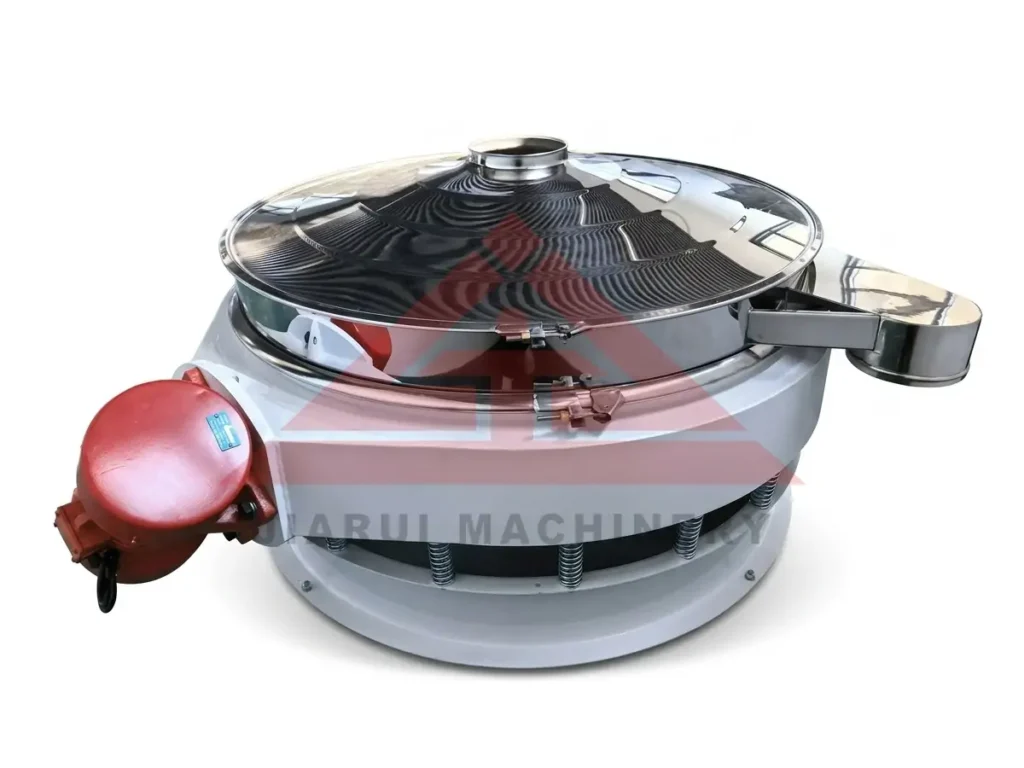
An inline vibrating screen, also known as a direct-discharge vibrating screen, uses a single horizontal vibrating motor as the excitation source. The vibrating motor is mounted on one side of the machine body. After the material enters the equipment, it undergoes an elliptical motion trajectory on the screen surface under the action of the vibration source. While quickly and reciprocally completing the sieving action, the vibrational force continuously peels, disperses, and recombines the material, enabling rapid sieving. Material that cannot pass through the screen is discharged from the upper discharge port of the screen.
What problems can Jia Rui Inline vibrating screen solve for you?
The inline vibrating screen features an upper-in and lower-out structure, which is simple and streamlined. It can address space-constrained challenges. The inline vibrating screen employs a straight-discharge screening mode. After materials enter the screen surface, they quickly pass through the screen, significantly improving screening efficiency. This allows it to meet the requirements of performing high-volume impurity screening within limited spaces.
Princípio de funcionamento
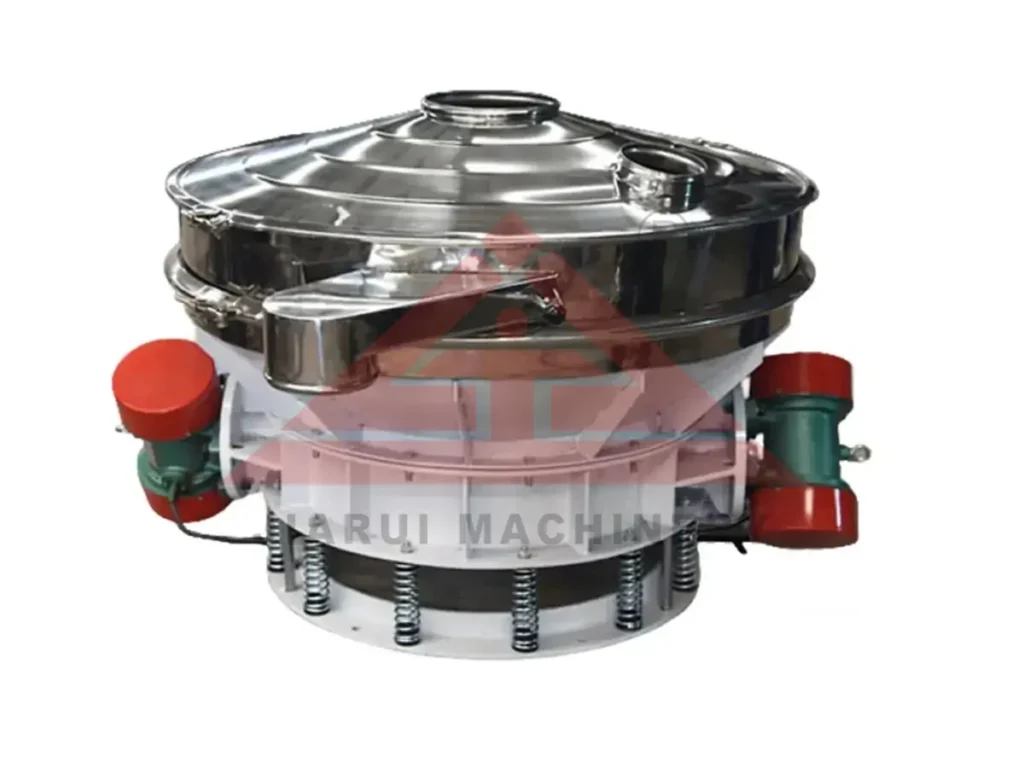
Vibration motors convert their rotational motion into overlapping multi-directional forces—horizontal, vertical, inclined, and centrifugal—by utilizing two sets of unbalanced eccentric blocks at the upper and lower ends of their shafts. These forces are then transmitted to the screen surface to achieve the screening purpose. Adjusting the phase angle and weight of the upper and lower eccentric blocks can modify the magnitude of the exciting force and the movement trajectory of the material.
Core structure
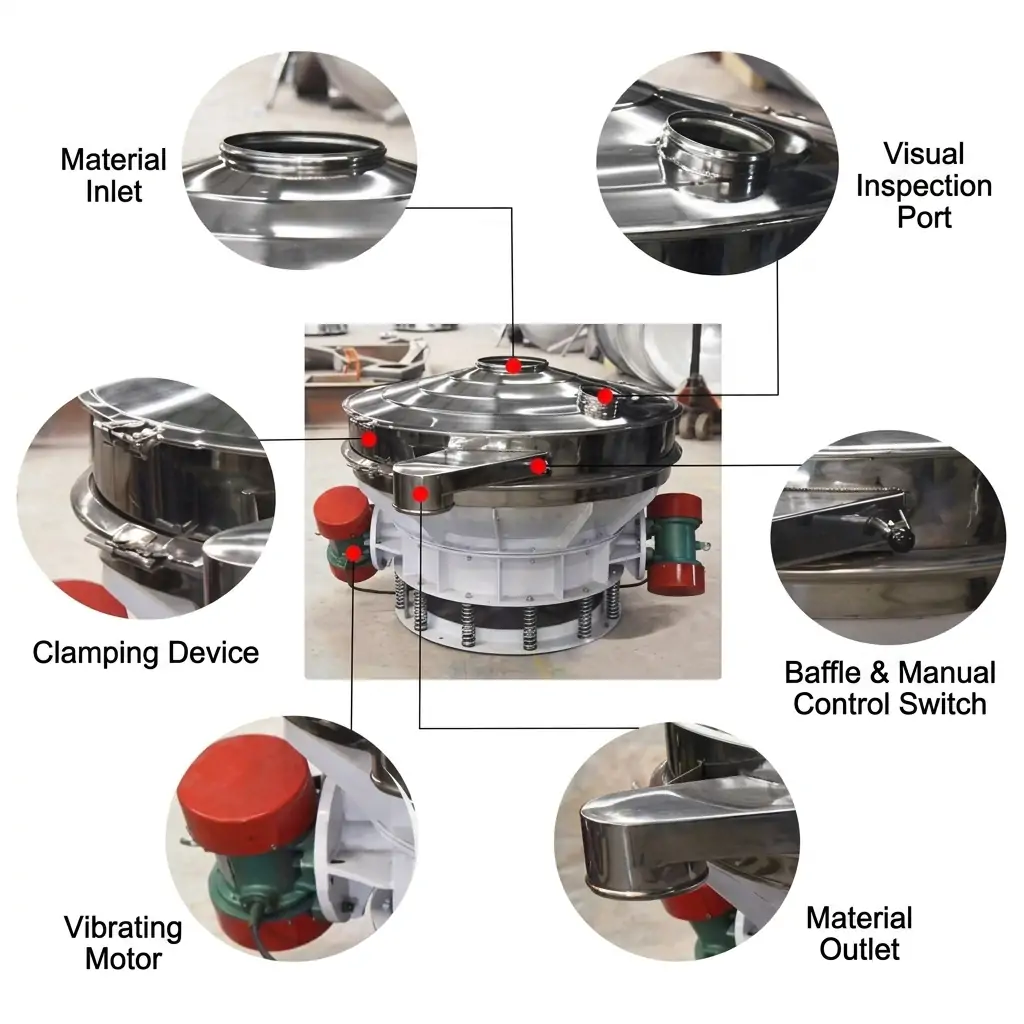
Vibration sources are available in single-motor and double-motor structural forms. The material running trajectory has multiple adjustable patterns, significantly enhancing the equipment’s applicability. Direct material discharge allows for a larger processing capacity. It is commonly used for rough and precision screening of granular and powdered materials in industries such as flour, starch, laundry detergent, metal powder, additives, chemicals, and non-metallic minerals. It features large processing capacity and easy integration with production lines. The size can be selected between 600MM and 1800MM.
Structural Types of Inline Vibrating Screen
The structural types of inline vibrating screens can be divided into two different structural types based on the excitation source. The following is a detailed comparative reference:
| Structural type | Excitation Source | Trajetória de movimento do material | Layout function |
| Double Vibration Source inline vibrating screen | Dual Motor | The screen surface generates vortex motion | Equipped with automatic nesting function |
| Single Vibration Source inline vibrating screen | Single Motor (Horizontal) | Primarily vertical vibration | No automatic material distribution function |
The core advantages of the Jia Rui inline vibrating screen
The main feature of the inline vibrating screen is its large processing capacity and high output. It adopts a straight-discharge unloading method with a screening mode of top-in and bottom-out. After the material enters the screen mesh, it is quickly screened, resulting in high efficiency and large output. The discharge speed is much higher than that of ordinary screens, reaching 3-5 times that of ordinary screens.
The following is a detailed summary of the advantages of the inline vibrating screen:
| features | Specific explanation |
| Low-profile design | With a low body height and compact size, it does not occupy much space, is easy to move, and is suitable for production lines with limited installation space. |
| High processing capacity | The material is discharged downward directly, resulting in a fast discharge speed and a processing capacity much greater than that of ordinary sieves (for example, a 1000-type sieve can sift wheat flour at 24 mesh up to 350kg in 150 seconds). |
| Fully enclosed structure | Sealed tightly to prevent dust from flying, low noise (about 70 decibels), and good environmental friendliness. |
| Easy to clean and maintain | Easy to assemble and disassemble, with no sanitary dead corners, complying with food-grade GMP standards; screen replacement can be completed within 5 minutes. |
| 360° Discharge Adjustment | The upper layer outlet can rotate freely within a 360° range, facilitating on-site installation and layout. |
| Automated production | It can produce continuously for 24 hours and is compatible with automated production lines. |
Model and Technical Specifications
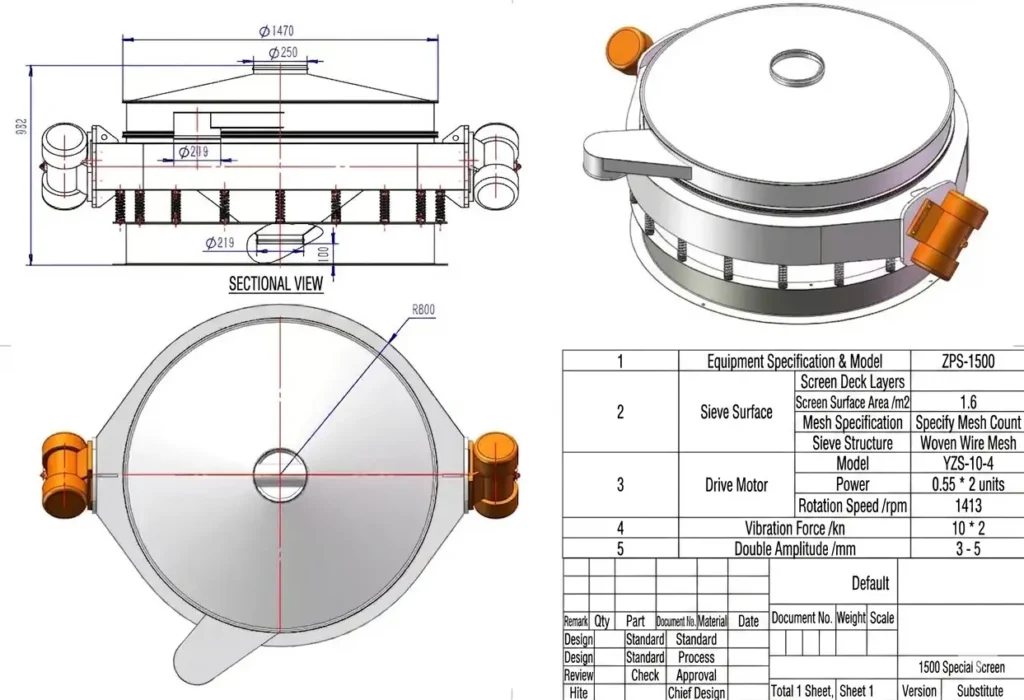
Inline vibrating screens come in various models and types, each with different specific technical parameters. We need to analyze specific issues based on actual working conditions.
Below are some general models and technical parameters of inline vibrating screens that I have summarized:
| Model | Power (KW) | Screen Surface Diameter (mm) | Effective Area (㎡) | External dimensions (mm) |
| ZPS-600 | 0.12 | 520 | 0.2124 | 740*600*500 |
| ZPS-800 | 0.18 | 720 | 0.4072 | 1010*800*600 |
| ZPS-1000 | 0.18 | 890 | 0.6221 | 1200*970*640 |
| ZPS-1200 | 0.25 | 1090 | 0.9331 | 1430*1170*700 |
| ZPS-1500 | 0.55 | 1390 | 1.5175 | 1780*1470*760 |
How to select an inline vibrating screen?
During the selection process of inline vibrating screens, JiaRui needs to start from aspects such as production capacity, material requirements, mesh size, and motor configuration. Below are some summarized key points:
- Production Requirements: Note that production capacity depends on size.The larger the diameter, the greater the hourly processing capacity and thus the higher the output; Conversely, the smaller the diameter, the lower the output. Specific model selection should be determined based on the required production volume.
- Propriedades do Material: Determine if the material contains moisture, its stickiness, presence of static electricity, and whether explosion-proof measures are required, etc.
- Material Requirements: Specific materials must be determined in accordance with industry standards. For example, industries such as food and pharmaceuticals, and chemical engineering require the use of stainless steel to meet industry hygiene standards.
Applicable Industries
As an excellent helper for impurity removal and sieving, the inline vibrating screen is used for impurity removal and sieving of powder and granular materials. It is suitable for continuous production lines, offering high efficiency and large output, making it a commonly used piece of equipment among various manufacturers. It applies to multiple industries such as food, pharmaceuticals, chemicals, building materials, and metallurgy. Here are some common materials prepared:
- Food industry: flour, starch, powdered sugar, milk powder, salt, seasonings, food additives, and instant food ingredients, etc.
- Chemical industry: Resin powders(PVC/epoxy), coatings, pigments, laundry detergent, activated carbon, pure alkali, etc.
- Pharmaceutical industry: Western medicine powders, traditional Chinese medicine powders, pharmaceutical intermediates, cosmetic raw materials, etc.
- Metallurgical/metal powders: aluminum powder, copper powder, alloy powder, welding rod powder, magnetic materials, etc.
- Non-metallic minerals: quartz sand, kaolin, refractory materials, carbon black, mica, etc.
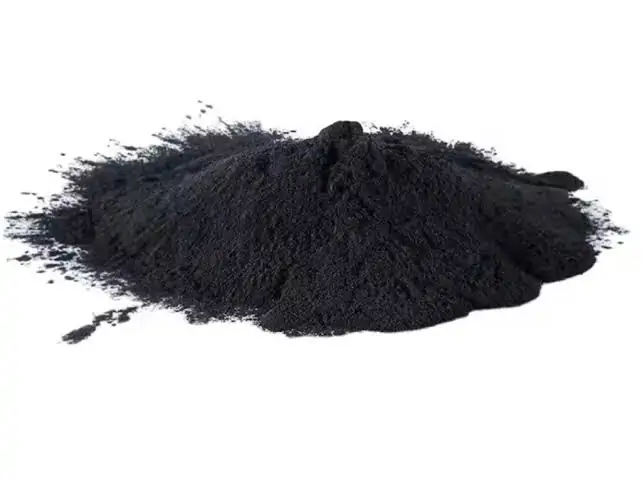 Graphite Powder
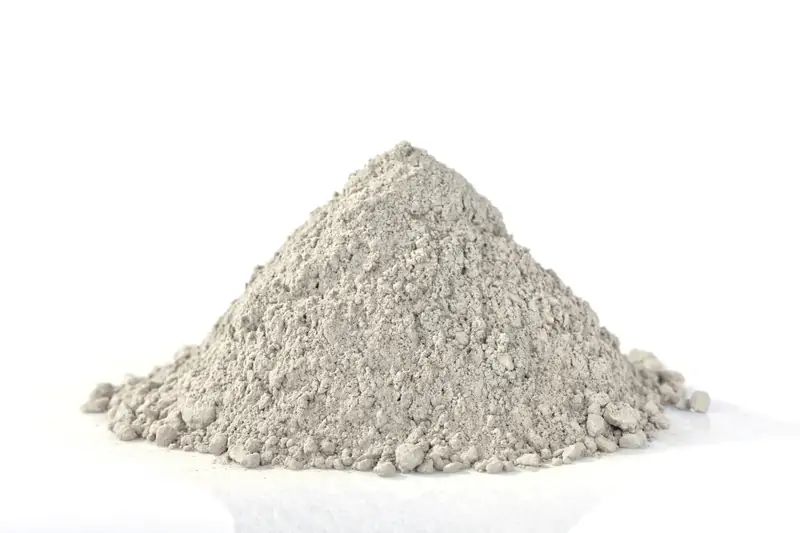 Indústria de Materiais de Construção
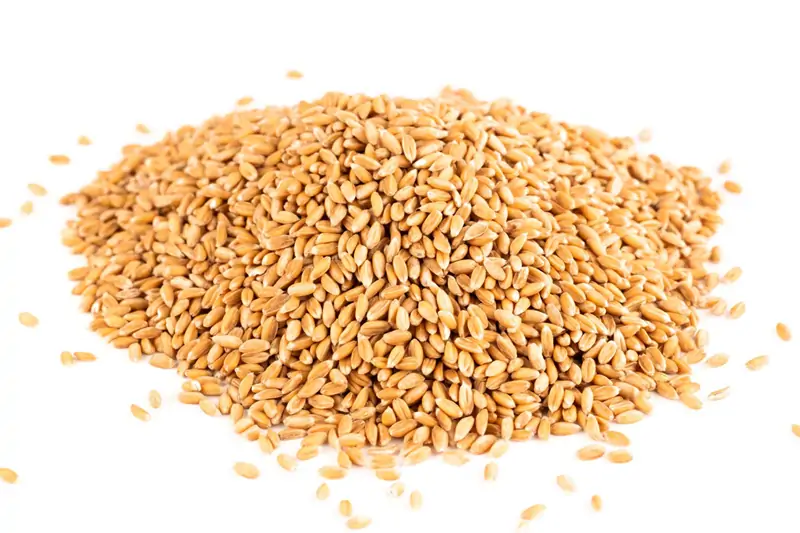 Food and Feed Industry
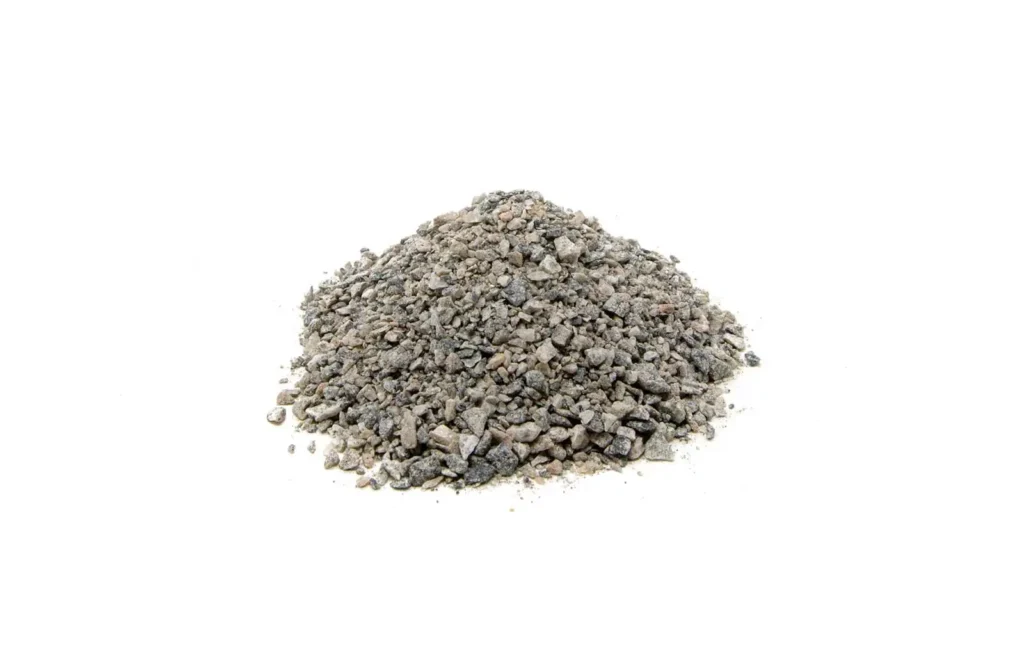 Manufactured Sand
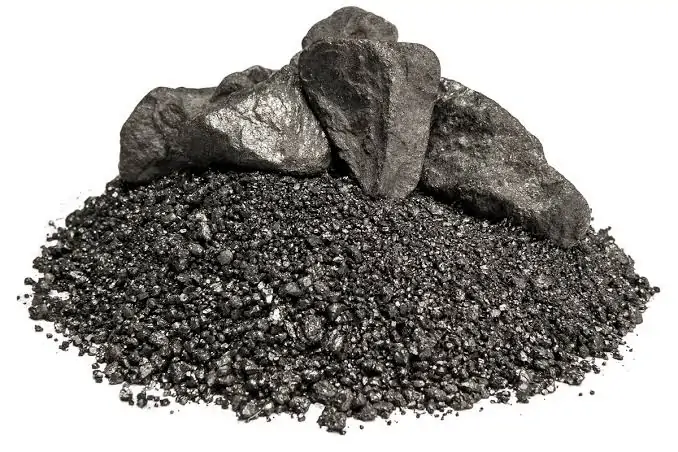 Iron Ore
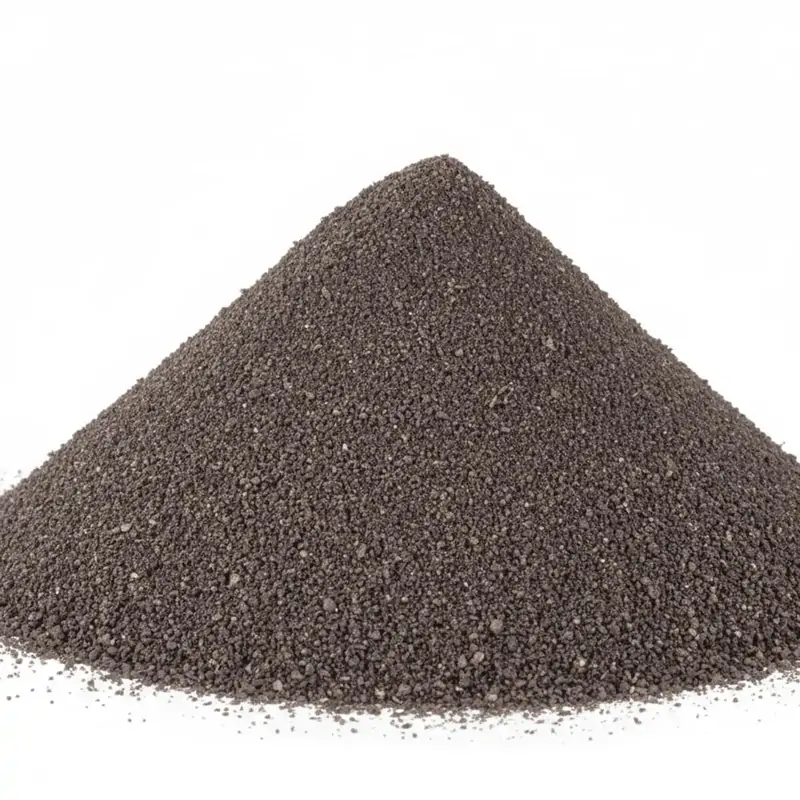 Mining and Mineral Processing
Common Mesh Size Selection for Materials
The particle sizes of various materials differ, so when selecting the mesh count of sieves, we need to analyze based on the material properties and production capacity.
Below is a summary of common materials and their reference mesh counts:
| Material | Recommended mesh count | Explanation and Typical Uses |
| Flour, wheat flour | 24 mesh | Removal of impurities, increased specific surface area; the 1000 series can process up to 350kg in 150 seconds |
| Starch | 12 mesh,20 mesh,24 mesh,30 mesh,40 mesh,60 mesh | Remove impurities such as thread ends, stones, and insect eggs, commonly using multi-mesh configurations |
| Food/chemical powders | 12-60 mesh (standard) | Coarse impurity removal and sieving for powders such as laundry powder, metal powder, and additives |
| Powder impurity removal | 30 mesh, 40 mesh, 60 mesh | High mesh count configuration, suitable for fine screening or removal of finer impurities |
| Fine screening | 140 mesh | Some models support fine screening up to 140 mesh, but the processing capacity will be reduced accordingly. |
Inline Vibrating Screen VS Rotary Vibrating Screen
The differences between inline vibrating screens and rotary vibrating screens are shown in the table below:
| Comparison Dimensions | Inline vibrating screen | Rotary Vibrating Screen |
| Discharge direction | The undersized material is discharged vertically downward directly from the center bottom of the screening machine | The undersized material is discharged from the outlet at the lower side of the screening machine |
| Body height | Low-profile design with low installation height requirements | The relative height is relatively high |
| Processing capability | High processing capacity, suitable for large-scale continuous production | Suitable for fine screening, but with relatively small processing capacity |
| Usos típicos | Pipeline impurity removal, sieving and loosening,high-volume production operations | Fine grading, solid/liquid filtration |
Conclusão
The Inline vibrating screen, also known as a direct discharge vibrating screen, uses a single horizontal vibrating motor as the excitation source. It applies to multiple industries such as food, pharmaceuticals, chemicals, building materials, and metallurgy.