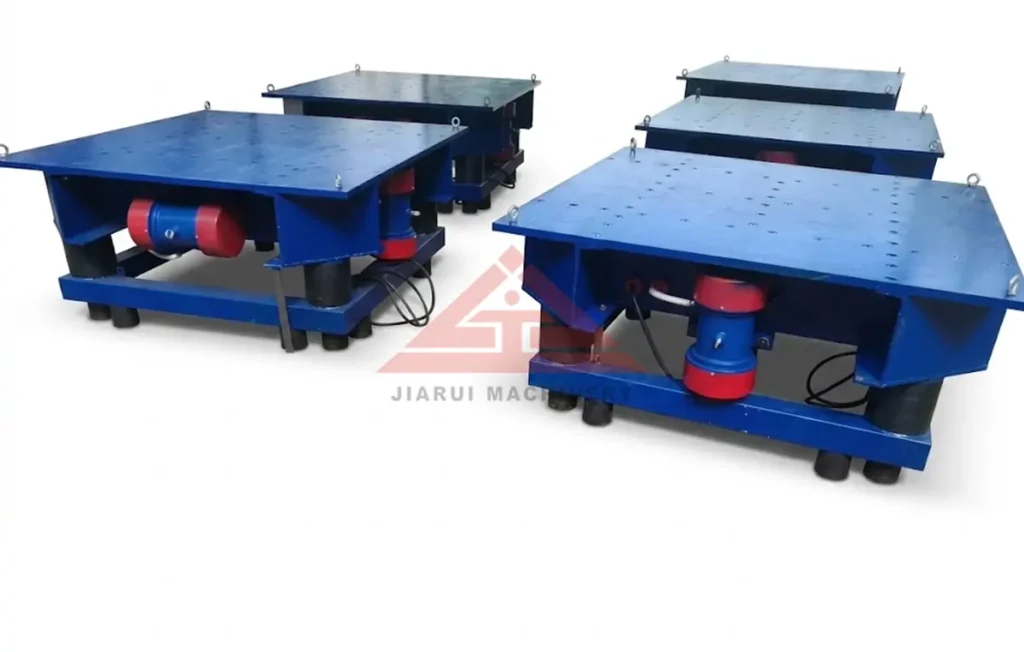
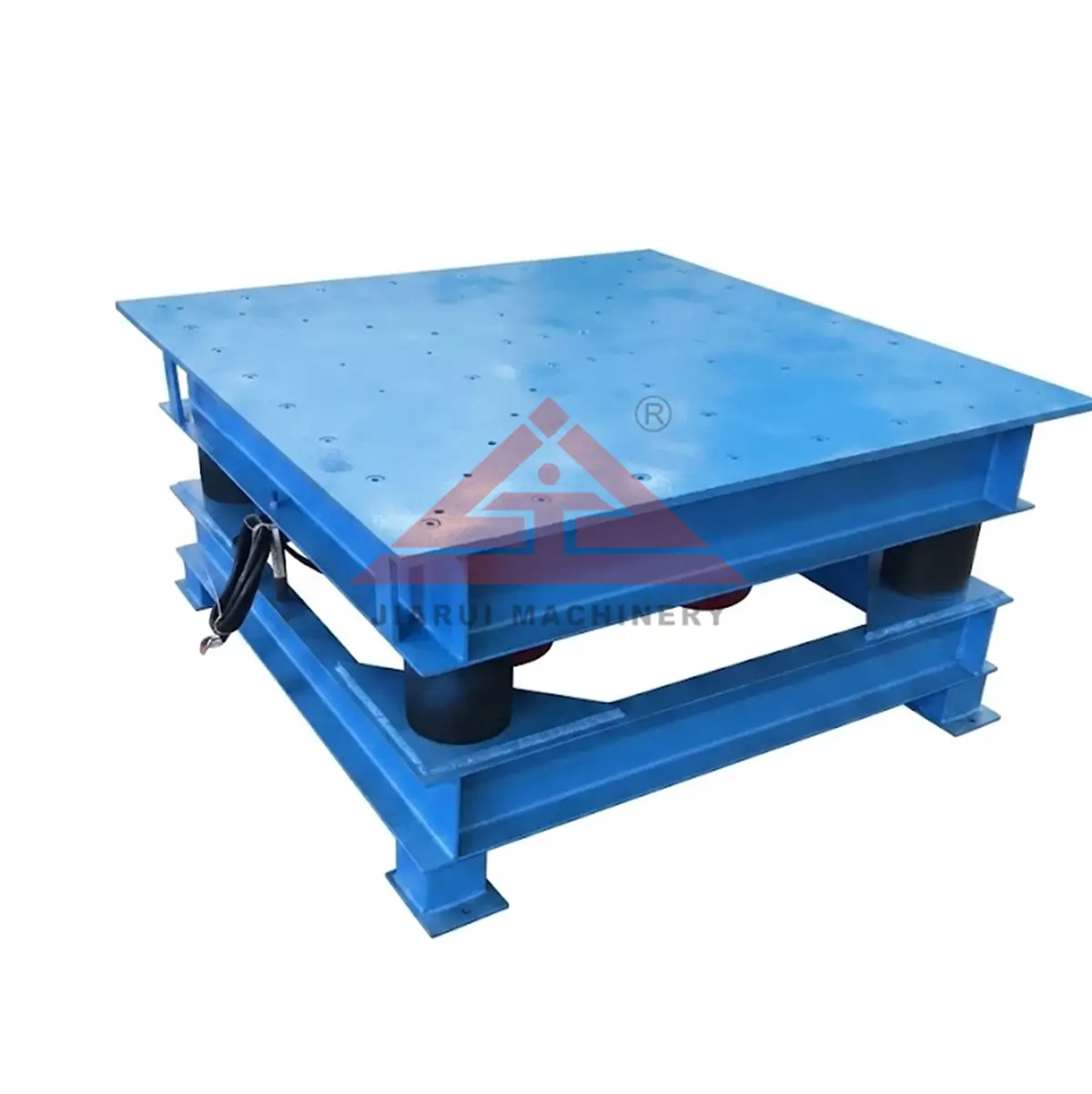
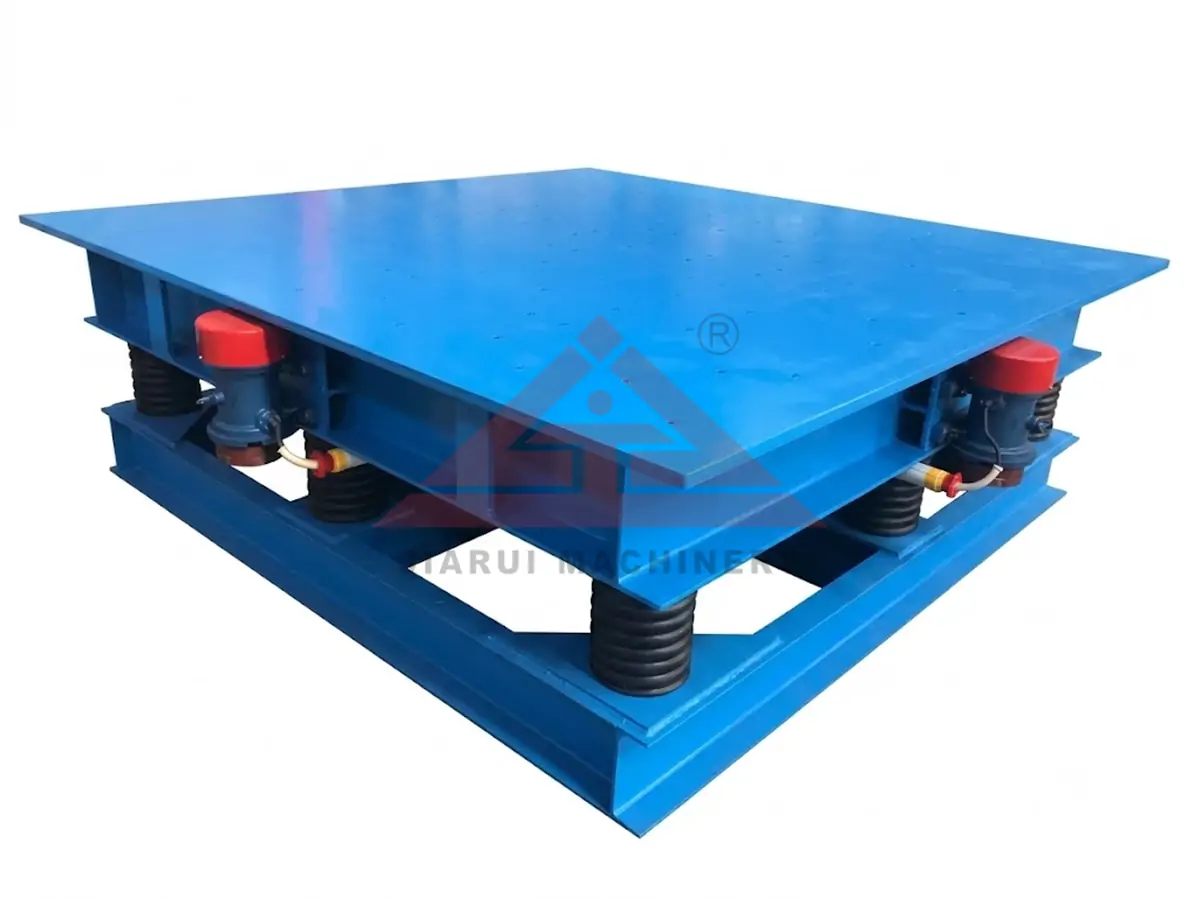
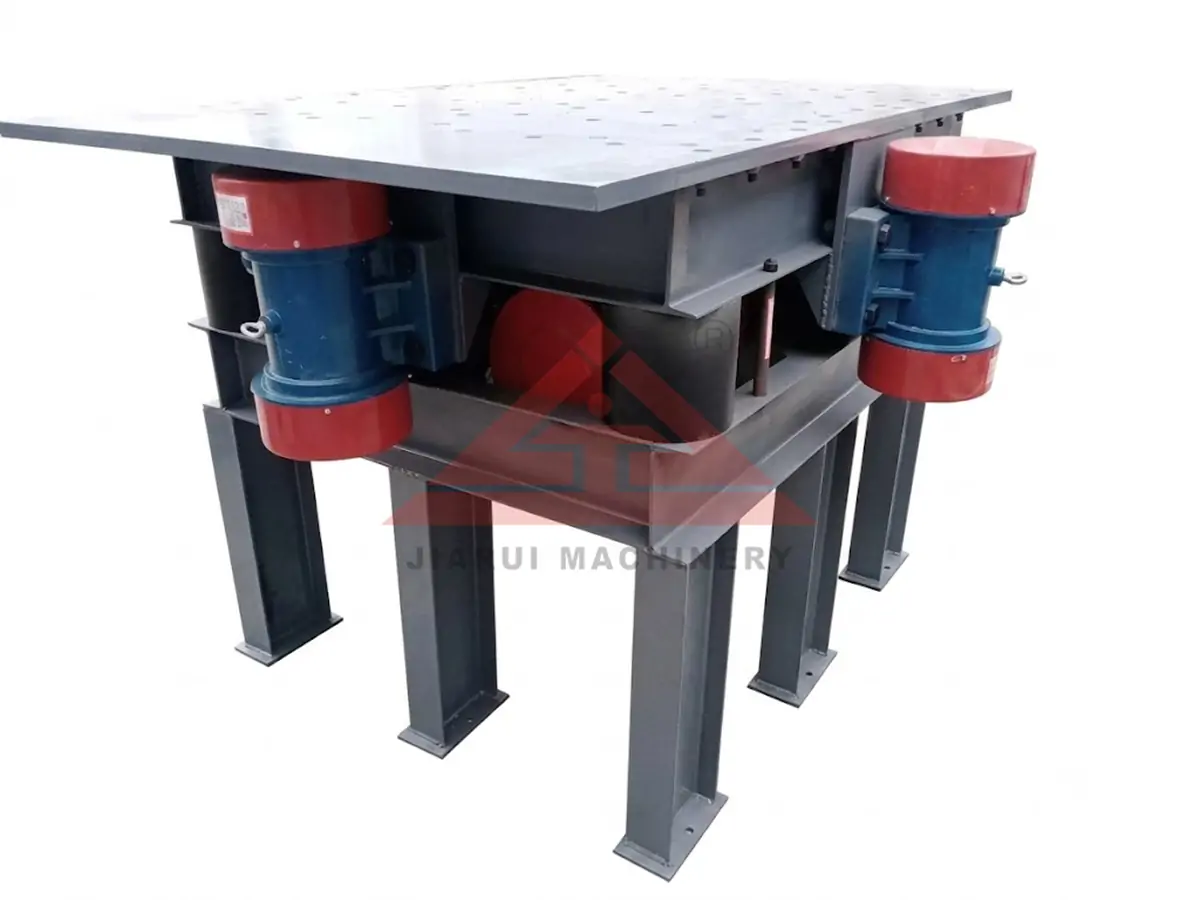
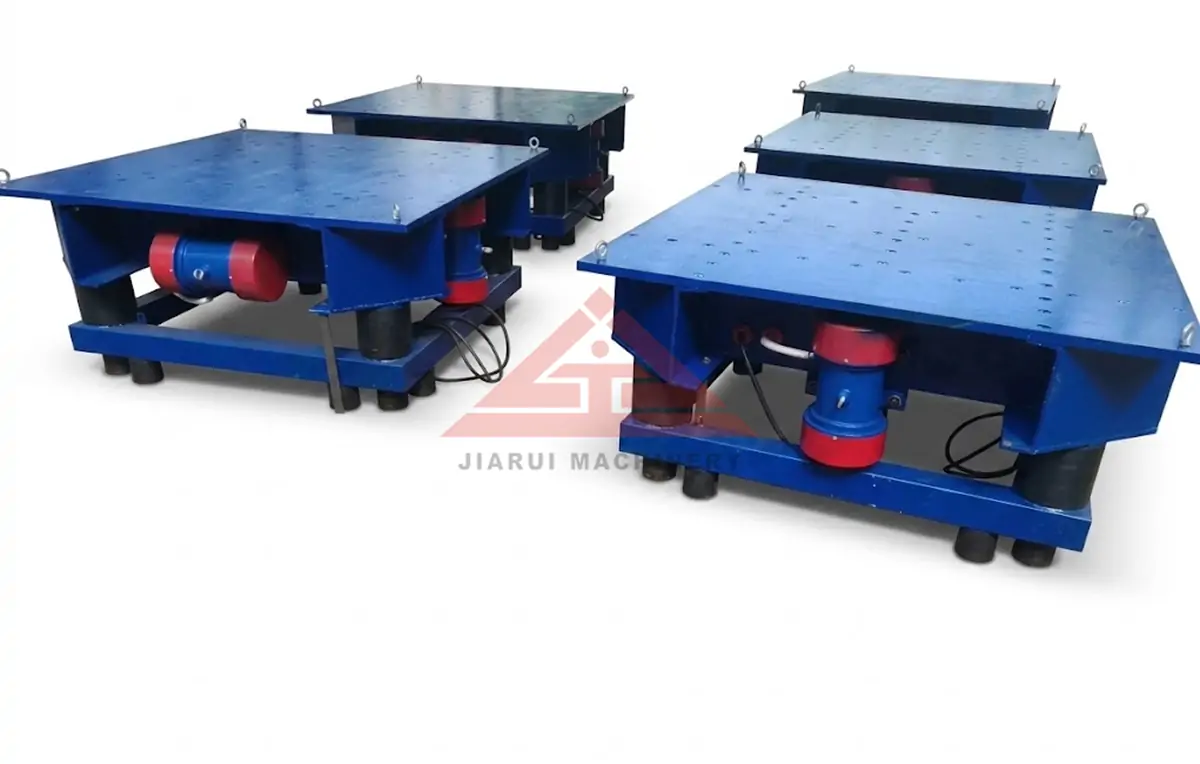
Mesa Vibratória
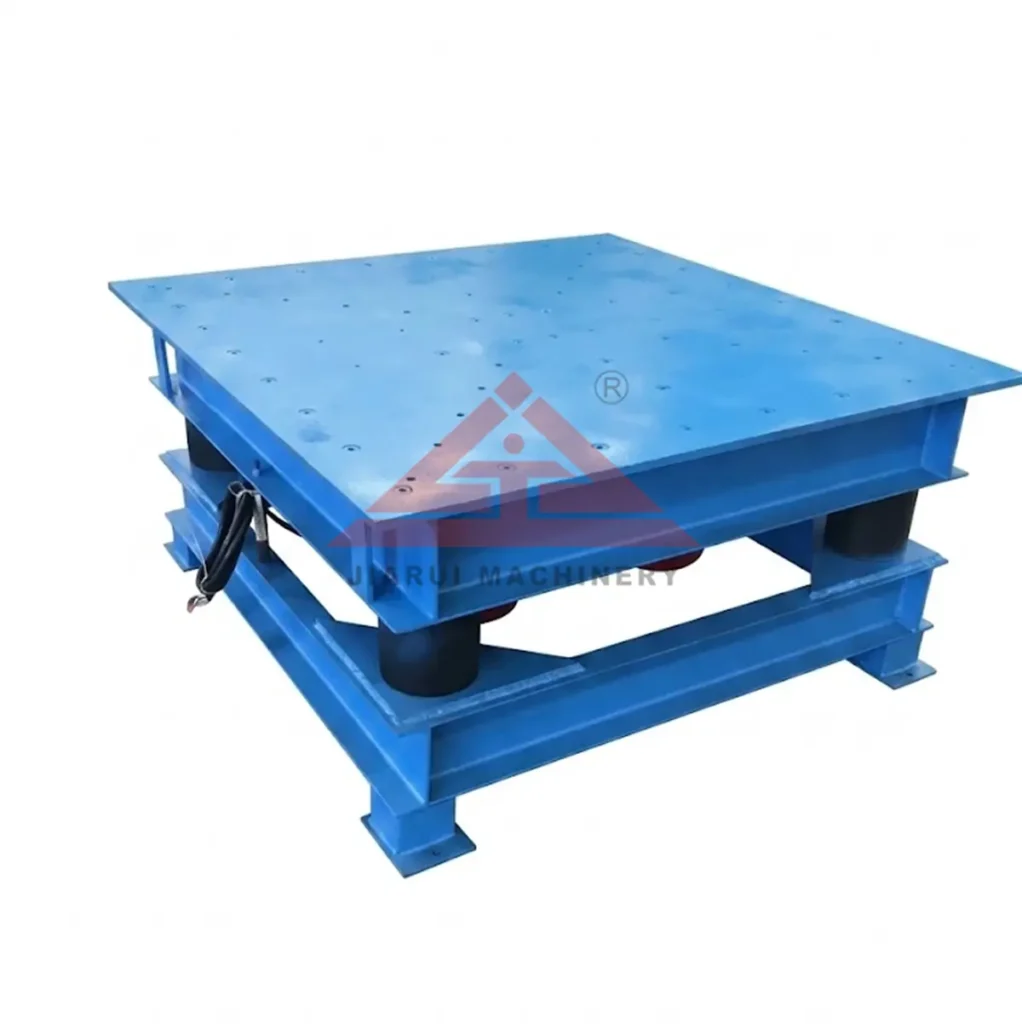
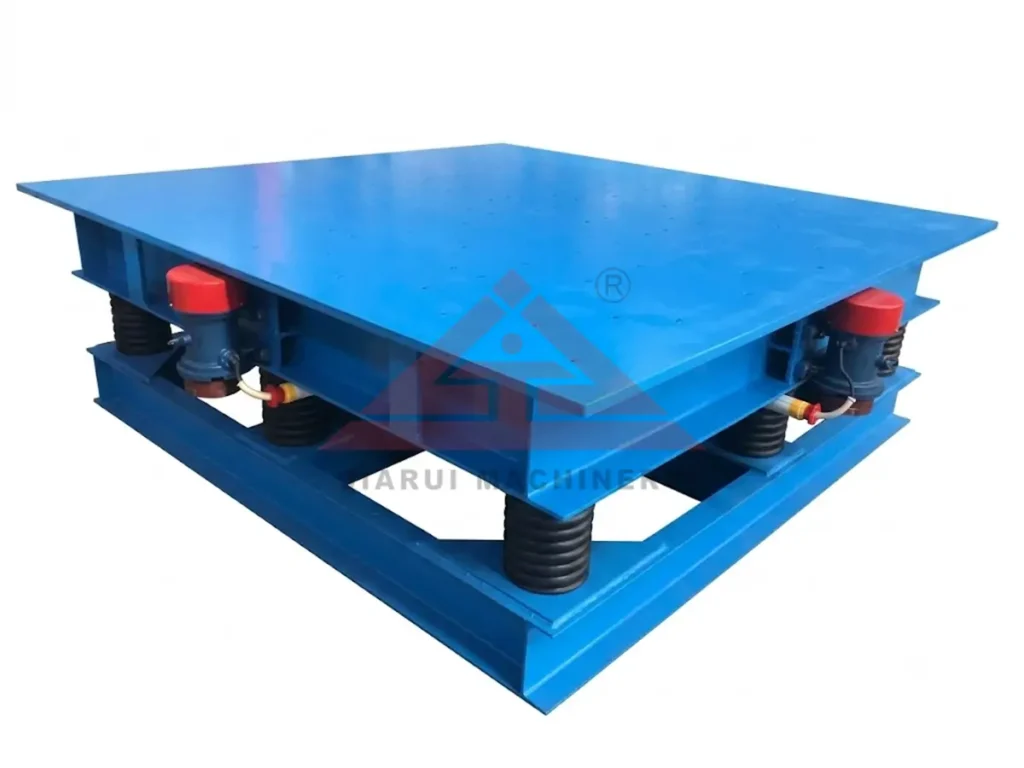
As mesas vibratórias, também conhecidas como mesas compactadoras, são utilizadas principalmente para compactar materiais. Elas podem reduzir o ar e os espaços vazios dentro dos materiais. Acionadas por mecanismos de vibração, essas plataformas realizam vibrações tridimensionais nas direções horizontal, vertical e longitudinal. Durante o uso, o efeito de compactação dos materiais pode ser alcançado ajustando-se a força de excitação dos motores de vibração. De acordo com os requisitos do usuário, existem plataformas de vibração para concreto, plataformas de vibração para produtos de cimento, plataformas de vibração tridimensionais, etc., e a superfície da plataforma pode ser fabricada sob medida.
Diferentes pesos de peças, tamanhos de mesa e métodos de produção exigem diferentes forças vibratórias e configurações estruturais. Jiarui A equipe de engenharia pode ajustar o tamanho da mesa, a configuração do sistema de vibração e a solução de instalação de acordo com as condições reais de operação, garantindo que o equipamento esteja melhor alinhado com o processo de produção.
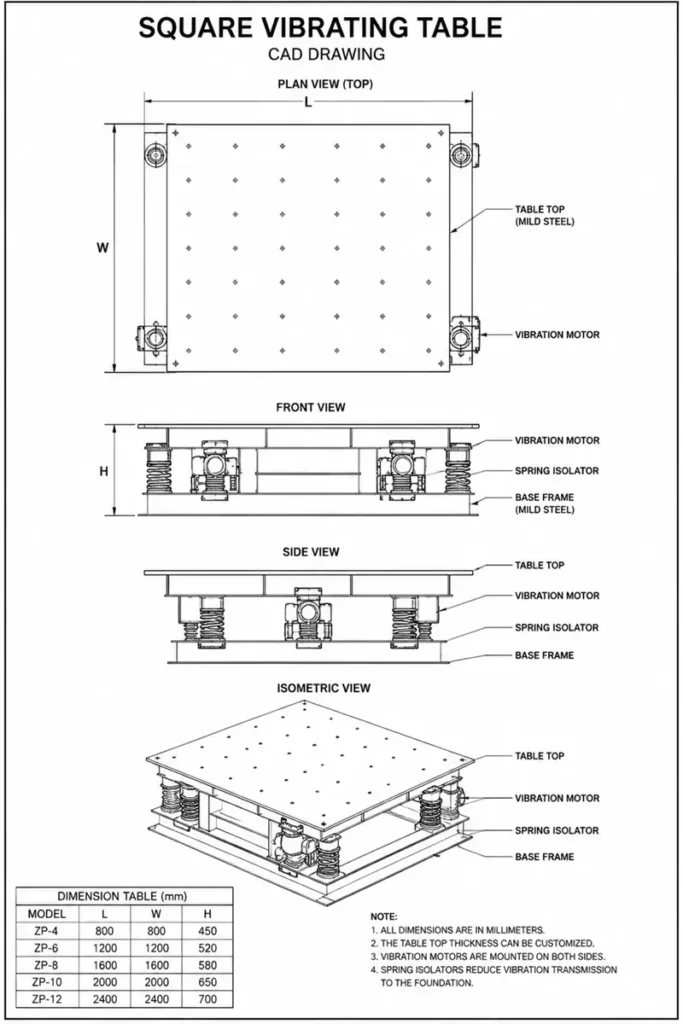
- Modelos: Série ZP-4 / ZP-6 / ZP-8 / ZP-10 / ZP-12
- Tamanho da Mesa: 400 mm × 400 mm - 2000 mm × 2000 mm
- Forma Externa: Quadrada, Retangular ou Outras Formas
- Força de Excitação: 20–80 kN
- Faixa de Potência: 1,6–7,5 kW
- Indústrias de Aplicação: Fundição, produtos de concreto, materiais pulverulentos, materiais refratários
- Personalização: Suporta tamanho de mesa, parâmetros de vibração e design estrutural personalizados
O que é uma Mesa Vibratória?
Uma Mesa Vibratória, também conhecida como mesa de compactação por vibração ou plataforma vibratória, é utilizada principalmente para compactar materiais e moldes. Ao aplicar vibração controlada, materiais soltos se assentam gradualmente, reduzindo lacunas de ar internas e melhorando a densidade de preenchimento. É comumente usada em caixas de fundição, produtos de concreto, embalagens de pós e produção de materiais refratários.
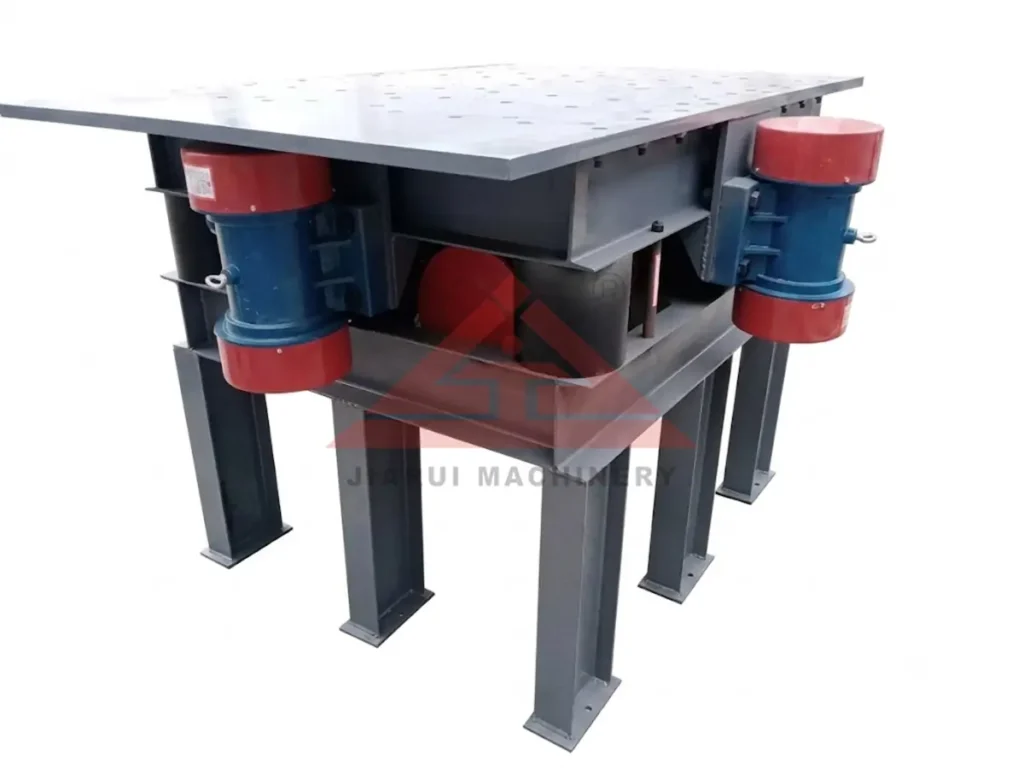
Caixas de areia, moldes e produtos pré-moldados geralmente têm pesos e dimensões diferentes, o que exige diferentes forças de vibração, tamanhos de mesa e capacidades de carga. A Série ZP utiliza uma estrutura de excitação multiponto com 4 a 12 pontos de vibração. A força de excitação máxima pode atingir 80 kN, e a configuração do equipamento pode ser selecionada de acordo com o peso da peça, o tamanho do molde e os requisitos de produção.
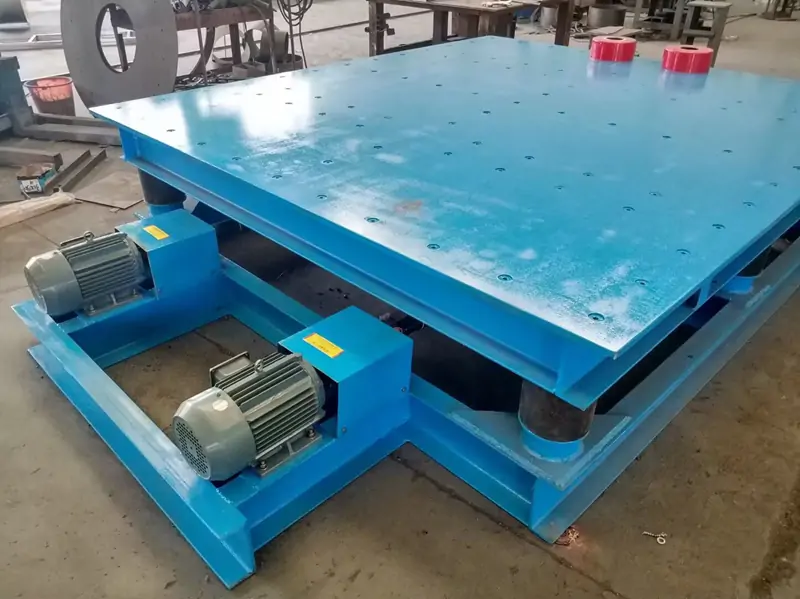
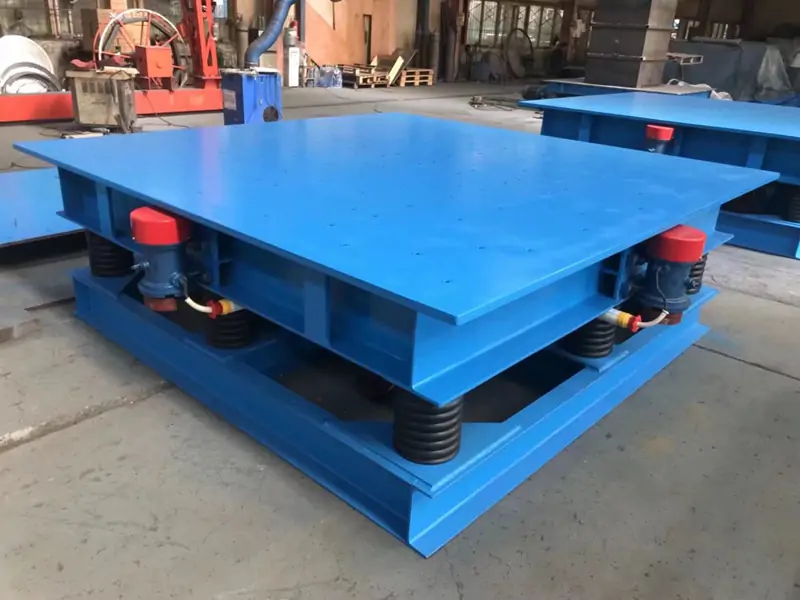
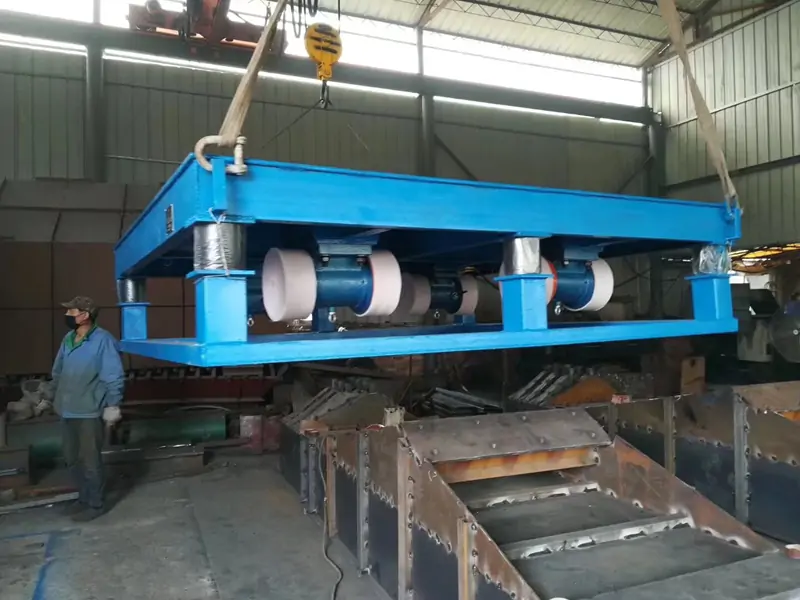
Princípio de Funcionamento
O equipamento funciona utilizando motores de vibração para gerar força de excitação, fazendo com que a superfície da mesa produza vibração estável e impulsionando os materiais, moldes ou caixas de areia a se moverem juntamente. Durante a vibração, os materiais soltos assentam gradualmente, as partículas se reorganizam e os espaços internos são reduzidos, alcançando melhores resultados de compactação.
Os materiais são colocados sobre a superfície da mesa vibratória
Durante a operação, caixas de areia, moldes ou recipientes preenchidos com materiais são colocados sobre a mesa de trabalho. O equipamento requer dimensões de mesa adequadas de acordo com o tamanho e o peso da peça, para garantir distribuição estável da força durante a vibração.
Os motores de vibração acionam a operação da mesa
Após a partida do equipamento, os motores de vibração geram uma força de excitação e a transmitem à superfície da mesa através da estrutura de conexão, fazendo com que materiais ou moldes vibrem com a mesa em um movimento regular.
Os materiais gradualmente se tornam compactos durante a vibração
À medida que a vibração continua, as partículas dentro de materiais soltos ajustam continuamente suas posições. Partículas menores preenchem as lacunas entre partículas maiores, enquanto o ar interno é gradualmente removido, permitindo que materiais como areia de fundição, concreto e materiais pulverulentos alcancem melhor compactação.
Os materiais compactados entram no próximo processo de produção
Após atingir o padrão de processo exigido, a peça ou o material passa para a próxima etapa de produção. A Série ZP pode ser projetada de acordo com os requisitos de layout do local e integrada com equipamentos de transporte para suportar produção contínua.
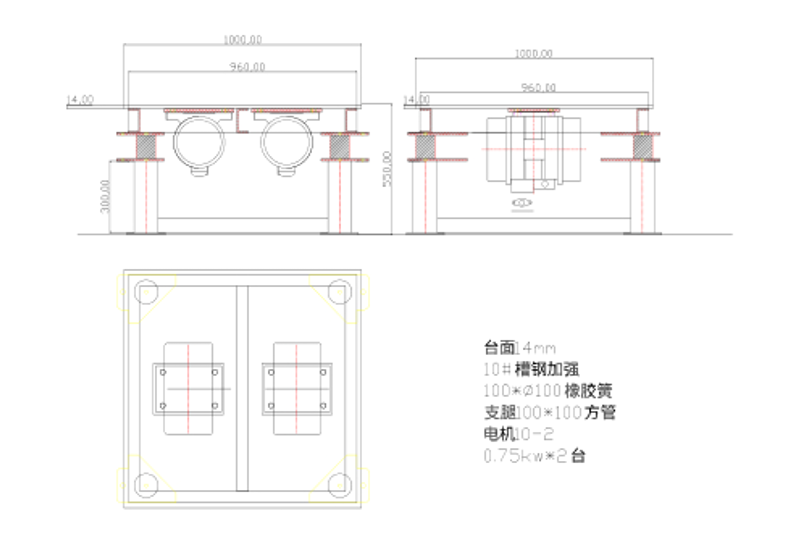
O desempenho do equipamento depende não apenas da força de vibração, mas também das características do material, do peso da peça e da configuração do equipamento. A correspondência adequada dos parâmetros de vibração é essencial para uma operação estável a longo prazo.
Vantagens
A Mesa Vibratória da Série ZP foca na capacidade de carga, estabilidade vibratória e requisitos reais de aplicação durante o design. É adequada para peças de diferentes tamanhos e diversos ambientes de produção.
Design Estrutural de Alta Capacidade de Carga
A estrutura de mesa em aço reforçado pode suportar cargas vibratórias de caixas de fundição, moldes, produtos pré-moldados de concreto e outras peças com diferentes pesos, atendendo aos requisitos de compactação de componentes grandes e pesados.
Excitação Multiponto para Vibração Mais Uniforme
Múltiplos pontos de excitação são configurados de acordo com o tamanho da mesa, permitindo que a força vibratória seja transferida uniformemente pela plataforma. Isso ajuda a reduzir áreas de vibração insuficiente que podem ocorrer em mesas de grandes dimensões.
Ajuste Flexível de Parâmetros de Vibração
A força de excitação, a amplitude de vibração e os parâmetros operacionais podem ser ajustados de acordo com as características do material, o peso da peça e os requisitos de compactação, melhorando o desempenho geral de compactação.
Adequada para Múltiplas Aplicações de Compactação
É adequado para caixas de areia de fundição, produtos pré-moldados de concreto, embalagem de pós, materiais refratários e outros processos de produção, atendendo a diferentes requisitos de densificação de materiais.
Capacidade de Integração com Linha de Produção
O equipamento pode ser personalizado de acordo com o layout do local, ajustando a altura da mesa, o método de instalação e a estrutura de conexão. Também pode ser integrado a equipamentos de transporte e linhas de produção automatizadas.
Design Personalizado Baseado em Engenharia
De acordo com as dimensões da peça, os requisitos de carga e as condições de operação, a Jiarui fornece design personalizado para tamanho da mesa, configuração de excitação e forma estrutural, para garantir que o equipamento corresponda à aplicação real.
Aplicações
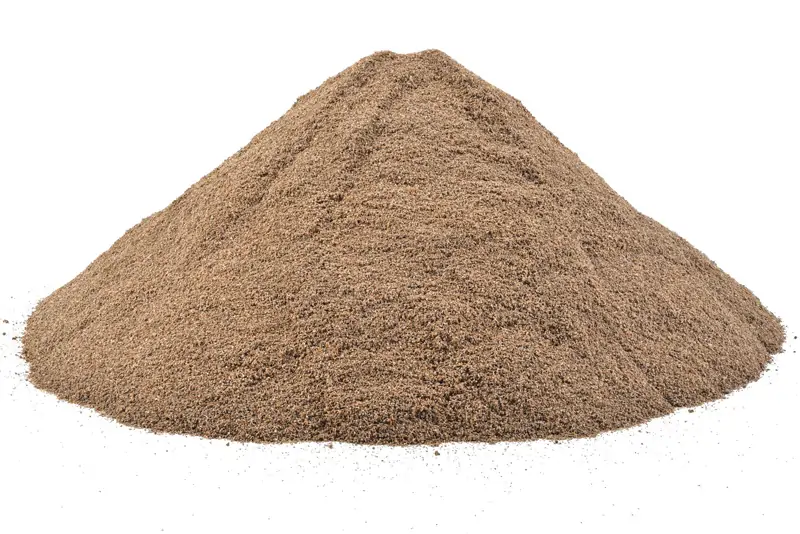
Este equipamento é utilizado principalmente para resolver problemas como materiais soltos e preenchimento insuficiente. A Mesa Compactadora Vibratória da Série ZP é adequada para aplicações envolvendo areia de fundição, concreto, materiais em pó, materiais refratários e outros materiais. O desempenho de vibração pode ser ajustado de acordo com as características do material e os requisitos do processo.
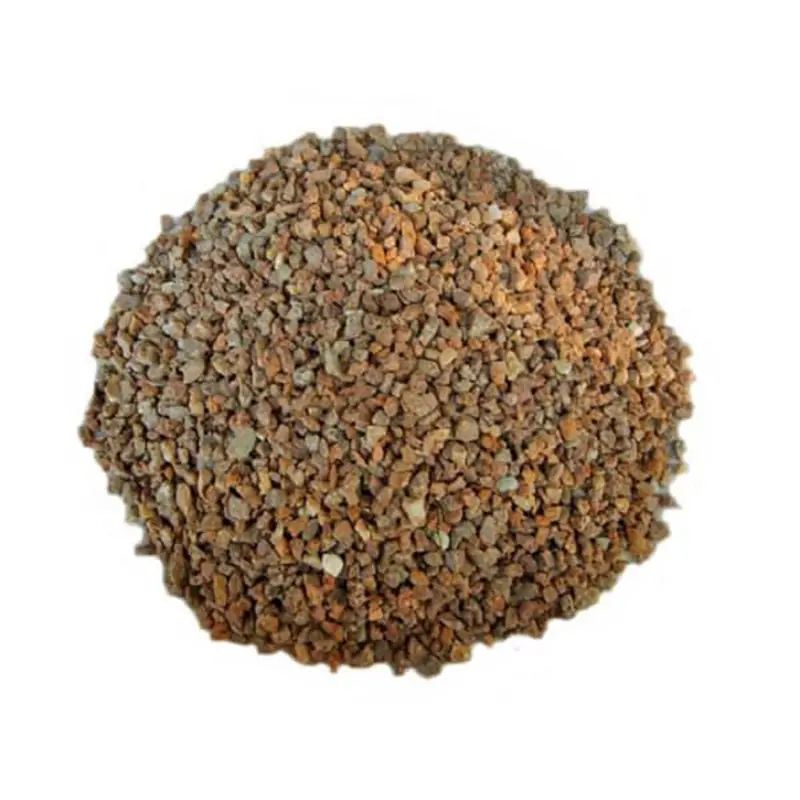
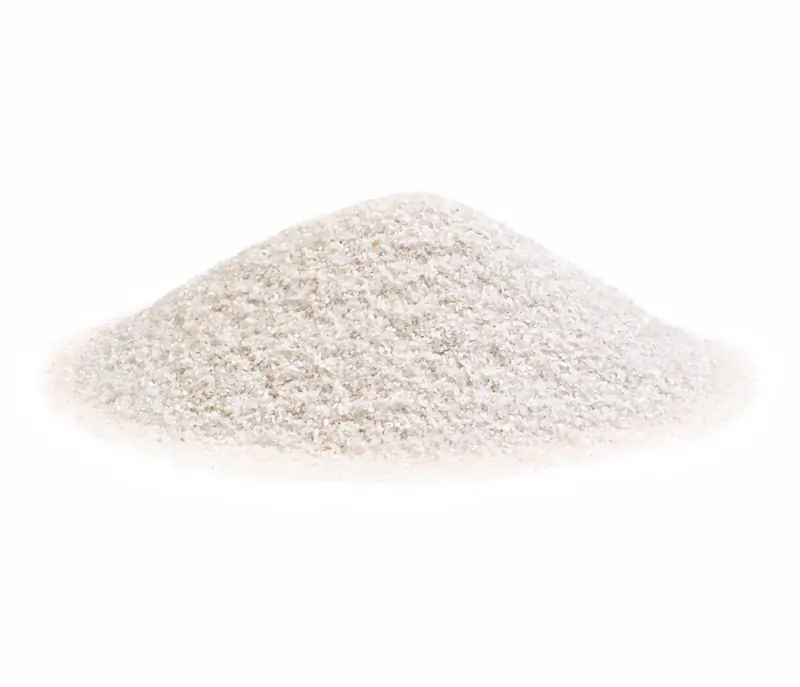

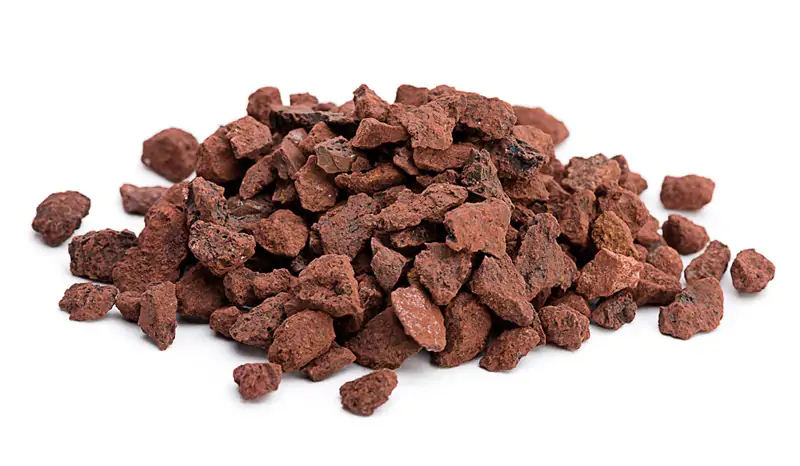
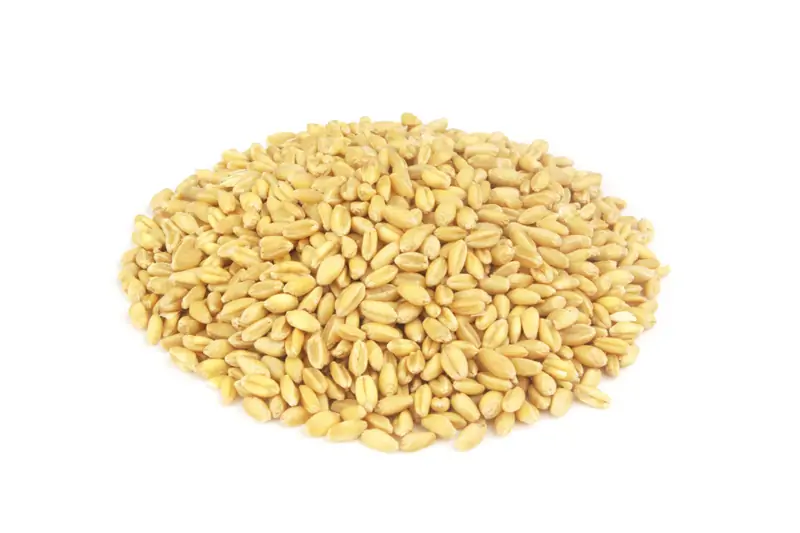
Quais materiais são adequados para uma mesa vibratória?
| Materiais Adequados | Indústrias Comuns | Função de vibração |
| Areia de fundição, areia com resina | Indústria de fundição | Ajuda a areia a preencher cavidades do molde e melhora a compactação da areia |
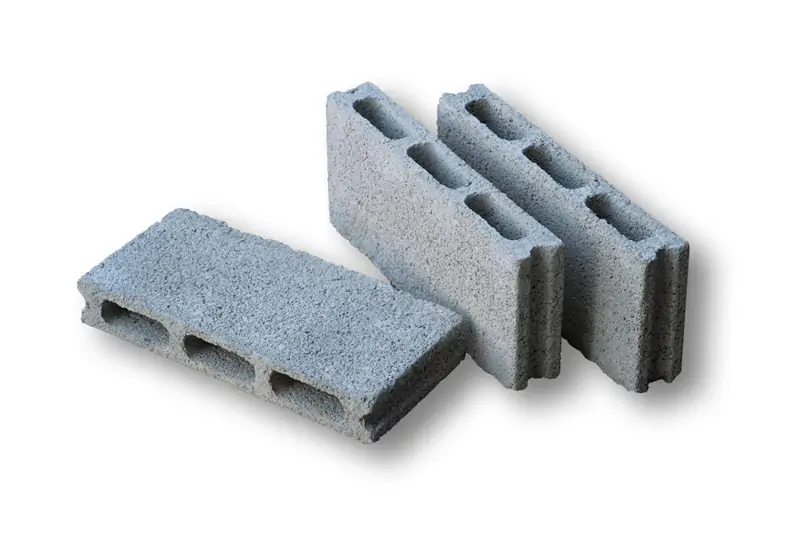
| Produtos pré-moldados de concreto | Indústria de materiais de construção | Remove bolhas de ar internas e melhora a densidade do concreto |
| Pó de cimento, pó mineral | Indústria de processamento de pós | Permite que materiais em pó assentem naturalmente, melhorando a eficiência de preenchimento e reduzindo os espaços na embalagem |
| Materiais refratários | Indústria de refratários | Ajuda a compactar materiais e melhora a estabilidade após a moldagem |
| Areia de quartzo | Indústrias de vidro e fundição | Melhora o arranjo das partículas e o desempenho de preenchimento |
| Pós químicos | Indústria química | Utilizado durante o ensacamento e enchimento de recipientes para melhorar a utilização do recipiente |
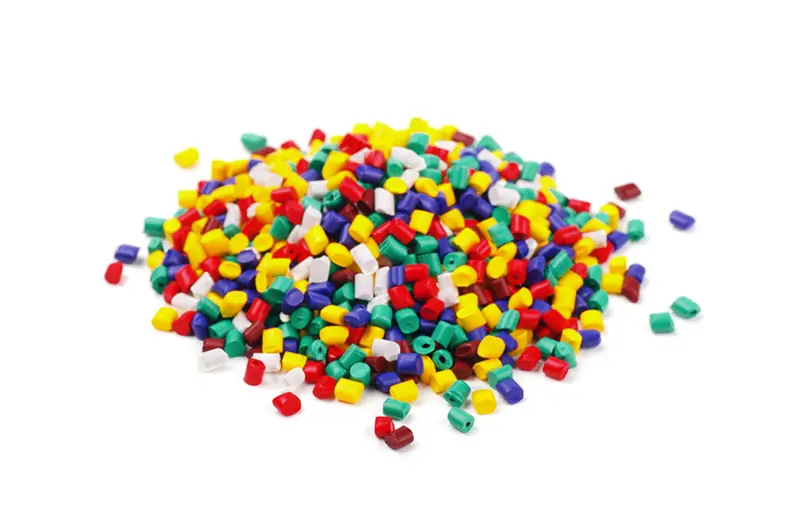
| Pellets de plástico | Indústria de plásticos | Promove a sedimentação das partículas e melhora a compacidade da embalagem |
| Areia mineral, pó mineral | Indústria metalúrgica | Melhora a condição de empilhamento de materiais soltos e a estabilidade |
Condições a Confirmar Antes de Usar uma Mesa Vibratória
Este equipamento é adequado para materiais que requerem sedimentação e compactação devido a espaços internos. No entanto, nem todos os materiais são adequados para tratamento por vibração. Durante a seleção do equipamento, as condições do material e os requisitos de produção devem ser confirmados antecipadamente.
- Materiais úmidos com alto teor de umidade e forte aderência podem causar aderência ou aglomeração após a vibração.
- Materiais que requerem transporte contínuo devem considerar equipamentos de transporte vibratório ou transportadores de rosca.
- Produtos de precisão que são sensíveis à vibração e podem ser danificados não devem ser processados diretamente neste equipamento.
- Processos de produção que requerem britagem, peneiramento ou mistura não podem ser substituídos por uma Mesa Vibratória.
O efeito de vibração está intimamente relacionado às características do material, ao peso da peça, ao tamanho da mesa e aos parâmetros de vibração. A configuração do equipamento deve ser compatível com as condições reais de produção para evitar força de vibração insuficiente ou operação instável.
Quando uma Mesa Vibratória é Necessária?
Durante a produção, quando materiais ou peças apresentam problemas como preenchimento insuficiente, espaços internos excessivos ou baixa densidade de compactação, uma Mesa Vibratória pode ser utilizada como solução auxiliar de compactação. Através de vibração estável, as partículas do material se reorganizam para melhorar o desempenho de preenchimento e a consistência de moldagem.
Situações comuns de aplicação incluem:
- Caixas de areia de fundição requerem maior compactação da areia após o preenchimento para melhorar a estanqueidade do molde.
- Produtos pré-moldados de concreto contêm bolhas de ar internas excessivas e requerem melhoria na densidade do concreto.
- Materiais em pó ou granulares apresentam grandes espaços após a embalagem e requerem maior densidade de enchimento.
- Moldes ou peças de trabalho grandes requerem um método de compactação mecânica mais estável em vez de vibração manual.
- Os processos de produção exigem maior consistência do produto e redução das diferenças causadas pela operação manual.
O principal objetivo de uma Mesa Vibratória é resolver o problema de como materiais soltos podem ser compactados de forma mais uniforme e eficaz. Se o requisito de produção envolver transporte contínuo, peneiramento, ou mistura, o equipamento correspondente deve ser selecionado em vez disso.
Parâmetros Técnicos
A Mesa Vibratória da Série ZP oferece múltiplas especificações para diferentes requisitos de aplicação. A faixa de tamanho da mesa abrange de 400×400 mm a 2000×2000 mm, com força de excitação de 20–80 kN. Diferentes modelos são projetados com diferentes números de pontos de excitação, configurações de potência e dimensões estruturais, tornando-os adequados para os requisitos de compactação de caixas de areia, moldes, produtos pré-moldados e materiais em pó com diferentes níveis de peso. Os parâmetros a seguir são apenas para referência; a produção e o processamento reais prevalecerão.
| Modelo | Tamanho da Superfície Superior (mm) | Força de Excitação (kN) | Potência (kW) | Capacidade (kg) |
| ZDP-500×500 | 500×500 | — | 2×0.25 | 300 (peso próprio) |
| Plataforma de Vibração Bidimensional | 500×500 | 6 (Total) | 0.25 | 500 |
| Plataforma de Vibração Bidimensional | 800×800 | 10 (Total) | 0.37 | 700 |
| ZP-4 | 800×800 | 20 | 1.6 | 450 (peso) |
| Plataforma de Vibração Bidimensional | 1000×1000 | 10 (Total) | 0.37 | 700 |
| ZP-6-Ⅰ | 1000×1000 | 30 | 2.4 | 600 (peso) |
| Plataforma de Vibração Bidimensional | 1200×1200 | 20 (Total) | 0.75 | 1500 |
| ZP-6-Ⅱ | 1200×1200 | 30 | 2.4 | 860 (peso) |
| Plataforma de Vibração Bidimensional | 1500×1500 | 40 (Total) | 0.75 | 3000 |
| ZP-8-Ⅰ | 1600×1200 | 40 | 3.2 | 1000 (peso) |
| ZP-8-Ⅱ | 1600×1400 | 40 | 3.2 | 1250 (peso) |
| Plataforma de Vibração Bidimensional | 1600×2000 | 40 (Total) | 0.75 | 3000 |
| ZP-10-Ⅰ | 2000×1600 | 50 | 4.0 | 1600 (peso) |
| ZP-10-Ⅱ | 2000×1800 | 60 | 6.0 | 2000 (peso) |
| Plataforma de Vibração Bidimensional | 2000×2000 | 60 (Total) | 1.1 | 4500 |
Parâmetros de Vibração:
| Parâmetro | Faixa |
| Frequência de Vibração | 20–80 Hz |
| Aceleração de Vibração | 1–2 g |
| 振幅 | 0,5–2 mm |
A Jiarui pode personalizar a Mesa Vibratória de acordo com as dimensões da peça de trabalho do cliente, requisitos de carga e condições da linha de produção. Para caixas de areia grandes, fundições de cavidades complexas ou aplicações em linhas de produção contínuas, podemos fornecer uma solução de mesa de compactação que corresponda às condições operacionais específicas.
Guia de Seleção de Mesa Vibratória
Não existe um modelo fixo de Mesa Vibratória que possa se adequar diretamente a todas as aplicações. A seleção do equipamento depende principalmente do peso da peça de trabalho, do tamanho da mesa e dos requisitos de compactação. Ao configurar o equipamento, nossos engenheiros geralmente confirmam primeiro a carga real e o método de operação para evitar força de vibração insuficiente ou superdimensionamento desnecessário.
Primeiro Confirme o Peso da Peça de Trabalho
Ao selecionar uma Mesa Vibratória, deve-se considerar a carga total de trabalho, incluindo o peso da caixa de areia, molde, peça de trabalho e material. Uma carga maior exige uma estrutura de plataforma mais resistente e maior força de excitação, portanto a configuração de vibração deve ser adequadamente compatibilizada.
Em Seguida, Determine o Tamanho Necessário da Mesa
O tamanho da mesa não deve apenas atender aos requisitos de posicionamento da peça de trabalho, mas também garantir que a força de vibração possa ser transferida uniformemente. Para caixas de areia grandes, moldes ou produtos pré-fabricados, geralmente são necessários uma superfície de trabalho maior e mais pontos de excitação para evitar vibração insuficiente em áreas locais.
Por fim, Confirme o Método de Instalação
Para operação autônoma, as principais considerações são a capacidade de carga e a conveniência operacional. Se a Mesa Vibratória precisar ser integrada a uma linha de produção automatizada, a altura do equipamento, o método de posicionamento e a conexão com equipamentos a montante e a jusante também devem ser considerados.
A chave para a seleção da Mesa Vibratória não é escolher o modelo maior, mas garantir que os parâmetros do equipamento correspondam às condições operacionais reais. Se as condições de aplicação forem especiais, os clientes podem fornecer as dimensões da peça de trabalho, peso e requisitos de produção. A equipe de engenharia da Jiarui pode ajudar a confirmar uma configuração adequada com base na experiência prática.
Personalização
Diferentes fábricas têm diferentes tamanhos de peças de trabalho, pesos e processos de produção. Modelos padrão podem não atender completamente a todos os requisitos de aplicação. A personalização da Mesa Vibratória não se trata simplesmente de alterar as dimensões do equipamento; requer consideração abrangente das condições de carga, requisitos de compactação e ambiente de instalação para projetar adequadamente a estrutura da mesa, o sistema de excitação e o método de conexão.
Com base em anos de experiência no projeto de equipamentos de vibração, geralmente confirmamos primeiro o peso, as dimensões e os métodos de operação da peça de trabalho, depois correspondemos a estrutura e os parâmetros adequados de acordo com as condições do local. Se você não tiver certeza sobre o modelo correto, fornecer as seguintes informações básicas permite que nossa equipe de engenharia confirme a configuração do equipamento.
Informações Necessárias:
- Nome da peça de trabalho ou material
- Peso máximo
- Dimensões gerais
- Requisitos de aplicação
Após receber as informações acima, avaliaremos o peso, tamanho e requisitos operacionais da peça de trabalho para confirmar a estrutura e a solução de configuração adequadas da Mesa Vibratória.
Fabricação Jiarui
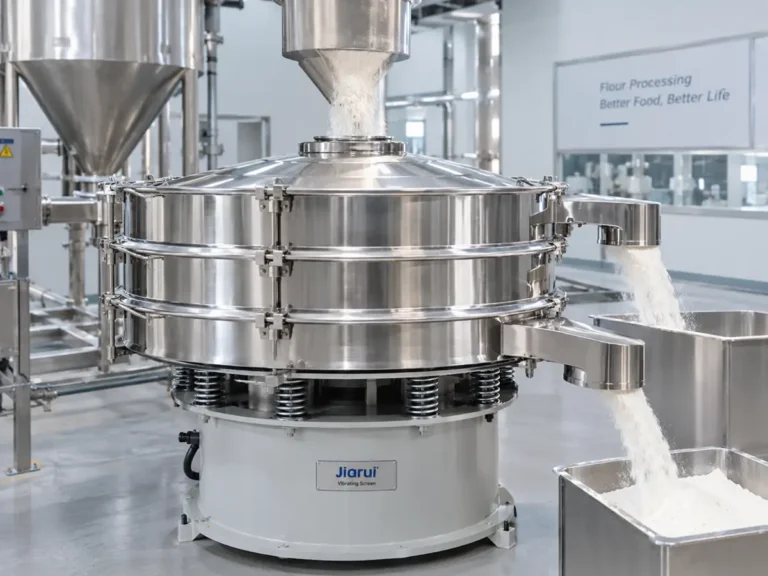
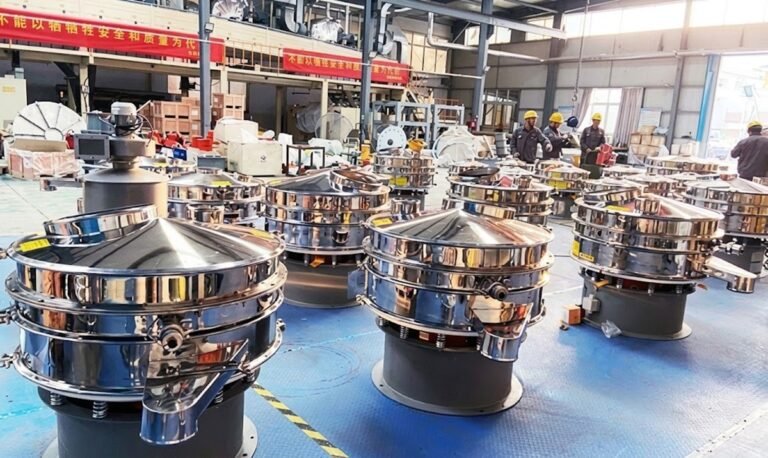
Uma Mesa Vibratória não é simplesmente uma máquina de estrutura de aço. Durante a operação de longo prazo, ela suporta continuamente cargas de vibração, e fatores como resistência da mesa, qualidade da soldagem e instalação do sistema de excitação afetam diretamente a estabilidade do equipamento e a vida útil. Durante a fabricação, focamos nesses detalhes que influenciam o desempenho de longo prazo, desde o processamento estrutural e montagem de componentes até o teste da máquina completa, garantindo operação estável após a entrega.
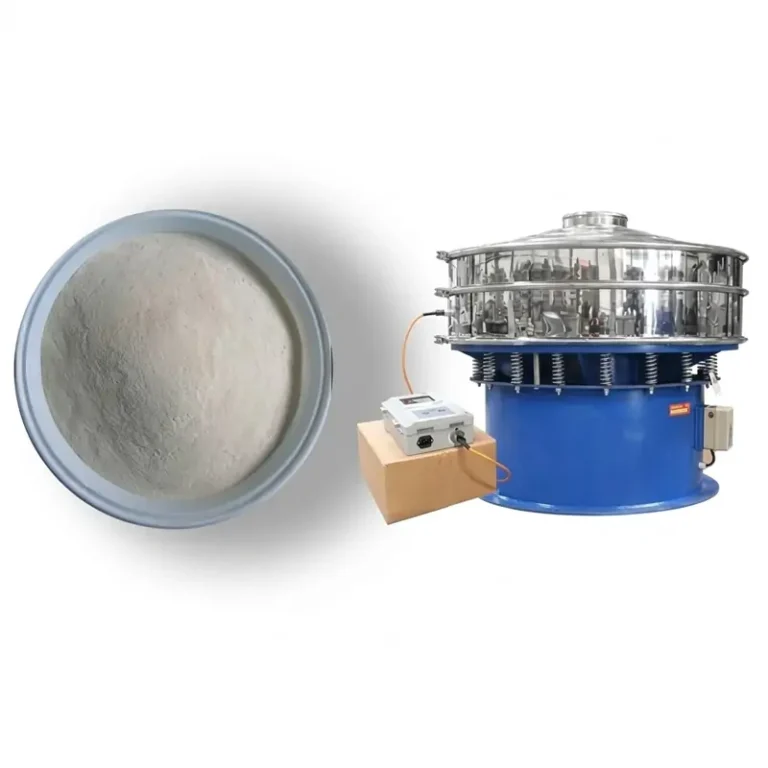
Com anos de experiência na fabricação de equipamentos de vibração, a Jiarui foca no desempenho de longo prazo e na confiabilidade dos equipamentos em ambientes de produção reais, em vez de simplesmente atender às especificações técnicas básicas. Nossa Mesa Vibratória e outros equipamentos de vibração são fornecidos a clientes globais por meio de plataformas B2B profissionais, como Made-in-China.com, onde os clientes podem saber mais sobre nossas capacidades de fabricação, linha de produtos e soluções de serviço personalizadas.
Perguntas Frequentes
Obtenha uma Consultoria Gratuita
Preencha o formulário abaixo para falar com nossos especialistas e receber recomendações personalizadas para sua aplicação.