
دراسة حالة: غربال اهتزازي بالموجات فوق الصوتية لمسحوق بطاريات الليثيوم
خلفية المشروع
تركز دراسة الحالة هذه على شركة صينية محلية لتصنيع مواد بطاريات الطاقة الجديدة، متخصصة في البحث والإنتاج واسع النطاق لمواد الكاثود الثلاثية عالية النيكل (NCM) و فوسفات الحديد الليثيوم مساحيق السلائف (LFP).
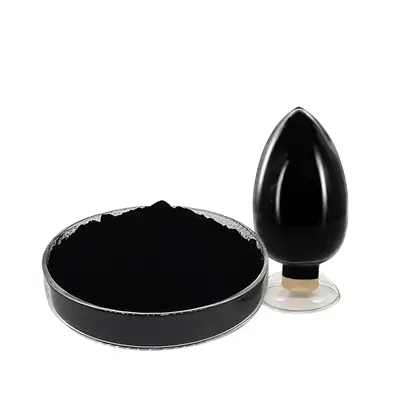
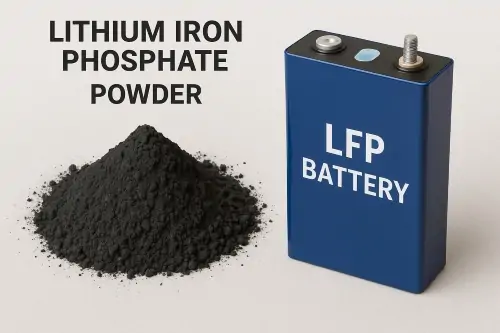
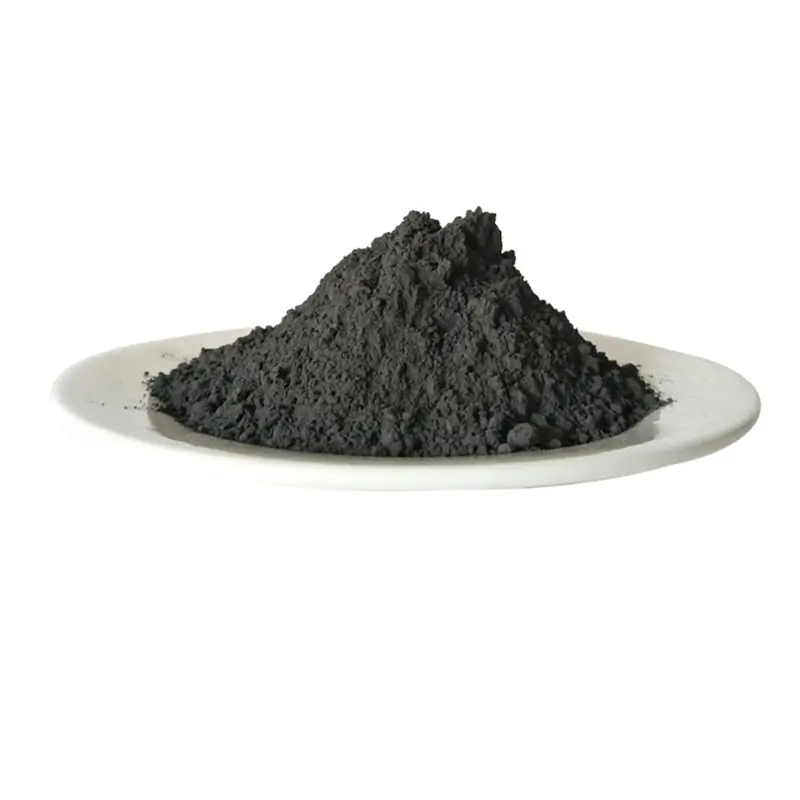
أثناء عملية الإنتاج، يجب أن تخضع مواد سلائف الكاثود المكلسة لتصنيف دقيق لحجم الجسيمات لضمان الاتساق والسلامة وكثافة الطاقة العالية لمنتجات بطاريات الليثيوم. استخدمت عملية الغربلة الأصلية للعميل جهازًا تقليديًا الغربال الاهتزازي; ومع ذلك، عند معالجة المساحيق فائقة النعومة فوق 300 شبكة، خاصة في الغربال الاهتزازي بالموجات فوق الصوتية لتطبيقات مسحوق بطاريات الليثيوم، واجه النظام التحديات التالية بشكل متكرر.
المشكلات الأساسية التي واجهها العميل
انسداد شديد للشبكة
تتميز مواد الكاثود عالية النيكل بأحجام جسيمات دقيقة للغاية (نطاق الغربلة المستهدف: 325–500 شبكة). بسبب قوى فان دير فالس والامتصاص الكهروستاتيكي، يحدث انسداد شديد وتكوين قشور على سطح الشبكة، مما يقلل بشكل كبير من مساحة الغربلة الفعالة. اضطر العميل إلى إيقاف الخط 2–3 مرات لكل وردية للتنظيف اليدوي، مما أثر بشدة على الإنتاج المستمر لمسحوق بطاريات الليثيوم.
انخفاض كفاءة الغربلة وضعف الدقة
بسبب الانسداد المستمر، تذبذبت كفاءة الغربلة للنظام التقليدي بشكل كبير. كان معدل نفاذية المسحوق الناعم غير كافٍ، مما أدى إلى اختلاط الجسيمات الخشنة بالمنتجات المؤهلة، بينما بقيت كمية كبيرة من المسحوق الناعم في الجزء الأكبر من الحجم. لم يتسبب هذا في هدر المواد الخام فحسب، بل أثر أيضًا سلبًا على الاتساق الكهروكيميائي لمواد بطاريات الليثيوم.
مشكلات الكهرباء الساكنة والتكتل
في ظل ظروف المعالجة الجافة، تحمل المادة شحنات ساكنة قوية، مما يؤدي إلى تكتل الجسيمات وتكوين جسيمات خشنة زائفة. يتداخل هذا مع التوزيع الدقيق لحجم الجسيمات ويقلل من فعالية غربلة مسحوق بطاريات الليثيوم، مما يسبب خسارة كبيرة في إنتاجية المسحوق الناعم القابل للاستخدام.
اختناقات الإنتاج وارتفاع تكاليف الصيانة
أدى التوقف المتكرر لتنظيف الشبكة إلى تقليل استخدام المعدات ومنع توسيع الطاقة الإنتاجية. في الوقت نفسه، زاد التنظيف اليدوي من كثافة العمالة وتسبب في تآكل ميكانيكي لشبكة الغربال، مما زاد من تكاليف المواد الاستهلاكية في عملية الغربلة.
حل الغربال الاهتزازي بالموجات فوق الصوتية المقدم من شركة Jiarui Machinery
لمعالجة التحديات المذكورة أعلاه في تطبيقات غربلة مسحوق بطاريات الليثيوم، أجرى الفريق الفني لشركة Jiarui Machinery فحصًا في الموقع واختبارًا للمواد، وأوصى بحل مخصص يعتمد على الغربال الاهتزازي بالموجات فوق الصوتية JR-C-1000 لمعالجة مسحوق بطاريات الليثيوم.
اختيار المعدات
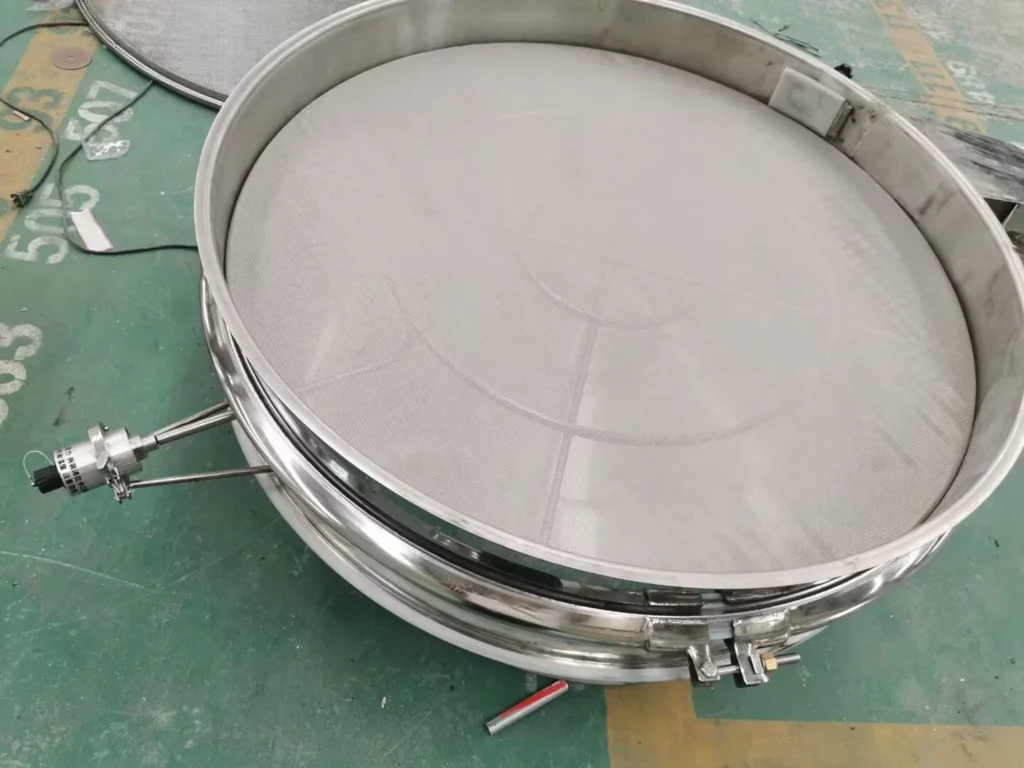
الغربال الاهتزازي بالموجات فوق الصوتية JR-C-1000، بقطر غربلة فعال يبلغ 950 مم ومساحة غربلة تبلغ 0.7085 م². الجهاز مزود بإطار غربلة من 3 طبقات، مما يتيح تصنيفًا دقيقًا متعدد المراحل.
مرجع: الغرابيل الاهتزازية بالموجات فوق الصوتية
التكوين الأساسي
نظام الموجات فوق الصوتية
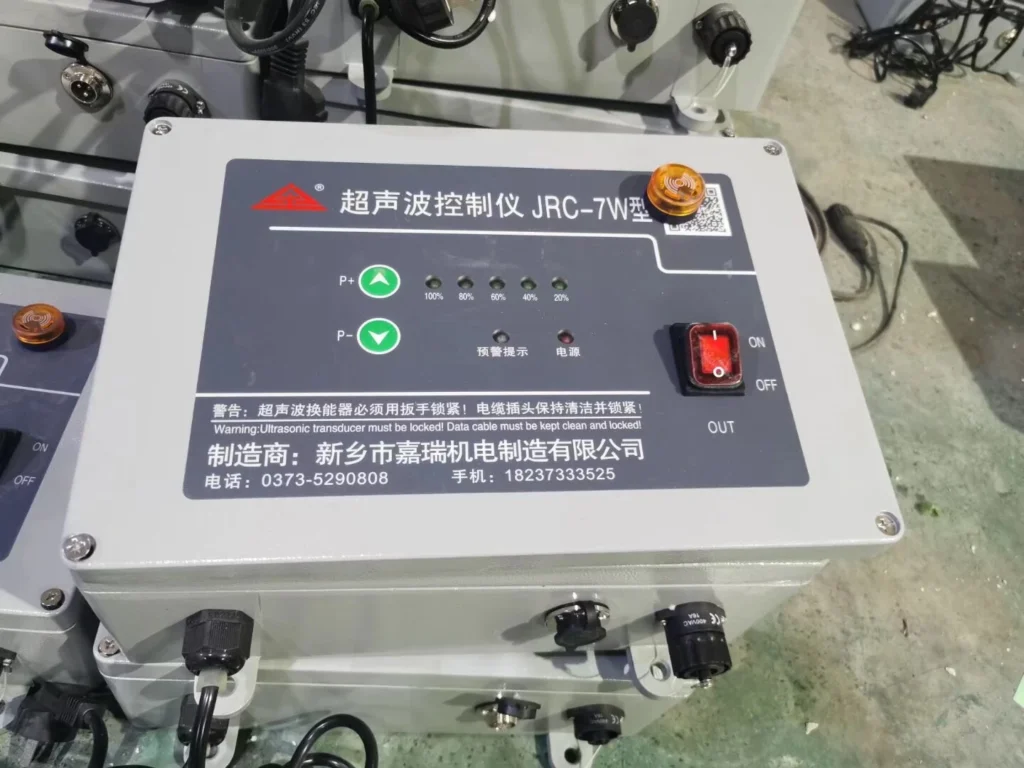
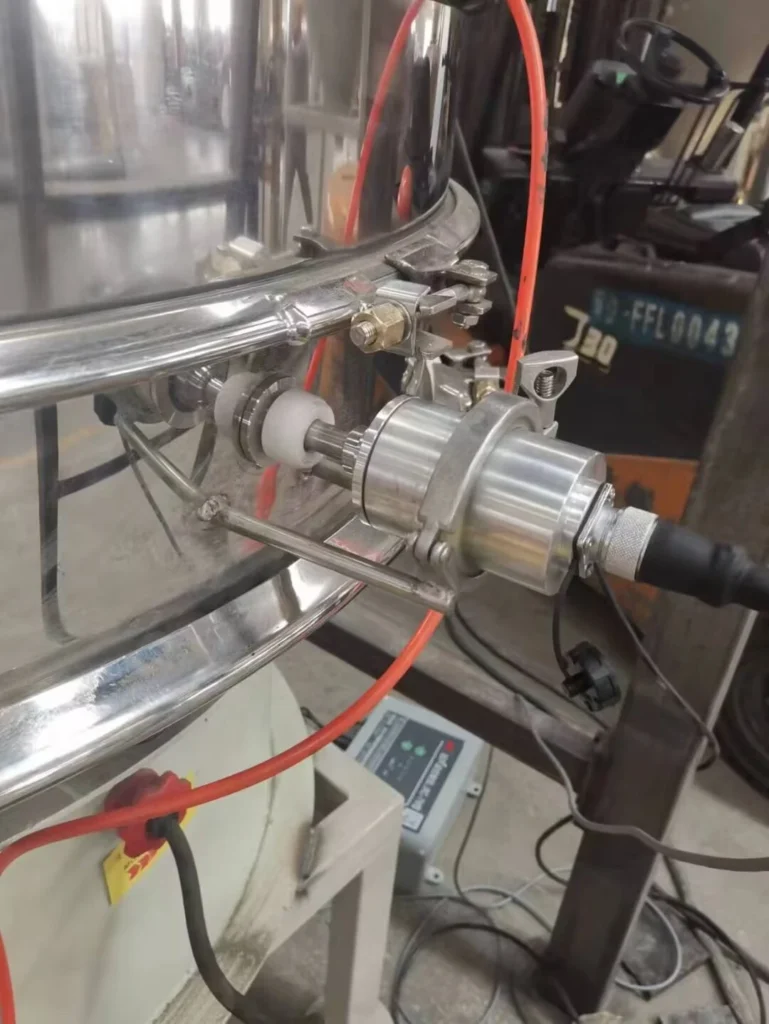
يدمج النظام مصدر طاقة بالموجات فوق الصوتية عالي التردد 38 كيلوهرتز ومحول طاقة، يحول الإشارات الكهربائية إلى اهتزاز ميكانيكي عالي التردد وينقلها مباشرة إلى شبكة الغربال. هذه هي التقنية الأساسية للغربال الاهتزازي بالموجات فوق الصوتية لتطبيقات مسحوق بطاريات الليثيوم، مما يمنع بشكل فعال انسداد الشبكة في غربلة المساحيق فائقة النعومة.
معالجة مضادة للالتصاق ومقاومة للتآكل
بناءً على خصائص المادة، تتم معالجة جميع الأجزاء الملامسة للمنتج في آلة الغربلة (بما في ذلك إطار الغربال) بطلاء PTFE (تفلون). يمنع هذا التصاق المواد ويوفر مقاومة للمكونات المسببة للتآكل المحتملة في مساحيق سلائف بطاريات الليثيوم.
شبكة غربال مخصصة
يتم استخدام شبكة من الفولاذ المقاوم للصدأ عالية الشد وعالية الدقة، مع نقطة تصنيف مستهدفة تبلغ 400 شبكة (حوالي 38 ميكرومتر). تعمل الشبكة بشكل متزامن مع نظام الموجات فوق الصوتية لتحقيق غربلة مستقرة ودقيقة لمسحوق بطاريات الليثيوم.
وضع التشغيل
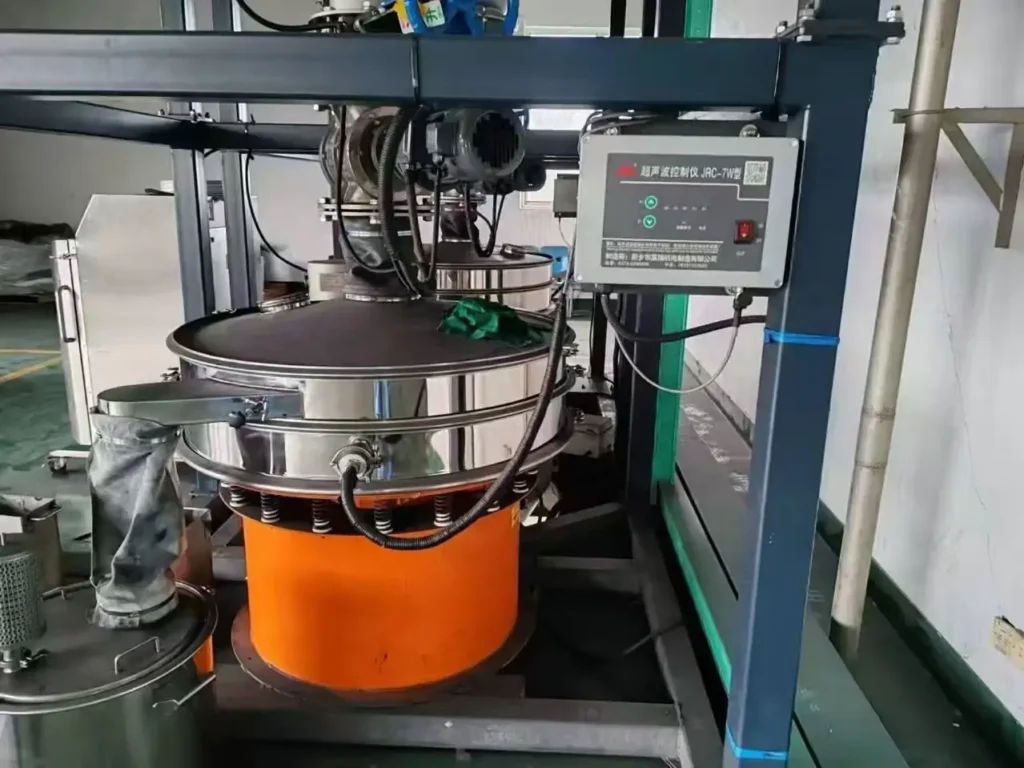
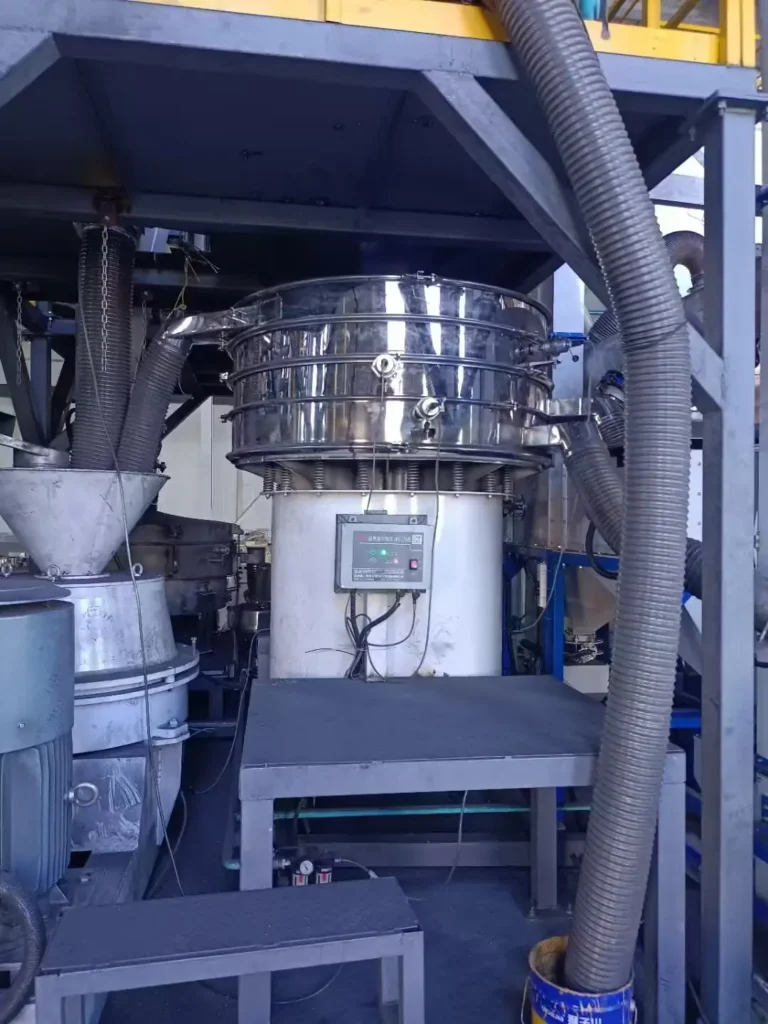
تعمل المعدات بنظام دفع مزدوج. يولد محرك الاهتزاز السفلي اهتزازًا ميكانيكيًا ثلاثي الأبعاد لضمان توزيع موحد للمادة ونقلها للأمام. في الوقت نفسه، يولد الاهتزاز فوق الصوتي المتراكب اهتزازات دقيقة عالية التردد ومنخفضة السعة على شبكة الغربال، مما يكسر بشكل فعال التصاق الجسيمات والقوى الكهروستاتيكية، مما يضمن تشغيلًا مستقرًا للغربال الاهتزازي بالموجات فوق الصوتية لمعالجة مسحوق بطاريات الليثيوم.
ملاحظات العميل والنتائج التشغيلية
بعد تركيب المعدات وتشغيلها، وبعد شهر واحد من مراقبة الإنتاج المستمرة، قدم العميل الملاحظات التالية:
- الحل الكامل لمشكلات الانسداد: تحافظ الاهتزازات عالية التردد للموجات فوق الصوتية على شبكة الغربال في حالة “تنظيف ذاتي” مستمرة، مما يمنع التصاق المواد بفتحات الشبكة. حقق العميل 72 ساعة من التشغيل المستمر دون انقطاع دون أي توقف لتنظيف الشبكة، مما أطلق الطاقة الإنتاجية بالكامل.
- تحسن ملحوظ في دقة وكفاءة الغربلة: وفقًا للإحصائيات، ارتفع محصول الغربلة للمنتجات في نطاق حجم الجسيمات المستهدف (400 شبكة) بشكل ثابت من حوالي 75% إلى أكثر من 98%. تحسن تركيز توزيع حجم الجسيمات للمنتج (قيمة Span) بشكل ملحوظ، ويلبي اتساق الدفعات متطلبات العملاء الراقيين.
- زيادة ملحوظة في الإنتاجية: تم القضاء فعليًا على خسائر المسحوق الناعم الناتجة عن التكتل والانسداد، مما أدى إلى زيادة تقريبية بنسبة 5% في الإنتاجية الإجمالية للمواد الخام وفوائد اقتصادية كبيرة.
- تشغيل مستقر وموثوق: تدعم المعدات التشغيل الصناعي المستمر لمدة 12–24 ساعة. يعمل نظام الموجات فوق الصوتية بشكل مستقر دون الحاجة إلى أجهزة تبريد إضافية. تم التحقق من موثوقيتها من خلال اختبار حمولة كاملة لمدة ساعتين قبل الشحن.
جدول المقارنة
لتقييم التحسن الذي أحدثته الغربال الاهتزازي بالموجات فوق الصوتية لمسحوق بطاريات الليثيوم بشكل واضح، يتم تلخيص الأداء قبل وبعد التطبيق أدناه:
| مؤشر الأداء | قبل (منخل اهتزازي) | بعد (JR-C-1000 غربال اهتزازي بالموجات فوق الصوتية) |
|---|---|---|
| انسداد الغربال | انسداد شديد، 2–3 عمليات تنظيف يدوية لكل وردية | تنظيف ذاتي، بدون انسداد أثناء التشغيل |
| التشغيل المستمر | توقفات متكررة للتنظيف | تحقيق تشغيل مستمر لمدة 72 ساعة |
| كفاءة الغربلة | غير مستقر، ~75% معدل مرور المسحوق الناعم | مستقر، >98% معدل المرور |
| اتساق الجسيمات | ضعيف، توزيع جسيمات واسع | توزيع حجم جسيمات عالي التجانس |
| إنتاجية المادة | فقدان كبير للمسحوق الناعم بسبب الانسداد | زيادة الإنتاجية بنسبة ~5% |
| متطلبات الصيانة | تكلفة عمل عالية وتآكل للشبكة | صيانة دنيا مطلوبة |
| استقرار الإنتاج | متقطع وغير مستقر | تشغيل صناعي مستمر ومستقر |
مزايا الغربال الاهتزازي بالموجات فوق الصوتية لمسحوق بطاريات الليثيوم
الـ تطبيقات الغربال الاهتزازي بالموجات فوق الصوتية لمسحوق بطاريات الليثيوم يوفر المزايا الرئيسية التالية:
- مقاومة الانسداد والتنظيف الذاتي: الاهتزازات فوق الصوتية عالية التردد تحل جذريًا مشكلة انسداد الشبكة الناتجة عن المساحيق فائقة النعومة والمواد عالية الشحنات الساكنة والمواد المعرضة للتكتل.
- غربلة عالية الدقة: مناسبة بشكل خاص للتصنيف الدقيق للمساحيق فائقة النعومة في نطاق 200–635 شبكة (18–75 ميكرون)، مع تحسين دقة الغربلة بنسبة 10%–70%.
- زيادة الطاقة الإنتاجية والإنتاجية: التشغيل المستقر والخالي من الانسداد يعزز سعة الغربلة بمقدار 0.5–10 مرات مع تقليل هدر المواد.
- القدرة على التكيف مع المواد الخاصة: حلول مخصصة، مثل طلاء PTFE، تتيح معالجة المواد اللزجة أو المسببة للتآكل أو التي تتطلب نقاءً عاليًا.
التطبيقات النموذجية للغربال الاهتزازي بالموجات فوق الصوتية
| الصناعة | المواد النموذجية |
|---|---|
| مواد الطاقة الجديدة | مساحيق الكاثود/الأنود لبطاريات الليثيوم، المساحيق المغناطيسية، مساحيق السبائك |
| تعدين المساحيق | مسحوق الموليبدينوم، مسحوق التنجستن، مسحوق النيكل، مسحوق الكوبالت |
| المواد الكيميائية والطلاءات | كربيد السيليكون، كربيد البورون، مسحوق الكوارتز |
| صناعة الأغذية | النشا، مسحوق السكر، مسحوق الحليب، مسحوق القهوة |
| المستحضرات الصيدلانية | مساحيق المواد الصيدلانية الفعالة، المساحيق العشبية |
| المواد الخزفية | الألومينا، المساحيق الخزفية، المساحيق الكاشطة |
الخلاصة
يوضح هذا المشروع أن سلسلة JR-C من الغربال الاهتزازي بالموجات فوق الصوتية لمعالجة مسحوق بطاريات الليثيوم تحل بفعالية التحديات الشائعة في الصناعة مثل الانسداد وانخفاض الدقة وضعف الإنتاجية في غربلة المساحيق فائقة النعومة.
من خلال الجمع بين الاهتزاز الميكانيكي والطاقة فوق الصوتية، يحسّن النظام بشكل كبير كفاءة الإنتاج واتساق المنتج، مع تحقيق فوائد اقتصادية قابلة للقياس.
حلول الغربال الاهتزازي بالموجات فوق الصوتية المخصصة
Jiarui Machinery يوفر حلول غربلة مخصصة بالكامل لمختلف الصناعات وظروف المواد.
نقدم نماذج قياسية تتراوح من Φ400 مم إلى Φ1800 مم، بالإضافة إلى أنظمة مخصصة تشمل:
- أنظمة غربلة بحماية الغاز الخامل
- وظائف تنظيف أو تبريد متكاملة
- تصاميم متوافقة مع GMP / FDA للتطبيقات عالية النقاء
إذا كنت تواجه تحديات في غربلة مسحوق بطاريات الليثيوم، يرجى تزويدنا بمواصفات المواد ومتطلبات العملية. سيوفر فريقنا الهندسي إرشادات اختيار احترافية وحلولًا مخصصة.