
What Is a Rotary Vibrating Screen
A rotary vibrating screen (commonly referred to as a rotary vibrating screen or three-dimensional vibrating screening and filtering machine) is a high-precision, low-noise device designed for the screening and filtering of fine-grained and micropowder materials. It is a mechanical device that operates using the reciprocating vibration generated by an exciter. It is primarily used for classifying, dewatering, de-mediuming, and removing impurities from granules, powders, and other materials.
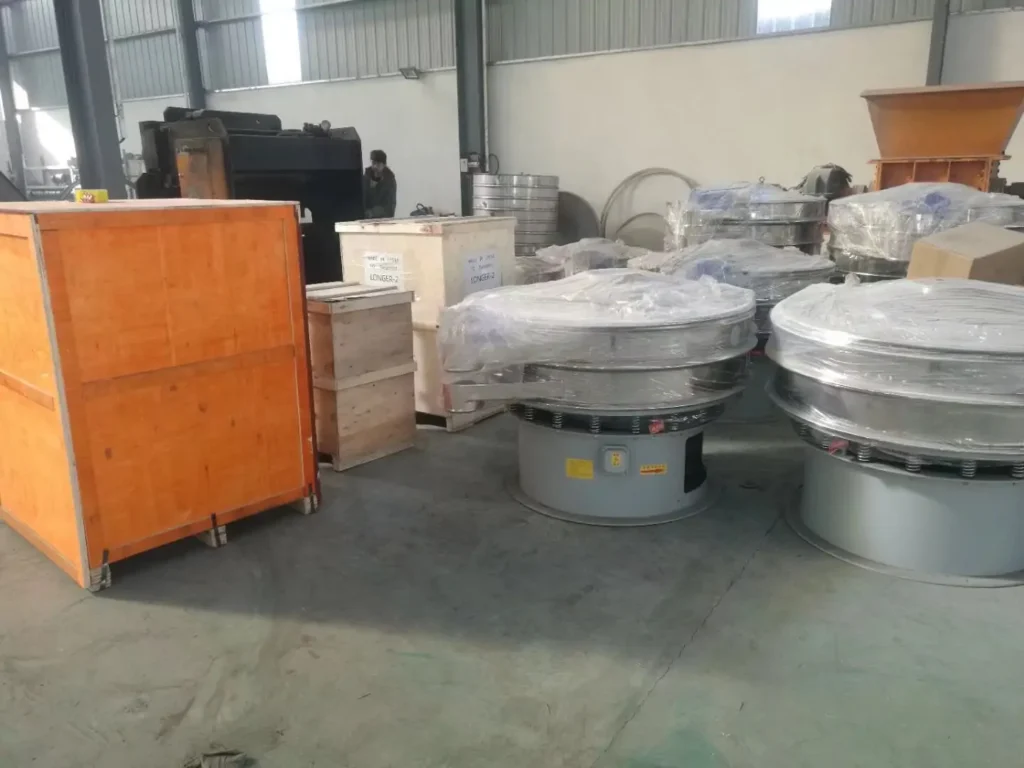
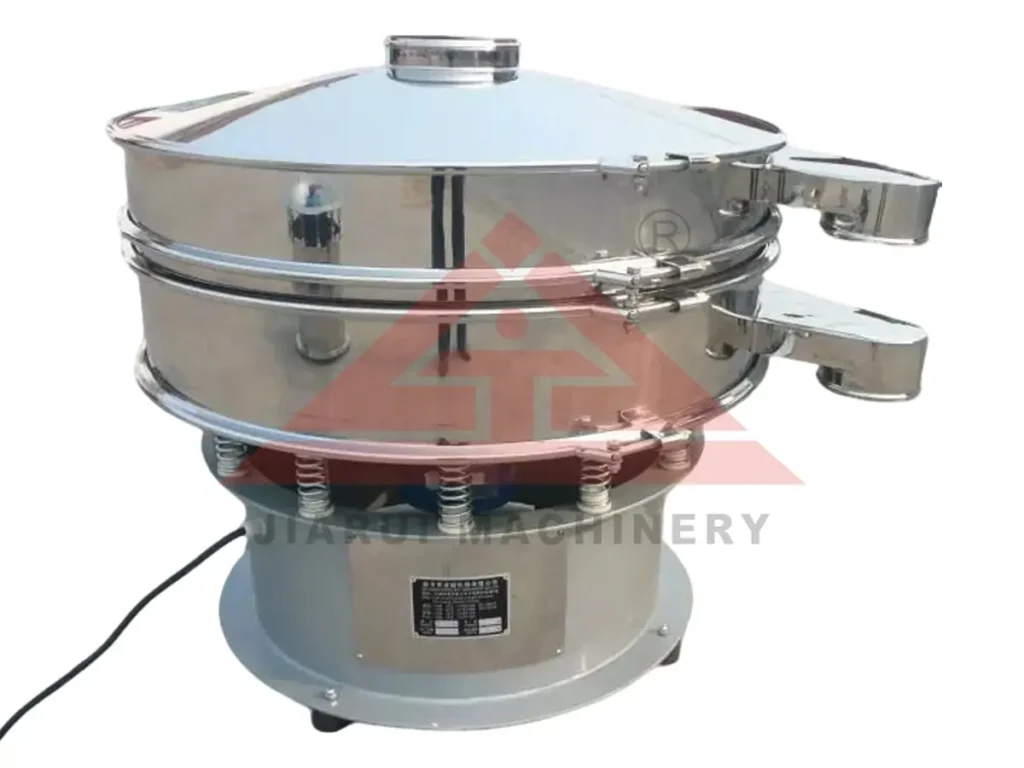
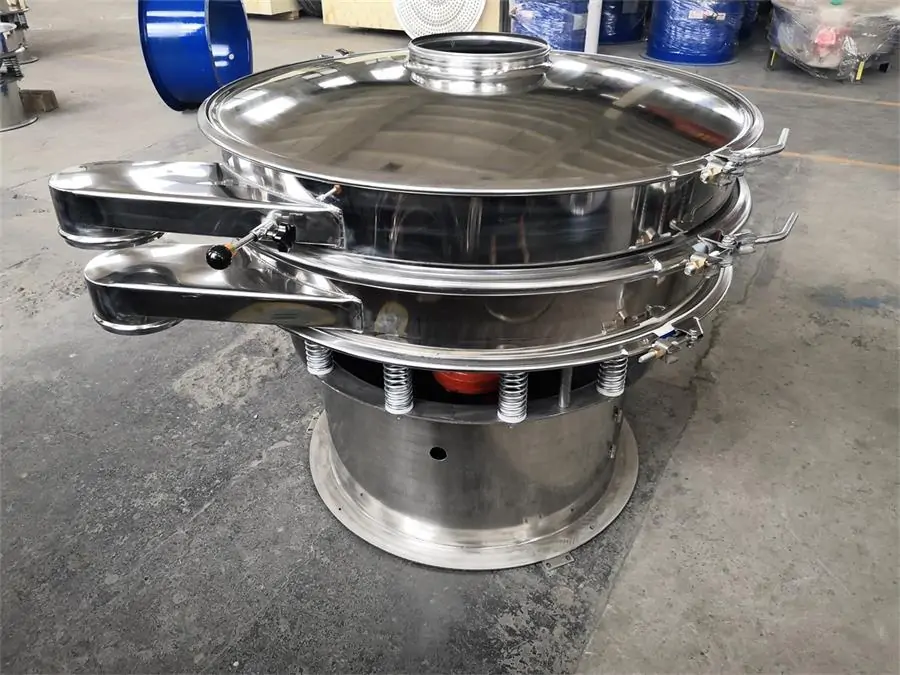
Simply put, its core operating principle involves using continuous vibration to “sort” mixed materials by particle size: materials smaller than the screen mesh aperture fall through, while those larger than the aperture remain on the screen surface, thereby separating materials of different particle sizes. It is widely used in industries such as chemicals, food, pharmaceuticals, metallurgy, ceramics, and abrasives.
How Does a Rotary Vibrating Screen Work?
The working principle of the rotary vibrating screen manufactured by Jiarui Machinery is based on the three-dimensional composite vibration generated by a vertical vibration motor, which causes the material to perform complex spiral movements on the screen surface, thereby achieving efficient screening, classification, or filtration. Its core lies in “three-dimensional motion,” which is the combination of vibrations in three directions: horizontal, vertical, and inclined.
The specific operating process is as follows:
Step 1
Power Source and Excitation Generation: The core power source of the rotary vibrating screen is a vertical vibration motor. An adjustable eccentric weight (unbalanced weight) is installed at both the upper and lower ends of the motor shaft. When the motor rotates, these two eccentric weights generate centrifugal forces that combine to form a composite inertial force (excitation force).
Step 2
Transmission of Motion: This composite excitation force is transmitted to the entire screen assembly (including the screen frame and screen mesh) through an elastic support system, such as springs, forcing the screen surface to produce a spatial composite vibration. This vibration is not a simple circular or linear motion, but rather a combination of circular translational motion of the center of mass and conical oscillatory motion around the center of mass (also known as swaying vibration or rotary-swaying vibration). The projection of its motion trajectory onto the horizontal plane is circular, while the projection onto the vertical plane is elliptical.
Step 3
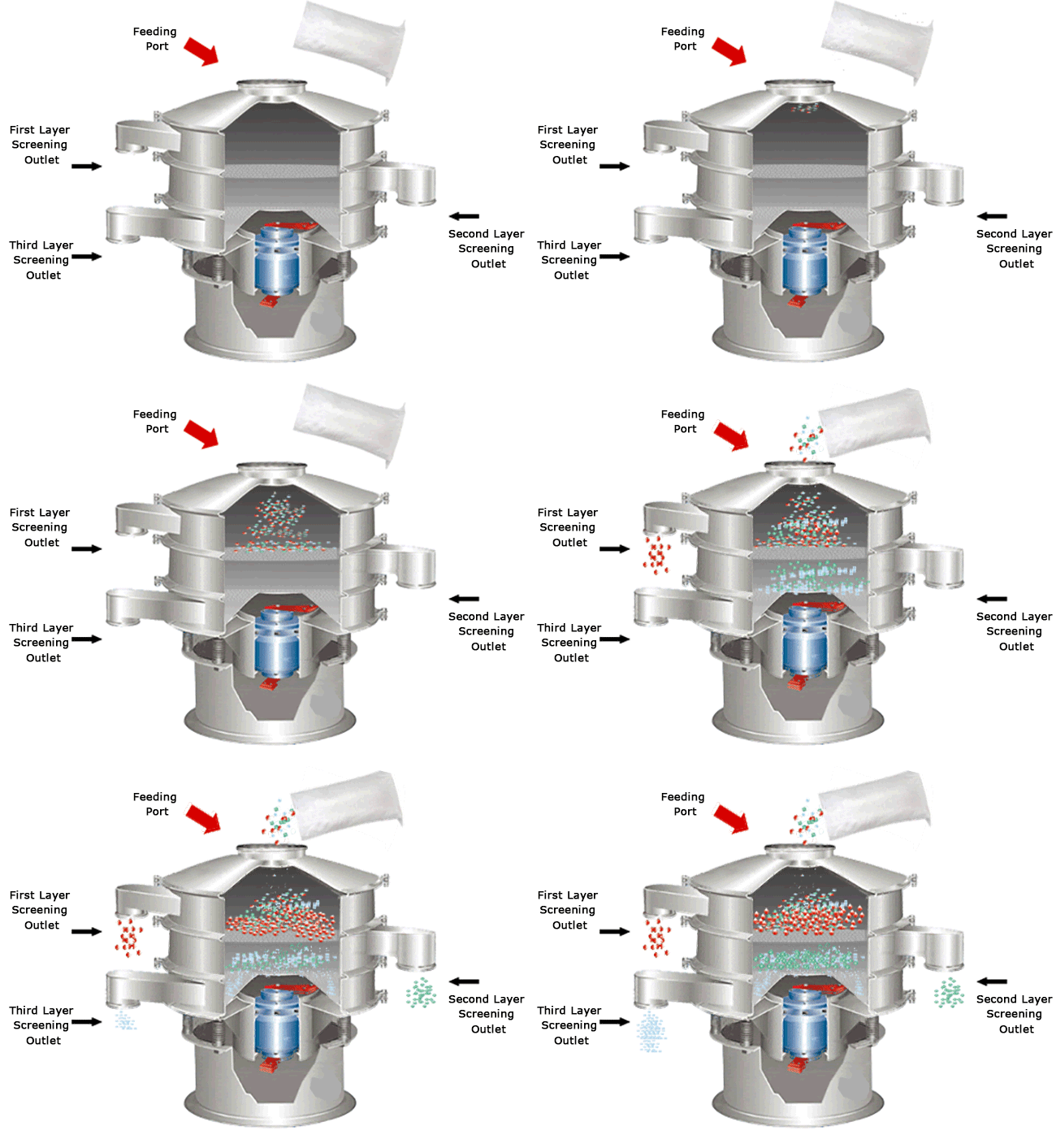
Movement of Material on the Screen Surface: Material is typically fed into the center of the screen surface. Under the influence of the screen surface’s complex three-dimensional vibration, the motion of the material particles is highly distinctive:
- Macroscopic Motion: The material spreads outward from the center toward the periphery along an expanding involute or spiral trajectory. This ensures that the material travels a sufficiently long path across the screen surface, thereby improving screening accuracy and screen utilization.
- Microscopic Motion: During movement, the material particles remain in a constant state of tumbling and tossing. This vigorous tumbling motion effectively breaks up the material, prevents screen aperture blockage, and accelerates the passage of fine particles through the screen. When fine powders continue to cause mesh blinding despite normal vibration, ultrasonic vibration can be considered.
Step 4
Screening: Amid continuous vibration and tumbling motion, particles smaller than the screen aperture size (undersize) pass through the apertures to the lower layer and are ultimately discharged through the corresponding discharge port; particles larger than the screen aperture size (oversize) are transported along a spiral trajectory to the edge of the screen surface and discharged through the peripheral discharge ports.
Key Parameter Adjustment: By adjusting the phase angle between the upper and lower eccentric weights, the magnitude and direction of the resultant excitation force can be altered, thereby flexibly controlling the material’s movement speed, dispersion trajectory, and screening precision on the screen surface. For example, a smaller phase angle results in faster material dispersion, while a larger phase angle increases the material’s dwell time on the screen surface, leading to finer screening.
summary
The rotary vibrating screen simulates the combined actions of manual “sifting” and “fanning,” converting the rotational motion of the motor into three-dimensional spatial vibrations of the screen surface. This drives the material to undergo both spiral conveyance and high-frequency tossing, thereby efficiently completing the screening, classification, and filtration of powders, granules, or slurries.
Components and Technical Specifications
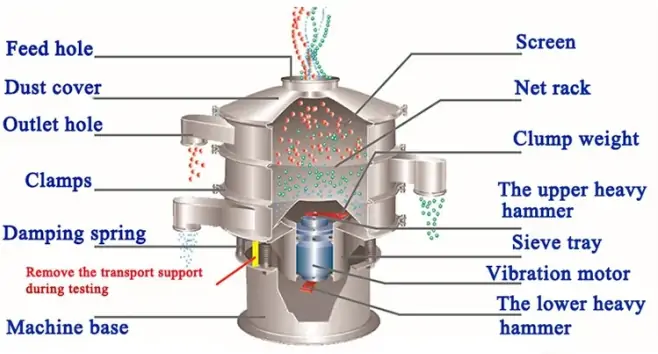
A typical rotary vibrating screen consists primarily of the following components:
Vibration Source: Provides the vibrating force; common types include vibration motors and exciters (mechanical, hydraulic, and electromagnetic).
Screen Box: The structure that supports the material and the screen mesh; its dynamic performance and rigidity directly affect screening efficiency and equipment lifespan.
Screen Mesh: The core component that determines the separation particle size. Materials include metal, polyurethane, and highly elastic, wear-resistant rubber. The shape of the screen openings and the open area ratio affect the screening efficiency.
Support and Vibration Damping Devices: Typically, rubber springs or coil springs are used to support the screen body and reduce the dynamic loads transmitted to the foundation, thereby providing vibration isolation and noise reduction.
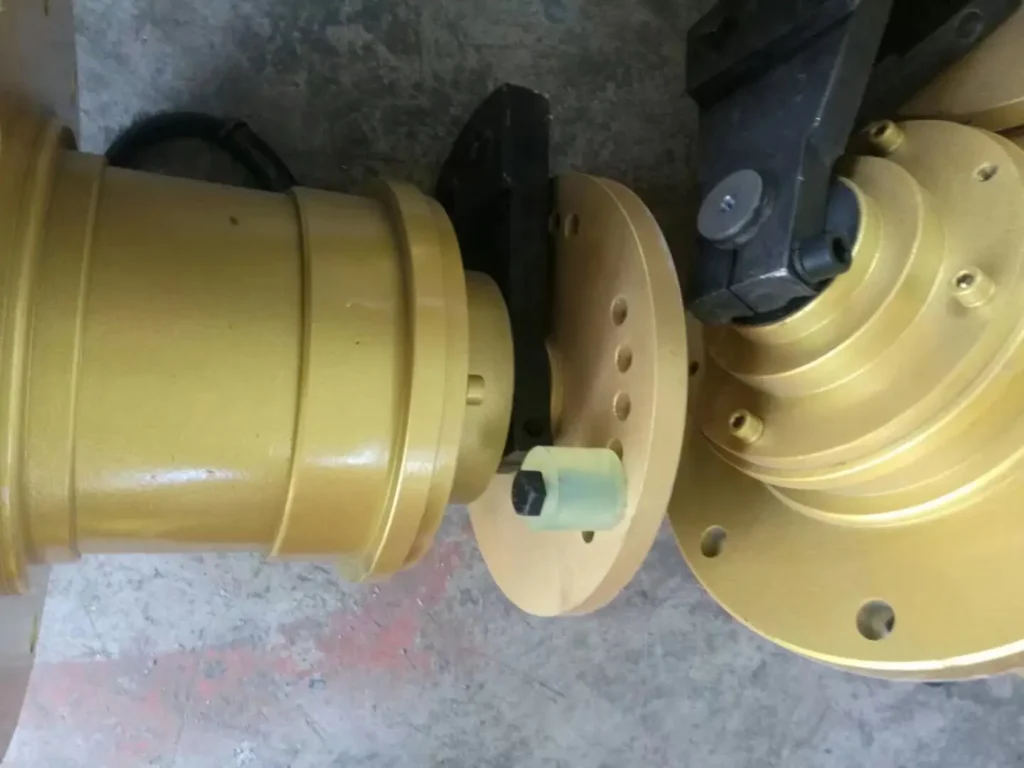 Vibration Source
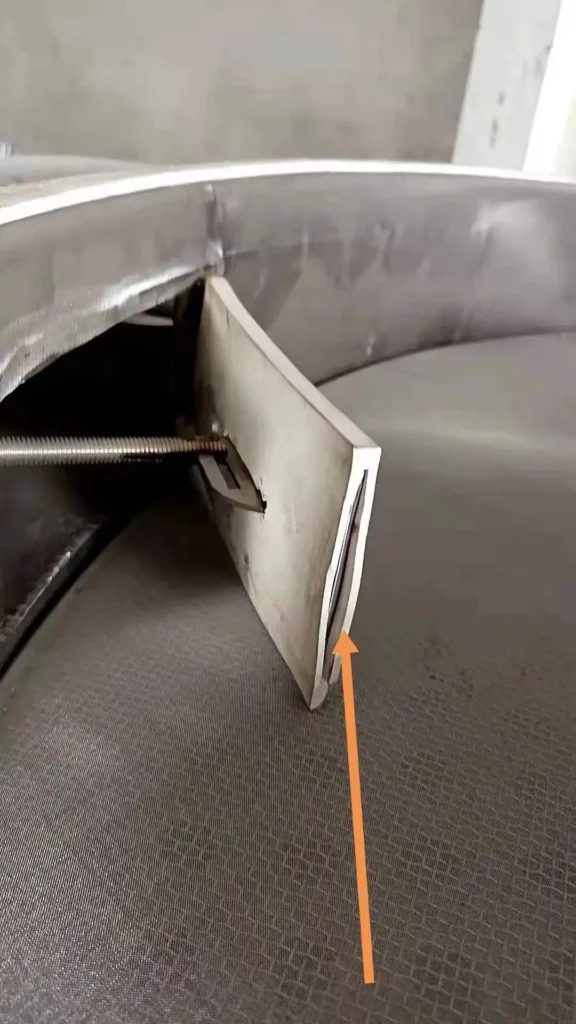 Screen Box
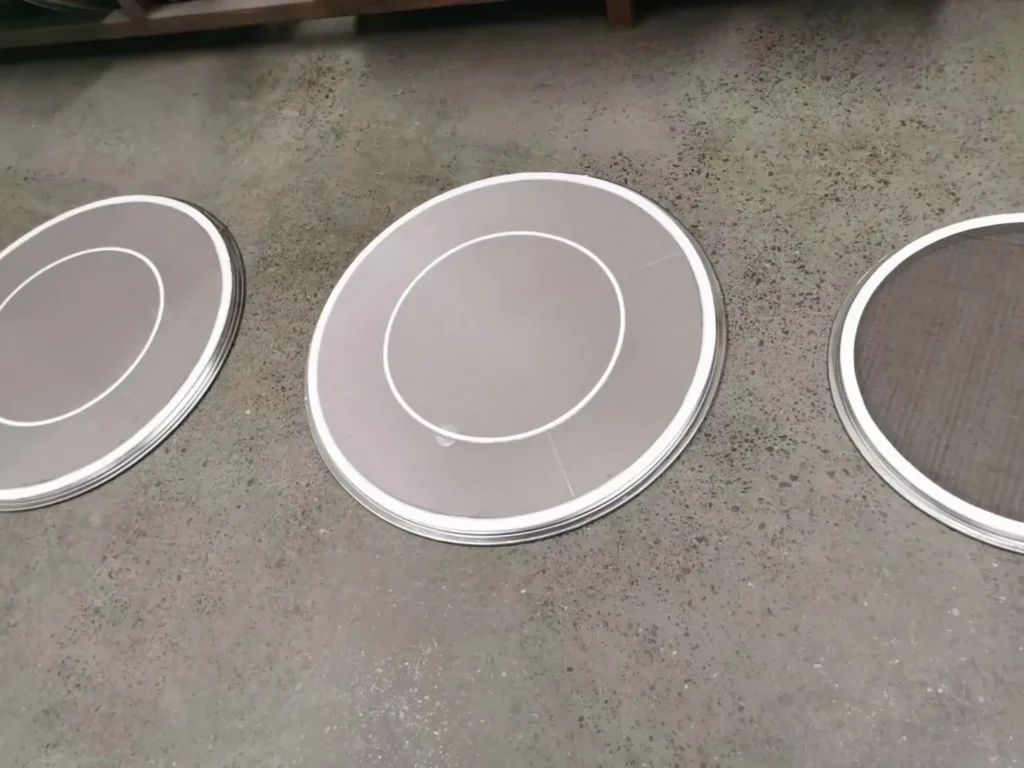 Screen Mesh
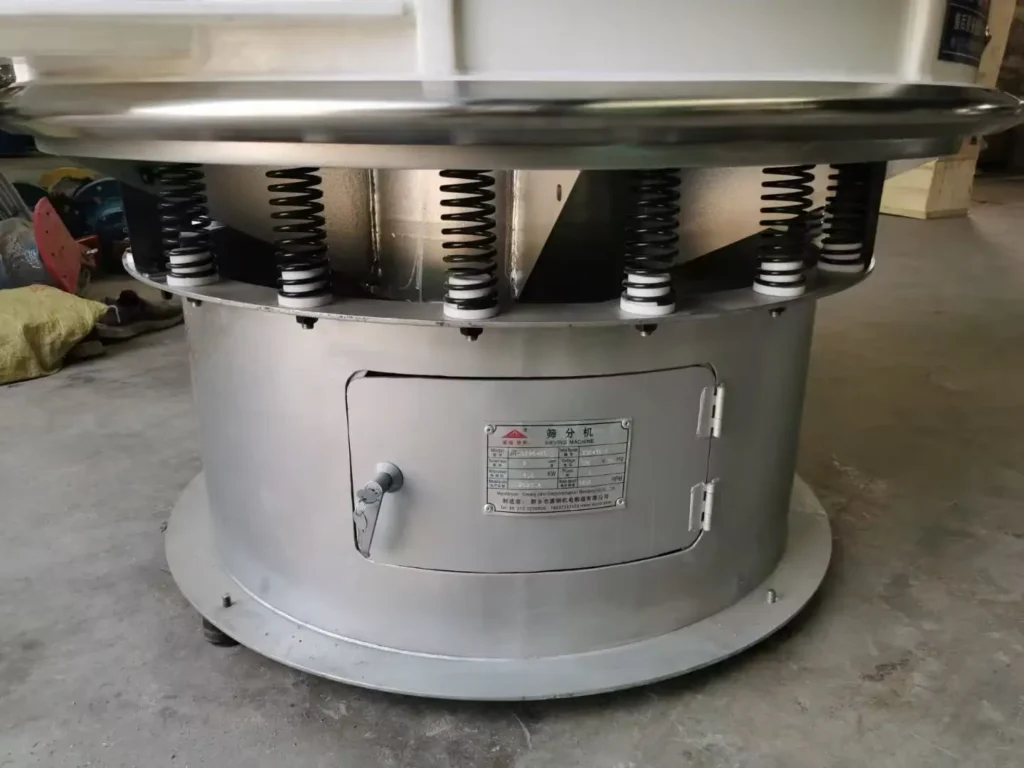 Support and Vibration Damping Devices
Key technical parameters affecting screening performance include excitation force and amplitude (which determine the intensity of material ejection), vibration frequency (which determines the material’s jumping speed), screen surface inclination angle and vibration direction angle (which control the material’s forward speed and residence time), as well as the mesh size of the screen.
Main Types of Operating Principles and Application Areas
The rotary vibrating screen discussed above is just one type of vibrating screen. Based on structure, motion trajectories, and application scenarios, we have summarized the following common operating principles and their typical applications:
| Vibrating Screen Type | Working Principle | Typical Applications |
|---|---|---|
| Linear Vibrating Screen | Two vibration motors rotate synchronously in opposite directions to generate a linear excitation force, causing the screen box to move back and forth in a straight line. The material continuously jumps and moves forward on the screen surface, achieving efficient screening and grading. | Screening, grading, and impurity removal of granular and crushed materials in the feed, food, chemical, mining, and other industries. |
| Circular Vibrating Screen / Rotary Vibrating Screen | The vibration motor generates a circular or three-dimensional vibration motion, causing the material to spread, rotate, and tumble across the screen surface for precise screening, classification, or filtration. | Aggregate, coal, and ore screening, as well as fine powder screening and liquid filtration in the chemical, food, and pharmaceutical industries. |
| High Frequency Vibrating Screen | Uses high-frequency, low-amplitude vibration to break the surface tension of the material, allowing fine particles to pass through the screen quickly while improving dewatering efficiency. | Coal slurry dewatering, tailings recovery, fine sand recovery, mineral slurry dewatering, and other fine material processing applications. |
| Trommel Screen | A perforated cylindrical drum rotates continuously, causing the material to tumble and move forward. Smaller particles pass through the screen openings, while oversized materials are discharged from the end of the drum. | Classification of coal, natural stone, construction waste, municipal solid waste, biomass, compost, and organic fertilizer materials. |
| Dewatering Screen | High-frequency vibration forces water to pass rapidly through the screen mesh while solid particles are conveyed along the screen surface, achieving efficient solid-liquid separation and moisture reduction. | Coal preparation plants, mineral processing, sand washing plants, tailings treatment, slurry separation, and aggregate dewatering systems. |
| Multi-Frequency Vibrating Screen | Combines low-frequency conveying vibration with high-frequency screening vibration, allowing materials to move smoothly while improving particle separation efficiency and reducing screen clogging. | Powder classification, fine screening, dewatering, and material processing in chemical, mineral, and industrial applications. |
| Linear Elliptical Vibrating Screen | An exciter drives the screen box to produce a linear elliptical motion, causing materials to roll and slide across the screen surface for high-capacity and efficient screening with reduced blinding. | Drilling fluid purification systems, drill cuttings separation, shale shaker systems, and other solid control and industrial solid-liquid separation processes. |
In addition, we offer square/round vibrating screens, ultrasonic vibrating screens, probability screens, and tension-relaxation screens to meet the needs of materials with different characteristics (such as those prone to agglomeration, requiring high precision, or with high moisture content) and specific industry requirements (such as food GMP standards, explosion-proof design, and dust-free environments).
If you are considering a rotary vibrating screen for a specific project, see our China Rotary Vibrating Screen guide for price factors, specifications, and supplier selection.
Conclusion
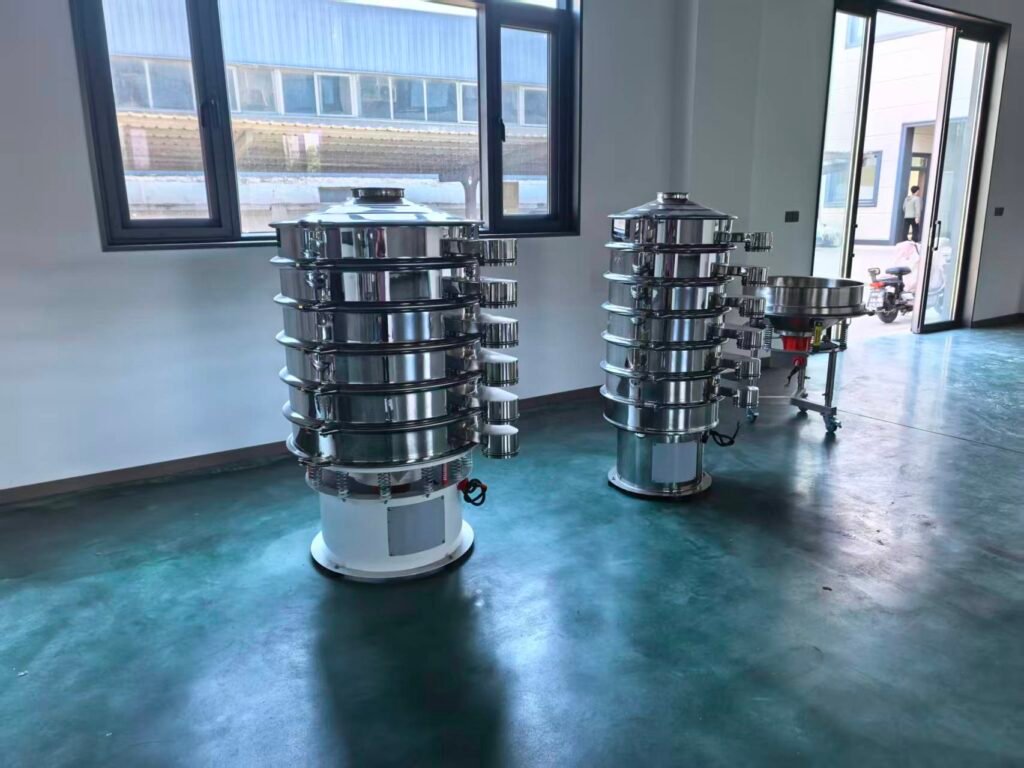
The rotary vibrating screen utilizes three-dimensional vibrations generated by a vertical motor to efficiently separate particles by particle size through continuous spiral motion and tumbling. It provides high-precision screening of powders and granules. For reliable, customized solutions to enhance your screening efficiency and production performance, please contact Jairui Machinery.