
Ultrasonik Titreşimli Elek Nedir?
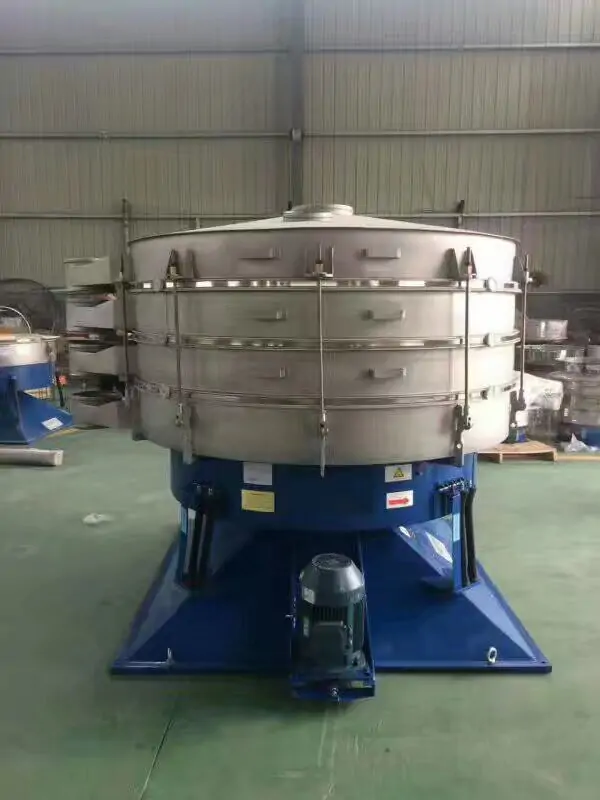
Ultrasonik titreşimli elek, ince toz ultrasonik titreşimli elek olarak da bilinir, geleneksel bir titreşimli eleğe ultrasonik eleme sistemi entegre eden yüksek hassasiyetli bir eleme cihazıdır(Örneğin, Tumbler Eleme Makinesi, Döner Titreşimli Elek, vb.). Düşük genlikli, yüksek frekanslı bir ultrasonik titreşim dalgası bindirerek, ultra ince tozlar, yüksek viskoziteli malzemeler, topaklanmaya yatkın malzemeler ve elektrik yüklü malzemelerin oluşturduğu eleme zorluklarını çözmek için özel olarak tasarlanmıştır.
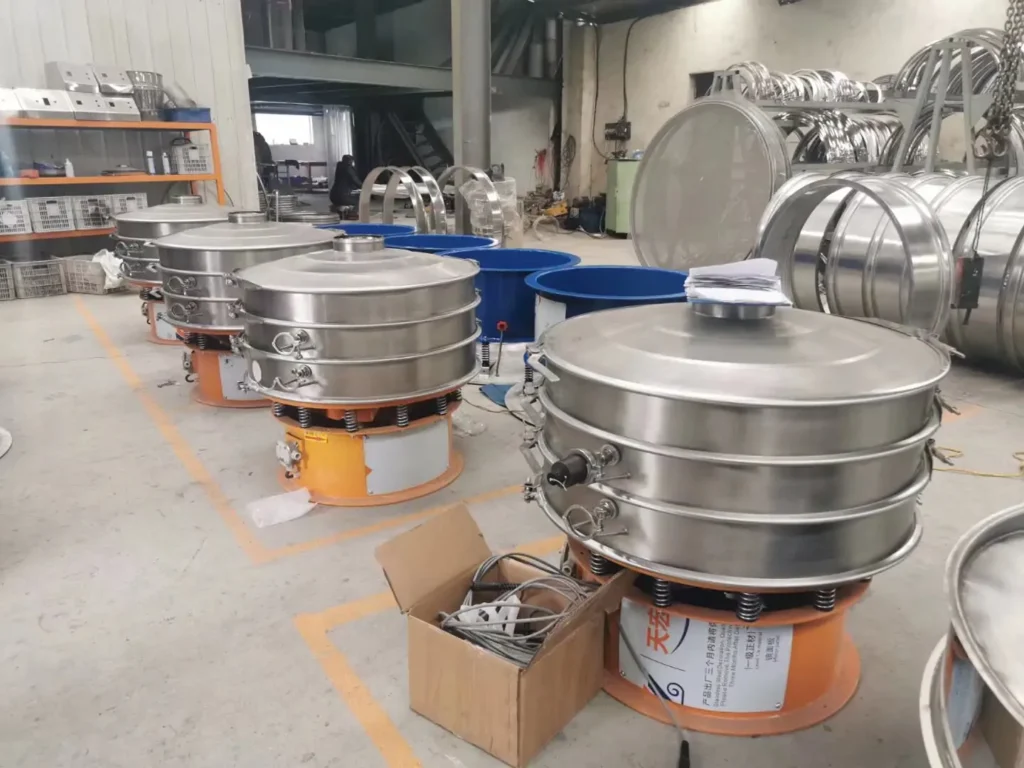
Temel çalışma prensibi, çift güçlü bir tahrike dayanır:
- Temel Titreşim: Bir titreşim motoru, malzemenin elek yüzeyinde eşit şekilde dağılmasını sağlayan geleneksel üç boyutlu titreşimler (dairesel veya doğrusal titreşimler gibi) üretir.
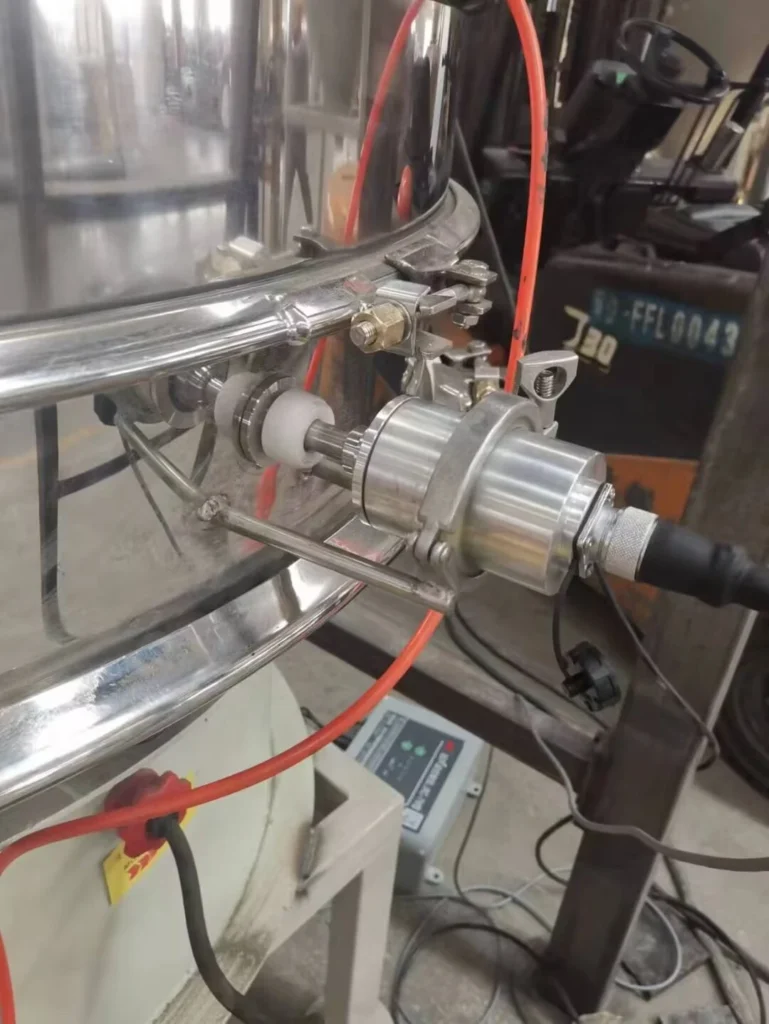
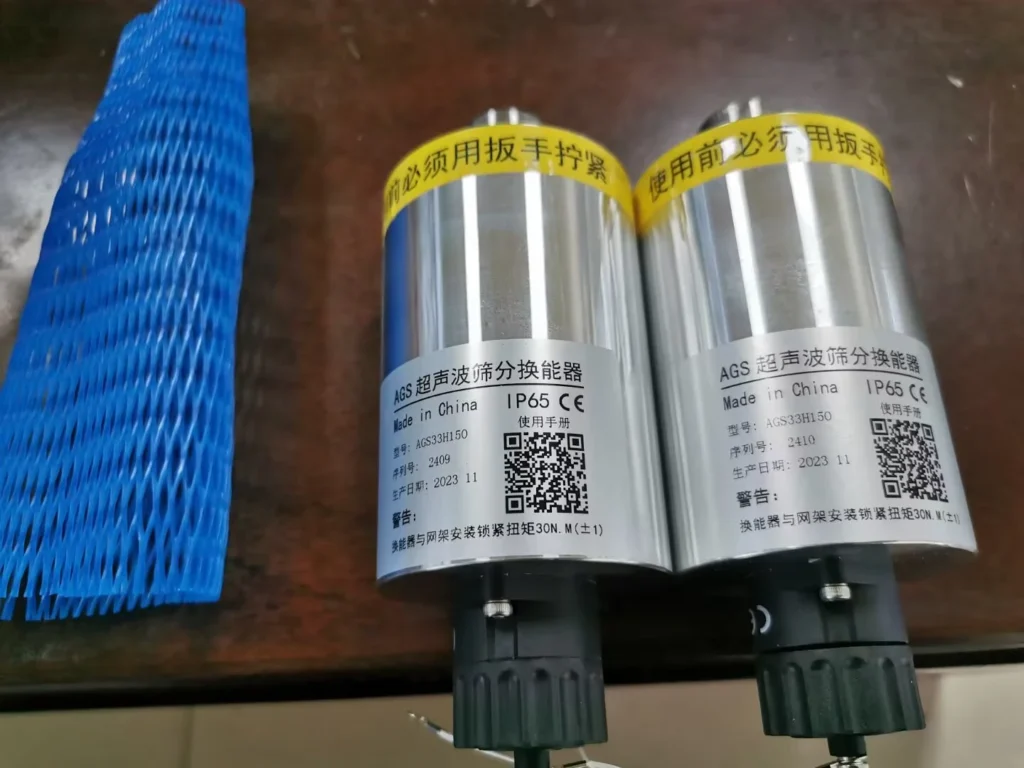
- Ultrasonik Titreşim: Bir ultrasonik jeneratör, elektrik enerjisini (tipik olarak 220V/50Hz) yüksek frekanslı elektrik enerjisine (yaygın frekanslar 18KHz, 20KHz, 36KHz veya 38KHz içerir) dönüştürür; bu enerji, bir dönüştürücü (osilatör) ve bir rezonans halkası aracılığıyla yüksek frekanslı mekanik titreşimlere dönüştürülür ve tüm elek teli boyunca eşit şekilde iletilir. Bu, elek telinin saniyede on binlerce kez mikrometre seviyesinde yüksek frekanslı titreşim üretmesini sağlar.
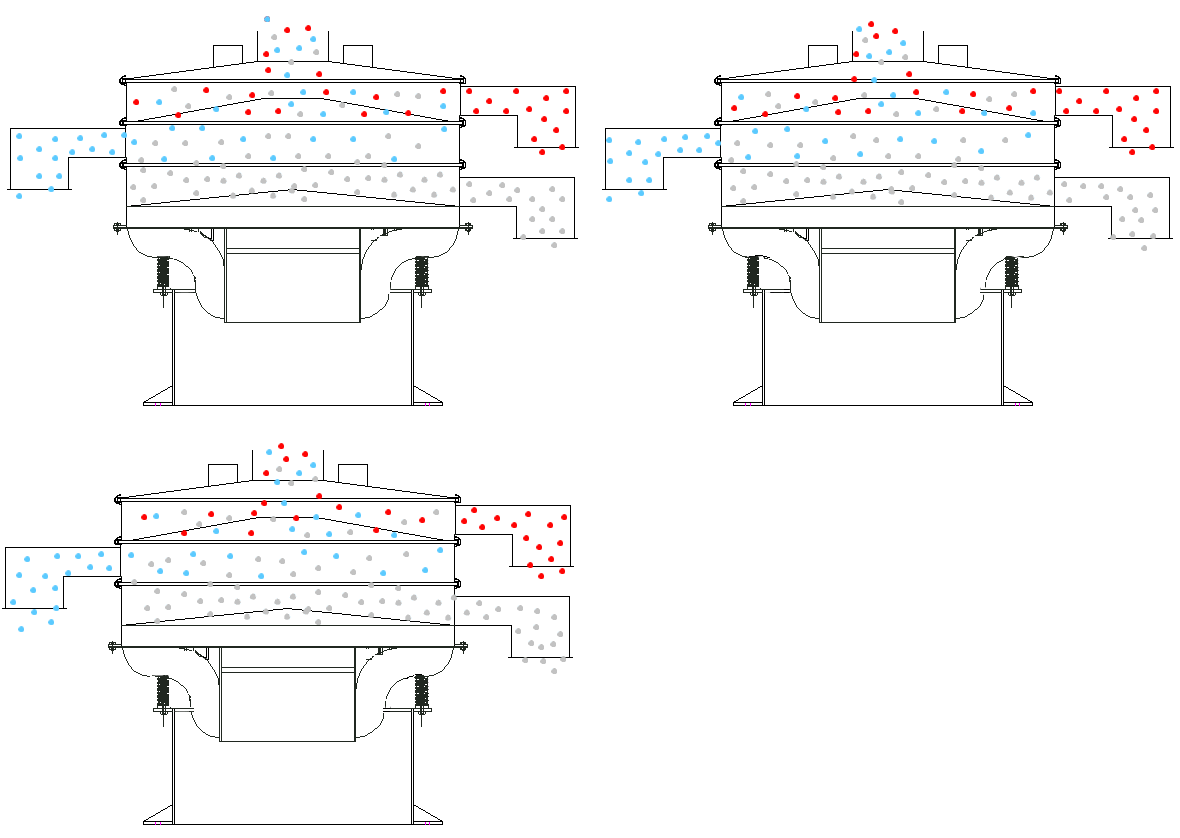
Bu yüksek frekanslı, düşük genlikli titreşim, devrim niteliğinde eleme sonuçları sağlar:
- Tıkanma Önleme: Yüksek frekanslı titreşimler, elek teli üzerindeki ultra ince tozları muazzam ultrasonik ivmeye maruz bırakarak onları sürekli bir “askıda” durumda tutar. Bu, malzemenin yapışma, sürtünme, statik elektrik veya topaklanma nedeniyle elek açıklıklarını tıkamasını etkili bir şekilde önler. Bu, onun en kritik avantajıdır.
- Yüksek Hassasiyet ve Yüksek Verim: Elek tıkanma sorununu çözerken, eleme hassasiyetini ve verimliliğini önemli ölçüde artırır. Eleme hassasiyeti, geleneksel titreşimli eleklere kıyasla –0 artırılabilir ve verim 0,5–20 kat artırılabilir; bu da onu 500 mesh ila 635 mesh ve üzeri ultra ince eleme için özellikle uygun hale getirir.
- Düşük Hasar ve Kendi Kendini Temizleme: Küçük titreşim genliği ile kırılgan kristallere veya lifli malzemelere verilen hasarı en aza indirir; ayrıca kendi kendini temizleyen elek işlevine sahiptir, sıçrayan toplar gibi yardımcı temizleme cihazlarına olan ihtiyacı ortadan kaldırır ve malzemenin ikincil kontaminasyonunu önler.
Daha fazla ürün spesifikasyonu için lütfen okuyun: Ultrasonik Titreşimli Elek
Ultrasonik Sistem Parçaları
Tipik bir ultrasonik titreşimli elekte kullanılan ultrasonik sistem , ultrasonik enerjiyi yüksek hassasiyetli ince toz eleme için üretmek, iletmek ve uygulamak üzere birlikte çalışan birkaç temel bileşenden oluşur.
Aşağıda her bileşenin ve işlevinin yapılandırılmış bir dökümü verilmiştir:
| Bileşen | Ana İşlev | Temel Açıklama ve Ana Parametreler |
|---|---|---|
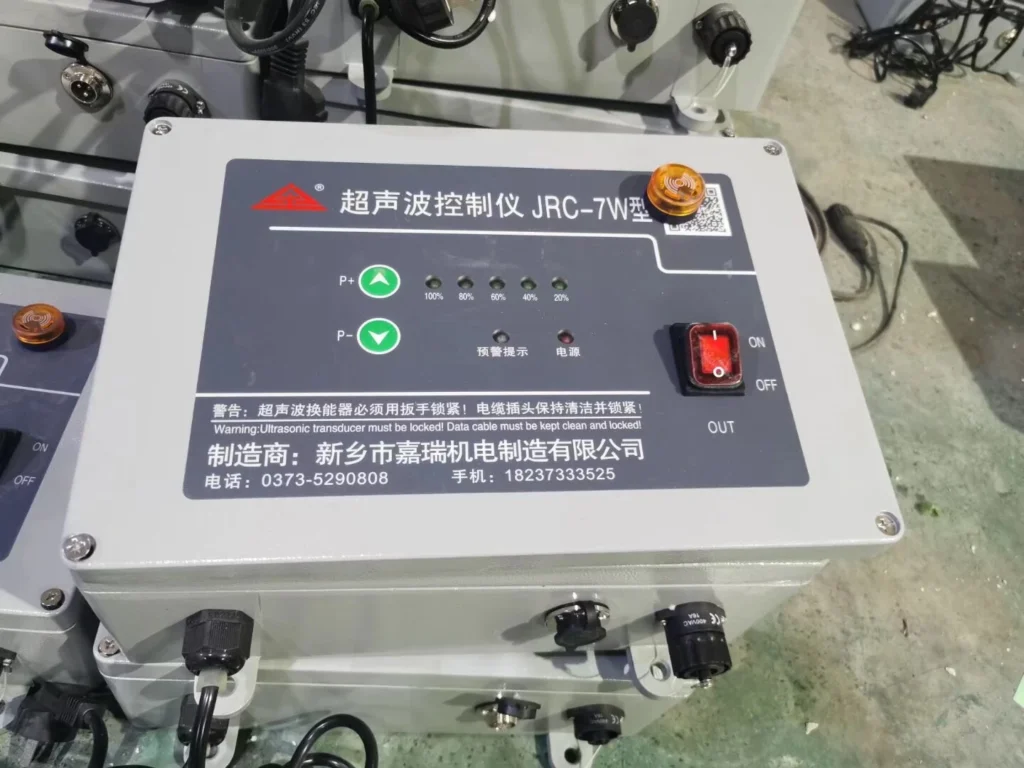
| Ultrasonik Jeneratör (Güç Kaynağı) | Ultrasonik enerjiyi üretir ve sürer | Standart güç kaynağını (örn. 220V/50Hz AC) ultrasonik titreşimli elek sistemiyle eşleştirilen yüksek frekanslı elektrik sinyallerine (tipik olarak 20kHz–40kHz) dönüştürür. Stabil eleme performansı sağlamak için otomatik frekans takibi, güç regülasyonu ve sistem korumasından sorumludur. |
| Ultrasonik Dönüştürücü | Temel enerji dönüşüm bileşeni | Jeneratörden gelen yüksek frekanslı elektrik sinyallerini aynı frekansta mekanik titreşim enerjisine dönüştürür. Çekirdek malzeme olarak piezoelektrik seramikler kullanır. Verimlilik ve stabilite sağlamak için ultrasonik titreşimli elek sisteminde jeneratörle hassas şekilde eşleştirilmelidir. |
| Genlik Yükseltici (Boynuz / Yükseltici Çubuk) | Titreşim genliğini yükseltir | Dönüştürücü ile elek çerçevesi arasına bağlanır. İşlevi, özellikle ultrasonik titreşimli elek uygulamalarında ultra ince tozlar ve tıkanma önleme performansı için eleme verimliliğini artırmak amacıyla mekanik titreşim genliğini artırmaktır. |
| Çalışma Başlığı / Elek Çerçevesi | Ultrasonik titreşimi eleme yüzeyine iletir | Ultrasonik titreşimli elek sisteminde ultrasonik enerjiyi doğrudan elek teline aktarır. Yapısal tasarımı, malzemesi ve rezonans özellikleri eleme doğruluğunu, tıkanma önleme yeteneğini ve verimliliği önemli ölçüde etkiler. |
| Kontrol Sistemi ve Sensör Geri Bildirim Sistemi | Sistem çalışmasını kontrol eder ve izler | Ultrasonik titreşimli elek sisteminin başlatma/durdurma, frekans ayarı ve güç regülasyonunu yönetir. Gelişmiş sistemler, stabil performans için gerçek zamanlı titreşim izleme ve geri bildirim optimizasyonu sağlayan sensörler içerebilir. |
| Güç Kaynağı ve Yardımcı Sistem | Stabil güç ve sistem desteği sağlar | Ultrasonik sisteme sürekli elektrik enerjisi sağlar. Ek bileşenler, ultrasonik titreşimli eleğin uzun süreli güvenilir çalışmasını sağlamak için HMI arayüzü, soğutma sistemi ve güvenlik koruma modülleri içerebilir. |
Ultrasonik Titreşimli Eleklerin Avantajları
Geleneksel Titreşimli Elekler Ultra İnce Tozları Neden İşleyemez?
Geleneksel titreşimli elekler, ultra ince tozlar (200–635 mesh) ile üç ana sorun nedeniyle zorlanır:
- Elektrostatik adsorpsiyon: İnce partiküller kolayca statik elektrik üretir ve elek yüzeyine yapışmak, etkin eleme alanını azaltır.
- Partikül topaklanması: Ultra ince tozlar kümeler oluşturma eğilimindedir ve bu da elek açıklıklarından geçmelerini zorlaştırır.
- Elek tıkanması: Geleneksel titreşim, elek yüzeyini sürekli temizlemek için genellikle yeterince güçlü değildir; bu da tıkanmaya ve verim düşüşüne yol açar.

Ultrasonik Titreşimli Elek Hangi Sorunları Çözebilir?
Ultrasonik titreşimli elek sistemi, ince ve zorlu malzemeleri işlerken geleneksel eleme ekipmanlarının sınırlamalarını aşmak için özel olarak tasarlanmıştır.
Aşağıdaki durumlarda yaygın olarak kullanılır:
- 200–635 mesh ultra ince tozlar
- Yüksek saflıkta ayırma gerektiren yüksek değerli malzemeler
- Aşağıdaki alanlarda kullanılan hassas tozlar:
- İlaç üretimi
- Lityum pil katot ve anot malzemeleri
- Gıda katkı maddeleri ve ince bileşenler
- Kimyasal ve metal tozları
Sistem, yüksek frekanslı ultrasonik titreşim uygulayarak partikül ayırma verimliliğini önemli ölçüde artırır ve elek kaynaklı sorunları azaltır.
Ultrasonik Titreşimli Elek Uygulamaları
Ultra ince tozlarda elek tıkanması ve elektrostatik topaklanma gibi zorlukları ele alma konusundaki benzersiz yeteneği sayesinde, Jiarui Machinery'nin ultrasonik titreşimli elekleri, malzeme elemede son derece yüksek hassasiyet ve saflık talep eden çok sayıda endüstride yaygın olarak kullanılmaktadır.
 API Ara Ürünleri
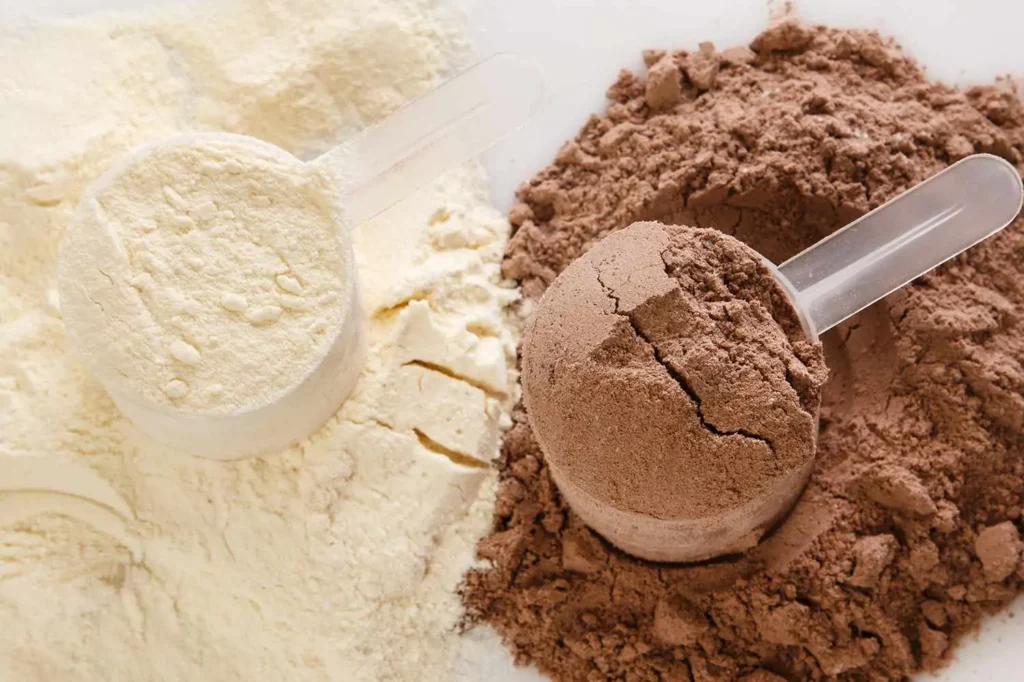 Malt Tozu
 Şeker Tozu
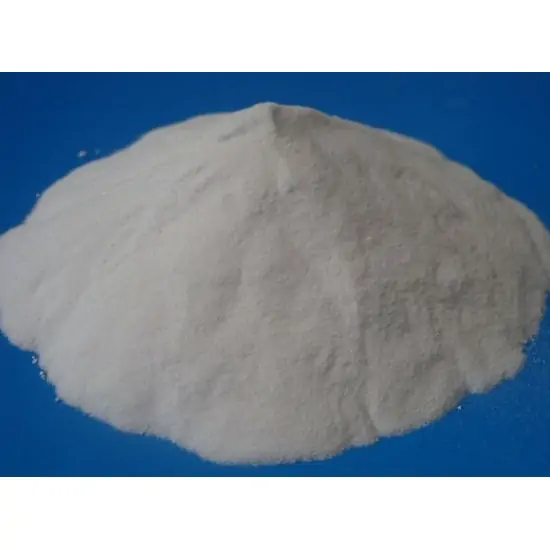 Ribavirin Tozu
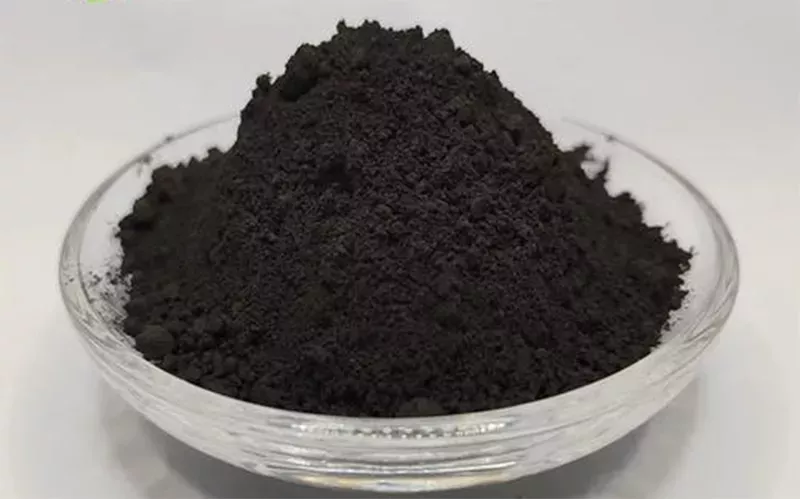 Bor Karbür Tozu
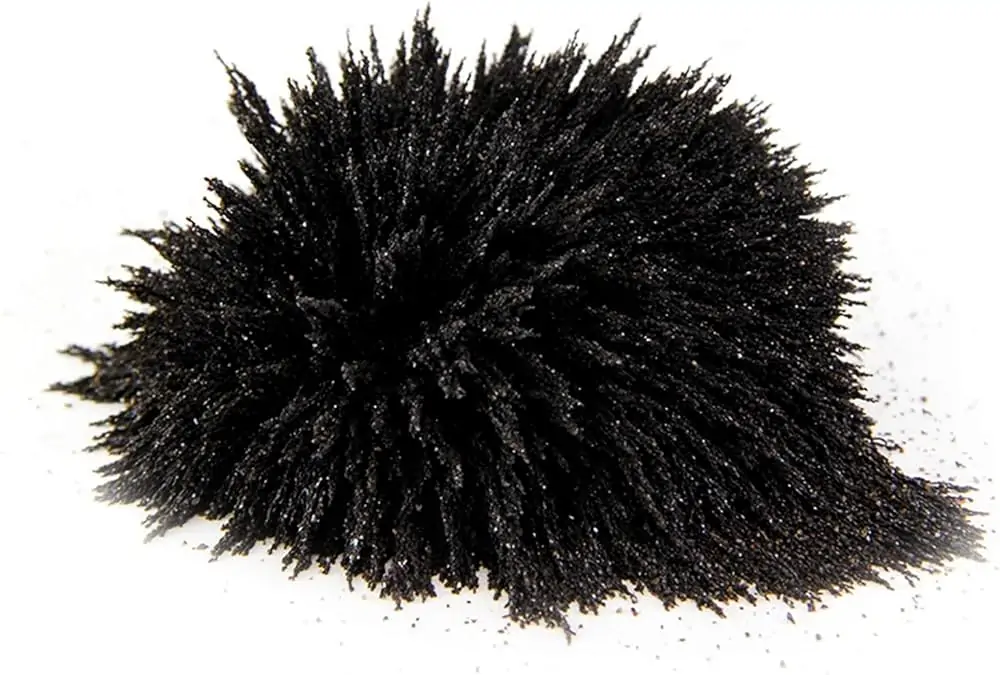 Manyetik Toz
 Toz Boyalar
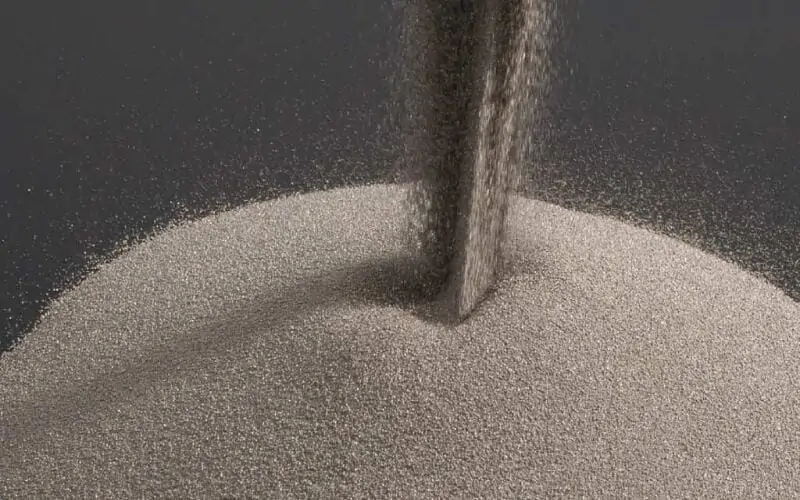 Paslanmaz Çelik Tozu
| Endüstri | Tipik Malzemeler (400–600 Mesh Eleme) |
|---|---|
| Yeni Enerji ve İleri Malzemeler | Lityum Pil Anot Malzemeleri, Katot Malzemeleri, Manyetik Toz, Lazer Tozu, Alaşım Tozu |
| Metal Tozu ve Toz Metalurjisi | Molibden Tozu, Paslanmaz Çelik Tozu, Tungsten Tozu, Nikel Tozu, Kobalt Tozu, Alaşım Tozu |
| Kimya ve Kaplama Endüstrisi | Toz Kaplamalar, Silisyum Karbür Tozu, Bor Karbür Tozu, Kuvars Tozu, Organik Kimyasal Tozlar |
| Gıda ve Gıda Katkı Maddeleri | Malt Tozu, Kahve Tozu, Nişasta, Şeker Tozu, Süt Tozu |
| İlaç ve API İşleme | Ribavirin Tozu, Bitkisel İlaç Tozu, Farmasötik Tozlar, API Ara Ürünleri |
| Aşındırıcılar ve Seramik Malzemeler | Silisyum Karbür, Bor Karbür, Kuvars Tozu, Alümina, Seramik Tozu |
Ultrasonik Titreşimli Elek ve Geleneksel Titreşimli Elek: Fark Nedir?
Bir ultrasonik titreşimli elek ile bir geleneksel titreşimli elek arasındaki temel fark, ince tozları ve elek tıkanmasını nasıl ele aldıklarında yatmaktadır.
| Özellik | Konvansiyonel Titreşimli Elek | Ultrasonik Titreşimli Elek |
|---|---|---|
| Çalışma Prensibi | Partikülleri boyuta göre ayırmak için motorla tahrik edilen mekanik titreşim | Elek teline uygulanan mekanik titreşim + ultrasonik yüksek frekanslı dalgalar |
| Titreşim Tipi | Düşük / orta frekanslı mekanik titreşim | Yüksek frekanslı ultrasonik mikro-titreşim + mekanik titreşim |
| Uygun Partikül Boyutu | Kaba ila orta tozlar | Ultra ince tozlar (200–635 mesh) |
| Tıkanma Önleme Performansı | Statik ve yapışma nedeniyle elek gözlerinin tıkanmaya yatkın olması | Güçlü anti-tıkanma kabiliyeti, yapışmayı ve elek tıkanmasını azaltır |
| Statik Elektrik Yönetimi | Elektrostatik adsorpsiyonun zayıf kontrolü | İnce tozlar üzerindeki statik etkileri etkili şekilde azaltır |
| Eleme Hassasiyeti | Orta düzeyde hassasiyet, daha ince malzemelerde düşer | İnce ve ultra-ince toz ayrımında yüksek hassasiyet |
| Uygulama Endüstrileri | Madencilik, agrega, kum, genel toz işleme | Farmasötikler, lityum piller, gıda katkı maddeleri, ince kimyasallar |
| İnce Tozlar için Verimlilik | Düşük verimlilik, genellikle tekrarlanan eleme gerektirir | Yüksek verimlilik ve stabil sürekli eleme |
| Bakım Gereksinimleri | Daha düşük karmaşıklık ancak daha sık tıkanma temizliği | Slightly daha yüksek sistem karmaşıklığı ancak daha az tıkanma kesintisi |
Temel fark şudur ki konvansiyonel titreşimli elekler yalnızca mekanik harekete dayanır, oysa ultrasonik titreşimli elekler, tıkanma, statik elektrik ve zayıf akışkanlık gibi ince toz eleme sorunlarını çözmek için ultrasonik enerjiyi entegre eder.
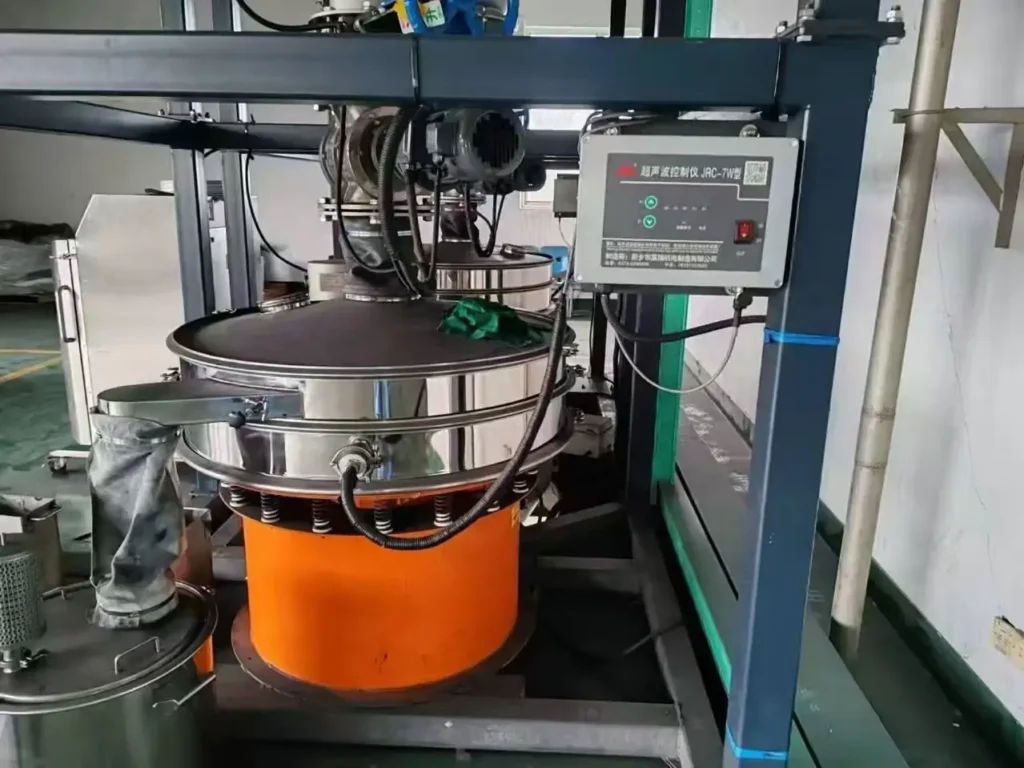 Ultrasonik Titreşimli Elek
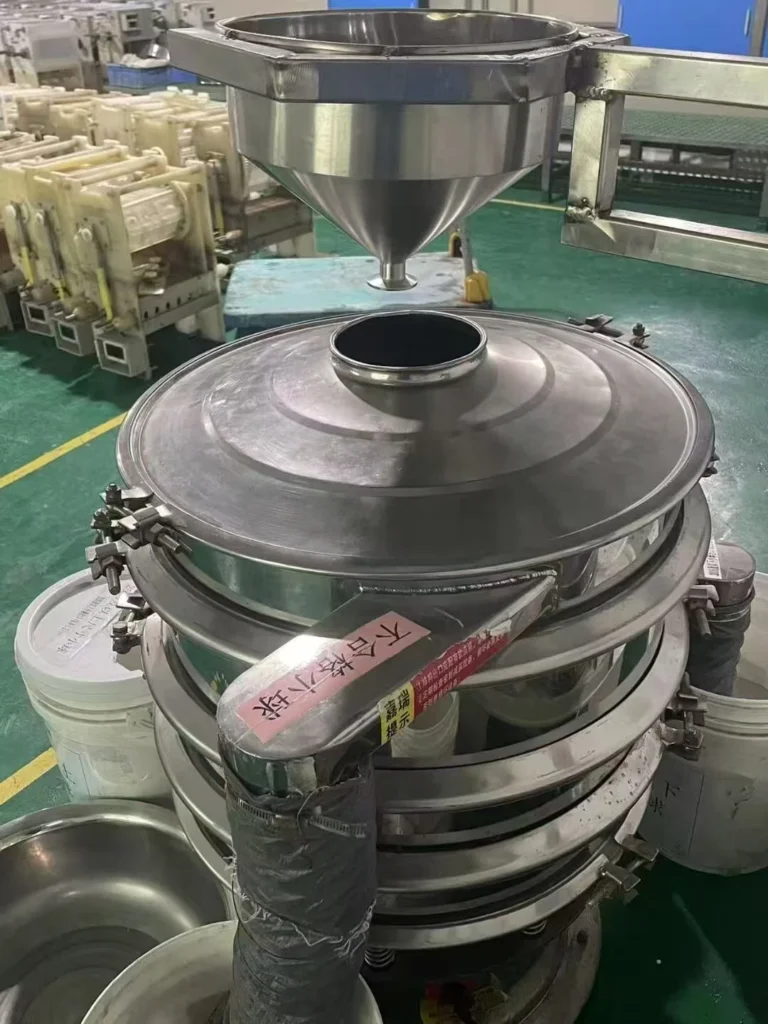 Döner Titreşimli Elek
Ultrasonik Titreşimli Elek Nasıl Seçilir
Öncelikle, bir ultrasonik titreşimli elek sistemi esas olarak ultra-ince tozlar, partikül topaklanması, statik elektrik, yüksek veya düşük özgül ağırlıklı malzemeler ve elek tıkanması gibi eleme sorunlarını çözmek için kullanılır, özellikle 200–635 mesh ince toz eleme için. Lityum pil, farmasötik, gıda ve kimya endüstrilerinde yaygın olarak kullanılır.
Adım 1: Gereksinimlerinizi Tanımlayın (Seçimin Temeli)
Malzeme özellikleri en önemli faktördür. Partikül boyutunu (mesh), özgül ağırlığı, nemi, viskoziteyi, statik elektriği ve aşındırıcılığı net şekilde tanımlamanız gerekir.
Örneğin, 600 mesh silisyum karbür veya lityum pil tozları gibi ultra-ince malzemeler işlenirken daha yüksek güçlü bir ultrasonik sistem gereklidir.
Ayrıca şunları da tanımlamalısınız:
- Gerekli eleme hassasiyeti
- Üretim kapasitesi (işleme hacmi)
gibi tedarikçilerden temin edilen farklı ultrasonik titreşimli elek modelleri Jiarui Machinery farklı kapasitelere ve uygulamalara karşılık gelir.
Endüstri gereksinimleri de kritiktir:
- Gıda ve farmasötik endüstrisi, 316L paslanmaz çelik ve tamamen kapalı tasarım gerektirir (GMP standardı)
- Kimya ve lityum pil endüstrisi, korozyon direnci veya patlamaya dayanıklı tasarım gerektirebilir
Adım 2: Temel Ekipman Parametrelerine Odaklanın
Gereksinimleri netleştirdikten sonra temel parametreleri değerlendirin:
- Ultrasonik sistem:
Jeneratör gücünü (50W, 80W, 100W) ve frekans ayarlama kabiliyetini kontrol edin. Daha zorlu malzemeler genellikle daha yüksek güçlü ultrasonik sistemler gerektirir. Stabil bir sistem, tutarlı titreşimi korumak için frekansı otomatik olarak ayarlayabilir. - Elek teli:
Mesh aralığını (200–635 mesh) ve malzemeyi (304 veya 316L paslanmaz çelik) doğrulayın. Elek kalitesi, eleme verimliliğini ve hizmet ömrünü doğrudan etkiler. - Malzeme ve yapı:
Malzeme özelliklerine bağlı olarak karbon çeliği, 304 veya 316L paslanmaz çelik seçin. Tamamen kapalı tasarım, tozu azaltmaya ve temizliği iyileştirmeye yardımcı olur. - Anti-tıkanma performansı:
Ultrasonik titreşimli elek, elek teline iletilen yüksek frekanslı titreşim kullanarak yapışmayı azaltır ve tıkanmayı önler—özellikle ultra-ince tozlar için etkilidir.
Adım 3: Güvenilir Bir Tedarikçi Seçin
Ekipman performansı büyük ölçüde üreticiye bağlıdır.
Aşağıdaki özelliklere sahip tedarikçileri seçmelisiniz:
- Güçlü Ar-Ge kabiliyeti
- Kanıtlanmış ultrasonik titreşimli elek teknolojisi
- Endüstri uygulama deneyimi
gibi üreticiler Jiarui Machinery Farklı endüstriyel uygulamalar için ultrasonik titreşimli elek çözümleri sunar.
Ayrıca göz önünde bulundurun:
- Satış sonrası hizmet (yedek parçalar + teknik destek)
- Satın alma öncesi malzeme testi sağlayıp sağlamadıkları
- Özel üretim gereksinimleri için özelleştirme kapasitesi
Özetle, ultrasonik titreşimli elek seçimi malzeme özelliklerinin, teknik konfigürasyonun ve tedarikçi kabiliyetinin eşleştirilmesiyle ilgilidir.
“En iyi” makine yoktur—yalnızca üretim ihtiyaçlarınız için en uygun olanı vardır.
Sonuç
Özetle, ultrasonik titreşimli elek, elek tıkanması, statik elektrik ve topaklanma gibi ultra ince toz eleme sürecindeki temel sorunları etkili bir şekilde çözerken eleme hassasiyetini ve verimliliğini önemli ölçüde artırır.
Güvenilir bir ultrasonik titreşimli elek çözümü arıyorsanız, uygulamanız için profesyonel seçim desteği ve özelleştirilmiş ekipman önerileri almak üzere Jiarui Machinery ile iletişime geçin.