
Yüksek Verimli Tozsuz Besleme İstasyonu
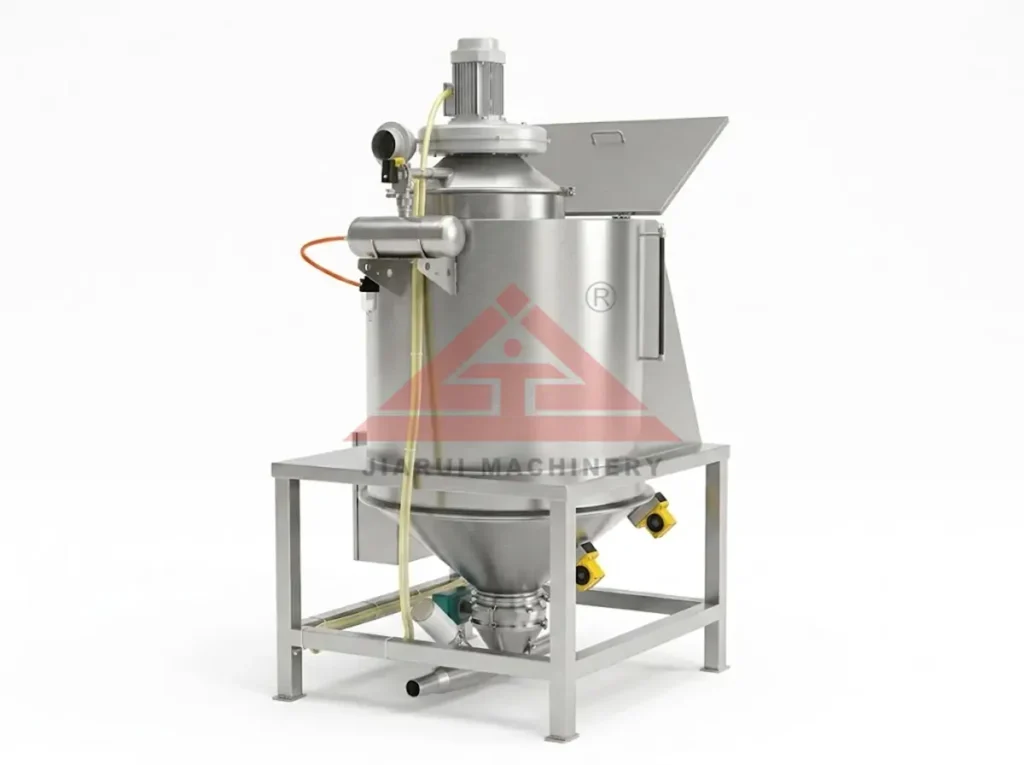
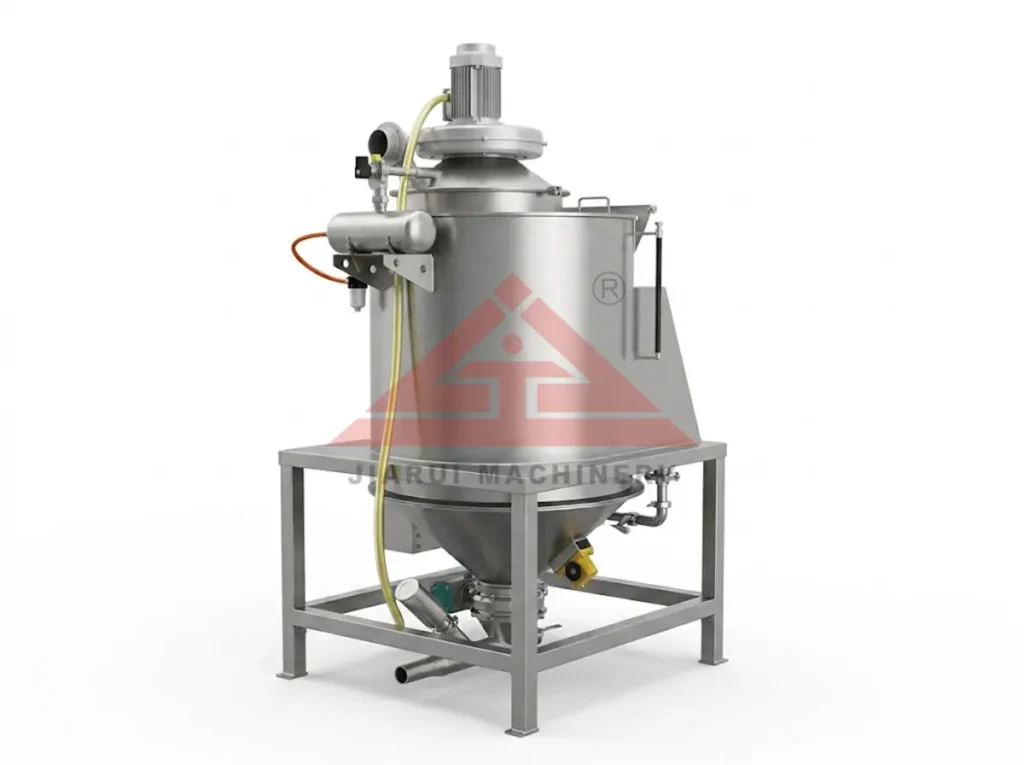
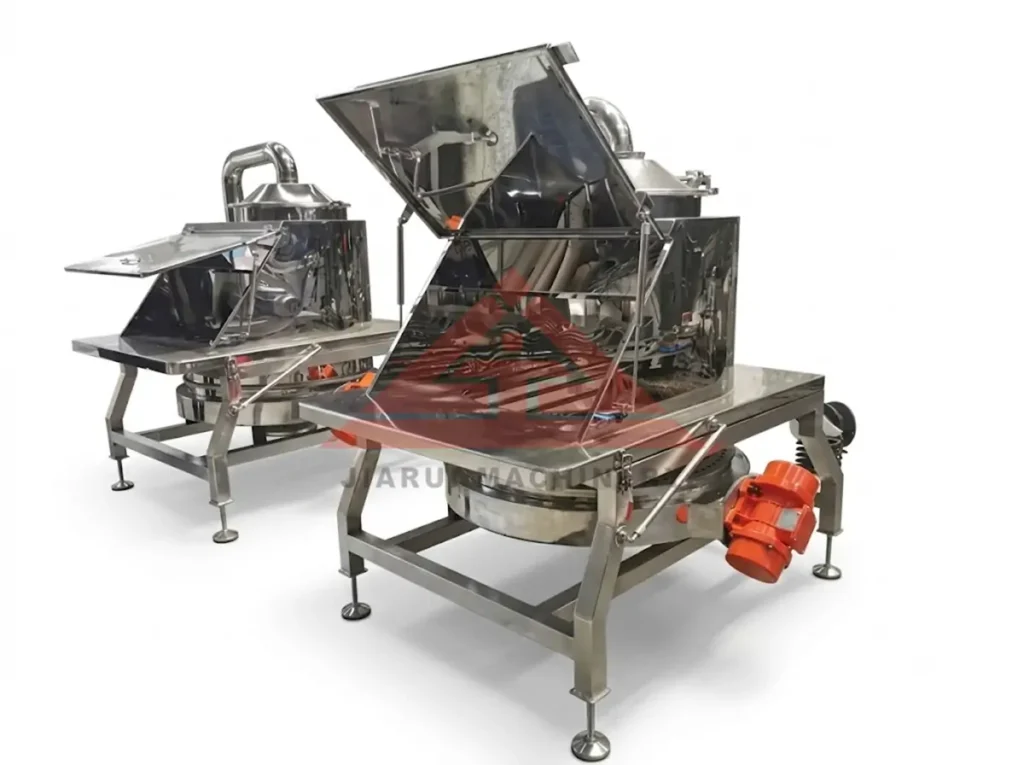
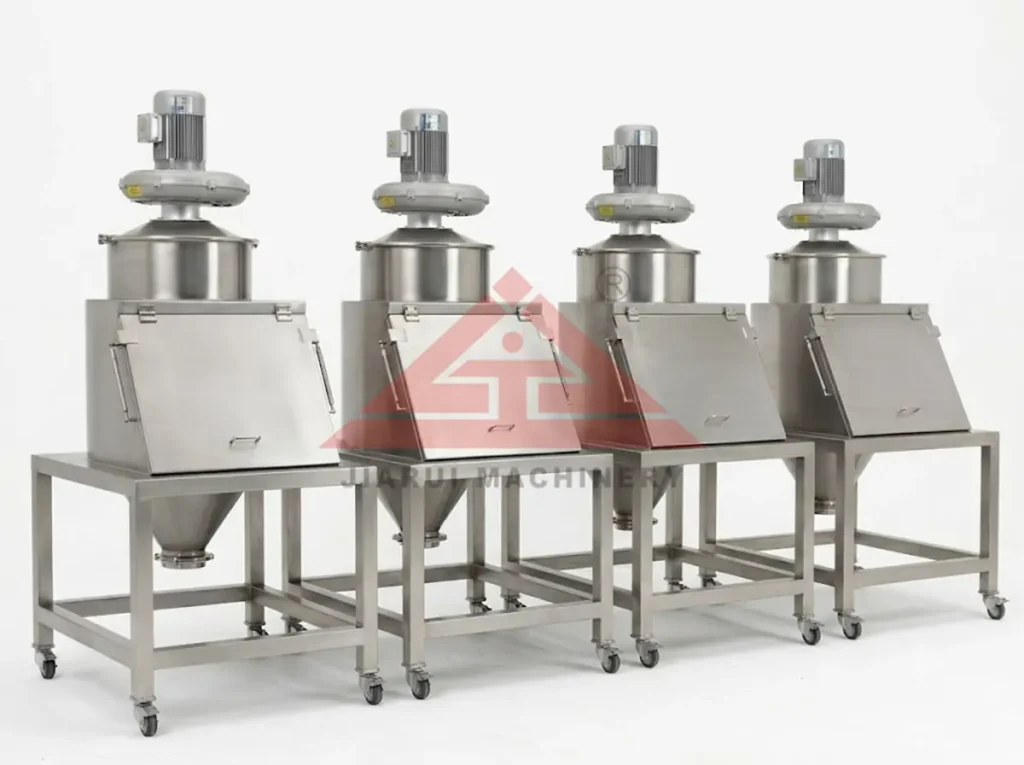
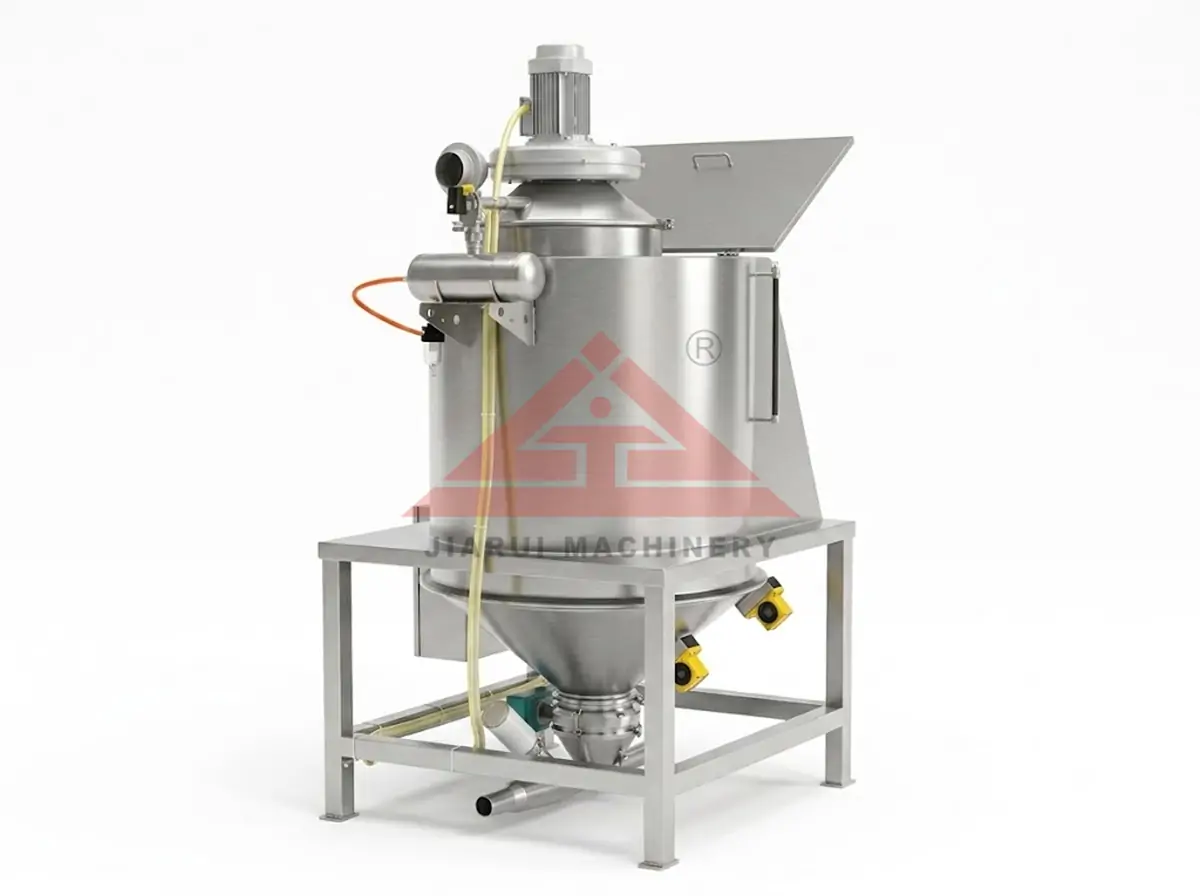
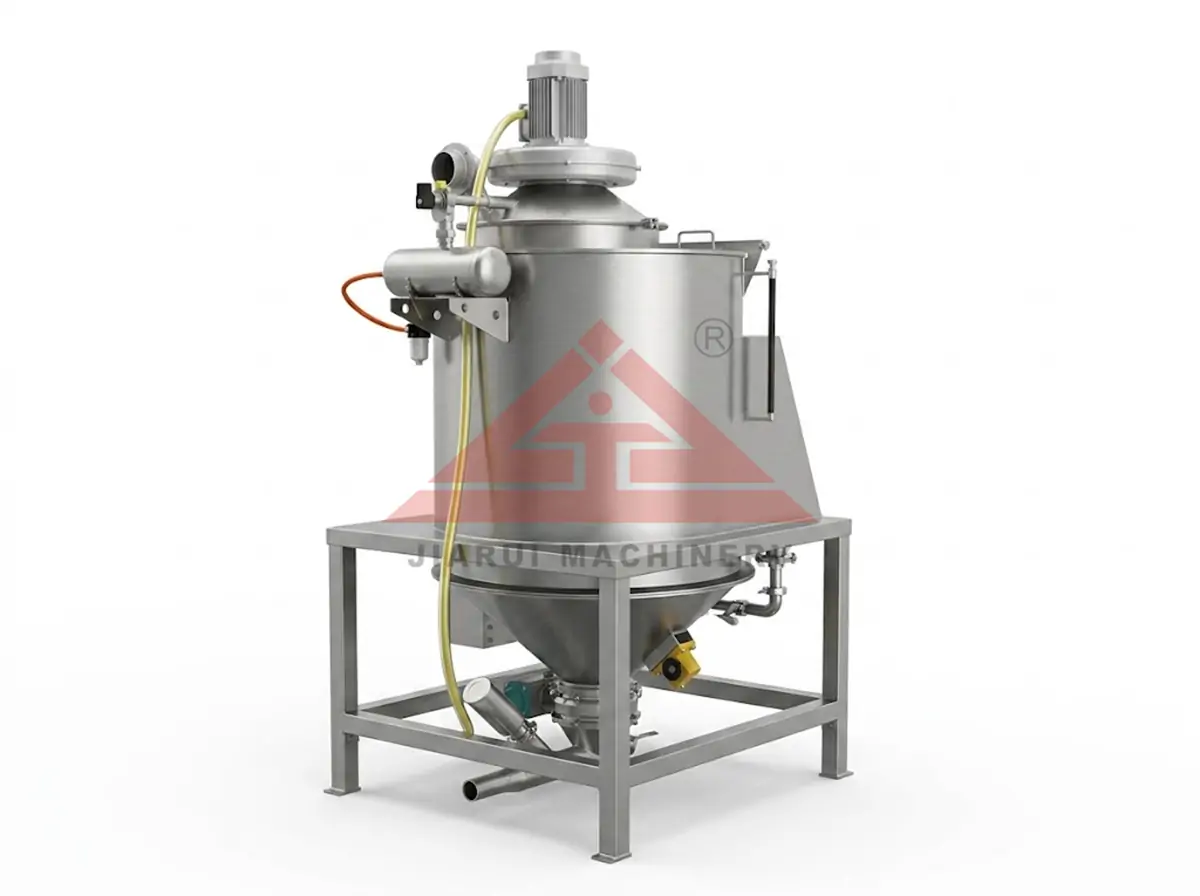
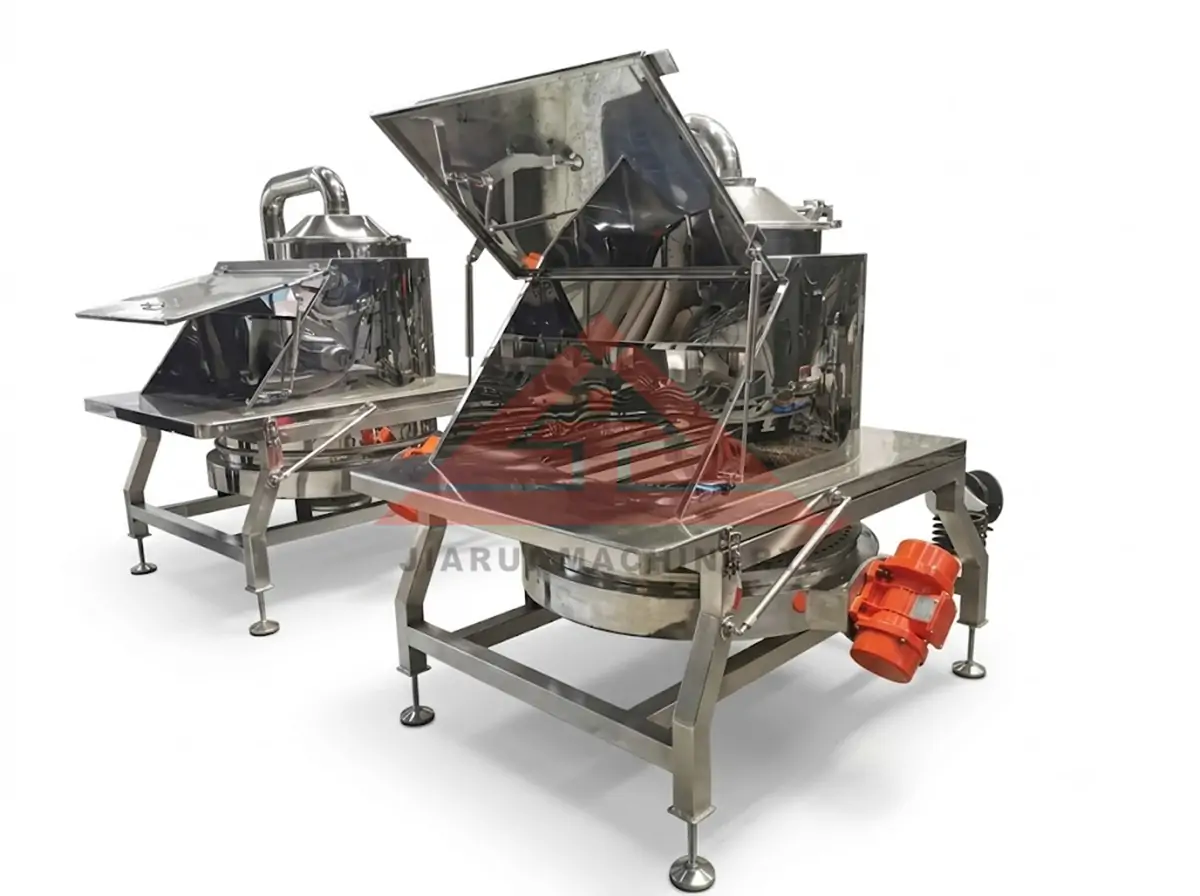
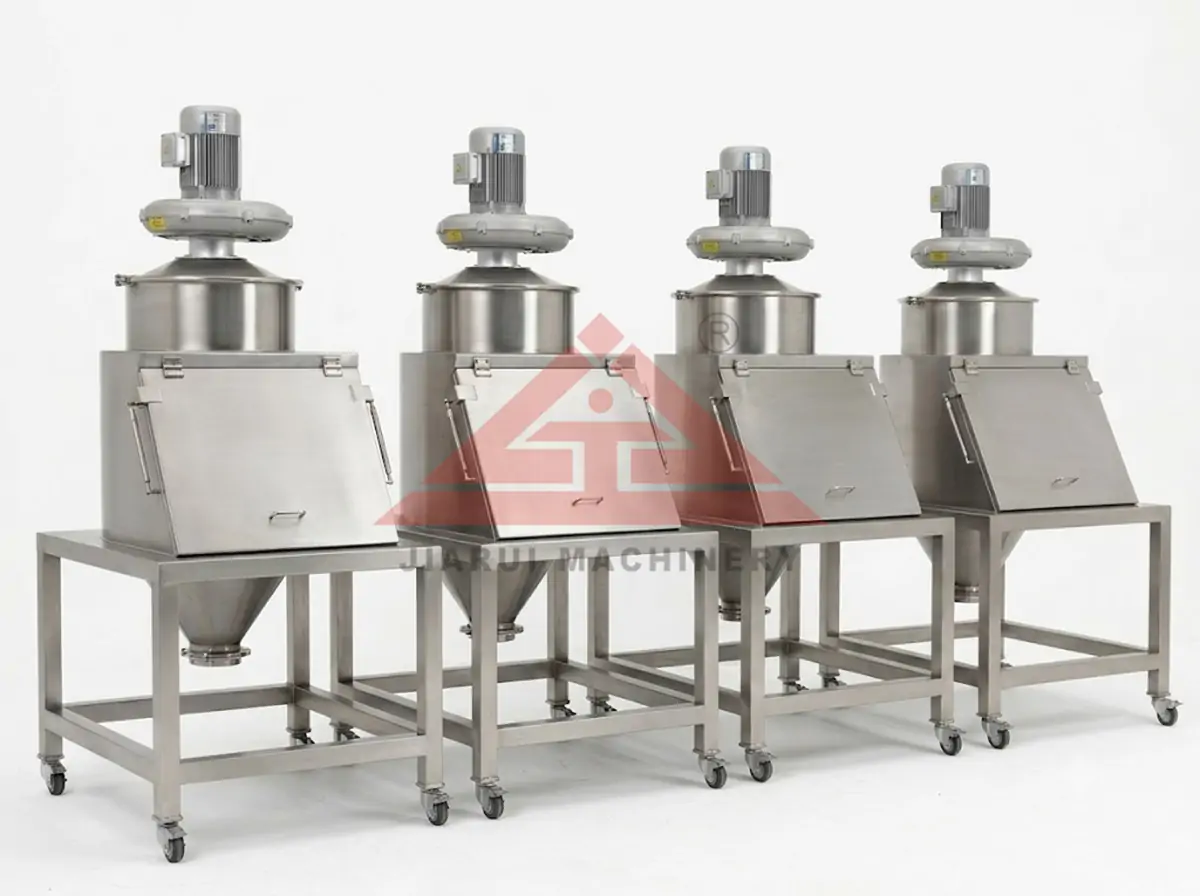
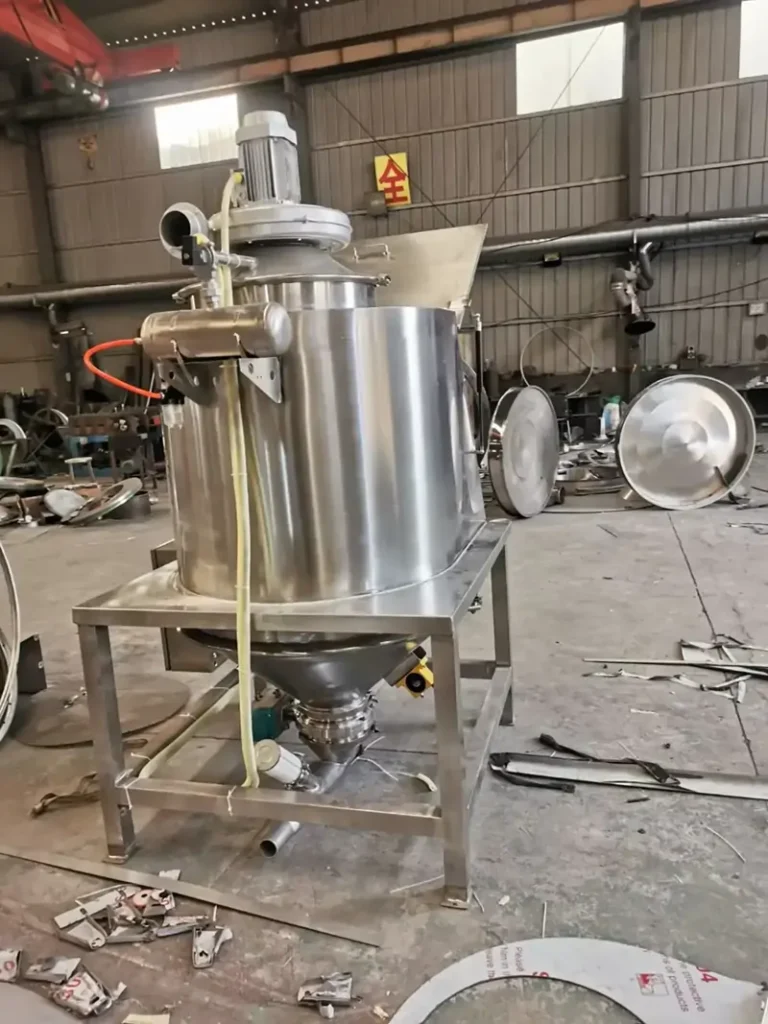
Yüksek Verimli Tozsuz Besleme İstasyonu, esas olarak toz ve granül malzemelerin manuel torba boşaltımı için kullanılır. Besleme sırasında toz dağılımını kontrol etmek ve malzemeleri bir sonraki prosese girmeden önce elemek için kapalı besleme yapısı, negatif basınçlı toz toplama ve titreşimli eleme tasarımı benimser. Ekipman, vakumlu konveyörler, helezon konveyörler, ve diğer taşıma ekipmanları ile bağlanabilir. Gıda, kimya, yeni enerji malzemeleri, ilaç ve mineral toz işleme gibi endüstriler için uygundur.
Jiarui Torba özelliklerine, malzeme toz özelliklerine ve alt akış taşıma yöntemlerine göre Tozsuz Besleme İstasyonu'nun yapısını ayarlar. Örneğin, ince toz malzemeler filtre alanına ve toz geri kazanım yöntemlerine daha fazla dikkat gerektirir, topaklanmaya yatkın malzemeler ek eleme fonksiyonları gerektirir ve sürekli besleme üretim hatları vakumlu taşıma veya helezon taşıma arayüzleriyle eşleştirilebilir.
- Modeller: JR800 / JR1000
- Referans Kapasite: 1–4 t/s
- Besleme Tipi: Manuel Torba Boşaltımı
- Toz Toplama: Negatif Basınçlı Filtrasyon Sistemi
- Eleme: Titreşimli Elek Mevcut
- Uygun Malzemeler: Toz, granül ve ince toz malzemeler
- Özelleştirme: Özelleştirilmiş hazne boyutları, toz toplama sistemleri, eleme yapıları ve taşıma bağlantıları mevcuttur
Yüksek Verimli Tozsuz Besleme İstasyonu Nedir?
Yüksek Verimli Tozsuz Besleme İstasyonu, aynı zamanda küçük torba boşaltma istasyonu veya manuel torba boşaltma istasyonu olarak da bilinir, toz ve granül malzemelerin manuel beslenmesi için kullanılan ön uç ekipmanıdır. Genellikle hammadde hazneleri, karıştırıcılar, paketleme makineleri veya taşıma ekipmanlarının önüne kurulur ve torba açma sonrası besleme sürecini yönetir.
Geleneksel açık manuel boşaltımdan farklı olarak, Tozsuz Besleme İstasyonu operatör alanını, malzeme toplama alanını ve toz toplama yapısını tek bir ünitede birleştirir ve malzeme beslemesi ile ön işlemin üretim hattına girmeden önce tamamlanmasını sağlar. Ekipman, üretim gereksinimlerine göre eleme, manyetik ayırma ve taşıma bağlantı yapıları ile donatılabilir.
Çalışma Prensibi
Tozsuz Besleme İstasyonu'nun çalışma süreci manuel torba açma ile başlar. Malzeme besleme haznesine girdikten sonra, negatif basınç sistemi besleme sırasında oluşan tozu uzaklaştırır. Filtrelenen hava ekipmandan tahliye edilir ve malzeme alt akış taşıma ekipmanına eleme ve alt çıkış yoluyla girer.
Manuel Torba Açma ve Kapalı Besleme
Torbalı malzeme besleme platformuna yerleştirildikten sonra, operatör torbayı açar ve malzemeyi hazneye besler. Un, grafit tozu ve ilaç hammaddeleri gibi ince toz malzemeler için, kapalı besleme alanı boşaltma sırasında toz dağılımını azaltır.
Negatif Basınçlı Toz Toplama ve Toz Geri Kazanımı
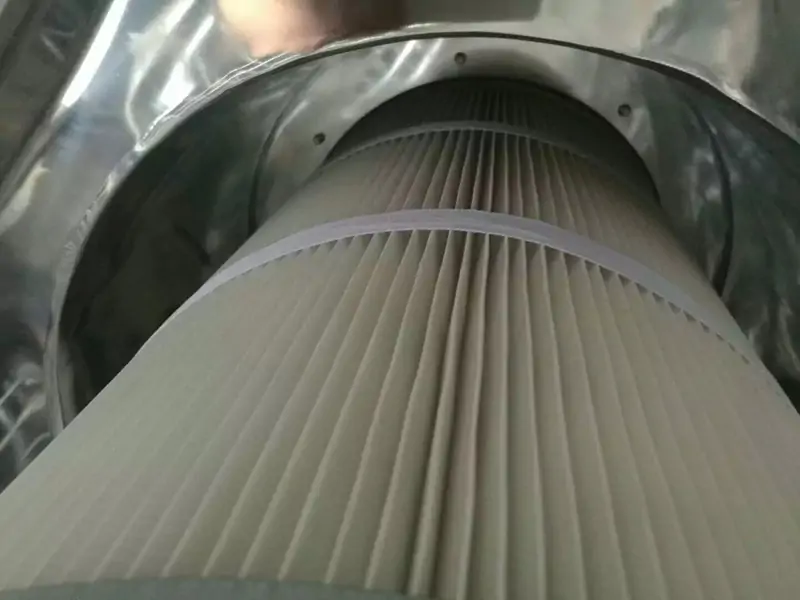
Çalışma sırasında, fan besleme alanından sürekli hava çeker ve torba açma sırasında oluşan tozun filtrasyon alanına doğru hareket etmesini sağlar. Toz içeren hava filtre kartuşlarından geçer ve toz parçacıkları filtre yüzeyinde toplanır. Düzenli pulse temizleme sonrasında, toplanan toz hazneye geri düşer ve ince toz kaybını azaltır.
Eleme ve Alt Akış Taşıma Bağlantısı
Deşarj alanına girdikten sonra, malzemeler topaklanmış malzemeleri ve ambalaj kalıntılarını uzaklaştırmak için titreşimli elekten geçebilir. Elenen malzemeler alt çıkış yoluyla tahliye edilir ve karıştırma ve paketleme gibi sonraki işlemler için vakumlu konveyörlere, helezon konveyörlere veya depolama ekipmanlarına bağlanır.
Manuel torba açmadan itibaren, malzemeler alt akış taşıma ekipmanına girmeden önce besleme haznesinden, eleme alanından ve deşarj çıkışından geçer. Bu, torba boşaltma, toz toplama ve malzeme beslemeyi tek bir sistemde birleştirir. Farklı tozlar parçacık boyutu, nem içeriği ve akışkanlık açısından farklılık gösterir, bu nedenle ekipman konfigürasyonu üç faktöre göre onaylanmalıdır: toz kontrol yöntemi, eleme gereksinimleri ve alt akış bağlantı yöntemi.
Ana Yapı
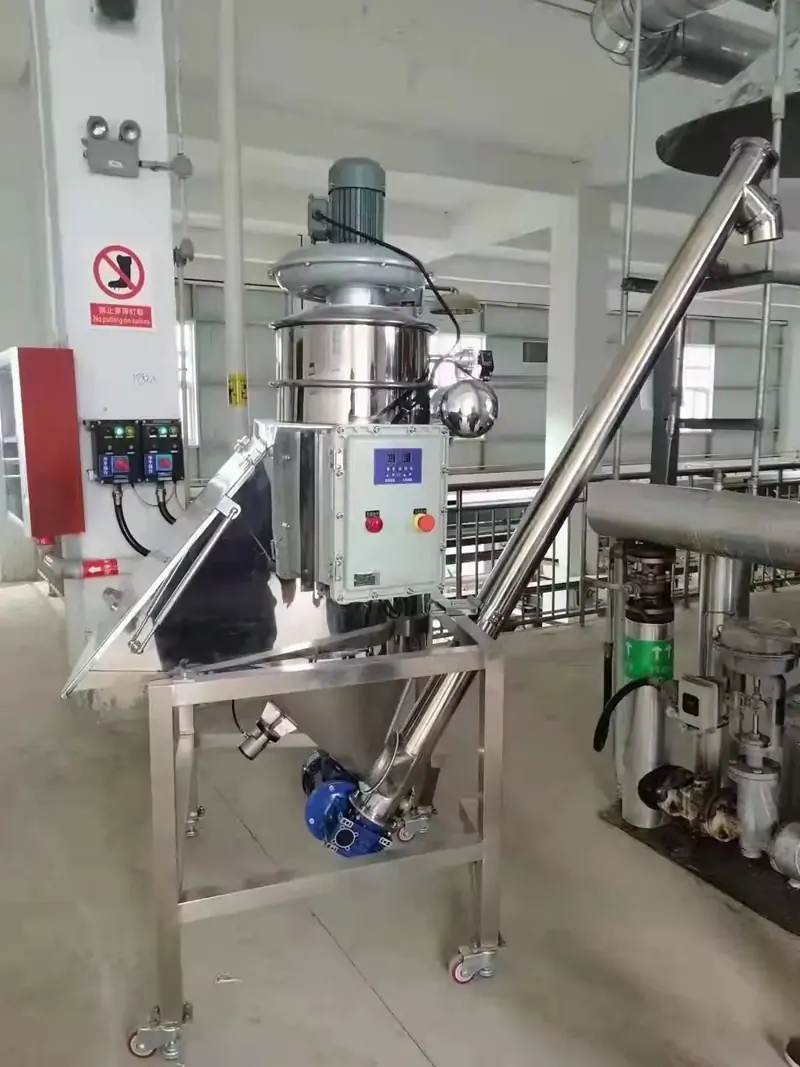
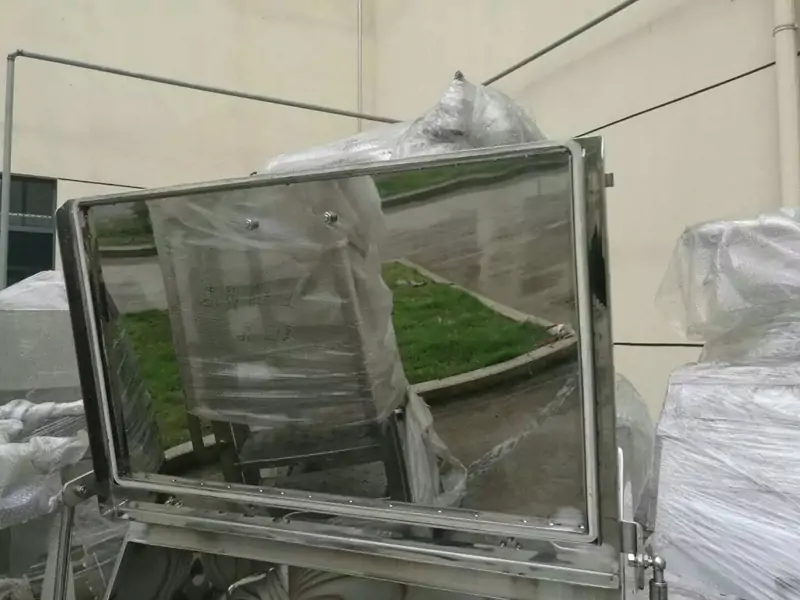
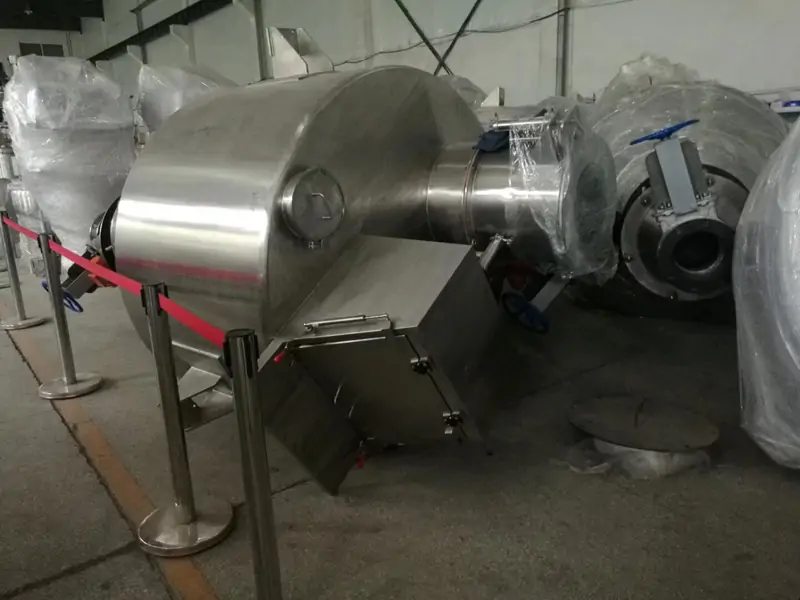
Tozsuz Besleme İstasyonu üç süreç etrafında tasarlanmıştır: manuel torba boşaltma, toz kontrolü ve malzeme taşıma. Ana bileşenler besleme haznesi, toz toplama sistemi ve taşıma bağlantı bölümünü içerir.
Besleme Haznesi ve Eleme Yapısı
Besleme haznesi, manuel torba açma sonrasında toz veya granül malzemeleri alır. Hazne yapısı, çalıştırma yöntemlerine ve kurulum alanına göre ayarlanabilir. Malzemeler bir sonraki prosese girmeden önce topaklanmış malzemeleri, ambalaj kalıntılarını ve yabancı maddeleri uzaklaştırmak için tabana bir titreşimli elek kurulabilir.
Negatif Basınçlı Toz Toplama Sistemi
Negatif basınçlı toz toplama sistemi, Tozsuz Besleme İstasyonu'nda toz dağılımını kontrol etmek için ana bileşendir. Esas olarak bir fan, filtrasyon bileşenleri ve temizleme cihazlarından oluşur. Besleme sırasında, toz içeren hava filtrasyon alanına girer, burada toz parçacıkları toplanır ve temiz hava ekipmandan tahliye edilir. İnce tozlar, neme duyarlı malzemeler ve yüksek değerli tozlar, filtrasyon alanı, filtre tipi ve toz geri kazanım yöntemleri için farklı gereksinimlere sahiptir. Ekipman konfigürasyonu tüm malzemeler için basitçe aynı tasarımı kullanamaz.
Taşıma Bağlantı Yapısı
Ekipmanın tabanı, vakumlu konveyörlere, helezon konveyörlere veya depolama ekipmanlarına bağlanabilen bir malzeme çıkışı ile donatılmıştır. Manuel torba boşaltma sürecini alt akış üretim ekipmanlarına bağlar. Sürekli besleme gerektiren üretim hatları için, çıkış konumunun ve deşarj yönteminin makul tasarımı, ekipman kurulumu ile çalıştırma arasındaki uyumluluğu artırmaya yardımcı olur.
Tozsuz Besleme İstasyonu tüm çalışma koşulları için aynı yapıyı kullanmaz. Örneğin, un ve farmasötik hammaddeler gibi ince toz malzemeler toz filtrasyon kapasitesine daha fazla dikkat edilmesini gerektirirken, reçine peletleri gibi granüler malzemeler besleme hızı ve boşaltma arayüzü tasarımına daha fazla odaklanır. Bu nedenle, ekipman yapısının malzeme özelliklerine göre ayarlanması gerekir.
.
Çözülen Üretim Sorunları
Toz malzemelerin manuel torba boşaltımı sırasında, yaygın sorunlar esas olarak toz dağılımı, malzeme kaybı, yabancı madde kontrolü ve üretim süreciyle bağlantıyı içerir. Tozsuz Besleme İstasyonu bu sorunları kapalı besleme, negatif basınçlı toz toplama, eleme ve taşıma bağlantı tasarımı yoluyla ele alarak besleme sürecinin alt üretim hatlarıyla bağlantısını kolaylaştırır.
Manuel Torba Boşaltımı Sırasında Toz Dağılımının Azaltılması
Toz malzemeler, torba açma ve boşaltma sırasında kolayca anlık toz oluşturabilir; özellikle un, grafit tozu ve farmasötik hammaddeler gibi ince tozlar. Operatörler torbaları açtığında, besleme sırasında oluşan toz ekipmanın yan tarafındaki toz toplama alanına çekilir, kartuşlardan filtrelenir ve doğrudan atölye havasına girmesi engellenir.
İnce Toz Malzeme Kaybının Azaltılması
Hafif tozlar açık besleme sırasında kolayca havaya dağılabilir, çalışma ortamını etkileyebilir ve malzeme kaybına neden olabilir. Filtrasyon sistemi besleme sırasında oluşan tozu toplar ve toplanan toz temizleme sonrası hazneye geri dönebilir, değerli toz malzemelerin kaybını azaltır.
Ambalaj Kalıntılarının Üretim Sürecine Girmesinin Azaltılması
Manuel torba açma sırasında, ambalaj parçaları ve topaklanmış malzemeler alt işleme ekipmanlarına girebilir. Tozsuz Besleme İstasyonu, bu malzemeleri uzaklaştırmak ve karıştırma, paketleme veya diğer üretim süreçlerine giren yabancı maddeleri azaltmak için titreşimli elek ile donatılabilir.
Otomatik Taşıma Ekipmanlarıyla Kolay Bağlantı
Tozsuz Besleme İstasyonunun alt kısmı vakumlu konveyörlere, helezon konveyörlere veya depolama ekipmanlarına bağlanabilir; böylece manuel torba boşaltımı sonrası malzemeler doğrudan bir sonraki prosese girebilir. Sürekli besleme gerektiren üretim hatları için manuel taşımayı azaltabilir ve besleme ile alt ekipman arasındaki bağlantıyı iyileştirebilir.
Tozsuz Besleme İstasyonu Karşılaştırması
Geleneksel manuel torba boşaltımı kullanımı kolaydır, ancak toz malzemeler boşaltma sırasında kolayca toz oluşturabilir, malzeme kaybına ve ambalaj kalıntılarının üretim sürecine girmesine neden olabilir. Tozsuz Besleme İstasyonu, torba boşaltım sürecini merkezi bir şekilde ele almak için kapalı besleme yapısı, negatif basınçlı toz toplama ve eleme tasarımı kullanır; toz dağılımını azaltır ve malzemelerin alt süreçlere daha istikrarlı girmesine yardımcı olur.
| Karşılaştırma Kalemi | Geleneksel Manuel Torba Boşaltımı | Tozsuz Besleme İstasyonu |
| Besleme Yöntemi | Operatörler torbaları açar ve malzemeleri doğrudan hazneye boşaltır. Çalışma alanı nispeten açıktır. | Torba açma ve malzeme besleme kapalı bir besleme alanında gerçekleştirilir. |
| Toz Kontrolü | İnce tozlar boşaltma sırasında kolayca toz oluşturabilir ve manuel temizlik gerektirir. | Negatif basınçlı toz toplama sistemi, toz içeren havayı toplar ve toz kaçışını azaltır. |
| Malzeme Kaybı | Un ve grafit tozu gibi hafif tozlar havaya dağılarak malzeme kaybına neden olabilir. | Toz filtrelenir ve toplanır, ince toz malzemelerin israfı azaltılır. |
| Yabancı Madde Kontrolü | Esas olarak ambalaj ve malzeme koşullarının manuel denetimine dayanır. | Topaklanmış malzemelerin ve ambalaj kalıntılarının üretim sürecine girmesini azaltmak için bir titreşimli elek kurulabilir. |
| Çalışma Ortamı | Besleme alanında toz birikmesi daha olasıdır ve sık temizlik ve bakım gerektirir. | Besleme alanındaki tozu azaltır ve çalışma ortamını iyileştirir. |
| Alt Akış Bağlantısı | Genellikle manuel transfer veya ek ekipman bağlantısı gerektirir. | Sürekli besleme için vakumlu konveyörler, helezon konveyörler ve diğer ekipmanlarla bağlanabilir. |
Uygulama Koşulları
Tozsuz Besleme İstasyonu genellikle aşağıdaki üretim koşulları için uygundur:
- Un, nişasta, grafit tozu ve farmasötik hammaddeler gibi toz oluşumunun yüksek olduğu ince toz malzemelerin manuel torba boşaltımı;
- Toz kaybını azaltması ve hammadde kullanımını iyileştirmesi gereken üretim süreçleri;
- Besleme hijyeni ve çalışma ortamı için daha yüksek gereksinimleri olan gıda, farmasötik, yeni enerji malzemeleri ve diğer endüstriler;
- Topaklanmış malzemeleri veya ambalaj kalıntılarını gidermek için malzemelerin bir sonraki aşamaya girmeden önce elenmesi gereken süreçler;
- Sürekli besleme için vakumlu konveyörler, helezon konveyörler veya diğer ekipmanlarla bağlantı gerektiren üretim hatları.
Tozsuz Besleme İstasyonu basitçe manuel boşaltımın yerini almaz. Torba boşaltma, toz toplama, eleme ve konveyör bağlantısını tek bir besleme sürecinde bütünleştirir. Besleme tozunu azaltma, malzeme kaybını düşürme ve alt akış ekipmanlarıyla bağlantı gerektiren uygulamalar için bu ekipman daha istikrarlı bir besleme yöntemi sunar.
Uygulamalar ve Malzemeler
Torbalı toz malzemelerin manuel torba boşaltımı sırasında toz dağılımı, malzeme kaybı ve ambalaj kalıntılarının sürece girmesi meydana gelebilir. Tozsuz Besleme İstasyonu, manuel besleme, negatif basınçlı toz toplama, titreşimli eleme ve alt akış konveyör bağlantısını tek bir ünitede bütünleştirerek besleme sırasındaki toz salınımını kontrol eder ve üretim hattına girmeden önce malzeme temizliğini iyileştirir.
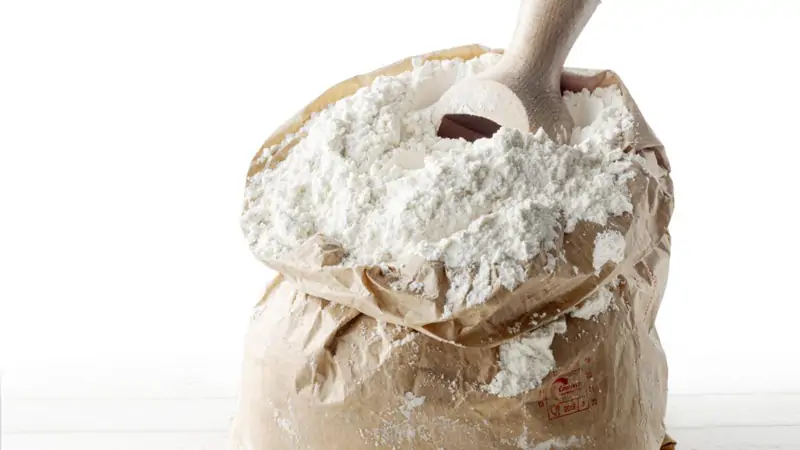 Un
Un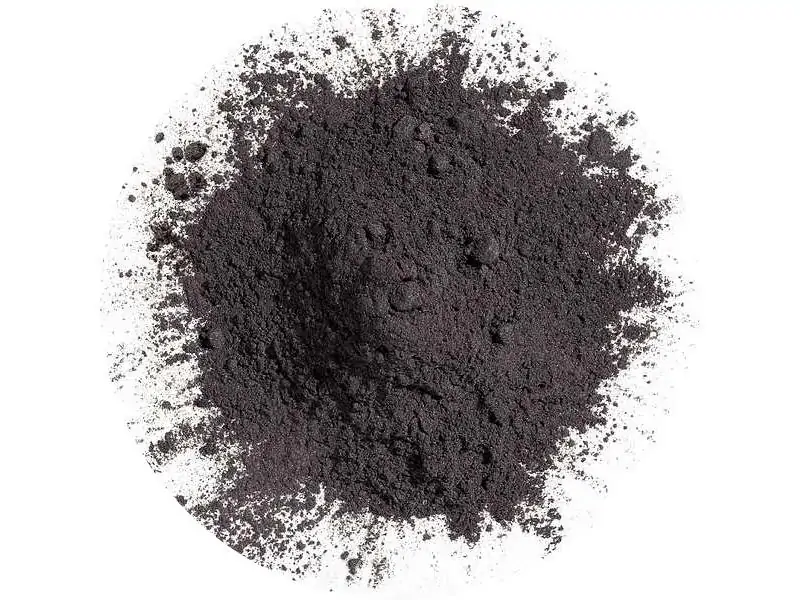 Grafit Tozu
 Reçine Peletleri
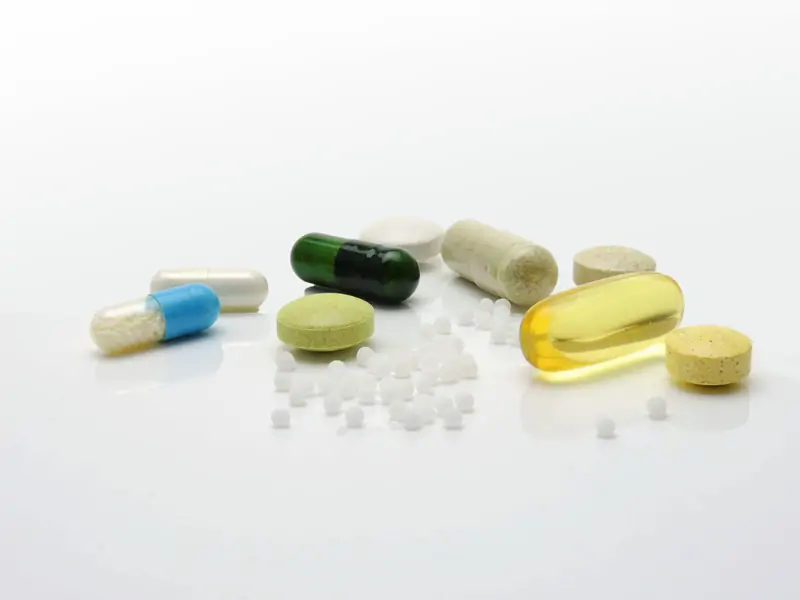 Farmasötik Toz
Malzeme Özellikleri
| Malzeme Türü | Tipik Malzemeler | Besleme Özellikleri | Konfigürasyon Odağı |
| Gıda Tozu | Un, nişasta, şeker tozu, süt tozu, gıda katkı maddeleri | İnce tozlar toz üretmeye kolayca eğilimlidir ve üretim süreçlerinin hijyen gereksinimleri daha yüksektir. | SUS304/316L malzeme, iç temizlik yapısı ve filtrasyon yöntemine odaklanın. |
| Farmasötik Toz | Farmasötik hammaddeler, geleneksel tıp tozu, farmasötik yardımcı maddeler | Yüksek değerli malzemeler, üretim ortamının ve çapraz kontaminasyonun sıkı kontrolünü gerektirir. | Sızdırmazlık tasarımı, hijyenik yapı ve filtrasyon geri kazanım yöntemine odaklanın. |
| Yeni Enerji Tozu | Grafit tozu, lityum demir fosfat, karbon malzemeler | İnce partikül boyutu ve kolay dağılım. Bazı malzemeler ek güvenlik konfigürasyonları gerektirir. | Toz toplama kapasitesi, anti-statik tasarım ve toz geri kazanımına odaklanın. |
| Kimyasal Toz | Reçine tozu, pigmentler, PVC tozu, katalizörler | Geniş malzeme yelpazesi. Bazı malzemeler yapışma veya korozyon sorunları yaşayabilir. | Filtre malzemesi, korozyon koruması ve boşaltma yapısına odaklanın. |
| Granüler Malzemeler | Reçine peletleri, plastik peletler, granüler katkı maddeleri | Tozlardan farklı akış özellikleri, istikrarlı ve sürekli besleme gerektirir. | Eleme konfigürasyonu ve alt akış konveyör bağlantısına odaklanın. |
Ne Zaman Kullanılmamalı
Tozsuz Besleme İstasyonu çoğu torbalı toz ve küçük granüler malzeme için uygundur, ancak bazı özel malzemeler için ekipman yapısının önceden onaylanması gerekir.
- Yüksek nem içeriğine ve güçlü yapışmaya sahip malzemeler boşaltma yapısının ayarlanmasını gerektirir;
- Yanıcı ve patlayıcı tozlar ek patlama korumalı ve anti-statik tasarım gerektirir. İlgili tasarım, aşağıdaki ortamlardaki güvenlik gereksinimlerini dikkate almalıdır: yanıcı toz ortamlar.
- Big bag boşaltma veya büyük ölçekli otomatik besleme sistemleri yeniden tasarlanmış bir sistem çözümü gerektirir.
Tozsuz Besleme İstasyonu seçiminde yalnızca sektör tipi değil, aynı zamanda malzeme özellikleri, besleme yöntemi ve alt üretim süreci de dikkate alınmalıdır. Ancak uygun toz toplama, eleme ve taşıma konfigürasyonları ile besleme süreci komple üretim hattıyla güvenilir şekilde bağlantı kurabilir.
Teknik Parametreler
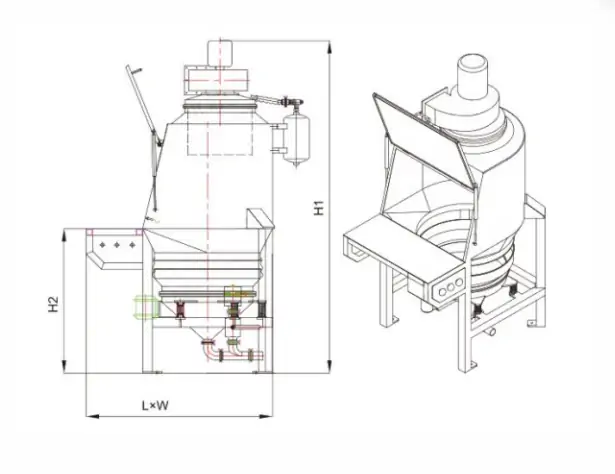
Tozsuz Besleme İstasyonu sabit bir boyuta sahip değildir. Model seçimi esas olarak malzeme özelliklerine, besleme yöntemine ve kurulum alanına bağlıdır. Aşağıdaki parametreler standart modeller için referans değerlerdir. Gerçek ekipman boyutları, eleme konfigürasyonu ve taşıma arayüzleri üretim gereksinimlerine göre ayarlanabilir.
| Model | Ekipman Yüksekliği H1 (mm) | Besleme Yüksekliği H2 (mm) | Uzunluk L (mm) | Genişlik W (mm) | Referans Kapasite |
| JR800 | 2200 | 900 | 1100 | 800 | 1-2 t/s |
| JR1000 | 2200 | 900 | 1100 | 1000 | 2-4 t/s |
Yukarıdaki kapasite değerleri yalnızca referans amaçlıdır. Gerçek kapasite malzeme yoğunluğu, partikül boyutu, akışkanlık ve elek özelliklerinden etkilenir. Ekipman, müşteri kurulum alanına, malzeme özelliklerine ve üretim gereksinimlerine göre özelleştirilmiş tasarımı destekler.
Tozsuz Besleme İstasyonu Nasıl Seçilir?
Tozsuz Besleme İstasyonu seçerken, malzemenin toz üretmeye yatkın olup olmadığı, topaklanma oluşup oluşmadığı ve malzemenin beslemeden sonra doğrudan taşıma veya karıştırma ekipmanına girip girmediği doğrulanmalıdır. Farklı malzemeler toz üretimi, akışkanlık ve taşıma yöntemleri açısından farklılık gösterir; bu da toz toplama, eleme ve bağlantı yapılarına yönelik gereksinimleri etkiler. Gıda tozları genellikle temas malzemeleri ve temizlik yapılarına odaklanır, yeni enerji tozları toz geri kazanımı ve anti-statik tasarıma daha fazla önem verir, granüler malzemeler ise deşarj çıkışı boyutu ve taşıma yönteminin doğrulanmasını gerektirir.
- Yüksek Toz Üretimli İnce Toz Malzemeler
Grafit tozu, farmasötik hammaddeler ve un gibi malzemeler için filtrasyon alanı, toz toplama kapasitesi ve toz geri kazanım yöntemlerine dikkat edilmelidir. Manuel torba boşaltma sırasında toz dağılımını azaltmak için gerektiğinde anti-statik konfigürasyonlar eklenebilir.
- Topaklanmaya Yatkın veya Yabancı Madde İçeren Malzemeler
Gıda katkı maddeleri ve bazı kimyasal tozlar gibi malzemeler için, topaklanmış malzemelerin ve ambalaj kalıntılarının bir sonraki prosese girmesini azaltmak amacıyla titreşimli elek konfigürasyonu ve elek özellikleri dikkate alınmalıdır.
- Granüler Malzemeler
Reçine peletleri ve plastik peletler gibi malzemeler için, stabil besleme ve alt ekipman bağlantısı daha önemlidir. Deşarj arayüzü, taşıma yöntemi ve kurulum alanı doğrulanmalıdır.
Proje iletişimi sırasında, birçok müşterinin başlangıçta yalnızca toz toplama performansına odaklandığını, ancak ekipman çalışma stabilitesinin malzeme akışkanlığı, ambalaj özellikleri ve üretim süreçlerinden de etkilendiğini görüyoruz. Malzeme bilgileri ve proses gereksinimleri sağlandıktan sonra, Jiarui mühendislik ekibi daha uygun bir konfigürasyonun doğrulanmasına yardımcı olabilir.
Özel Konfigürasyon
Tozsuz Besleme İstasyonu'nun yapı konfigürasyonu sabit değildir. Tasarım sırasında önce malzeme özellikleri ve alt proses gereksinimleri doğrulanmalıdır. Malzeme partikül boyutu, akışkanlık, nem içeriği ve toz üretim seviyesi, filtrasyon sistemi, eleme konfigürasyonu ve deşarj arayüzü seçimini doğrudan etkiler. Grafit tozu ve diğer hafif toz malzemeler genellikle toz geri kazanımı ve filtrasyon kapasitesine daha fazla dikkat edilmesini gerektirirken, reçine peletleri ve akışkanlığı iyi olan diğer malzemeler deşarj yöntemleri ve taşıma bağlantılarına daha fazla odaklanılmasını gerektirir.
Jiarui, farklı uygulama gereksinimlerine göre Tozsuz Besleme İstasyonu konfigürasyonlarını ayarlayabilir; bunlar arasında besleme hunisi boyutu, toz toplama sistemi, eleme yapısı, malzeme seçimi ve taşıma arayüzleri yer alır. Mühendislik ekibi, gıda, farmasötik, yeni enerji malzemeleri ve kimyasal işleme gibi sektörlere uygun ekipman yapılarını doğrulamak için malzeme koşullarına, kapasite gereksinimlerine ve üretim gereksinimlerine başvuracaktır.
Tozsuz Besleme İstasyonu özelleştirirken aşağıdaki bilgilerin sağlanması önerilir:
- Malzeme adı ve durumu (toz veya granüler, toz üretmeye veya yapışmaya yatkın olup olmadığı);
- Kapasite gereksinimleri (saat başına besleme miktarı);
- Ambalajlama yöntemi ve manuel besleme yöntemi;
- Alt bağlantılı ekipman (vakumlu konveyör, helezon konveyör vb.);
- Kurulum alanı ve özel gereksinimler (patlama korumalı, hijyenik malzemeler vb.).
Yukarıdaki temel bilgiler sağlandıktan sonra, mühendisler ekipman boyutlarını, fonksiyonel konfigürasyonları ve bağlantı yöntemlerini doğrulayabilir; böylece besleme istasyonu mevcut üretim sürecine kurulabilir.
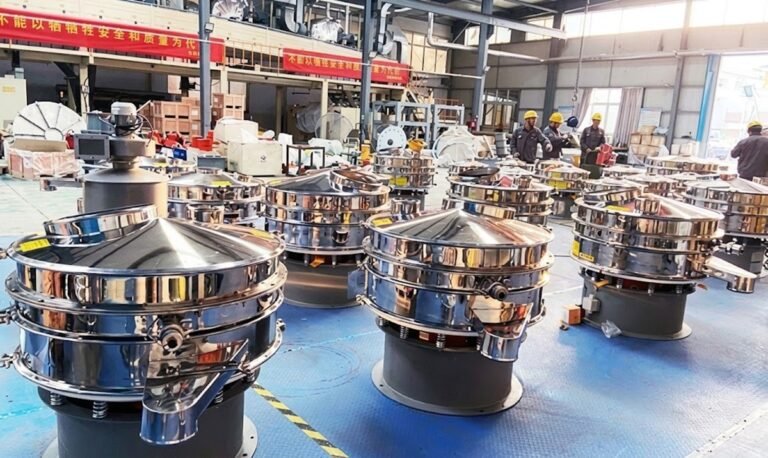
Jiarui Üretim
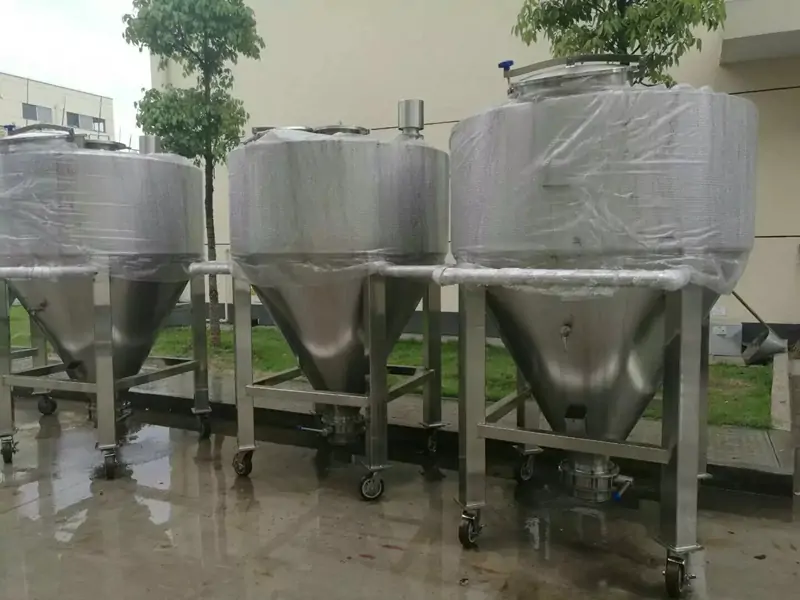
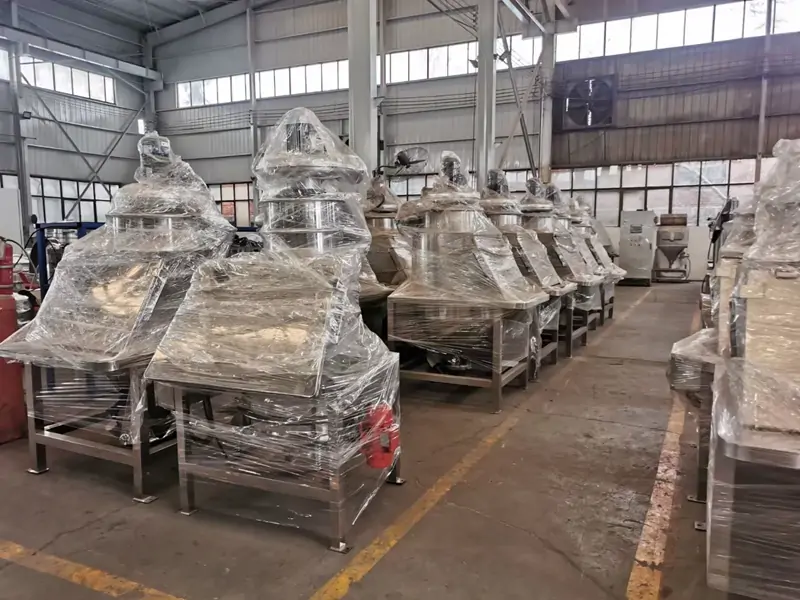
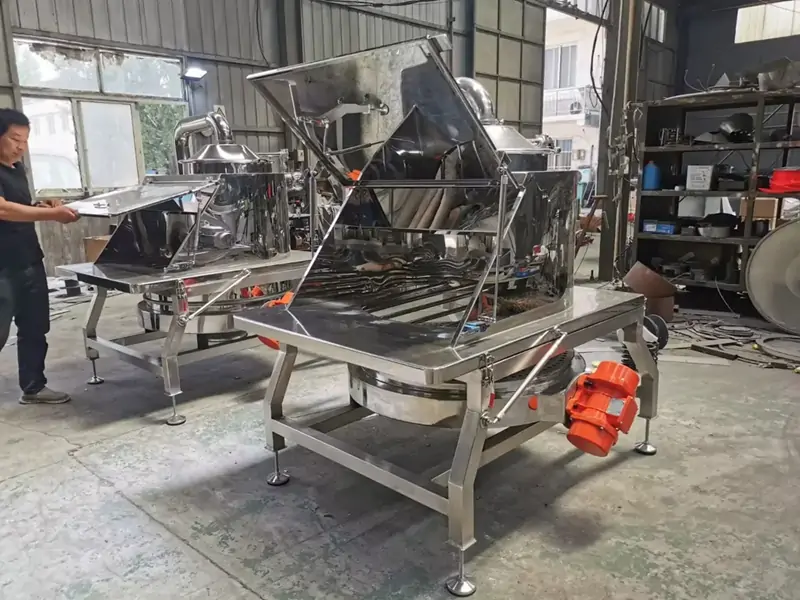
Tozsuz Besleme İstasyonu üretimi yalnızca ekipman dayanımını değil, aynı zamanda toz besleme sırasında sızdırmazlık performansı, toz toplama verimliliği ve malzeme akış koşullarına da dikkat edilmesini gerektirir. Besleme hunisi yapısı, toz toplama portu konumu, filtrasyon sistemi konfigürasyonu ve eleme bileşeni kurulum yöntemi, çalışma sırasında toz kontrolü ve malzeme taşıma performansını etkiler.
Tozsuz Besleme İstasyonları üretirken Jiarui, farklı malzemelere ve uygulama ortamlarına göre ekipman yapısını ayarlar. Gıda ve farmasötik gibi sektörler için temas alanlarının malzeme seçimi, iç yüzey işleme ve temizlik gereksinimlerine odaklanılır. Yeni enerji ve kimya sektörlerindeki ince toz malzemeler için toz toplama, anti-statik konfigürasyon ve toz geri kazanım yöntemlerine odaklanılır.
Tasarım onayından ekipman üretimine kadar, mühendislik ekibi malzeme özellikleri, kapasite gereksinimleri, besleme yöntemleri ve alt taşıma ekipmanına göre besleme hunisi boyutunu, eleme konfigürasyonunu ve bağlantı yapısını ayarlar. Jiarui Tozsuz Besleme İstasyonu özelleştirilmiş tasarımı destekler ve saha koşullarına ve üretim gereksinimlerine göre ayarlanabilir.
SSS
Ücretsiz Danışmanlık Alın
Uzmanlarımızla iletişime geçmek ve uygulamanız için kişiselleştirilmiş öneriler almak için aşağıdaki formu doldurun.