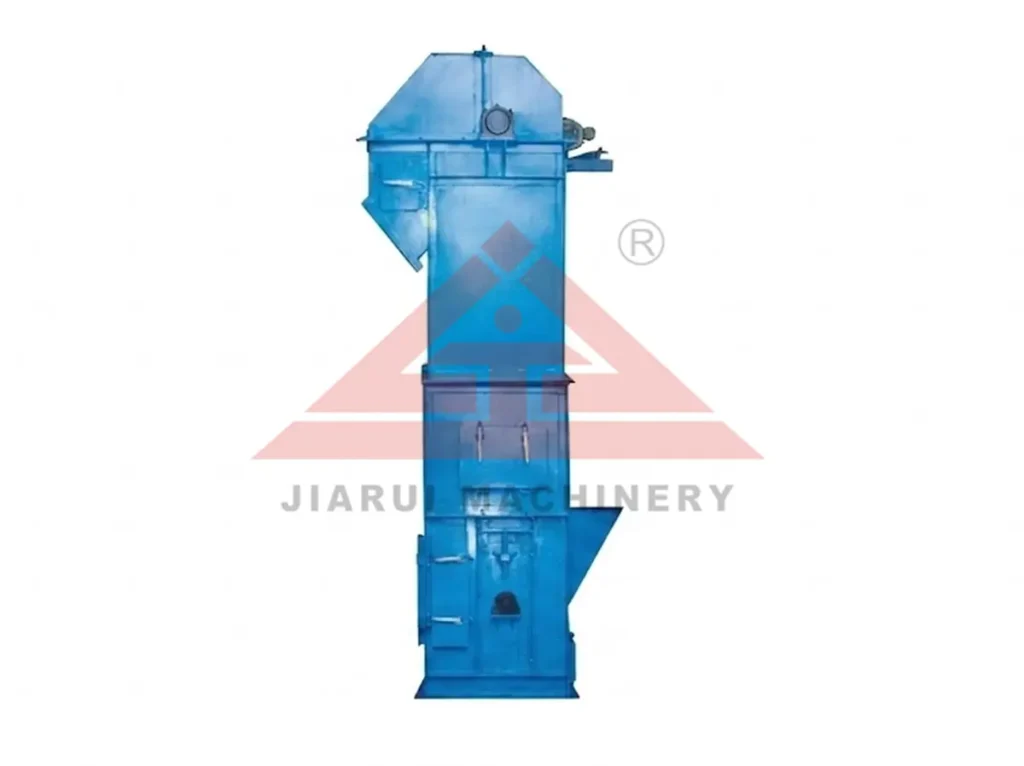
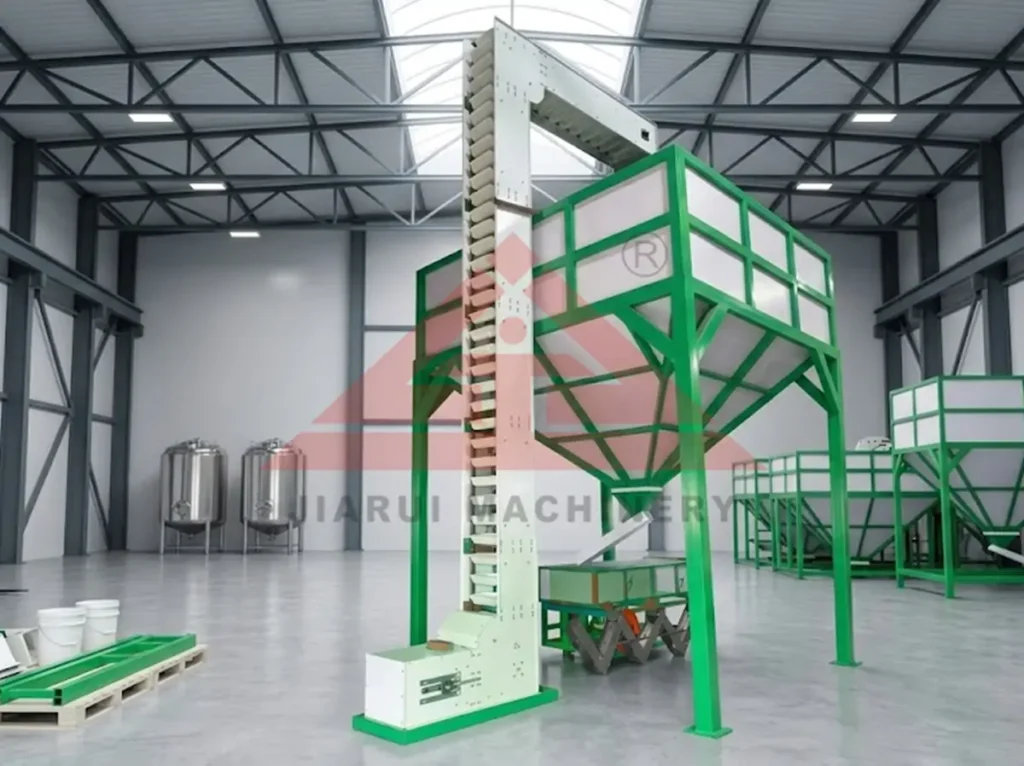
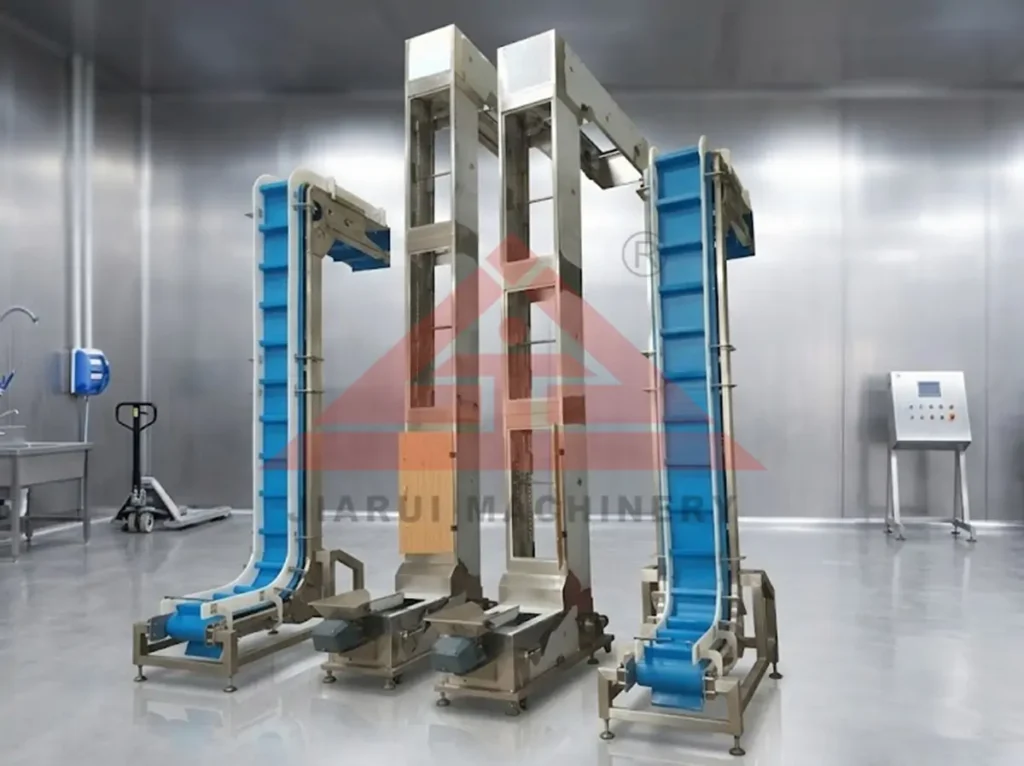
Elevador de Caçambas
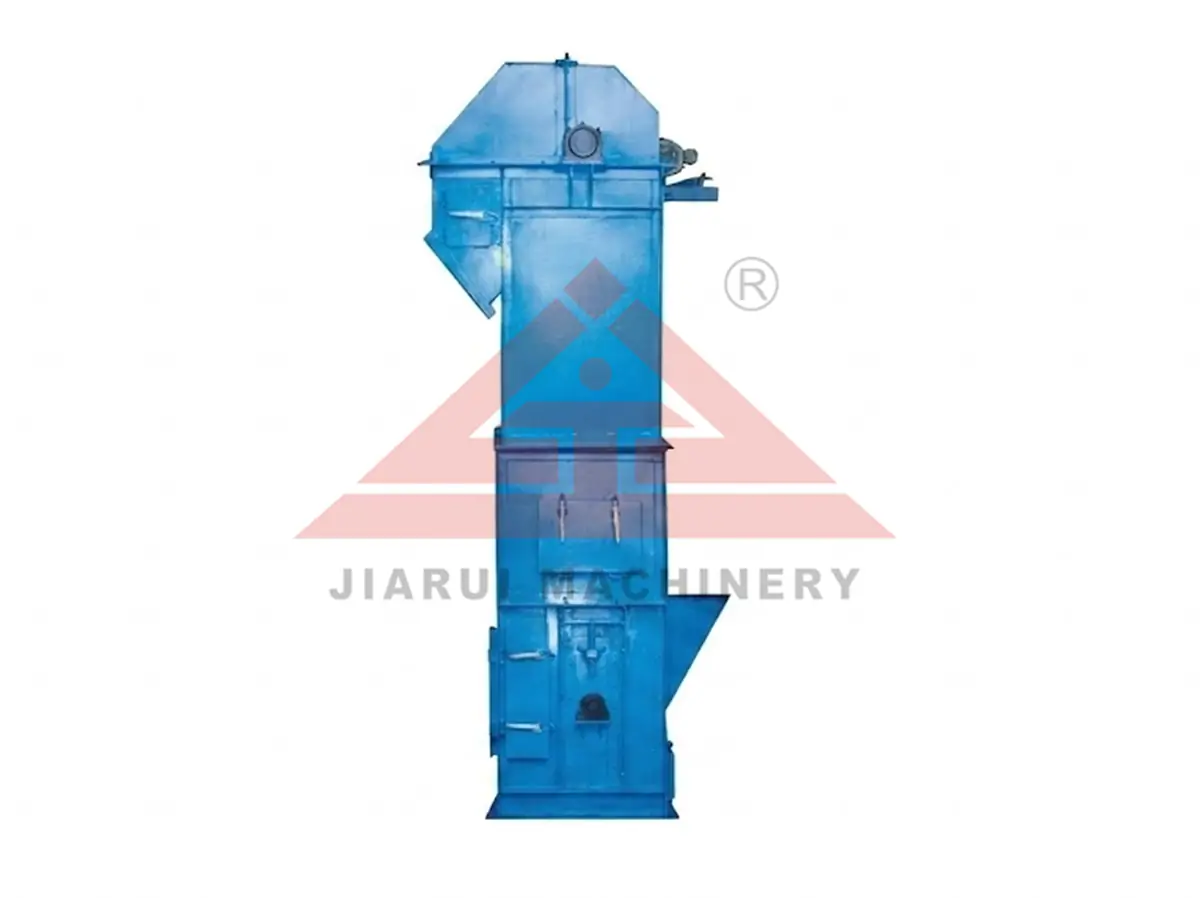
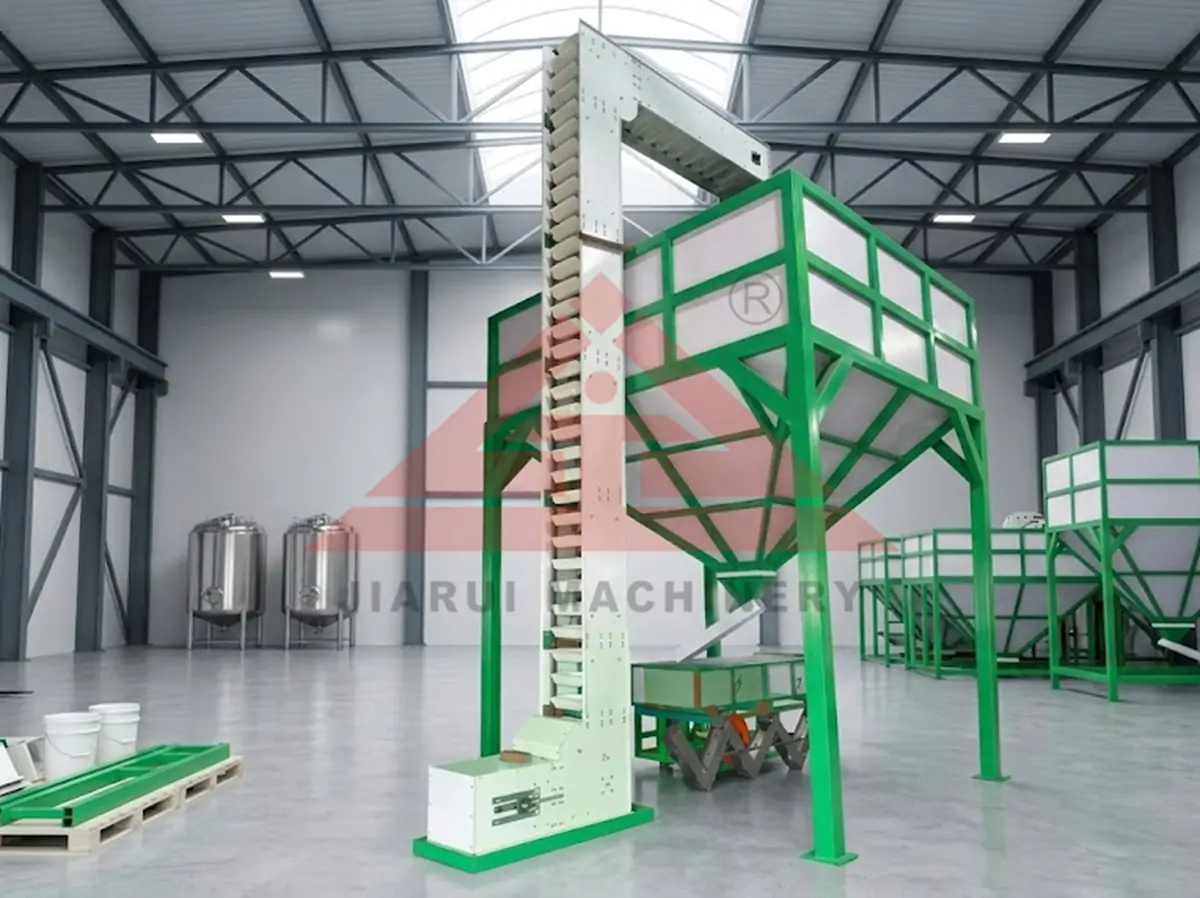
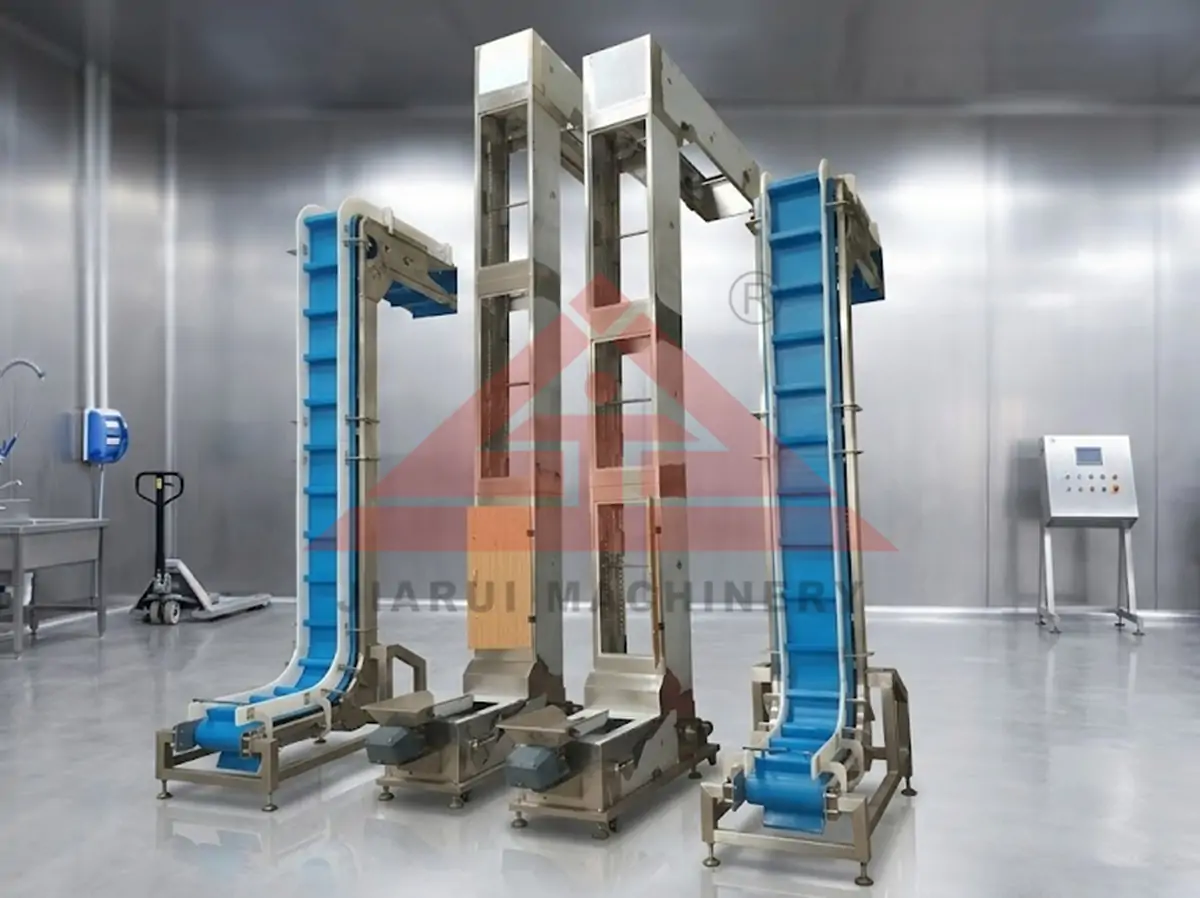
O Transportador de Elevador de Caçambas é um tipo de equipamento de transporte vertical contínuo projetado para elevar materiais em pó, granulados e pequenos materiais a granel. Utilizando caçambas acionadas por correia ou corrente, o equipamento transfere continuamente materiais de uma posição inferior para uma posição superior com operação estável.
O equipamento adota uma estrutura fechada com pegada compacta, tornando-o adequado para processos de produção que exigem transferência vertical de materiais. Jiarui A equipe de engenharia pode personalizar tipos de caçambas adequados, sistemas de acionamento e configurações de equipamento de acordo com as características do material, capacidade de transporte, altura de elevação e condições de instalação no local.
- Método de Elevação: Transporte vertical contínuo
- Capacidade de Transporte: Personalizada de acordo com o material e as condições operacionais
- Altura de Elevação: De alguns metros a dezenas de metros
- Materiais Adequados: Materiais pulverulentos, granulares e de pequeno volume a granel
- Tipos de Estrutura: Tipo correia, tipo corrente e tipo corrente de placas
- Serviço de Personalização: Suporta dimensões, materiais e soluções estruturais personalizados
O que é um Bucket Elevator Conveyor?
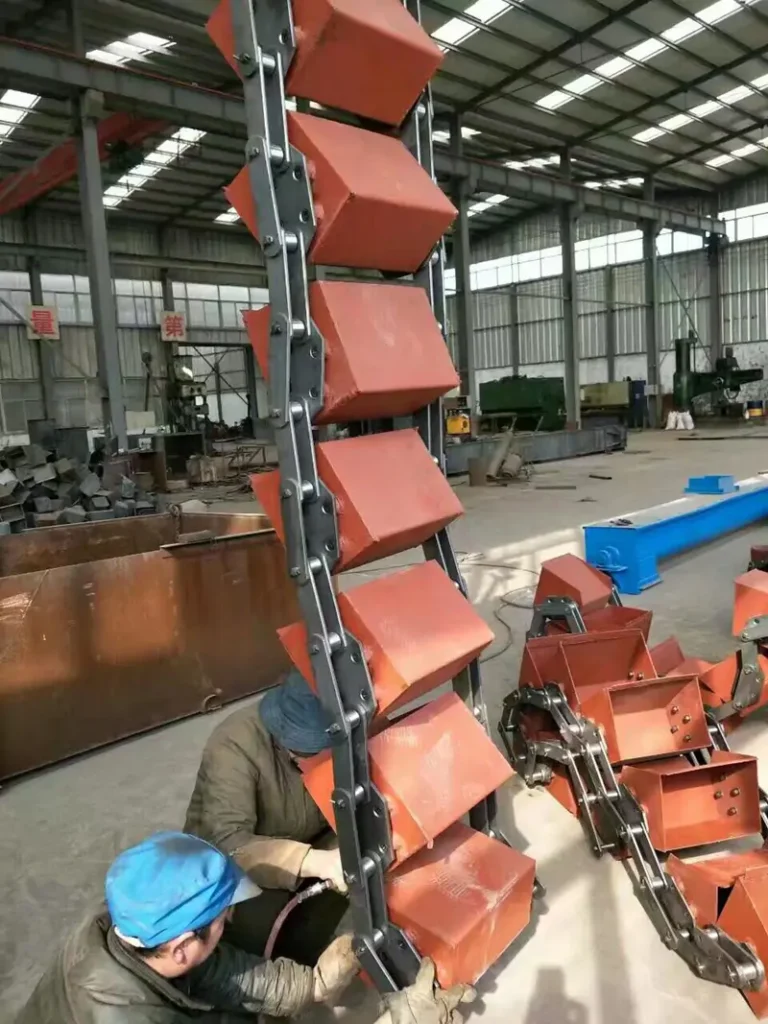
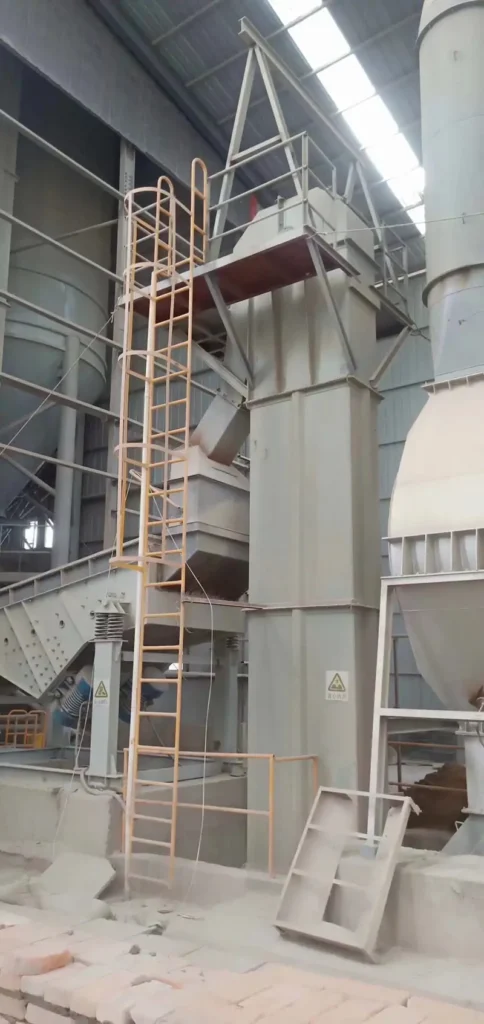
Um Bucket Elevator Conveyor, também conhecido como Elevador de Caçambas ou Máquina Elevadora de Caçambas, é um equipamento de transporte vertical utilizado para elevar materiais a granel. O equipamento utiliza caçambas em circulação contínua para transferir materiais de uma posição inferior para uma posição superior e, em seguida, entregá-los ao próximo processo de produção. Consiste principalmente em caçambas, sistema de correia ou corrente, dispositivo de acionamento, dispositivo de tensionamento e carcaça fechada. Com estrutura simples e operação de elevação contínua, é comumente utilizado em linhas de produção que exigem transferência vertical de materiais, conectando diferentes alturas entre seções de armazenamento, processamento e embalagem.
A seleção de um Bucket Elevator Conveyor depende principalmente das características do material e das condições operacionais do local. Por exemplo, materiais pesados e abrasivos, como minério e clínquer de cimento, exigem maior resistência do equipamento e resistência ao desgaste, enquanto materiais pulverulentos e granulares exigem melhor estabilidade de transporte e controle de poeira. A seleção adequada do método de elevação e da configuração do equipamento pode reduzir problemas de manutenção durante a operação e melhorar a capacidade de operação contínua da linha de produção.
Princípio de Funcionamento
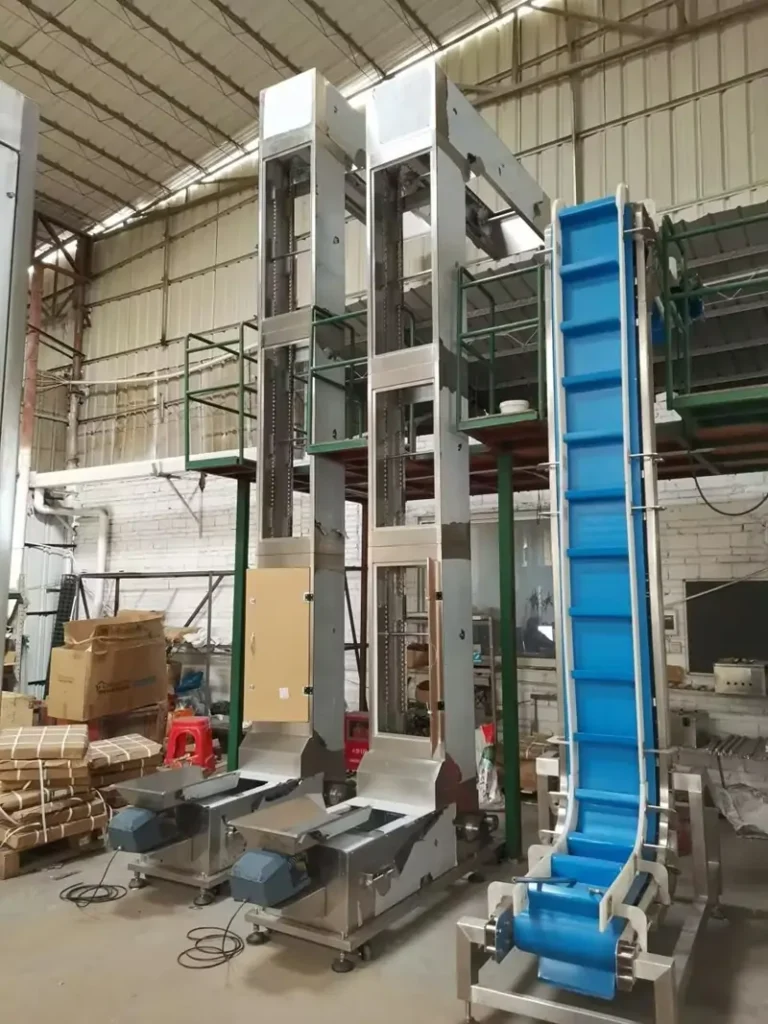
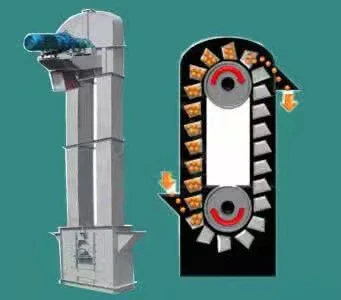
Um Bucket Elevator Conveyor completa a elevação vertical de materiais por meio de caçambas em circulação contínua. Durante a operação, os materiais entram pela entrada inferior e são coletados pelas caçambas em movimento. Acionadas pelo sistema de correia ou corrente, as caçambas movem-se para cima ao longo da carcaça fechada. Após atingir a seção superior, os materiais são descarregados no silo de armazenamento ou no próximo processo de produção, e as caçambas vazias retornam à parte inferior para operação contínua.
Carregamento de Material
Os materiais entram na seção inferior do Bucket Elevator Conveyor através da entrada de alimentação e são coletados pelas caçambas em operação. Diferentes materiais têm diferentes requisitos para o processo de alimentação. Materiais pulverulentos e granulares necessitam de condições de alimentação suaves para garantir operação estável, enquanto materiais pesados, como minério, exigem estruturas de caçamba mais resistentes e melhor resistência ao desgaste.
Elevação Vertical
O motor aciona a correia ou corrente para circular continuamente, movendo as caçambas para cima dentro da carcaça do equipamento. A estrutura fechada ajuda a reduzir o derramamento de material e o vazamento de poeira durante o transporte, mantendo um desempenho de transporte estável.
Descarga de Material
Quando as caçambas atingem a seção superior, os materiais são descarregados por métodos de descarga centrífuga ou por gravidade, de acordo com a estrutura do equipamento e as características do material. Os materiais descarregados entram então em silos de armazenamento ou no próximo processo de produção.
Circulação Contínua
Após concluir a descarga, as caçambas vazias retornam à seção inferior e repetem o processo de carregamento e elevação. Através da operação de circulação contínua, o Bucket Elevator Conveyor pode ser utilizado para aplicações de transporte vertical estável, como transferência de minério, elevação de clínquer de cimento, alimentação de pós e transporte de materiais granulares.
A estabilidade operacional de um Bucket Elevator Conveyor depende principalmente das características do material, da capacidade diária de processamento e das condições de instalação. A seleção adequada do tipo de caçamba, do método de tração e dos parâmetros do equipamento pode melhorar a confiabilidade operacional e reduzir futuras necessidades de manutenção.
Tipos
As estruturas comuns de Bucket Elevator Conveyor incluem o Elevador de Caçambas com Correia, o Elevador de Caçambas com Corrente e o Elevador de Caçambas com Corrente de Placas. As principais diferenças entre esses três tipos são o método de tração e a capacidade de carga. A seleção do equipamento não deve considerar apenas a capacidade de transporte, mas também o peso do material, a abrasividade e as horas diárias de operação.
| Tipo | Características | Aplicações Adequadas |
|---|---|---|
| Elevador de Caçambas com Correia | Operação suave, baixo ruído e manutenção relativamente simples. Adequado para transporte vertical contínuo. | Materiais pulverulentos, materiais granulares e materiais com baixa abrasividade |
| Elevador de Caçambas com Corrente | Estrutura de corrente de alta resistência com forte força de tração e capacidade de carga, adequado para operação pesada. | Minério, clínquer de cimento e outros materiais pesados ou abrasivos |
| Elevador de Caçambas com Corrente de Placas | Utiliza corrente de placas de alta resistência com maior capacidade de carga, adequado para grandes capacidades de transporte e operação contínua. | Materiais de partículas grandes, materiais de alta densidade e linhas de produção de serviço pesado |
Muitos clientes focam apenas na altura de elevação e na capacidade de transporte ao selecionar um Bucket Elevator Conveyor. No entanto, a operação estável de longo prazo geralmente é determinada pelas características do material. Materiais pulverulentos leves exigem melhor vedação e transporte estável, enquanto materiais como minério e clínquer de cimento exigem estruturas mais resistentes e designs resistentes ao desgaste.
Parâmetros Técnicos
As especificações de um Elevador de Caçambas precisam ser dimensionadas de acordo com as características do material, capacidade de transporte, altura de elevação e condições de instalação no local. Diferentes tipos estruturais possuem configurações distintas em tamanho de caçamba, método de tração, sistema de acionamento e capacidade de carga. Os parâmetros a seguir são faixas de configuração comuns. O modelo específico deve ser confirmado de acordo com as condições reais de operação.
| Parâmetro | Faixa Comum |
|---|---|
| Tipo de Equipamento | Elevador de Caçambas com Correia, Elevador de Caçambas com Corrente, Elevador de Caçambas com Corrente de Placas |
| Capacidade de Transporte | 3–800 m³/h (varia conforme modelo, características do material e condições de operação) |
| Altura de Elevação | 5–50 m (pode ser projetado conforme requisitos do local) |
| Volume da Caçamba | 0,65–15 L (configurado conforme modelo do equipamento) |
| Tamanho da Partícula do Material | ≤25–55 mm (ajustado conforme o tipo estrutural) |
| Potência do Motor | Acima de 2,2 kW (configurado conforme a altura de elevação e requisitos de carga) |
| Método de Tração | Correia de borracha, corrente, corrente de placas |
| Material da Carcaça | Aço carbono, aço inoxidável opcional |
| Materiais Adequados | Materiais em pó, materiais granulares e pequenos materiais a granel |
A mesma capacidade de transporte pode exigir configurações de equipamento completamente diferentes para materiais distintos. Por exemplo, materiais de minério exigem maior capacidade de carga e resistência ao desgaste, enquanto materiais em pó exigem mais foco em vedação e operação estável.
Ao transportar materiais de alta densidade e abrasivos, como minério e clínquer de cimento, o sistema de corrente, caçambas e estruturas resistentes ao desgaste geralmente precisam ser reforçados. Para materiais em pó e granulares, como cimento em pó e grãos, deve-se dar mais atenção à vedação do equipamento, estabilidade operacional e redução de perdas de material durante o transporte.
Aplicações
O Transportador Elevador de Caçambas é utilizado principalmente para transferência vertical de materiais em linhas de produção, podendo elevar continuamente materiais em pó, granulares e pequenos materiais a granel. O equipamento geralmente é conectado a silos de armazenamento, processos de britagem, peneiramento, moagem ou embalagem. A configuração real precisa ser determinada conforme as características do material, capacidade de transporte e condições de instalação no local, para evitar problemas como desgaste excessivo, aderência de material ou ajustes de conexão durante a operação.
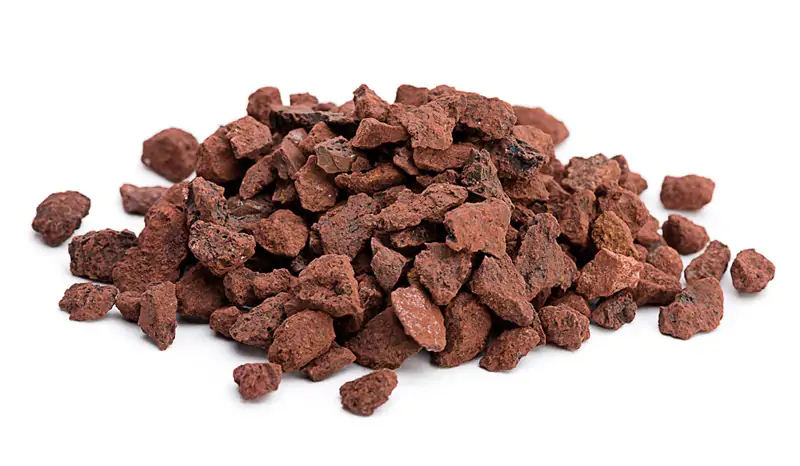 Minério de Ferro
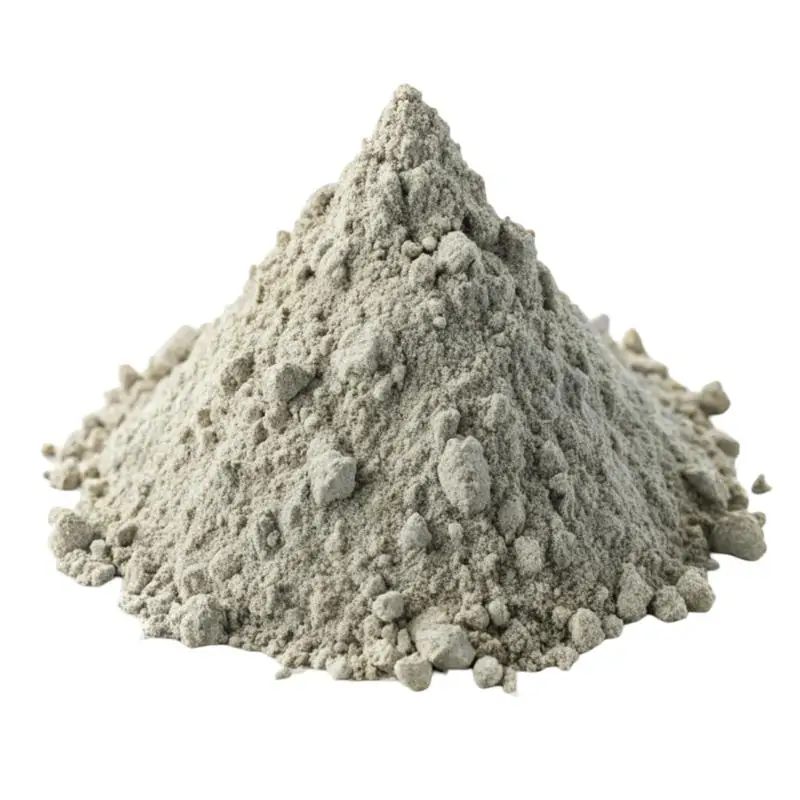 Cimento em Pó
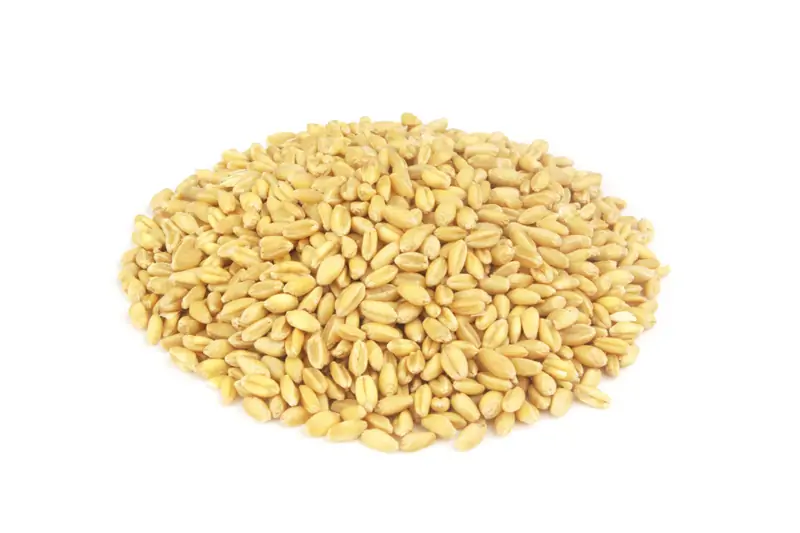 Trigo
Trigo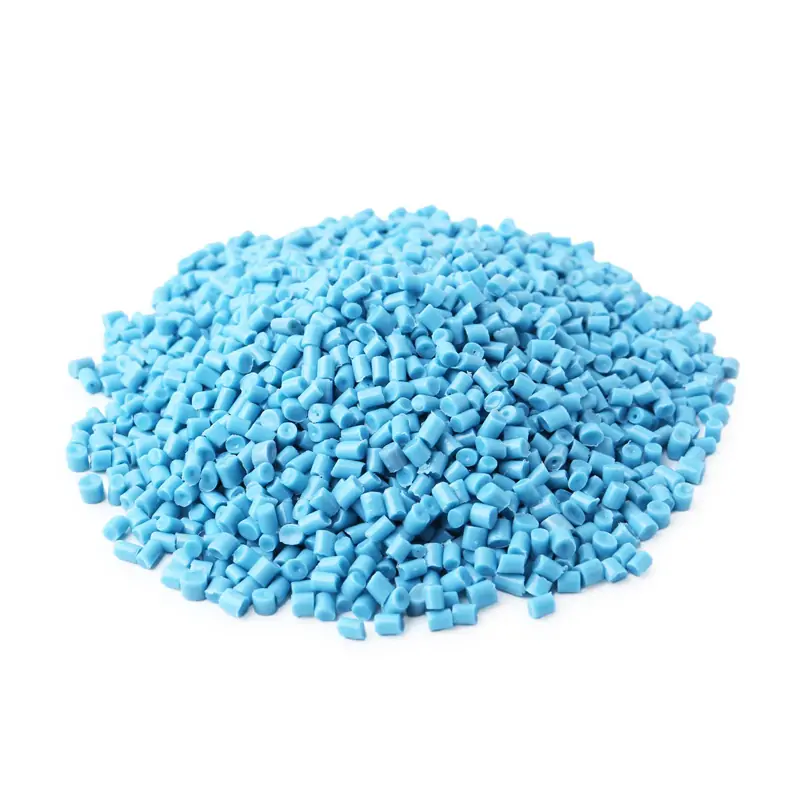 Pellets de Plástico
Cenários Comuns de Aplicação do Transportador Elevador de Caçambas
O Transportador Elevador de Caçambas desempenha diferentes funções em diferentes processos de produção. Mesmo com a mesma altura de elevação e capacidade de transporte, a configuração do equipamento pode variar significativamente dependendo das características do material.
| Processo de Produção | Materiais Comuns | Considerações para Seleção |
|---|---|---|
| Elevação de material após britagem de minério | Minério de ferro, calcário, agregados, pó mineral | Quando os materiais são pesados ou altamente abrasivos, deve-se prestar atenção à resistência das caçambas, capacidade de carga da corrente e configuração resistente ao desgaste |
| Transferência de material em linhas de produção de cimento | Clínquer de cimento, cimento em pó, cinzas volantes | Foco na vedação do equipamento, capacidade de operação contínua e desempenho de controle de poeira |
| Elevação vertical de materiais no processamento de grãos | Trigo, milho, partículas de grãos | É necessário garantir transporte estável e reduzir a quebra de material durante a operação |
| Alimentação para embalagem de materiais em pó e granulares | Grânulos de fertilizante, pellets de plástico, matérias-primas químicas | Considerar a fluidez do material, requisitos do material e métodos de conexão com equipamentos de embalagem |
Para diferentes condições de produção, as prioridades de configuração de um Transportador Elevador de Caçambas não são as mesmas. Materiais de alta densidade e altamente abrasivos geralmente exigem estruturas de carga mais fortes e projetos resistentes ao desgaste, enquanto materiais em pó e granulares leves exigem melhor vedação, operação estável e redução de perdas de material.
Condições que Precisam Ser Confirmadas com Antecedência
Embora o Transportador Elevador de Caçambas tenha uma ampla gama de aplicações, as seguintes condições precisam ser confirmadas antes do projeto do equipamento:
- Materiais com alto teor de umidade e forte aderência: Estruturas antiaderentes devem ser consideradas para evitar afetar o desempenho de descarga.
- Materiais a granel com partículas grandes: O tamanho da alimentação precisa ser confirmado para evitar impacto excessivo nas caçambas.
- Materiais fáceis de quebrar: A velocidade de transporte deve ser adequadamente controlada para reduzir colisões e danos ao material.
- Materiais corrosivos: Materiais adequados e soluções de proteção devem ser selecionados conforme as características do material.
O desempenho operacional de um Transportador Elevador de Caçambas depende não apenas do modelo do equipamento, mas também das propriedades do material e das condições do local. Fornecer informações sobre nome do material, capacidade de processamento, altura de elevação e espaço de instalação pode ajudar a equipe de engenharia da Jiarui a recomendar uma solução estrutural mais adequada.
Vantagens
O Transportador Elevador de Caçambas é utilizado para processos de elevação vertical em linhas de produção. Comparado a equipamentos de transporte inclinado, requer menos espaço de instalação e é adequado para aplicações que exigem alturas de elevação maiores e alimentação contínua de material.
Economia de Espaço
Para fábricas com espaço vertical suficiente, mas layout horizontal limitado, um Transportador Elevador de Caçambas geralmente é mais fácil de instalar em comparação com equipamentos de transporte inclinado de longa distância.
Redução de Vazamento de Poeira
O design da carcaça fechada permite que os materiais sejam elevados e descarregados dentro do equipamento, ajudando a reduzir vazamento de poeira e derramamento de material durante o transporte.
Adequado para Operação Contínua
As caçambas circulam continuamente com o sistema de correia ou corrente, completando os processos de carregamento, elevação e descarga de forma contínua. É adequado para operação de produção de longo prazo.
Adaptável a Diferentes Materiais
O equipamento pode manusear materiais em pó, materiais granulares e pequenos materiais a granel. O tipo de caçamba, método de tração e configuração de material podem ser ajustados conforme as diferentes características do material.
Guia de Seleção
A seleção de um Transportador Elevador de Caçambas precisa ser baseada nas características do material, capacidade de transporte, altura de elevação e condições de instalação no local. Para a mesma capacidade de transporte, diferentes materiais podem exigir diferentes métodos de tração, estruturas de caçamba e configurações de material.
Características do Material
Materiais em pó e granulares geralmente exigem melhor vedação e transporte estável. Materiais como minério e clínquer de cimento, que possuem alta densidade e forte abrasividade, exigem consideração da resistência da corrente, material da caçamba e configurações resistentes ao desgaste.
Capacidade de Transporte e Altura de Elevação
A capacidade de transporte determina o tamanho do equipamento, enquanto a altura de elevação afeta a estrutura do equipamento e a configuração de acionamento. Esses fatores precisam ser considerados em conjunto de acordo com os requisitos de produção. Para transporte horizontal ou inclinado, um Transportador Helicoidal pode ser considerado, enquanto um Transportador de Elevador de Caçambas é utilizado para elevação vertical de materiais.
Condições de Instalação
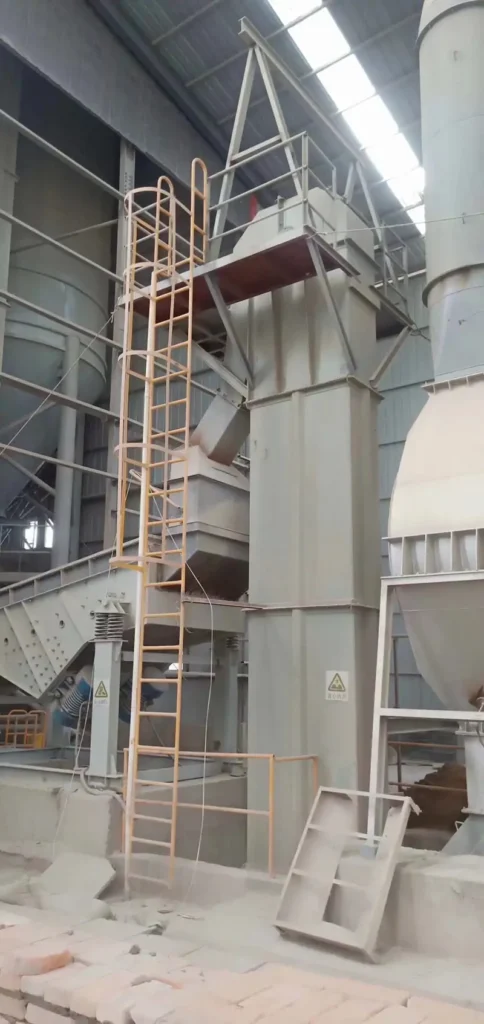
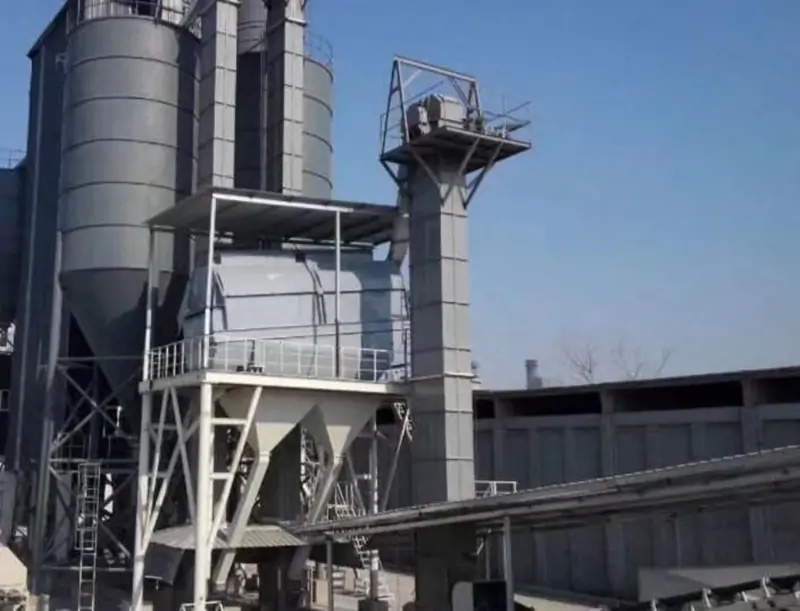
O transportador elevador de caçambas geralmente é conectado a silos de armazenamento, equipamentos de peneiramento, equipamentos de britagem ou sistemas de embalagem. Confirmar antecipadamente as posições de entrada e saída, a altura do equipamento e o espaço de instalação pode reduzir ajustes posteriores.
Requisitos Especiais
Indústrias como processamento de alimentos e produtos químicos podem exigir materiais em aço inoxidável, tratamento anticorrosivo ou requisitos especiais de vedação. Essas condições devem ser confirmadas antes do projeto do equipamento.
Se você não tiver certeza de qual tipo de transportador elevador de caçambas é adequado, forneça o nome do material, a capacidade de transporte, a altura de elevação e as condições de instalação. A equipe de engenharia da Jiarui pode analisar os requisitos reais de aplicação e ajudar a confirmar uma configuração adequada do equipamento.
Personalização
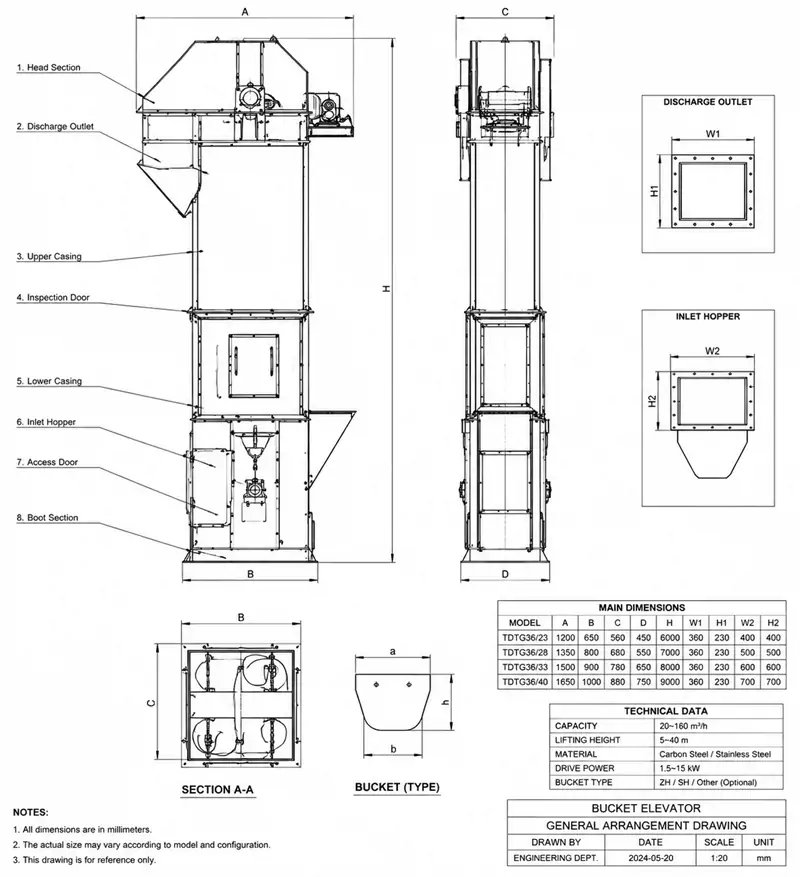
O projeto de uma máquina elevadora de caçambas precisa ser dimensionado de acordo com as condições reais de operação. A altura de elevação, a capacidade de transporte, as características do material e o espaço de instalação afetam a estrutura do equipamento. Em muitos projetos, o desempenho do equipamento não é o principal problema, mas a consideração insuficiente das condições do material e dos requisitos de conexão da linha de produção durante a fase inicial de projeto pode levar a problemas de ajuste posteriores.
A equipe de engenharia da Jiarui concentra-se no peso do material, na abrasividade, nas posições de alimentação e descarga e nos requisitos de operação contínua durante o processo de projeto do equipamento. De acordo com as diferentes condições de trabalho, a equipe pode ajustar os tipos de caçambas, os métodos de tração, as configurações de acionamento e os materiais do equipamento. Por exemplo, materiais de alto desgaste, como minério e clínquer de cimento, exigem projetos mais robustos de suporte de carga e resistência ao desgaste, enquanto materiais em pó e granulares exigem melhor vedação e transporte estável.
Para fornecer uma solução mais adequada de transportador elevador de caçambas, forneça as seguintes informações:
- Nome do material;
- Tamanho das partículas, densidade e características do material;
- Capacidade de transporte necessária por hora;
- Altura de elevação necessária;
- Posições de entrada e saída;
- Espaço de instalação ou requisitos de conexão do equipamento.
Analisaremos esses parâmetros e ajudaremos a determinar uma estrutura e configuração adequadas do elevador vertical de caçambas, reduzindo os custos de ajuste após a instalação.
Fabricação
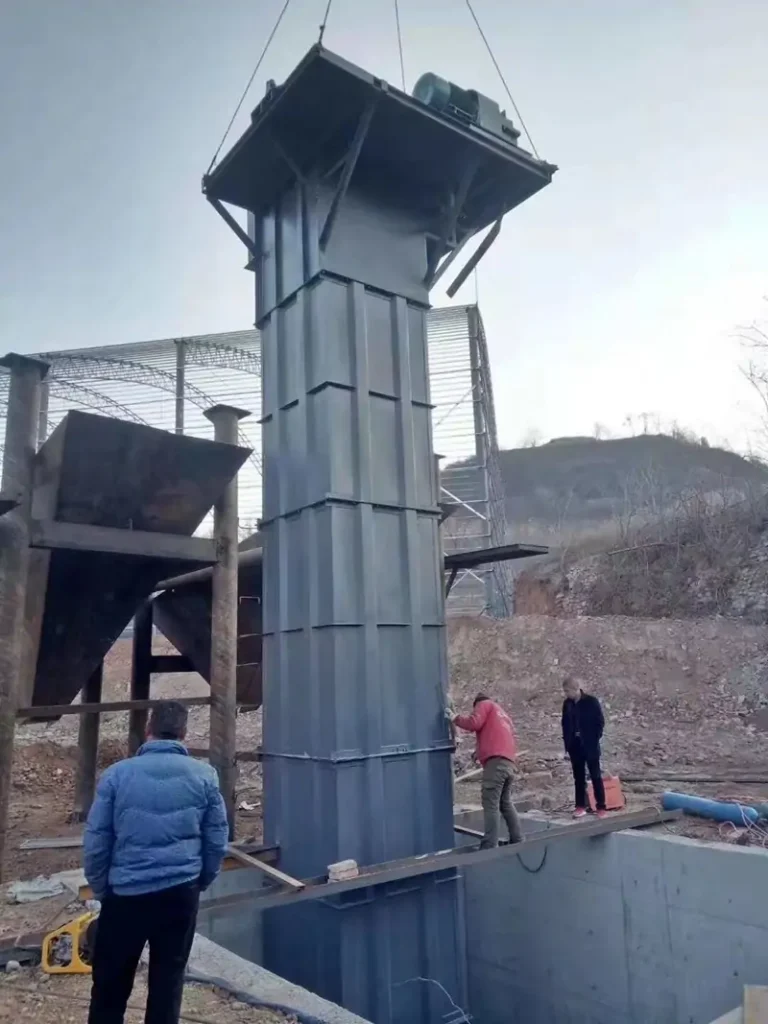
Ao fabricar um transportador elevador de caçambas, observamos que muitos clientes focam principalmente na capacidade de transporte e na altura de elevação na fase inicial. No entanto, a operação estável de longo prazo também depende das características do material, das condições de instalação e dos requisitos de conexão da linha de produção. A mesma capacidade de transporte pode exigir diferentes estruturas de equipamento, projetos de caçambas e configurações de resistência ao desgaste para materiais como minério, clínquer de cimento e materiais em pó. A equipe de engenharia da Jiarui confirma soluções adequadas de acordo com as condições reais de operação e controla os processos críticos, desde o projeto estrutural, fabricação e testes do equipamento, para garantir que o equipamento atenda aos requisitos do local.
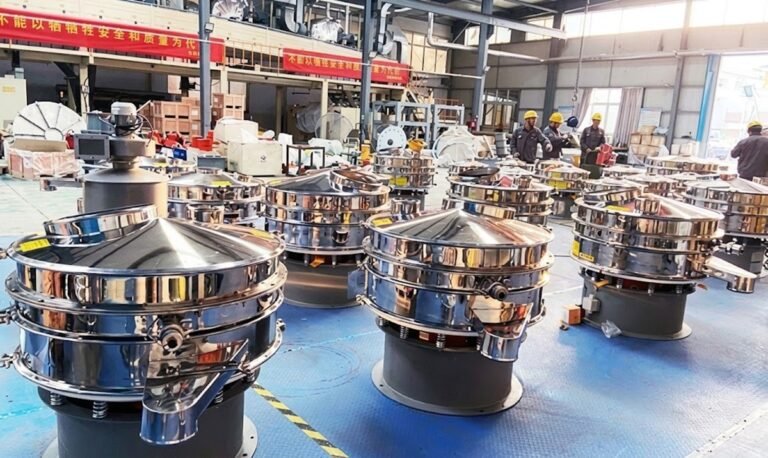
A Xinxiang Jiarui Electromechanical Manufacturing Co., Ltd. foi fundada em 2012 e concentra-se na pesquisa, desenvolvimento e fabricação de equipamentos de peneiramento, transporte, elevação e alimentação. A Jiarui possui equipes de projeto de engenharia e produção que podem ajustar as configurações do equipamento de acordo com diferentes materiais e condições de produção. Desde a confirmação do projeto em CAD, corte de chapas de aço, soldagem do revestimento, instalação das caçambas até a montagem completa e testes do equipamento, a equipe controla os processos críticos de fabricação para garantir que a estrutura do equipamento, a qualidade de fabricação e os requisitos de aplicação estejam adequadamente alinhados. A empresa obteve a certificação ISO9001 do sistema de gestão da qualidade e fornece soluções de equipamentos de transporte para indústrias incluindo alimentos, processamento químico, processamento mineral e materiais de novas energias.
Perguntas Frequentes
Obtenha uma Consultoria Gratuita
Preencha o formulário abaixo para falar com nossos especialistas e receber recomendações personalizadas para sua aplicação.