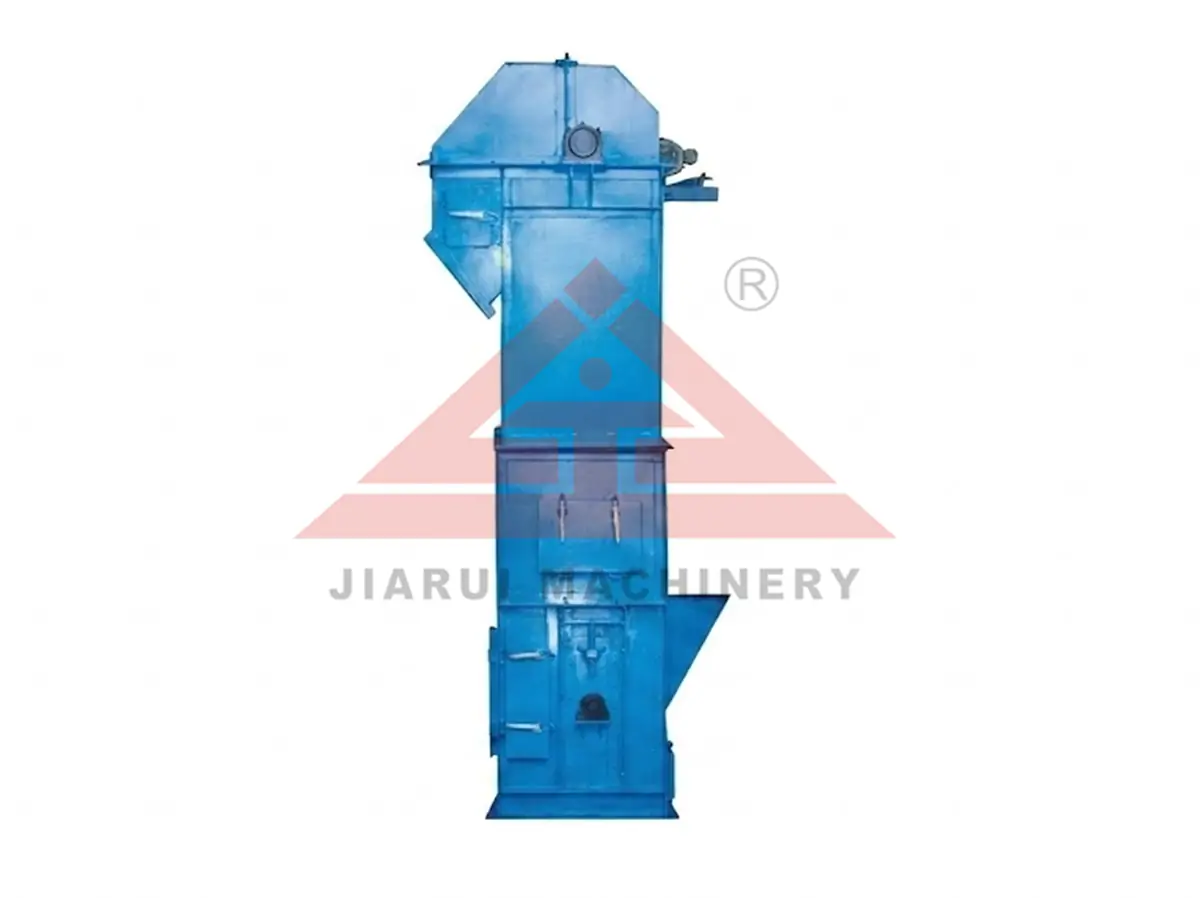
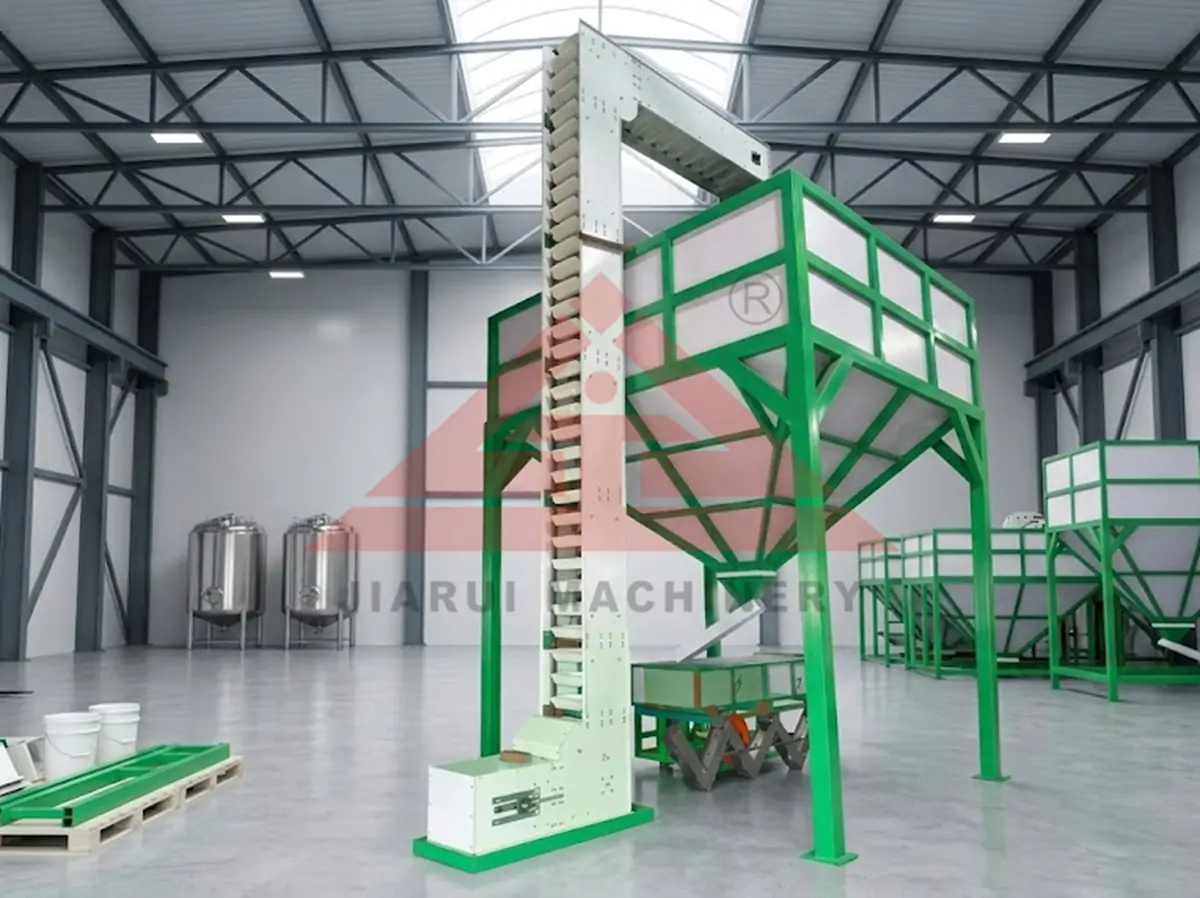
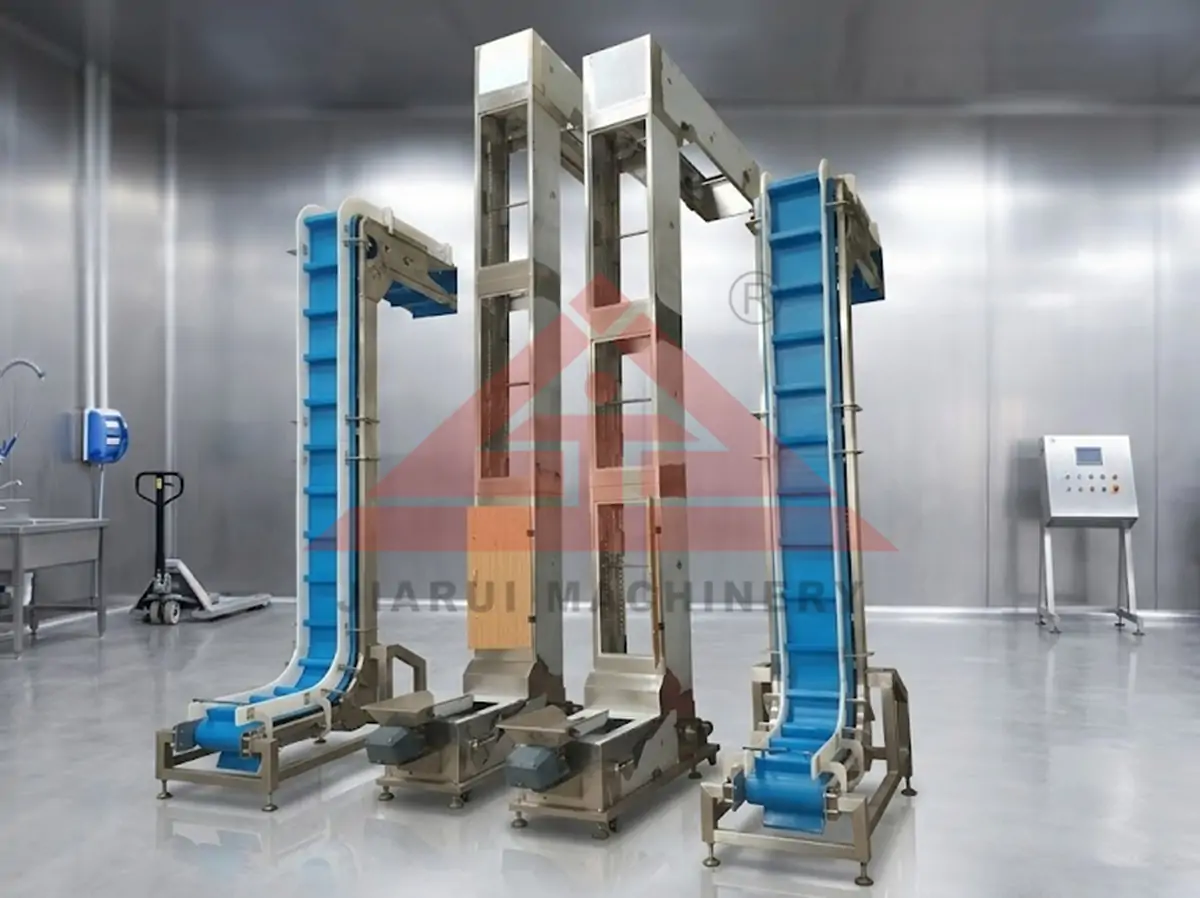
Transportador de Elevador de Cangilones
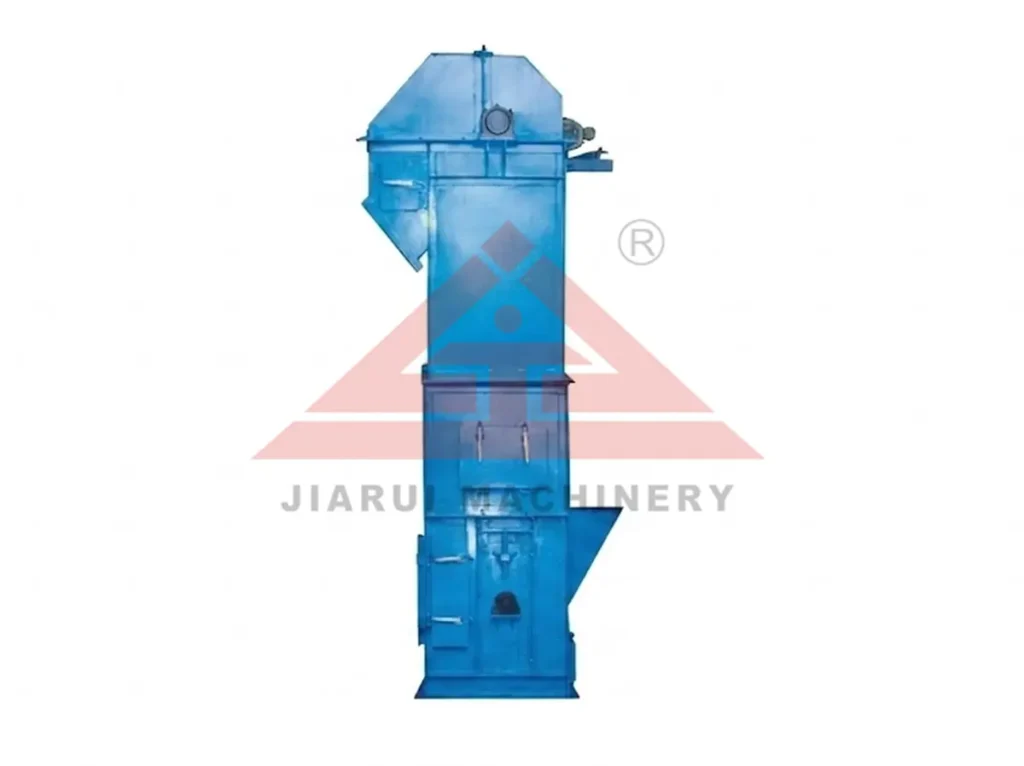
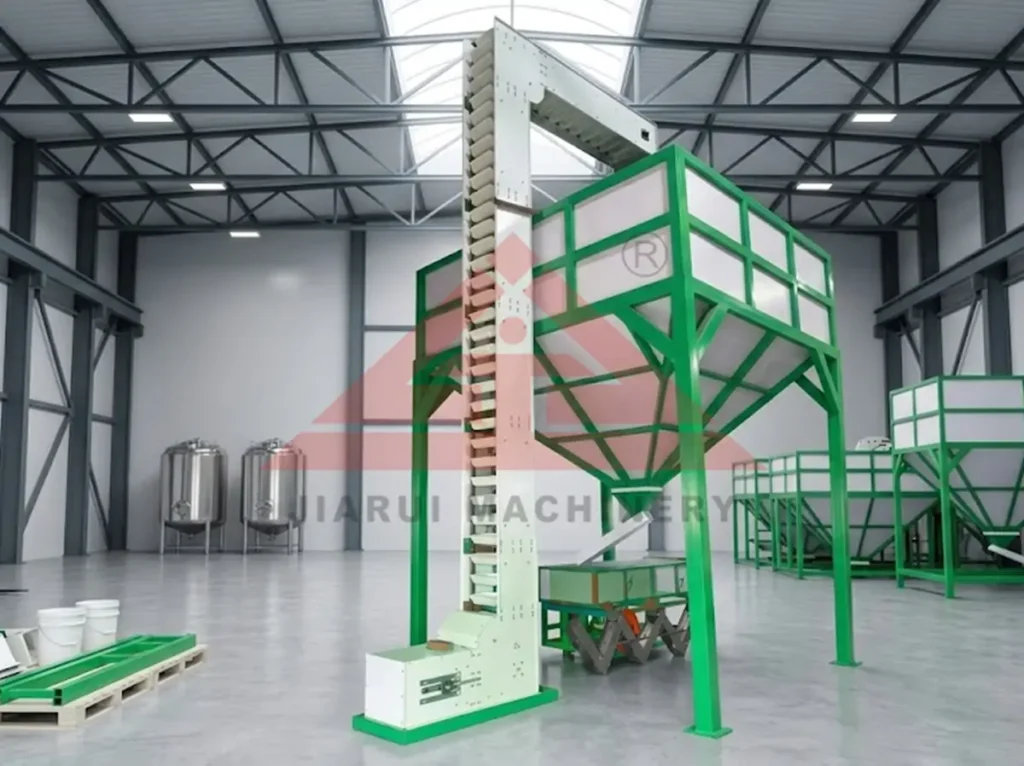
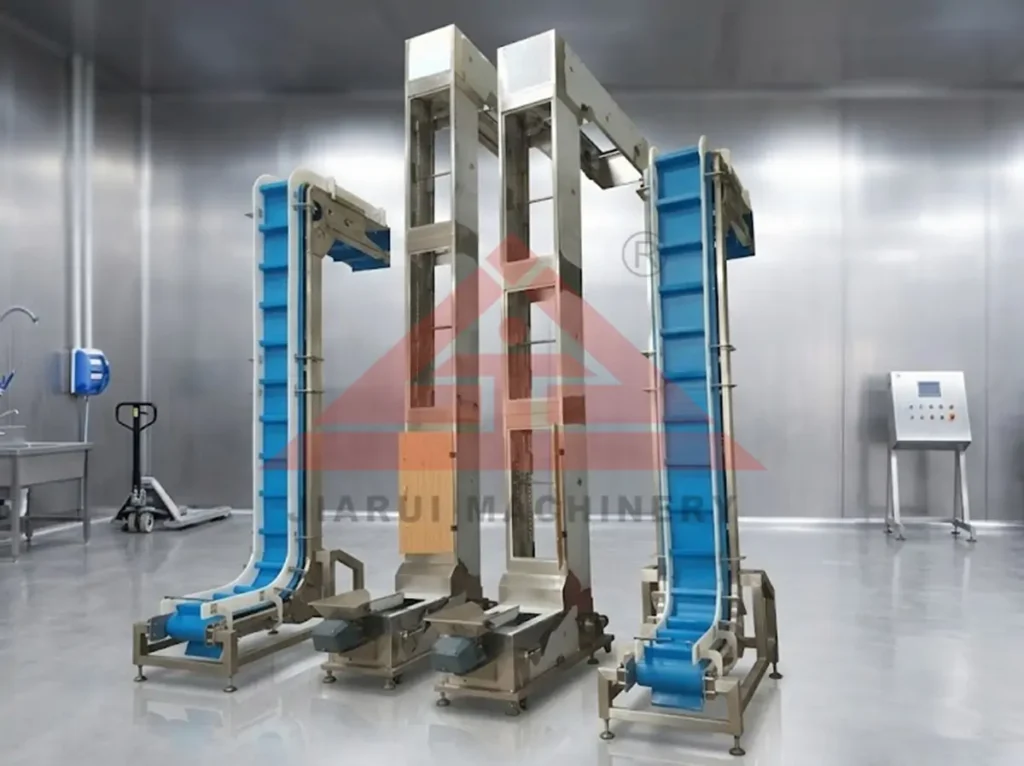
El transportador de elevador de cangilones es un tipo de equipo de transporte vertical continuo diseñado para elevar materiales en polvo, granulares y a granel de pequeño tamaño. Mediante el uso de cangilones accionados por una correa o cadena, el equipo transfiere continuamente materiales desde una posición inferior a una posición superior con un funcionamiento estable.
El equipo adopta una estructura cerrada con una huella compacta, lo que lo hace adecuado para procesos de producción que requieren transferencia vertical de materiales. Jiarui El equipo de ingeniería puede personalizar tipos de cangilones adecuados, sistemas de accionamiento y configuraciones de equipo según las características del material, la capacidad de transporte, la altura de elevación y las condiciones de instalación en el sitio.
- Método de Elevación: Transporte vertical continuo
- Capacidad de Transporte: Personalizado según el material y las condiciones de operación
- Altura de Elevación: De varios metros a decenas de metros
- Materiales Adecuados: Materiales pulverulentos, granulares y pequeños materiales a granel
- Tipos de Estructura: Tipo de banda, tipo de cadena y tipo de cadena de placas
- Servicio de Personalización: Se admiten dimensiones, materiales y soluciones estructurales personalizadas
¿Qué es un Elevador de Cangilones?
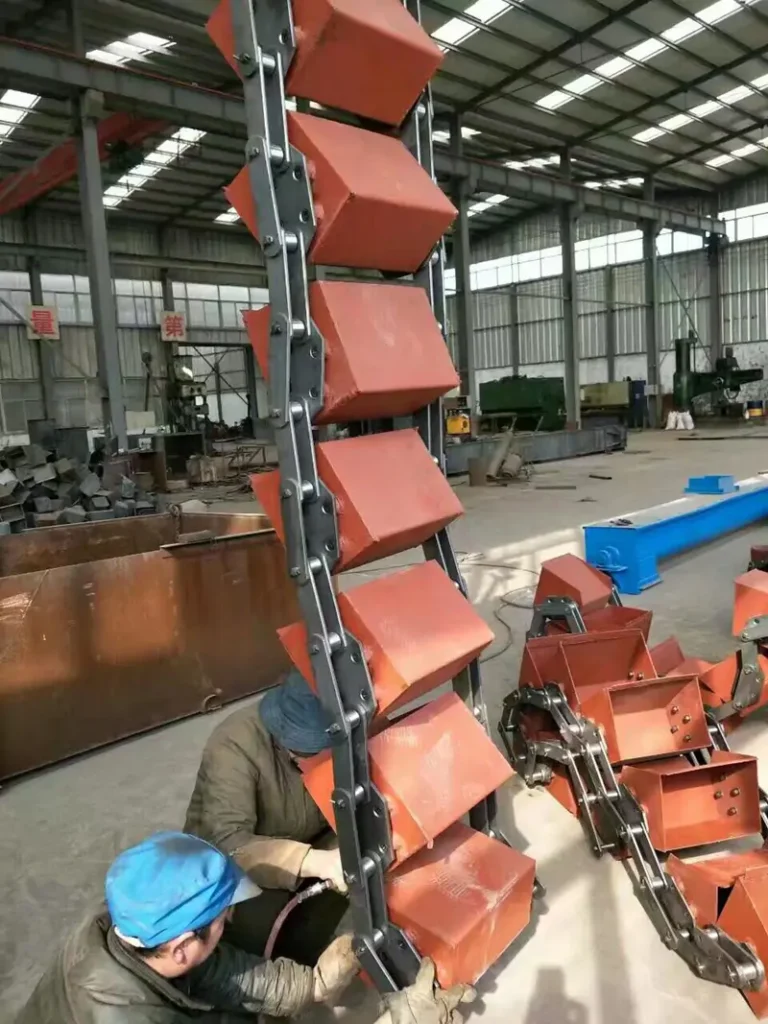
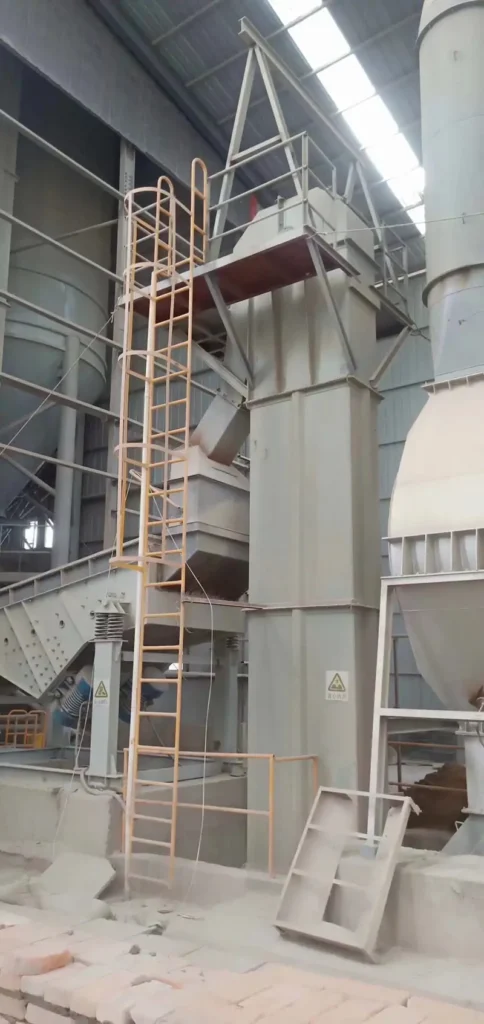
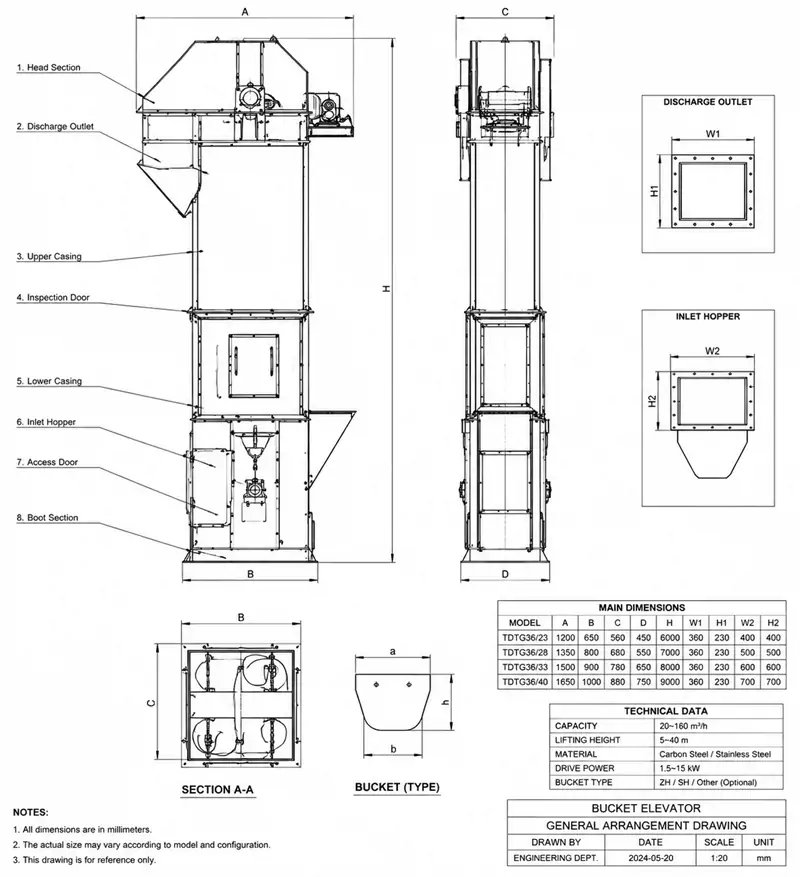
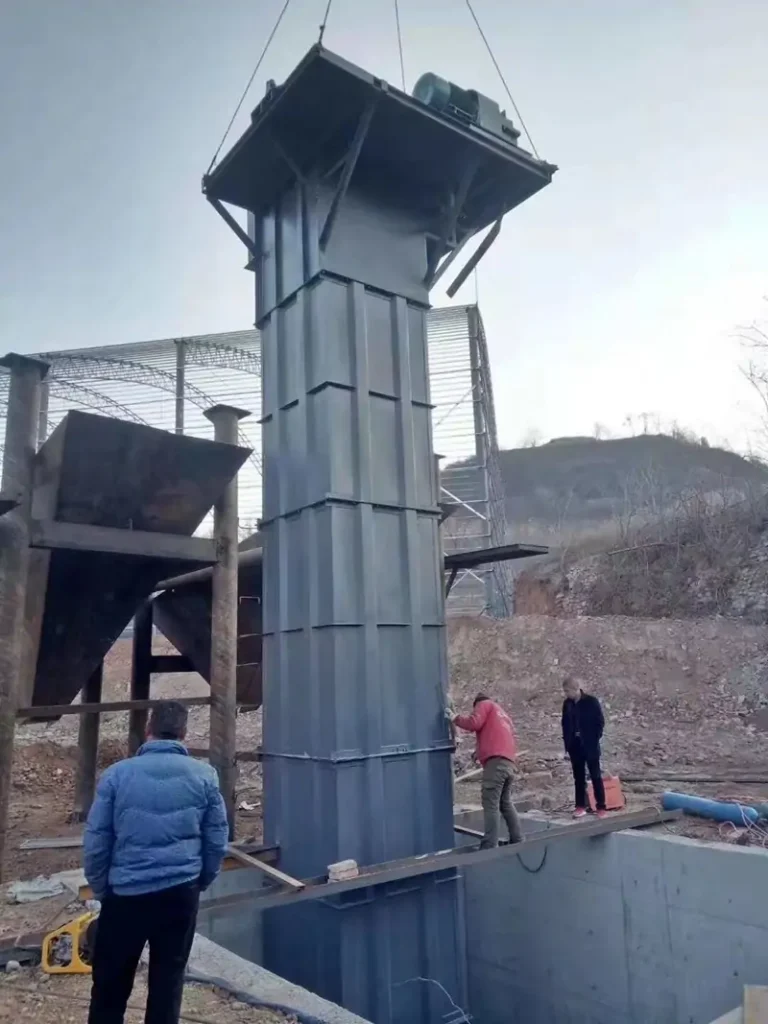
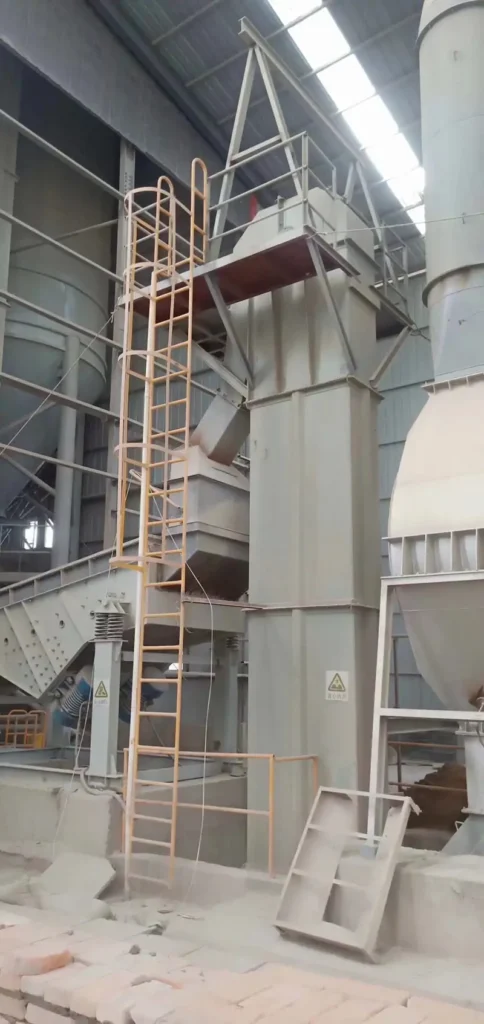
Un Elevador de Cangilones, también conocido como Elevador de Cangilones o Máquina Elevadora de Cangilones, es un equipo de transporte vertical utilizado para elevar materiales a granel. El equipo utiliza cangilones en circulación continua para transferir materiales desde una posición inferior a una posición superior y luego entregarlos al siguiente proceso de producción. Consiste principalmente en cangilones, sistema de banda o cadena, dispositivo de accionamiento, dispositivo de tensado y carcasa cerrada. Con una estructura simple y operación de elevación continua, se utiliza comúnmente en líneas de producción que requieren transferencia vertical de materiales, conectando diferentes alturas entre las secciones de almacenamiento, procesamiento y envasado.
La selección de un Elevador de Cangilones depende principalmente de las características del material y las condiciones operativas del sitio. Por ejemplo, materiales pesados y abrasivos como mineral y clínker de cemento requieren mayor resistencia del equipo y resistencia al desgaste, mientras que los materiales pulverulentos y granulares requieren mejor estabilidad de transporte y control de polvo. La selección adecuada del método de elevación y la configuración del equipo puede reducir problemas de mantenimiento durante la operación y mejorar la capacidad de funcionamiento continuo de la línea de producción.
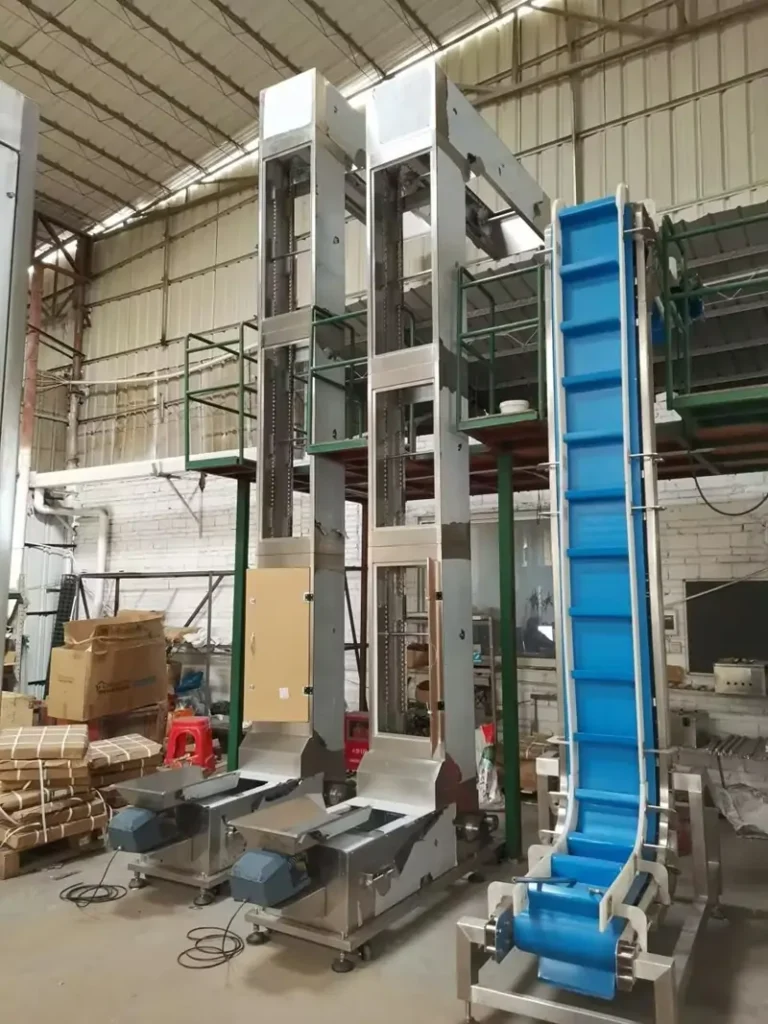
Principio de Funcionamiento
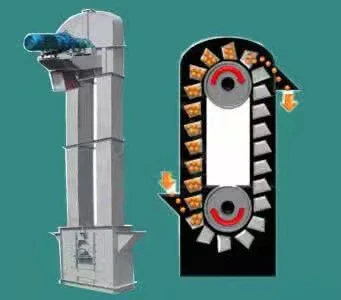
Un Elevador de Cangilones completa la elevación vertical de materiales mediante cangilones en circulación continua. Durante la operación, los materiales entran por la entrada inferior y son recogidos por los cangilones en movimiento. Impulsados por el sistema de banda o cadena, los cangilones se mueven hacia arriba a lo largo de la carcasa cerrada. Después de alcanzar la sección superior, los materiales se descargan en el silo de almacenamiento o en el siguiente proceso de producción, y los cangilones vacíos regresan a la parte inferior para continuar la operación.
Carga de Materiales
Los materiales entran en la sección inferior del Elevador de Cangilones a través de la entrada de alimentación y son recogidos por los cangilones en funcionamiento. Diferentes materiales tienen diferentes requisitos para el proceso de alimentación. Los materiales pulverulentos y granulares necesitan condiciones de alimentación suaves para garantizar una operación estable, mientras que materiales pesados como el mineral requieren estructuras de cangilones más resistentes y mejor resistencia al desgaste.
Elevación Vertical
El motor acciona la banda o cadena para circular continuamente, moviendo los cangilones hacia arriba dentro de la carcasa del equipo. La estructura cerrada ayuda a reducir el derrame de material y la fuga de polvo durante el transporte, manteniendo un rendimiento de transporte estable.
Descarga de Materiales
Cuando los cangilones alcanzan la sección superior, los materiales se descargan mediante métodos de descarga centrífuga o por gravedad según la estructura del equipo y las características del material. Los materiales descargados luego entran en silos de almacenamiento o en el siguiente proceso de producción.
Circulación Continua
Después de completar la descarga, los cangilones vacíos regresan a la sección inferior y repiten el proceso de carga y elevación. Mediante la operación de circulación continua, el Elevador de Cangilones puede utilizarse para aplicaciones de transporte vertical estable, como transferencia de mineral, elevación de clínker de cemento, alimentación de polvos y transporte de materiales granulares.
La estabilidad operativa de un Elevador de Cangilones depende principalmente de las características del material, la capacidad de procesamiento diaria y las condiciones de instalación. La selección adecuada del tipo de cangilón, el método de tracción y los parámetros del equipo puede mejorar la confiabilidad operativa y reducir los requisitos de mantenimiento futuros.
Tipos
Las estructuras comunes de Elevador de Cangilones incluyen el Elevador de Cangilones de Banda, el Elevador de Cangilones de Cadena y el Elevador de Cangilones de Cadena de Placas. Las principales diferencias entre estos tres tipos son el método de tracción y la capacidad de carga. La selección del equipo no solo debe considerar la capacidad de transporte, sino también el peso del material, la abrasividad y las horas de operación diarias.
| Tipo | Características | Aplicaciones Adecuadas |
|---|---|---|
| Elevador de Cangilones de Banda | Operación suave, bajo nivel de ruido y mantenimiento relativamente simple. Adecuado para transporte vertical continuo. | Materiales pulverulentos, materiales granulares y materiales con baja abrasividad |
| Elevador de Cangilones de Cadena | Estructura de cadena de alta resistencia con fuerte fuerza de tracción y capacidad de carga, adecuado para operación de servicio pesado. | Mineral, clínker de cemento y otros materiales pesados o abrasivos |
| Elevador de Cangilones de Cadena de Placas | Utiliza cadena de placas de alta resistencia con mayor capacidad de carga, adecuado para gran capacidad de transporte y operación continua. | Materiales de partículas grandes, materiales de alta densidad y líneas de producción de servicio pesado |
Muchos clientes se centran solo en la altura de elevación y la capacidad de transporte al seleccionar un Elevador de Cangilones. Sin embargo, la operación estable a largo plazo generalmente está determinada por las características del material. Los materiales pulverulentos ligeros requieren mejor rendimiento de sellado y transporte estable, mientras que materiales como mineral y clínker de cemento requieren estructuras más resistentes y diseños resistentes al desgaste.
Parámetros Técnicos
Las especificaciones de un elevador de cangilones deben seleccionarse de acuerdo con las características del material, la capacidad de transporte, la altura de elevación y las condiciones de instalación en el sitio. Los diferentes tipos estructurales tienen configuraciones distintas en cuanto al tamaño del cangilón, el método de tracción, el sistema de accionamiento y la capacidad de carga. Los siguientes parámetros son rangos de configuración comunes. El modelo específico debe confirmarse según las condiciones operativas reales.
| Parámetro | Rango Común |
|---|---|
| Tipo de Equipo | Elevador de cangilones de banda, elevador de cangilones de cadena, elevador de cangilones de cadena de placas |
| Capacidad de Transporte | 3–800 m³/h (varía según el modelo, las características del material y las condiciones operativas) |
| Altura de elevación | 5–50 m (se puede diseñar según los requisitos del sitio) |
| Volumen del cangilón | 0,65–15 L (configurado según el modelo del equipo) |
| Tamaño de partícula del material | ≤25–55 mm (ajustado según el tipo estructural) |
| Potencia del motor | Superior a 2,2 kW (configurado según la altura de elevación y los requisitos de carga) |
| Método de tracción | Banda de goma, cadena, cadena de placas |
| Material de la carcasa | Acero al carbono, acero inoxidable opcional |
| Materiales adecuados | Materiales en polvo, materiales granulares y materiales a granel de pequeño tamaño |
La misma capacidad de transporte puede requerir configuraciones de equipo completamente diferentes para distintos materiales. Por ejemplo, los materiales minerales requieren mayor capacidad de carga y resistencia al desgaste, mientras que los materiales en polvo se centran más en el sellado y la operación estable.
Al transportar materiales de alta densidad y abrasivos como mineral y clínker de cemento, generalmente es necesario reforzar el sistema de cadena, los cangilones y las estructuras resistentes al desgaste. Para materiales en polvo y granulares como cemento en polvo y granos, se debe prestar más atención al sellado del equipo, la estabilidad operativa y la reducción de pérdidas de material durante el transporte.
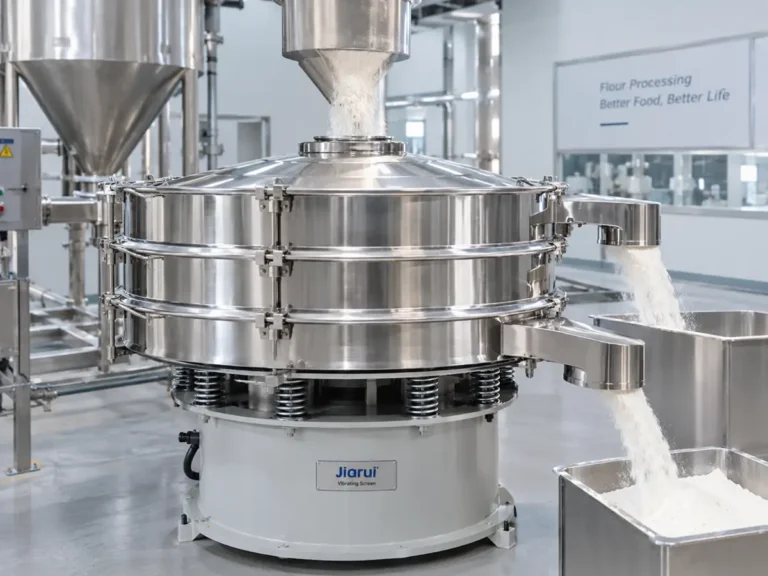
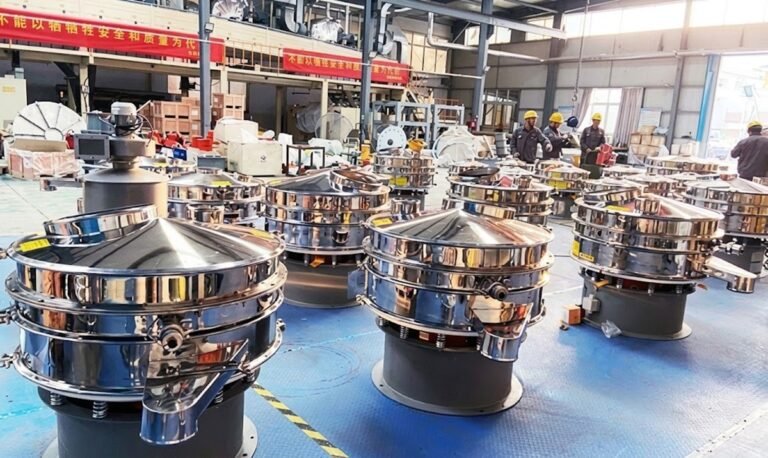
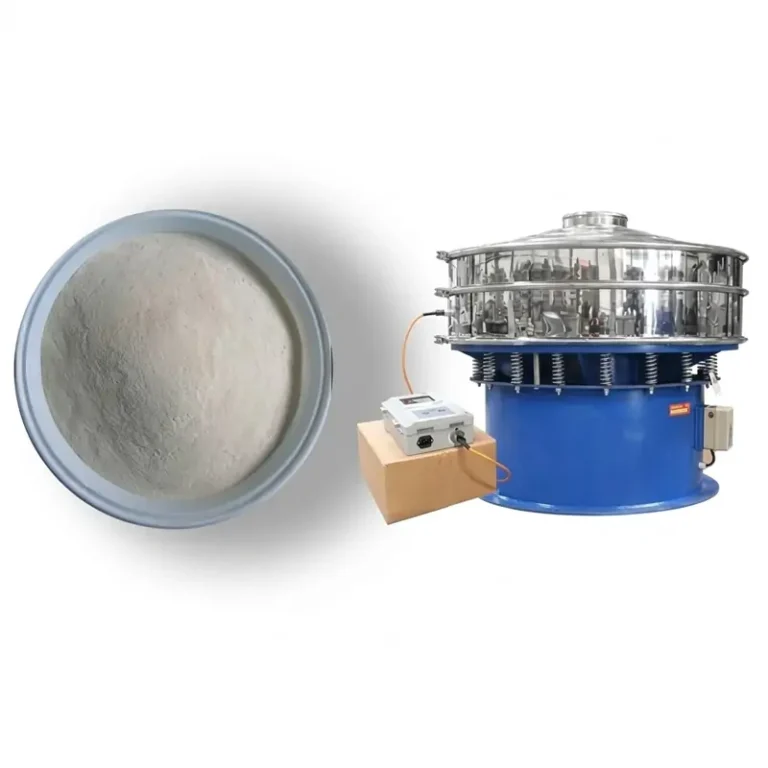
La criba vibratoria Jia Rui se utiliza para tamizar, clasificar y eliminar impurezas de materiales granulares y en polvo, así como para la eliminación de impurezas y filtración de materiales líquidos. Puede utilizarse en combinación con equipos de transporte como alimentadores de vacío y tolvas de alimentación con tornillo sinfín para formar una línea de producción integrada de cribado y transporte, mejorando significativamente la eficiencia de producción. Es compatible con todas las industrias y tiene una amplia gama de aplicaciones, como en las industrias alimentaria, química, farmacéutica, minera y de
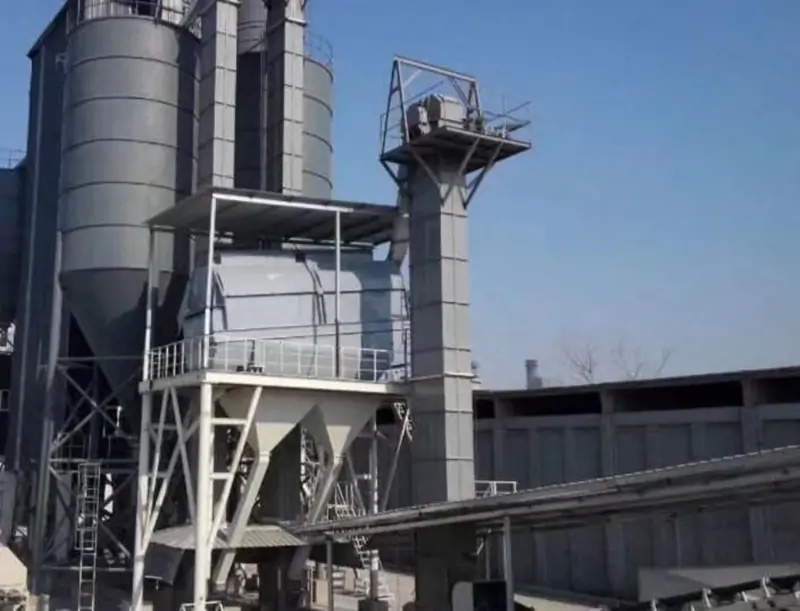
El transportador de elevador de cangilones se utiliza principalmente para la transferencia vertical de materiales en líneas de producción y puede elevar continuamente materiales en polvo, granulares y pequeños materiales a granel. El equipo generalmente se conecta con tolvas de almacenamiento, procesos de trituración, cribado, molienda o envasado. La configuración real debe determinarse según las características del material, la capacidad de transporte y las condiciones de instalación en el sitio para evitar problemas como desgaste excesivo, adherencia de material o ajustes de conexión durante la operación.
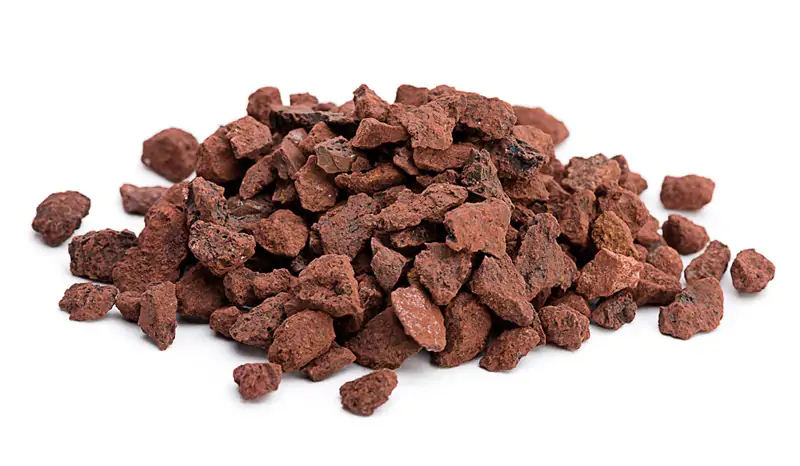 Mineral de hierro
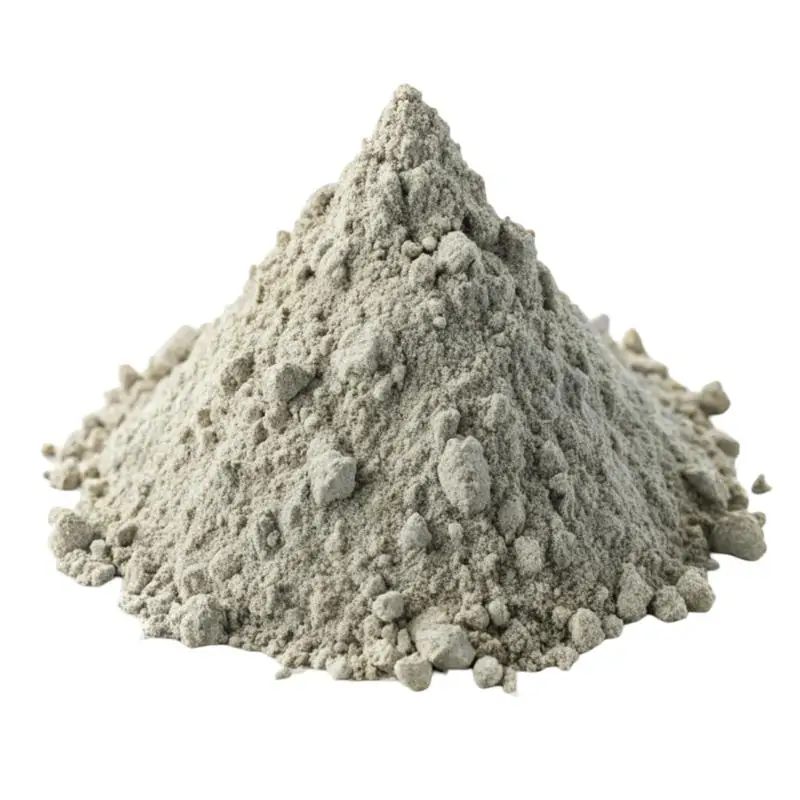 Polvo de cemento
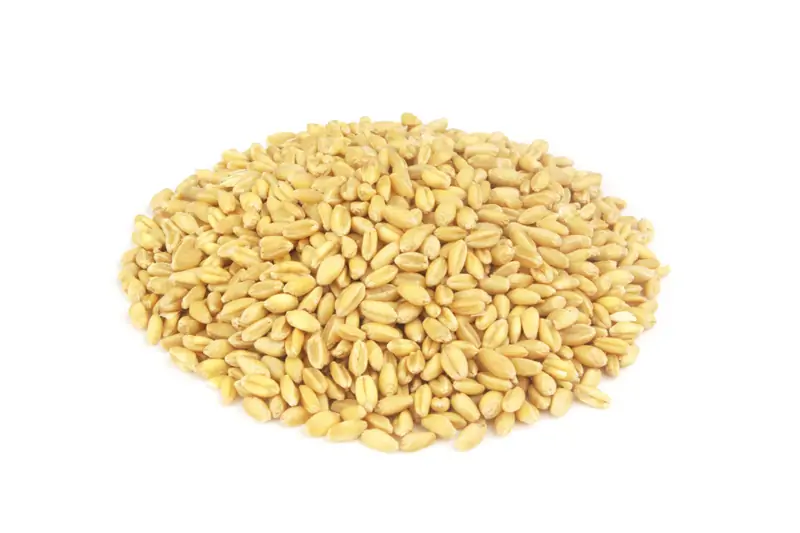 Trigo
Trigo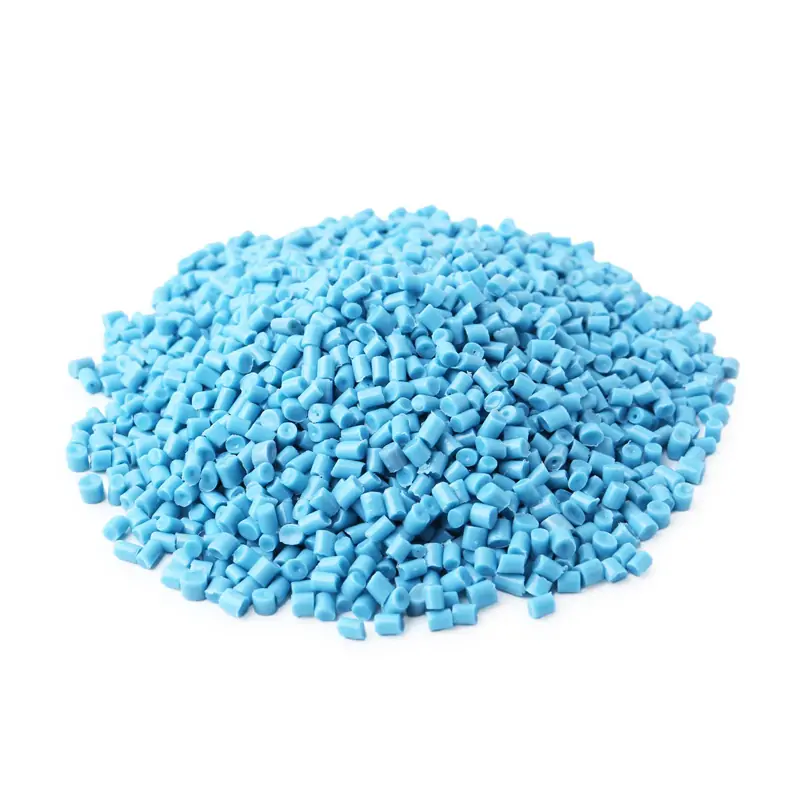 Pellets de plástico
Escenarios de aplicación comunes del transportador de elevador de cangilones
El transportador de elevador de cangilones desempeña diferentes funciones en distintos procesos de producción. Incluso con la misma altura de elevación y capacidad de transporte, la configuración del equipo puede variar significativamente según las características del material.
| Proceso de producción | Materiales comunes | Consideraciones de selección |
|---|---|---|
| Elevación de material después de la trituración de mineral | Mineral de hierro, piedra caliza, agregados, polvo mineral | Cuando los materiales son pesados o altamente abrasivos, se debe prestar atención a la resistencia del cangilón, la capacidad de carga de la cadena y la configuración resistente al desgaste |
| Transferencia de material en líneas de producción de cemento | Clínker de cemento, cemento en polvo, ceniza volante | Enfoque en el sellado del equipo, la capacidad de operación continua y el control del polvo |
| Elevación vertical de materiales en el procesamiento de granos | Trigo, maíz, partículas de grano | Es necesario garantizar un transporte estable y reducir la rotura del material durante la operación |
| Alimentación para el envasado de materiales en polvo y granulares | Gránulos de fertilizante, gránulos de plástico, materias primas químicas | Considerar la fluidez del material, los requisitos del material y los métodos de conexión con el equipo de envasado |
Para diferentes condiciones de producción, las prioridades de configuración de un transportador de elevador de cangilones no son las mismas. Los materiales de alta densidad y altamente abrasivos generalmente requieren estructuras de carga más resistentes y diseños resistentes al desgaste, mientras que los materiales en polvo y granulares ligeros requieren mejor sellado, operación estable y reducción de pérdidas de material.
Condiciones que deben confirmarse de antemano
Aunque el transportador de elevador de cangilones tiene una amplia gama de aplicaciones, se deben confirmar las siguientes condiciones antes del diseño del equipo:
- Materiales con alto contenido de humedad y fuerte adherencia: Se deben considerar estructuras antiadherentes para evitar afectar el rendimiento de descarga.
- Materiales a granel de partículas grandes: Se debe confirmar el tamaño de alimentación para prevenir un impacto excesivo en los cangilones.
- Materiales que se rompen fácilmente: La velocidad de transporte debe controlarse adecuadamente para reducir colisiones y daños al material.
- Materiales corrosivos: Se deben seleccionar materiales y soluciones de protección adecuados según las características del material.
El rendimiento operativo de un transportador de elevador de cangilones depende no solo del modelo del equipo, sino también de las propiedades del material y las condiciones del sitio. Proporcionar información sobre el nombre del material, la capacidad de procesamiento, la altura de elevación y el espacio de instalación puede ayudar al equipo de ingeniería de Jiarui a recomendar una solución estructural más adecuada.
Ventajas
El transportador de elevador de cangilones se utiliza para procesos de elevación vertical en líneas de producción. En comparación con los equipos de transporte inclinado, requiere menos espacio de instalación y es adecuado para aplicaciones que requieren mayores alturas de elevación y alimentación continua de material.
Ahorro de espacio
Para fábricas con suficiente espacio vertical pero limitada distribución horizontal, un transportador de elevador de cangilones generalmente es más fácil de instalar en comparación con equipos de transporte inclinado de larga distancia.
Reducción de fugas de polvo
El diseño de carcasa cerrada permite que los materiales se eleven y descarguen dentro del equipo, lo que ayuda a reducir las fugas de polvo y el derrame de material durante el transporte.
Adecuado para operación continua
Los cangilones circulan continuamente con el sistema de banda o cadena, completando los procesos de carga, elevación y descarga de forma continua. Es adecuado para operaciones de producción a largo plazo.
Adaptable a diferentes materiales
El equipo puede manejar materiales en polvo, materiales granulares y pequeños materiales a granel. El tipo de cangilón, el método de tracción y la configuración del material se pueden ajustar según las diferentes características del material.
Guía de selección
La selección de un transportador de elevador de cangilones debe basarse en las características del material, la capacidad de transporte, la altura de elevación y las condiciones de instalación del sitio. Para la misma capacidad de transporte, diferentes materiales pueden requerir diferentes métodos de tracción, estructuras de cangilón y configuraciones de material.
Características del material
Los materiales en polvo y granulares generalmente requieren mejor sellado y transporte estable. Materiales como mineral y clínker de cemento, que tienen alta densidad y fuerte abrasividad, requieren considerar la resistencia de la cadena, el material del cangilón y las configuraciones resistentes al desgaste.
Capacidad de transporte y altura de elevación
La capacidad de transporte determina el tamaño del equipo, mientras que la altura de elevación afecta la estructura del equipo y la configuración de accionamiento. Estos factores deben considerarse conjuntamente de acuerdo con los requisitos de producción. Para el transporte horizontal o inclinado, se puede considerar un Transportador de tornillo , mientras que un transportador de elevador de cangilones se utiliza para la elevación vertical de materiales.
Condiciones de instalación
El transportador de cangilones (Bucket Elevator Conveyor) generalmente se conecta con tolvas de almacenamiento, equipos de cribado, equipos de trituración o sistemas de envasado. Confirmar de antemano las posiciones de entrada y salida, la altura del equipo y el espacio de instalación puede reducir ajustes posteriores.
Requisitos especiales
Industrias como la alimentaria y la de procesamiento químico pueden requerir materiales de acero inoxidable, tratamiento anticorrosión o requisitos especiales de sellado. Estas condiciones deben confirmarse antes del diseño del equipo.
Si no está seguro de qué tipo de transportador de cangilones (Bucket Elevator Conveyor) es adecuado, proporcione el nombre del material, la capacidad de transporte, la altura de elevación y las condiciones de instalación. El equipo de ingeniería de Jiarui puede analizar los requisitos reales de aplicación y ayudar a confirmar una configuración de equipo adecuada.
Personalización
El diseño de una máquina de elevación de cangilones (Bucket Elevator Machine) debe ajustarse según las condiciones reales de operación. La altura de elevación, la capacidad de transporte, las características del material y el espacio de instalación afectan la estructura del equipo. En muchos proyectos, el rendimiento del equipo no es el problema principal, pero una consideración insuficiente de las condiciones del material y los requisitos de conexión de la línea de producción durante la etapa inicial de diseño puede generar problemas de ajuste posteriores.
El equipo de ingeniería de Jiarui se centra en el peso del material, la abrasividad, las posiciones de alimentación y descarga, y los requisitos de operación continua durante el proceso de diseño del equipo. Según las diferentes condiciones de trabajo, el equipo puede ajustar los tipos de cangilones, los métodos de tracción, las configuraciones de accionamiento y los materiales del equipo. Por ejemplo, los materiales de alta abrasión como el mineral y el clínker de cemento requieren diseños de mayor capacidad de carga y resistencia al desgaste, mientras que los materiales en polvo y granulares requieren un mejor rendimiento de sellado y un transporte estable.
Para proporcionar una solución de transportador de cangilones (Bucket Elevator Conveyor) más adecuada, proporcione la siguiente información:
- Nombre del material;
- Tamaño de partícula, densidad y características del material;
- Capacidad de transporte requerida por hora;
- Altura de elevación requerida;
- Posiciones de entrada y salida;
- Espacio de instalación o requisitos de conexión del equipo.
Analizaremos estos parámetros y ayudaremos a determinar una estructura y configuración adecuadas del elevador vertical de cangilones (Vertical Bucket Elevator), reduciendo los costos de ajuste después de la instalación.
Fabricación
Al fabricar un transportador de cangilones (Bucket Elevator Conveyor), encontramos que muchos clientes se centran principalmente en la capacidad de transporte y la altura de elevación en la etapa inicial. Sin embargo, la operación estable a largo plazo también depende de las características del material, las condiciones de instalación y los requisitos de conexión de la línea de producción. La misma capacidad de transporte puede requerir diferentes estructuras de equipo, diseños de cangilones y configuraciones resistentes al desgaste para materiales como mineral, clínker de cemento y materiales en polvo. El equipo de ingeniería de Jiarui confirma soluciones adecuadas según las condiciones reales de operación y controla los procesos clave desde el diseño estructural, la fabricación y las pruebas del equipo para garantizar que el equipo cumpla con los requisitos del sitio.
Xinxiang Jiarui Electromechanical Manufacturing Co., Ltd. fue establecida en 2012 y se centra en la investigación, el desarrollo y la fabricación de equipos de cribado, transporte, elevación y alimentación. Jiarui cuenta con equipos de diseño de ingeniería y producción que pueden ajustar las configuraciones del equipo según diferentes materiales y condiciones de producción. Desde la confirmación del diseño CAD, el corte de placas de acero, la soldadura de carcasas, la instalación de cangilones, hasta el ensamblaje completo y las pruebas del equipo, el equipo controla los procesos clave de fabricación para garantizar que la estructura del equipo, la calidad de fabricación y los requisitos de aplicación estén correctamente alineados. La empresa ha obtenido la certificación ISO9001 del sistema de gestión de calidad y proporciona soluciones de equipos de transporte para industrias que incluyen alimentos, procesamiento químico, procesamiento de minerales y materiales de nueva energía.
Preguntas Frecuentes
Obtenga una consulta gratuita
Complete el siguiente formulario para conectarse con nuestros expertos y recibir recomendaciones personalizadas para su aplicación.