Was ist eine Taumelsiebmaschine?
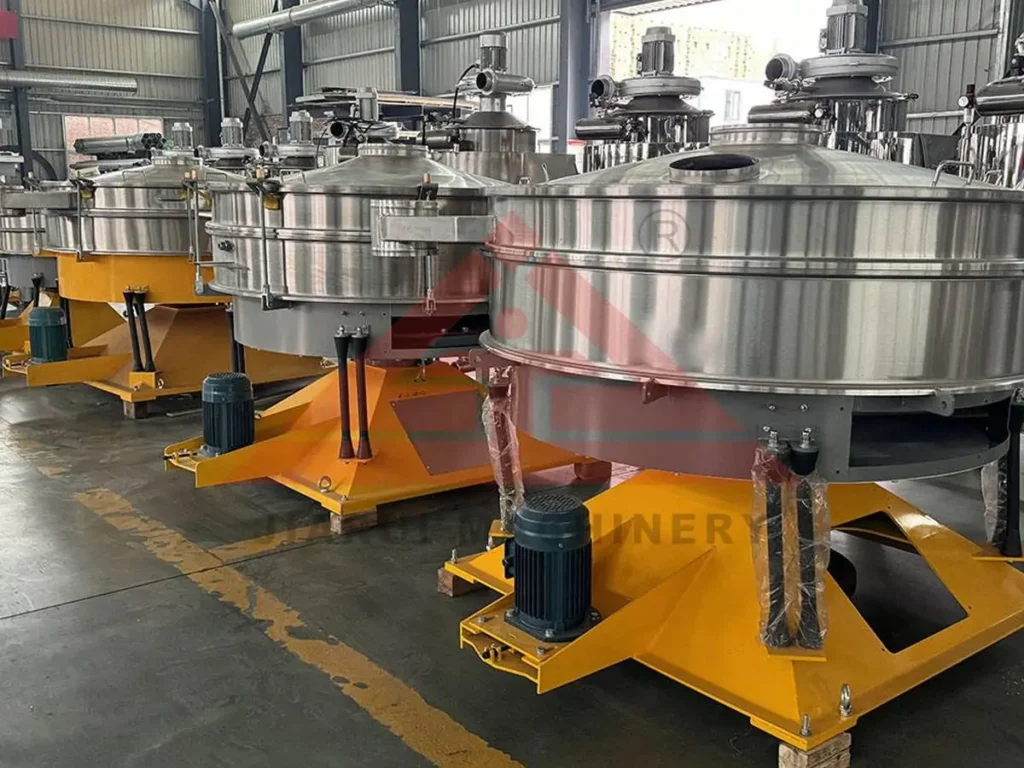
Die Tumbler-Siebmaschine, auch bekannt als Kreisschwingsieb oder Gyrator-Schwingsieb, ist eine hochpräzise Siebvorrichtung, die entwickelt wurde, um die Kombination aus “Sieben” und “Schütteln” des manuellen Siebens nachzuahmen. Durch langsame rotierende und horizontale Schwingbewegungen folgt das Material auf der Siebfläche einer Flugbahn, die dem manuellen “Sieben” ähnelt, wodurch eine hocheffiziente und präzise Klassierung und Siebung erreicht wird.
Im Vergleich zu herkömmlichen Vibrationssieben, Jiarui Die Taumelsiebmaschine von Machinery legt größeren Wert auf Siebgenauigkeit, konstante Durchsatzleistung und die Erhaltung der Partikelform des Materials. Sie wird häufig in Branchen wie Lebensmittel, Chemie, Pharmazie, Kunststoffe, Mineralpulver und neue Energiematerialien eingesetzt.
Funktionsprinzip der Jiarui-Taumelsiebmaschine
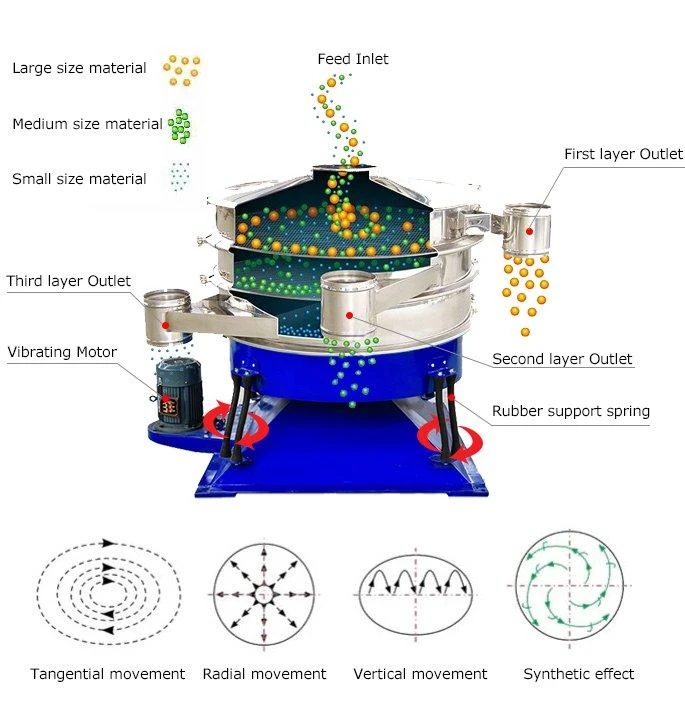
Das Kernmerkmal der Taumelsiebmaschine liegt in ihrer einzigartigen dreidimensionalen Schwingbewegung. Nach dem Start der Maschine treibt der Motor über einen Riemen die Hauptwelle an. Die Exzentervorrichtung auf der Hauptwelle (mit einer typischerweise zwischen 25 und 40 mm einstellbaren Exzentrizität) arbeitet mit der Exzenterwelle zusammen, die sowohl radiale als auch tangentiale Neigungswinkel aufweist, um eine komplexe räumliche Bewegung im Siebkasten zu induzieren. Diese Bewegung kann wie folgt aufgeschlüsselt werden:
- Horizontale Kreisbewegung: Das Material verteilt sich gleichmäßig von der Mitte zur Peripherie der Siebfläche.
- Vertikale parabolische Bewegung: Das Material wird sanft nach oben geworfen, was die Schichtbildung erleichtert.
Nachfolgend finden Sie eine Schritt-für-Schritt-Erklärung der Jiarui-Ingenieure:
Schritt 1: Der Motor treibt die Schwingbewegung an
Wenn der Taumelsichter in Betrieb ist, treibt ein Standardmotor den Siebkasten über einen Übertragungsmechanismus zu einer horizontalen kreisförmigen Schwingbewegung an.
Die Bewegungsbahn des Siebkastens ähnelt dem manuellen Sieben:
- Anfangsphase: Material verteilt sich entlang der Außenkante der Siebfläche
- Mittelphase: Material taumelt kontinuierlich und trennt sich in Schichten
- Endphase: Feine Partikel passieren das Siebgewebe, während größere Partikel sich zum Austrag bewegen
Dies erzeugt einen kombinierten Siebeffekt aus horizontaler Kreisbewegung und vertikaler Mikrovibration.
Schritt 2: Automatische Materialtrennung
Beim Eintritt in das Taumelsieb wird das Material durch die Schwingbewegung geschichtet:
- Grobe Partikel verbleiben in der oberen Schicht
- Feine Partikel setzen sich in der unteren Schicht ab
- Partikel nahe der Maschenweite kommen in vollständigen Kontakt mit der Siebfläche
Dies verbessert die Maschennutzung und ermöglicht es feinen Partikeln, das Sieb leichter zu passieren.
Das oben Beschriebene erläutert das Prinzip des Kreistaumelsiebs. Unsere Jiarui-Industriesiebmaschine kann in einem einzigen Durchgang eine mehrschichtige Siebung erreichen, wie unten detailliert beschrieben:
| Sieblage | Siebfunktion |
|---|---|
| Erste Schicht | Entfernt überdimensionierte Partikel und Fremdverunreinigungen |
| Zweite Schicht | Trennt qualifizierte mittelgroße Partikel |
| Dritte Schicht | Sammelt feines Pulver und kleinere Partikel |
Ein einziger Lauf kann die Klassierung von Produkten in mehreren Größen abschließen.
Vorteile der Jiarui-Taumelsiebmaschine
Die Taumelsiebmaschine bietet erhebliche Vorteile in mehreren Bereichen:
Hohe Siebeffizienz und -genauigkeit: Die Siebgenauigkeit kann 90%–95% erreichen, oder sogar höher. Ihre Bewegungsbahn, die das manuelle Sieben nachahmt, trennt effektiv schwer siebbare Partikel, die nahe der Sieböffnungsgröße liegen.
Hohe Verarbeitungskapazität: Bei gleicher Siebfläche ist ihr Durchsatz 3–5 Mal höher als der eines herkömmlichen Vibrationssiebs; eine einzelne Einheit kann mehrere traditionelle Siebmaschinen ersetzen.
Minimale Materialbeschädigung: Da sie eine niederfrequente, niedrigbeschleunigte (4–5 Mal niedriger als bei Vibrationssieben) Schaukelbewegung anstelle von Hochgeschwindigkeitsvibration verwendet, schützt sie empfindliche und zum Verklumpen neigende Materialien und bewahrt ihre ursprüngliche Form.
Lange Sieblebensdauer: Die sanfte Bewegung minimiert Stöße und Verschleiß auf den Sieben, was zu einer Lebensdauer führt, die 5–10 Mal länger ist als bei herkömmlicher Siebausrüstung.
Ruhiger Betrieb und geringer Geräuschpegel: Die Ausrüstung verwendet Dämpfungskomponenten wie Gummifedern; bewegliche Teile schwingen seitwärts statt heftig auf und ab zu springen, mit einem Betriebsgeräuschpegel typischerweise unter 75 Dezibel.
Anti-Verstopfungsdesign: Verschiedene Siebreinigungseinrichtungen—wie Abwurfkugeln, Ultraschallsysteme, und rotierende Bürsten—können flexibel basierend auf den Materialeigenschaften konfiguriert werden, um Sieböffnungsverstopfungen wirksam zu verhindern und eine kontinuierliche, stabile Siebung zu gewährleisten.
Mehrschichtige Klassifizierung: Typischerweise mit 1–5 Siebebenen ausgestattet, die eine präzise Trennung in bis zu sechs Partikelgrößenklassen ermöglichen.
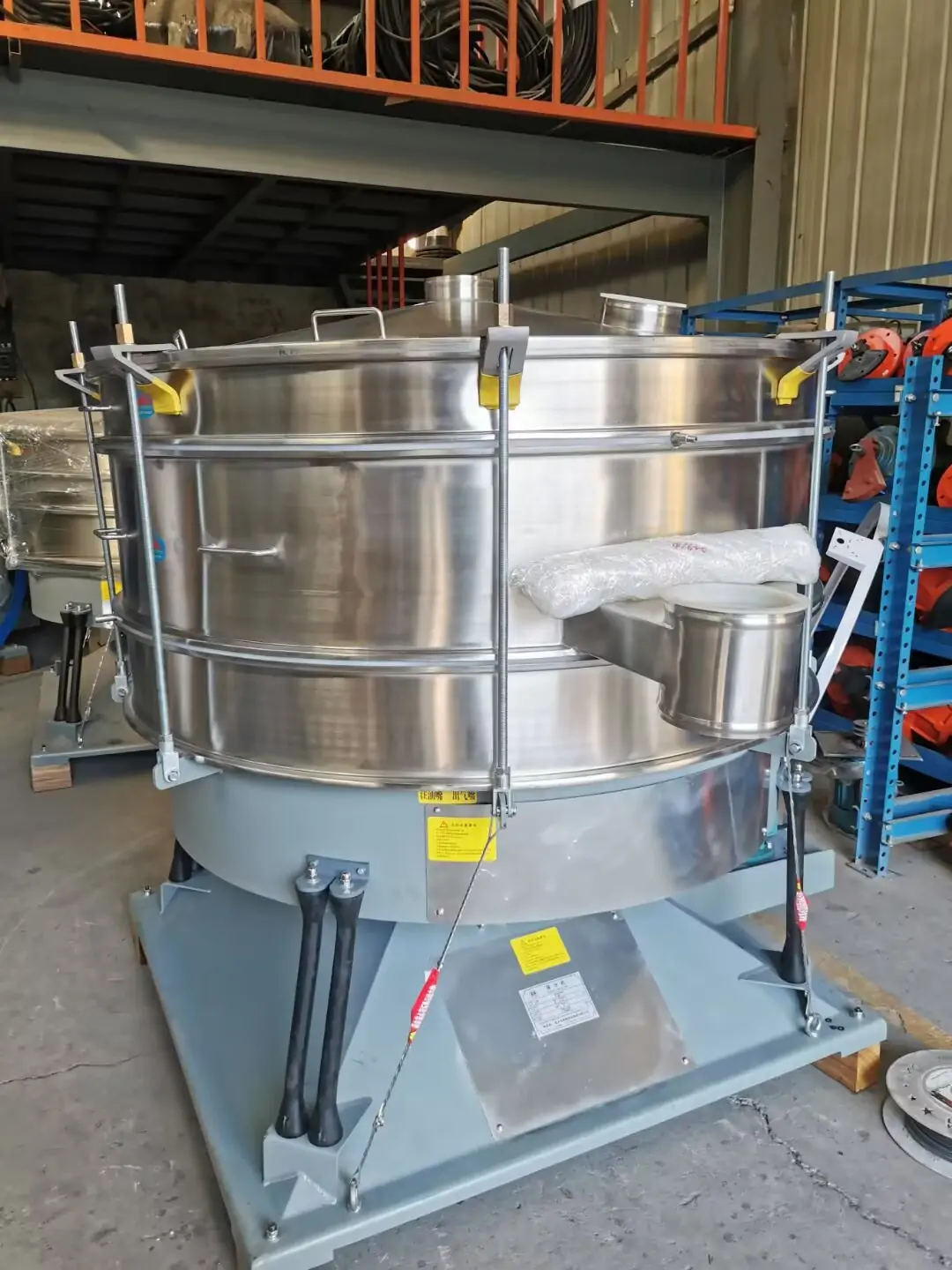
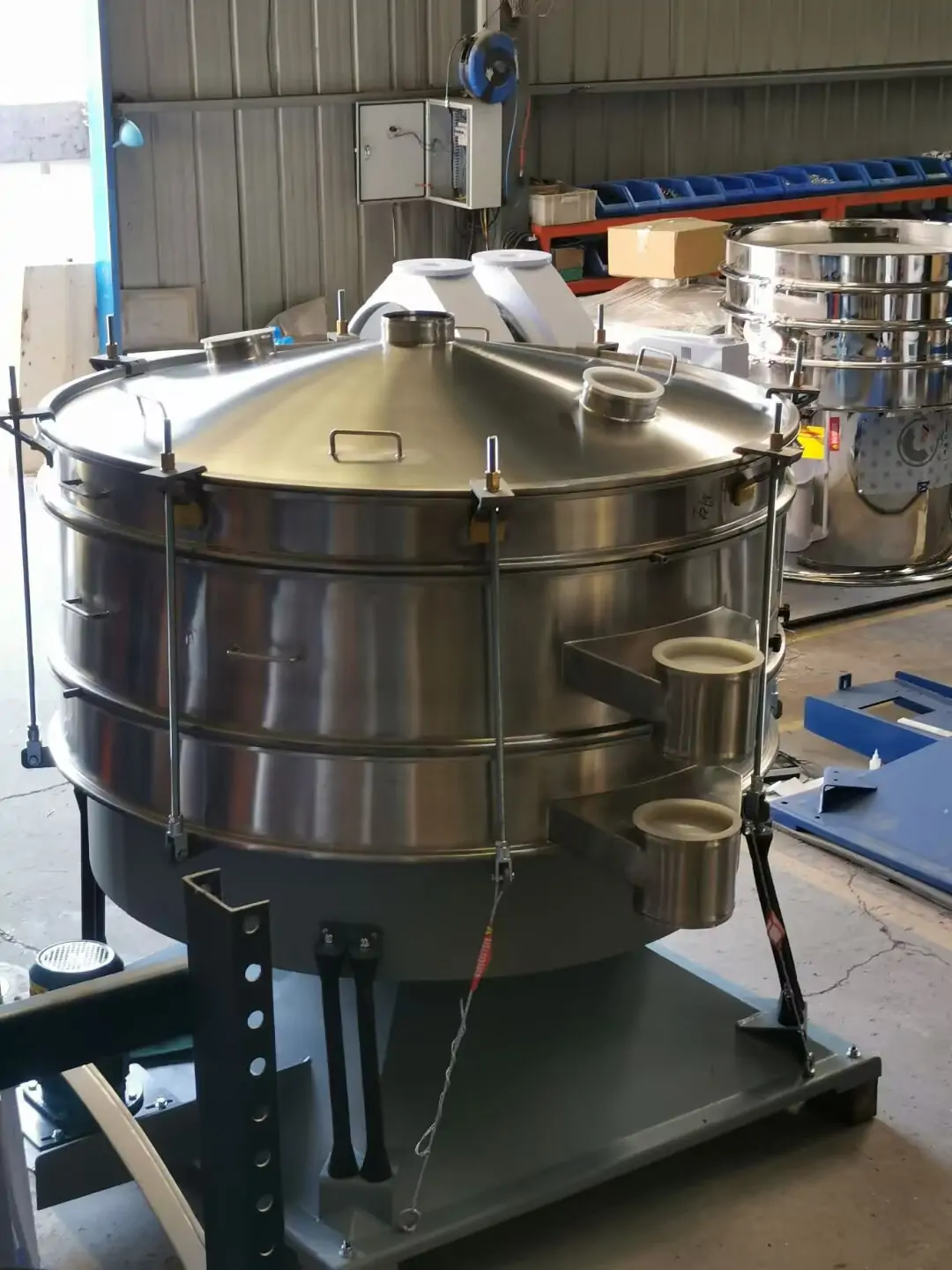
Taumelsiebmaschine vs. Rotationsvibrationssieb: Wie wählt man richtig?
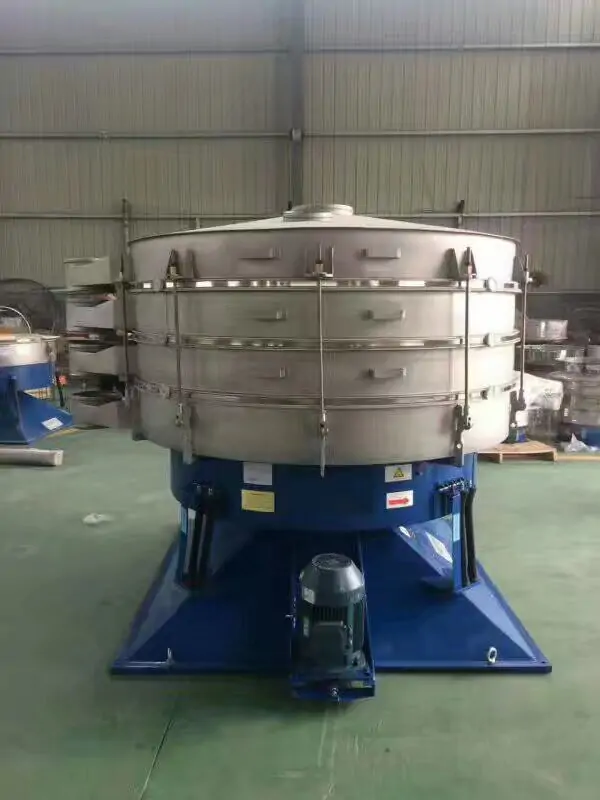
Sowohl die Jiarui Taumelsiebmaschine als auch Rundvibrationssieb sind zuverlässige Sieblösungen. Die beste Wahl hängt von den Materialeigenschaften, der geforderten Genauigkeit, der Verarbeitungskapazität und den Produktionsbedingungen ab.
| Vergleich | Jiarui Taumelsiebmaschine | Jiarui Rotationsvibrationssieb |
|---|---|---|
| Siebbewegung | Langsame Taumelbewegung, die manuelles Sieben simuliert | Hochfrequente dreidimensionale Vibration |
| Siebgenauigkeit | Hervorragend geeignet für feine und schwer zu siebende Materialien | Geeignet für allgemeine und kontinuierliche Siebanwendungen |
| Siebeffizienz | 90–95 %+ je nach Materialbedingungen | Hohe Effizienz für standardmäßige Siebanforderungen |
| Verarbeitungskapazität | Hohe Kapazität durch größere effektive Siebfläche | Flexible Kapazität je nach Siebdurchmesser und Konfiguration |
| Materialschutz | Besser für empfindliche und leicht beschädigbare Materialien | Geeignet für robustere Materialien, die eine schnelle Trennung erfordern |
| Feinsiebung | Hervorragende Leistung bei feinen Pulvern | Gute Leistung mit geeigneten Siebreinigungssystemen |
| Siebverschleiß | Geringere Aufprallkraft, längere Sieblebensdauer | Normale Verschleißrate bei standardmäßigem Vibrationsbetrieb |
| Geräuschpegel | Normalerweise unter 75 dB | Etwas höher aufgrund der Vibrationsintensität |
| Siebdecks | 1–5 Ebenen, bis zu 6 Partikelgrößenklassifizierungen | 1–5 Ebenen für mehrstufige Trennung |
| Empfohlene Anwendungen | Feine Pulver, empfindliche Materialien, hochwertige Materialien, strenge Partikelgrößenanforderungen | Allgemeine Pulver, Granulate, industrielle Siebung, Anwendungen mit hohem Durchsatz |
Welche Siebmaschine sollten Sie wählen?
Die Ingenieure von Jiarui empfehlen, die geeignete Sieblösung basierend auf den folgenden Bedingungen auszuwählen:
Wählen Sie Jiarui Taumelsiebmaschine wenn:
- Hohe Siebgenauigkeit erforderlich ist
- Materialien empfindlich oder leicht beschädigbar sind
- Feinsiebung erforderlich ist
- Die Erhaltung der Partikelform wichtig ist
- Mehrere präzise Klassifizierungen erforderlich sind
Wählen Sie Jiarui Rotationsvibrationssieb wenn:
- Standardsiebung erforderlich ist
- Kompaktes Gerätedesign bevorzugt wird
- Schnelle Trennung von Pulvern und Granulaten benötigt wird
- Die Anwendung flexible Sieblösungen erfordert
Jiarui bietet sowohl Taumelsiebmaschinen als auch Rotationsvibrationssiebe an und liefert maßgeschneiderte Sieblösungen entsprechend unterschiedlicher Materialeigenschaften und Produktionsanforderungen.
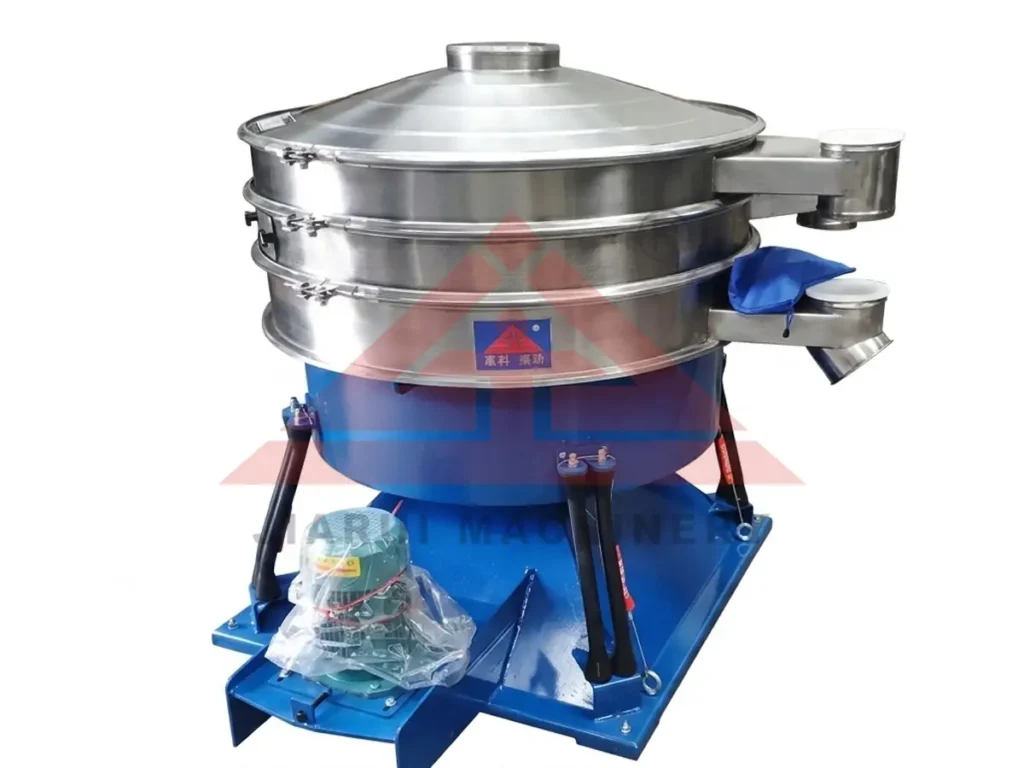 Tumbler-Siebmaschine
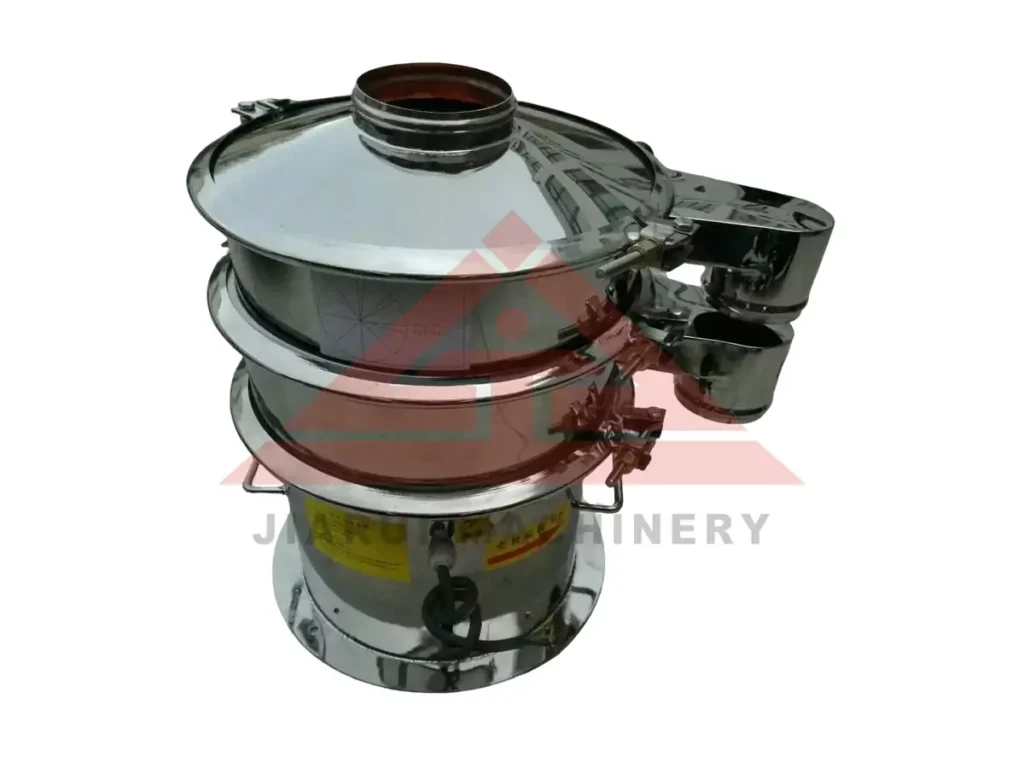 Rundvibrationssieb
Benötigen Sie Hilfe bei der Auswahl der richtigen Siebmaschine?
Die Auswahl der richtigen Siebanlage hängt von vielen Faktoren ab, darunter Materialeigenschaften, Partikelgröße, Feuchtigkeitsgehalt, Produktionskapazität und Siebziele.
Wenn Sie nicht sicher sind, welche Siebmaschine für Ihre Anwendung geeignet ist, oder mehr über die Jiarui-Taumelsiebmaschine erfahren möchten, kontaktieren Sie bitte unser Ingenieurteam.
Unsere Ingenieure analysieren Ihre Materialeigenschaften und Produktionsanforderungen, um eine geeignete Sieblösung bereitzustellen.
Kontaktieren Sie Jiarui noch heute für professionelle Unterstützung bei der Auswahl von Siebanlagen.
Fazit:
Eine Taumelsiebmaschine ist nicht einfach ein Ersatz für einen herkömmlichen Vibrationssieb. Ihr Hauptvorteil liegt in einer schonenderen und präziseren Siebmethode für Materialien, die eine strenge Partikelgrößenkontrolle, hohe Siebeffizienz oder besseren Partikelschutz erfordern.
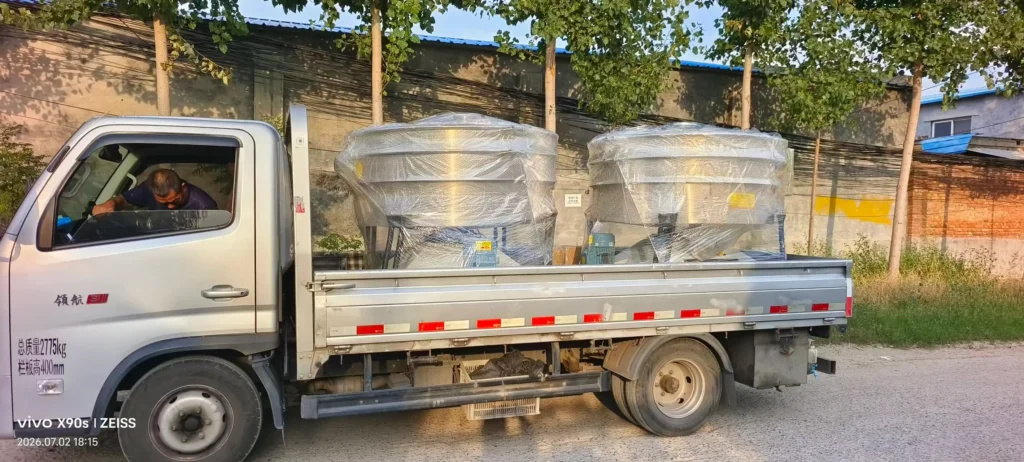
In der praktischen Anwendung wählen Jiarui-Ingenieure Siebanlagen in der Regel anhand mehrerer Faktoren aus, darunter Materialeigenschaften, Partikelgrößenverteilung, Feuchtigkeitsgehalt, geforderter Durchsatz und endgültige Siebanforderungen.
Für feine Pulver, empfindliche Materialien und Anwendungen, bei denen Partikelform und Siebgenauigkeit entscheidend sind, kann eine Taumelsiebmaschine eine zuverlässigere Lösung bieten. Für Standardanwendungen beim Sieben von Pulvern und Granulaten kann ein Rotationsvibrationssieb eine wirtschaftlichere und flexiblere Wahl sein.
Die Auswahl der richtigen Siebanlage von Anfang an kann die Produktionsstabilität verbessern, Wartungskosten für Siebe senken und eine gleichbleibende Produktqualität sicherstellen.
Wenn Sie eine Taumelsiebmaschine für Ihr Material in Betracht ziehen, können Jiarui-Ingenieure Ihnen helfen, Ihre Anwendungsanforderungen zu analysieren und eine geeignete Sieblösung zu empfehlen.