
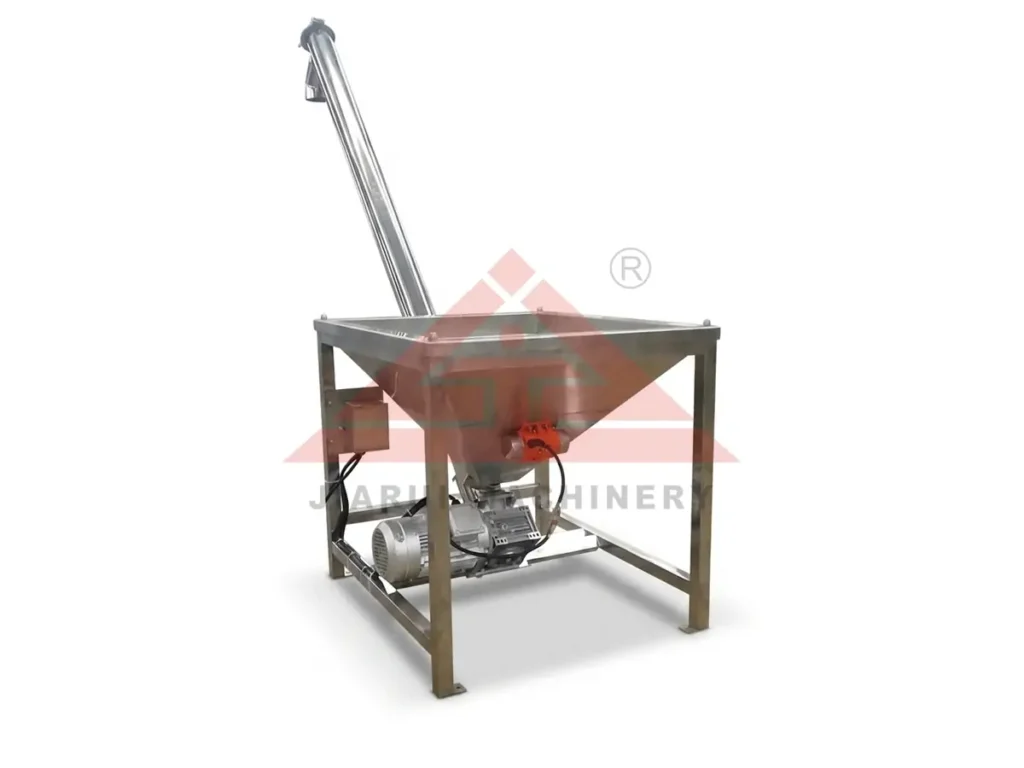
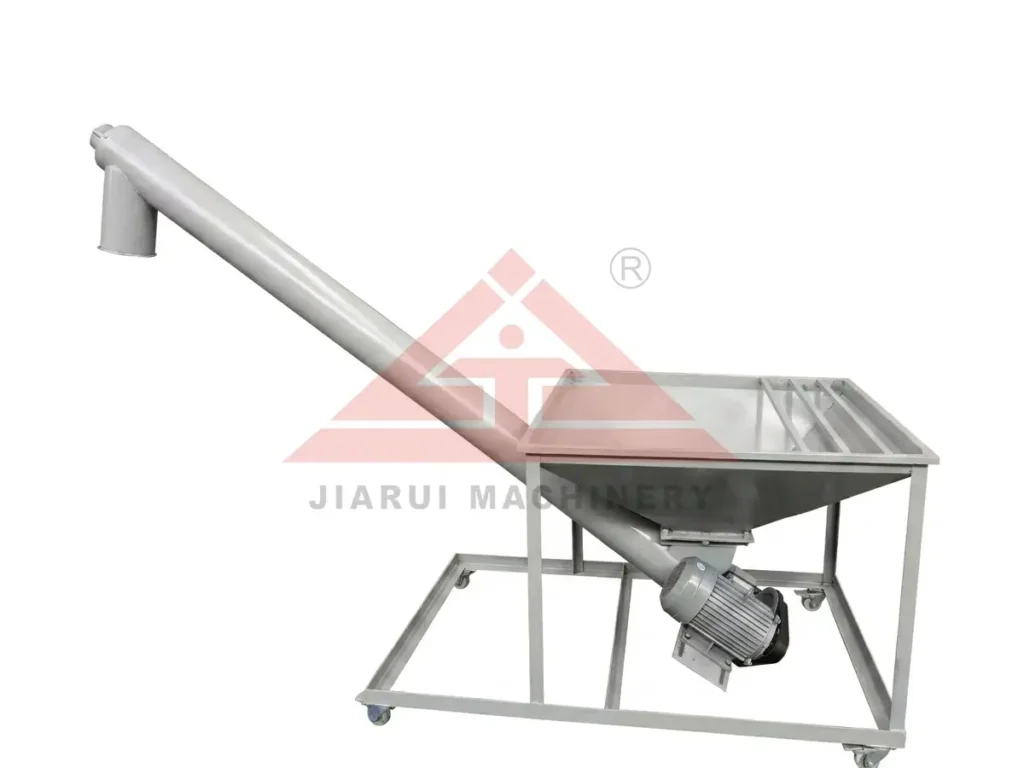
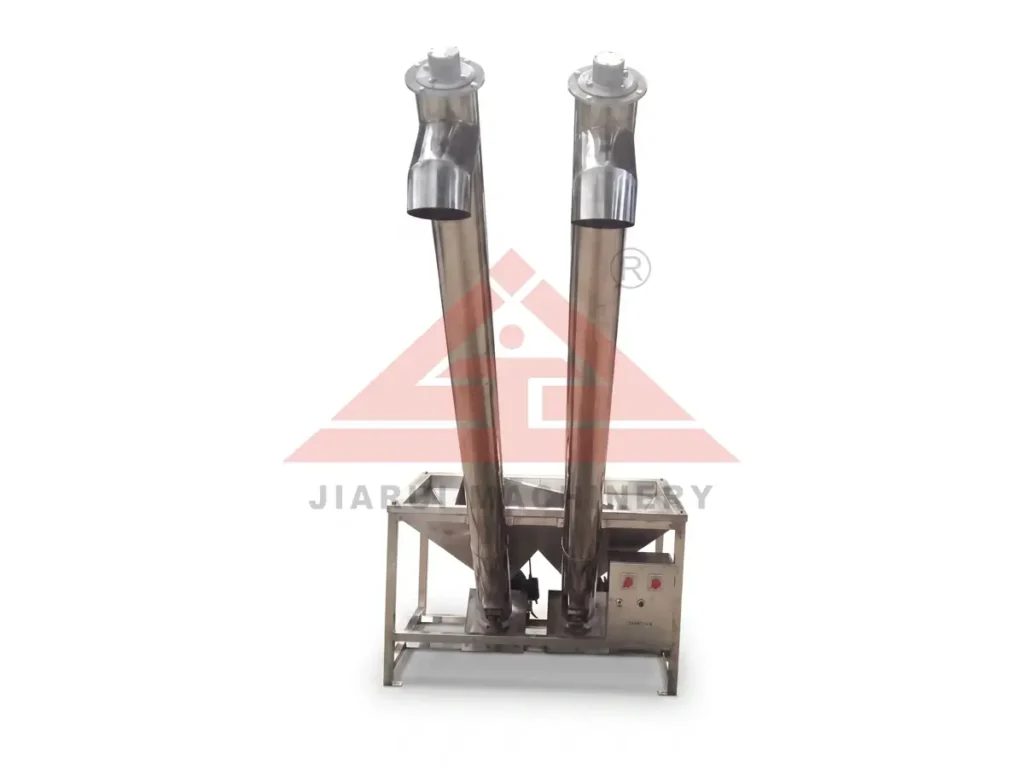
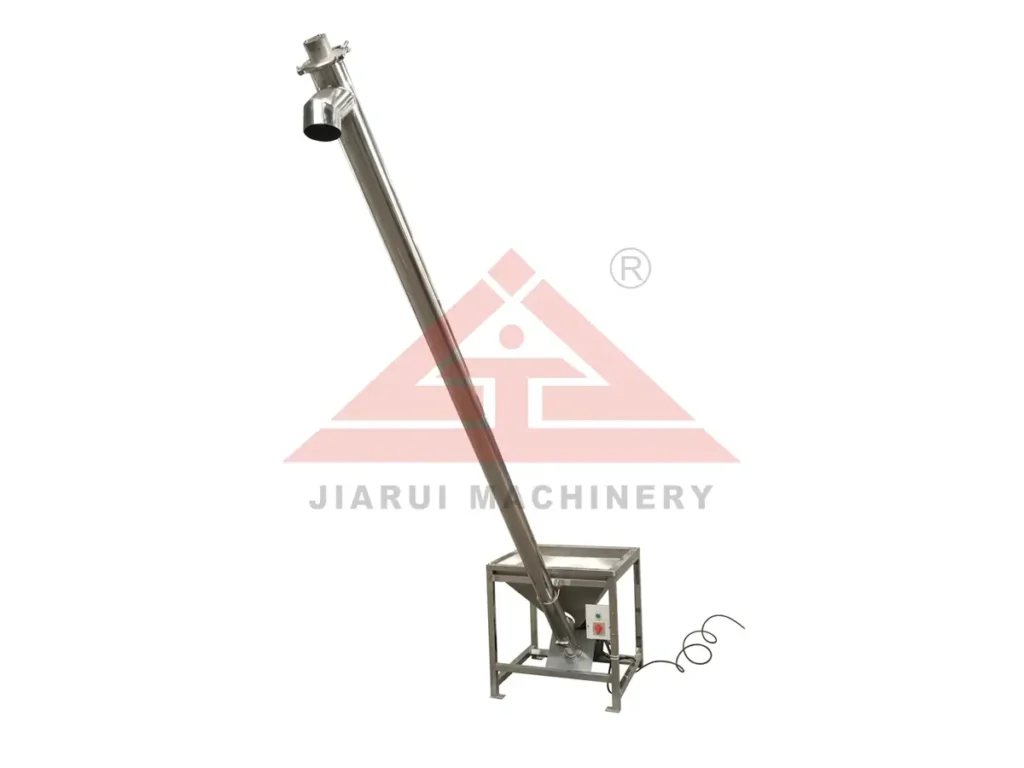
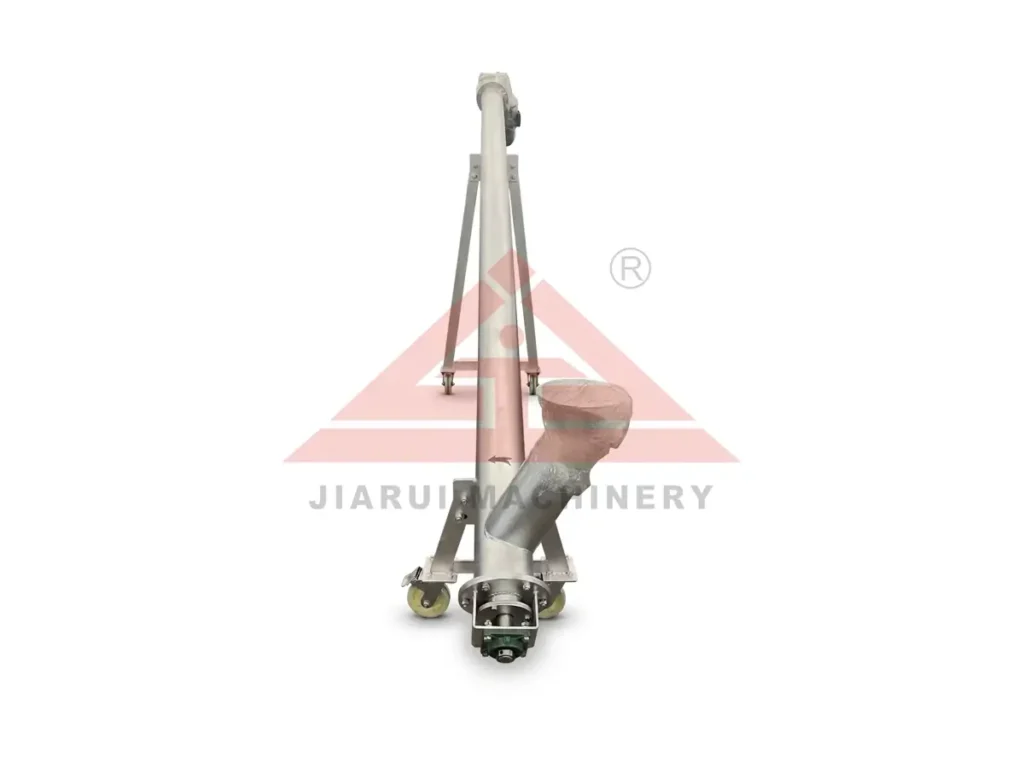
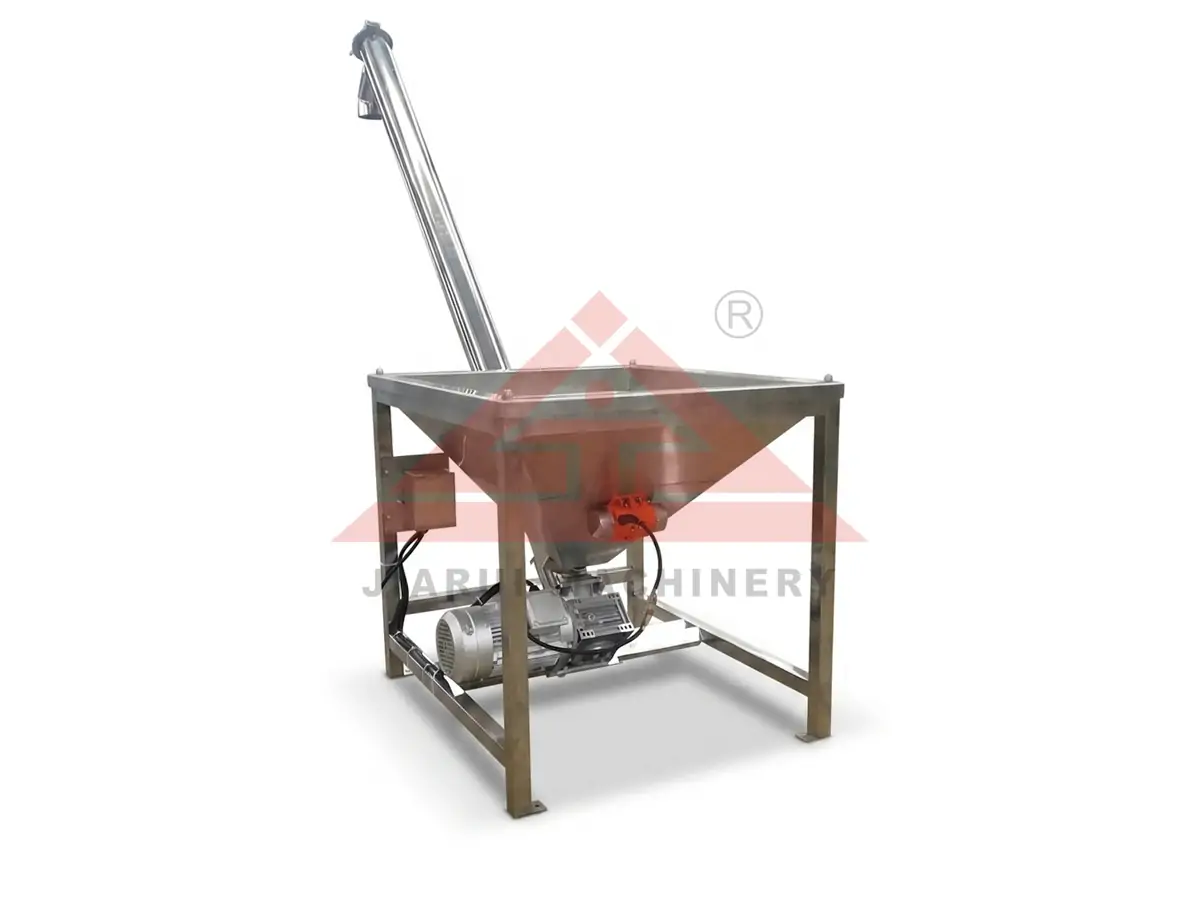
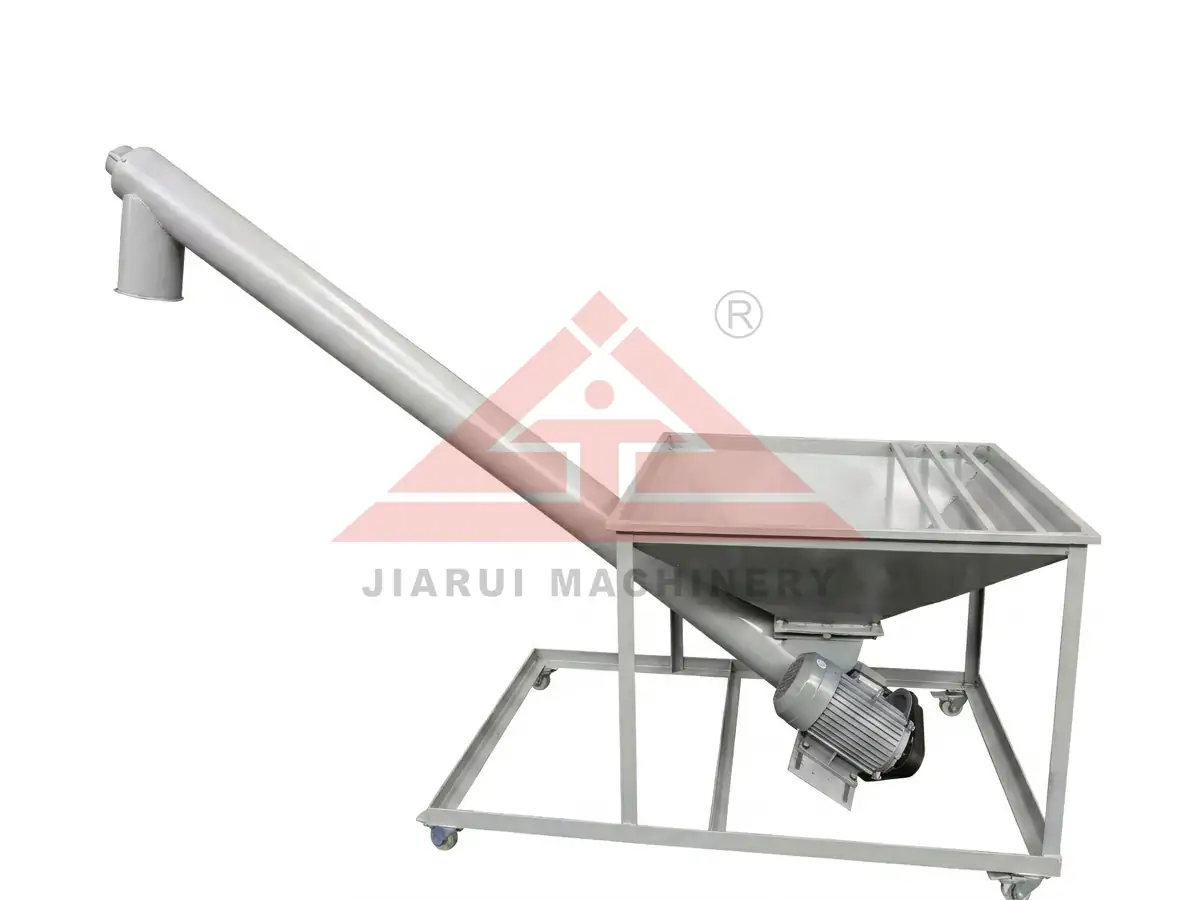
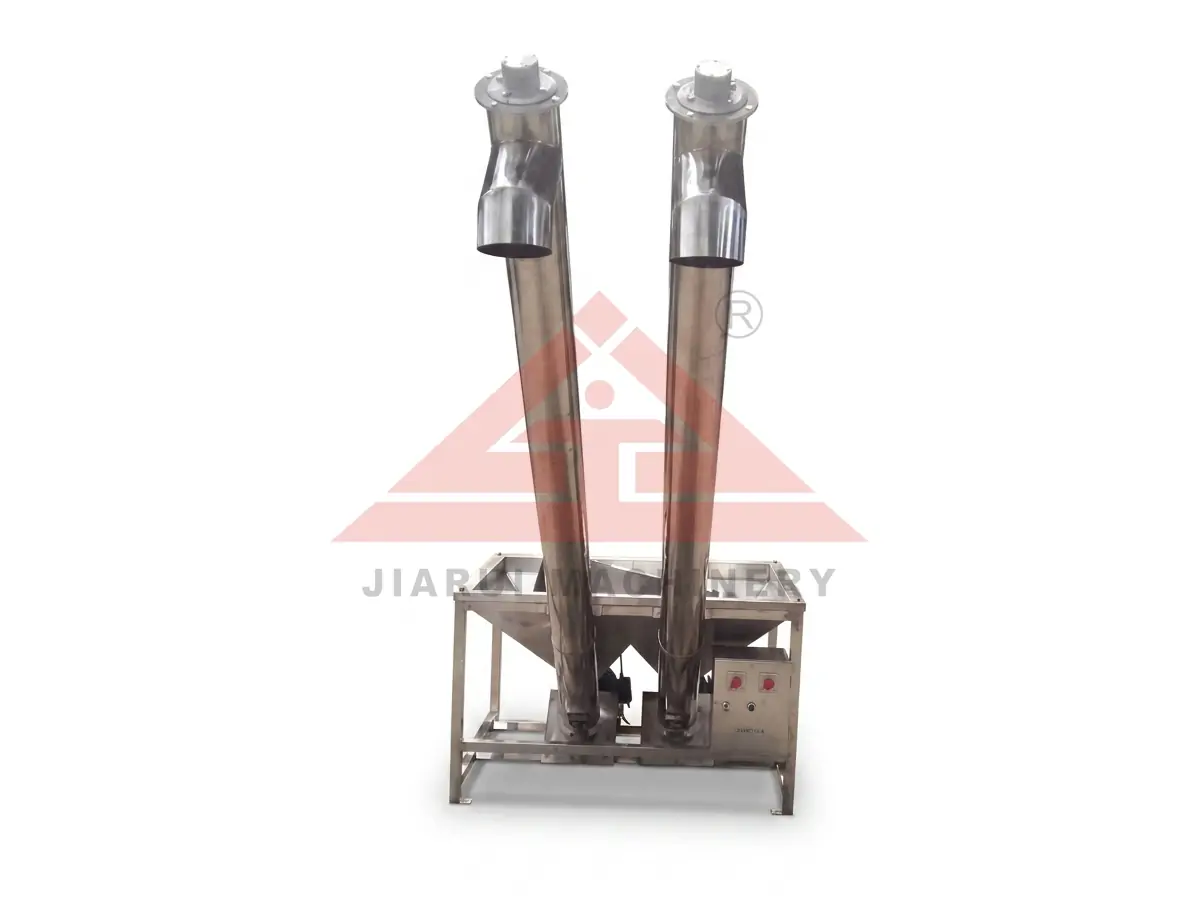
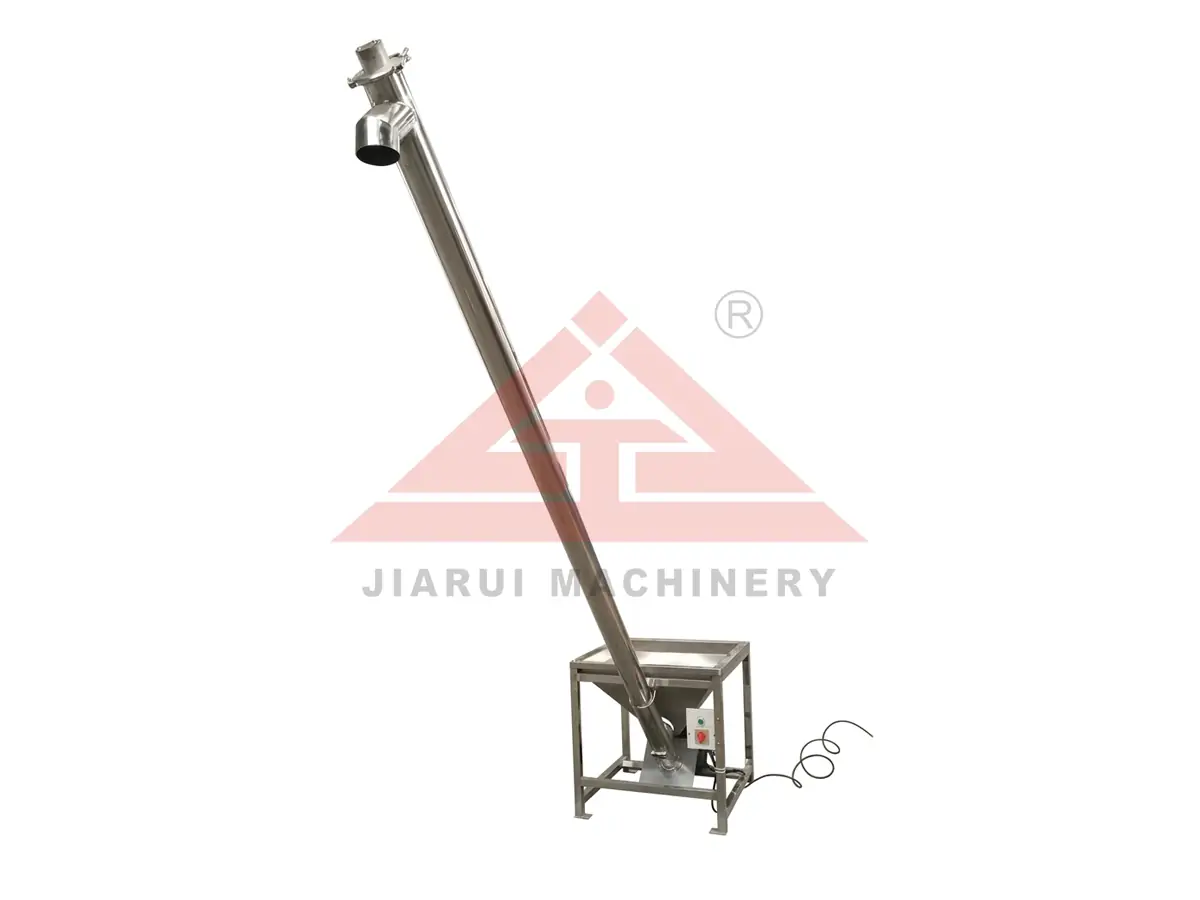
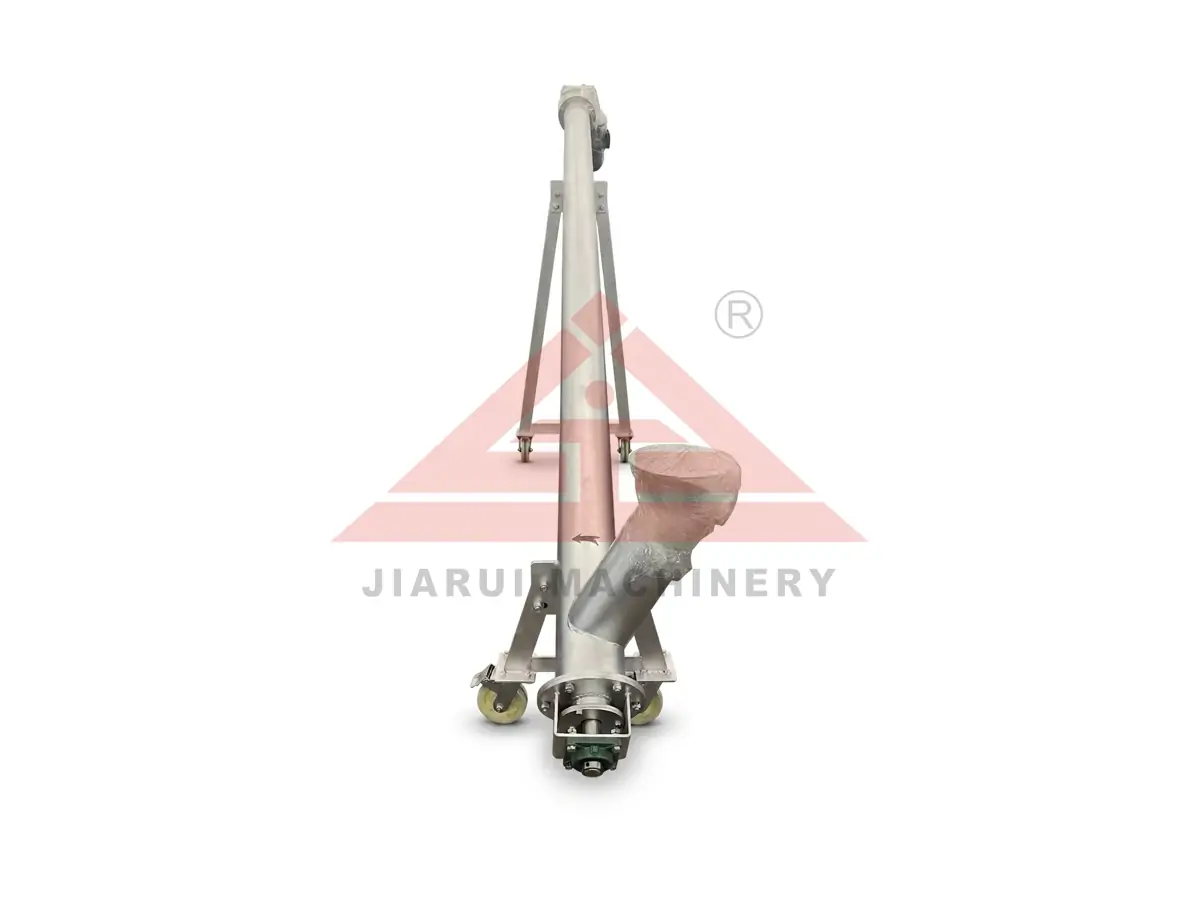
قادوس مغذي لولبي حلزوني
قادوس التغذية اللولبي الحلزوني هو نظام تغذية لولبي مصمم للتغذية المستمرة للمواد المسحوقة والحبيبية والمواد السائبة صغيرة الحجم. تجمع سلسلة JR بين قادوس التخزين وهيكل التغذية اللولبي الحلزوني لتحقيق نقل مستقر ومستمر للمواد. يتميز بتصميم مدمج وتشغيل موثوق وخيارات تركيب مرنة، ويدعم زوايا تركيب تصل إلى 60 درجة، ويُستخدم على نطاق واسع في صناعات التعدين ومواد البناء والمعالجة الكيميائية وتجهيز الأغذية وتصنيع الآلات.
وفقًا لخصائص المواد المختلفة وقدرات المعالجة وظروف التركيب، يوفر فريق الهندسة في Jiarui تكوينات معدات وحلول تغذية مخصصة. من خلال المطابقة الصحيحة لقطر اللولب وسرعة الدوران ونظام القيادة، نساعد العملاء على اختيار قادوس التغذية اللولبي الحلزوني الذي يلبي متطلبات الإنتاج الفعلية لديهم.
- الموديلات: JR-133 /141 /168 /219 /273 /325 /406
- قطر اللولب: 133–406 مم
- سعة النقل: 2.2–64 م³/ساعة
- أقصى زاوية ميل: ≤60°
- المواد المناسبة: المواد المسحوقة والحبيبية والمواد السائبة صغيرة الحجم
- التخصيص: أبعاد وهياكل وتكوينات مخصصة متاحة
ما هو قادوس التغذية اللولبي الحلزوني؟
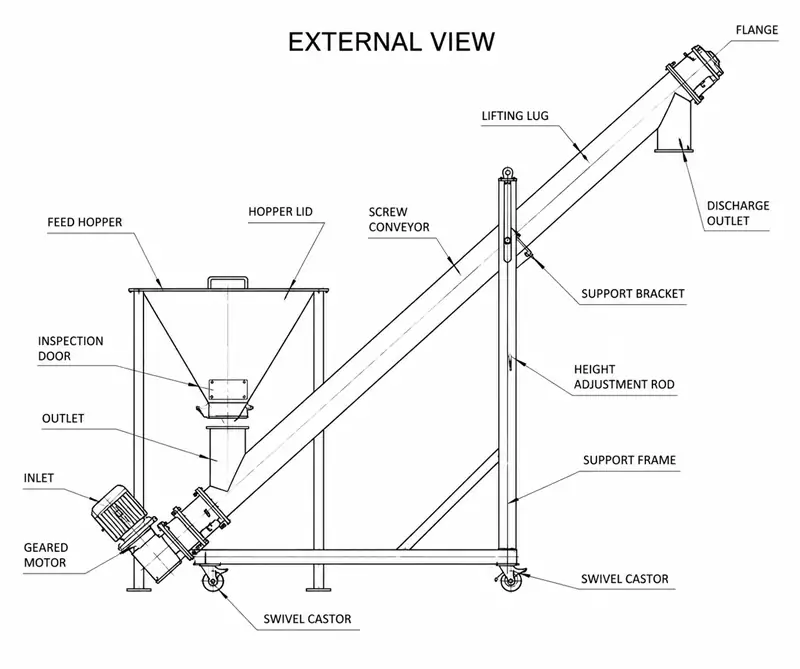
قادوس التغذية اللولبي الحلزوني هو آلة تغذية مستمرة تستخدم آلية لولبية لنقل المواد. يُعرف أيضًا باسم المغذي اللولبي أو وحدة التغذية اللولبية أو قادوس التغذية. يتكون الجهاز عادةً من قادوس تخزين ومجموعة نقل لولبية حلزونية ونظام قيادة. يُستخدم بشكل أساسي للتغذية المستقرة والنقل المستمر للمواد المسحوقة والحبيبية والمواد السائبة صغيرة الحجم.
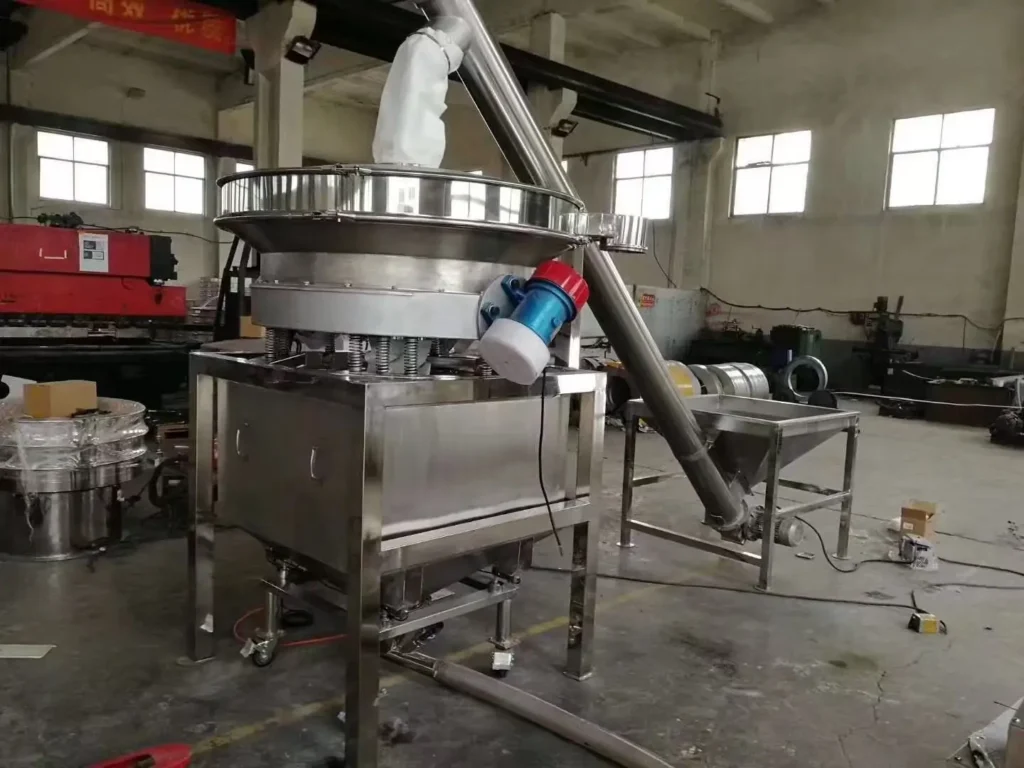
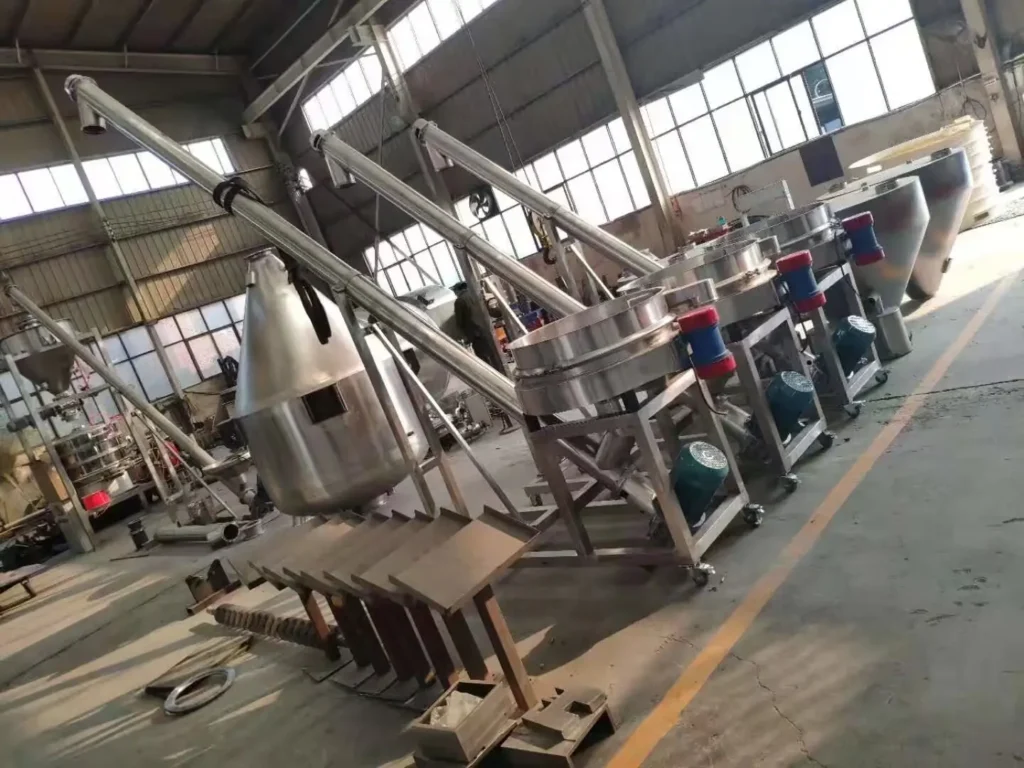
في العديد من تصميمات خطوط الإنتاج، يجب أن يأخذ اختيار معدات التغذية في الاعتبار ليس فقط قدرة النقل ولكن أيضًا خصائص تدفق المواد ومساحة التركيب ومتطلبات الاتصال بالمعدات العلوية والسفلية. يدمج تصميم القادوس في قادوس التغذية اللولبي الحلزوني تخزين المواد والتغذية في نظام واحد، مما يقلل من عمليات النقل الوسيطة ويسهل الاتصال بصوامع التخزين أو معدات المعالجة أو أنظمة التعبئة والتغليف.
مبدأ العمل
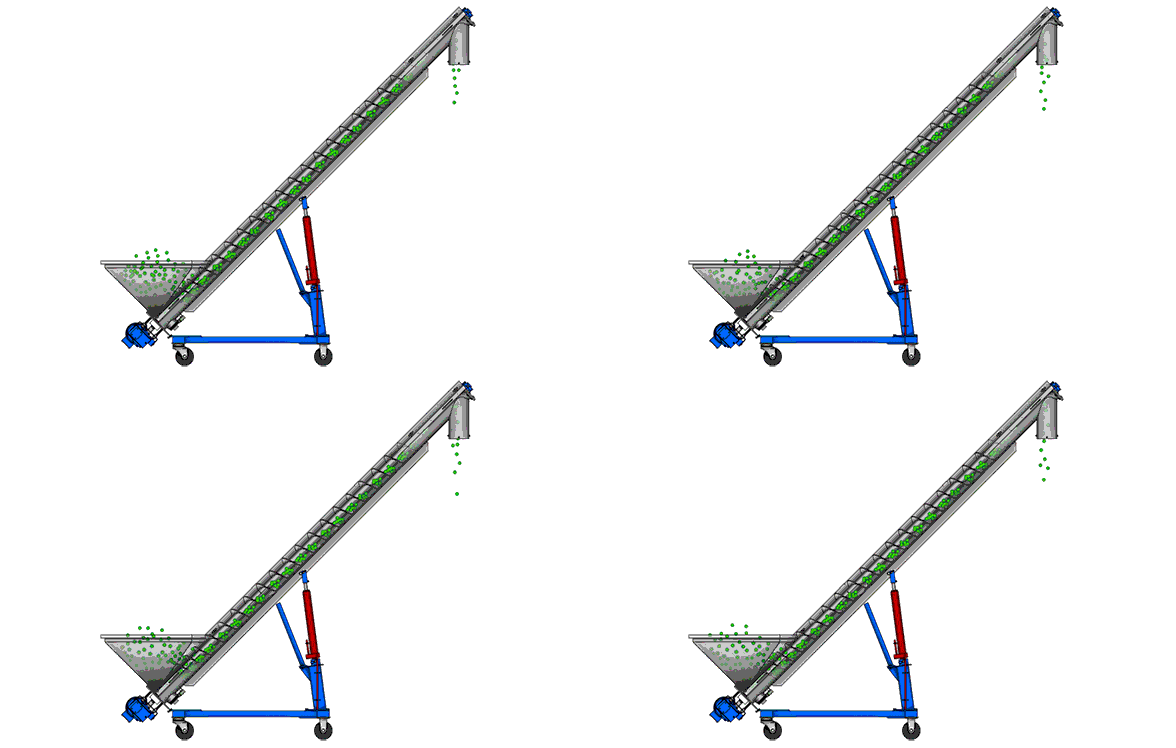
يعمل نظام التغذية اللولبي هذا باستخدام محرك لدفع دوران عمود اللولب. تدفع الشفرات اللولبية الدوارة المواد إلى الأمام، مما يسمح بنقل المواد الموجودة داخل القادوس بشكل مستمر إلى مرحلة المعالجة التالية.
بعد دخول المواد إلى القادوس، تسقط في قسم النقل اللولبي تحت تأثير الجاذبية الخاصة بها وتتحرك باستمرار إلى الأمام بواسطة الشفرات اللولبية الدوارة. تؤثر خصائص المواد مثل الكثافة الظاهرية ومحتوى الرطوبة وقابلية التدفق مباشرة على أداء التغذية. تُؤخذ هذه الخصائص في الاعتبار عادةً في تصميم أنظمة معالجة المواد السائبة.
لمزيد من المعلومات حول خصائص المواد السائبة ومبادئ المعالجة، يُرجى الرجوع إلى الموارد المقدمة من CEMA جمعية مصنعي معدات النقل. لا ينبغي اختيار تكوين المعدات بناءً على قدرة النقل فقط. يقوم فريق الهندسة لدينا عادةً بتقييم ظروف المواد ومتطلبات الاتصال أولاً، ثم يحدد معلمات اللولب المناسبة وتكوينات القيادة لتجنب التغذية غير المستقرة أو انسداد المواد أو عدم كفاية التغذية.
الأجزاء
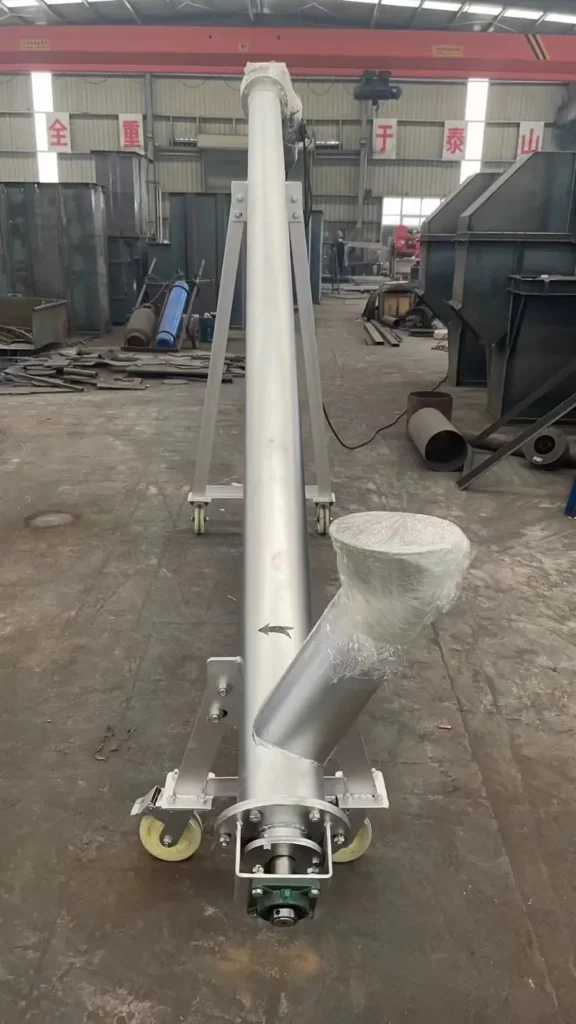
يتكون الجهاز بشكل أساسي من قادوس ومجموعة لولبية حلزونية ونظام قيادة ووصلة تفريغ. يركز التصميم الهيكلي على ضمان دخول المواد بشكل مستمر إلى منطقة النقل اللولبي والحفاظ على تغذية مستقرة في ظل ظروف تركيب مختلفة.
قسم القادوس
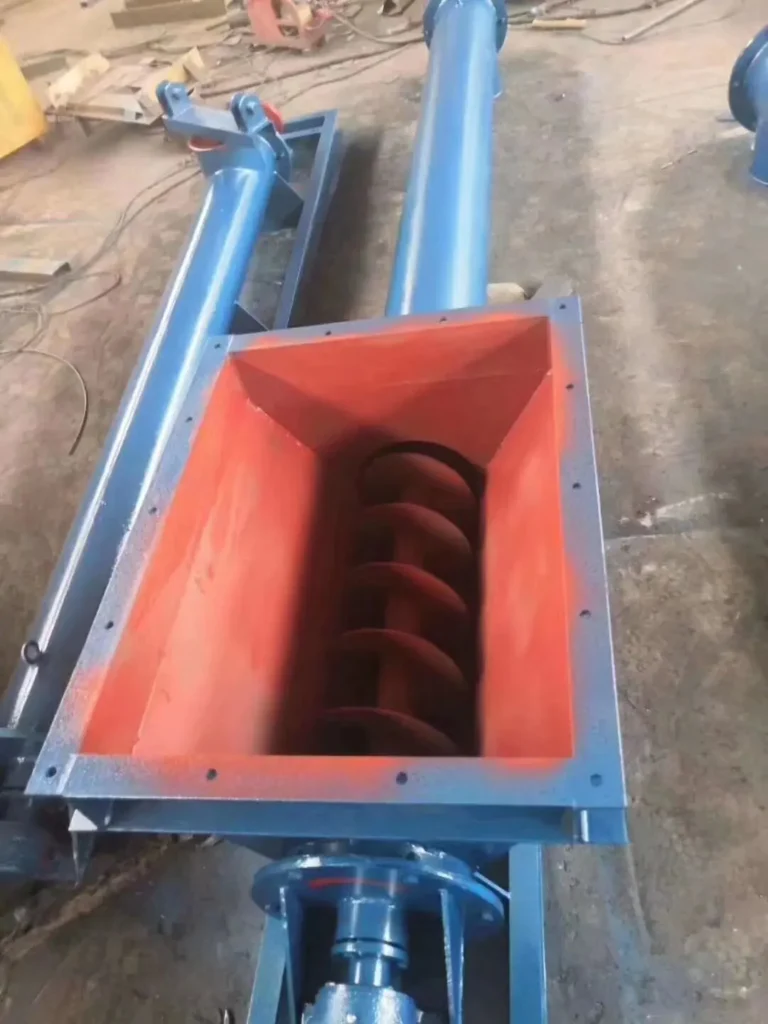
يُستخدم القادوس بشكل أساسي لتخزين المواد والتخزين المؤقت، مما يمنع التغذية غير المستقرة الناتجة عن دخول المواد مباشرة إلى الناقل اللولبي. وفقًا لخصائص تدفق المواد المختلفة، يمكن تخصيص زاوية القادوس وسعته لتحسين أداء التغذية.
مجموعة اللولب الحلزوني
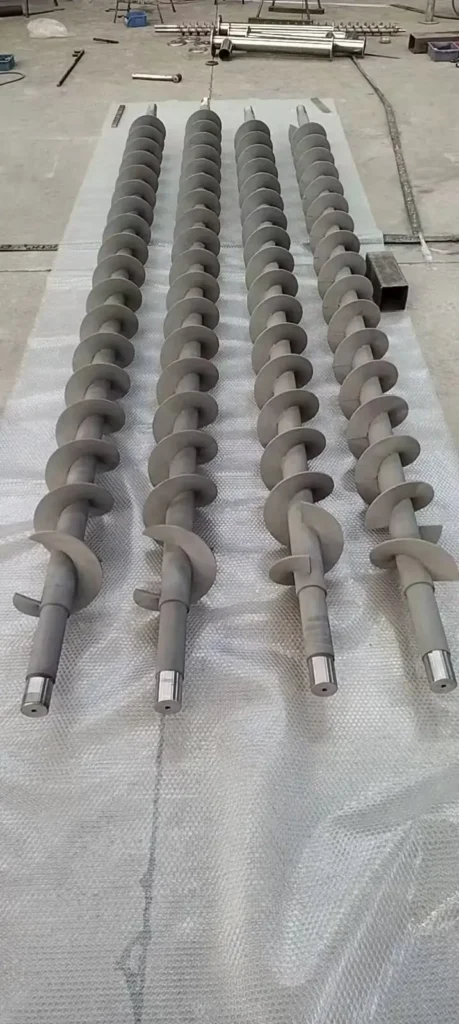
مجموعة اللولب الحلزوني هي المكون الأساسي للتغذية في الجهاز. تدفع الشفرات اللولبية الدوارة المواد إلى الأمام بشكل مستمر. يؤثر قطر اللولب ودرجة الميل وسرعة الدوران مباشرة على قدرة النقل ويجب اختيارها وفقًا لخصائص المواد ومعدل التغذية المطلوب.
نظام القيادة
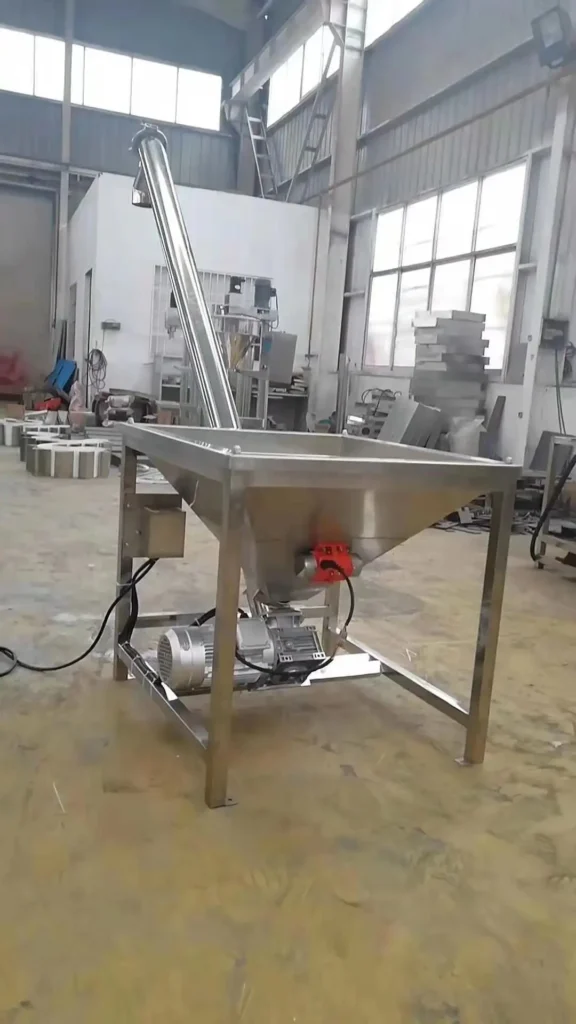
يوفر نظام القيادة الطاقة لدوران اللولب. تتطلب مسافات النقل المختلفة وزوايا التركيب وكثافات المواد تكوينات محرك مختلفة. يساعد الاختيار الصحيح لنظام القيادة في ضمان التشغيل المستقر طويل الأمد لقادوس التغذية اللولبي الحلزوني.
هيكل التوصيل
يمكن تعديل هياكل المدخل والمخرج وفقًا لتخطيط خط الإنتاج، مما يسمح بالاتصال المريح بصوامع التخزين ومعدات المعالجة وأنظمة التعبئة والتغليف أو غيرها من معدات الإنتاج الآلي.
تتطلب التطبيقات المختلفة تكوينات معدات مختلفة. يمكن لفريق الهندسة لدينا تعديل تصميم القادوس ومواصفات اللولب ونظام القيادة وهيكل التوصيل وفقًا لخصائص المواد وظروف الموقع لضمان أداء تغذية مستقر.
المزايا
مناسب لظروف التركيب المعقدة
تدعم سلسلة JR زوايا تركيب تصل إلى 60 درجة ويمكن تركيبها بمرونة وفقًا لمختلف تخطيطات المواقع.
يضمن تغذية مستقرة ومستمرة
يمكن مطابقة قطر اللولب وسرعة الدوران ونظام القيادة وفقًا لخصائص المواد لتحقيق تغذية مستقرة.
مناسب لمختلف المواد
قادوس التغذية اللولبي الحلزوني مناسب للمواد المسحوقة والحبيبية والمواد السائبة صغيرة الحجم ذات متطلبات التغذية المختلفة.
تخصيص وفقًا لمتطلبات الموقع
يمكن تخصيص حجم القادوس وطول اللولب والهيكل والتكوين وفقًا لمتطلبات العملاء.
المعايير الفنية
يجب أن يأخذ اختيار المعدات في الاعتبار خصائص المواد وقدرة التغذية وظروف التركيب. تتطلب بيئات التشغيل المختلفة مواصفات لولب وتكوينات قيادة مختلفة.
معلمات سلسلة JR لقادوس التغذية اللولبي الحلزوني
| الموديل | قطر اللولب (مم) | درجة ميل اللولب (مم) | سرعة اللولب (دورة/دقيقة) | أقصى قدرة نقل (م³/ساعة) | قوة المحرك (كيلوواط) | أقصى زاوية ميل |
| JR-133 | 133 | 80 | 140 | 2.2 | 1.5–18.5 | ≤60° |
| JR-141 | 141 | 100 | 125 | 4 | 1.5–18.5 | ≤60° |
| JR-168 | 168 | 128 | 112 | 8 | 1.5–18.5 | ≤60° |
| JR-219 | 219 | 160 | 100 | 11 | 1.5–18.5 | ≤60° |
| JR-273 | 273 | 200 | 90 | 22 | 1.5–18.5 | ≤60° |
| JR-325 | 325 | 252 | 80 | 34 | 1.5–18.5 | ≤60° |
| JR-406 | 406 | 320 | 71 | 64 | 1.5–18.5 | ≤60° |
تختلف خصائص التغذية باختلاف المواد. جاروي يوصي بتقديم معلومات المادة، والكثافة الظاهرية، ومسافة النقل، وزاوية التركيب حتى يمكن تأكيد تكوين قادوس المغذي اللولبي الحلزوني المناسب.
يمكن لـ JR تخصيص قطر اللولب، والطول، وحجم القادوس، وتكوين الإدارة، وهيكل التوصيل وفقًا لمتطلبات المشاريع المختلفة لتقديم حل تغذية يتوافق مع ظروف التشغيل الفعلية.
اتصل بنا الآن للحصول على عرض سعر ودعم فني
التطبيقات
يُستخدم قادوس المغذي اللولبي الحلزوني بشكل أساسي لعمليات التغذية المستمرة في خطوط الإنتاج. من خلال تخزين القادوس ودوران اللولب، يوفر نظام التغذية هذا نقلًا مستقرًا للمواد للمواد المسحوقة والحبيبية والمواد السائبة الصغيرة، ويمكن توصيله بصناديق التخزين ومعدات التكسير،, معدات الغربلة, الرأسية, وأنظمة التعبئة ومعدات المعالجة الأخرى وفقًا لمتطلبات الإنتاج.
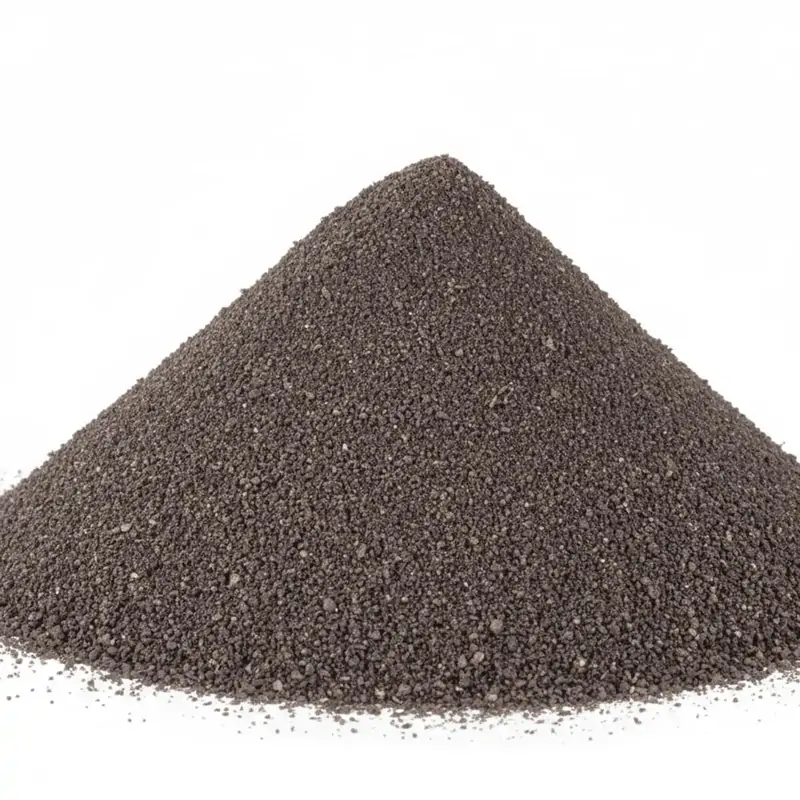 التعدين ومعالجة المعادن
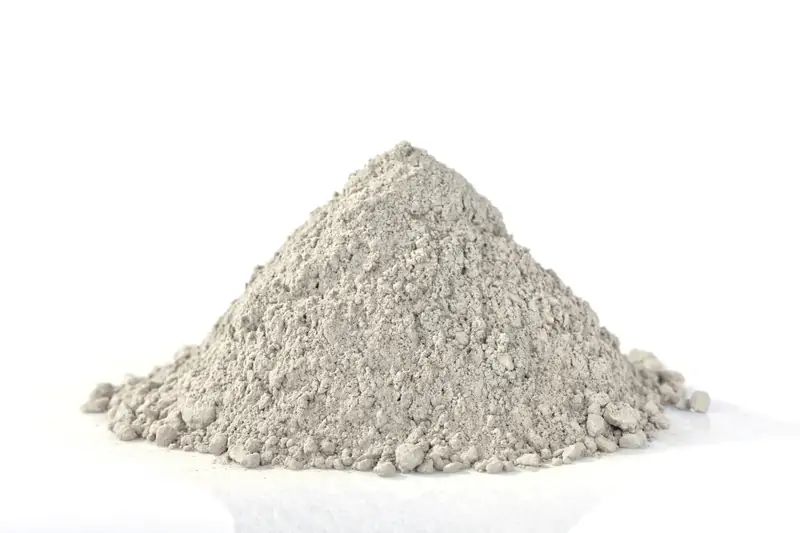 صناعة مواد البناء
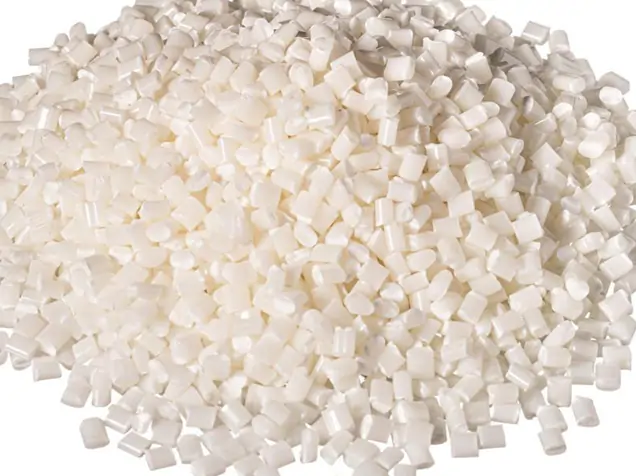 الصناعة الكيميائية والبلاستيكية
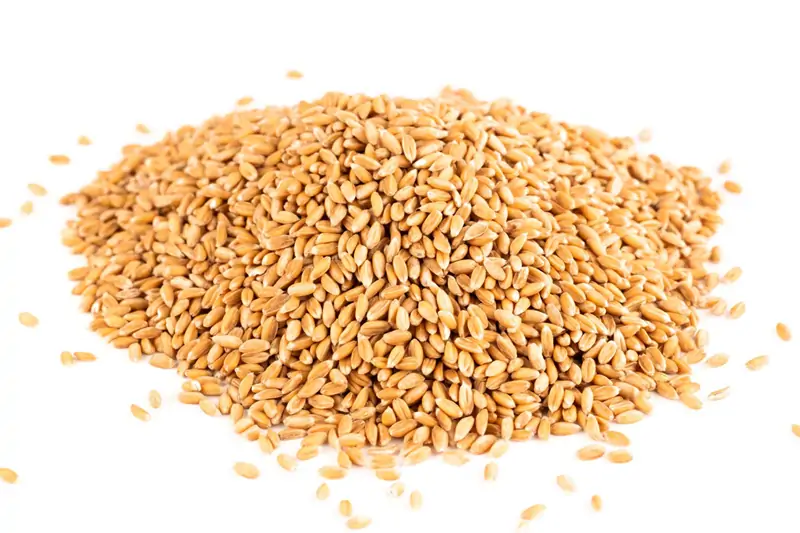 صناعة الأغذية والأعلاف
التطبيقات حسب الصناعة
| صناعة التطبيق | المواد النموذجية | التطبيقات الشائعة | القيمة التطبيقية |
| التعدين ومعالجة المعادن | مسحوق المعادن، مسحوق خام الحديد، الحجر الجيري، جزيئات الرمل والحصى | التغذية بعد صناديق التخزين، وتغذية خطوط إنتاج التكسير والغربلة | يمكن اختيار هيكل اللولب وفقًا لكثافة المادة وخصائص التآكل للحفاظ على تغذية مستقرة |
| صناعة مواد البناء | الأسمنت، مسحوق الجير، مسحوق الحجر، مواد الرمل | تغذية المواد لعمليات الخلط والجرعات والتعبئة | يوفر تغذية مستمرة للمسحوق ويقلل التغذية اليدوية والنقل الوسيط |
| الصناعة الكيميائية والبلاستيكية | حبيبات البلاستيك، مسحوق الراتنج، المساحيق الكيميائية | نقل المواد الخام والتغذية الآلية لخطوط الإنتاج | يمكن تعديل التكوين وفقًا لخصائص تدفق المادة لضمان التغذية المستمرة |
| صناعة الأغذية والأعلاف | الحبوب، الذرة، حبيبات الأعلاف | التغذية قبل معدات المعالجة وأنظمة الجرعات الأوتوماتيكية | مناسب للنقل المستمر للمواد الحبيبية والتوصيل المريح مع المعدات downstream |
ملاحظات تغذية المسحوق
في تطبيقات تغذية المواد المسحوقة، عادةً لا يكون انسداد المواد ناتجًا عن عدم كفاية سعة المعدات. في كثير من الحالات، ينتج عن عدم التطابق الصحيح بين خصائص المادة ومعلمات المعدات.
أثناء اختيار المعدات، نركز عادةً على محتوى الرطوبة في المادة، والكثافة الظاهرية، وقابلية التدفق، ومتطلبات التغذية، ثم نضبط قطر اللولب وسرعة الدوران والتصميم الهيكلي وفقًا لذلك لتقليل مشاكل التقوس والانسداد والتغذية غير المتساوية.
المواد الخاصة
تُستخدم معدات التغذية اللولبية هذه بشكل أساسي ومناسب لمعظم المواد المسحوقة والحبيبية والمواد السائبة الصغيرة. ومع ذلك، تتطلب بعض التطبيقات الخاصة تأكيد خصائص المادة وهيكل المعدات قبل الاختيار.
| ظروف المادة | المشاكل المحتملة |
|---|---|
| المواد التي تحتوي على كميات كبيرة من الألياف أو المواد سهلة التشابك | قد تلتف حول عمود اللولب وتتطلب تعديلًا هيكليًا أو طرق تغذية بديلة |
| المواد الكاشطة كبيرة الحجم أو الصلبة | قد تزيد من تآكل اللولب وتتطلب تصميمًا معززًا مقاومًا للتآكل |
| المواد عالية الحرارة أو شديدة التآكل | تتطلب اختيار مادة مناسبة بناءً على درجة الحرارة وظروف التآكل |
إذا كانت مادتك ذات خصائص خاصة أو كنت غير متأكد من الطراز المناسب، فيرجى تقديم معلومات المادة والسعة المطلوبة وظروف التشغيل.
سيقوم فريقنا الهندسي بتقييم التطبيق والتوصية بتكوين قادوس المغذي اللولبي الحلزوني المناسب.
قادوس المغذي اللولبي الحلزوني مقابل الناقل اللولبي
قادوس المغذي اللولبي الحلزوني و الناقل اللولبي كلاهما يستخدم دوران اللولب لتحريك المواد، لكنهما مصممان لمتطلبات إنتاج مختلفة.
ببساطة، يُستخدم قادوس المغذي اللولبي الحلزوني بشكل أساسي لتغذية المواد بشكل مستقر، والتحكم في سرعة التغذية وضمان الإمداد المستمر للمعدات downstream. يُستخدم الناقل اللولبي بشكل أساسي لنقل المواد، ونقل المواد بشكل مستمر بين مواقع مختلفة.
على سبيل المثال، عندما تحتاج المواد من قادوس التخزين إلى التغذية المستمرة والمتساوية في آلات التعبئة أو الخلاطات أو معدات المعالجة، عادةً ما يتم اختيار قادوس المغذي اللولبي الحلزوني. عندما تحتاج المواد إلى النقل بين عمليات إنتاج مختلفة، يتم اختيار الناقل اللولبي بناءً على مسافة النقل والسعة وتخطيط التركيب.
لا توجد ميزة مطلقة بين هذين النوعين من المعدات. يعتمد الاختيار الصحيح على الوظيفة الفعلية المطلوبة في خط الإنتاج.
| عنصر المقارنة | قادوس مغذي لولبي حلزوني | الناقل اللولبي |
| الوظيفة الرئيسية | يتحكم في معدل تغذية المواد ويوفر تغذية مستمرة مستقرة | ينقل المواد بين مواقع مختلفة من خلال النقل المستمر |
| الاعتبارات الرئيسية | انتظام التغذية، وخصائص تدفق المادة، ومعلمات اللولب، وتكوين الإدارة | مسافة النقل، وسعة النقل، وتخطيط التركيب، وخصائص المادة |
| موضع التركيب الشائع | قبل معدات المعالجة، أو معدات الخلط، أو أنظمة التعبئة، أو أنظمة الجرعات | بين عمليات الإنتاج المختلفة لنقل المواد |
| الميزات الهيكلية | نظام تغذية متكامل من القادوس واللولب لتخزين المواد وتخزينها المؤقت | مصمم بشكل أساسي لنقل المواد ومتصل بالمعدات العلوية والسفلية |
| التطبيقات النموذجية | التغذية المستمرة، والخلط التلقائي، وتغذية المعدات | ربط خط الإنتاج ونقل المواد |
| المواد المناسبة | المواد المسحوقة والحبيبية والمواد السائبة صغيرة الحجم | المواد المسحوقة والحبيبية والمواد السائبة صغيرة الحجم |
لمزيد من المعلومات حول أنظمة النقل اللولبي المائل، راجع دليلنا حول ناقل لولبي مائل بقادوس اهتزازي.
كيفية اختيار قادوس مغذي لولبي بريمي أو ناقل لولبي؟
يجب أن يعتمد اختيار المعدات على المهمة الرئيسية لخط الإنتاج: التغذية المستقرة أو نقل المواد.
| متطلبات التطبيق | المعدات الموصى بها | مرجع الاختيار |
| تغذية المواد بشكل مستمر من القادوس إلى معدات المعالجة | قادوس مغذي لولبي حلزوني | مناسب للتطبيقات التي تتطلب سرعة تغذية مستقرة وإمداد مستمر بالمواد |
| ضبط معدل التغذية وفقاً لمتطلبات الإنتاج | قادوس مغذي لولبي حلزوني | يمكن ضبط قطر اللولب وسرعة اللولب وتكوين المحرك وفقاً لظروف المواد |
| نقل المواد من معدات التخزين الحالية إلى موقع محدد | الناقل اللولبي | مناسب لنقل المواد بين مراحل الإنتاج المختلفة |
| ربط قطعتين من المعدات لحركة المواد المستمرة | الناقل اللولبي | يتم الاختيار وفقاً لمسافة النقل والسعة وظروف التركيب |
| المواد المسحوقة لديها تدفق غير مستقر أو مشاكل في التغذية | قادوس مغذي لولبي حلزوني | يمكن تحسين هيكل القادوس وتصميم اللولب لتحسين استقرار التغذية |
| تتطلب تركيباً مائلاً بسبب المساحة المحدودة | يتم الاختيار وفقاً لمتطلبات العملية | يجب تحديد التكوين بناءً على زاوية التركيب ومسافة النقل وخصائص المواد |
تتطلب التطبيقات المختلفة تكوينات معدات مختلفة. يساعد اختيار نوع المعدات الصحيح في تحسين استقرار الإنتاج وتقليل مشاكل مثل انسداد المواد وانقطاع التغذية وأداء النقل غير المناسب.
التخصيص
تختلف مواقع الإنتاج المختلفة في متطلبات مساحة التركيب وخصائص المواد وعمليات التغذية. قد لا تلبي الطرازات القياسية دائماً التطبيقات المحددة. يمكن لـ JiaRui تخصيص أبعاد المعدات ومواصفات اللولب وتكوينات المحرك وهياكل التوصيل وفقاً للمتطلبات الفعلية لتوفير حل تغذية لولبي مناسب.
من تصميم العملية إلى تصنيع المعدات، يقوم فريقنا بتحسين التكوين بناءً على معلومات التشغيل المقدمة من العميل لضمان الاتصال السلس مع خطوط الإنتاج الحالية.
المعلومات المطلوبة
لتأكيد التكوين المناسب، يرجى تقديم المعلومات التالية:
- المادة:
- سعة التغذية:
- طريقة التركيب:
- أبعاد الموقع:
- المتطلبات الخاصة:
تقدم JiaRui خدمات تصميم وتصنيع وتصدير معدات التغذية اللولبية. إذا لم تتوفر المعلمات الكاملة، يمكنك تقديم معلومات المواد وصور الموقع، وسيساعد فريقنا الهندسي في تأكيد التكوين المناسب.
تصنيع JiaRui
في 佳瑞, ، نحن ندرك أن معدات التغذية ليست مجرد منتج قياسي. تتطلب المواد وظروف التركيب المختلفة تصاميم هيكلية واعتبارات تصنيع مختلفة.
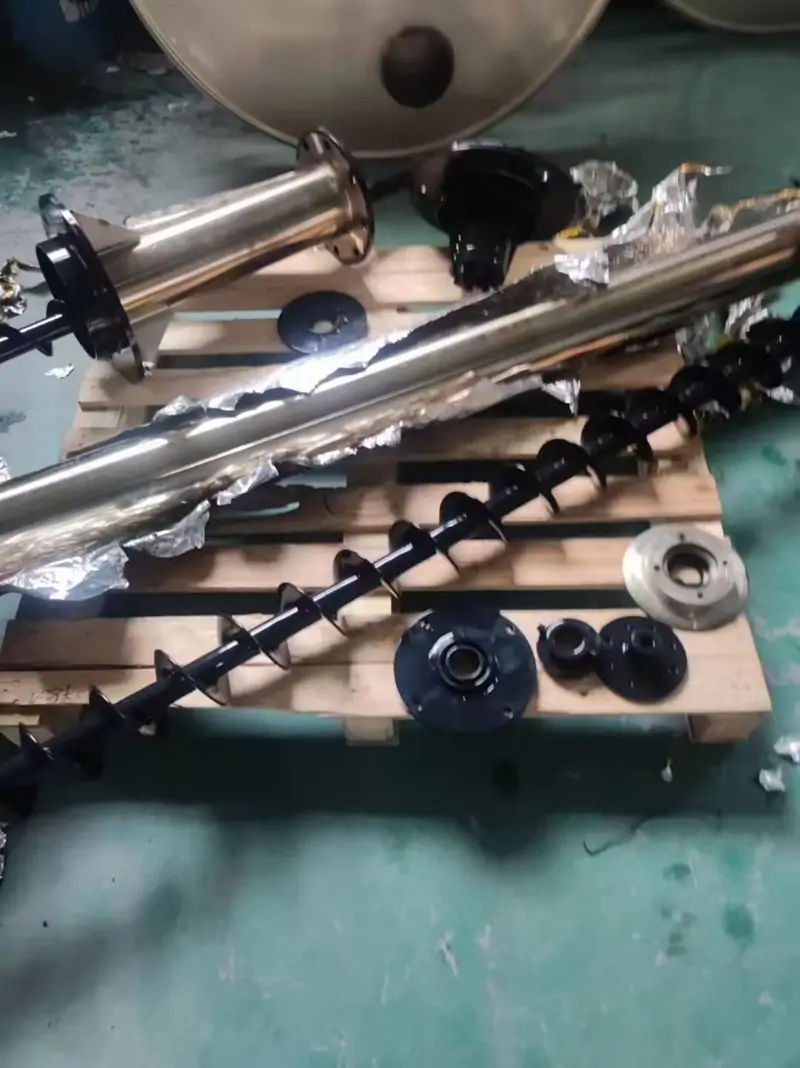
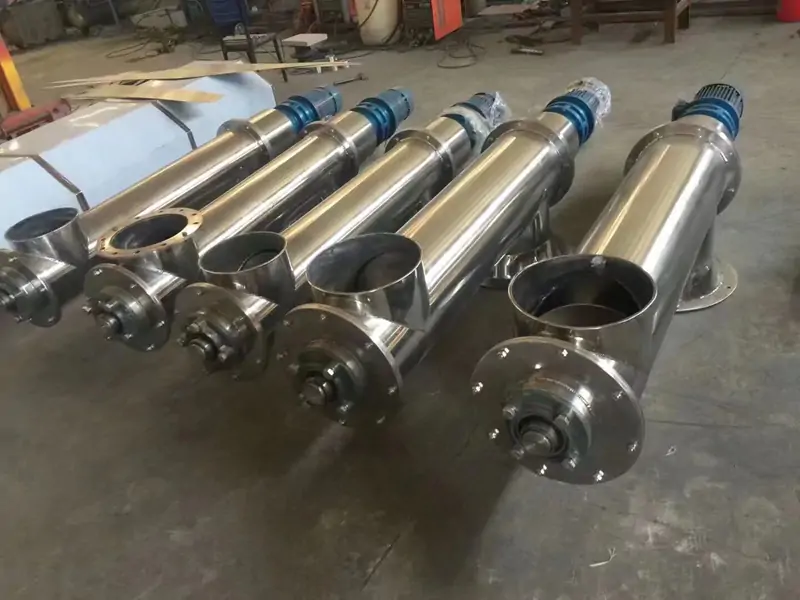
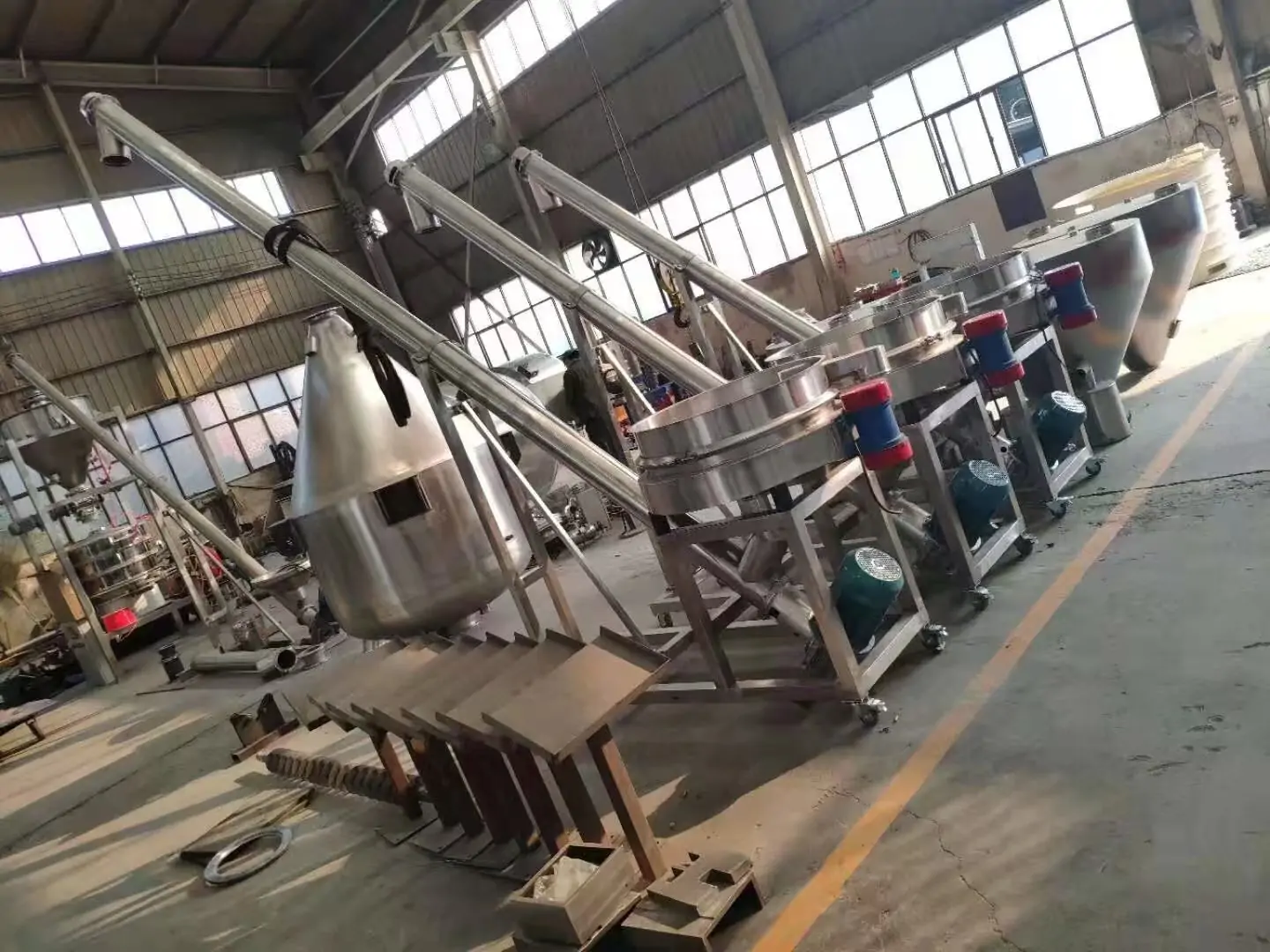
يمكن لـ JiaRui إكمال تصميم CAD وتصنيع عمود اللولب وتصنيع اللحام وتجميع المعدات واختبار المصنع وفقاً لمتطلبات العميل. يمكن تعديل تكوين المعدات بناءً على أبعاد الموقع ومتطلبات التوصيل وظروف التشغيل.
الأسئلة الشائعة
مقالات ذات صلة
ما هي الغربال الاهتزازي الخطي؟ مبدأ العمل والاستخدامات
ما هي الغربال الاهتزازي المضمن؟ تعرف على مبدأ عمله وهيكله ومزاياه وتطبيقاته ودليل اختياره للمسحوق الفعال و...ما هي ماكينة الغربلة الدورانية؟ مبدأ العمل والفوائد والتطبيقات
تعرف على ما هي آلة الغربلة الدوارة، وكيف تعمل، ومزاياها، وتطبيقاتها، واختلافاتها عن الغرابيل الاهتزازية الدوارة. Jiarui...ما هي الغربال الاهتزازي الهوائي؟
تعرف على ما هو الغربال الاهتزازي الهوائي، وكيف يعمل، ولماذا يستخدم لغربلة المسحوق المضاد للانفجار. استكشف...
احصل على استشارة مجانية
املأ النموذج أدناه للتواصل مع خبرائنا والحصول على توصيات مخصصة لتطبيقك.