
ما هو الناقل الأنبوبي الاهتزازي؟
أنابيب النقل الاهتزازية تُستخدم أساسًا لنقل الأسمنت ومواد الرماد المتطاير في محطات خلط الخرسانة. كما أنها مناسبة لمعالجة الصوامع في الصناعات الكيميائية والمعدنية والحبوب، وأماكن التخزين، وغيرها. تتميز الناقلة بقطر لولبي صغير، وسرعة عالية، وسعة نقل كبيرة، ودقة عالية، وظروف نقل ممتازة. تعتمد وحدة القيادة مخفض تروس، يتميز بعزم دوران مرتفع، وضوضاء منخفضة، وعدم تسرب الزيت، وعمر خدمة طويل. غلاف النقل مصنوع من أنابيب فولاذية غير ملحومة عالية الجودة مع توصيل بالفلنجات. الصلابة الكلية للمعدات جيدة، ولديها قدرة تحمل كبيرة. أثناء النقل، سواء كان أفقيًا أو بزاوية ميل كبيرة، يمكن تحقيق نقل مستمر. يسمح باختيار عشوائي لموضع العمل وظروف التشغيل، وهو مناسب للتفكيك والصيانة، والتشغيل آمن وموثوق.
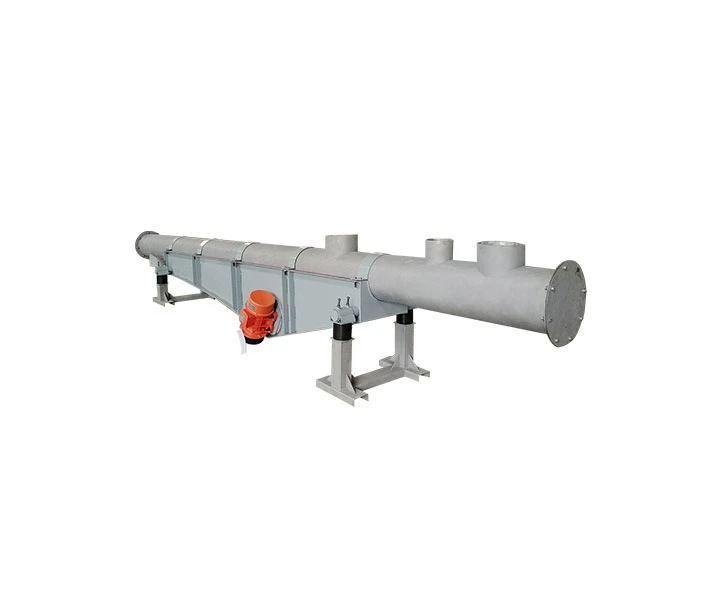
مبدأ النقل
المبدأ الأساسي لعمل ناقل الأنبوب الاهتزازي هو كما يلي: بعد بدء تشغيل المعدات، يعمل محركان اهتزازيان أو مهيجان متطابقان في الطراز والمواصفات، مرتبان بشكل متماثل، بشكل متزامن في اتجاهين متعاكسين. تنتقل قوة الإثارة التي يولدانها عبر جسم الاهتزاز—قاعدة المحرك أو المهيج—إلى جسم الاهتزاز بأكمله—حوض التغذية. مما يجعل الحوض يهتز بشكل دوري، وبالتالي تتحرك المادة داخل الحوض نحو طرف التفريغ بحركة قفز موجهة، مما يكمل في النهاية عملية نقل المادة.
الهيكل الأساسي والتكوين
ناقل الأنبوب الاهتزازي هو جهاز نقل بالقصور الذاتي الاهتزازي الخطي. يتكون هيكله الأساسي وتكوينه بشكل رئيسي من وحدة طاقة (محوران اهتزازيان أو مهيجان متطابقان في الطراز والمواصفات)، وجسم اهتزازي (حوض تغذية)، وجهاز عزل (نوابض عزل)، وقاعدة تحمل (هيكل فولاذي أو منصة مسبقة الصنع)، وملحقات ذات صلة.
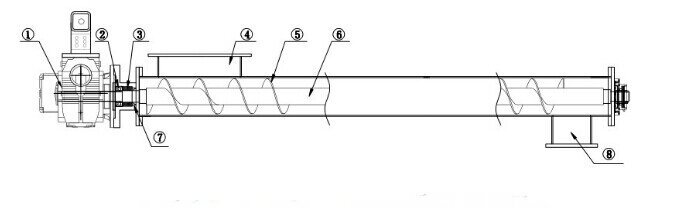
| اسم المكوّن | الوظيفة ومتطلبات المواد |
| خط النقل | قناة نقل المواد، عادةً أنبوب دائري، مع مواد اختيارية تشمل الفولاذ الكربوني (المقاوم للتآكل)، والفولاذ المقاوم للصدأ (لتطبيقات الأغذية/الأدوية)، أو المبطن بالسيراميك (لظروف التآكل العالي)، بأقطار أنابيب شائعة تتراوح من Φ100 إلى Φ600 مم. |
| مولّد الاهتزاز | مصدر الطاقة الأساسي، مثل محرك اهتزازي أو مغناطيس كهربائي أو مجموعة عمود لامركزي، يحدد أداء المعدات مباشرة. |
| جهاز عزل الاهتزاز | عادةً نوابض حلزونية معدنية أو نوابض مطاطية، مثبتة بين جسم الأنبوب والإطار، تستخدم لعزل انتقال الاهتزاز وحماية الأساس الهيكلي. |
| الهياكل والدعامات | يُدعم الجهاز بالكامل بفولاذ هيكلي ملحوم، ويتطلب صلابة وقوة كافيتين. |
| المدخل والمخرج | يمكن تصميمه للتغذية متعددة النقاط والتفريغ متعدد النقاط وفقًا لمتطلبات العملية، ومجهز ببوابات أو أجهزة إحكام. |
| نظام التحكم | يشمل محول تردد (لضبط تردد الاهتزاز)، ووحدة تحكم PLC (للتحكم الآلي المترابط)، وأجهزة استشعار (لمراقبة مستوى المواد). |
ما المشكلات التي يمكن أن يحلها لك؟
يعتمد ناقل الأنبوب الاهتزازي هيكلًا أنبوبيًا مغلقًا بالكامل، مما يمنع بشكل فعال تطاير الغبار في الورشة ويتجنب التلوث الخارجي. يمكنه تلبية متطلبات الروابط عالية النظافة في صناعات مثل الهندسة الكيميائية وتجهيز الأغذية والأدوية. يرث جميع مزايا المغذيات الاهتزازية مع حل مشكلات البيئة والتلوث من خلال هيكله المغلق.
معلمات الطرازات
كجهاز تغذية شائع في نقل الصناعة، تم تلخيص بعض الطرازات الشائعة ومعاييرها الفنية المقابلة لمغذيات الأنابيب الاهتزازية للجميع:
| مواصفات طراز النقل | قطر الأنبوب (مم) | قوة المحرك (كيلوواط) | زاوية الميل (°) | مسافة النقل (مم) |
| 273-2000 | Φ273 | 0.25 | 0~5 | 2000 |
| 273-2500 | Φ273 | 0.25 | 0~5 | 2500 |
| 273-3000 | Φ273 | 0.37 | 0~5 | 3000 |
| 356-3000 | φ356 | 0.37 | 0~5 | 3000 |
| 356-3500 | φ356 | 0.37 | 0~5 | 3500 |
| 356-4000 | φ356 | 0.55 | 0~5 | 4000 |
| 356-4500 | φ356 | 0.55 | 0~5 | 4500 |
| 356-5000 | φ356 | 0.75 | 0~5 | 5000 |
| 356-5500 | φ356 | 0.75 | 0~5 | 5500 |
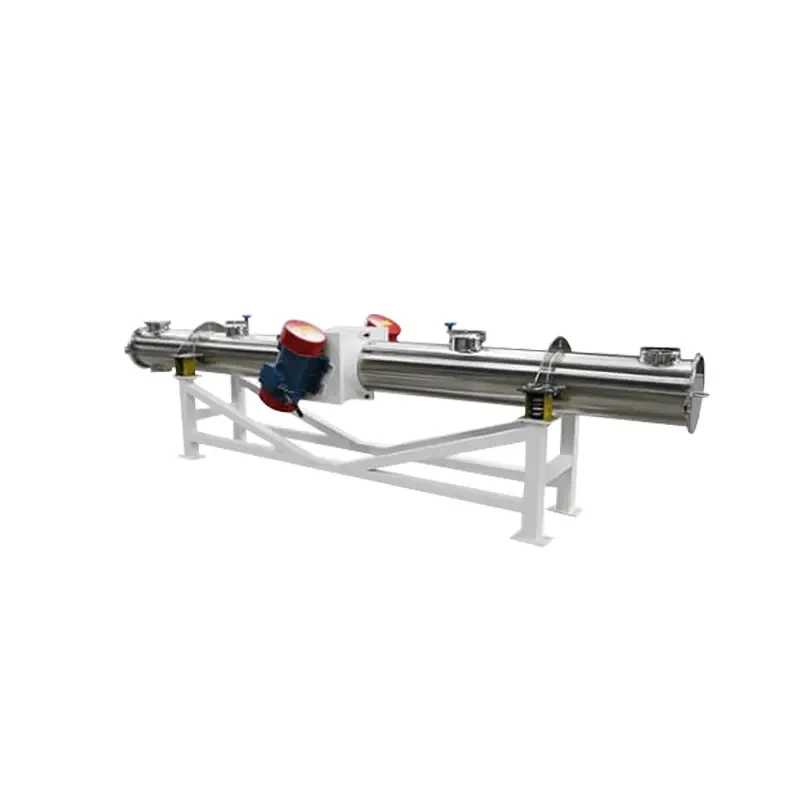
المزايا الأساسية
- نقل المواد بكفاءة عالية: يتم اعتماد إطار تحمل وسيط معلق جديد، مما يزيد من مساحة نقل المواد ويقلل مقاومة التدفق. بالإضافة إلى تصميمات مثل القطر الصغير والسرعة العالية والخطوة المتغيرة، يضمن تدفقًا سلسًا وسريعًا وموحدًا للمواد.
- مرونة التخطيط: يستخدم الغلاف أنابيب فولاذية غير ملحومة عالية الجودة، متصلة في هيكل متكامل عبر الفلنجات. يمكنه نقل المواد بشكل مستمر أفقيًا أو بزوايا ميل كبيرة. يمكن توصيله وتثبيته مباشرة بالمعدات دون الحاجة إلى أساس، مما يستغل المساحة بالكامل ويسهل الحركة والتفكيك.
- طرق توصيل متنوعة: يمكن أن تعتمد كل من منافذ الدخول والخروج أشكال توصيل مختلفة مثل التوصيل بالفلنجات، والتوصيل بالأكياس، وتوصيل علاقات الأكياس، وتوصيل الوصلات العامة.
- إحكام موثوق: يتم تركيب أجهزة مقاومة للماء عند نقاط توصيل أنبوب الغلاف، ويتم تحسين الفتحات التقنية بعناية لمنع الانسدادات الناتجة عن تكوّن كتل الأسمنت داخل الأنبوب بسبب دخول مياه الأمطار، وبالتالي تجنب حوادث انحشار الماكينة.
- لا حاجة لإضافة مواد تشحيم: بفضل اعتماد مواد محامل وسيطة مبتكرة توفر تقليل الاحتكاك ومقاومة التآكل والتشحيم الذاتي، لا يلزم إضافة زيت تشحيم حتى بعد الاستخدام طويل الأمد. هذا يتجنب الآثار السلبية الناتجة عن اختلاط الشحوم بالأسمنت على البطانات والأعمدة.
نوعان
الفرز حسب مصدر الاهتزاز
| مصدر الاهتزاز | التردد | السعة | Typical Application Scenarios | مصدر الاهتزاز |
| Inertial type | Eccentric block rotating centrifugal force | Intermediate frequency (16~50 Hz) | Medium (1~5 mm) | The most widely applied and suitable for conveying most bulk materials |
| Electromagnetic type | Electromagnetic periodic attractive force | High frequency (50~100 Hz) | Small (0.5~2 mm) | Accurate feeding, quantitative control, fine powder material |
| Elastic link type | Eccentric shaft + connecting rod mechanical transmission | Low frequency (6~15 Hz) | Large (5~15 mm) | Heavy materials, large ore chunks, impact-resistant applications |
Based on their core working principles
| الميزات | ناقل أنبوبي اهتزازي | Screw Tube Conveyor |
| Advantages | Environmentally friendly with no leakage; capable of large inclination (up to 30°) and three-dimensional spatial bending; conveyor belt does not deviate; suitable for long-distance, high-capacity conveying. | Simple and compact structure; good sealing performance; capable of loading and unloading at multiple points; lower cost; good rigidity. |
| Limitations | Simple and compact structure; good sealing performance; capable of loading and unloading at multiple points; lower cost; good rigidity. | The mechanical parts are severely worn; the conveying capacity is relatively low; power consumption is high; it is suitable for conveying easily breakable materials; it is not suitable for conveying highly viscous or easily clumping materials. |
| Typical Parameters | The conveying capacity can reach up to 1,800 tons per hour, and the length of a single unit can extend to several kilometers. | The common spiral diameter ranges from 100 to 1250 mm, and the typical length is 2 to 70 meters. |
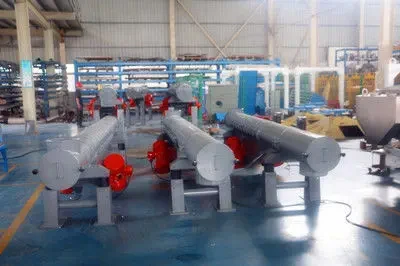
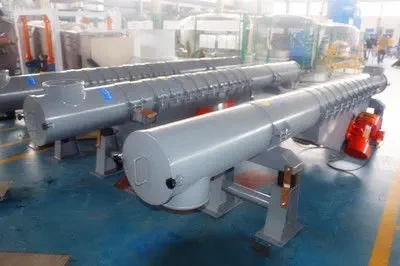
Technical Features and Parameters
- Compact in size and high in speed, it ensures rapid and uniform material conveying.
- It has good rigidity and excellent sealing. The housing is made of seamless steel pipe, with flanges at the ends to form an integral structure.
- A cleaning device is installed at the discharge end. The entire machine operates with low noise, strong adaptability, and flexible arrangement of inlet and outlet ports.
- It can carry heavy loads and ensure safe and reliable operation.
- It exhibits strong adaptability, convenient installation and maintenance, and a long service life.
Application Fields
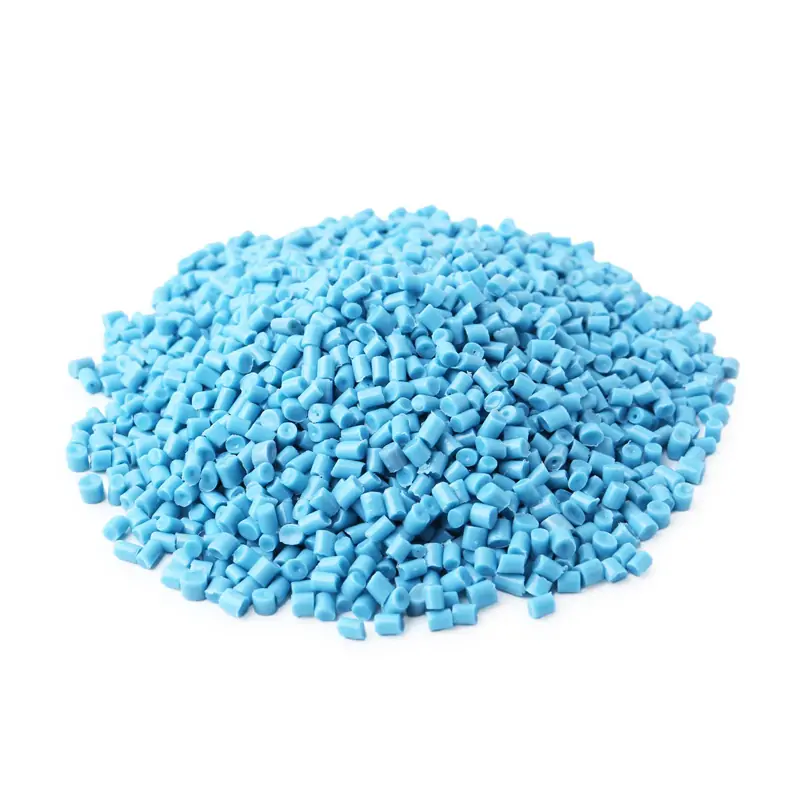
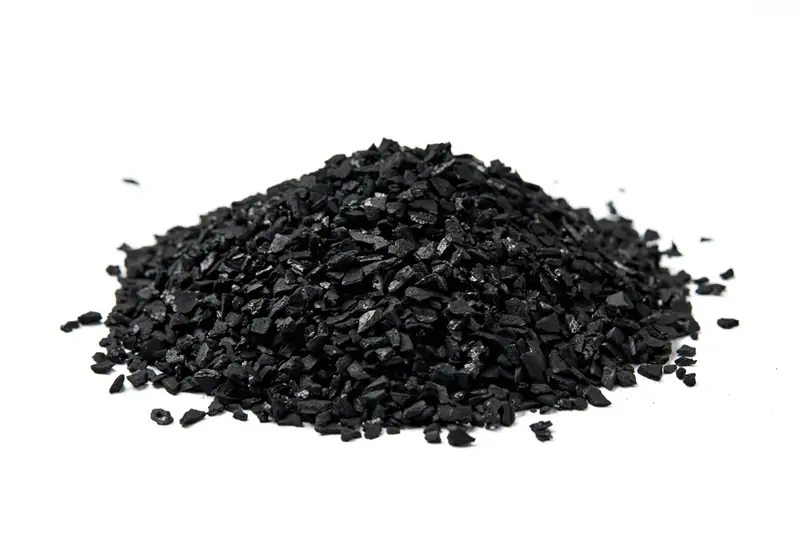
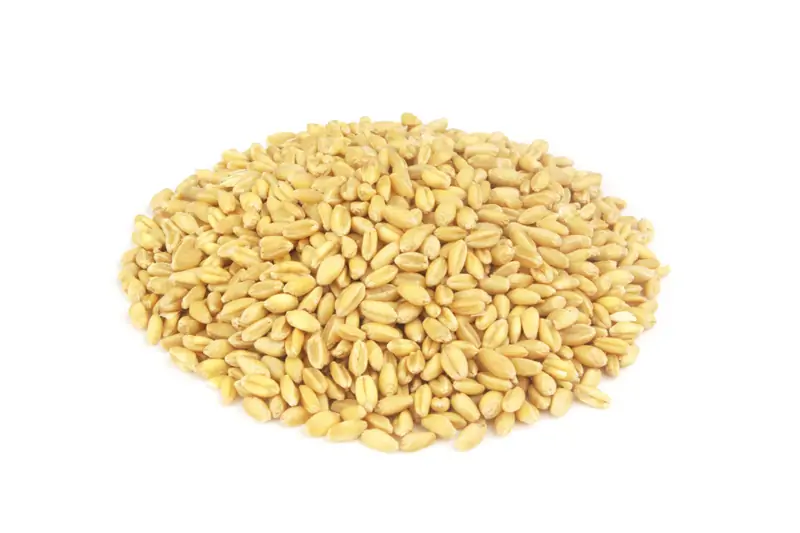
- Food و الصناعات الدوائية Industry: For conveying powders, granules, etc., requiring gentle handling and no contamination.
- الصناعة الكيميائية و مواد البناء Industry: Used in feeding systems for materials such as bauxite, silicon carbide, and magnesia sand.
- Other Industries: Also widely applied in mining, metallurgy, coal, grain, glass, and other fields.



دليل الاختيار
During the selection process of vibrating tube conveyors, numerous factors need to be considered, such as material properties, conveying capacity, workshop environment, and on-site operating conditions. The following is a summarized specific procedure:
| Step | Evaluation Content | Key Questions |
| ① Material Analysis | Particle size, bulk density, moisture content, temperature, abrasiveness, corrosiveness | Is stainless steel material required? Is a wear-resistant lining needed? |
| ② Conveying Requirements | Transportation distance, lifting height, target production capacity | Can a single unit meet the requirements? Is a series connection necessary? |
| ③ Vibration Source Selection | Select based on control precision and material properties. | For precise measurement, choose electromagnetic type; for high production volume, choose inertial type; for heavy load, choose link type |
| ④ Environmental Conditions | Explosion-proof rating, hygiene rating, installation space. | Food and pharmaceutical industries require stainless steel and easy-to-clean designs; chemical zones need explosion-proof motors |
| ⑤ Additional Features | Is cooling, drying, and sieving required? | Custom jacketed cooling tubes or sieve structures are available. |
| ⑥ Control System | Is automation interlocking required for variable frequency speed control, | PLC communication, and level interlock? |
Common Faults
Vibrating tube conveyors are prone to various faults during long-term use.
Below is a summary of some common faults and their solutions:
| ظاهرة العطل | Possible Causes | Solution Methods |
| The conveying speed has dropped significantly. | Amplitude reduction (spring fatigue) or excessive material moisture content: | Adjust the exciting force or replace the springs; reduce the material moisture content |
| The noise is too loud. | Bolt loosening, bearing wear, spring breakage. | Tighten bolts; replace bearings or springs. |
| Pipe cracking | Long-term resonance or weld defects; | Strengthen the welds, add stiffeners, and adjust the frequency to avoid the resonance zone. |
| Motor overheating | Bearing oil deficiency or poor heat dissipation | Add lubricant and clean the motor surface dust. |
Vibrating Tube Conveyor VS Conventional Conveyor
As one of the commonly used devices in the conveying industry, what makes vibratory tube feeders different from other ordinary conveying and feeding equipment? The following table summarizes this from various dimensions:
| Comparison Dimension | Vibratory Tube Conveyor (Enclosed) | Ordinary Vibratory Conveyor(Open/Chute Type) |
| Structural Characteristics | Fully enclosed round tube | Open U-shaped or rectangular channel. |
| المزايا الأساسية | Environmental protection and pollution prevention: Materials run inside the pipe, with no dust leakage, and they are not affected by external pollution. | Low cost and convenient observation: Simple structure, facilitating material observation and maintenance. |
| المواد القابلة للتطبيق | Powdery, easily airborne, volatile, or toxic materials. | Loose materials such as blocky and granular ones with no special environmental protection requirements. |
| التطبيقات النموذجية | Processes in industries such as chemical engineering, food processing, and pharmaceuticals that have high cleanliness requirements. | Crushing, screening, and feeding for mines, metallurgy, building materials, and other industries. |
الخلاصة
Vibrating tube conveyors are also suitable for chemical, metallurgical, grain silo processing, storage, and other places. The conveyor features a small screw diameter, high speed, large conveying capacity, high precision, and excellent conveying conditions.