High-Precision Industrial Gyratory Screen
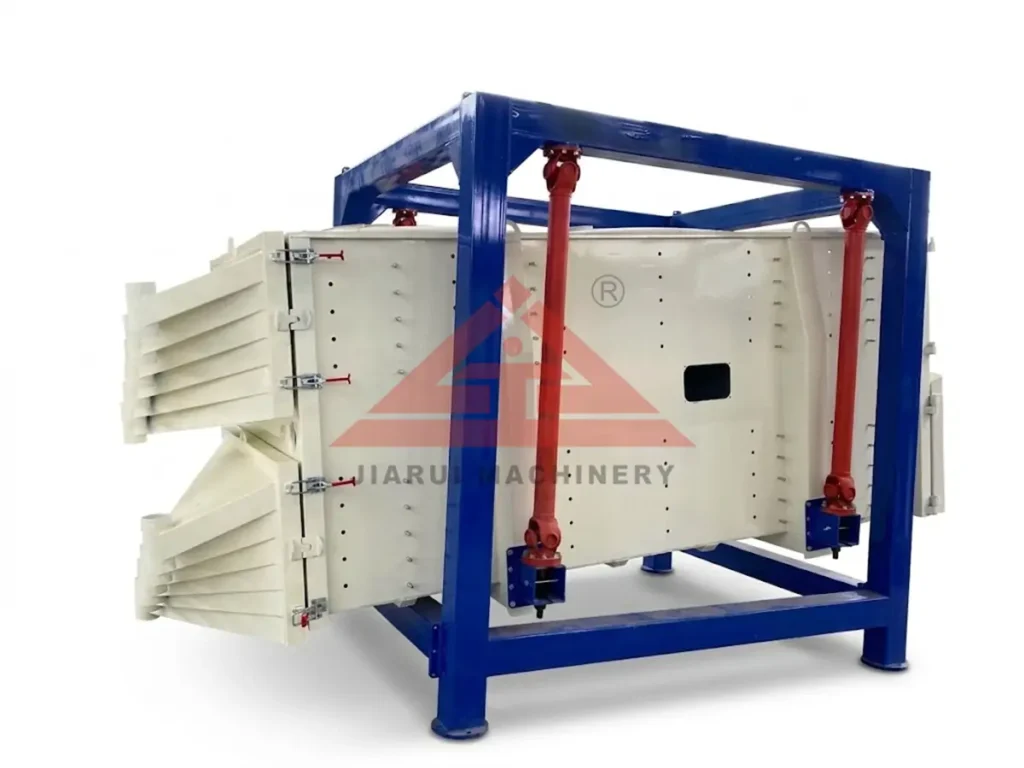
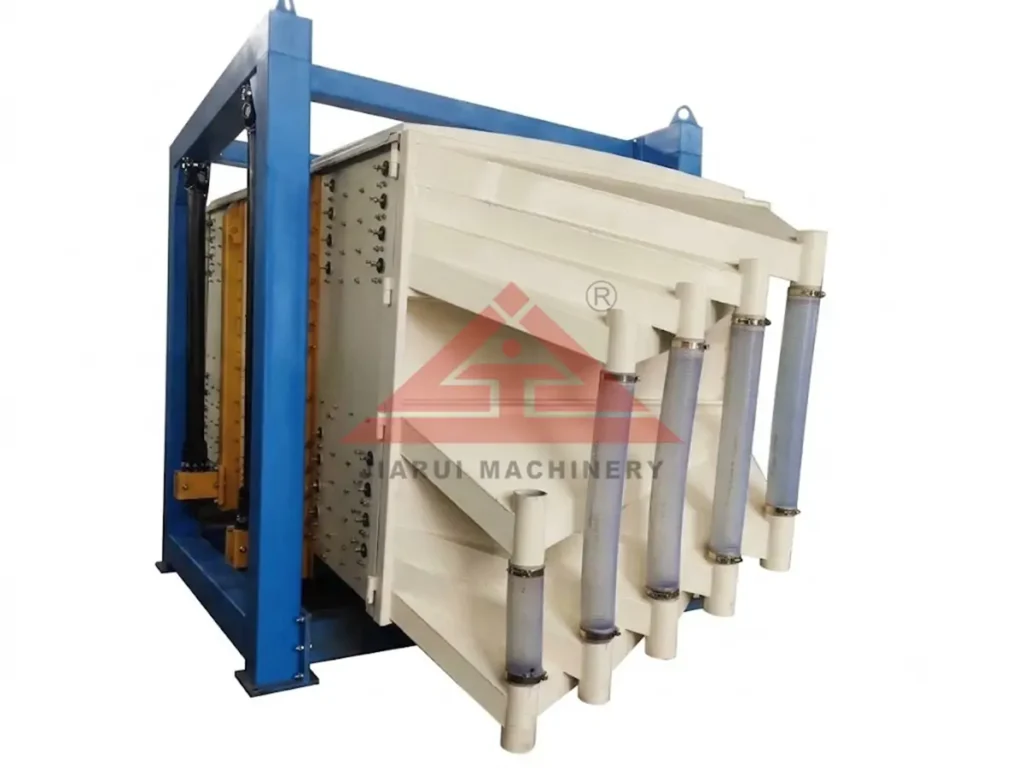
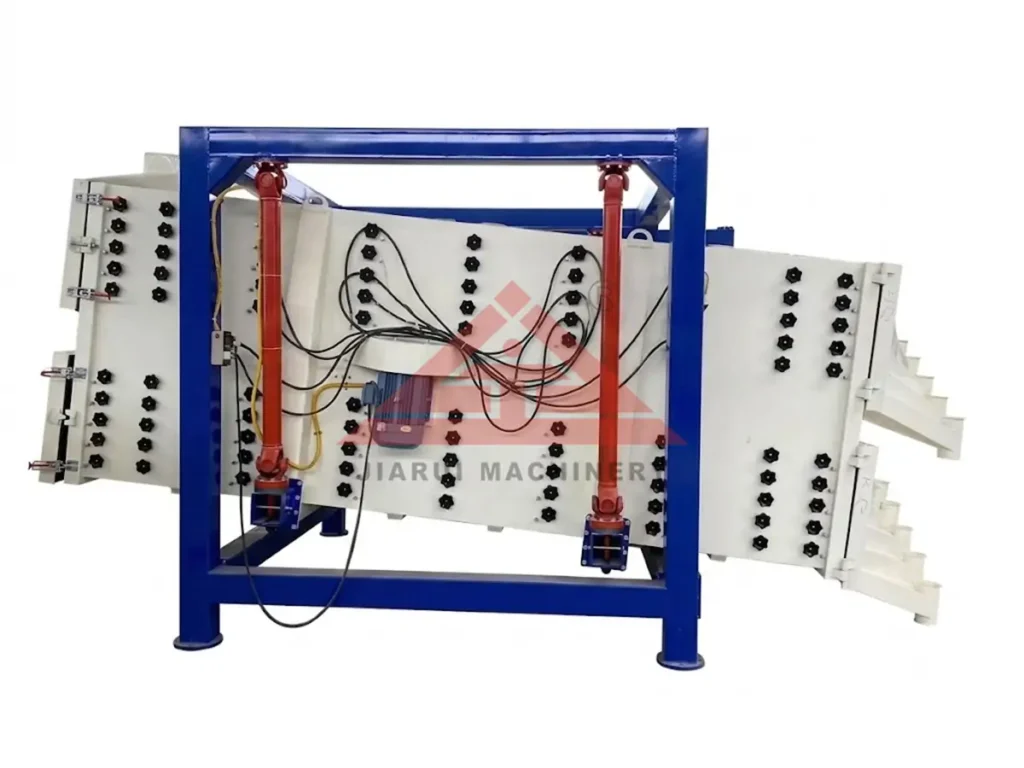
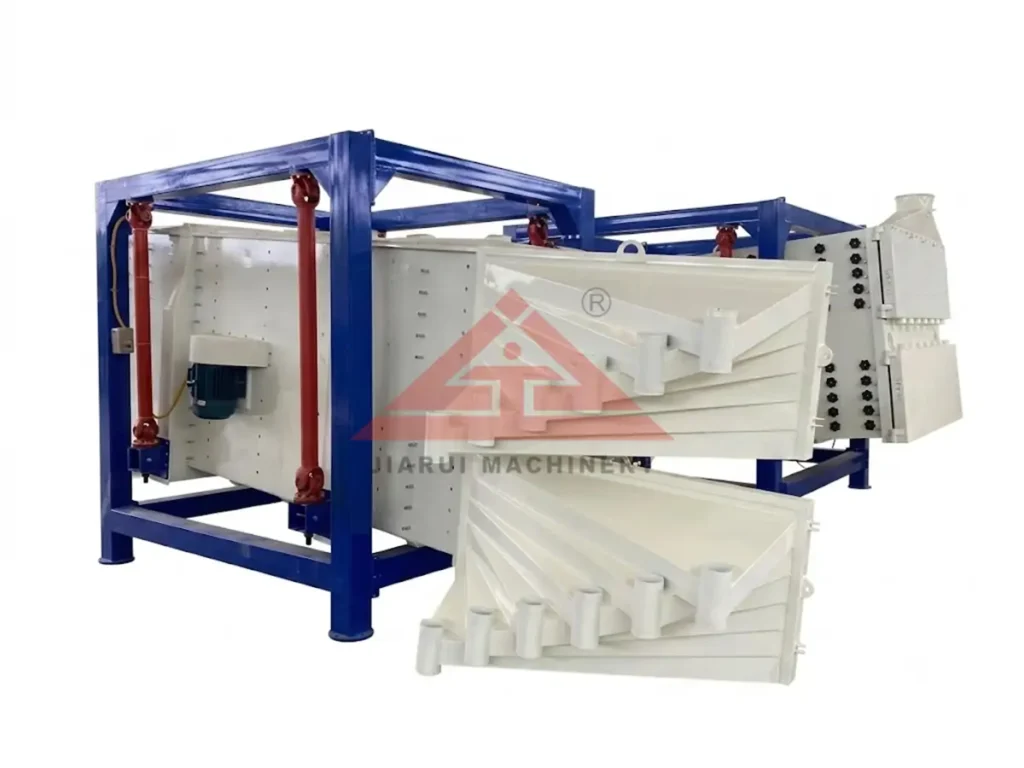
The gyratory screen is mainly designed for fine classification of powders, granules, and small-size materials. Through a horizontal gyratory motion, the material is evenly spread across the large screening surface and maintains sufficient contact with the screen mesh, improving screening accuracy and particle size control. It is widely used in production processes where product consistency and material integrity are important.
Compared with conventional vibrating screens, the gyratory screening machine operates with a gentler screening movement, helping reduce material breakage and improve screen utilization. Based on material characteristics, processing capacity, and installation conditions, Jiarui can customize the screen size, mesh layers, material selection, and structural configuration to meet different industrial screening requirements.
- Model: FYBS Series (FYBS1535 / FYBS2040)
- Screen Size: 1.5 × 3.5 m, 2 × 4 m (customizable)
- Effective Screening Area: 5.25–8 m²
- Screen Layers: 1–9 layers, multi-grade particle separation
- Screening Accuracy: Up to 95%
- Gyratory Frequency: 180–260 r/min
- Suitable Materials: Powders, granules, small-size minerals, and chemical raw materials
- Customization Service: Screen mesh, dimensions, layers, and structural design can be adjusted according to requirements
What Is an Industrial-Grade Gyratory Screen?
An Industrial-Grade Gyratory Screen, also known as a gyratory screening machine or square gyratory screener, is a type of fine screening equipment used for precise classification of powder and granular materials. Unlike conventional vibrating screens that rely on high-frequency vibration for rapid separation, it simulates the screening motion of manual sieving. The material moves gently across the screen surface, increasing the contact time between the material and the mesh while reducing impact on the particles.
The gyratory screen can be equipped with multiple screen layers, allowing several particle sizes to be separated in one screening process. It is commonly applied in industries such as chemical powders, mineral powders, food ingredients, and plastic pellets where particle size control is important. During equipment selection, factors such as material size, processing capacity, required separation levels, and installation space should be considered to determine the proper screen size and structural configuration.
Working Principle
The gyratory screen mainly relies on the drive system to move the screen box in a horizontal gyratory motion. During operation, materials are continuously spread, turned over, and screened as they move across the screen surface.Unlike conventional vibrating screens that rely on rapid vibration to move and separate material, the gyratory screening process provides a longer screening path and more contact time between the material and the mesh.
- Material enters the screen surface and spreads evenly
After entering through the feeding inlet, the material gradually spreads across the screening area with the movement of the screen box. The originally concentrated material layer becomes thinner, allowing more particles to contact the screen mesh and preventing excessive material accumulation from affecting screening performance. - Particle separation occurs during movement
As the material continues moving forward, particles with different sizes are gradually separated. Particles close to the mesh opening repeatedly contact the screen surface, while smaller particles pass through the mesh into the lower layer and larger particles continue moving toward the discharge outlet. - Different particle sizes are discharged separately
After screening, fine and coarse materials are discharged through their corresponding outlets. When multiple screen layers are installed, the equipment can complete several particle size classifications in one operation, reducing the need for additional screening processes.
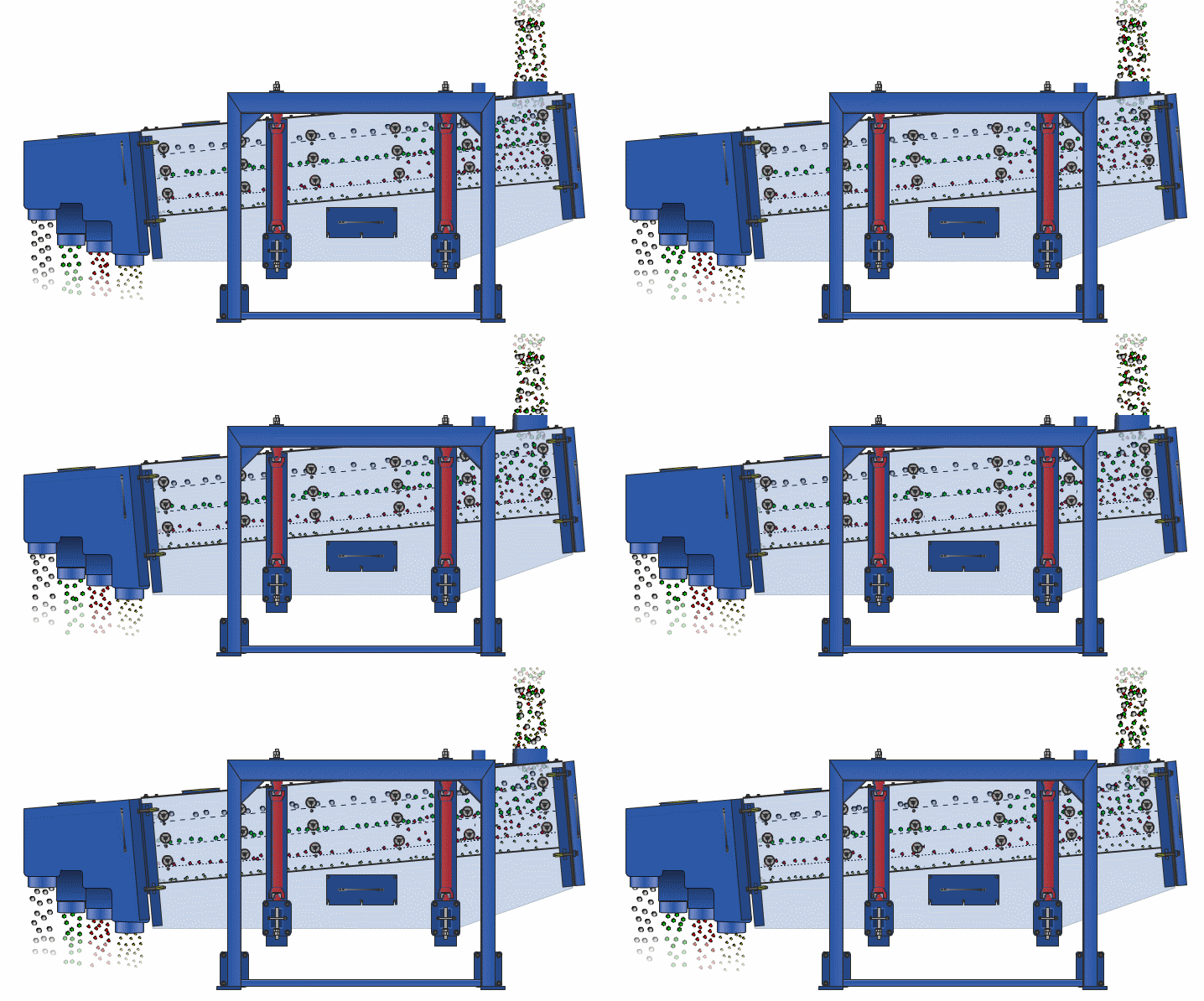
The screening method of an Industrial-Grade Gyratory Screen is relatively gentle and is especially suitable for materials that require high screening accuracy and good particle integrity. However, an unsuitable configuration may still result in low screening efficiency even when the equipment size is sufficient. Proper selection of screen size, mesh specification, and operating parameters is important for stable performance.
Equipment Structure
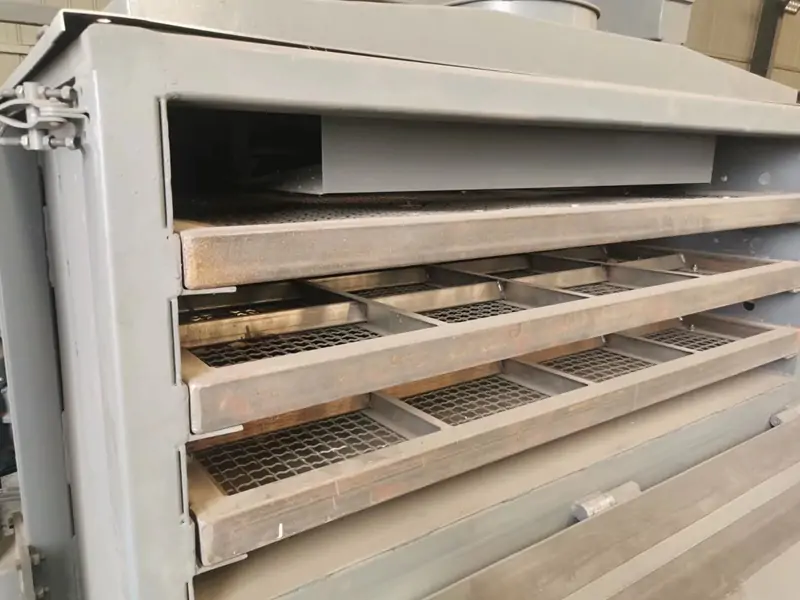
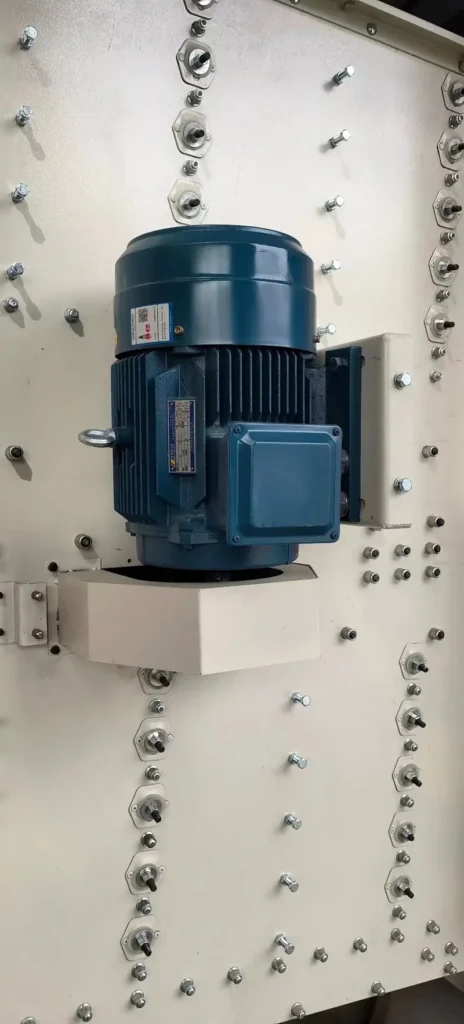
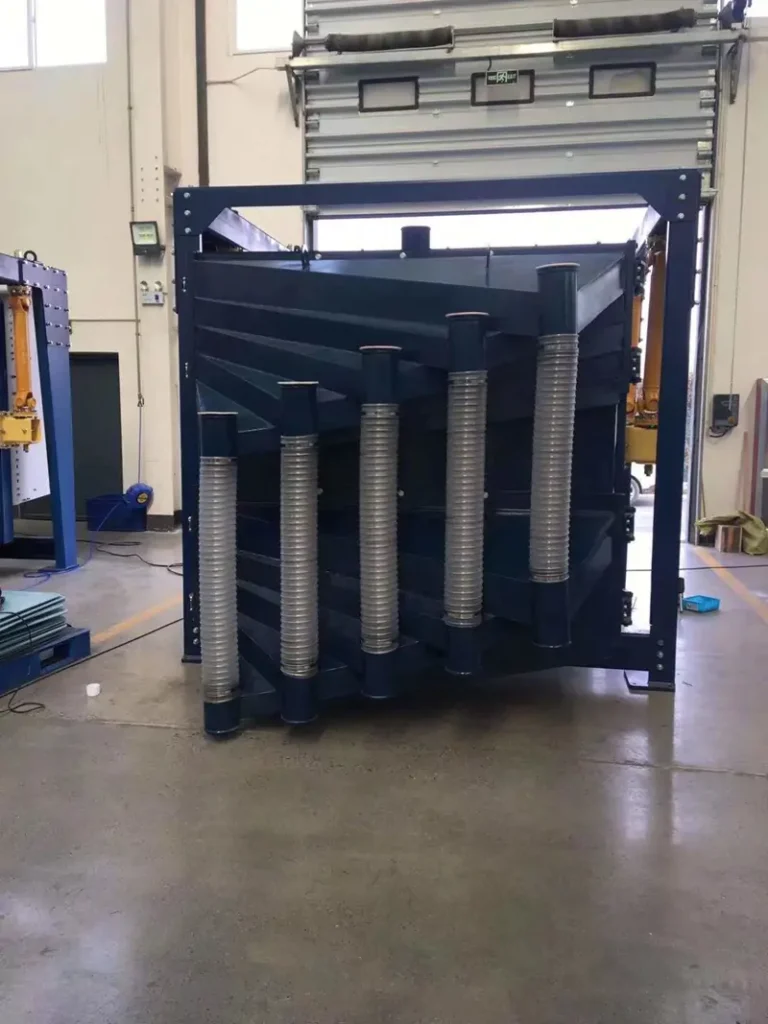
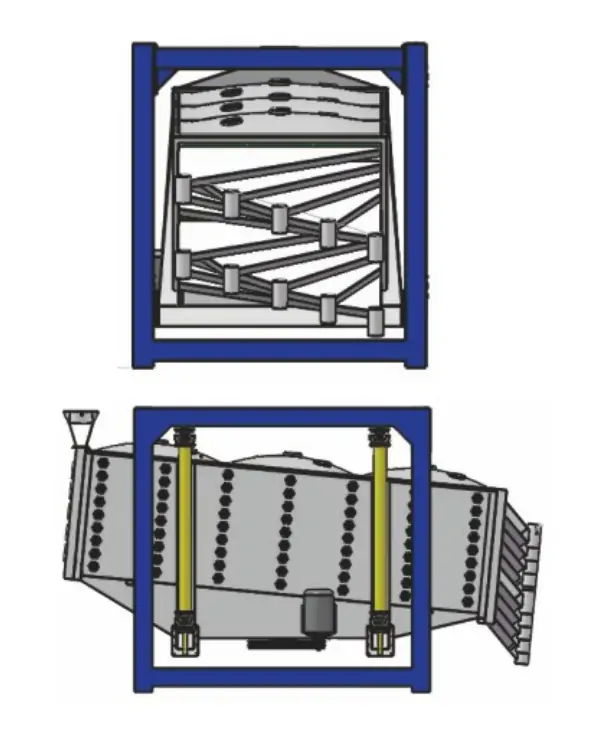
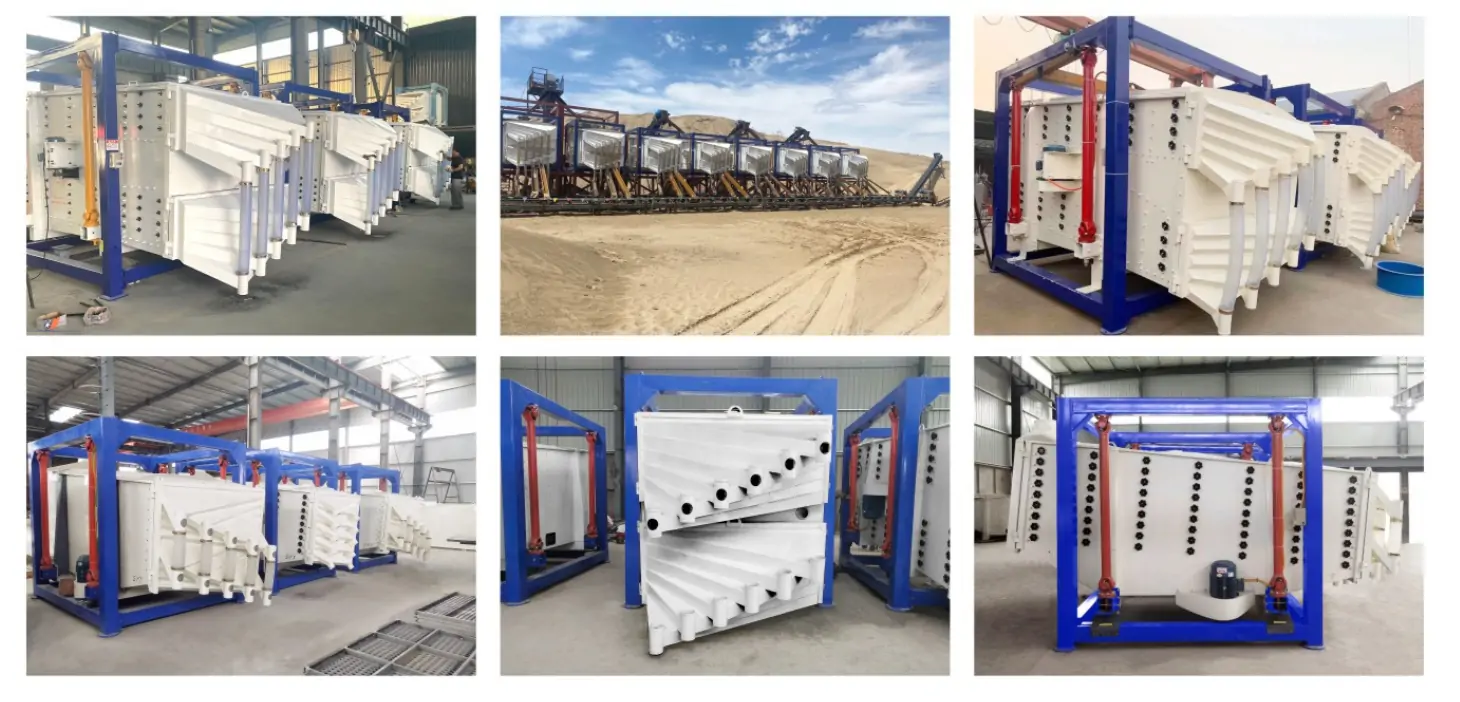
The gyratory screen mainly consists of a screen box, screen mesh assembly, drive system, supporting structure, and damping components. Each part works together to achieve stable material classification according to different screening requirements.
- Screen Box and Screen Mesh
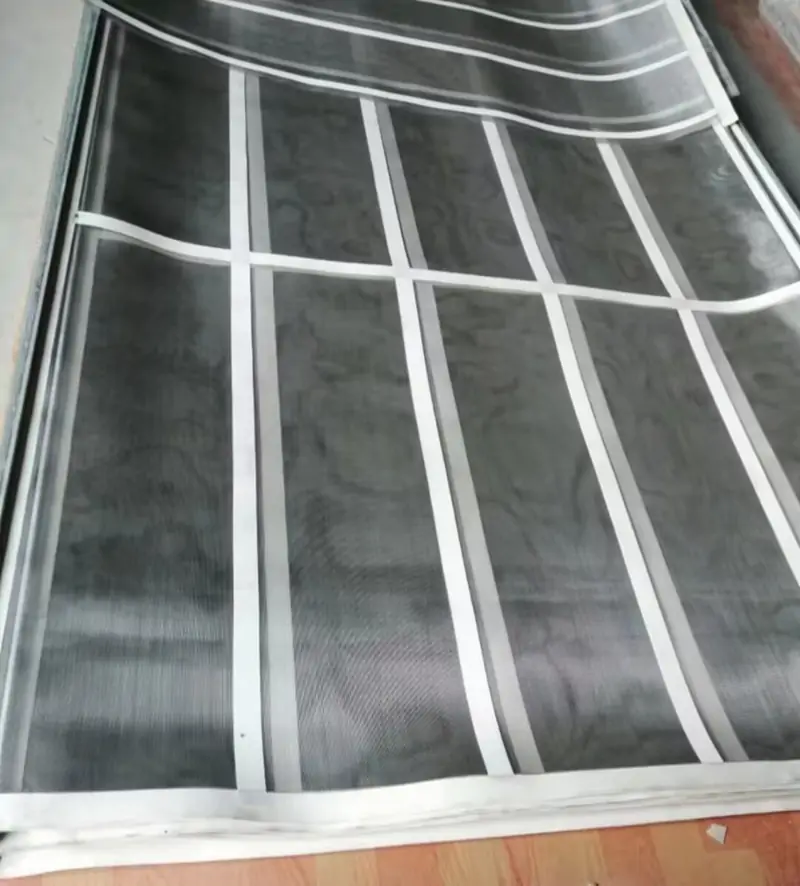
The screen box is the main working area where material separation takes place. Multiple screen layers can be installed according to different classification requirements, allowing several particle sizes to be separated in one machine. The screen structure is designed for convenient replacement and maintenance. - Drive System
The drive system provides power for the movement of the screen box. Through the motor and transmission mechanism, the equipment operates according to the designed motion path. Different equipment models are equipped with suitable power configurations to maintain stable screening performance. - Screen Cleaning Device
The screen surface is equipped with cleaning components such as bouncing balls. During operation, these components continuously impact the back side of the screen mesh, helping remove materials trapped in the openings and reducing screen blockage. - Supporting and Damping Structure
The supporting structure carries the main body of the equipment, while the damping system reduces vibration transmission and operational impact. This helps maintain stable operation and simplifies installation and maintenance.
The configuration of a gyratory screening machine is not completely fixed. Screen size, mesh layers, and drive methods can be adjusted according to customer requirements. Selecting the correct structure is important for achieving long-term stable operation.
Advantages
High-Precision Particle Classification
The Industrial-Grade Gyratory Screen uses a gentle screening method that allows materials to stay on the screen surface for a longer period. This increases the contact opportunity between materials and the screen mesh, achieving high screening accuracy and stable particle size control. Under suitable operating conditions, the screening accuracy can reach around 95%.
Suitable for Large-Scale Screening
The square screen surface provides a larger effective screening area compared with traditional round screening equipment. Under the same installation conditions, it can handle larger processing capacity and is suitable for continuous production lines requiring stable material classification.
Reduced Material Impact
During operation, materials move smoothly across the screen surface instead of experiencing strong impact or high-frequency jumping. This gentle screening process helps reduce particle breakage and is suitable for applications where material integrity is important.
Multi-Stage Particle Separation
By configuring different numbers of screen layers, the equipment can complete multiple particle size separations in a single screening process. This reduces the need for multiple screening machines and simplifies the production process.
Stable Operation for Long-Term Use
The balanced drive structure reduces operational impact and improves equipment stability during continuous operation. This makes the machine suitable for long-term industrial screening applications.
Flexible Structural Configuration
The screen size, mesh layers, equipment material, and discharge method can be customized according to different production conditions, allowing the screening system to better match various processing lines.
Technical Parameters
The Industrial-Grade Gyratory Screen is a customizable fine screening machine. Different material characteristics, processing capacity requirements, and screening targets will affect the equipment size, screen configuration, and power selection.
The following specifications are the standard configuration range of Jiarui FYBS series. The final equipment design can be adjusted according to customer production conditions.
| Model | Screen Size | Effective Screening Area | Screen Inclination | Screen Layers | Motor Power | Rotation Speed | Screen Box Stroke |
| FYBS1535 | 1.5 × 3.5 m | 5.25 m² | 5–8° | 1–9 layers | 5.5 kW | 180–260 rpm | 25–60 mm |
| FYBS2040 | 2 × 4 m | 8 m² | 5–8° | 1–9 layers | 7.5 kW | 180–260 rpm | 25–60 mm |
The above specifications are for reference. Material particle size, moisture content, required separation levels, production capacity, and installation conditions should be considered together when selecting the screen configuration and equipment size.
Applications of Industrial Gyratory Screen
The FYBS gyratory screen is used for fine screening of powders, granules, and small-size bulk materials. It is a good option when the material needs more than simple coarse screening—for example, when several particle sizes need to be separated in one machine or when excessive impact may damage the product.
Common applications include food powders, chemical materials, plastic pellets, mineral products, metal powders, and fertilizer granules. The screen mesh, number of screen layers, and machine size can be selected based on the material and required output.
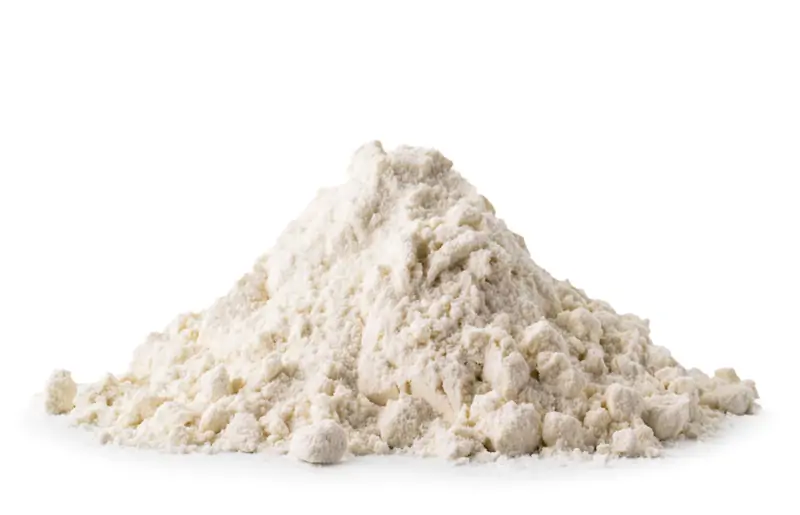 Flour
Flour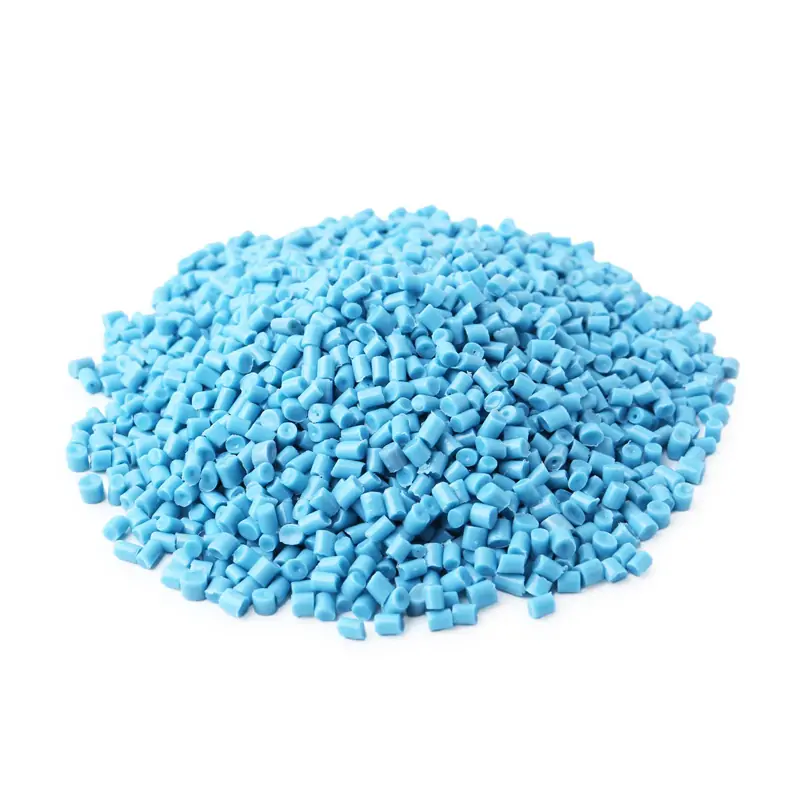 Plastic Pellets
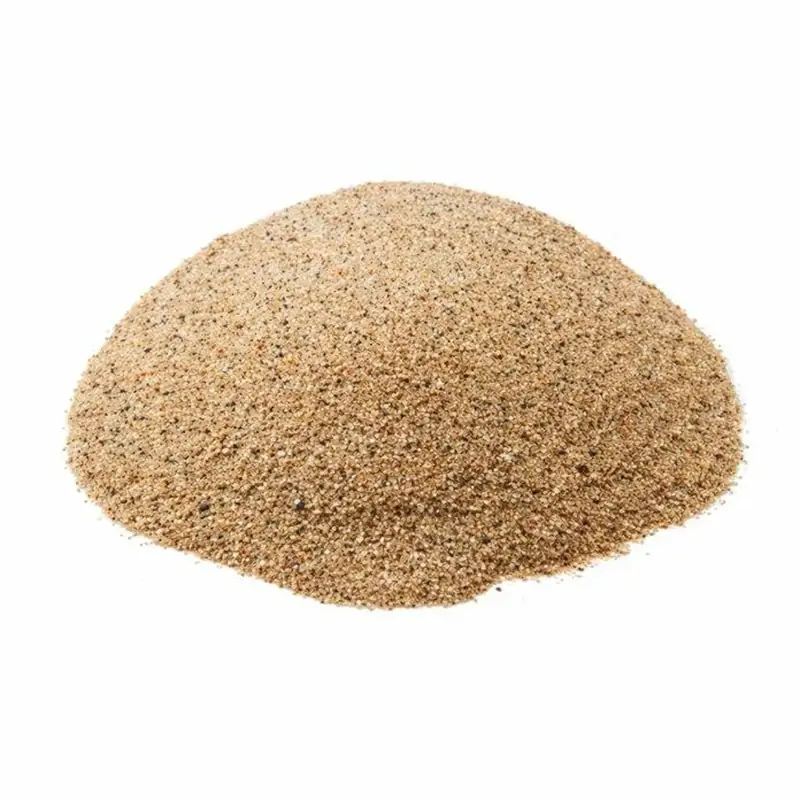 Quartz Sand
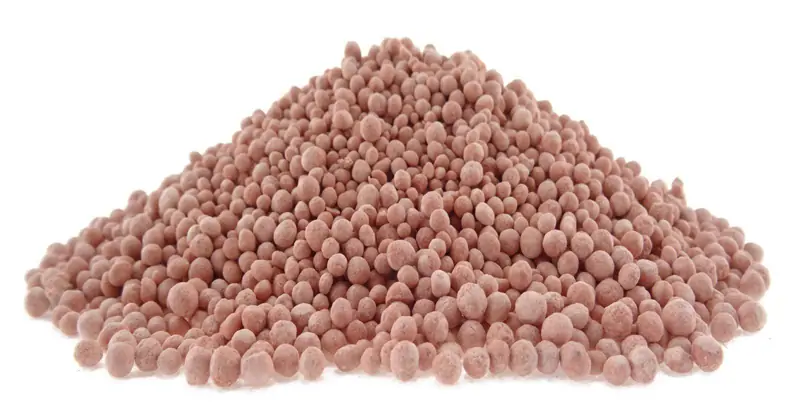 Fertilizer Granules
Common Application Selection
| Industry | Typical Materials | Typical Use | Key Selection Points |
| Food Industry | Flour, starch, sugar, salt, rice powder, tea powder | Fine screening and particle size classification | Contact material, sealing, screen mesh |
| Chemical Industry | Resin powder, PVC powder, activated carbon, pigments, catalysts | Fine powder separation and multi-size classification | Screen mesh, anti-blocking design, sealing |
| Plastic Industry | PP pellets, PE pellets, PVC pellets | Removing oversized or undersized pellets and controlling particle size | Mesh opening, capacity, continuous operation |
| Mineral Industry | Quartz sand, ceramic sand, refractory materials, abrasives | Separating mineral products into different size ranges | Screen wear resistance, screen size, capacity |
| Metallurgical Industry | Copper powder, iron powder, metal powders | Fine classification of metal powders | Mesh specification, material selection, dust control |
| Fertilizer Industry | Urea, compound fertilizer granules | Finished product screening and size classification | Screen layers, capacity, mesh specification |
When a Gyratory Screen Is Not the Right Choice
A gyratory screen is designed for fine classification rather than heavy-duty coarse screening. It may not be the right choice for:
- High-moisture materials that stick to the screen or form large lumps;
- Large rocks, construction waste, and other heavy materials that need strong impact screening;
- Processes where screening and long-distance conveying need to be handled by the same machine;
- Applications where high-speed coarse screening is the main requirement.
A different screening or conveying solution may be more suitable for these conditions. For very fine powder screening, a centrifugal sifter may be a better fit.
How to Choose Fine Screening Equipment Based on Production Requirements?
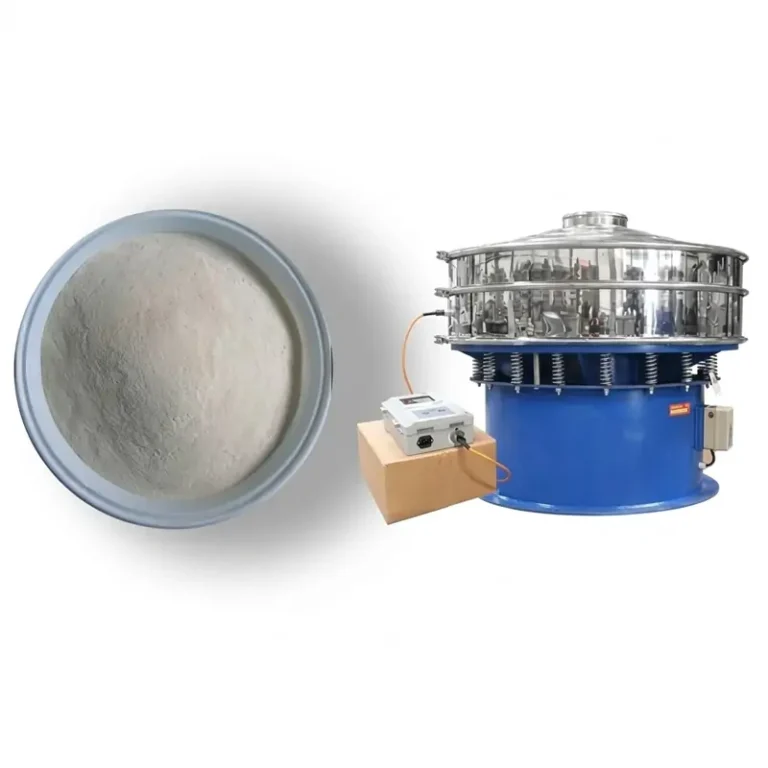
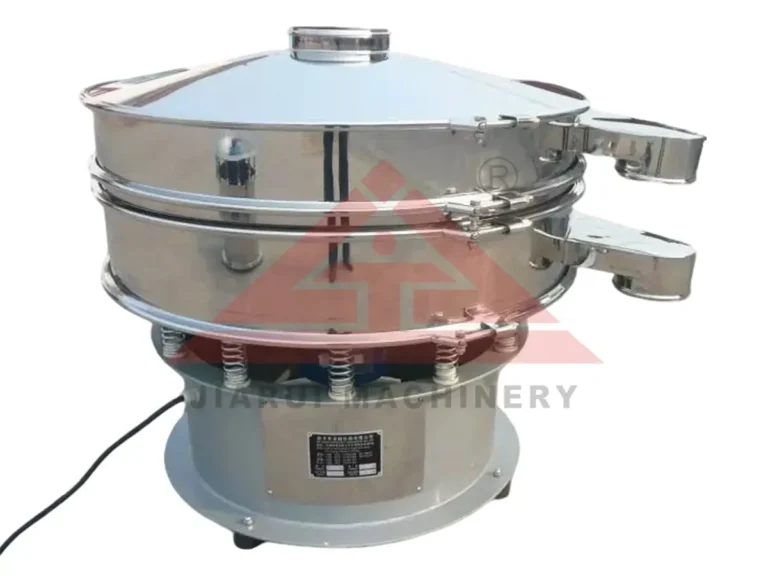
The Industrial-Grade Gyratory Screen and rotary vibrating screen can both be used for fine screening of powders and granular materials. However, they differ in structural design, screening motion, and suitable applications. Equipment selection should be based on material characteristics, processing capacity, and installation conditions.
| Comparison Item | Industrial-Grade Gyratory Screen | Rotary Vibrating Screen |
| Screening Method | Uses horizontal gyratory motion of the screen box, allowing materials to gradually move, spread, and complete particle separation on the screen surface | Uses a vertical vibration motor to generate three-dimensional vibration, causing materials to disperse and separate on the screen surface |
| Screening Characteristics | Provides a longer material movement path and longer contact time with the screen mesh, suitable for fine classification, multi-stage separation, and applications requiring material integrity | Provides faster screening response and stronger vibration intensity, suitable for conventional powder and granular material screening |
| Screen Structure | Large square screening surface with high utilization efficiency. Multiple screen layers can be installed to achieve different particle size separation | Circular screen surface design with compact structure, flexible installation, and suitability for different production spaces |
| Suitable Materials | Powders, granules, small-size minerals, chemical raw materials, plastic pellets, and other bulk materials requiring fine classification | Powders, granules, slurries, and general industrial materials |
| Screening Accuracy | Suitable for applications requiring particle size control, precise classification, and reduced material damage | Meets the requirements of most conventional powder and particle screening applications |
| Processing Capacity | Larger effective screening area, suitable for continuous production and higher throughput requirements | Available in various models and suitable for different production capacity requirements |
| Equipment Features | Gentle screening process, reduced material impact, and support for multi-layer screening configuration | Compact structure, easy maintenance, and suitable for production lines with limited space |
| Common Industries | Food, chemical, plastic, mineral processing, metallurgy, new materials, and other industries | Chemical, food, plastic, mineral processing, and other general industrial applications |
Quick Selection Based on Production Requirements
| Production Requirement | Recommended Equipment |
| Large-scale continuous fine screening | Industrial-Grade Gyratory Screen |
| Multiple particle size separation in one process | Industrial-Grade Gyratory Screen |
| High requirements for material integrity | Industrial-Grade Gyratory Screen |
| Limited installation space and flexible layout required | Rotary Vibrating Screen |
| Conventional powder and granular material screening | Rotary Vibrating Screen |
| Simple structure and easy maintenance required | Rotary Vibrating Screen |
Different screening machines have different application ranges, and no single equipment type can meet every screening requirement. The Industrial-Grade Gyratory Screen is more suitable for high-capacity fine classification, multi-grade separation, and applications where material impact needs to be minimized. Rotary vibrating screens are more compact and are commonly used for conventional powder and granular material screening where installation space is limited.
During equipment selection, screening accuracy is not the only factor to consider. Material particle size, moisture content, processing capacity, required separation levels, and production line layout should also be evaluated. Jiarui engineering team can provide suitable screening solutions based on actual operating conditions to help customers improve equipment stability and reduce selection errors.
Customization Service
The Industrial-Grade Gyratory Screen is rarely used with a completely fixed configuration. Different materials, production capacities, and installation conditions require different equipment sizes, screen configurations, and structural designs.
Jiarui can adjust the screen size, mesh layers, material selection, and discharge structure according to specific production requirements, ensuring the equipment better matches the customer’s production line.
If you are unsure which model is suitable, you can provide the following information:
- Material to be screened (powder, granules, minerals, etc.)
- Required processing capacity per hour
- Number of particle size grades required
- Available installation space
- Special requirements for material, dust protection, or corrosion resistance
With this information, our engineering team can determine a more suitable equipment configuration and avoid problems caused by selecting a model only based on capacity requirements.
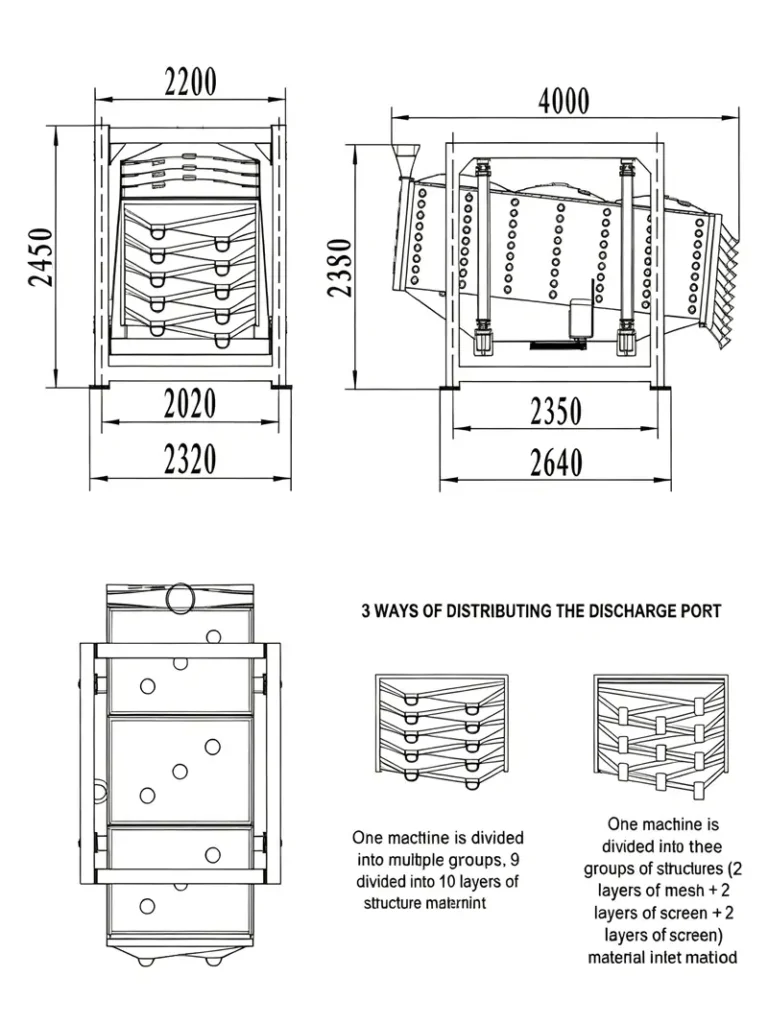
Jiarui Manufacturing
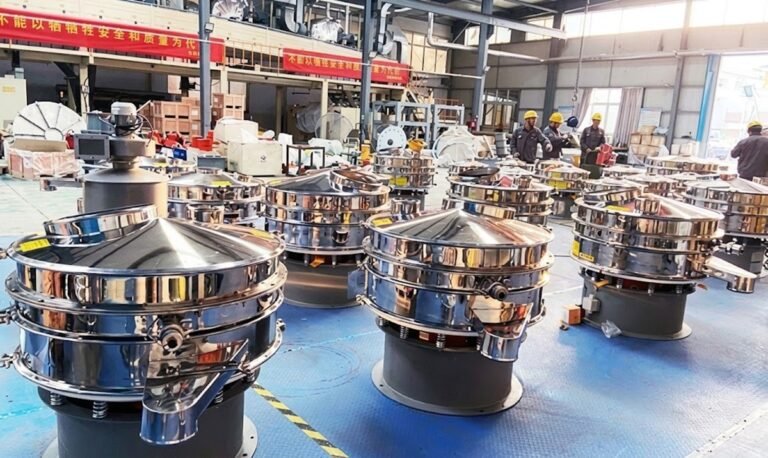
The screening performance of an Industrial-Grade Gyratory Screen depends not only on the overall structure but also on details such as screen box movement, screen fixing, and discharge design, which directly affect long-term operating stability. Jiarui continuously optimizes the key structures of gyratory screening equipment and has obtained multiple utility model patents related to screen fixing structures, drive systems, and discharge designs to support reliable equipment performance.
Screen mesh selection plays an important role in screening performance. Jiarui selects suitable mesh specifications according to target particle size and classification requirements. Relevant standards such as ASTM E11 Standard Specification for Woven Wire Test Sieve Cloth and Test Sieves can be referenced during screen mesh selection.
FAQs
Get a Free Consultation
Fill out the form below to connect with our experts and receive personalized recommendations for your application.