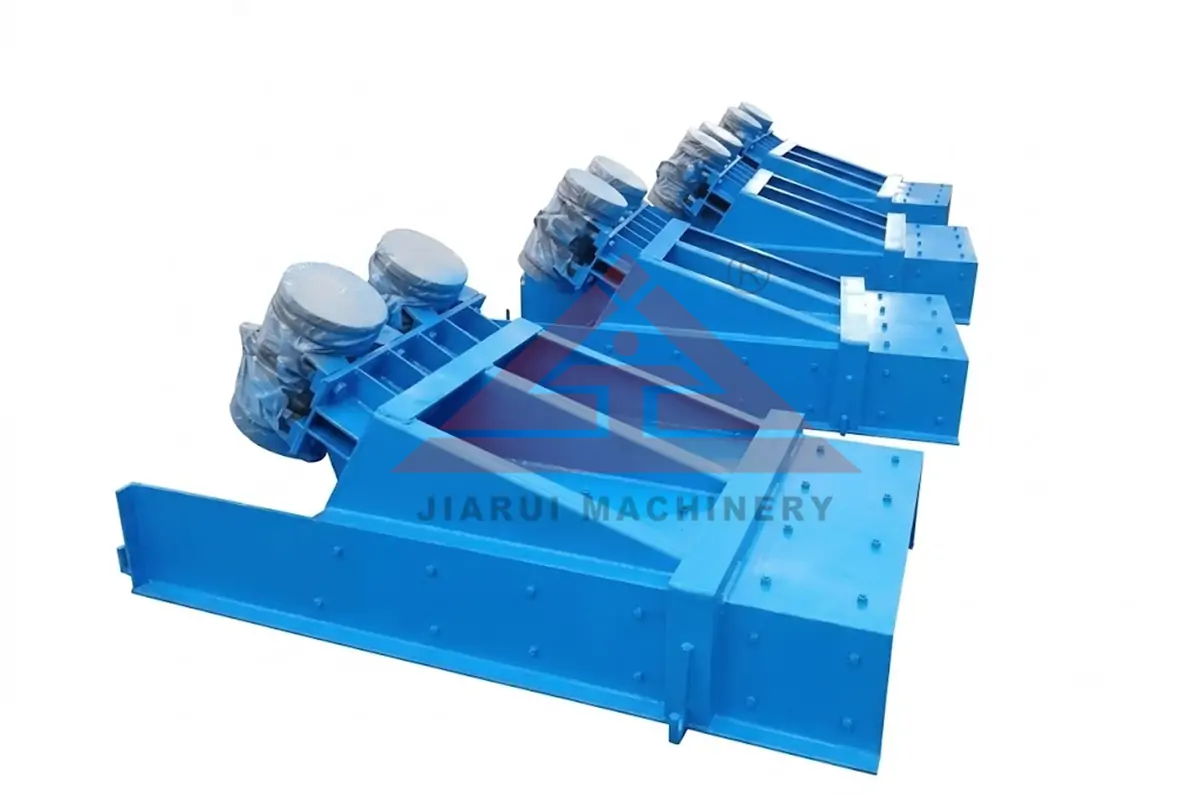
Vibrating Feeder Conveyor
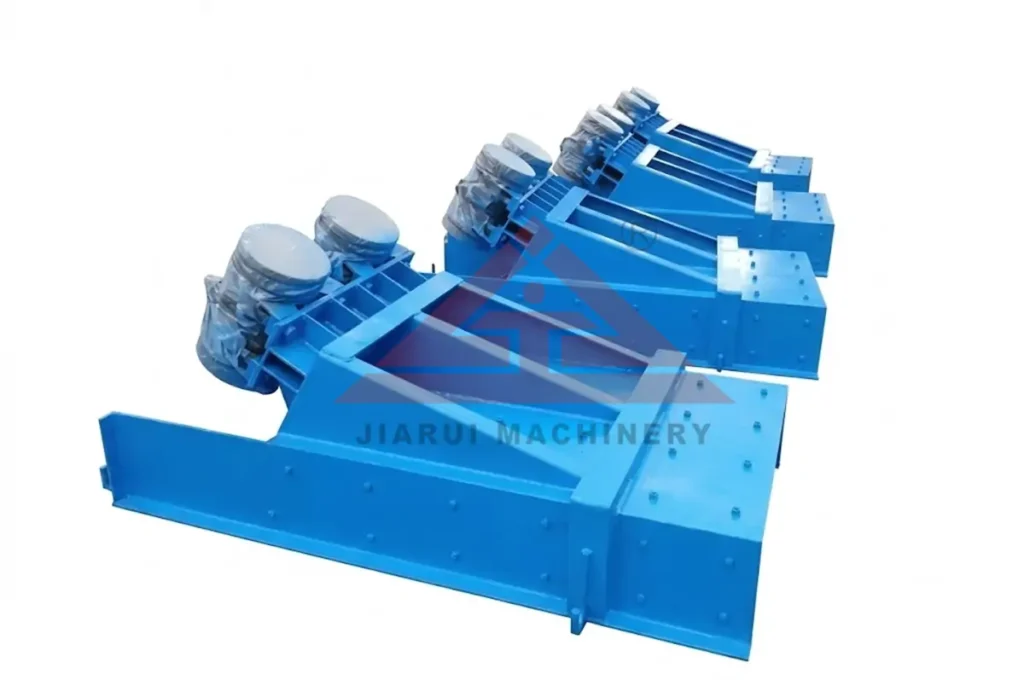
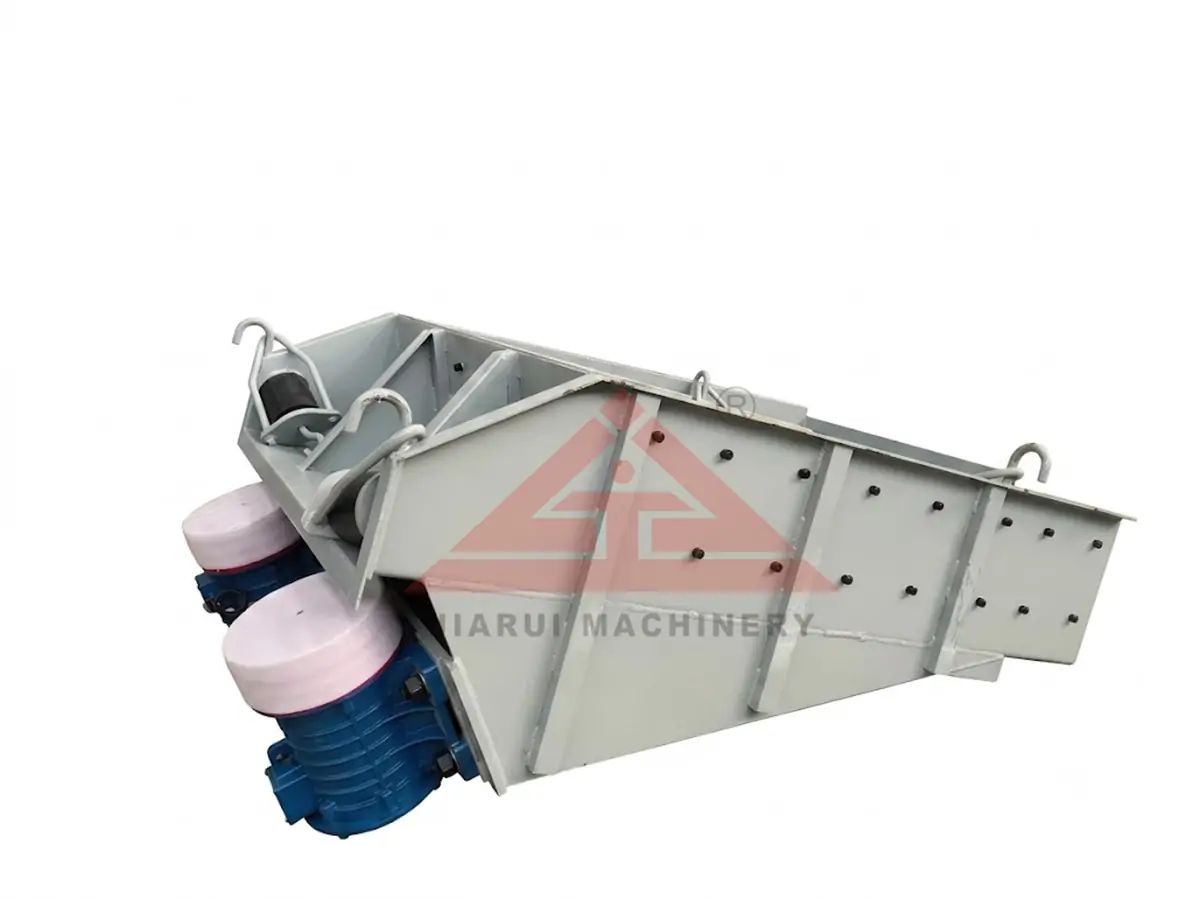
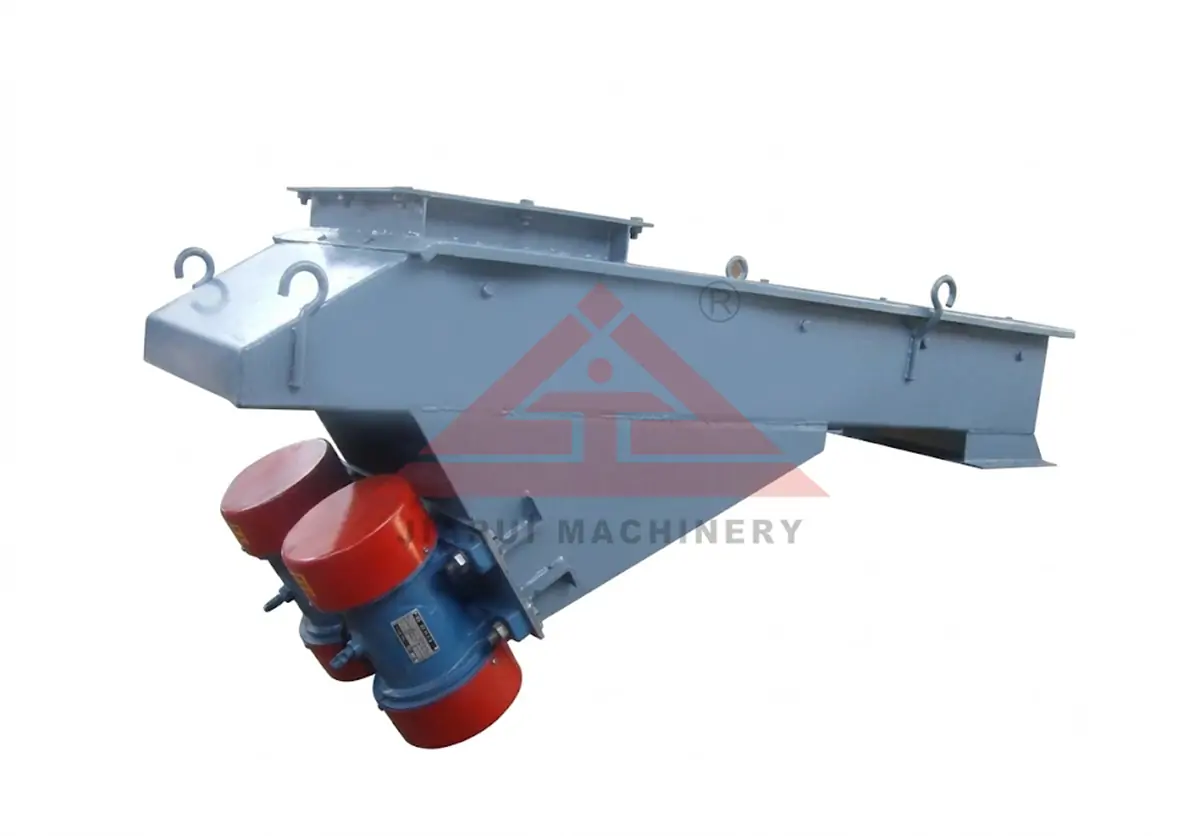
Vibrating Feeder Conveyor is designed for continuous and controlled feeding of bulk materials. Vibration moves the material forward along the feeder trough, making the equipment suitable for installation below hoppers or before crushing and screening systems. It helps control material flow and maintain stable feeding to downstream equipment.
Jiarui JRZG series Vibrating Feeder Conveyor supports customized trough dimensions, vibration parameters, and installation structures. Our engineering team selects suitable feeding solutions according to material size, capacity requirements, and installation conditions.
- Model: JRZG Series Vibrating Feeder Conveyor
- Capacity: 30-640 t/h (customized according to material conditions)
- Maximum Feed Size: 100-320 mm
- Installation Position: Hopper outlet, front section of crushing and screening lines
- Suitable Materials: Ore, aggregate, coal, powder, and granular bulk materials
- Customization: Customized trough size, material, and structure available
What Is Vibrating Feeder Conveyor?
Vibrating Feeder Conveyor, also known as a Vibrating Feeder, is continuous feeding equipment installed below hoppers or at the front end of production lines.It uses vibration motors to generate excitation force, driving the feeder trough to move periodically and pushing bulk materials toward the discharge end. This allows materials such as ore, aggregate, and coal to be continuously supplied to crushers, screening machines, and other processing equipment.
The main function of a Vibrating Feeder Conveyor is not long-distance material conveying, but controlling the feeding rate from hoppers or storage equipment. It helps prevent excessive discharge, material blockage, and uneven loading of downstream equipment. JRZG series Vibrating Feeder Conveyor can handle 30-640 t/h of bulk materials, and the equipment configuration can be adjusted according to material characteristics, production capacity, installation space, and operating conditions.
Working Principle
The vibration motors generate excitation force and drive the trough to move in a controlled periodic motion. The vibrating trough loosens bulk materials and moves them toward the discharge end, maintaining a continuous and stable material flow.The operating process mainly includes three stages:
Material enters the feeder trough
A Vibrating Feeder Conveyor is usually installed below a hopper or storage bin. Materials fall into the feeder trough from above. The trough size and feeding structure are designed according to material particle size, feeding height, and hopper pressure.
Vibration moves materials forward
The vibration motors drive the feeder trough in a controlled periodic motion. The vibration loosens the material and moves it toward the discharge end, providing a continuous supply to the next process.
Material enters downstream equipment
After continuous vibration feeding, materials leave the discharge end and enter crushers, vibrating screens, or other processing equipment.Vibration parameters and feeder structure can be adjusted according to material characteristics and production line requirements.For a more detailed explanation of how the trough movement carries material forward, see our guide to the Structure and Working Principle of Vibrating Conveyor.

Structure
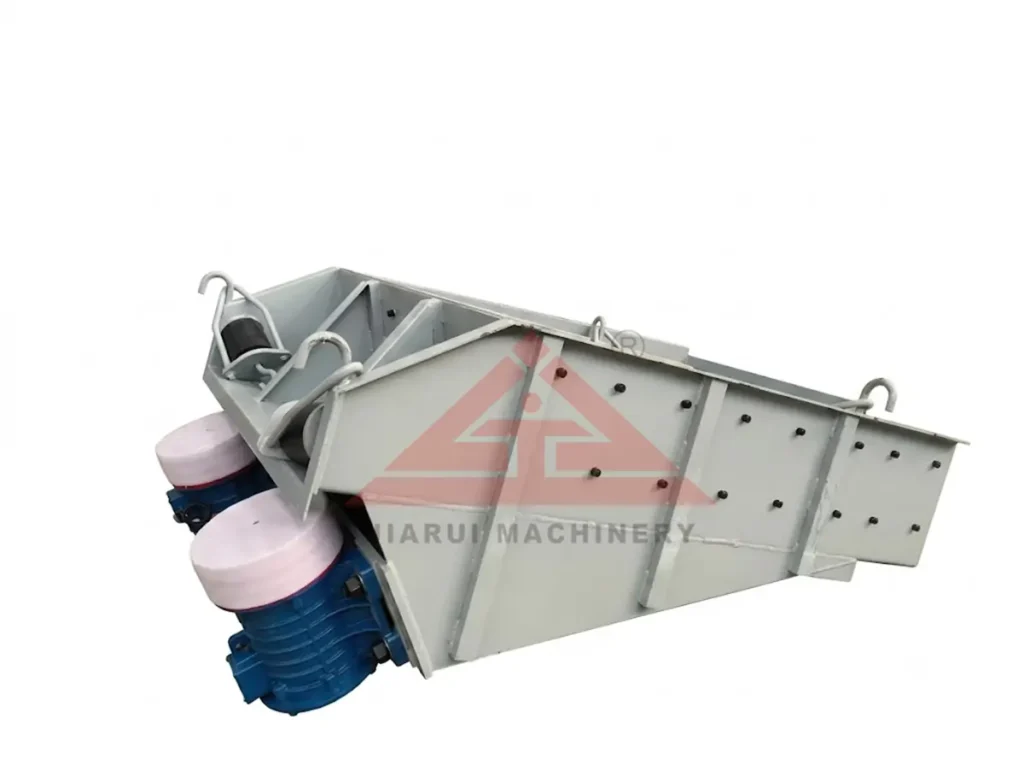
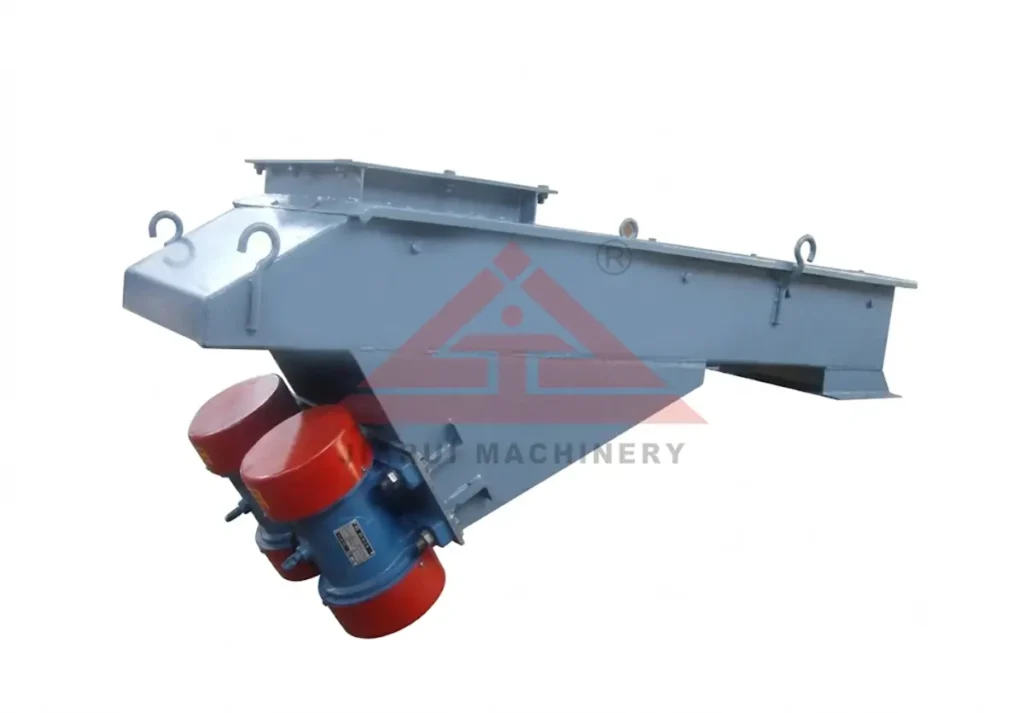
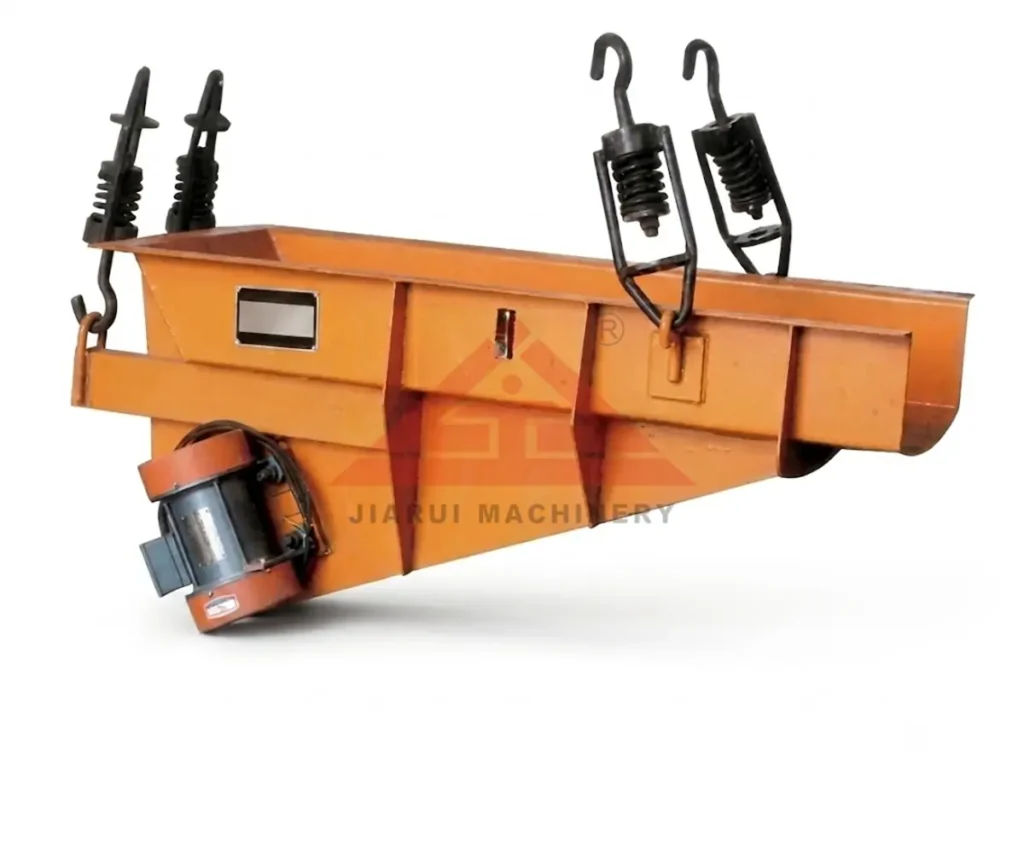
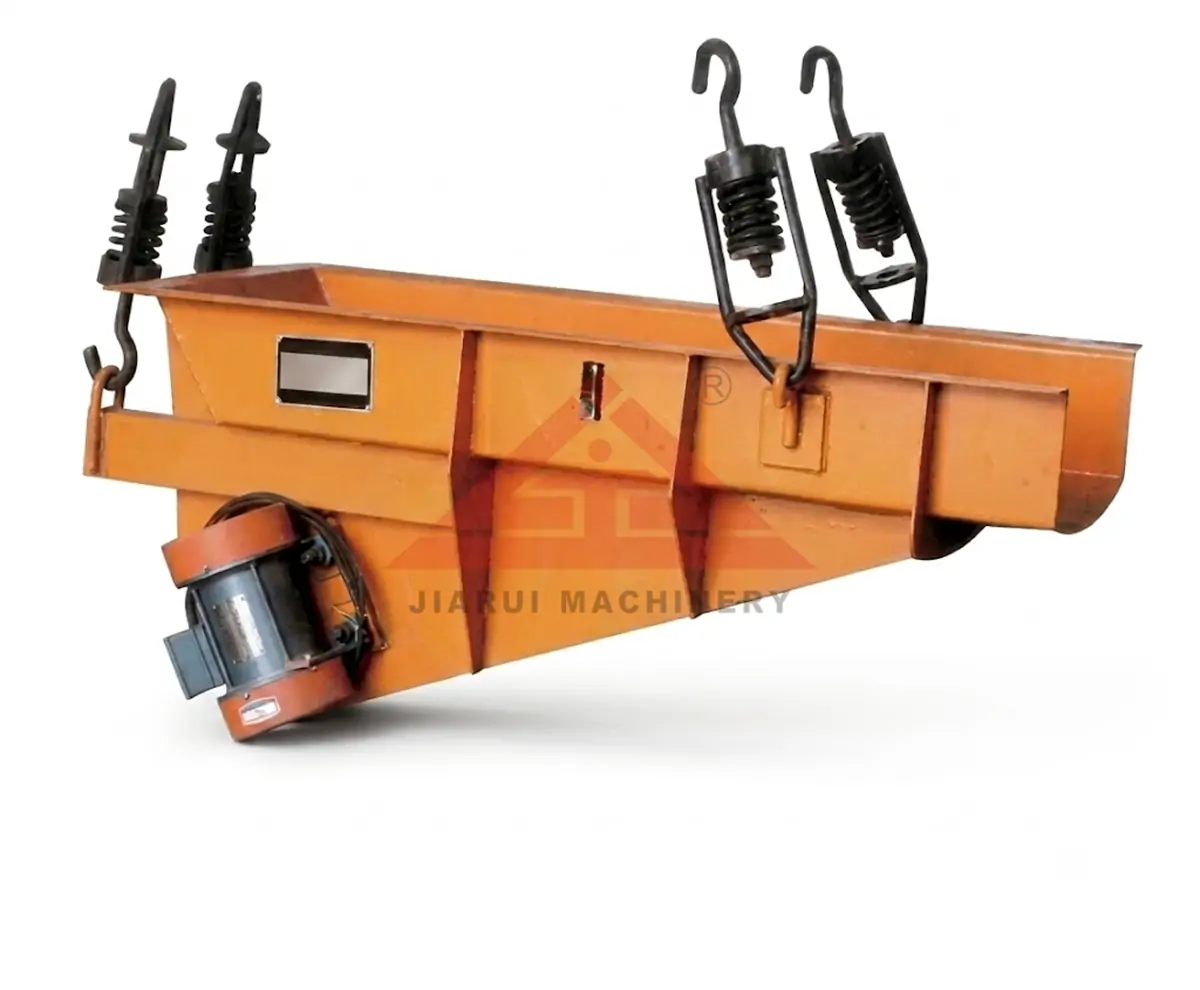
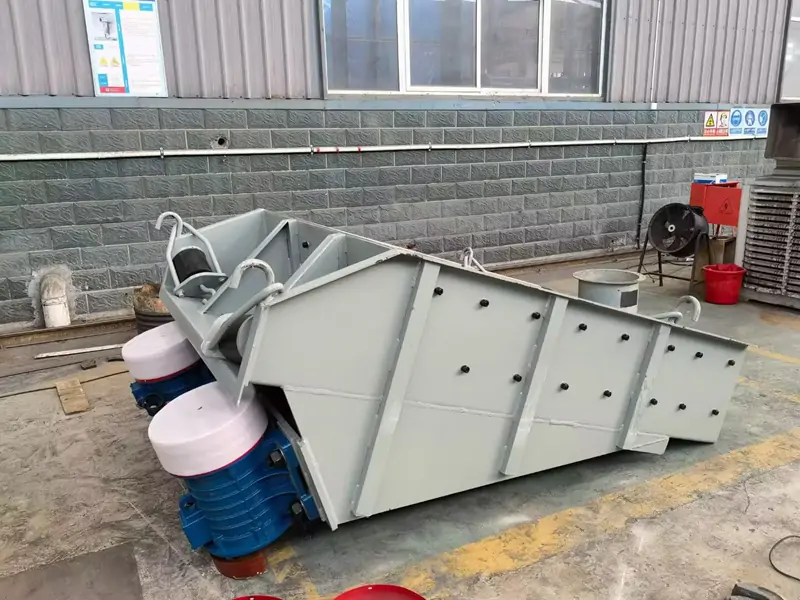
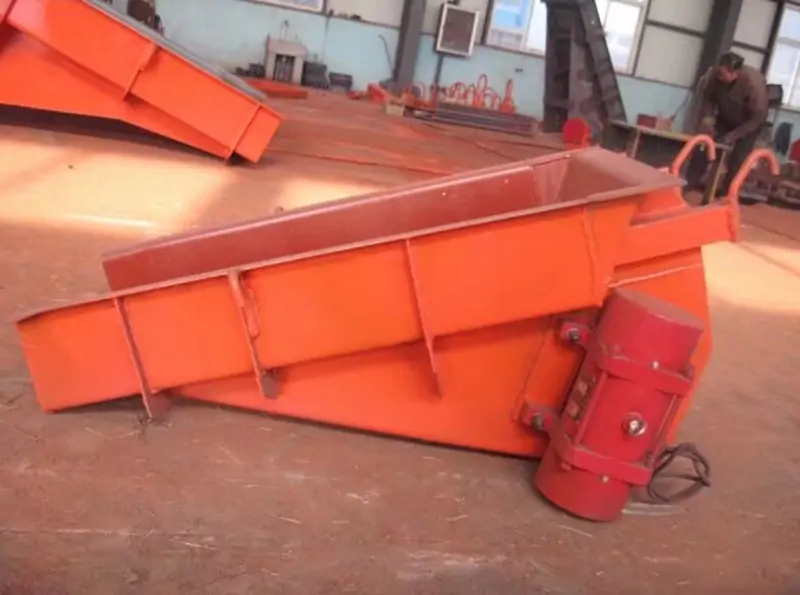
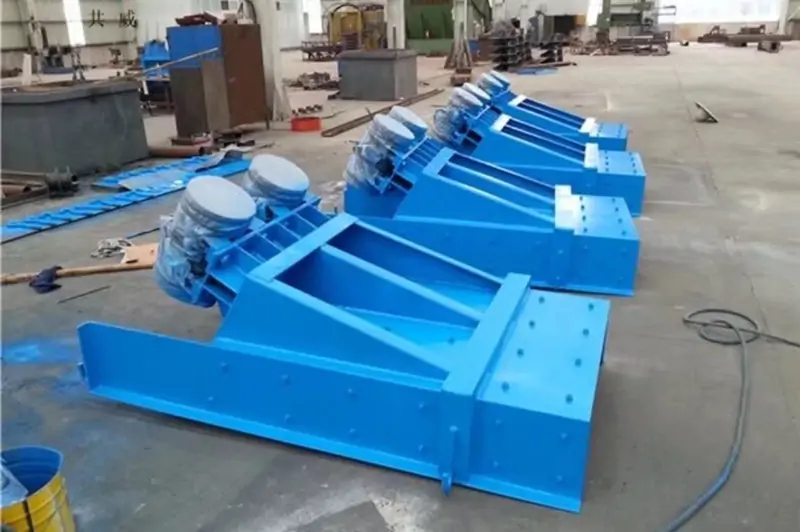
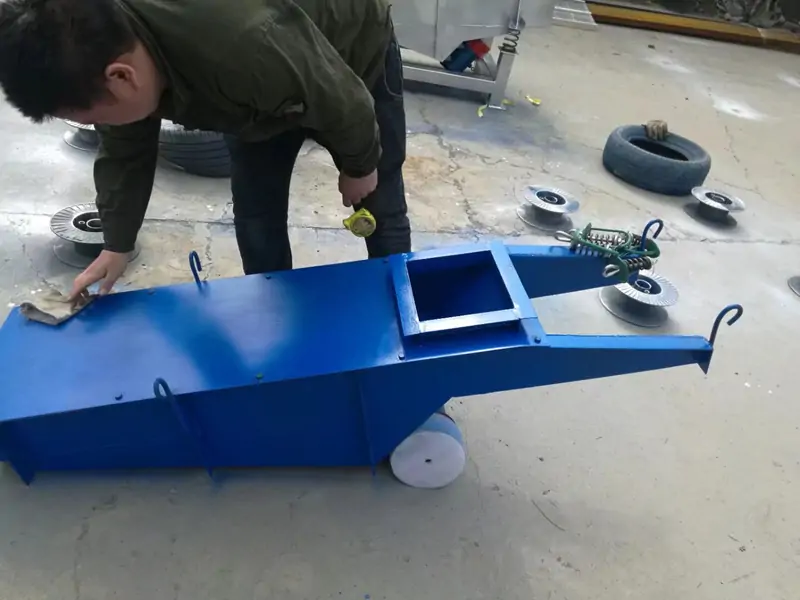
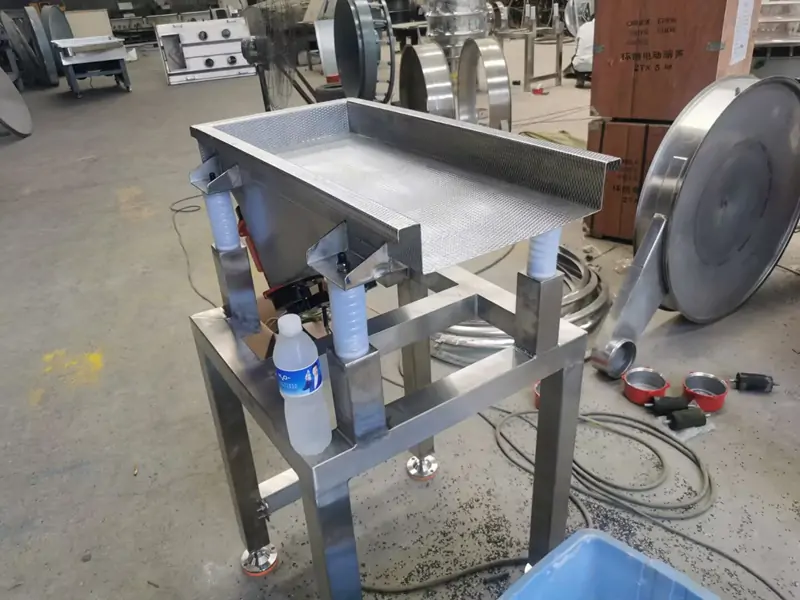
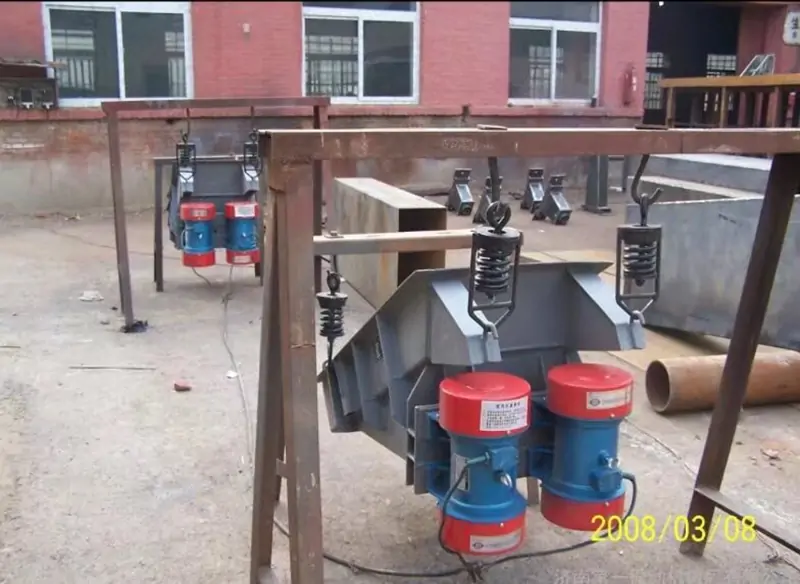
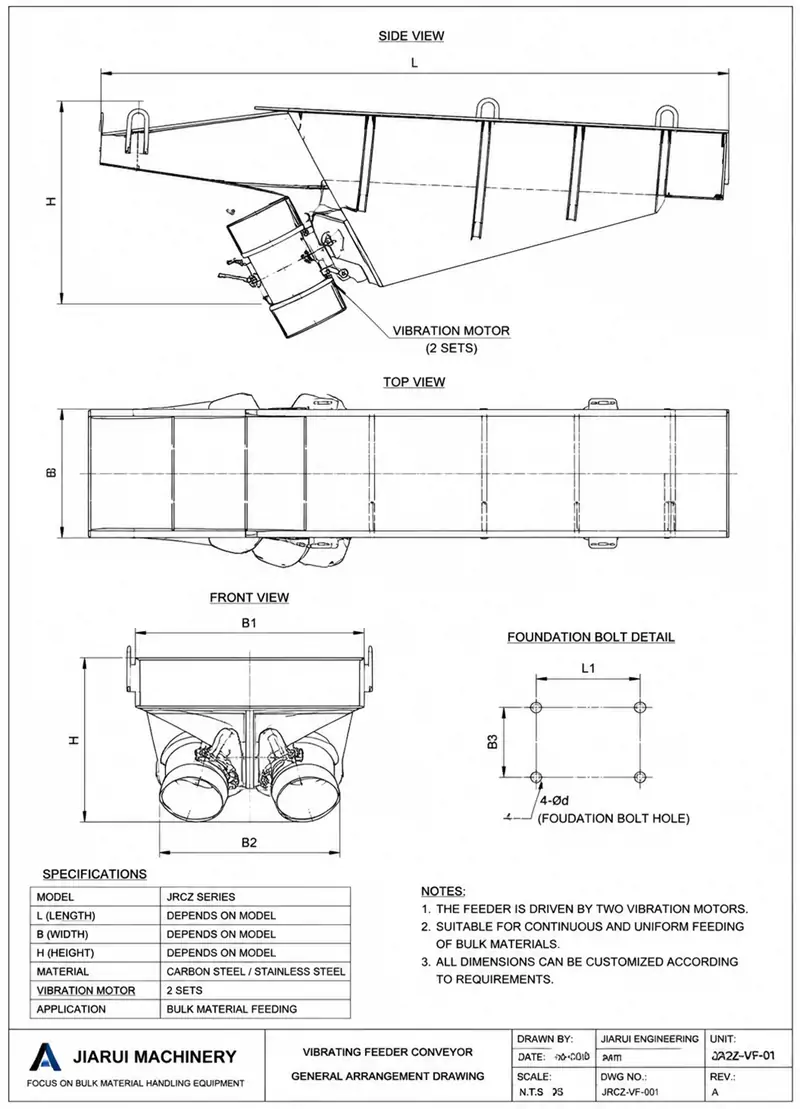
The structure of a Vibrating Feeder Conveyor is relatively simple, mainly consisting of vibration motors, feeder trough, support springs, and base frame. Although the equipment structure is not complicated, the key design focuses on effective vibration transmission, stable operation, and the ability to withstand continuous material impact and working loads.
Vibration Motor
The vibration motor is the main power source of the equipment. It generates excitation force through eccentric blocks and drives the feeder trough to vibrate continuously. During equipment selection, factors such as material weight, feeding impact, and required capacity need to be considered to avoid insufficient vibration force or excessive vibration amplitude that may affect material movement and equipment performance.
Feeder Trough
The feeder trough is the main contact area with materials and also one of the key components affecting service life. For highly abrasive materials such as ore and aggregate, wear-resistant design is usually required. For powder and granular materials, more attention should be paid to trough angle and internal space to reduce material accumulation and improve feeding performance.
Support Springs and Base Design
Support springs and the base frame are used to absorb vibration loads and maintain stable operation of the feeder trough. During installation, factors such as foundation level, spring force balance, and fastening conditions can affect equipment performance. Improper support may cause vibration deviation, increased noise, or unstable material movement.
Many on-site operating problems are not caused by the equipment itself, but by a mismatch between structural design, installation conditions, and material characteristics.
Jiarui Vibrating Feeder Conveyor
Advantages
A Vibrating Feeder Conveyor is usually installed below hoppers to supply materials to crushers, screening machines, and other downstream equipment. Although the structure appears simple, the equipment needs to handle challenges such as large material impact, uneven feeding, and long-term wear during operation.
Handles Hopper Impact
A Vibrating Feeder Conveyor often receives direct impact from materials discharged from hoppers, especially in mining and aggregate production lines. The feeder trough needs to provide sufficient strength and wear resistance to handle heavy and abrasive materials. Jiarui adjusts the trough structure according to material size and impact conditions.
Reduces Feeding Fluctuation
By adjusting vibration parameters and feeder structure, the material movement condition can be controlled to provide a more stable material flow for crushers, screening machines, and other downstream equipment.
Supports Different Material Conditions
According to different material characteristics, including ore, coal, aggregate, powder, and granular materials, Jiarui can adjust the trough size, material selection, and vibration configuration to meet different operating requirements.
Applications
A Vibrating Feeder Conveyor is mainly installed below hoppers to transfer materials into crushers, screening machines, and other downstream processes. It can handle ore, aggregate, coal, and various granular materials. For large and heavy materials, the feeder structure needs to focus on impact resistance; for powder and fine particles, material flow characteristics and feeding accuracy should be considered.
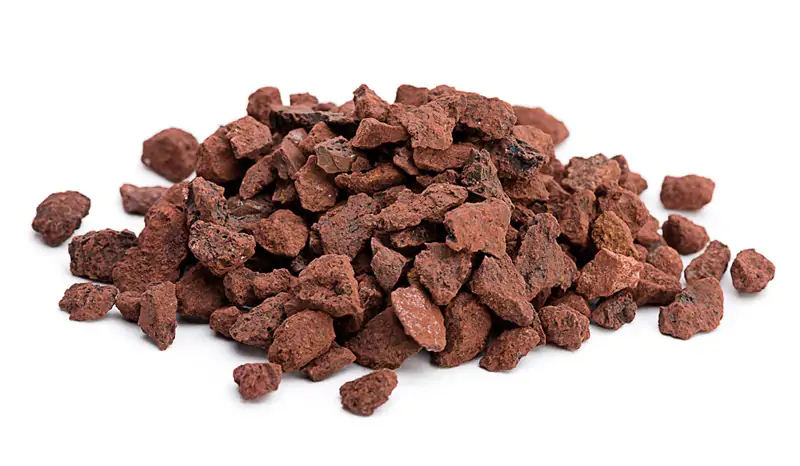 Iron Ore
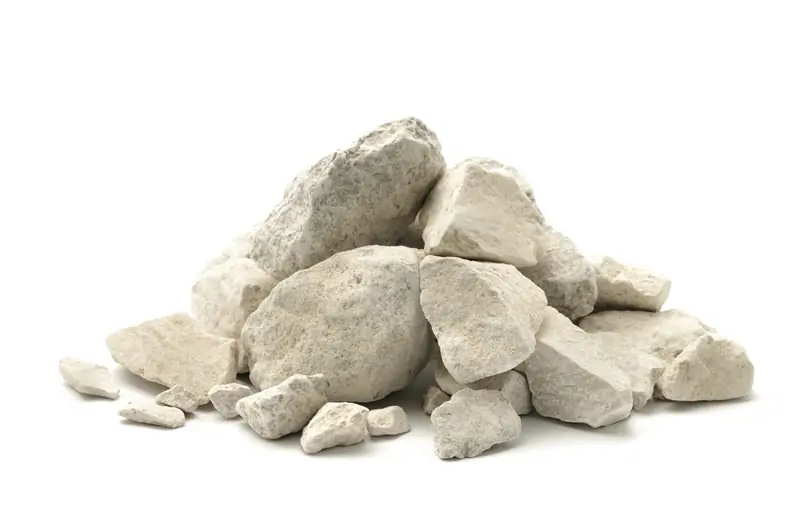 Limestone
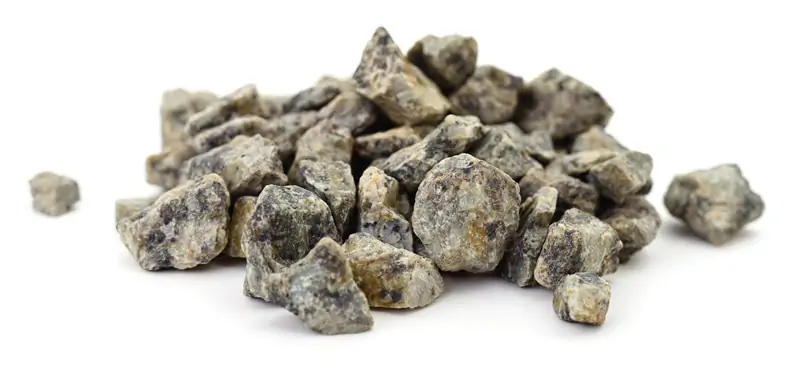 Granite Aggregate
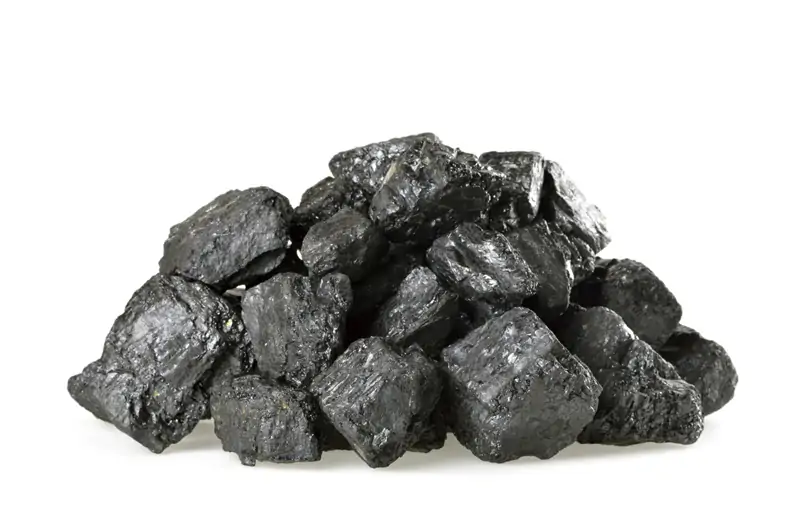 Coal
Coal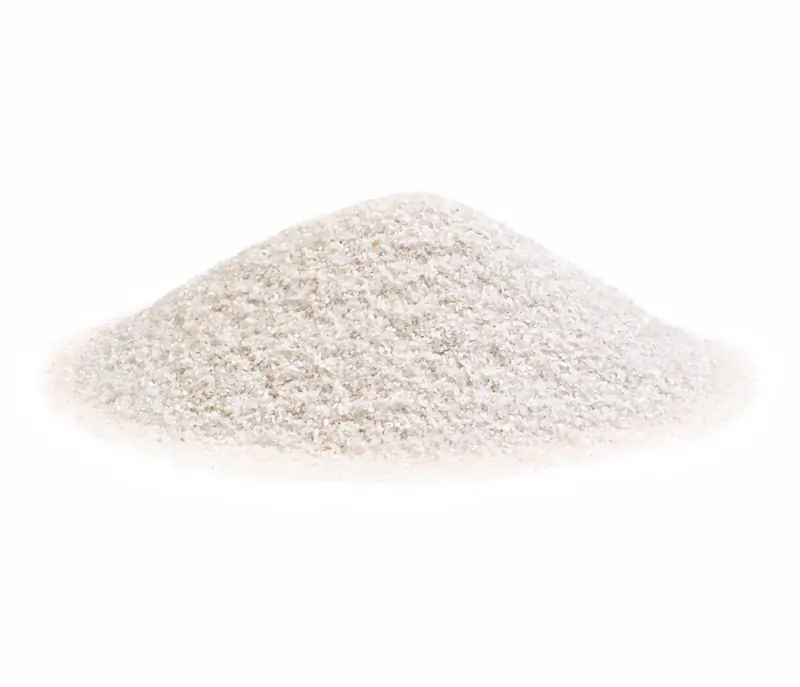 Quartz Sand
 Cement Powder
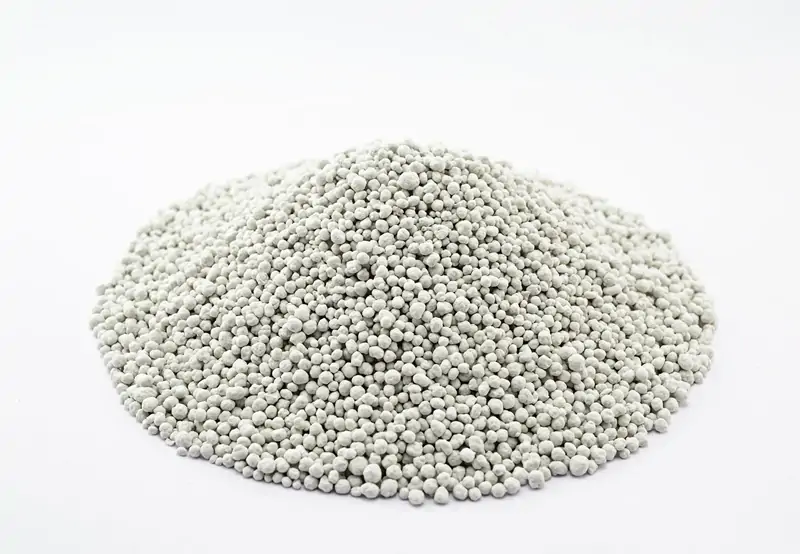 Fertilizer Granules
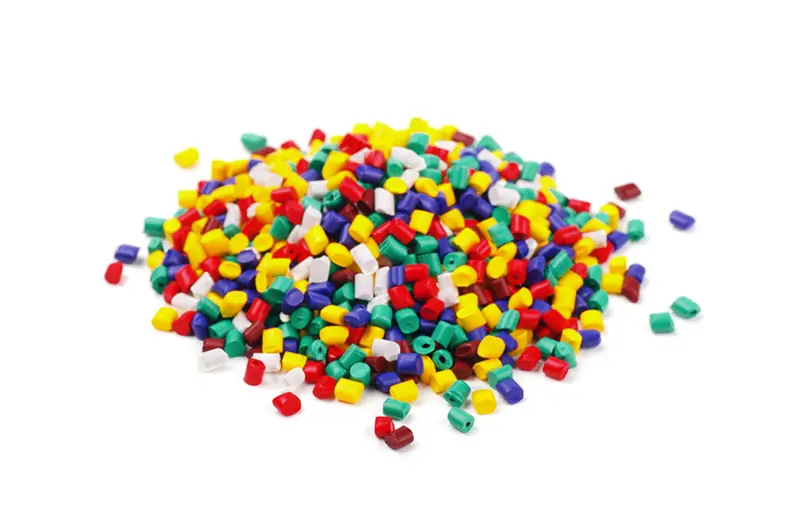 Plastic Pellets
Common Materials
| Material | Common Industries | Application Characteristics |
| Iron Ore, Limestone | Mining, Aggregate Production | Heavy materials with strong impact require sufficient trough strength and load-bearing capacity |
| Granite Aggregate | Construction Materials, Aggregate Processing | Large particle size requires good passing capacity and wear resistance |
| Coal, Coke | Coal Processing, Power Industry | Suitable for continuous material supply and maintaining stable downstream equipment operation |
| Quartz Sand, Sand | Glass, Building Materials | Requires proper material flow adjustment to reduce feeding fluctuations |
| Cement Powder, Mineral Powder | Cement, Powder Processing | Focuses on material flowability and preventing accumulation inside the feeder |
| Fertilizer Granules, Plastic Pellets | Chemical Industry, Light Industry | Suitable for automated production lines with controllable material handling |
Unsuitable Conditions
A Vibrating Feeder Conveyor mainly relies on vibration force to move materials, making it more suitable for continuous feeding from hoppers and the front end of production lines. If the material characteristics or operating conditions do not match the equipment design, feeding performance may be affected.
- Materials with high moisture content or strong adhesion, such as sticky mud-like materials, may still cause material buildup and poor flow after vibration.
- Ultra-fine powders with poor flowability may require additional anti-blocking or dust control designs.
- Applications requiring more precise feeding adjustment, batching, or weighing may be better suited to an Electromagnetic Vibrating Feeder.
- Long-distance material transfer is not the main application of a Vibrating Feeder Conveyor. For longer conveying distances, other conveying equipment may be more suitable.
The main role of a Vibrating Feeder Conveyor is to control material flow from the front-end storage system into the next process, rather than replace long-distance conveying equipment. During selection, material characteristics, required capacity, and installation conditions are more important than simply choosing a model.
Technical Parameters
The selection of a Vibrating Feeder Conveyor mainly depends on feeding capacity, maximum material size, and installation conditions. For high-impact materials such as ore and aggregate, factors including trough strength, wear resistance, and vibration parameter matching should also be considered.
The following parameters are for reference only. The final configuration should be confirmed according to material characteristics and actual operating conditions.
| Capacity (t/h) | Feeder Trough Size W×L×H (mm) | Max. Particle Size (mm) | Vibration Motor Model | Power (kW) | Vibration Frequency (times/min) |
| 30-415 | 300×700×160 | 100 | JRYZU3-4 | 0.18×2 | 1450 |
| 40-430 | 400×1000×160 | 100 | JRYZU5-4 | 0.25×2 | 1450 |
| 50-450 | 500×1000×160 | 100 | JRYZU5-4 | 0.37×2 | 1450 |
| 60-480 | 600×1250×180 | 150 | JRYZU8-4 | 0.37×2 | 1450 |
| 70-4100 | 700×1250×200 | 180 | JRYZU8-4 | 0.37×2 | 1450 |
| 80-4200 | 800×1500×250 | 200 | JRYZU10-4 | 0.55×2 | 1450 |
| 90-4300 | 900×1500×250 | 200 | JRYZU10-4 | 0.55×2 | 1450 |
| 100-4400 | 1100×1500×300 | — | JRYZU15-4 | 0.75×2 | 1450 |
| 70-680 | 700×1250×200 | 150 | JRYZU8-6 | 0.55×2 | 960 |
| 80-6160 | 800×1500×250 | 180 | JRYZU10-6 | 0.75×2 | 960 |
| 90-6240 | 900×1500×250 | 240 | JRYZU10-6 | 0.75×2 | 960 |
| 100-6320 | 1000×1500×300 | — | JRYZU15-6 | 1.1×2 | 960 |
| 120-6400 | 1200×2000×400 | 320 | JRYZU20-6 | 1.5×2 | 960 |
Selection Guide
When selecting a Vibrating Feeder Conveyor, capacity should not be the only factor considered. For large rock feeding, the material size, impact force, and trough strength are important factors. For powder or granular materials, material flowability and feeding consistency should receive more attention.
If the equipment is installed below a hopper, factors such as hopper pressure, discharge height, installation space, and connection with downstream equipment should also be confirmed. Providing material information, required capacity, and installation conditions allows our engineering team to recommend a more suitable configuration.
Vibrating Feeder Conveyor vs Screw Conveyor
Both Vibrating Feeder Conveyor and Screw Conveyor can be used for bulk material handling, but they solve different material handling problems. A Vibrating Feeder Conveyor is mainly installed at hopper outlets or before crushers and screens to control material flow, while a Screw Conveyor is more commonly used for transferring powder and granular materials between different processes.
| Comparison | Vibrating Feeder Conveyor | Screw Conveyor |
| Working Principle | Uses vibration motors to generate excitation force and move materials along the feeder trough | Uses rotating screw blades to push materials forward |
| Main Function | Controls material discharge from hoppers and provides stable material supply for downstream equipment | Transfers materials between different production processes |
| Suitable Materials | Ore, aggregate, coal, bulk materials, and larger particles | Powder, granular materials, and materials with good flowability |
| Material Size | Handles larger particles and withstands certain impact loads | More suitable for fine particles and powder materials |
| Equipment Advantages | Continuous feeding, simple structure, and strong impact resistance | Flexible installation with horizontal or inclined conveying options |
| Common Installation | Hopper outlets, crushers, and screening equipment feeding points | Between production equipment, packaging systems, and metering systems |
| Maintenance Focus | Check vibration motors, springs, and fasteners regularly | Check screw blades, bearings, and drive components |
For production lines where materials such as ore and aggregate need to be transferred from hoppers into crushers or screens, especially when handling large and impact-prone materials, a Vibrating Feeder Conveyor is usually a better choice.
For powder materials such as cement powder, mineral powder, or chemical materials that require enclosed conveying, dust control, or longer-distance transfer, a Screw Conveyor may be more suitable.
Before selection, customers are recommended to provide material type, capacity requirements, and installation dimensions. Our engineering team will evaluate the operating conditions and match the appropriate feeding structure to avoid improper equipment selection.
Customized Design
The structure and parameters of a Vibrating Feeder Conveyor need to be determined according to actual operating conditions. The same equipment model may have different performance results when used for different materials and production lines. Jiarui focuses on optimizing feeder trough dimensions, vibration parameters, and inlet/outlet connection designs to solve problems such as uneven discharge, material impact, and equipment connection requirements.
For continuous feeding requirements in mining, construction materials, chemical, coal, and other industries, Jiarui can provide Vibrating Feeder Conveyor equipment and related production line solutions, including crusher feeding systems, screening lines, mineral processing systems, and powder handling systems. Customers only need to provide basic application information, and our engineering team can evaluate the suitable equipment configuration.
To confirm a suitable Vibrating Feeder Conveyor configuration, customers are recommended to provide the following information:
- Material information: Material name, particle size range, maximum lump size, moisture content, and whether the material is sticky.
- Production requirements: Required capacity (t/h), continuous operation time, and feeding requirements.
- Installation conditions: Installation space, hopper dimensions, inlet/outlet arrangement, and connected downstream equipment.
For special applications, customers can also provide site photos, equipment layout drawings, or production line requirements. These details help confirm the appropriate equipment specifications and avoid oversized equipment or insufficient capacity.
Jiarui Manufacturing
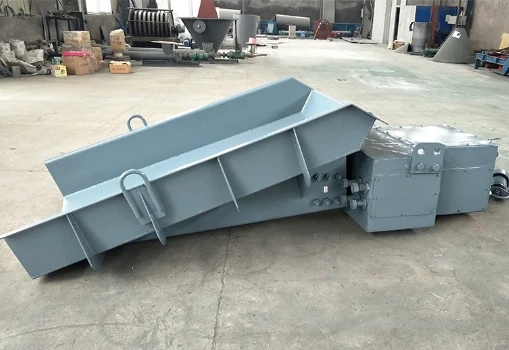
The long-term performance of a Vibrating Feeder Conveyor depends not only on vibration force, but also on the matching of feeder structure, vibration system, and material conditions. Jiarui designs the equipment according to material size, impact strength, processing capacity, and installation conditions to ensure the feeder structure meets actual operating requirements.
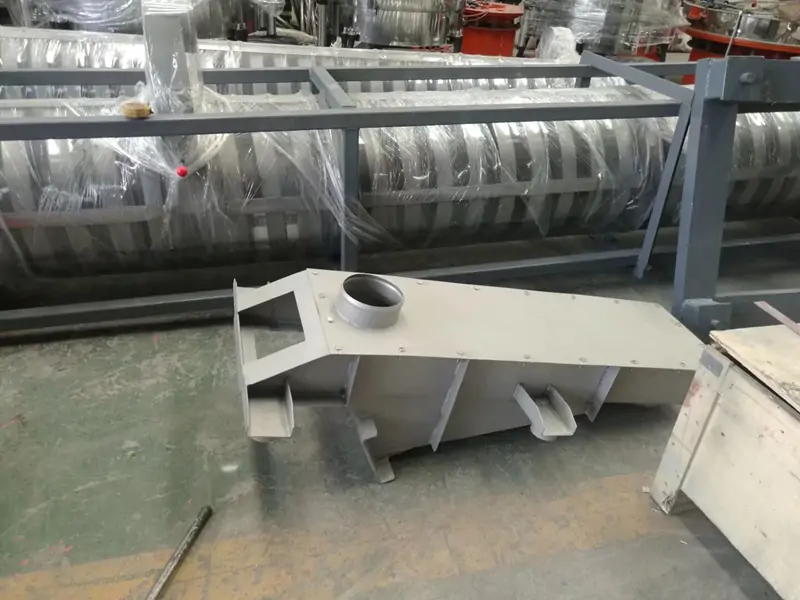
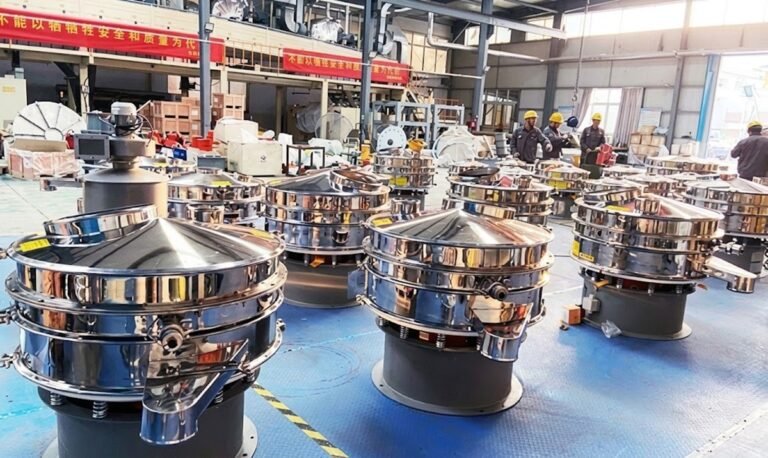
From steel plate cutting, welding assembly, vibration motor installation, spring matching, to final commissioning, Jiarui controls key manufacturing processes and performs operation checks after assembly based on structured quality management practices.
Manufacturing Focus
- Trough Structure: Adjust the feeder trough design according to material impact and wear conditions to improve load-bearing capacity and service life.
- Vibration System: Match suitable vibration motors, vibration amplitude, and spring parameters according to capacity requirements and material characteristics to maintain proper material movement.
- Quality Inspection: Check welding quality, vibration performance, and overall equipment operation to reduce abnormal vibration and potential operating issues after installation.
- Connection Design: Customize inlet/outlet connections, support structures, and installation methods according to site layout for easier integration with crushers, screening machines, and other equipment.
FAQs
Get a Free Consultation
Fill out the form below to connect with our experts and receive personalized recommendations for your application.