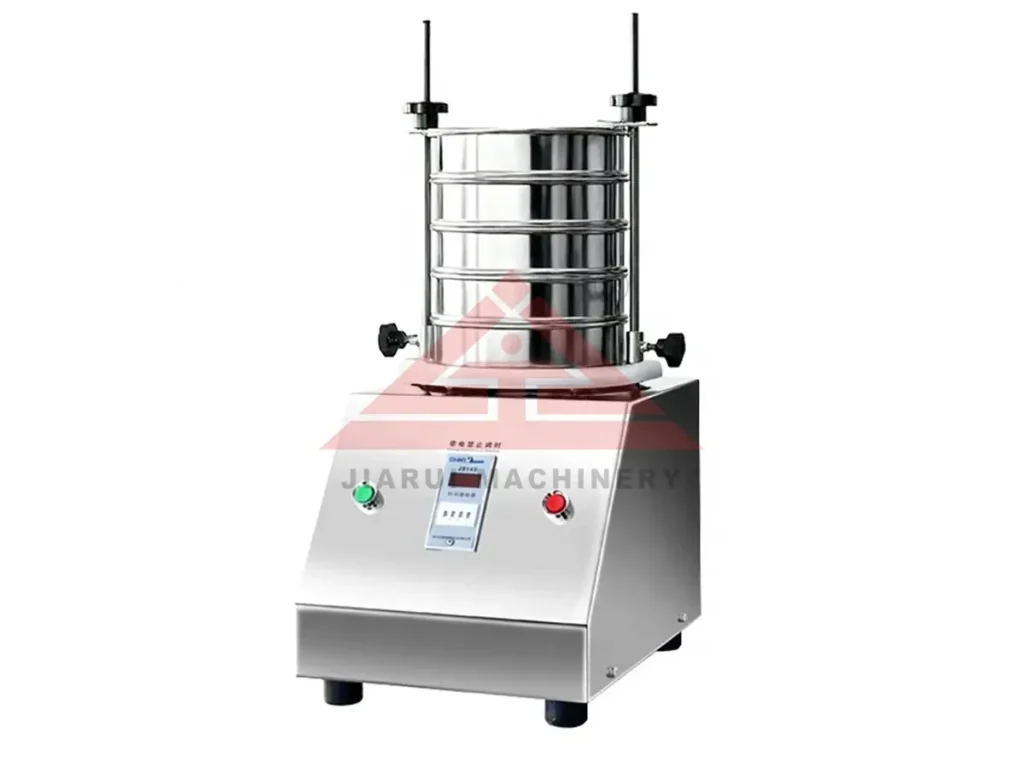
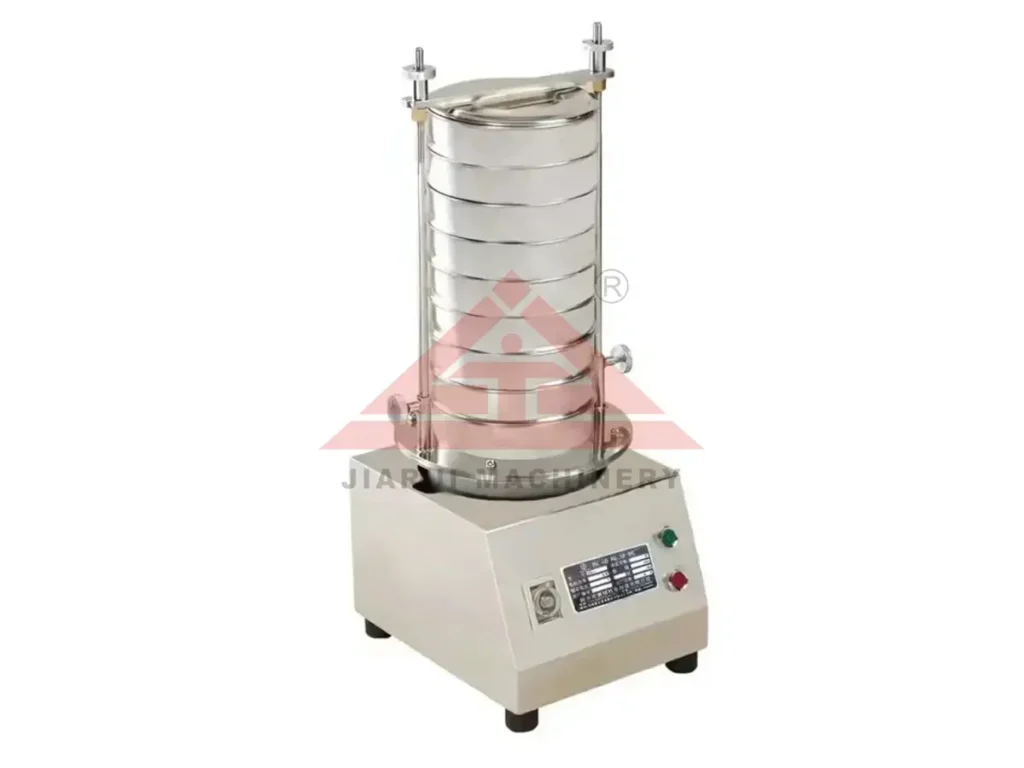
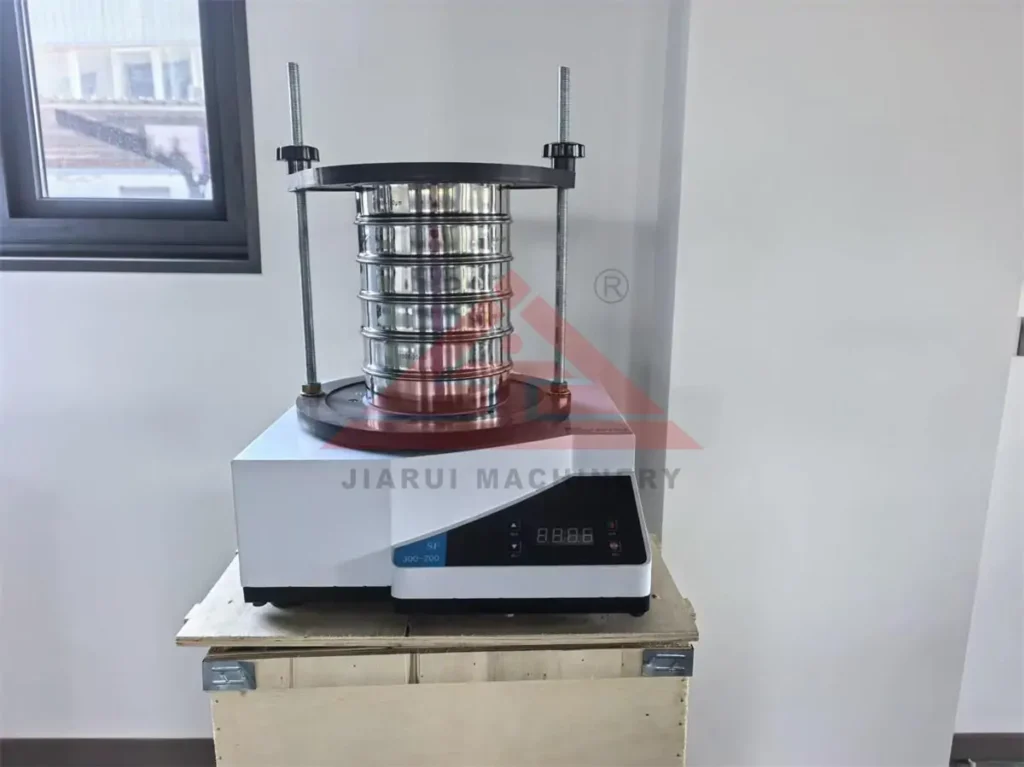
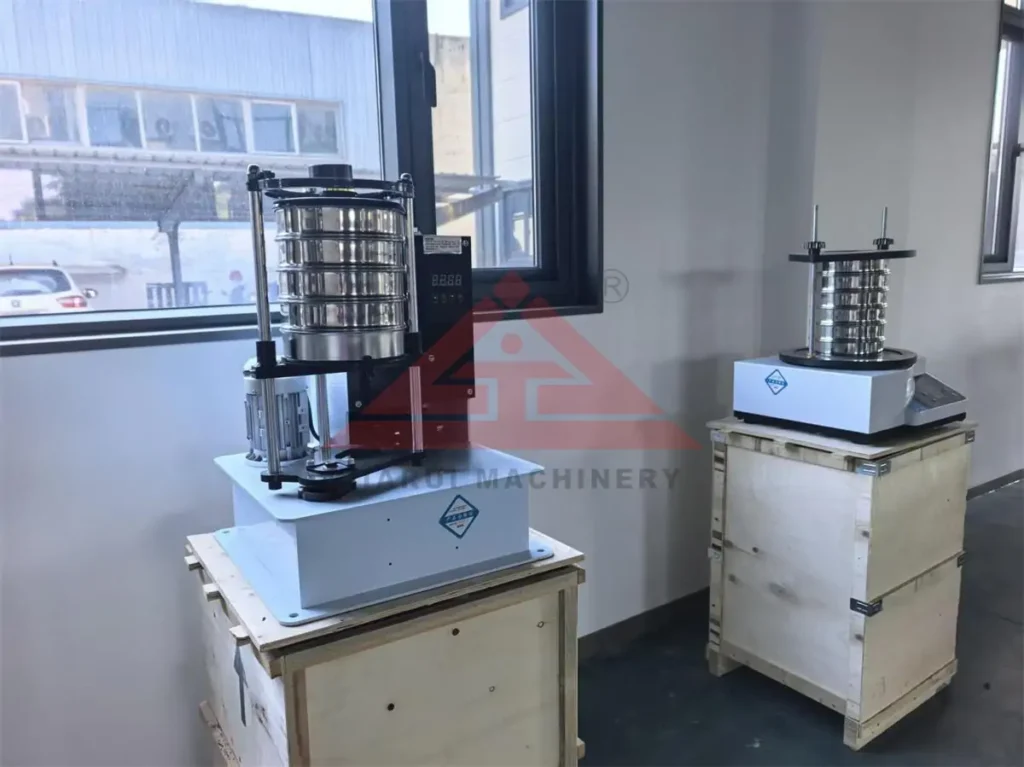
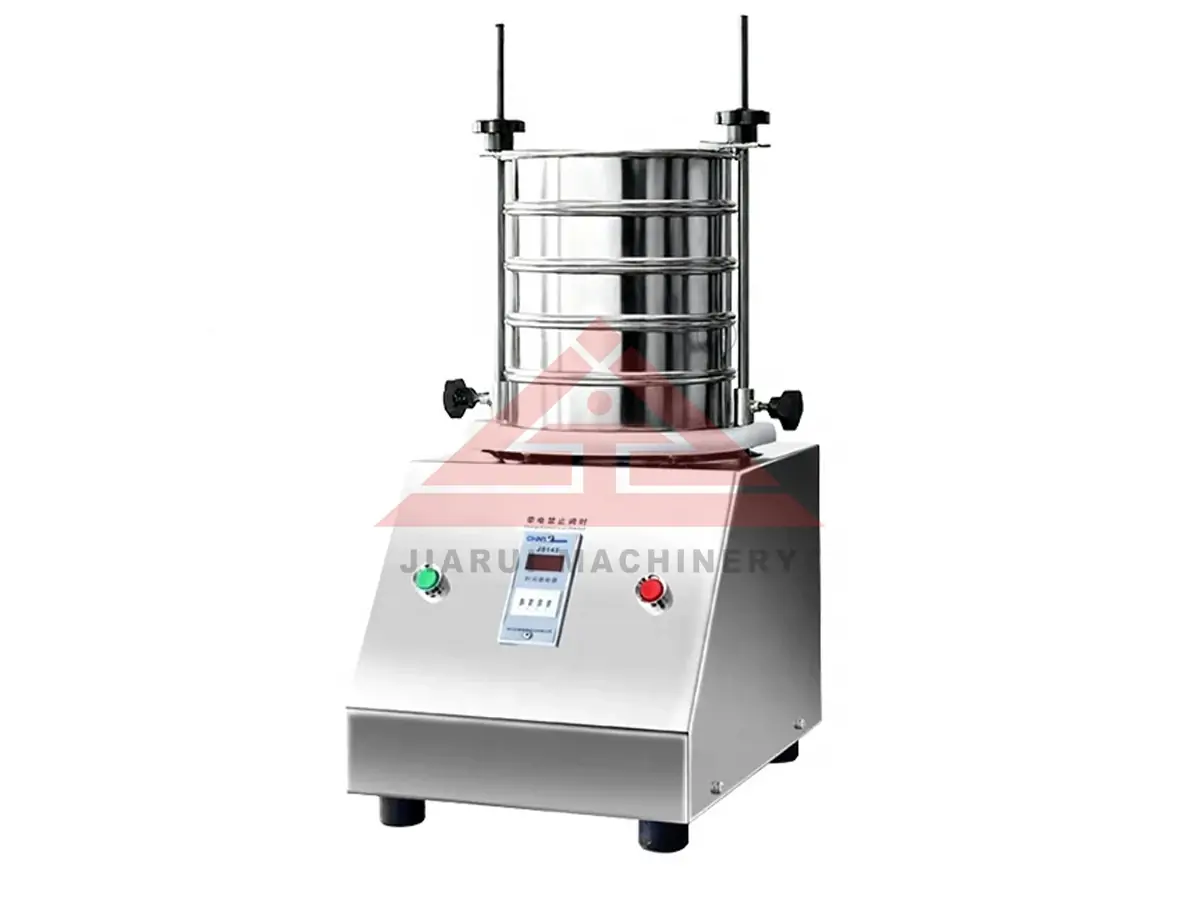
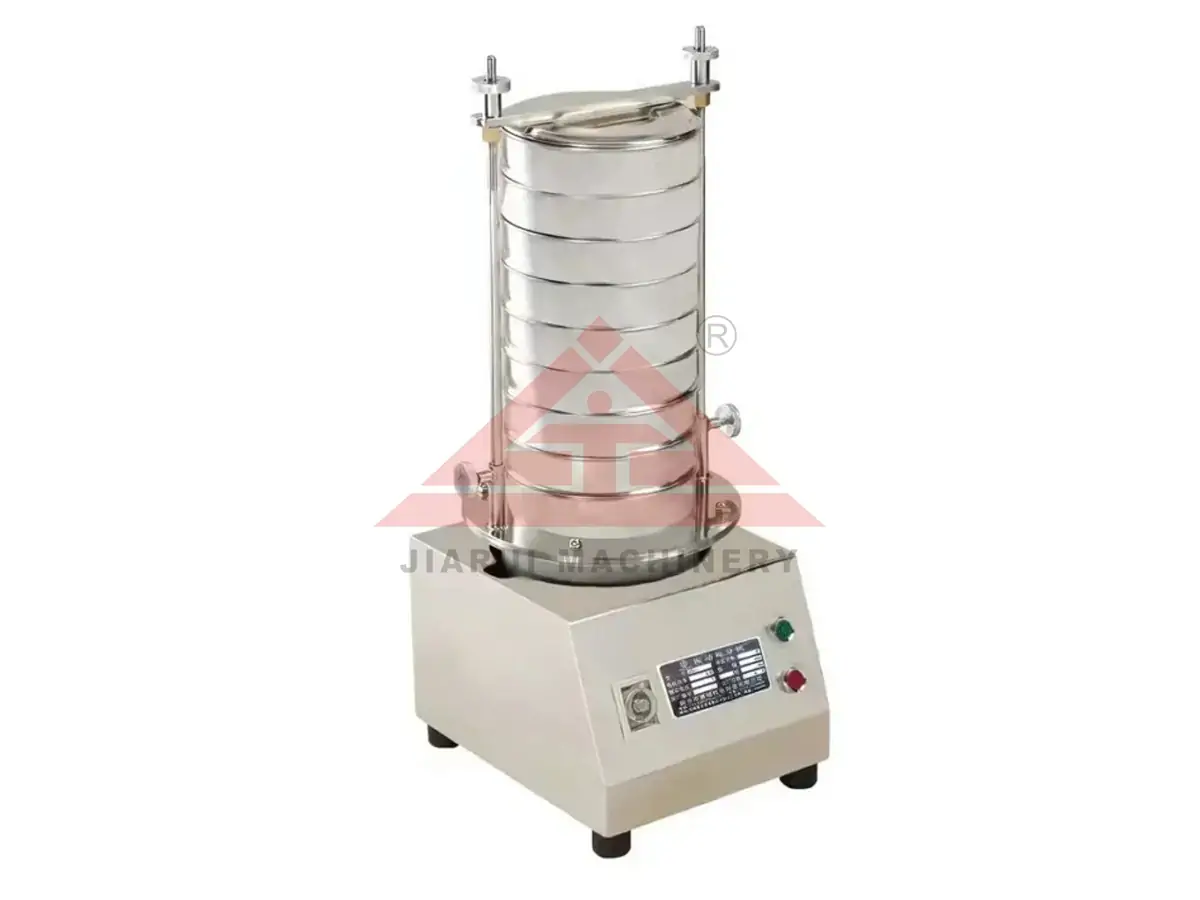
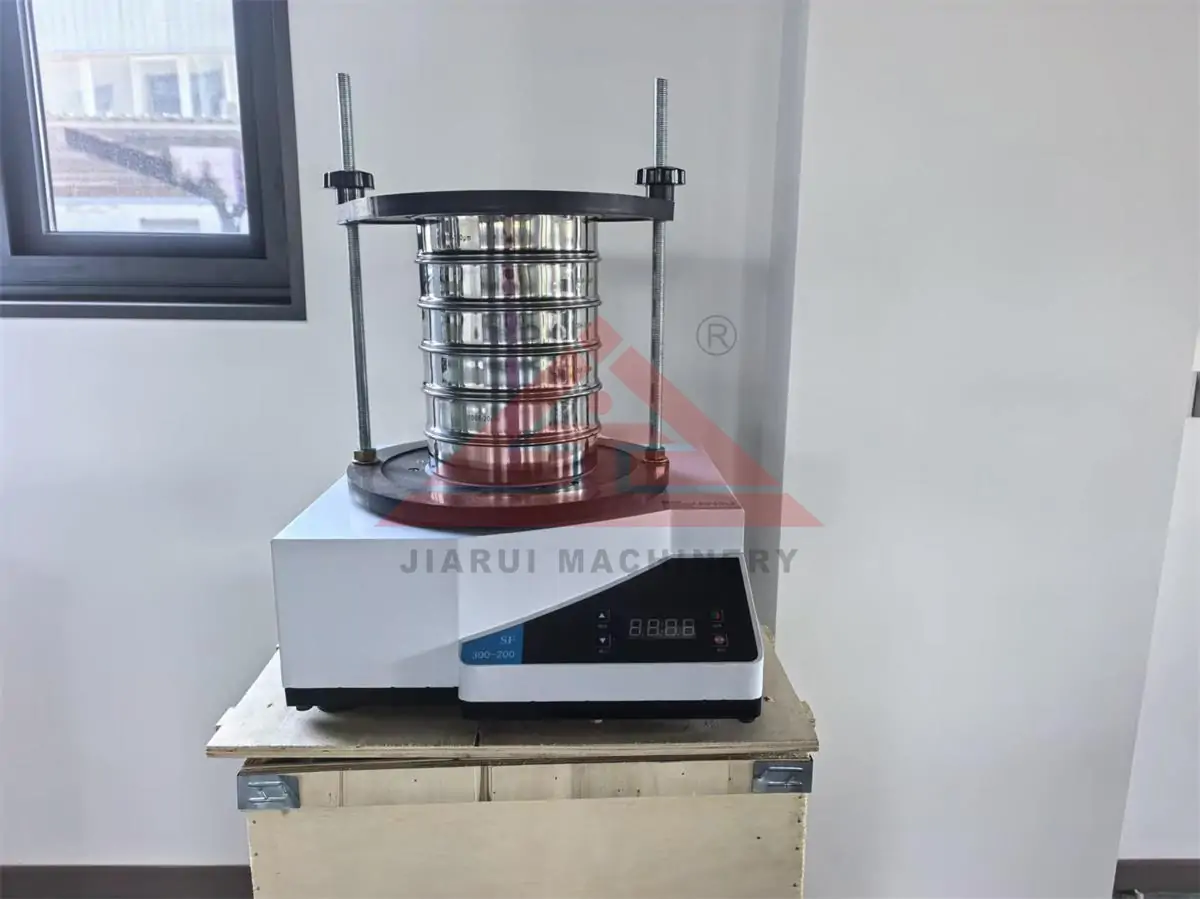
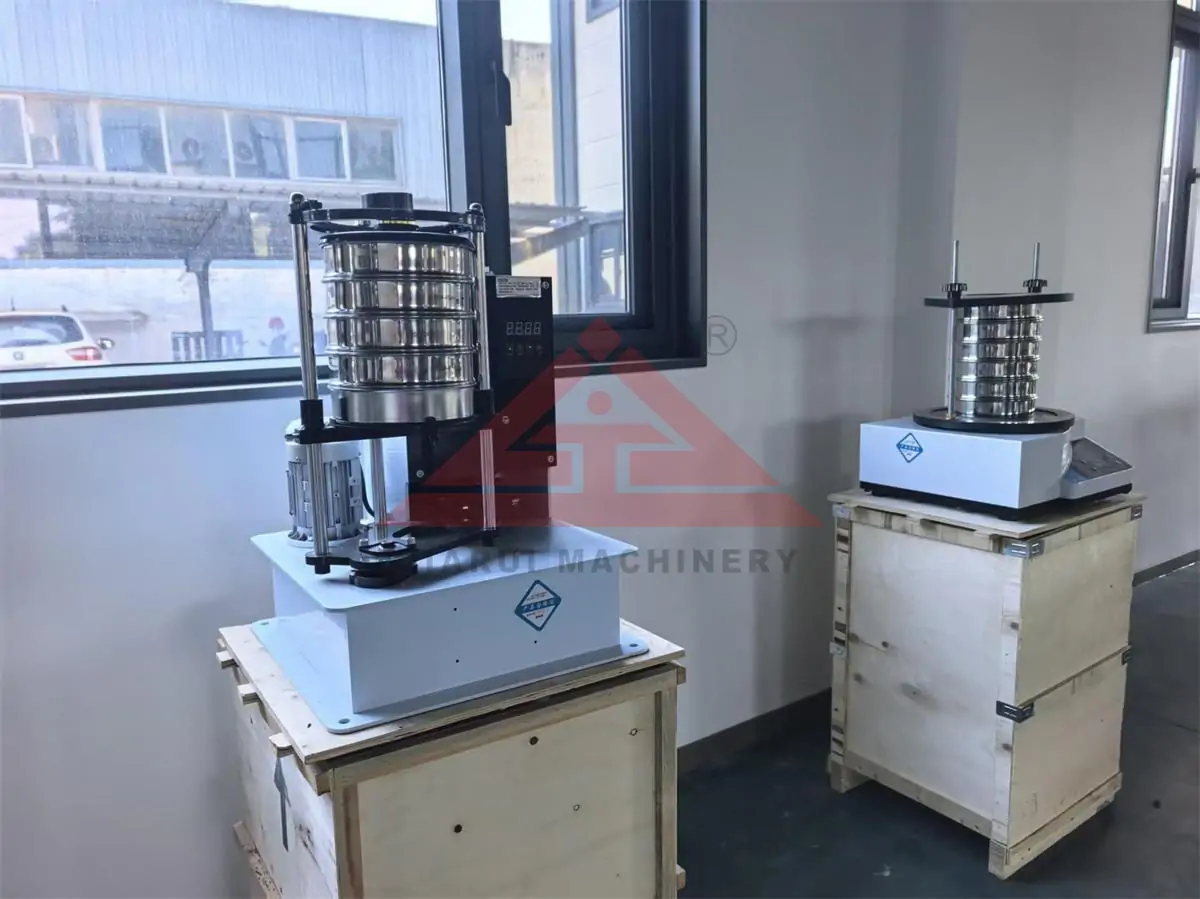
Lab Test Sieve Shaker
The HM Standard Lab Test Sieve Shaker is a standard analytical sieve that combines powder and particle classification with liquid filtration. It is suitable for use in laboratories and quality control departments to perform precise analyses of particle size distributions in granules and powders, as well as to test and analyze the solid content and impurity levels in liquids.
It features low noise, high efficiency, and high precision. It is widely used in research institutions, laboratories, testing facilities, and production control departments across industries such as food, pharmaceuticals, chemicals, abrasives, pigments, mining, metallurgy, geology, ceramics, and national defence for testing and analysis.
An optional ultrasonic system can be added to enhance screening efficiency, especially for fine or difficult-to-screen powders.
- Model: JR-75/200/300/400
- Material: SUS304 Stainless Steel
- Mesh Size: 8–800 Mesh (0.02–2.36 mm)
- Power Supply: 110V / 220V / 380V / 50Hz / 60Hz
- Number of Sieve Layers: 1–8 Layers
- Customization: Sieve Diameter, Voltage, Material Construction, Timer Configuration, Cover Design, Mobile Cart, ASTM/ISO Compatible Sieve Sets
What Is a Lab Test Sieve Shaker?
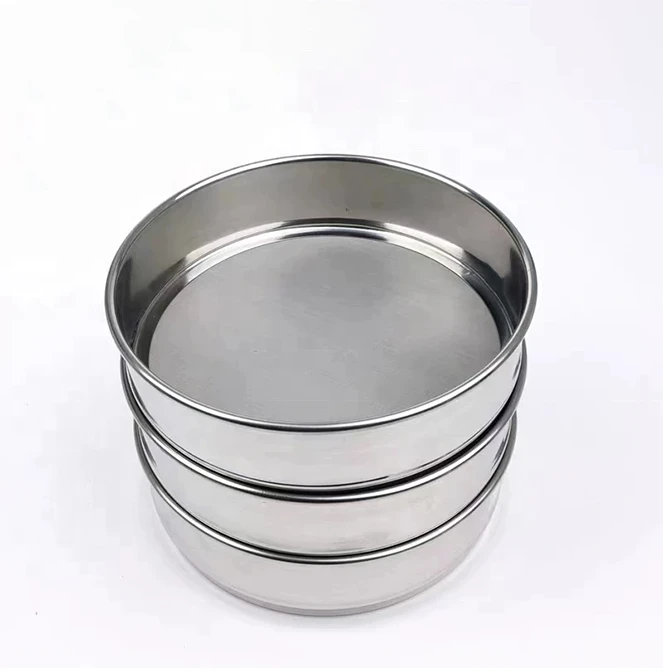
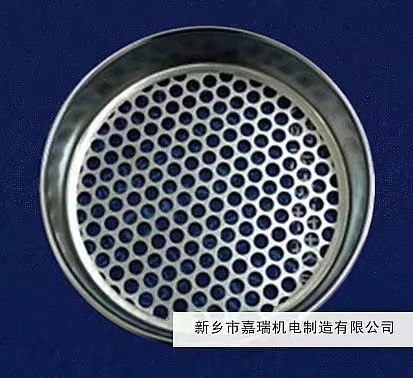
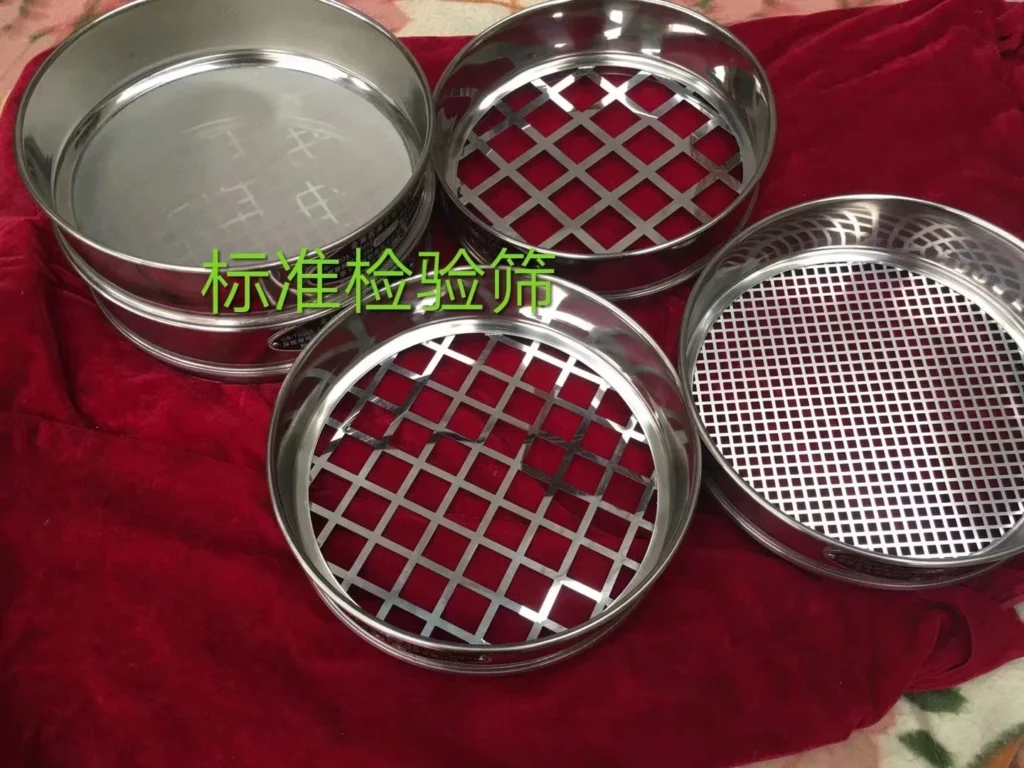
A Lab Test Sieve Shaker, also known as a test sieve shaker, analytical sieve shaker, or laboratory screening machine, is a precision instrument used for particle size analysis, grading, filtration, and impurity testing in laboratory and quality control environments. By combining a vibratory drive system with standardized [test sieves] of different mesh sizes, the equipment separates materials into multiple particle size fractions, enabling accurate determination of particle size distribution and product consistency. Lab Test Sieve Shakers are widely used in industries such as food processing, pharmaceuticals, chemicals, metallurgy, mining, ceramics, abrasives, and scientific research.
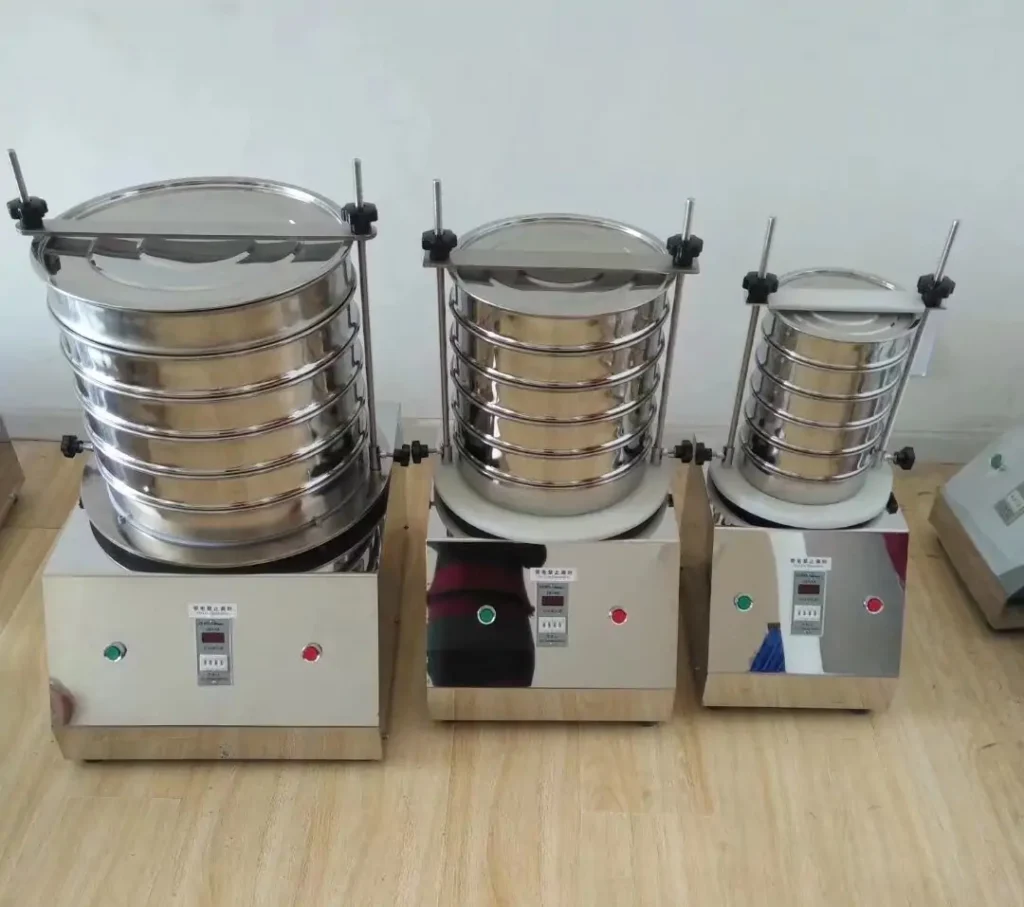
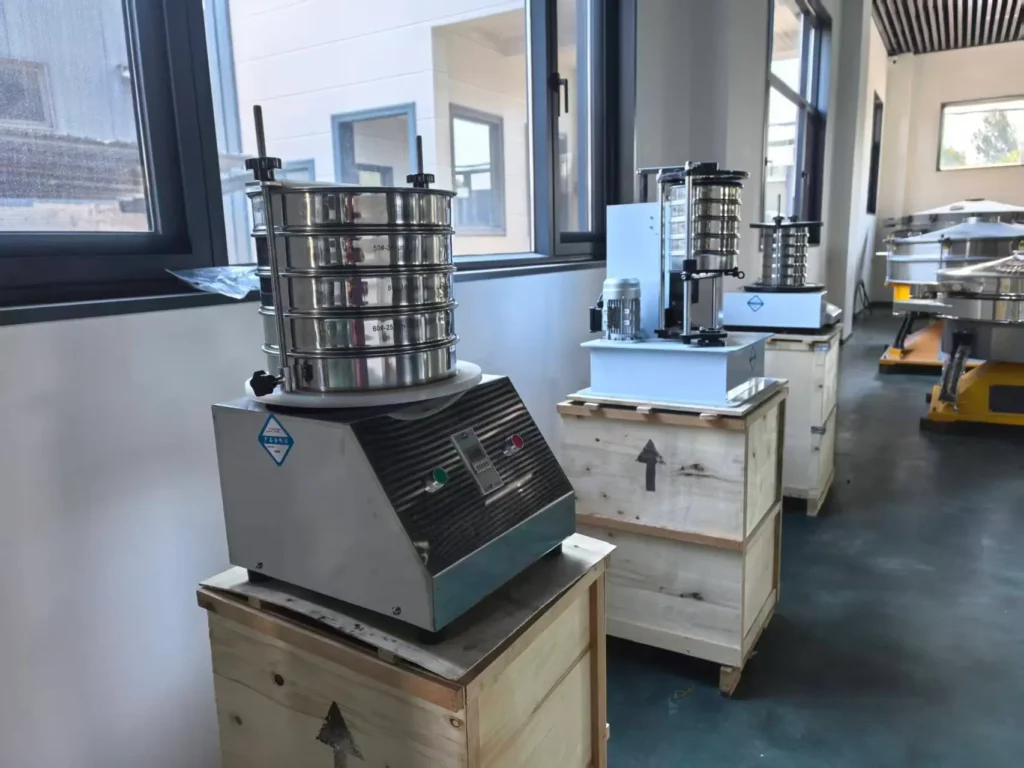
The Jiarui Machinery Lab Test Sieve Shaker is engineered to deliver highly repeatable and reliable screening results for laboratory testing and quality assurance applications. Equipped with a specialized multi-frequency vibratory power generator, adjustable vibration settings, and an automatic timer system, it supports both dry and wet sieving processes while ensuring excellent accuracy and consistency. Compatible with most ASTM, ISO, and other internationally recognized test sieve standards, our Lab Test Sieve Shaker provides an efficient solution for particle size analysis, material classification, and quality control across a wide range of industries.
Applications of the Lab Test Sieve Shaker
Different industries have varying priorities when it comes to Lab Test Sieve Shakers: The food and pharmaceutical industries place greater emphasis on equipment hygiene standards and zero contamination; the chemical and new materials industries prioritize high precision and the ability to screen special materials (such as powders prone to agglomeration); while the metallurgy and building materials industries place greater importance on equipment durability and processing capacity. Therefore, when selecting a model, it is essential to consider specific material characteristics and industry standards. Below is a list of the industries and materials we at Jiarui Machinery commonly screen, for your reference:
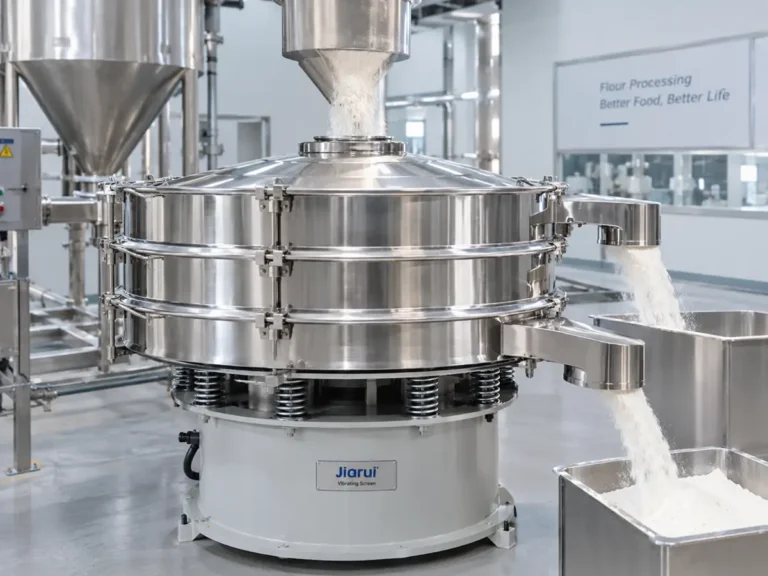
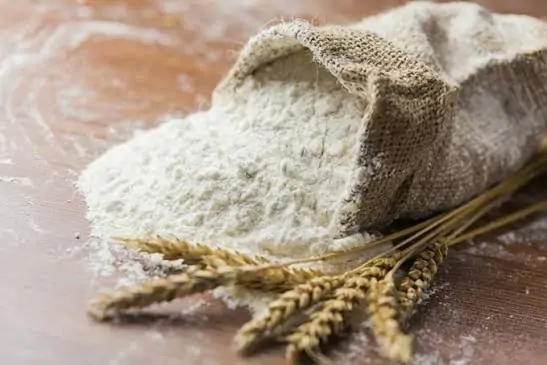 Flour
Flour Pharmaceutical raw material powders
 Powder Coatings
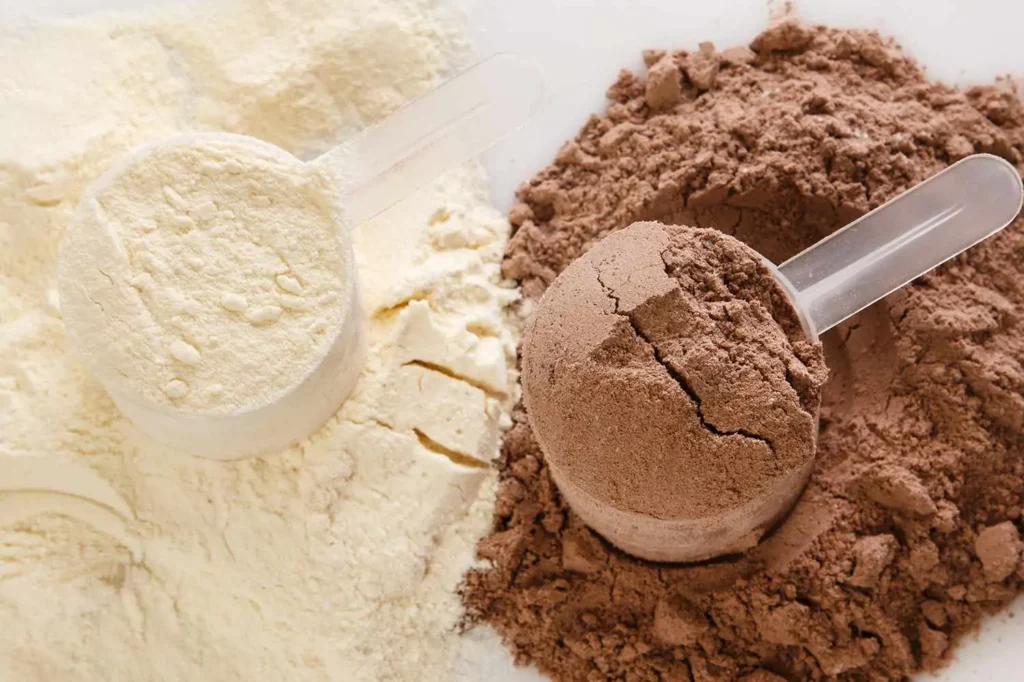 Malt Powder
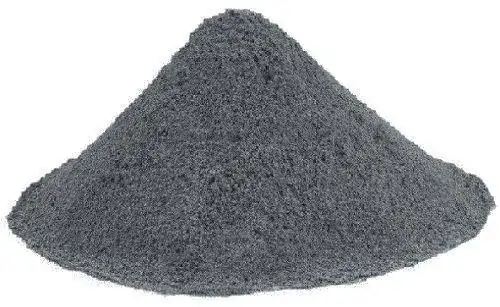 Iron ore powder
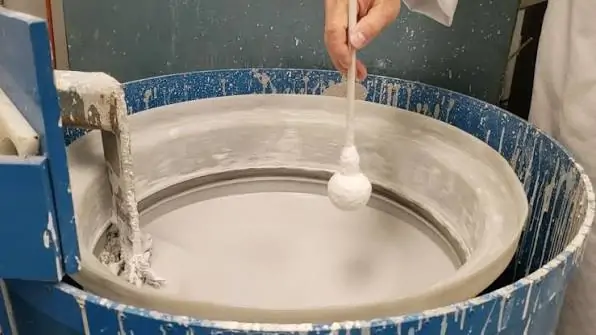 Ceramic Slurry
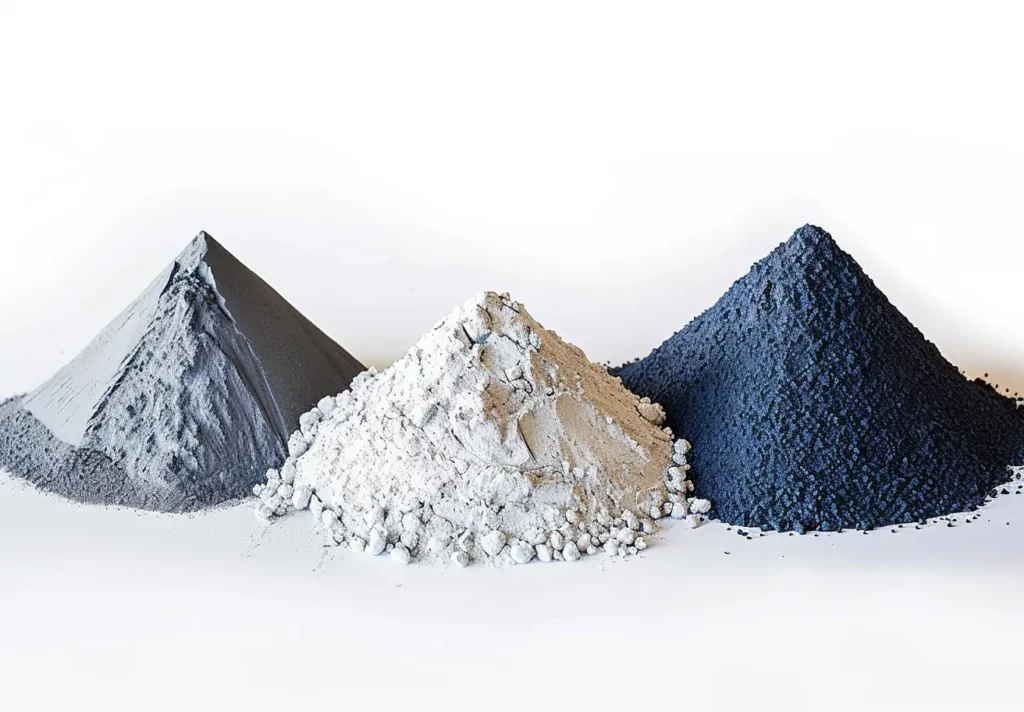 Ceramic Powder
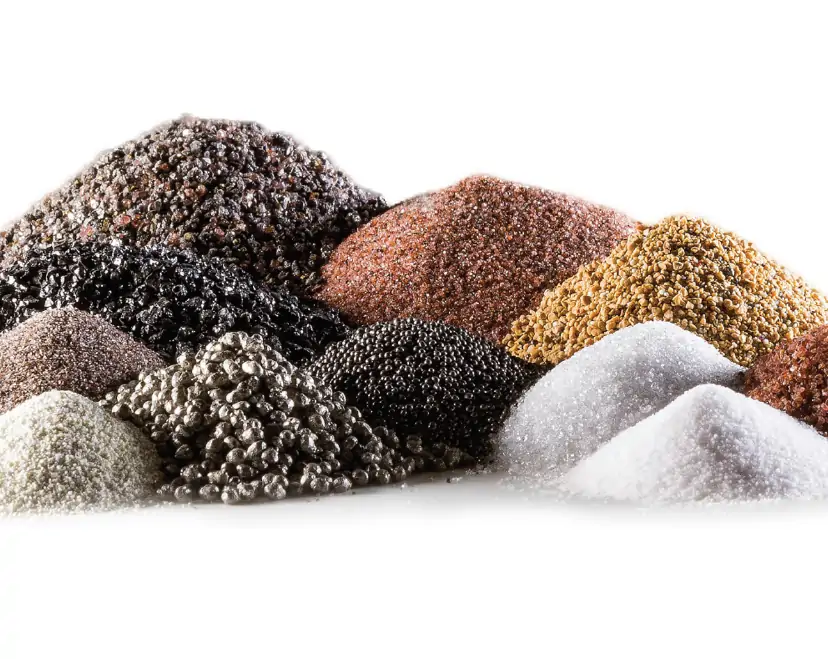 Abrasives
Below is a list of commonly screened materials that we have compiled:
| Industry | Typical Applications | Materials Tested | Testing Objectives |
|---|---|---|---|
| Food & Agricultural Products | Particle size analysis, quality control, impurity detection, product consistency verification | Flour, starch, powdered sugar, milk powder, seasonings, food additives, grain powders | Ensure uniform particle size, improve product texture and solubility, detect contaminants, and maintain food quality standards |
| Pharmaceutical & Biopharmaceutical | Raw material inspection, formulation development, quality assurance, particle size distribution testing | APIs, pharmaceutical excipients, herbal powders, fine drug powders, granules | Control particle size distribution, improve drug uniformity, detect agglomerates, and ensure regulatory compliance |
| Chemical & Advanced Materials | Laboratory research, formulation validation, process development, material characterization | Pigments, fillers, catalysts, plastic resins, fertilizers, battery materials, chemical powders | Evaluate particle size distribution, optimize formulations, verify product specifications, and improve processing performance |
| Building Materials & Construction | Material testing, quality control, grading analysis | Cement, sand, aggregates, concrete additives, gypsum powders | Determine fineness, particle grading, and compliance with construction material standards |
| Metallurgy & Mining | Ore analysis, mineral classification, powder metallurgy testing | Iron ore, bauxite, metal powders, mineral concentrates, refractory materials | Measure particle size distribution, assess ore quality, and classify mineral products |
| Geology & Environmental Research | Sample preparation and laboratory analysis | Soil samples, sediments, geological materials | Determine grain size distribution for geological and environmental studies |
| Ceramics & Refractory Materials | Raw material evaluation and production quality control | Ceramic powders, clay materials, refractory powders | Verify particle size consistency and optimize manufacturing processes |
| Paints, Coatings & Inks | Pigment and additive testing | Pigments, coating powders, ink additives | Monitor particle fineness, improve dispersion performance, and ensure product quality |
| Rubber & Plastics | Raw material quality inspection | Rubber additives, polymer powders, plastic granules | Evaluate particle size distribution and improve processing consistency |
| Abrasives & Metal Powders | Precision grading and classification | Silicon carbide, alumina, diamond powder, metal powders | Ensure accurate particle grading and meet product specification requirements |
| Paper & Pulp Industry | Raw material screening and quality analysis | Fillers, pigments, cellulose powders | Control particle size and improve product uniformity |
| Research Institutes & Universities | Scientific research, laboratory testing, educational experiments | Various powders, granules, liquids, and experimental materials | Conduct particle size analysis, material characterization, and academic research |
If your industry is not listed above, please feel free to contact Jiarui Machinery to determine if there is a better solution for your screening needs.
At Jiarui Machinery, we can provide screening solutions ranging from standard models to highly customized options tailored to the specific requirements of your industry.
Working Principle of Lab Test Sieve Shaker
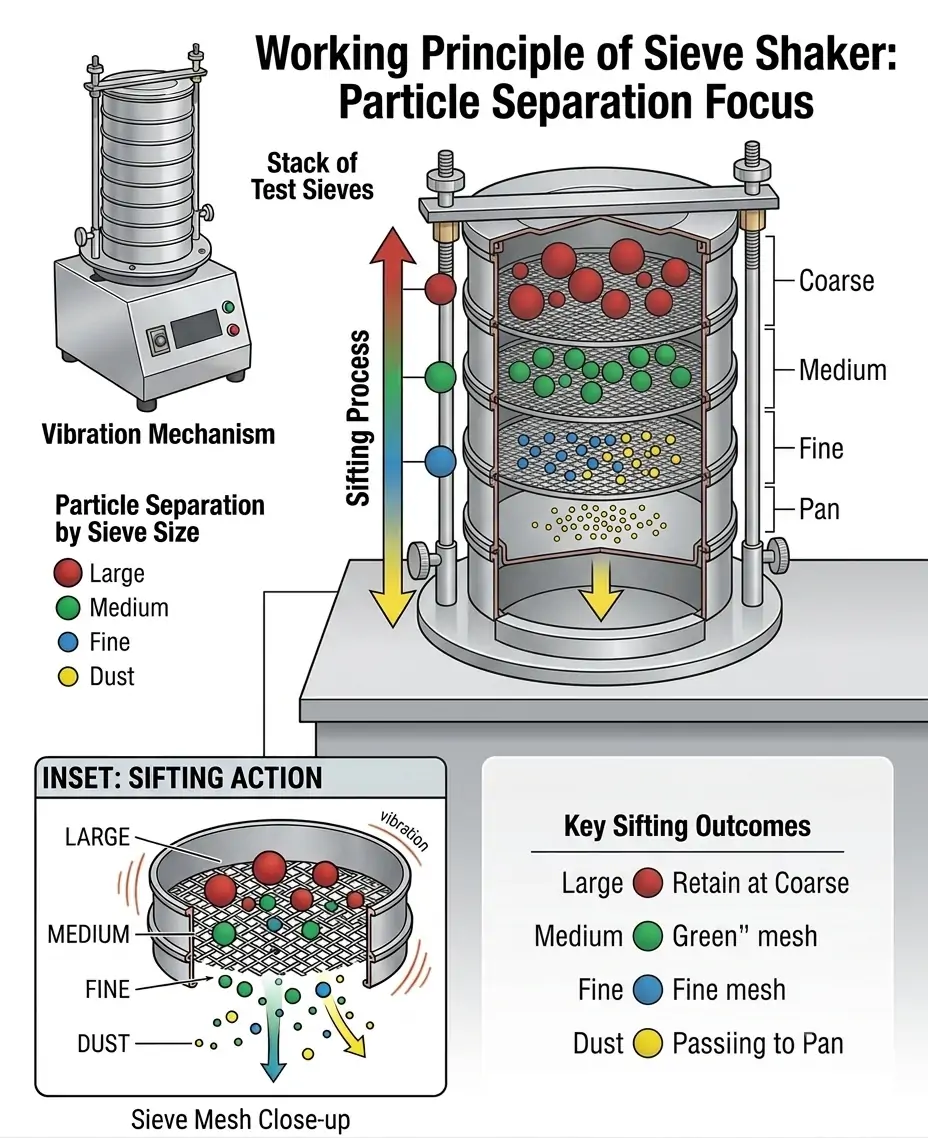
The laboratory sieve shaker uses a vertical vibration motor as the vibration source. The vibration motor drives the upper vibration plate to vibrate, and the vibration is transmitted to the Φ200 screen frame mounted above it.
Then the screen frame that needs to detect the mesh size material particles with mesh apertures are screened to the lower sieve frame, so that only materials with the same particle size remain in each layer of test sieves, achieving separation of different particle sizes and determining the particle size composition of the material, so that the materials in the Φ200 type sieve frame can be very effectively It serves the purpose of filtering, classifying and screening.
Application Method:
Step 1: Assembly Order: The screen frames must be stacked in order of mesh size, from largest to smallest, and from top to bottom.
Step 2: Securing: A clamping device (such as a clamping band) must be used to securely fasten the entire set of screen frames into a single unit to prevent material leakage or screen frame displacement during the screening process.
Step 3: Place on a Level Surface: The equipment must be placed on a stable, level work surface.
Step 4: Screen Inspection: Before use, check that the screen is intact and free of damage or blockages.
Step 5: Cleaning and Maintenance: Clean the equipment promptly after use to prevent material residue from hardening and clogging the mesh openings.
Advantages of Lab Test Sieve Shaker
Advanced Integrated Circuit Control System
Equipped with an optimized integrated circuit control system, ensuring simple operation, stable performance, and enhanced testing efficiency.
Dry & Wet Sieving Capability
Suitable for both powder and slurry materials, enabling precise analysis of fineness and impurity content in a wide range of laboratory applications.
Adjustable Vibration System
Allows real-time synchronization of vibration frequency, amplitude, and motion mode, ensuring flexible and accurate testing conditions for different materials.
Precise Particle Separation
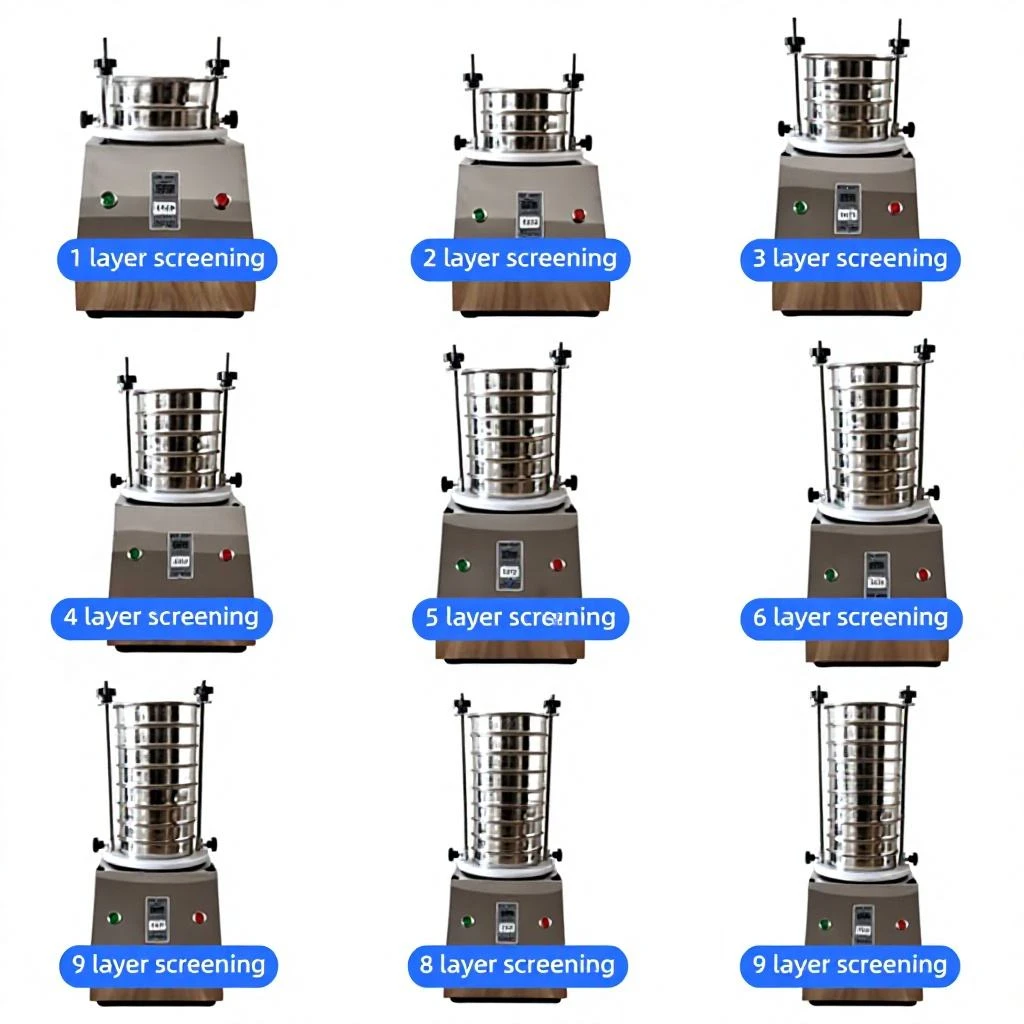
Capable of simultaneously separating one material into 2–9 distinct particle size fractions, improving accuracy in particle size distribution analysis.
Low Noise & Portable Design
Features low operating noise and lightweight construction, with a benchtop design that requires no fixed installation, making it ideal for laboratory environments.
Durable Stainless Steel Structure
Built with stainless steel construction for long-term durability and easy cleaning, powered by a 0.125 kW high-performance motor, and compliant with CE certification standards for safety and quality assurance.
OEM & ODM Customization Available
Jiarui Machinery provides OEM and ODM customization services based on customer requirements. Custom options include voltage configuration, machine materials, mobile cart design, mesh size selection, inlet and outlet structures, and other application-specific modifications.
Lab Test Sieve Shaker Technical Specifications
| No. | Parameter | Unit | Specification |
|---|---|---|---|
| 01 | Number of Sieve Layers | Layer | 1–6 |
| 02 | Sieve Frame Diameter × Height | mm | Φ200 × 50 |
| 03 | Particle Size Range | mm | 0.02~100MM |
| 04 | Noise Level | dB | < 50 |
| 05 | Vibration Amplitude | mm | 0–3 |
| 06 | Vibration Frequency | Times/Min | 1,400 |
| 07 | Overall Dimensions (L × W × H) | mm | 400*300*370 |
| 08 | Power Supply | V / Hz | 220V / 50Hz |
| 09 | Total Weight | kg | 30 |
Customization Options for Lab Test Sieve Shaker
We understand that different industries and laboratory conditions require specific configurations. Our Lab Test Sieve Shaker supports flexible customization to meet your exact testing requirements.
Available Customization Options
- Voltage & Frequency
Custom power supply options such as 220V / 50Hz for global use. - Sieve Diameter & Layers
Standard Φ200 mm, optional sizes and 1–8 layers based on your testing needs. - Material Selection
Choose from Stainless Steel 304 or 316 for different corrosion resistance requirements. - Ultrasonic System Upgrade
Optional ultrasonic unit to improve screening efficiency for ultra-fine powders and prevent mesh clogging. - Mesh Size Configuration
Custom sieve mesh sizes according to your particle size analysis standards. - Structure & Design Adjustments
Special design modifications available for specific laboratory environments or applications.
Get a Custom Lab Test Sieve Shaker Solution
Looking for a reliable sieve shaker tailored to your application?
Our engineering team can help you select or customize the most suitable Lab Test Sieve Shaker based on your material, particle size range, and testing goals.
Contact us today to get: Fast technical recommendations; Customized configuration solutions; Competitive factory pricing
Why choose Jiarui Machinery?
Precision Engineering & Compliance Standards
10-Year Design Life: Built to industrial-grade durability standards, ensuring a 10-year operational lifespan under heavy, continuous workloads.
Rigorous Quality Control & Process Adaptation
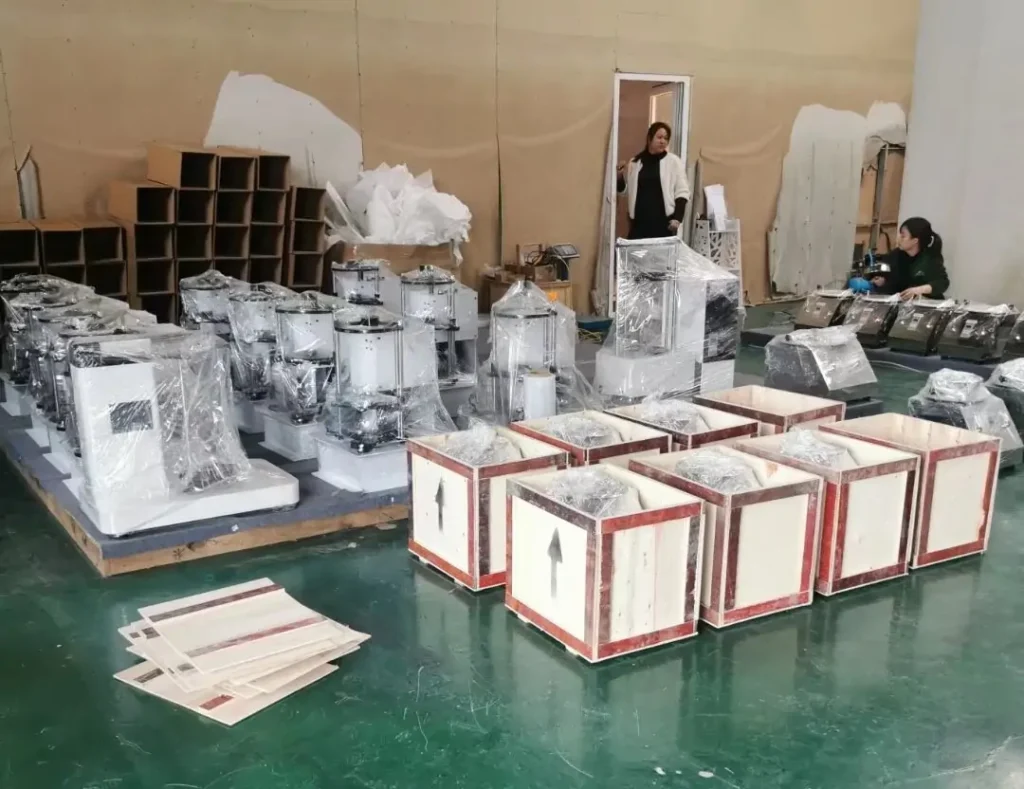
2-Hour Pre-Shipment Run: Every unit undergoes a mandatory 2-hour continuous trial run to verify amplitude stability and motor temperature before dispatch.
Long-Term Parts Availability: Backed by a 1-year warranty and a permanent inventory of standard wear parts (screens, seals, springs) to minimize factory downtime.
FAQs
Get a Free Consultation
Fill out the form below to connect with our experts and receive personalized recommendations for your application.