
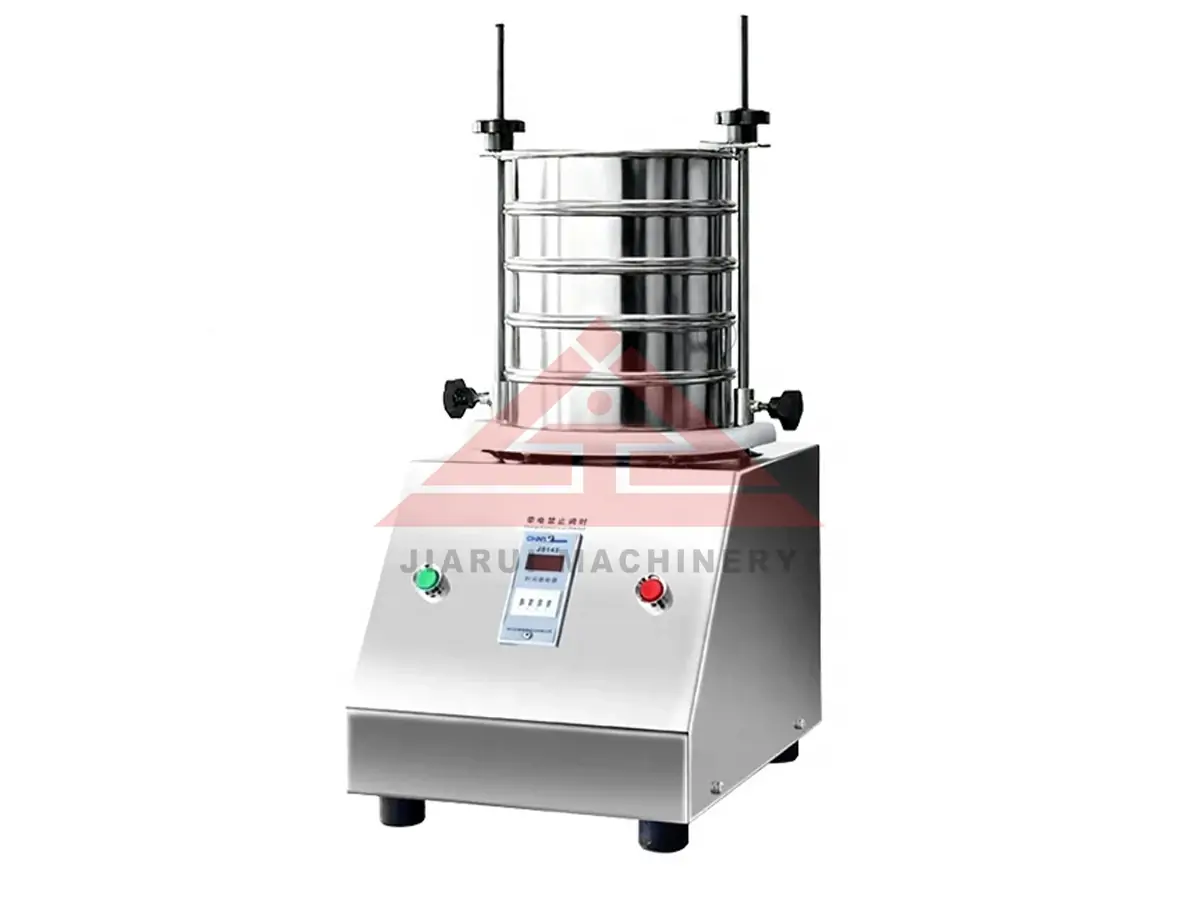
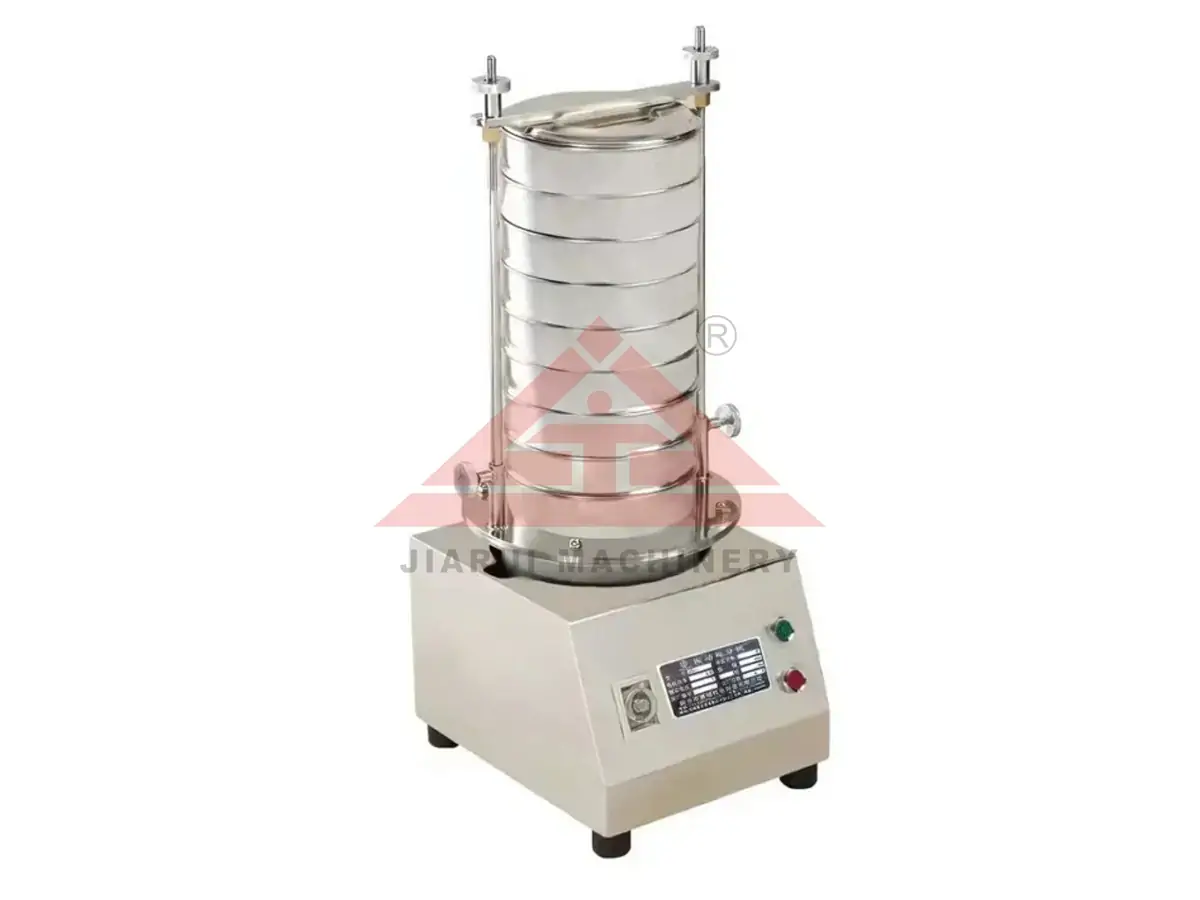
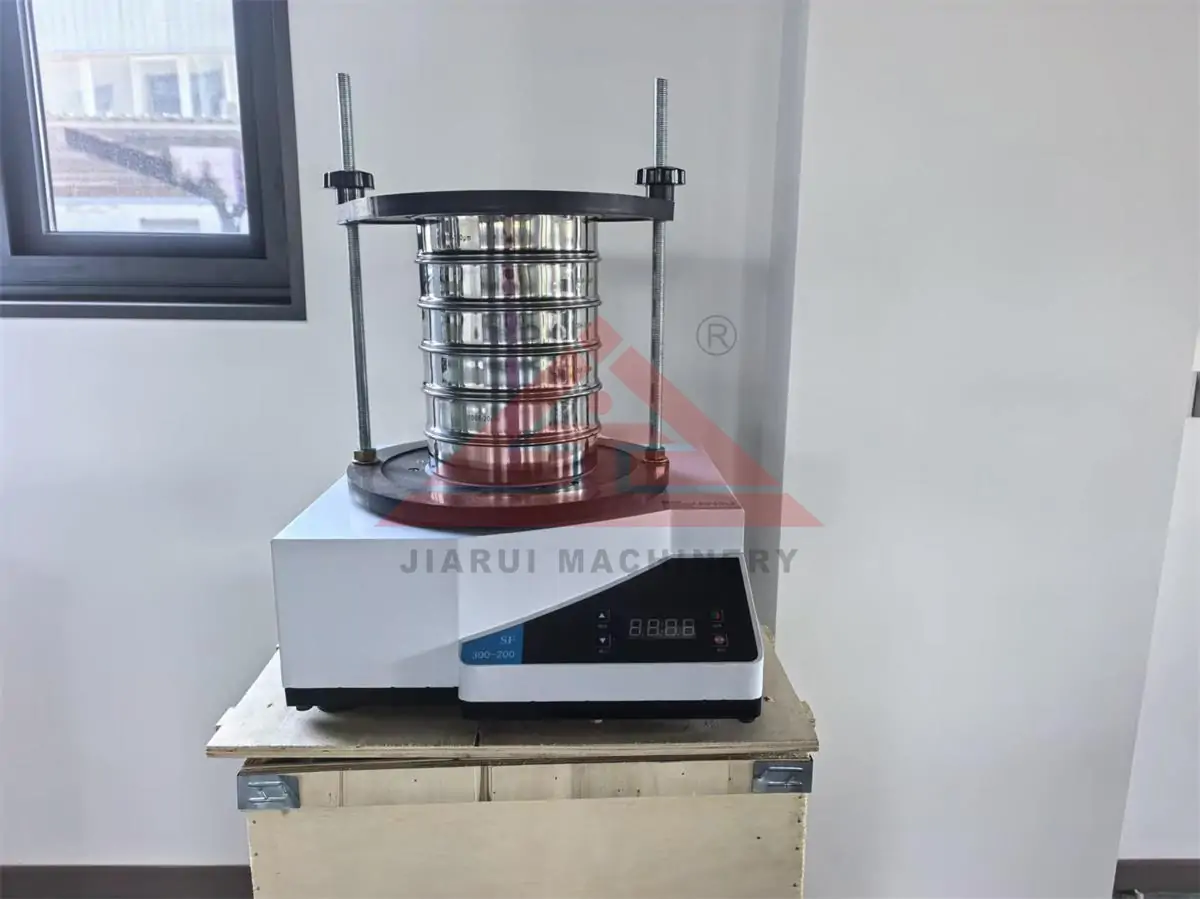
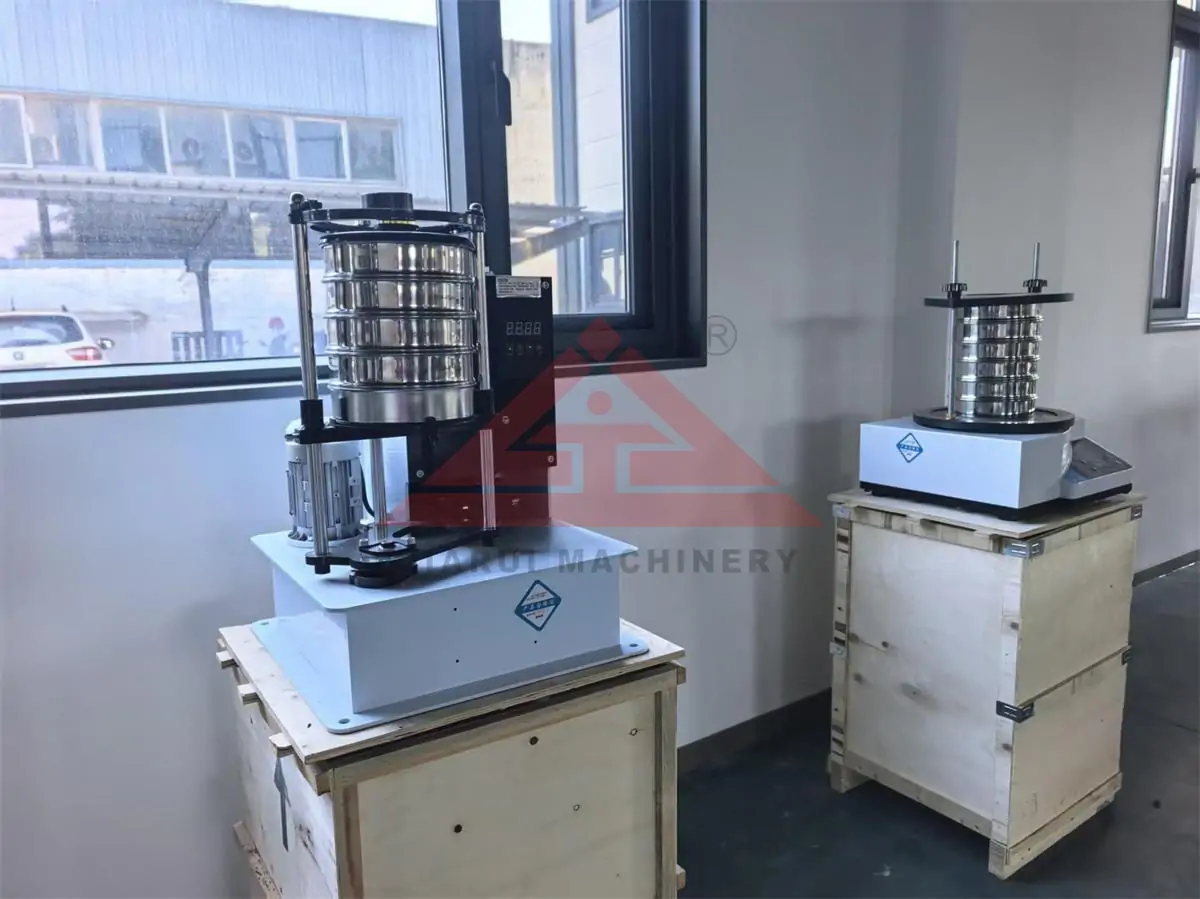
Labor-Testsiebshaker
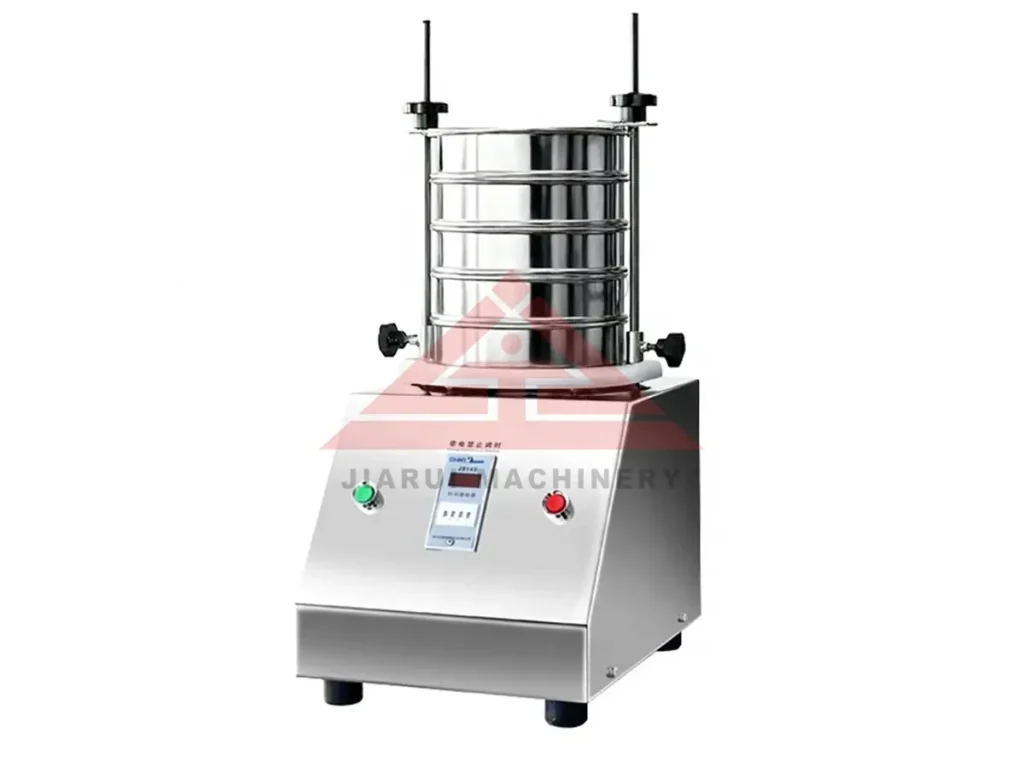
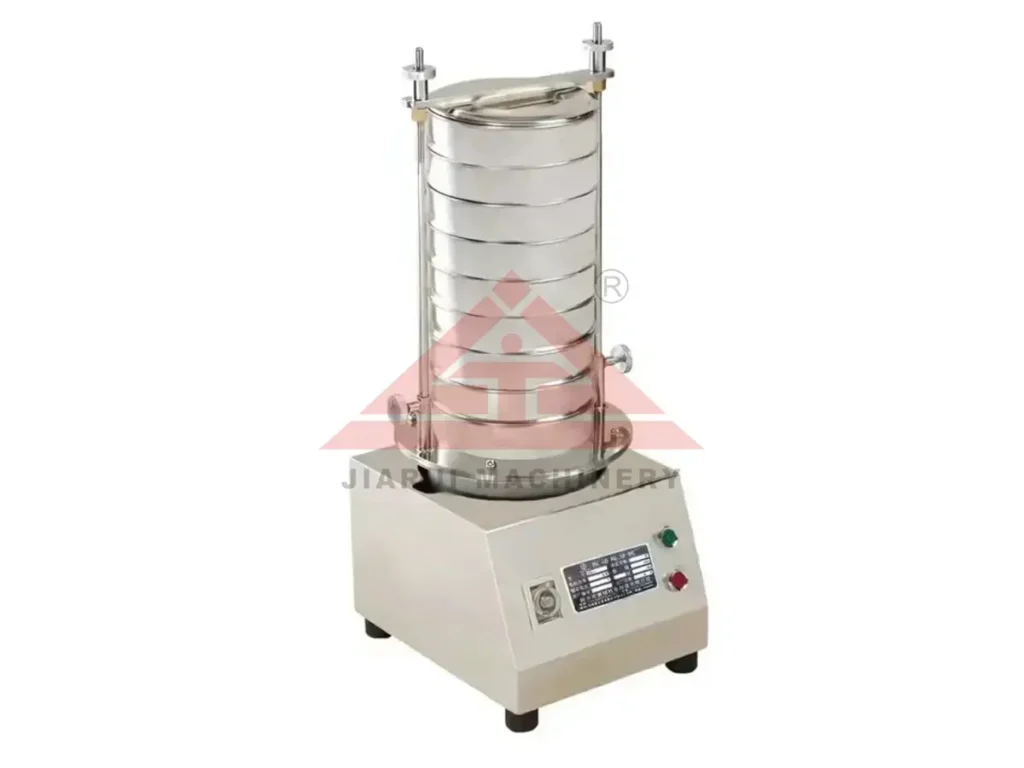
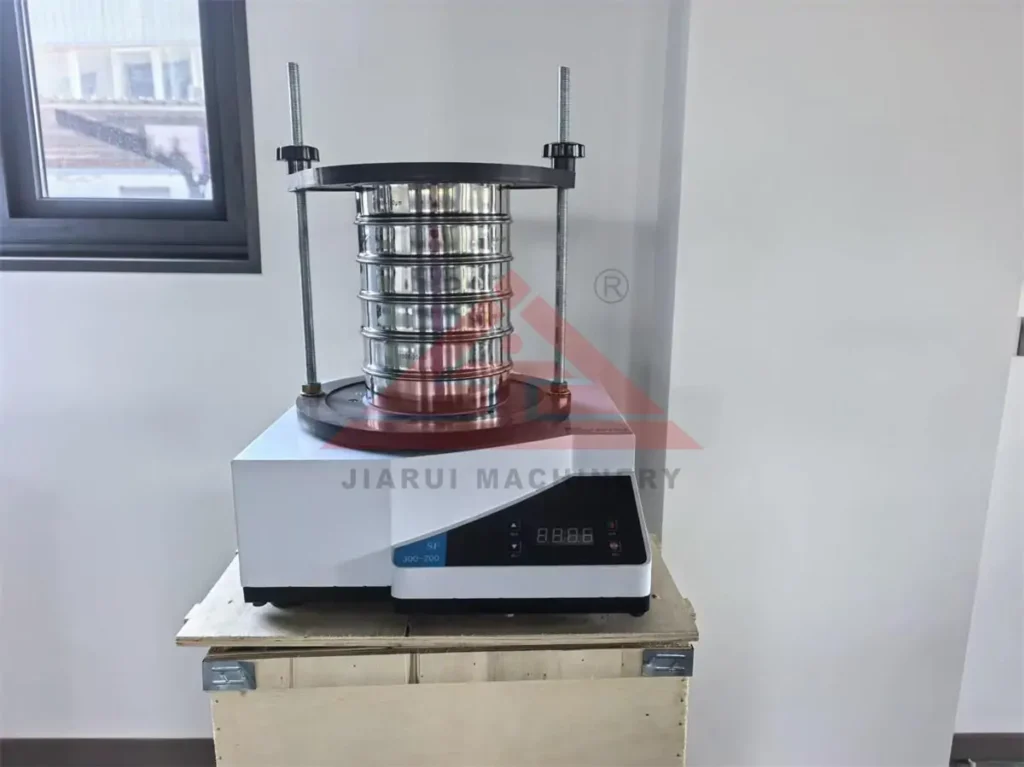
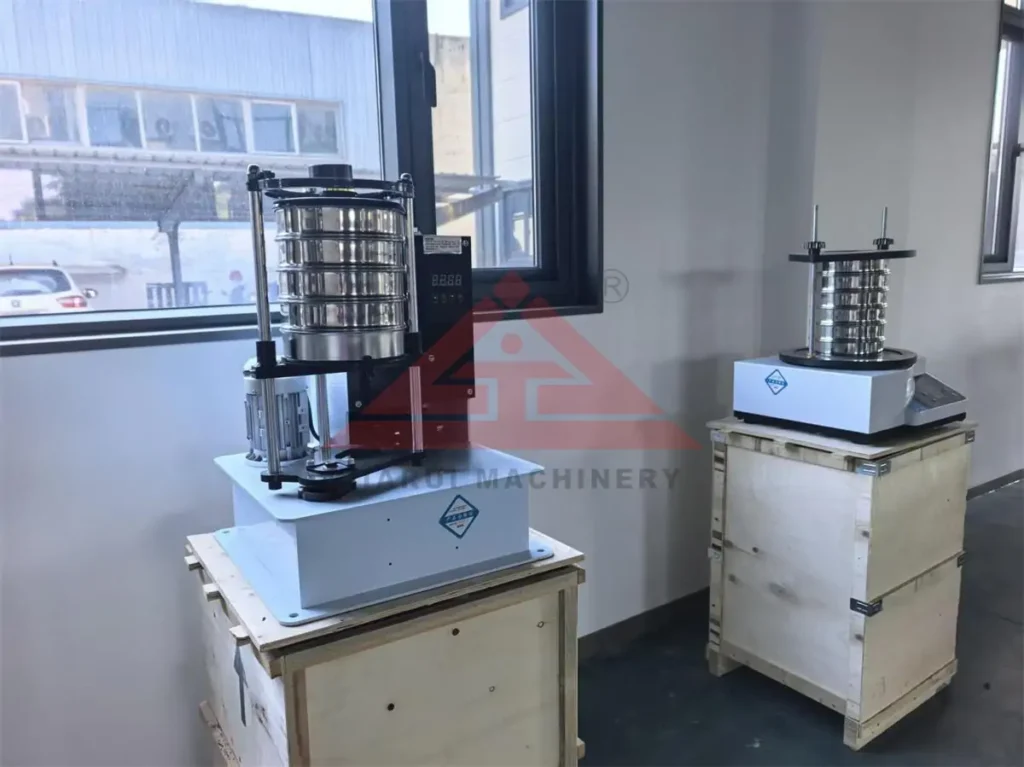
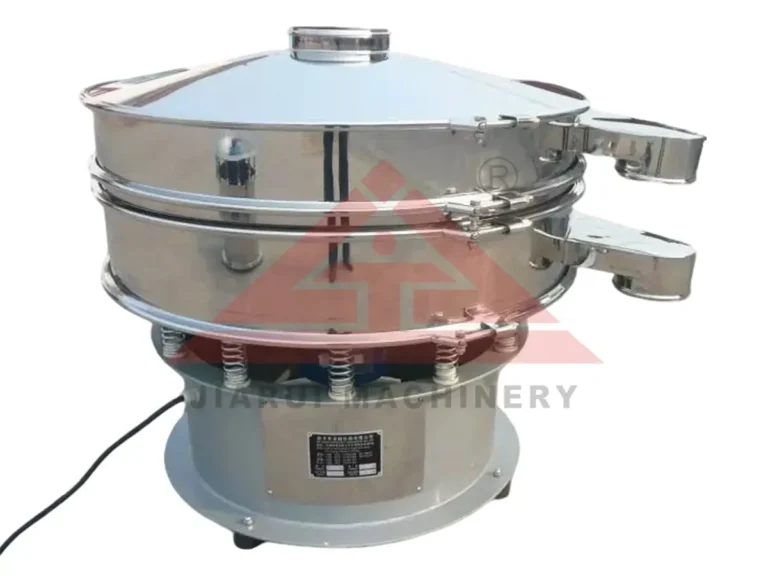
Der HM Standard-Laborsiebmaschine ist ein standardmäßiges Analysesieb, das Pulver- und Partikelklassifizierung mit Flüssigkeitsfiltration kombiniert. Es eignet sich für den Einsatz in Laboren und Qualitätskontrollabteilungen zur präzisen Analyse von Partikelgrößenverteilungen in Granulaten und Pulvern sowie zur Prüfung und Analyse des Feststoffgehalts und der Verunreinigungsgrade in Flüssigkeiten.
Es zeichnet sich durch geringe Geräuschentwicklung, hohe Effizienz und hohe Präzision aus. Es wird häufig in Forschungseinrichtungen, Laboren, Prüfstellen und Produktionskontrollabteilungen in Branchen wie Lebensmittel, Pharmazie, Chemie, Schleifmittel, Pigmente, Bergbau, Metallurgie, Geologie, Keramik und Verteidigung für Prüfungen und Analysen eingesetzt.
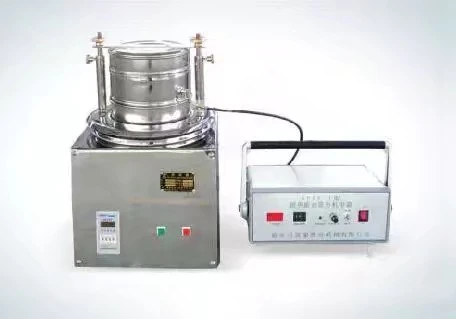
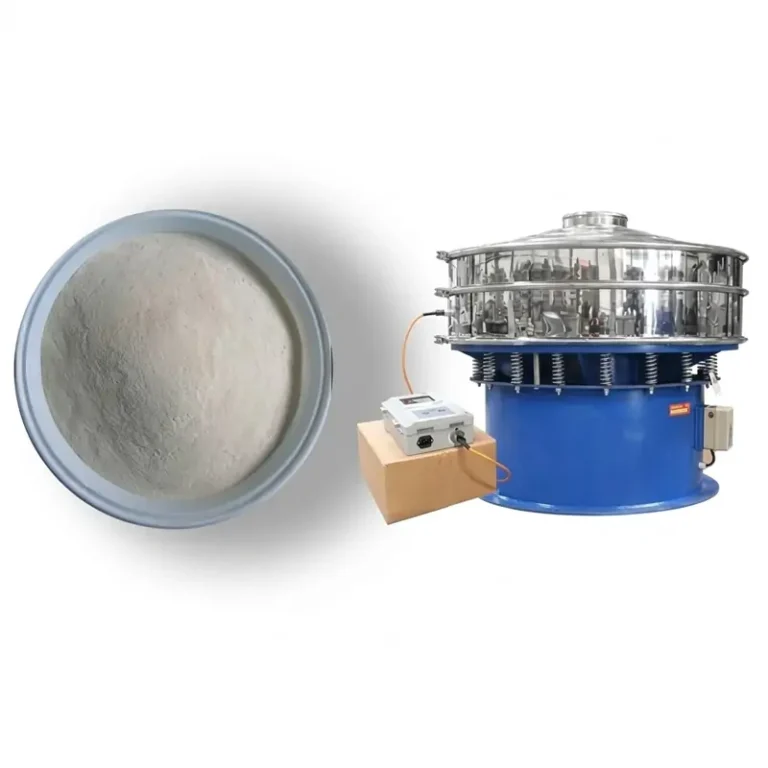
Ein optionales Ultraschallsystem kann hinzugefügt werden, um die Siebeffizienz zu verbessern, insbesondere für feine oder schwer zu siebende Pulver.
- Modell: JR-75/200/300/400
- Material: SUS304-Edelstahl
- Maschenweite: 8–800 Mesh (0,02–2,36 mm)
- Stromversorgung: 110V / 220V / 380V / 50Hz / 60Hz
- Anzahl der Siebebenen: 1–8 Ebenen
- Individualisierung: Siebdurchmesser, Spannung, Materialkonstruktion, Timer-Konfiguration, Deckeldesign, mobiler Wagen, ASTM/ISO-kompatible Siebsätze
Was ist eine Laborsiebmaschine?
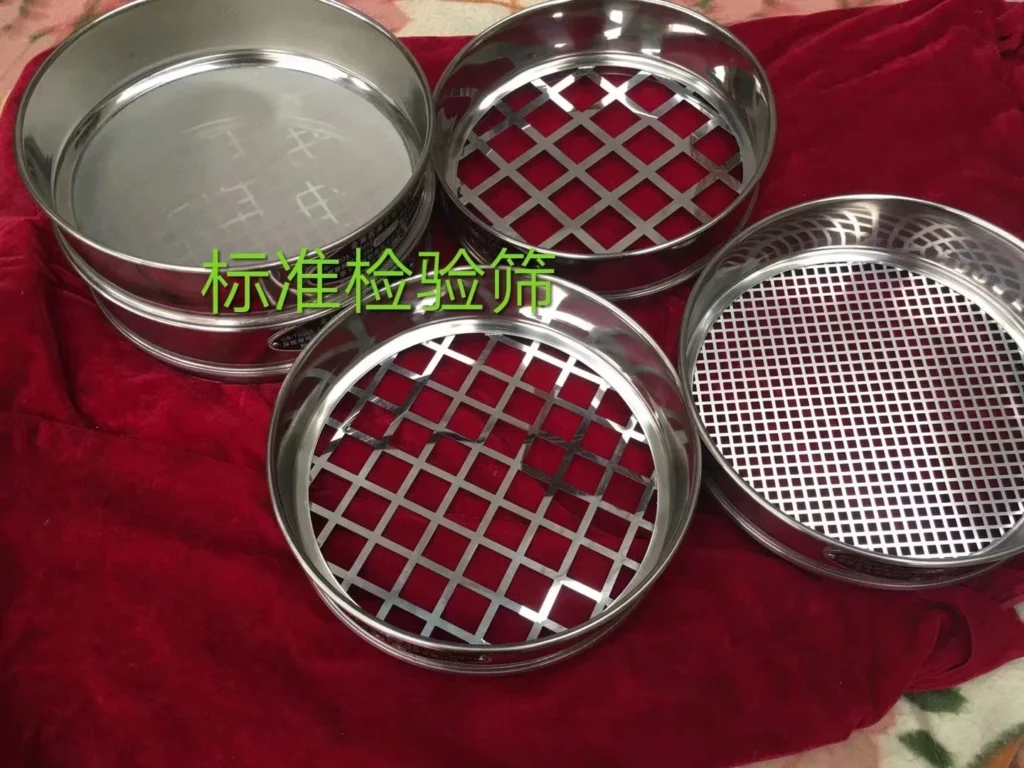
Ein Labortestsieb-Schüttler, auch bekannt als Testsieb-Schüttler, Analysensieb-Schüttler oder Laborsiebmaschine, ist ein Präzisionsinstrument für die Partikelgrößenanalyse, Klassierung, Filtration und Fremdstoffprüfung in Labor- und Qualitätskontrollumgebungen. Durch die Kombination eines Vibrationsantriebssystems mit standardisierten [Testsieben] verschiedener Maschenweiten trennt das Gerät Materialien in mehrere Partikelgrößenfraktionen und ermöglicht so eine genaue Bestimmung der Partikelgrößenverteilung und Produktkonsistenz. Labortestsieb-Schüttler werden in Branchen wie Lebensmittelverarbeitung, Pharmazie, Chemie, Metallurgie, Bergbau, Keramik, Schleifmittel und wissenschaftlicher Forschung eingesetzt.
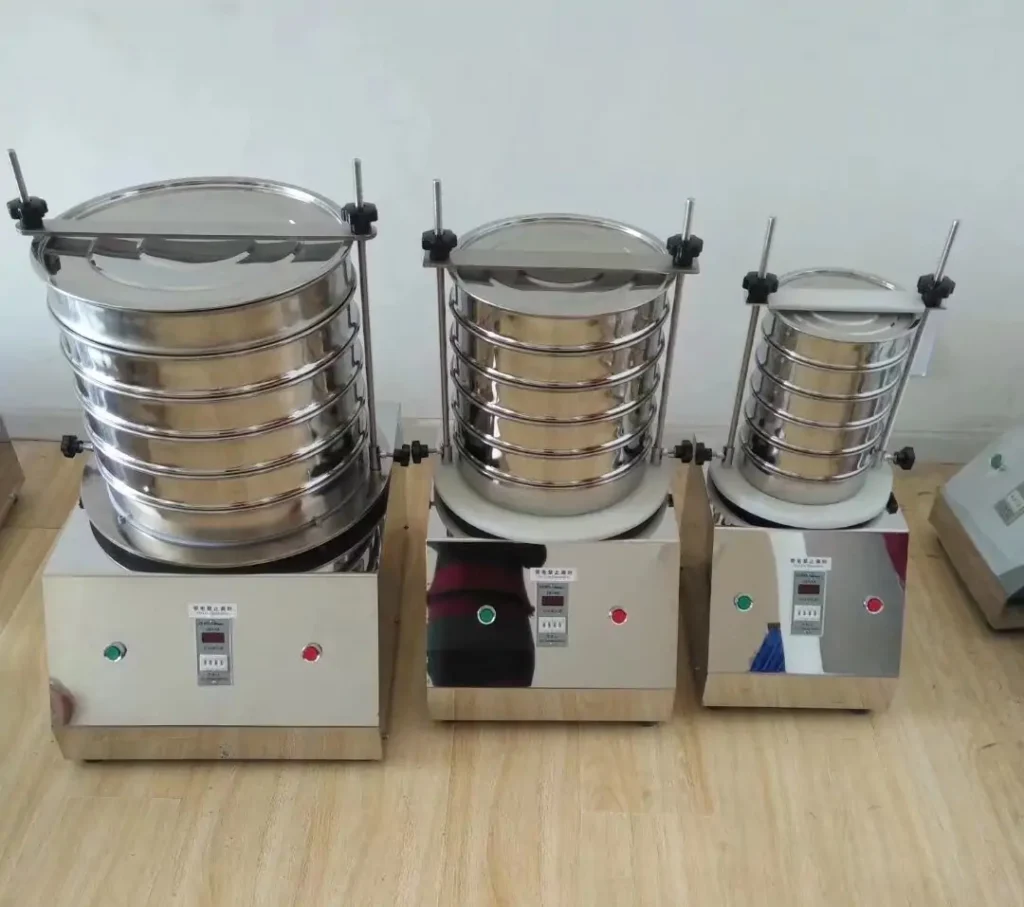
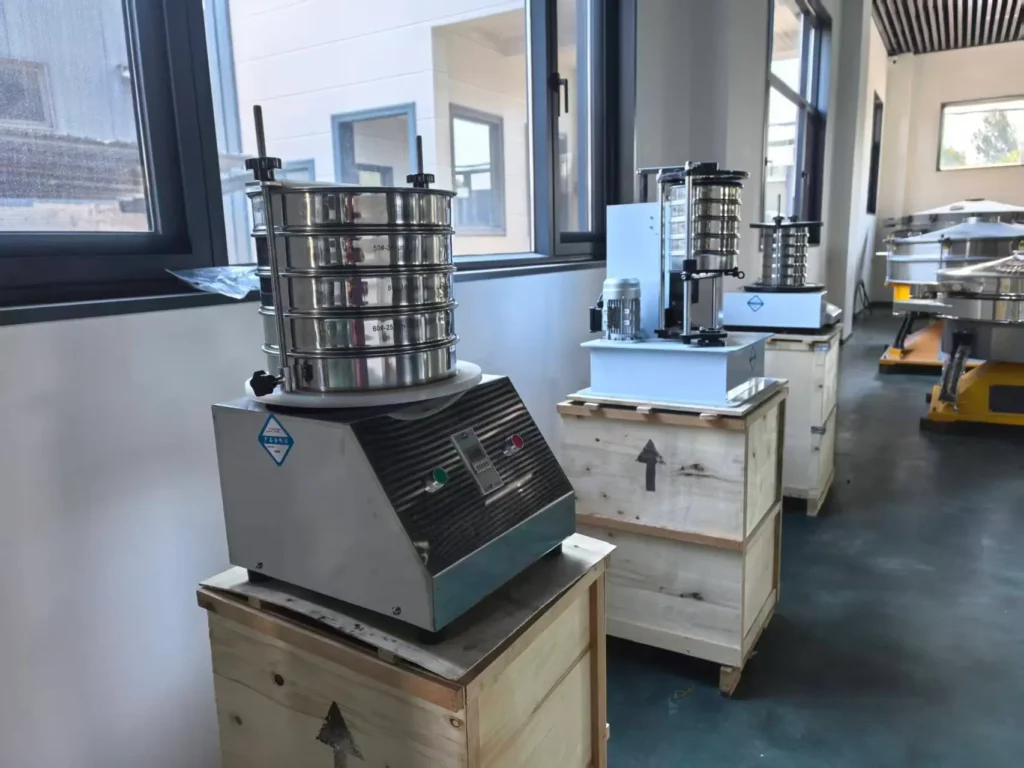
Die Jiarui Machinery Die Laborsiebmaschine ist so konstruiert, dass sie hochgradig reproduzierbare und zuverlässige Siebergebnisse für Labortests und Qualitätssicherungsanwendungen liefert. Ausgestattet mit einem speziellen Mehrfrequenz-Vibrationsgenerator, einstellbaren Vibrationseinstellungen und einem automatischen Timersystem unterstützt sie sowohl Trocken- als auch Nasssiebprozesse und gewährleistet dabei hervorragende Genauigkeit und Konsistenz. Kompatibel mit den meisten ASTM, ISO, und anderen international anerkannten Testsiebstandards bietet unsere Laborsiebmaschine eine effiziente Lösung für Partikelgrößenanalyse, Materialklassifizierung und Qualitätskontrolle in einer Vielzahl von Branchen.
Anwendungen der Laborsiebmaschine
Verschiedene Branchen haben unterschiedliche Prioritäten bei Laborsiebmaschinen: Die Lebensmittel- und Pharmaindustrie legt größeren Wert auf Hygienestandards der Ausrüstung und Null-Kontamination; die Chemie- und Neue-Materialien-Industrie priorisiert hohe Präzision und die Fähigkeit, spezielle Materialien (wie zur Agglomeration neigende Pulver) zu sieben; während die Metallurgie- und Baustoffindustrie größeren Wert auf Haltbarkeit der Ausrüstung und Verarbeitungskapazität legt. Daher ist es bei der Modellauswahl wichtig, spezifische Materialeigenschaften und Industriestandards zu berücksichtigen. Nachfolgend finden Sie eine Liste der Branchen und Materialien, die wir bei Jiarui Machinery üblicherweise sieben, zu Ihrer Referenz:
 Mehl
Mehl Pharmazeutische Rohstoffpulver
 Pulverbeschichtungen
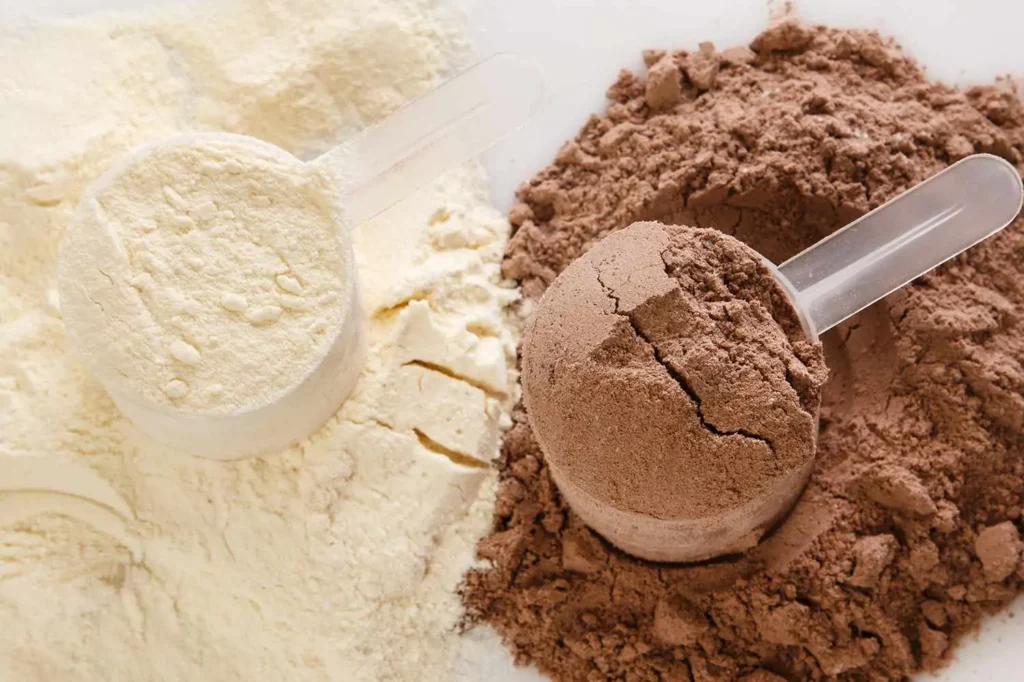 Malzpulver
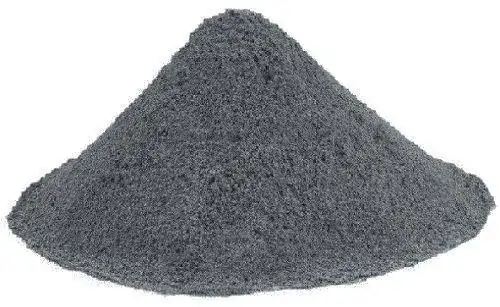 Eisenerzpulver
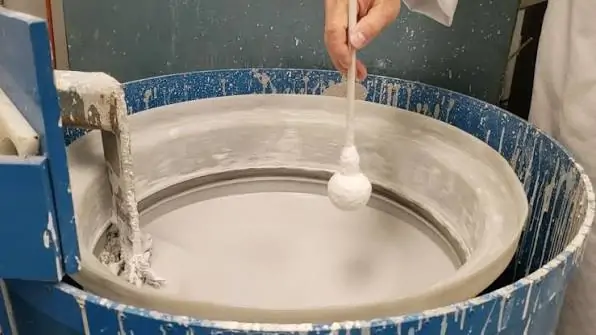 Keramiksuspension
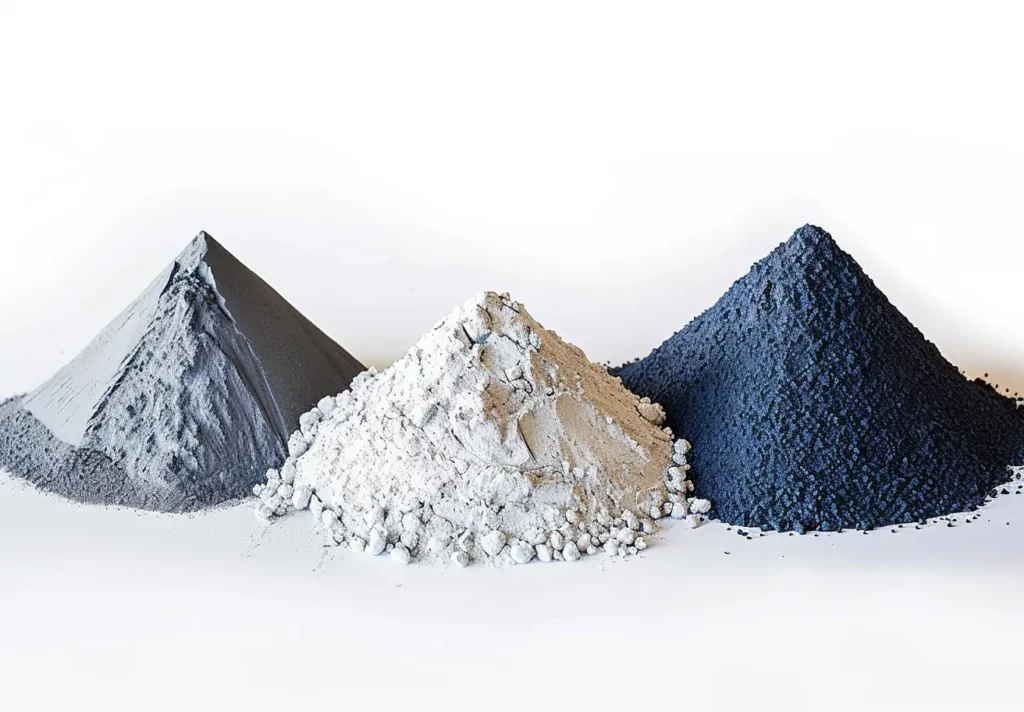 Keramikpulver
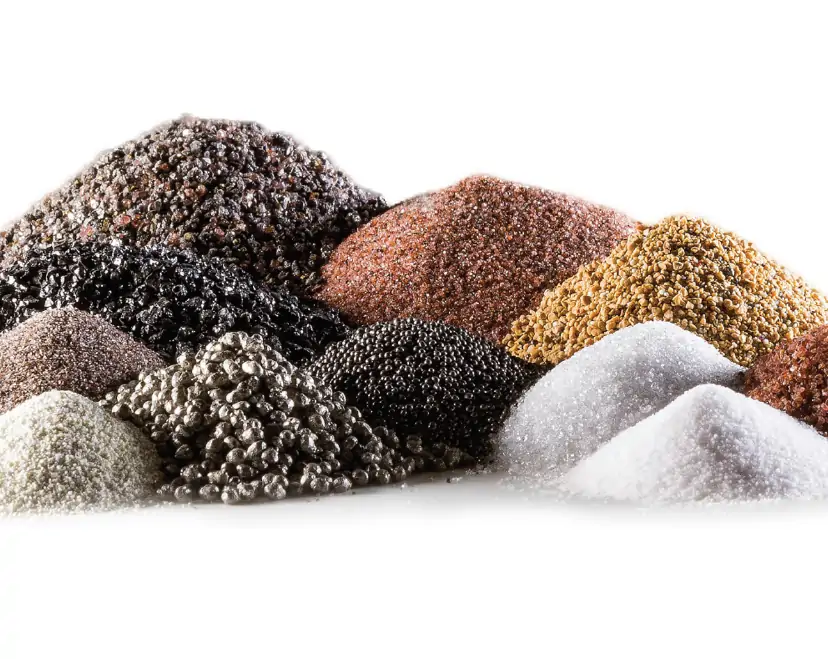 Schleifmittel
Nachfolgend finden Sie eine Liste häufig gesiebter Materialien, die wir zusammengestellt haben:
| Branchen | Typische Anwendungen | Getestete Materialien | Testziele |
|---|---|---|---|
| Lebensmittel & landwirtschaftliche Produkte | Partikelgrößenanalyse, Qualitätskontrolle, Verunreinigungserkennung, Produktkonsistenzprüfung | Mehl, Stärke, Puderzucker, Milchpulver, Gewürze, Lebensmittelzusatzstoffe, Getreidepulver | Gleichmäßige Partikelgröße sicherstellen, Produkttextur und Löslichkeit verbessern, Verunreinigungen erkennen und Lebensmittelqualitätsstandards einhalten |
| Pharma & Biopharmazie | Rohstoffprüfung, Formulierungsentwicklung, Qualitätssicherung, Partikelgrößenverteilungstests | Wirkstoffe, pharmazeutische Hilfsstoffe, Kräuterpulver, feine Arzneimittelpulver, Granulate | Partikelgrößenverteilung kontrollieren, Arzneimittelgleichmäßigkeit verbessern, Agglomerate erkennen und regulatorische Konformität sicherstellen |
| Chemie & Neue Materialien | Laborforschung, Formulierungsvalidierung, Prozessentwicklung, Materialcharakterisierung | Pigmente, Füllstoffe, Katalysatoren, Kunststoffharze, Düngemittel, Batteriematerialien, chemische Pulver | Partikelgrößenverteilung bewerten, Formulierungen optimieren, Produktspezifikationen verifizieren und Verarbeitungsleistung verbessern |
| Baustoffe & Bauwesen | Materialprüfung, Qualitätskontrolle, Klassifizierungsanalyse | Zement, Sand, Zuschlagstoffe, Betonzusatzmittel, Gipspulver | Feinheit, Partikelklassifizierung und Konformität mit Baustoffnormen bestimmen |
| Metallurgie & Bergbau | Erzanalyse, Mineralklassifizierung, Pulvermetallurgietests | Eisenerz, Bauxit, Metallpulver, Mineralkonzentrate, feuerfeste Materialien | Partikelgrößenverteilung messen, Erzqualität bewerten und Mineralprodukte klassifizieren |
| Geologie & Umweltforschung | Probenvorbereitung und Laboranalyse | Bodenproben, Sedimente, geologische Materialien | Bestimmung der Korngrößenverteilung für geologische und umwelttechnische Untersuchungen |
| Keramik & Feuerfestmaterialien | Rohstoffbewertung und Produktionsqualitätskontrolle | Keramikpulver, Tonmaterialien, Feuerfestpulver | Überprüfung der Partikelgrößenkonsistenz und Optimierung von Fertigungsprozessen |
| Farben, Beschichtungen & Druckfarben | Pigment- und Additivprüfung | Pigmente, Beschichtungspulver, Druckfarbenadditive | Überwachung der Partikelfeinheit, Verbesserung der Dispergiereigenschaften und Sicherstellung der Produktqualität |
| Gummi & Kunststoffe | Rohstoffqualitätsprüfung | Gummiadditive, Polymerpulver, Kunststoffgranulate | Bewertung der Partikelgrößenverteilung und Verbesserung der Verarbeitungskonsistenz |
| Schleifmittel & Metallpulver | Präzisionsklassierung und -klassifikation | Siliziumkarbid, Aluminiumoxid, Diamantpulver, Metallpulver | Sicherstellung präziser Partikelklassierung und Erfüllung der Produktspezifikationsanforderungen |
| Papier- & Zellstoffindustrie | Rohstoffsiebung und Qualitätsanalyse | Füllstoffe, Pigmente, Zellulosepulver | Kontrolle der Partikelgröße und Verbesserung der Produktgleichmäßigkeit |
| Forschungsinstitute & Universitäten | Wissenschaftliche Forschung, Labortests, Bildungsexperimente | Verschiedene Pulver, Granulate, Flüssigkeiten und Versuchsmaterialien | Durchführung von Partikelgrößenanalysen, Materialcharakterisierung und akademischer Forschung |
Wenn Ihre Branche oben nicht aufgeführt ist, kontaktieren Sie bitte kontaktieren Sie Jiarui Machinery um festzustellen, ob es eine bessere Lösung für Ihre Siebanforderungen gibt.
Bei Jiarui Machinery können wir Sieblösungen von Standardmodellen bis hin zu hochgradig kundenspezifischen Optionen anbieten, die auf die spezifischen Anforderungen Ihrer Branche zugeschnitten sind.
Funktionsprinzip des Labortestsiebschüttlers
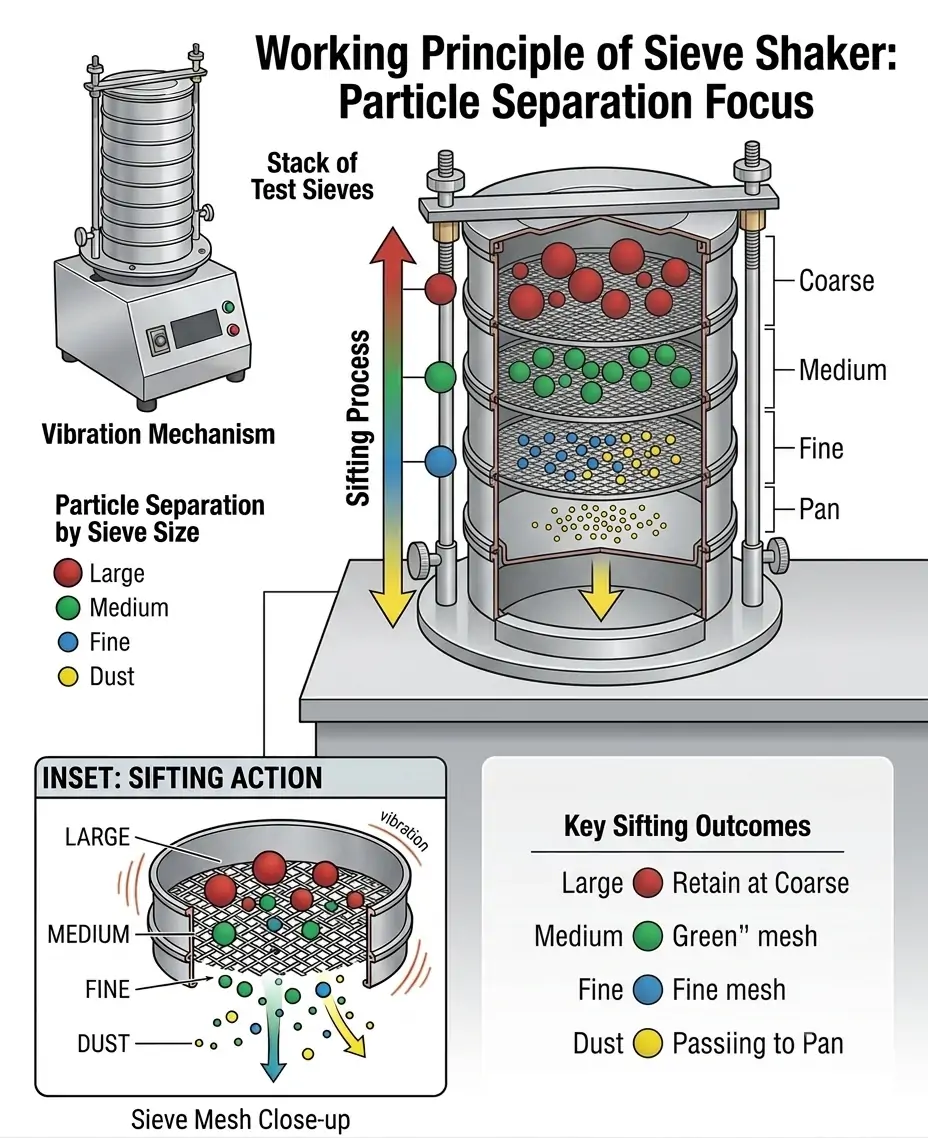
Der Laborsiebschüttler verwendet einen vertikalen Vibrationsmotor als Vibrationsquelle. Der Vibrationsmotor treibt die obere Vibrationsplatte zur Vibration an, und die Vibration wird auf den darüber montierten Φ200-Siebrahmen übertragen.
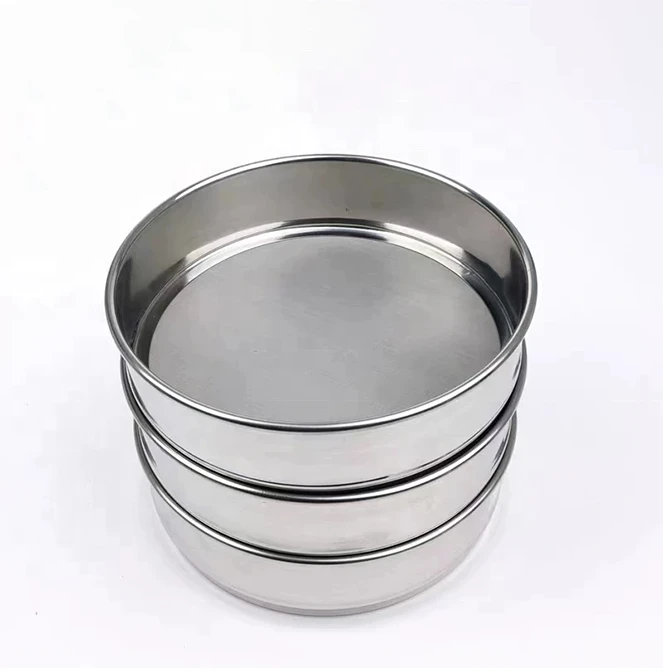
Anschließend wird der Siebrahmen, der die Materialpartikel mit der zu prüfenden Maschenweite enthält, auf den unteren Siebrahmen gesiebt, sodass in jeder Testsieblage nur Materialien mit gleicher Partikelgröße verbleiben. Dies ermöglicht die Trennung verschiedener Partikelgrößen und die Bestimmung der Partikelgrößenverteilung des Materials, sodass die Materialien im Φ200-Siebrahmen sehr effektiv gefiltert, klassifiziert und gesiebt werden können.
Anwendungsmethode:
Schritt 1: Montagereihenfolge: Die Siebrahmen müssen in der Reihenfolge der Maschenweite gestapelt werden – von der größten zur kleinsten – und von oben nach unten.
Schritt 2: Befestigung: Eine Klemmvorrichtung (z. B. ein Spannband) muss verwendet werden, um den gesamten Satz Siebrahmen sicher zu einer Einheit zu fixieren und Materialaustritt oder Verschiebung der Siebrahmen während des Siebprozesses zu verhindern.
Schritt 3: Auf einer ebenen Fläche platzieren: Das Gerät muss auf einer stabilen, ebenen Arbeitsfläche aufgestellt werden.
Schritt 4: Siebprüfung: Vor der Verwendung prüfen, dass das Sieb intakt und frei von Beschädigungen oder Verstopfungen ist.
Schritt 5: Reinigung und Wartung: Das Gerät nach der Verwendung umgehend reinigen, um zu verhindern, dass Materialrückstände aushärten und die Maschenöffnungen verstopfen.
Vorteile des Labortestsiebschüttlers
Fortschrittliches integriertes Schaltkreis-Steuerungssystem
Ausgestattet mit einem optimierten integrierten Schaltkreis-Steuerungssystem, das einfache Bedienung, stabile Leistung und erhöhte Prüfeffizienz gewährleistet.
Trocken- & Nasssiebfähigkeit
Geeignet für sowohl Pulver- als auch Schlammmaterialien und ermöglicht präzise Analysen von Feinheit und Verunreinigungsgehalt in einem breiten Spektrum von Laboranwendungen.
Einstellbares Vibrationssystem
Ermöglicht die Echtzeit-Synchronisation von Vibrationsfrequenz, Amplitude und Bewegungsmodus und gewährleistet flexible und präzise Prüfbedingungen für verschiedene Materialien.
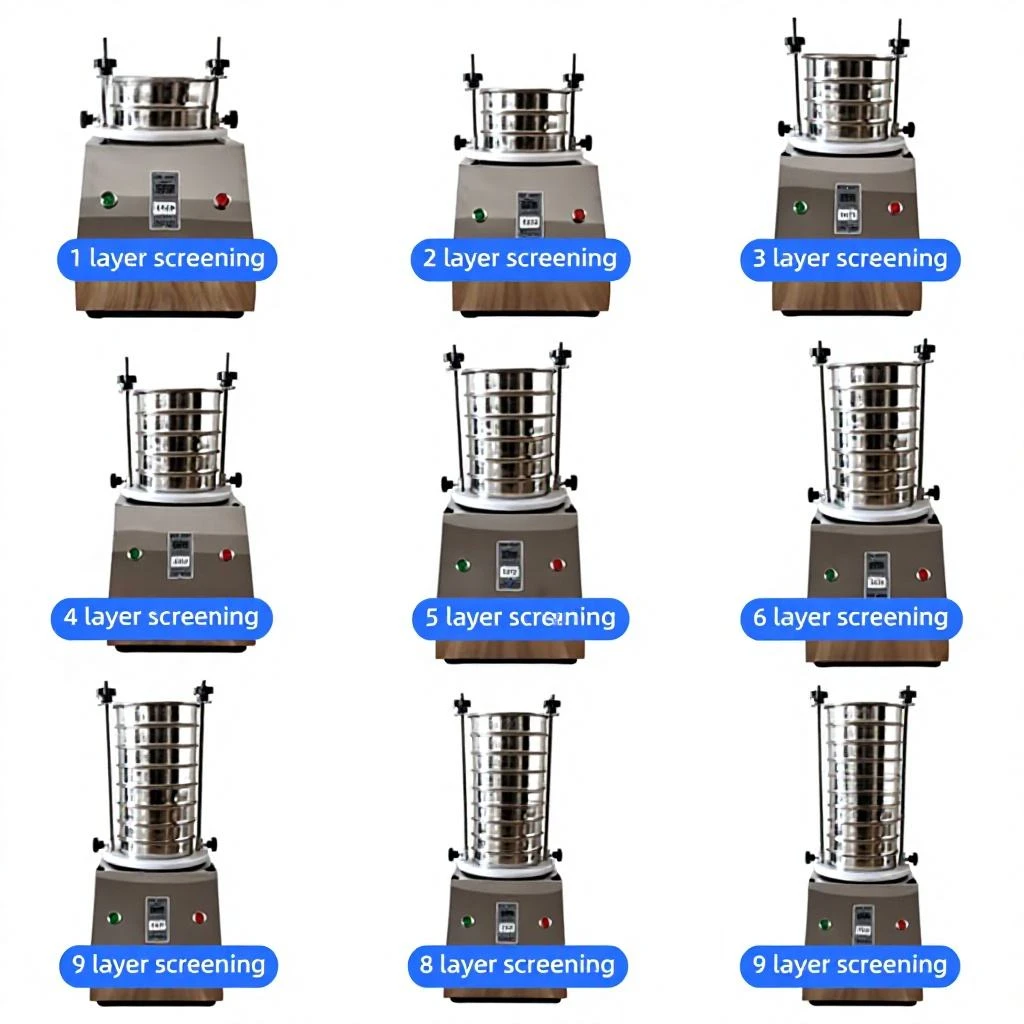
Präzise Partikeltrennung
Fähig, ein Material gleichzeitig in 2–9 verschiedene Partikelgrößenfraktionen zu trennen, wodurch die Genauigkeit der Partikelgrößenverteilungsanalyse verbessert wird.
Geringe Geräuschentwicklung & tragbares Design
Bietet geringe Betriebsgeräusche und leichtes Konstruktionsgewicht, mit einem Tischdesign, das keine feste Installation erfordert – ideal für Laborumgebungen.
Langlebige Edelstahlkonstruktion
Hergestellt mit Edelstahlkonstruktion für langfristige Haltbarkeit und einfache Reinigung, angetrieben von einem 0,125-kW-Hochleistungsmotor und konform mit CE-Zertifizierungsstandards für Sicherheit und Qualitätssicherung.
OEM- & ODM-Kundenspezifische Anpassung verfügbar
Jiarui Machinery bietet OEM- und ODM-Kundenspezifische Anpassungsdienste basierend auf Kundenanforderungen an. Zu den individuellen Optionen gehören Spannungskonfiguration, Maschinenmaterialien, mobiles Wagen-Design, Auswahl der Maschenweite, Einlass- und Auslassstrukturen sowie andere anwendungsspezifische Modifikationen.
Technische Spezifikationen des Labortest-Siebschüttlers
| Nr. | Parameter | Einheit | Spezifikation |
|---|---|---|---|
| 01 | Anzahl der Siebebenen | Ebene | 1–6 |
| 02 | Siebrahmen-Durchmesser × Höhe | mm | Φ200 × 50 |
| 03 | Partikelgrößenbereich | mm | 0.02~100MM |
| 04 | Geräuschpegel | dB | < 50 |
| 05 | Vibrationsamplitude | mm | 0–3 |
| 06 | Vibrationsfrequenz | Mal/Min | 1,400 |
| 07 | Gesamtabmessungen (L × B × H) | mm | 400*300*370 |
| 08 | Stromversorgung | V / Hz | 220V / 50Hz |
| 09 | Gesamtgewicht | kg | 30 |
Anpassungsoptionen für den Labortest-Siebschüttler
Wir verstehen, dass verschiedene Branchen und Laborbedingungen spezifische Konfigurationen erfordern. Unser Labor-Testsiebshaker unterstützt flexible Anpassungen, um Ihre genauen Testanforderungen zu erfüllen.
Verfügbare Anpassungsoptionen
- Spannung & Frequenz
Custom power supply options such as 220V / 50Hz for global use. - Siebdurchmesser & Ebenen
Standard Φ200 mm, optionale Größen und 1–8 Ebenen basierend auf Ihren Testanforderungen. - Materialauswahl
Wählen Sie zwischen Edelstahl 304 oder 316 für unterschiedliche Korrosionsbeständigkeitsanforderungen. - Ultraschallsystem-Upgrade
Optionale Ultraschalleinheit zur Verbesserung der Siebeffizienz für ultrafeine Pulver und zur Verhinderung von Maschenverstopfung. - Maschenweiten-Konfiguration
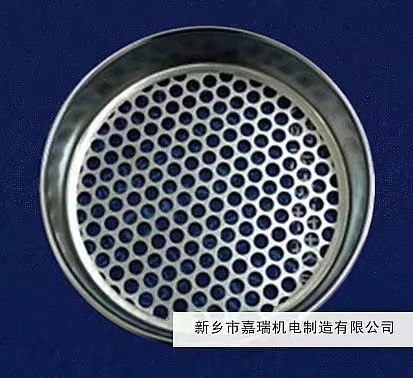
Kundenspezifische Siebmaschenweiten gemäß Ihren Partikelgrößenanalysestandards. - Struktur- & Designanpassungen
Spezielle Designmodifikationen für spezifische Laborumgebungen oder Anwendungen verfügbar.
Erhalten Sie eine kundenspezifische Labortest-Siebschüttler-Lösung
Auf der Suche nach einem zuverlässigen Siebmaschine maßgeschneidert für Ihre Anwendung?
Unser Ingenieurteam kann Ihnen helfen, den am besten geeigneten auszuwählen oder anzupassen Labor-Testsiebshaker basierend auf Ihrem Material, Partikelgrößenbereich und Testzielen.
Kontaktieren Sie uns noch heute um zu erhalten: Schnelle technische Empfehlungen; Kundenspezifische Konfigurationslösungen; Wettbewerbsfähige Fabrikpreise
Warum Jiarui Machinery wählen?
Präzisionstechnik & Konformitätsstandards
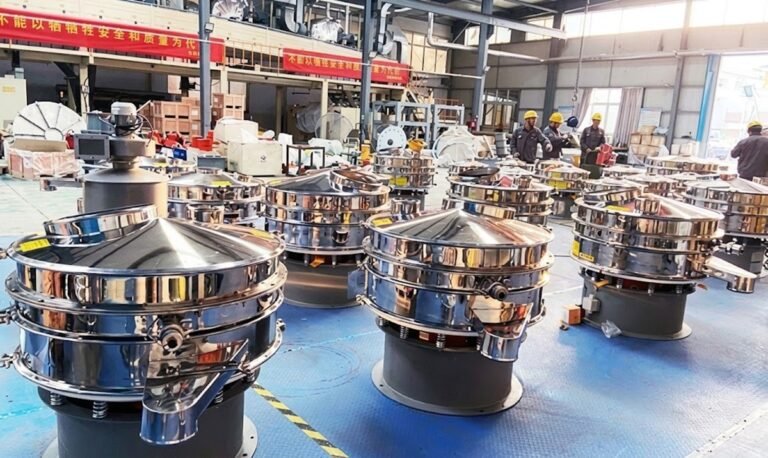
10-Jahres-Designlebensdauer: Gebaut nach industriellen Haltbarkeitsstandards, die eine 10-jährige Betriebslebensdauer unter schweren, kontinuierlichen Arbeitslasten gewährleisten.
Strenge Qualitätskontrolle & Prozessanpassung
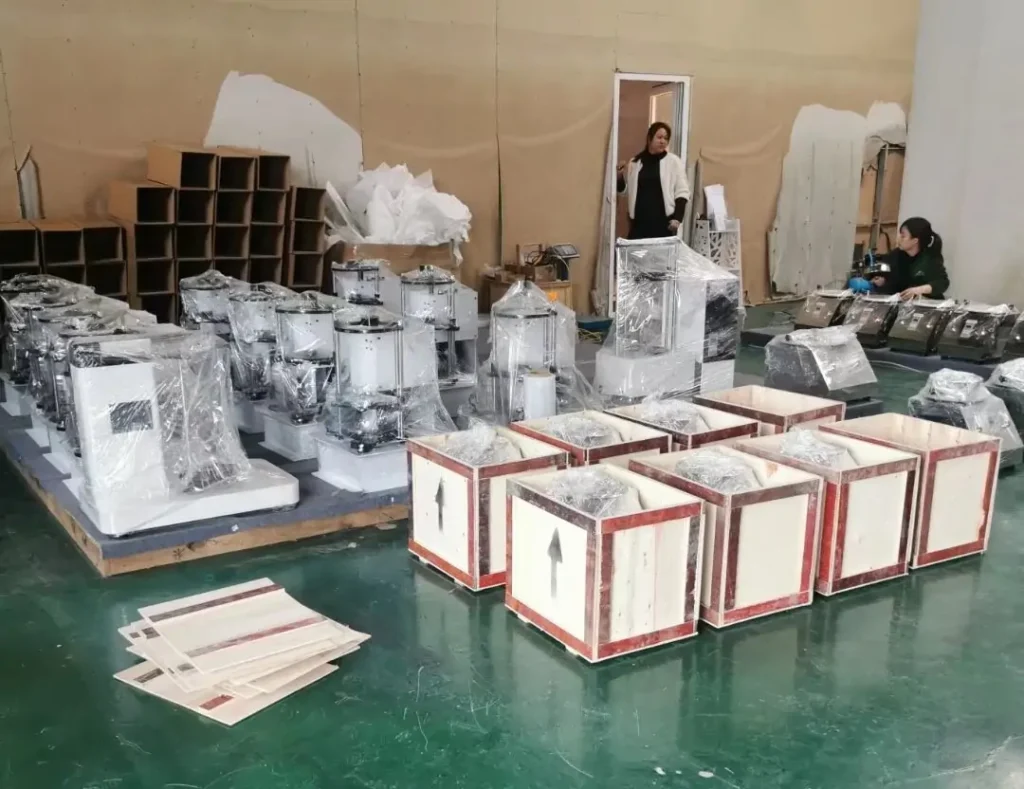
2-Stunden-Probelauf vor Versand: Jede Einheit durchläuft einen obligatorischen 2-stündigen kontinuierlichen Probelauf, um Amplitudenstabilität und Motortemperatur vor dem Versand zu verifizieren.
Langfristige Ersatzteilverfügbarkeit: Gestützt durch eine 1-jährige Garantie und ein permanentes Lager an Standardverschleißteilen (Siebe, Dichtungen, Federn), um Fabrikausfallzeiten zu minimieren.
Häufig gestellte Fragen
Kostenlose Beratung erhalten
Füllen Sie das untenstehende Formular aus, um sich mit unseren Experten zu verbinden und personalisierte Empfehlungen für Ihre Anwendung zu erhalten.