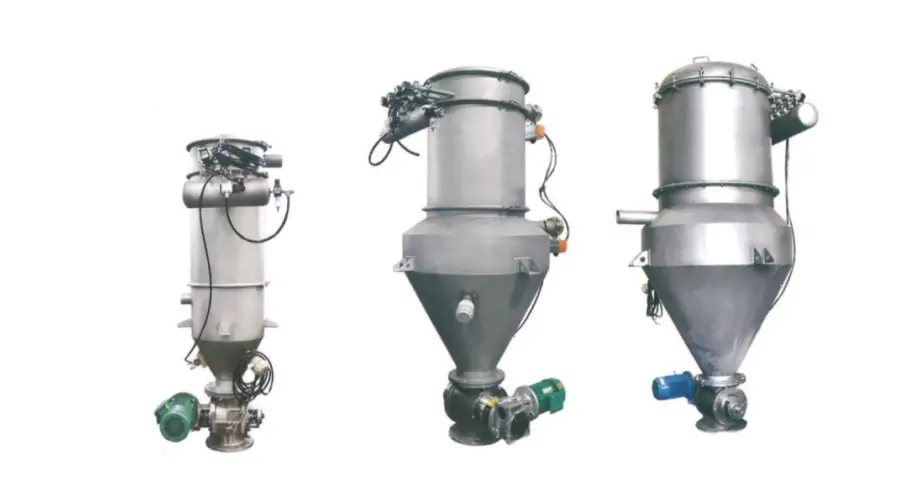
High-Efficiency Dust-Free Continuous Powder Conveying Solution

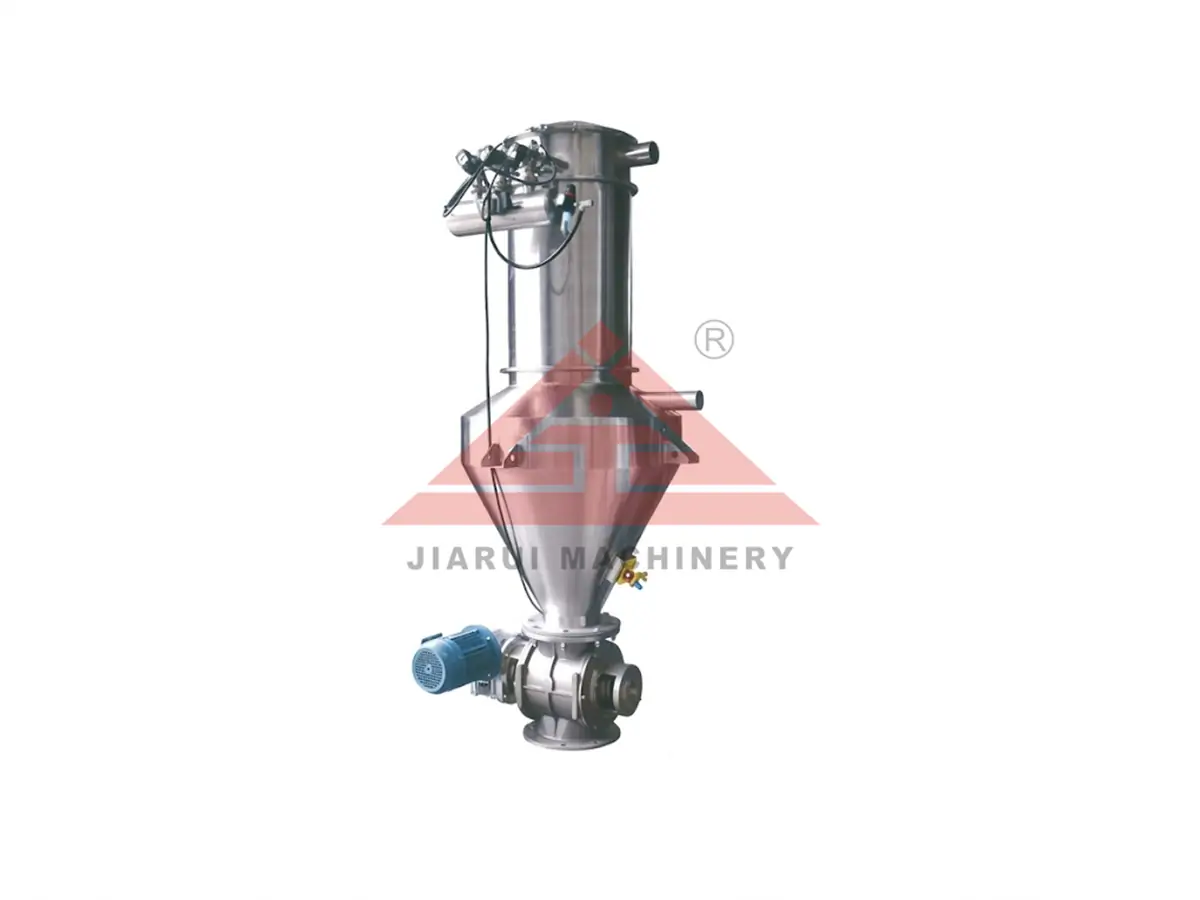
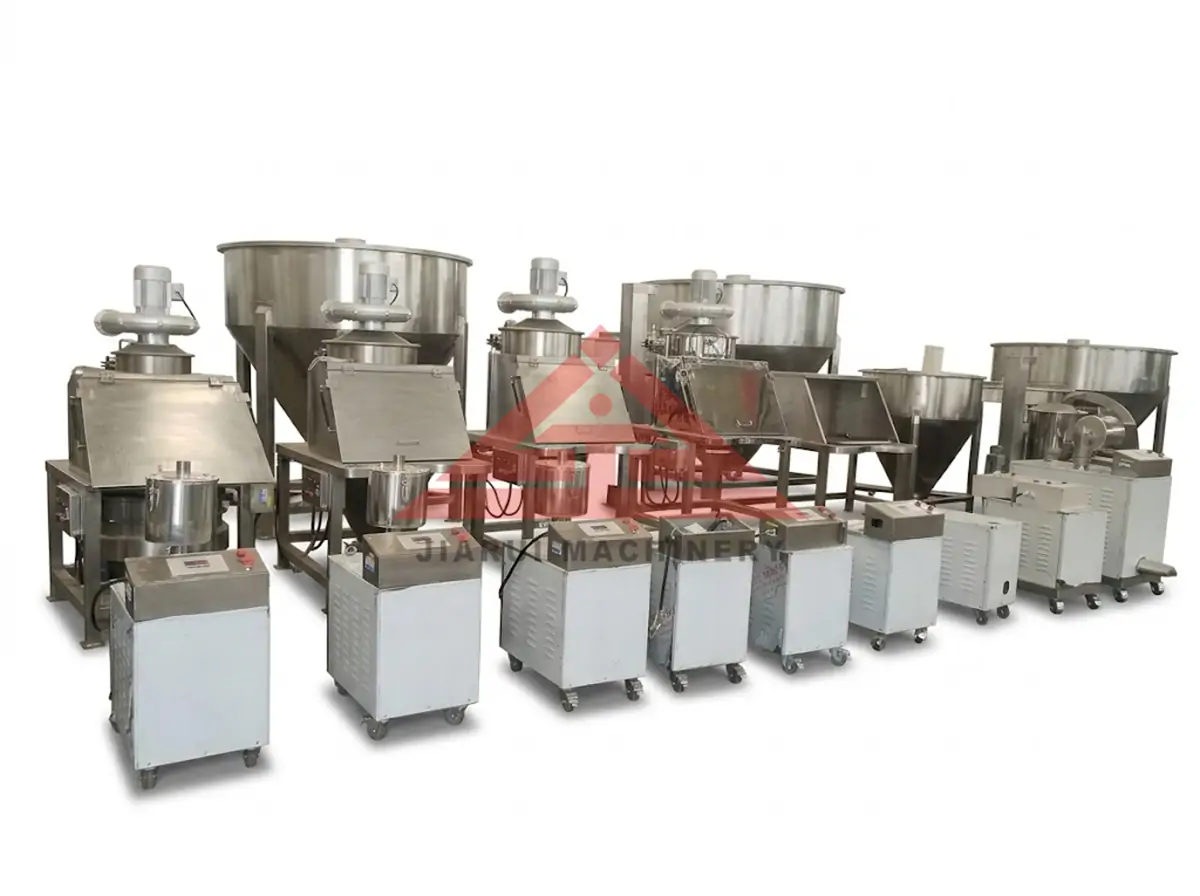
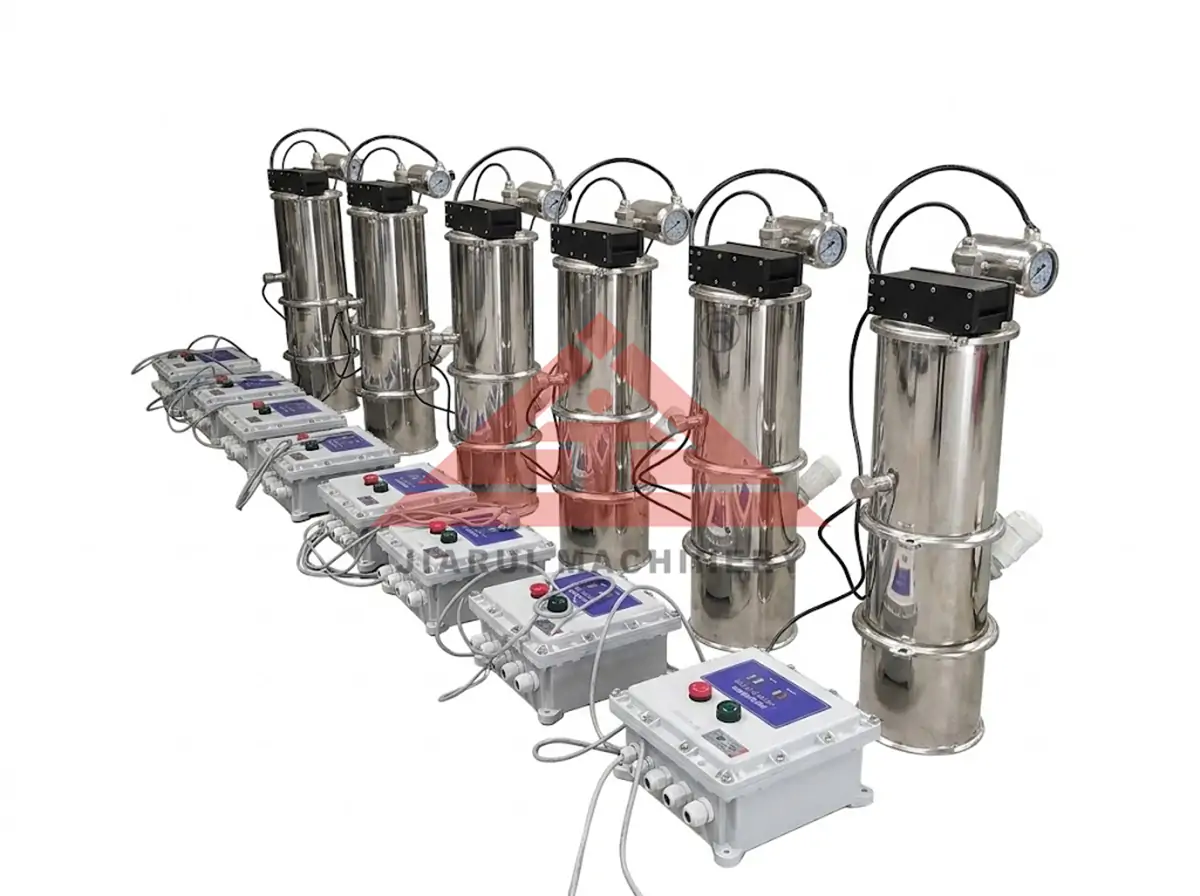
Continuous Vacuum Feeding Machine is used for continuous and enclosed conveying of powder and granule materials. It uses negative pressure to transfer materials steadily to equipment such as packaging machines, mixers, and extruders. Compared with conventional vacuum feeding machines, the continuous structure reduces the intervals between suction and discharge, making it more suitable for automated production lines requiring continuous material supply. It is commonly used in food, pharmaceutical, chemical, plastic, and other industries.

The selection of a Continuous Vacuum Feeding Machine is not only based on conveying capacity, but also requires consideration of material flowability, dust characteristics, and the feeding rhythm of downstream equipment. 嘉瑞 can customize the equipment structure, filtration method, connection design, and control system according to specific operating conditions.

  • Equipment Model: ZKS-450 / ZKS-650 / ZKS-800
  • 输送能力: 1000-8000 kg/h (configured according to material characteristics)
  • Conveying Method: Closed conveying through vacuum negative pressure
  • 适用物料: Powders, granules, and lightweight bulk materials
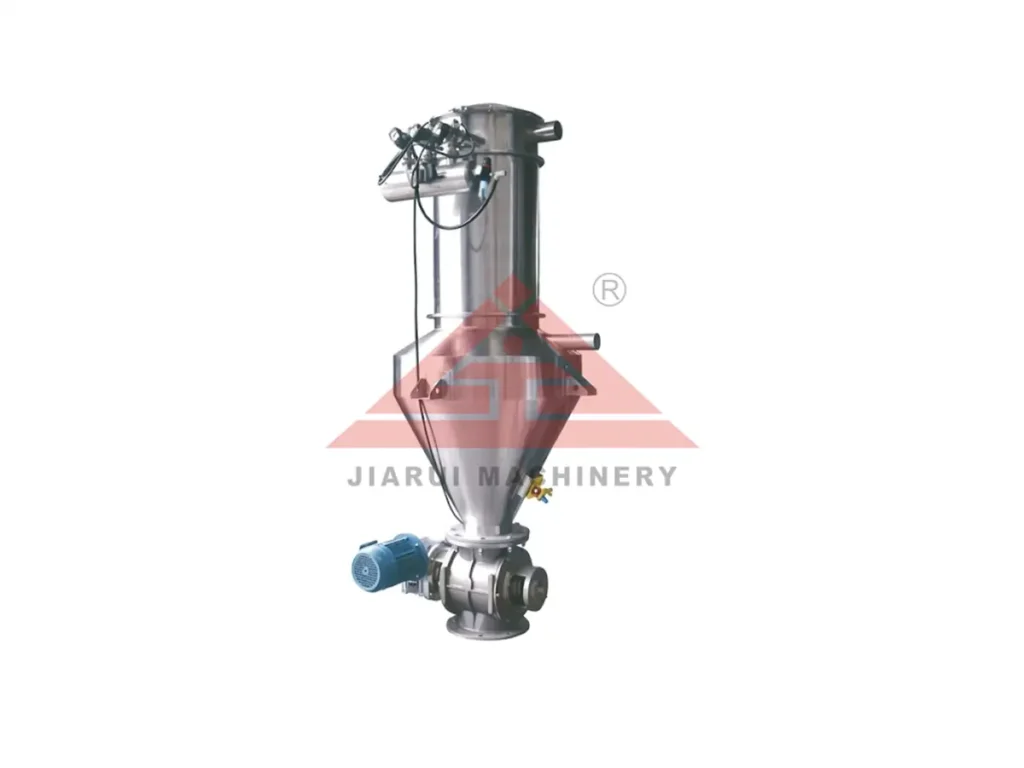
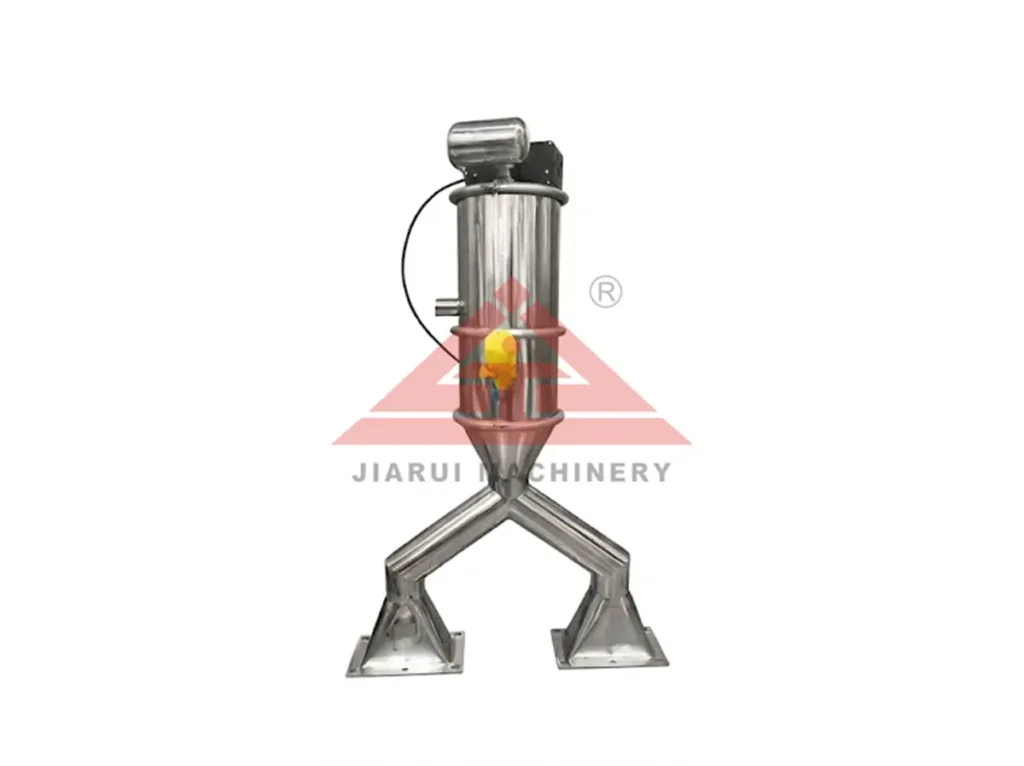
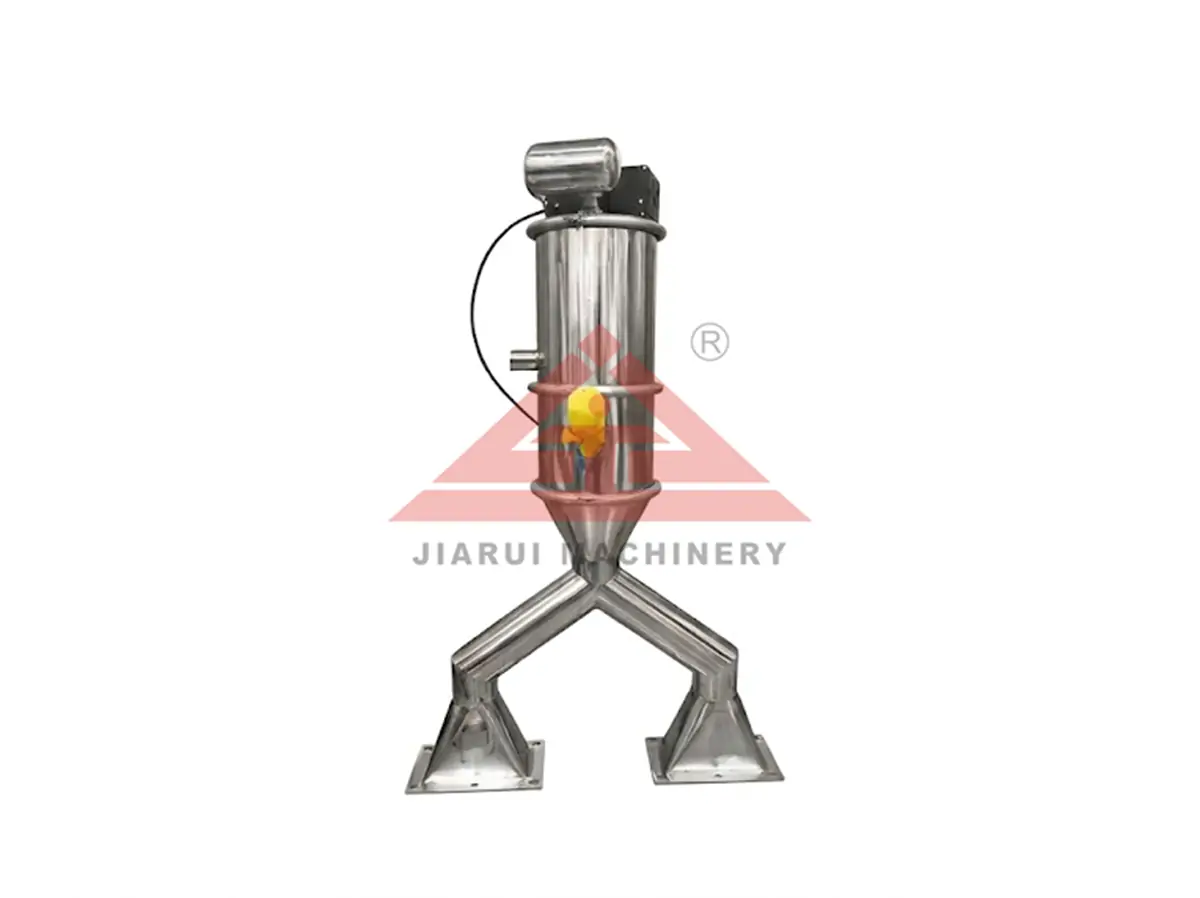
  • Continuous Discharge Method: Dual-hopper switching or airtight discharge structure
  • Application Fields: Food, pharmaceutical, chemical, plastic, and automated production lines
获取报价 发送至邮箱

What is a Continuous Vacuum Feeding Machine?

A Continuous Vacuum Feeding Machine is mainly used for continuous and enclosed conveying of powder and granule materials. In different applications, it is also known as a continuous vacuum feeder or continuous vacuum conveying machine. The equipment connects the material source and receiving equipment through sealed pipelines. By using negative pressure, it creates airflow to transport materials and completes gas-solid separation during the conveying process.

Unlike conventional vacuum feeding machines that operate through repeated suction and discharge cycles, the Continuous Vacuum Feeding Machine reduces feeding interruptions through a continuous discharge structure. This allows materials to be supplied more steadily to equipment such as packaging machines, extruders, mixers, and metering systems. The conveying capacity usually needs to be determined according to material flowability, conveying distance, and production cycle requirements. Common configurations range from approximately 1-8 tons per hour.

连续式真空上料机

How Does a Continuous Vacuum Feeding Machine Work?

A Continuous Vacuum Feeding Machine uses vacuum negative pressure as the conveying force to complete material transfer, gas-solid separation, and continuous discharge. After the equipment starts, the vacuum source extracts air from the system to create a pressure difference. Powder or granule materials enter the receiving hopper with the airflow, where separation is completed before the materials are continuously discharged to the downstream equipment.

First, how are materials drawn into the conveying pipeline?After the equipment starts, the vacuum source first creates a negative pressure environment. The material at the feeding end enters the conveying pipeline under the influence of atmospheric pressure and moves with the airflow into the receiving hopper. The feeding condition is affected not only by vacuum level but also by material particle size, density, flowability, and pipeline length. Therefore, vacuum capacity and pipeline diameter need to be selected according to actual operating conditions.

Second, how are air and materials separated after entering the hopper?After materials enter the receiving hopper, the filtration system completes gas-solid separation. The filter allows air to pass through while preventing dust from entering the vacuum system. The materials fall into the hopper for discharge. For fine powder materials such as silica fume, resin powder, and pharmaceutical powder, the filter area, filter material, and cleaning method directly affect continuous operating stability.

Third, why can continuous feeding be achieved without frequent stopping?The main difference between a Continuous Vacuum Feeding Machine and a conventional vacuum feeder is the discharge structure. Through dual-hopper switching or airtight discharge methods, the equipment can continuously discharge materials while maintaining system negative pressure. This reduces waiting time between suction and discharge, making it more suitable for production lines connected with extruders, packaging machines, continuous mixers, and metering systems that require stable material supply.


A Continuous Vacuum Feeding Machine does not improve conveying capacity simply by increasing vacuum power. The vacuum system, filtration method, and discharge structure need to be properly matched according to material characteristics and production requirements.

Key Structures

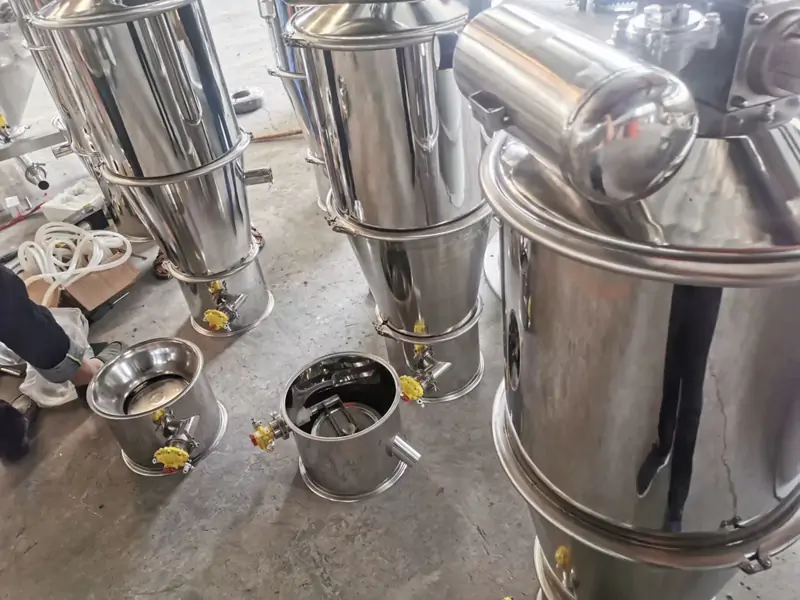
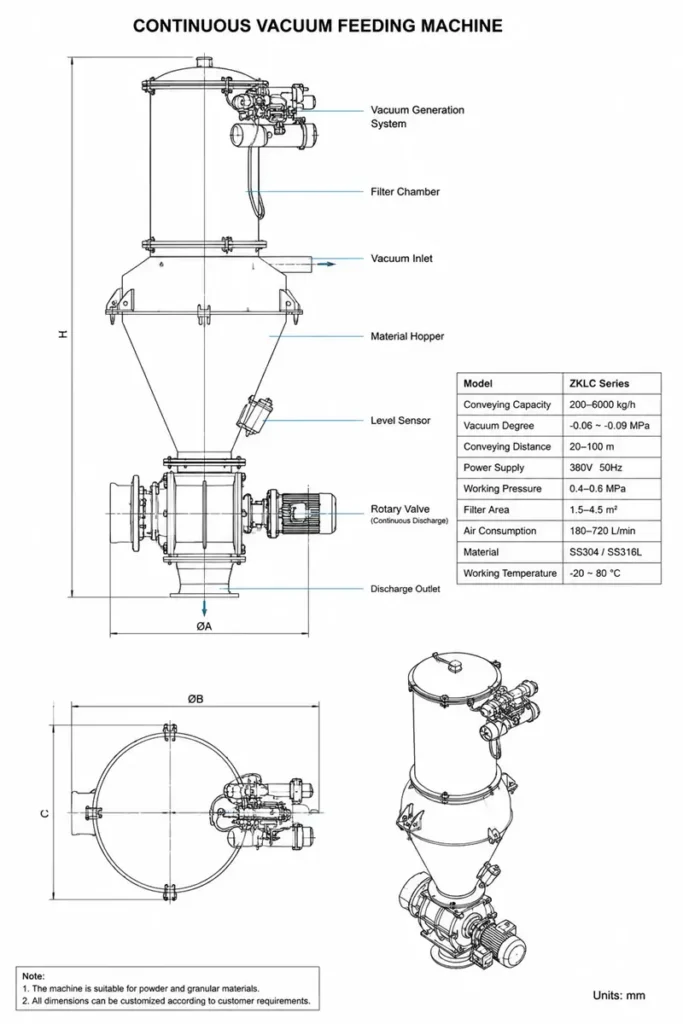
The stable operation of a Continuous Vacuum Feeding Machine mainly depends on three key sections: the vacuum system, filtration and separation unit, and continuous discharge mechanism. Different materials have different requirements. Fine powders mainly require effective filtration performance, while continuous production requires stable discharge operation. Therefore, the equipment configuration needs to be adjusted according to specific operating conditions.

Vacuum System:The vacuum system is responsible for creating the negative pressure required for material conveying, allowing materials to move through the pipeline into the equipment. Conveying distance, material density, and capacity requirements will affect the selection of vacuum capacity. Improper configuration may result in unstable material feeding.

Filtration and Separation Unit:The filtration system separates air from materials and prevents dust from entering the vacuum system. For fine powder materials such as silica fume, resin powder, and pharmaceutical powder, filter material, filtration area, and cleaning method will affect long-term operating performance.

Continuous Discharge Mechanism:The continuous discharge mechanism is the key difference between a Continuous Vacuum Feeding Machine and a conventional vacuum feeder. Through dual-hopper switching or airtight discharge structures, the equipment can continuously discharge materials while maintaining negative pressure, making it more suitable for production lines connected with extruders, packaging machines, and metering equipment that require stable material supply.

Different materials vary in flowability, dust characteristics, and conveying difficulty. The equipment configuration needs to be selected according to specific operating conditions, with focus on the matching of vacuum capacity, filtration method, and discharge structure.

Feeding Challenges

A Continuous Vacuum Feeding Machine is mainly used for continuous and enclosed conveying of powder and granule materials. It not only transfers materials but also helps the feeding process match the operating rhythm of continuous production equipment.

应用领域

A Continuous Vacuum Feeding Machine is mainly used for automatic conveying of powders, granules, and lightweight bulk materials. During equipment selection, material name alone is not sufficient. Particle size, density, flowability, dust characteristics, and whether the material is easy to generate dust or form lumps also need to be considered. Different materials require different filtration methods, discharge structures, and conveying configurations.

Common Material Selection Reference

物料类型常见物料适用场景选型注意事项
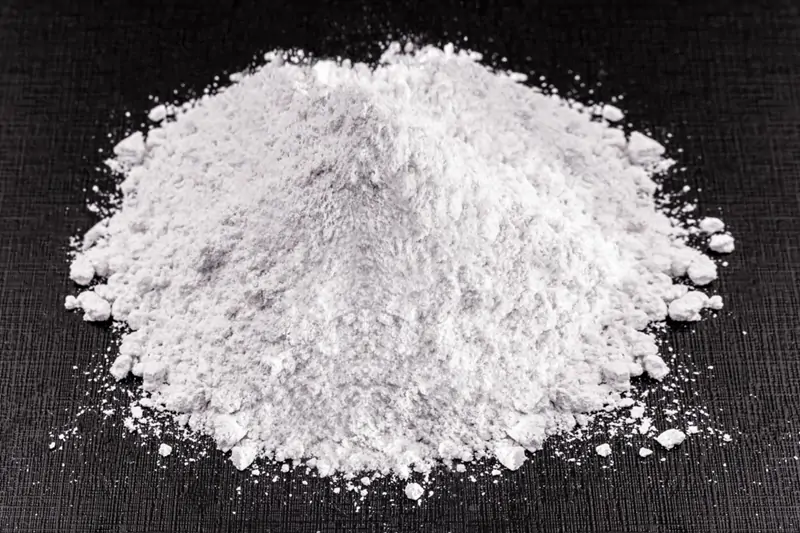
Fine Powder MaterialsSilica fume, silicon dioxide, graphite powderFine chemical industry, new materials, battery materialsFocus on filtration area, sealing performance, and cleaning method
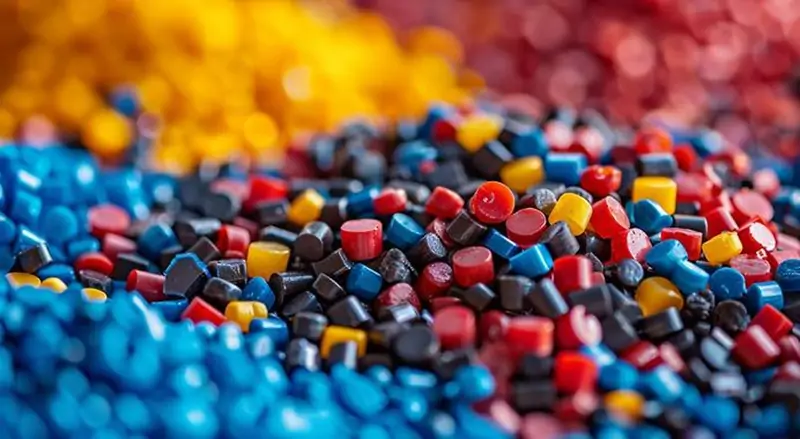
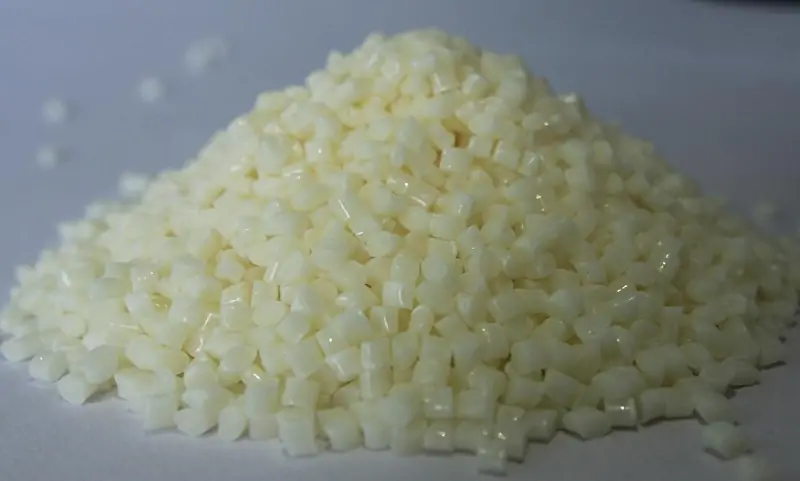
塑料颗粒PE granules, PP granules, resin granulesPlastic extrusion, modification productionFocus on conveying distance, particle wear, and feeding stability
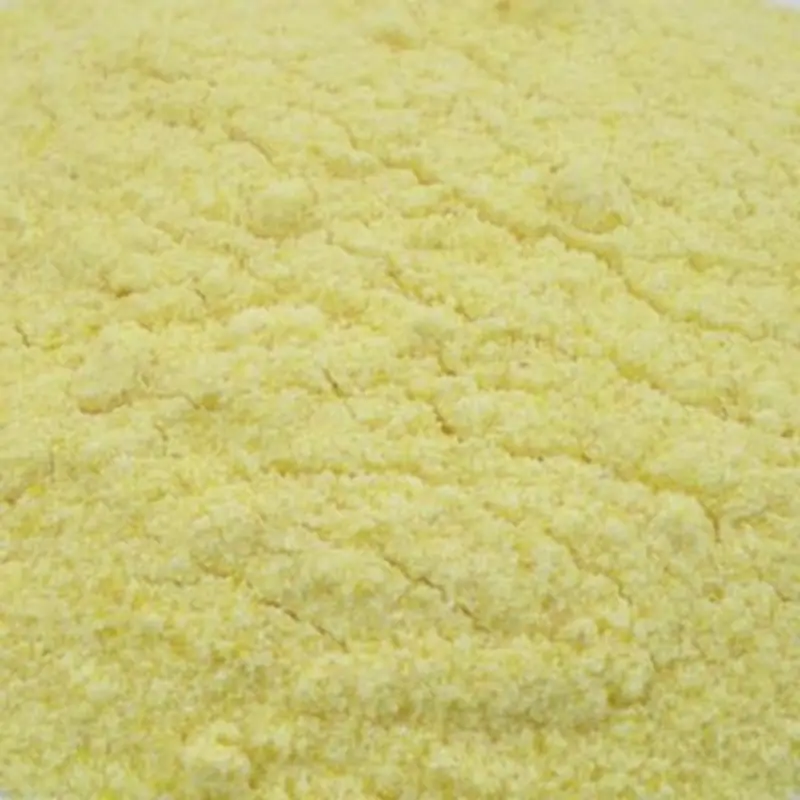
食品粉末Flour, starch, milk powder, food additivesFood processing, ingredient productionFocus on contact materials, cleaning maintenance, and hygiene requirements
Pharmaceutical PowdersActive pharmaceutical ingredients, pharmaceutical intermediates, excipient powdersPharmaceutical production, fine processingFocus on sealing structure, material grade, and residue control
化工粉末Resin powder, pigments, chemical additivesChemical production, new material processingFocus on material flowability, anti-bridging design, and conveying stability

Materials Requiring Careful Evaluation

A Continuous Vacuum Feeding Machine is more suitable for dry powders and granules with good flowability. For the following materials, the equipment configuration needs to be evaluated according to actual conditions:

  • Materials with high moisture content and a tendency to form lumps;
  • Materials with strong adhesion that may stick to the pipeline wall;
  • Large-size or high-density materials;
  • Materials with high temperature or strong corrosive properties.

联系我们

邮箱: info@jiaruimachinery.com
电话/WhatsApp: +86 18838703198

获取报价

Comparison with Conventional Vacuum Feeding Machine

The main difference between a continuous vacuum feeding machine and a conventional vacuum feeding machine is not the conveying principle, but the material discharge method. Both use negative pressure to transport materials. However, conventional vacuum feeding machines operate through repeated suction and discharge cycles, while continuous models reduce feeding interruptions through a continuous discharge structure, making them more suitable for production equipment requiring continuous material supply.

对比项目Conventional Vacuum Feeding Machine连续式真空上料机
Operating MethodSuction and discharge cycle operationContinuous connection between suction and discharge
Feeding RhythmSuitable for intermittent material supplySuitable for continuous production
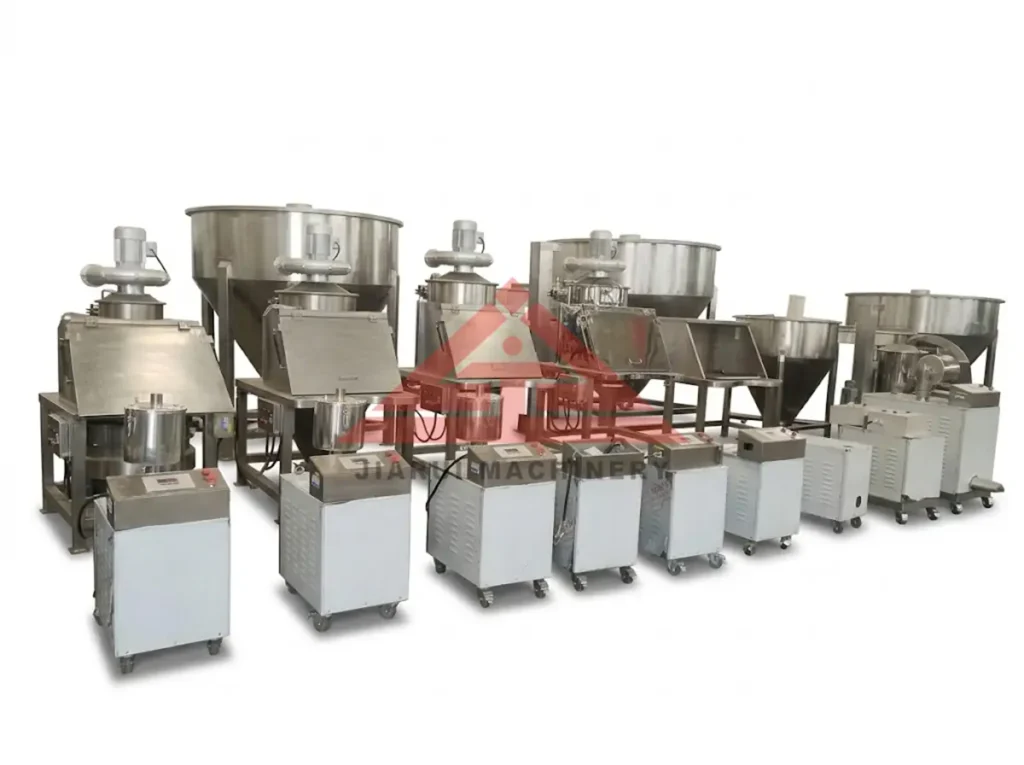
Common Connected EquipmentStorage hoppers, packaging equipmentExtruders, mixers, metering equipment
适用场景Periodic material replenishmentLong-term continuous feeding
Key ConsiderationsConveying capacity and conveying distanceDischarge stability, filtration configuration, and control method

Will the Production Line Experience Material Shortage?

If the equipment is only used to replenish storage hoppers or packaging machines, and short interruptions are acceptable during production, a conventional vacuum feeding machine can usually meet the requirements. However, for equipment such as extruders, continuous mixers, and metering feeders, where materials are continuously consumed, feeding intervals may affect production rhythm. In these cases, a continuous feeding structure needs to be considered.

When Is a Continuous Type Required?

A Continuous Vacuum Feeding Machine is more suitable for production equipment that operates for long periods and continuously consumes materials. During selection, material characteristics, conveying distance, installation height, and downstream equipment requirements need to be confirmed. For production lines requiring stable material supply, the continuous structure can reduce waiting time caused by traditional cycle feeding.

技术参数

A Continuous Vacuum Feeding Machine usually needs to be configured according to material characteristics, conveying distance, and production requirements. The following parameters are common equipment ranges. Specific specifications will be adjusted according to material density, flowability, conveying height, and downstream equipment requirements.

Parameter ItemConfiguration Range
设备型号ZKS-450 / ZKS-650 / ZKS-800
输送能力1000-8000 kg/h (configured according to material characteristics)
输送方式Closed conveying through vacuum negative pressure
适用物料Powders, granules, and lightweight bulk materials
Continuous Discharge MethodDual-hopper switching or airtight discharge structure
输送距离Customized according to site layout
接触物料材质碳钢、不锈钢可选
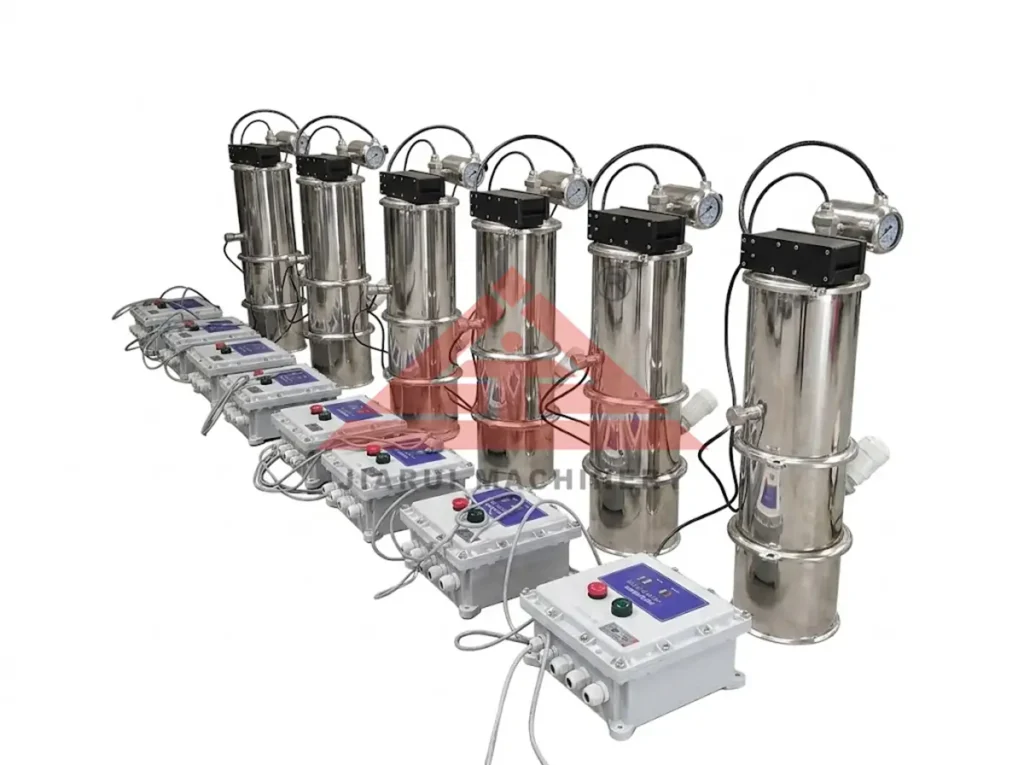
Control MethodAutomatic control, can be connected with production lines
Application FieldsFood, pharmaceutical, chemical, plastic, and automated production lines


定制化

A Continuous Vacuum Feeding Machine needs to be configured according to material conditions and site requirements. Different production lines have different requirements for conveying capacity, pipeline layout, and connection methods. When confirming the equipment design, the following basic information is usually required:

What Materials Need to Be Conveyed:Material type, particle size, and flowability will affect the selection of filtration method, discharge structure, and contact material.

Required Conveying Capacity:The required material volume per hour determines the equipment specification. The continuous feeding capacity needs to match the production rhythm.

Installation Conditions:Conveying height, horizontal distance, and installation space will affect pipeline design and equipment layout.

Connected Equipment:Understanding the type of downstream equipment, such as packaging machines, extruders, mixers, or storage equipment, helps determine the connection method and feeding structure.

联系我们

邮箱: info@jiaruimachinery.com
电话/WhatsApp: +86 18838703198

获取报价

Continuous Vacuum Conveyor

佳锐制造

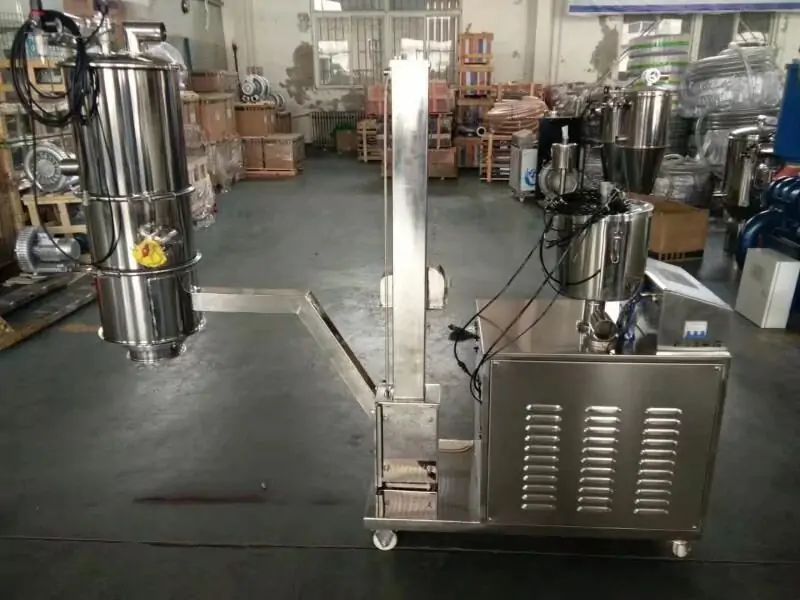
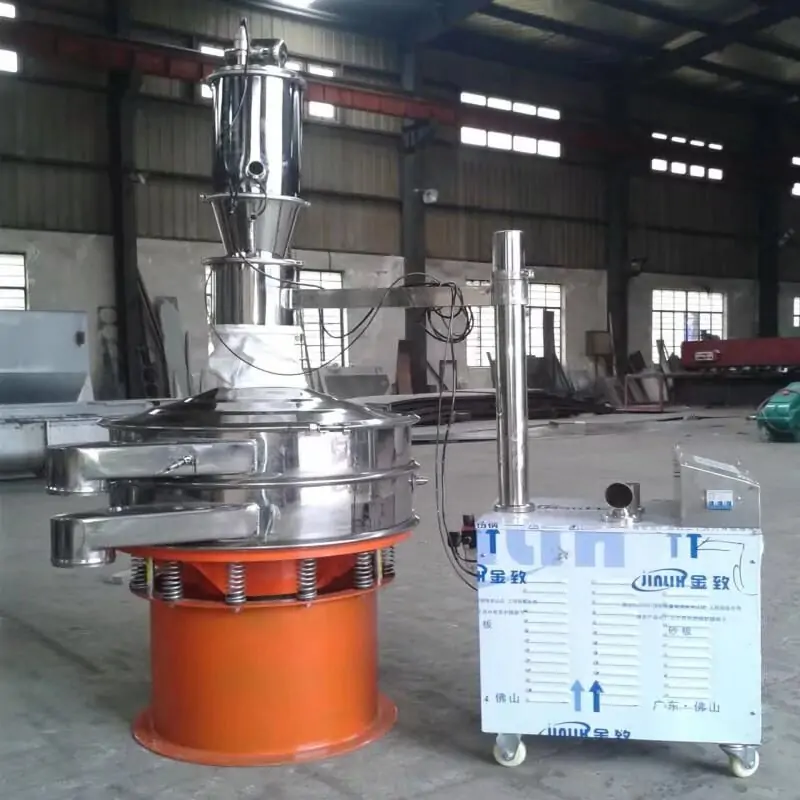
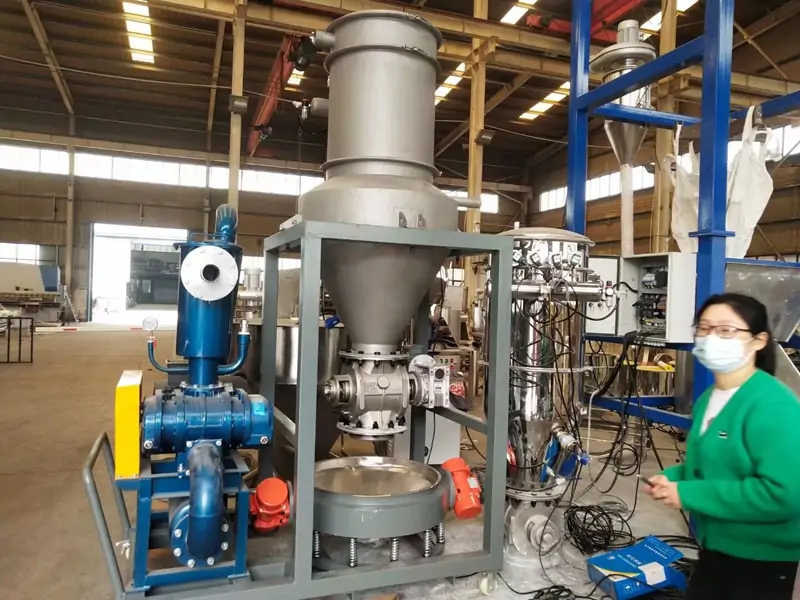
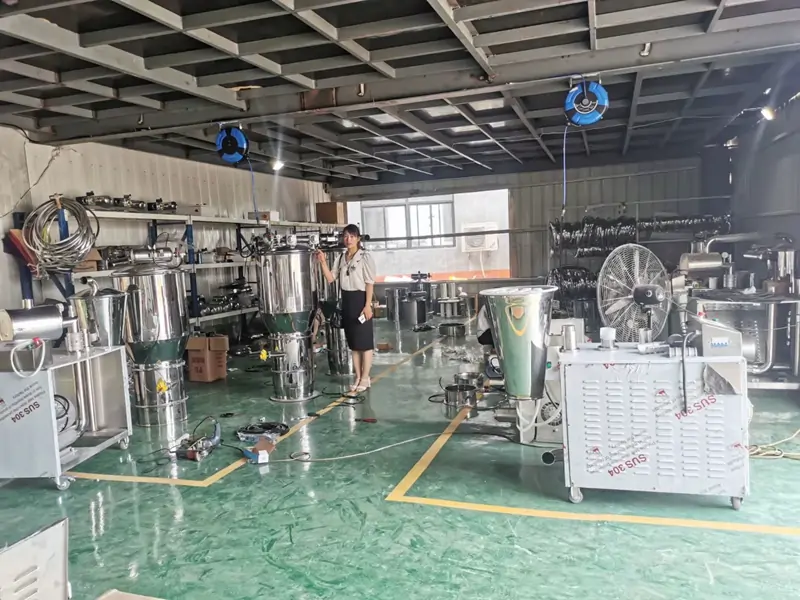
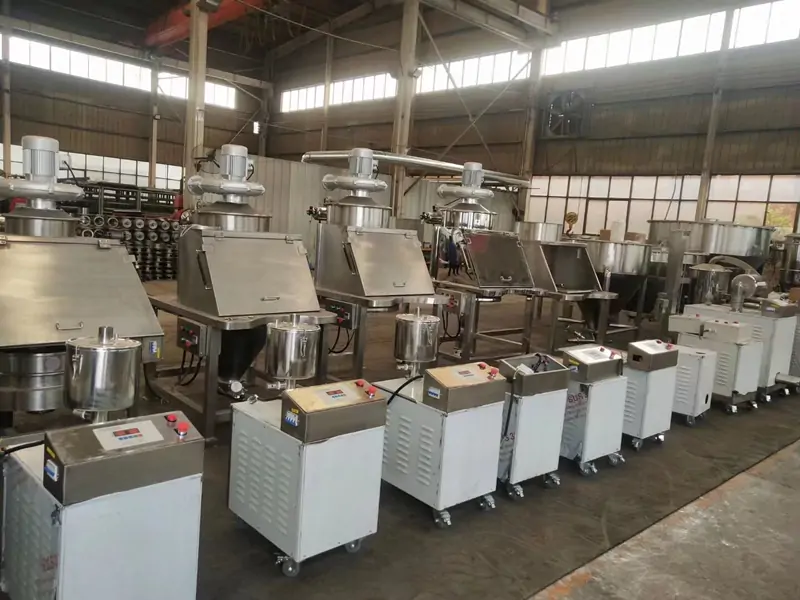
During long-term operation of a Continuous Vacuum Feeding Machine, stable material feeding is a key factor rather than simply increasing suction power. Therefore, the manufacturing process focuses on the matching of the vacuum system, filtration structure, and continuous discharge mechanism. As a type of 输送设备, this machine is mainly used for enclosed conveying of powder and granule materials. The conveying process uses pneumatic conveying, with materials transported through pipelines by airflow. The equipment design is configured according to material characteristics, conveying distance, and production environment requirements.

Structure and Configuration Confirmation:According to material conditions, conveying requirements, and site connection methods, the equipment structure, pipeline layout, connection design, and key configurations are confirmed to avoid difficulties in adjustment after installation.

Key Component Assembly:During manufacturing, the assembly of vacuum components, filtration parts, and continuous discharge mechanisms is carefully checked to ensure reliable connections and stable operation during material conveying.

Operation Testing:After assembly, the equipment is tested for vacuum performance, material conveying status, and discharge process. The equipment is delivered after confirming continuous and stable operation.

The operating performance of a Continuous Vacuum Feeding Machine depends on the coordination of multiple systems rather than the performance of a single component. Proper structural design and manufacturing control help the equipment adapt to long-term operation requirements in different production lines.

常见问题

两者均利用真空负压完成物料输送,主要区别在于卸料方式。常规真空上料机通常通过反复的吸料与卸料循环运行,而连续式真空上料机则通过连续卸料结构缩短吸料与卸料之间的等待时间,更适用于长期运行及需要连续供料的设备。.

该设备主要用于粉末、颗粒及轻质散装物料,如塑料颗粒、面粉、树脂粉末和硅灰。对于细粉或高粉尘产生的物料,需考虑过滤方式、过滤器配置及清洁结构。.

The conveying capacity needs to be determined according to material density, flowability, and conveying distance. Common configurations are approximately 1-8 tons per hour. The actual capacity is also affected by material conditions, pipeline layout, and continuous feeding requirements.

There is no fixed conveying distance. The conveying distance needs to be matched according to site layout and material conditions. Short-distance conveying usually requires simpler configurations, while long-distance conveying or pipelines with multiple bends require adjustment of vacuum capacity, pipeline diameter, and the overall conveying design.

The equipment price mainly depends on conveying capacity, material characteristics, contact material, filtration configuration, and automation requirements. Different production lines have different configuration requirements, so the equipment cost usually needs to be confirmed after the specific application conditions are evaluated.

Yes. Jiarui can adjust the equipment configuration according to material characteristics, conveying distance, capacity requirements, and connected equipment. Customization options include filtration structure, discharge method, connection dimensions, and material selection to better match different production line requirements.

获取免费咨询

填写以下表格,与我们的专家联系,获取针对您应用需求的个性化推荐。.

  • 物料类型
  • 物料尺寸/粒度
  • 所需筛分/输送能力
  • 物料流量
  • 含水量
  • 分离要求
  • 特殊功能或定制需求
关注我们: