
Что такое ультразвуковой вибрационный грохот?
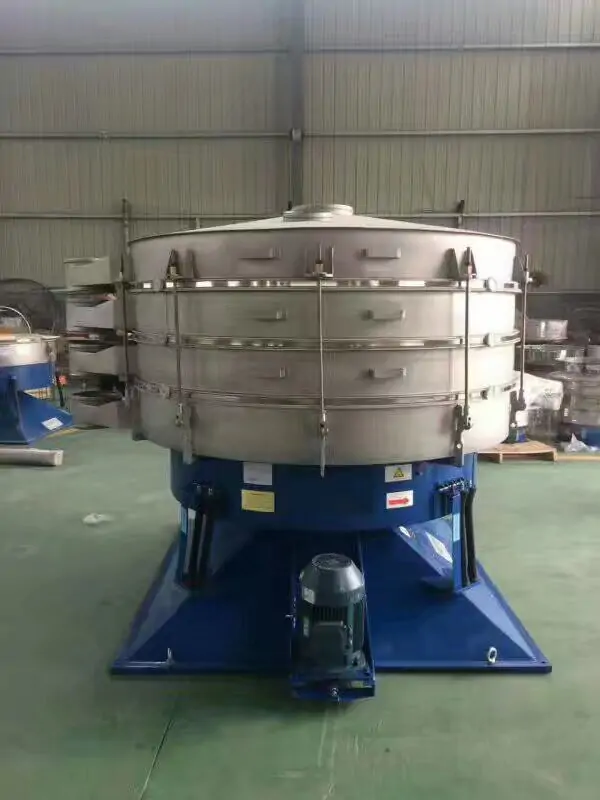
Ультразвуковой вибрационный грохот, также известный как ультразвуковой вибрационный грохот для тонких порошков, представляет собой высокоточное просеивающее устройство, в котором в традиционный вибрационный грохот встроена ультразвуковая система просеивания (например, Ситовой сепаратор кругового движения, Ротационный вибрационный грохот, и т. д.). Благодаря наложению низкоамплитудной высокочастотной ультразвуковой вибрационной волны он специально разработан для решения задач просеивания, возникающих при работе с ультратонкими порошками, высоковязкими материалами, материалами, склонными к агломерации, и электрически заряженными материалами.
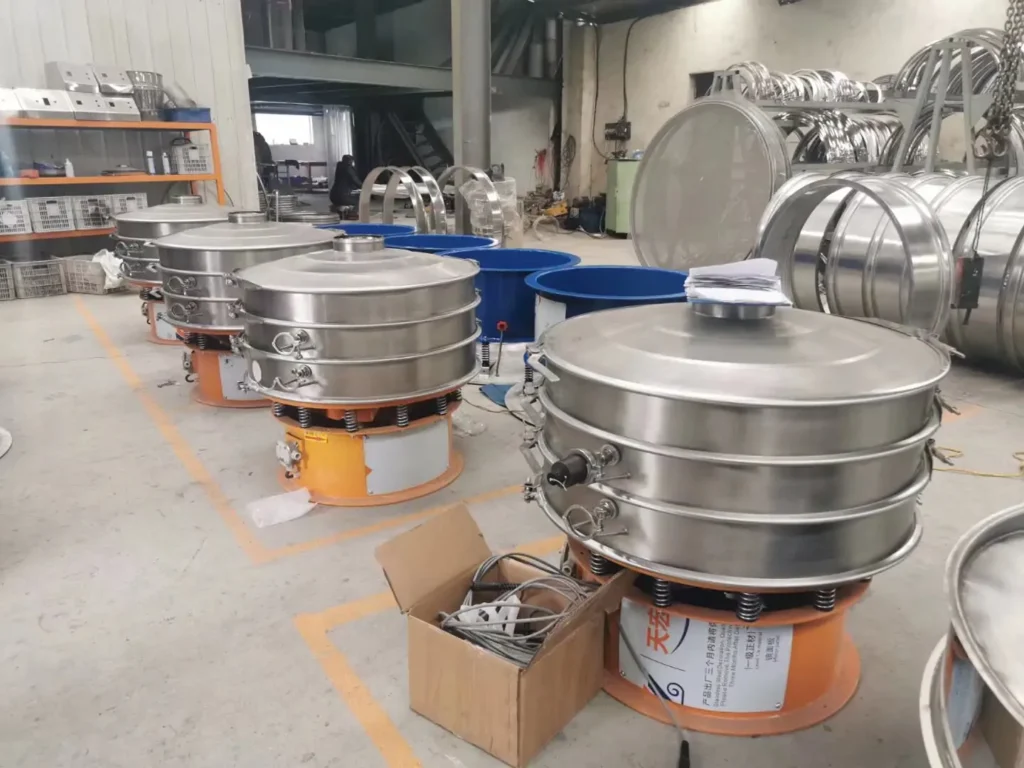
Его основной принцип работы основан на двухприводной системе:
- Базовая вибрация: Вибрационный двигатель создает обычные трехмерные колебания (такие как круговые или линейные), в результате чего материал равномерно распределяется по поверхности сита.
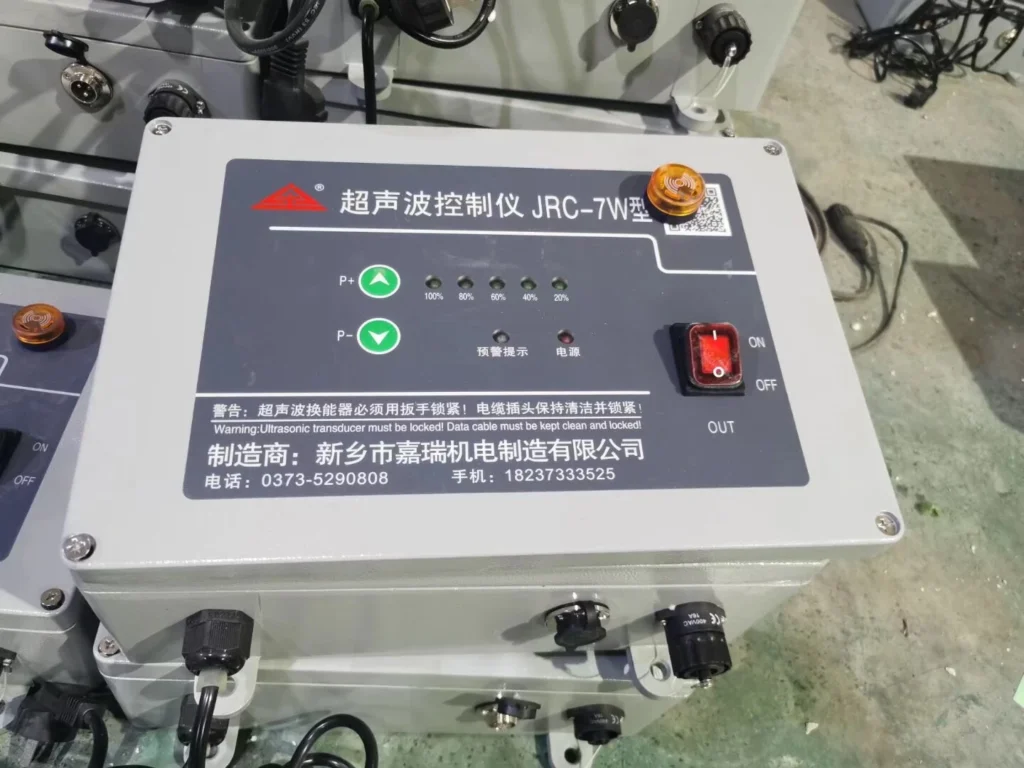
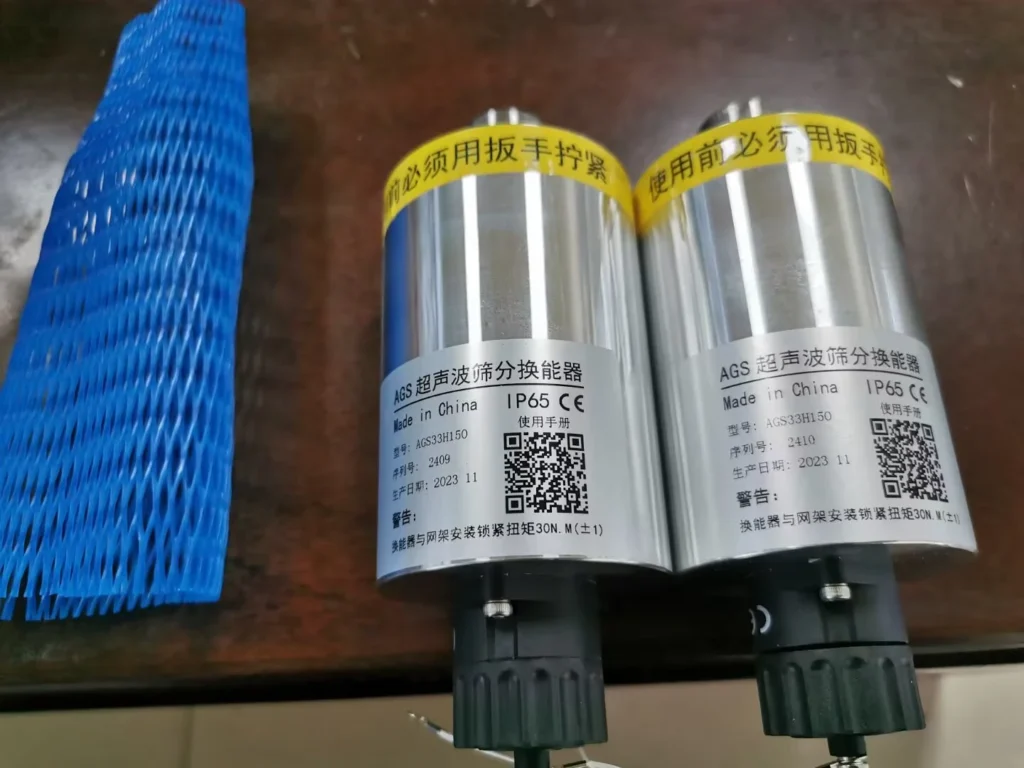
- Ультразвуковая вибрация: Ультразвуковой генератор преобразует электрическую энергию (обычно 220 В/50 Гц) в высокочастотную электрическую энергию (обычные частоты включают 18 кГц, 20 кГц, 36 кГц или 38 кГц), которая затем преобразуется в высокочастотные механические колебания с помощью преобразователя (осциллятора) и резонансного кольца и равномерно передается по всей сетке сита. Это заставляет сетку сита производить микрометровые высокочастотные колебания десятки тысяч раз в секунду. Эта высокочастотная низкоамплитудная вибрация обеспечивает революционные результаты просеивания:.
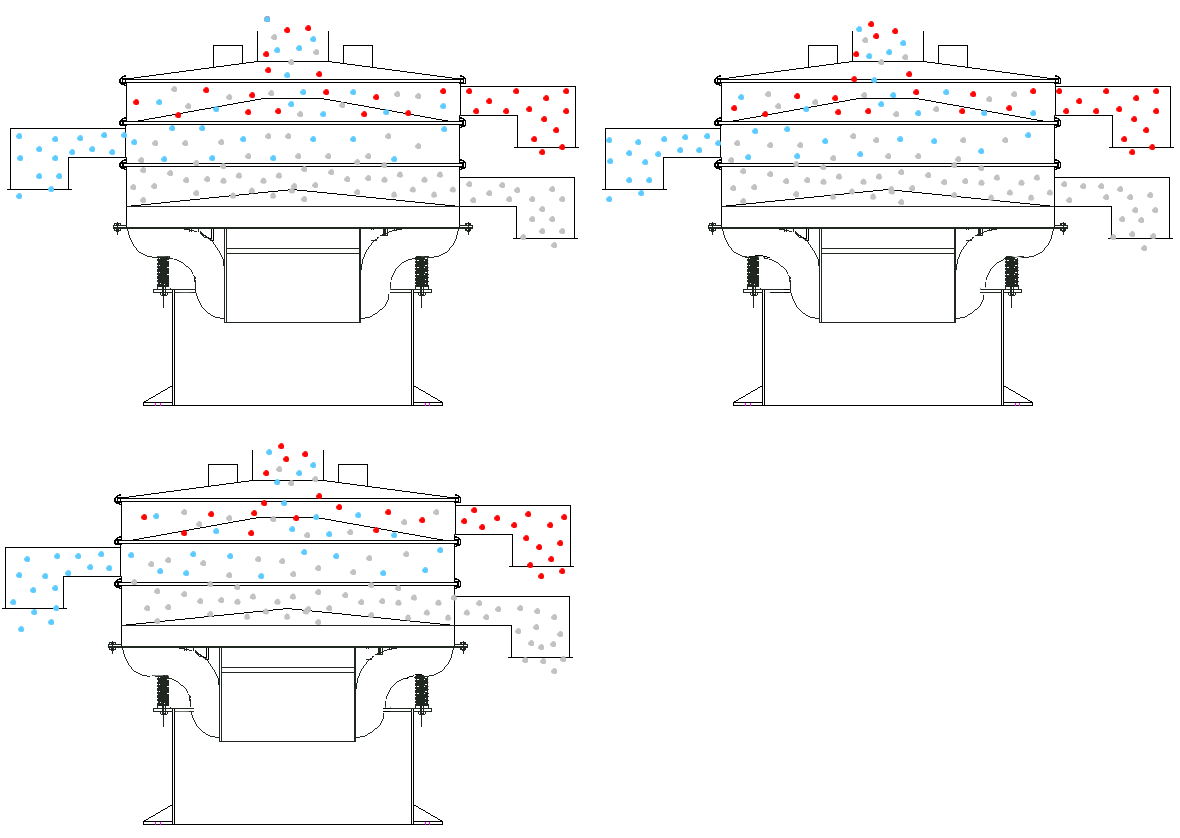
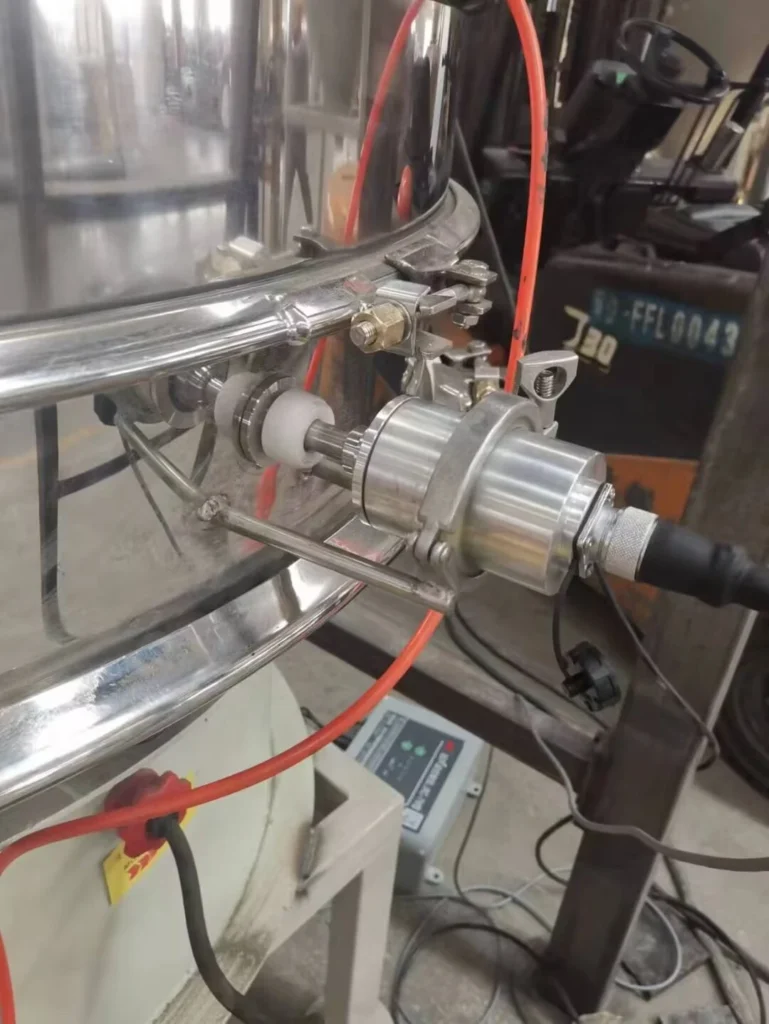
Антизабивание:
- Высокочастотные колебания подвергают ультратонкие порошки на сетке сита огромному ультразвуковому ускорению, удерживая их в постоянном «взвешенном» состоянии. Это эффективно предотвращает забивание отверстий сита из-за адгезии, трения, статического электричества или агломерации. Это его наиболее критическое преимущество. Высокая точность и высокая производительность:.
- Решая проблему забивания сита, он значительно повышает точность и эффективность просеивания. Точность просеивания может быть повышена на 11ТП3Т–1001ТП3Т по сравнению с обычными вибрационными грохотами, а производительность может быть увеличена в 0,5–20 раз, что делает его особенно подходящим для ультратонкого просеивания от 500 меш до 635 меш и выше. Низкое повреждение и самоочистка:.
- Благодаря малой амплитуде вибрации он минимизирует повреждение хрупких кристаллов или волокнистых материалов; он также оснащен функцией самоочистки сита, что исключает необходимость во вспомогательных очистных устройствах, таких как отбойные шарики, и предотвращает вторичное загрязнение материала. Для получения дополнительных технических характеристик продукции, пожалуйста, прочтите:.
Компоненты ультразвуковой системы Ультразвуковой вибрационный грохот
Типичная
ультразвуковая система, используемая в ультразвуковом вибрационном грохоте, состоит из нескольких основных компонентов, которые работают вместе для генерации, передачи и применения ультразвуковой энергии для высокоточного просеивания тонких порошков. Ниже приведено структурированное описание каждого компонента и его функции:.
Компонент
| Основная функция | Основное описание и ключевые параметры | Ультразвуковой генератор (источник питания) |
|---|---|---|
| Генерирует и управляет ультразвуковой энергией | Преобразует стандартное электропитание (например, переменный ток 220 В/50 Гц) в высокочастотные электрические сигналы, согласованные с системой ультразвукового вибрационного грохота (обычно 20 кГц–40 кГц). Отвечает за автоматическое отслеживание частоты, регулировку мощности и защиту системы для обеспечения стабильной производительности просеивания. | Основной компонент преобразования энергии. |
| Ультразвуковой преобразователь | Преобразует высокочастотные электрические сигналы от генератора в механическую энергию вибрации той же частоты. В качестве основного материала используются пьезокерамические элементы. Должен быть точно согласован с генератором в системе ультразвукового вибрационного грохота для обеспечения эффективности и стабильности. | Усилитель амплитуды (концентратор / усилительный стержень). |
| Увеличивает амплитуду вибрации | Подключается между преобразователем и рамой сита. Его функция заключается в увеличении амплитуды механических колебаний для повышения эффективности просеивания, особенно для ультратонких порошков и антизабивных характеристик в приложениях ультразвуковых вибрационных грохотов. | Рабочая головка / рама сита. |
| Передает ультразвуковую вибрацию на просеивающую поверхность | Напрямую передает ультразвуковую энергию на сетку сита в системе ультразвукового вибрационного грохота. Его конструкция, материал и резонансные характеристики существенно влияют на точность просеивания, способность к антизабиванию и пропускную способность. | Система управления и система датчиков обратной связи. |
| Управляет и контролирует работу системы | Управляет запуском/остановкой, регулировкой частоты и регулировкой мощности системы ультразвукового вибрационного грохота. Передовые системы могут включать датчики для мониторинга вибрации в реальном времени и оптимизации обратной связи для стабильной производительности. | Источник питания и вспомогательная система. |
| Обеспечивает стабильное питание и поддержку системы | Подает непрерывную электрическую энергию в ультразвуковую систему. Дополнительные компоненты могут включать интерфейс HMI, систему охлаждения и модули защиты безопасности для обеспечения надежной долгосрочной работы ультразвукового вибрационного грохота. | Преимущества ультразвуковых вибрационных грохотов. |
Почему обычные вибрационные грохоты не могут обрабатывать ультратонкие порошки?
Традиционные вибрационные грохоты испытывают трудности с
ультратонкими порошками (200–635 меш) из-за трех основных проблем: Электростатическая адсорбция:
- Мелкие частицы легко генерируют статическое электричество и Мелкие частицы легко накапливают статическое электричество. прилипать к поверхности сетки, уменьшая эффективную площадь просеивания.
- Агломерация частиц: Сверхтонкие порошки склонны к образованию кластеров, что затрудняет их прохождение через ячейки сетки.
- Забивание сетки: Обычной вибрации часто недостаточно для непрерывной очистки поверхности сетки, что приводит к закупорке и снижению эффективности.

Какие проблемы может решить ультразвуковой вибрационный грохот?
Система ультразвукового вибрационного грохота специально разработана для преодоления ограничений традиционного просеивающего оборудования при работе с мелкими и труднопроходимыми материалами.
Она широко применяется для:
- Сверхтонких порошков 200–635 меш
- Высокоценных материалов, требующих разделения высокой чистоты
- Чувствительных порошков, используемых в:
- Фармацевтическом производстве
- Катодных и анодных материалах литиевых батарей
- Пищевых добавках и мелкодисперсных ингредиентах
- Химических и металлических порошках
Благодаря применению высокочастотной ультразвуковой вибрации система значительно повышает эффективность разделения частиц и снижает проблемы, связанные с сеткой.
Применение ультразвукового вибрационного грохота
Благодаря уникальной способности решать такие задачи, как забивание сетки и электростатическая агломерация сверхтонких порошков, ультразвуковые вибрационные грохоты Jiarui Machinery широко используются во многих отраслях, предъявляющих экстремально высокие требования к точности и чистоте просеивания материалов.
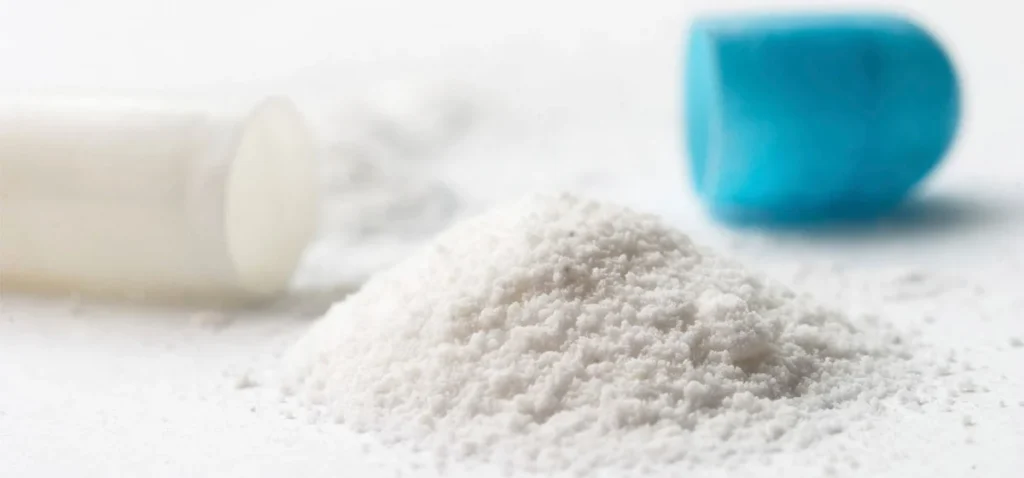 Фармацевтические промежуточные продукты (API-интермедиаты)
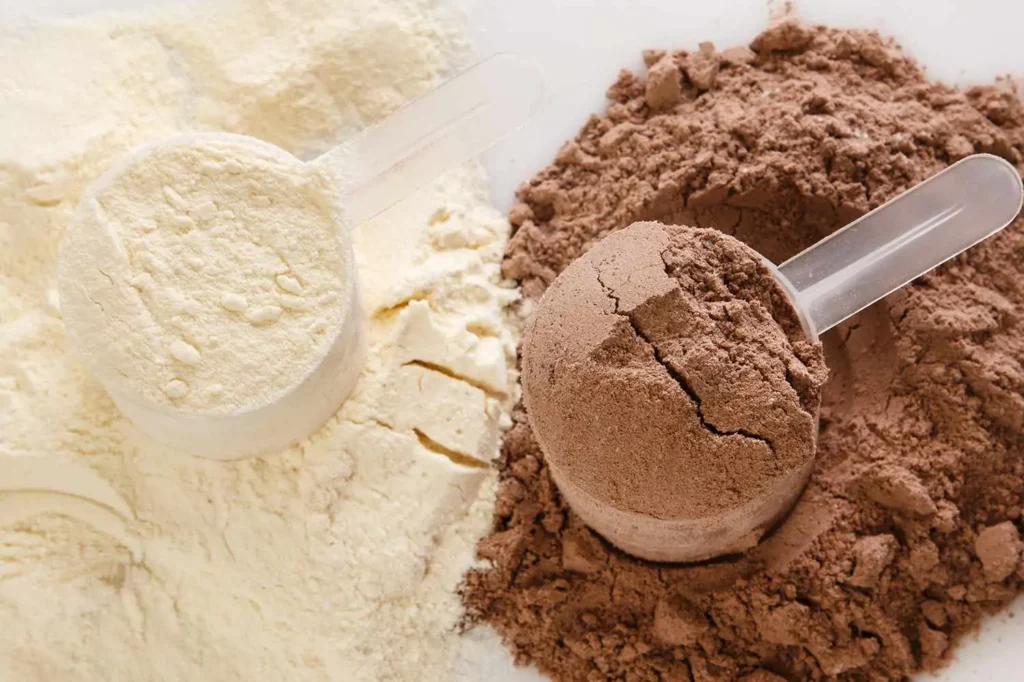 Солодовый порошок
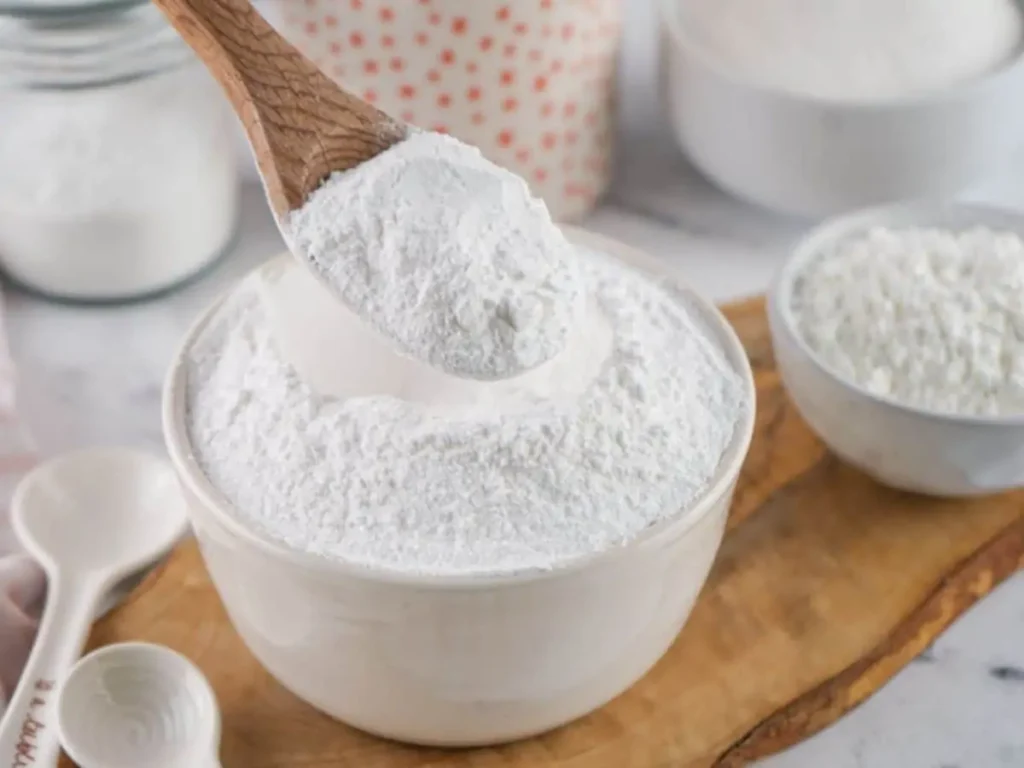 Сахарная пудра
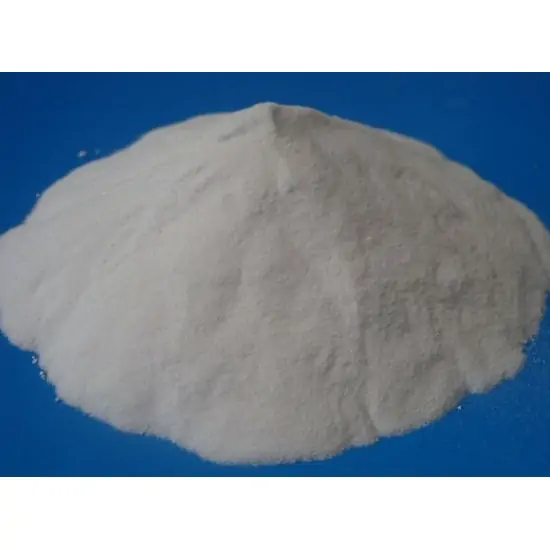 Порошок рибавирина
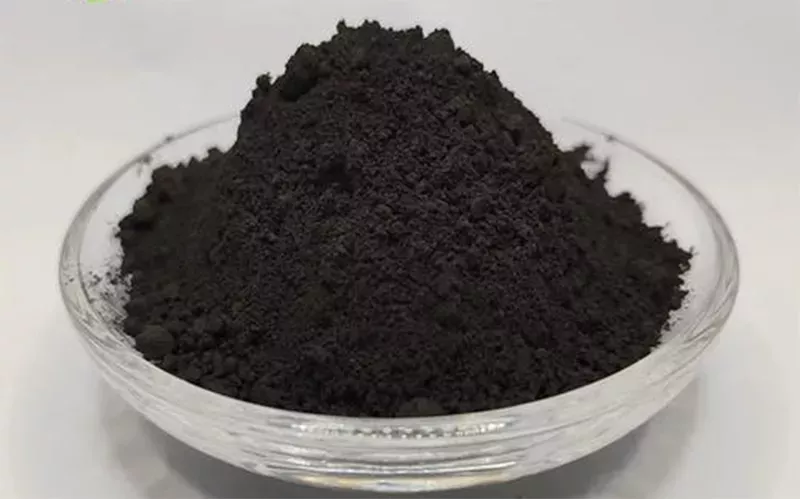 Порошок карбида бора
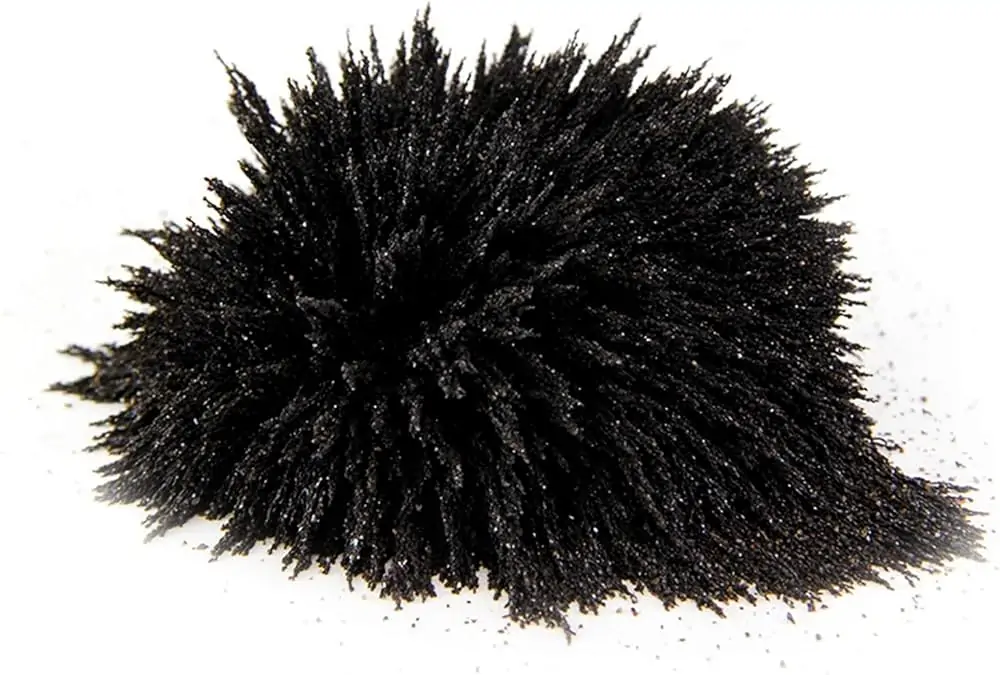 Магнитный порошок
 Порошковые покрытия
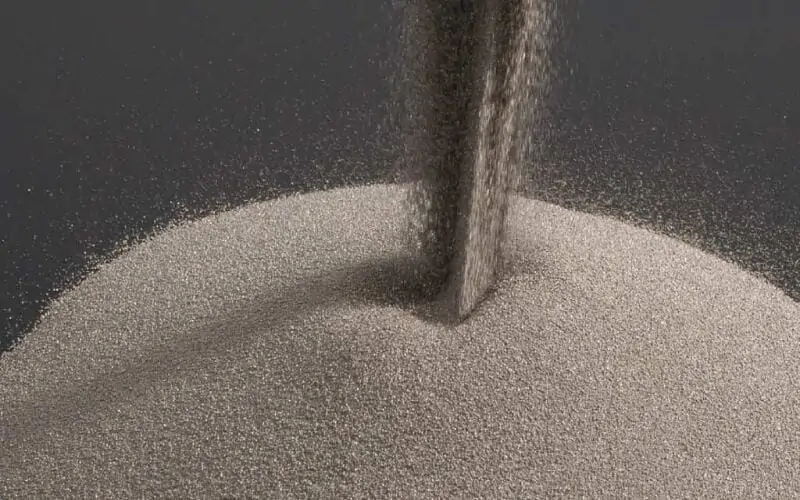 Порошок нержавеющей стали
| Отрасли | Типичные материалы (просеивание 400–600 меш) |
|---|---|
| Новая энергетика и передовые материалы | Анодные материалы для литиевых батарей, катодные материалы, магнитный порошок, лазерный порошок, порошок сплавов |
| Металлический порошок и порошковая металлургия | Молибденовый порошок, порошок нержавеющей стали, вольфрамовый порошок, никелевый порошок, кобальтовый порошок, порошок сплавов |
| Химическая и лакокрасочная промышленность | Порошковые покрытия, порошок карбида кремния, порошок карбида бора, кварцевый порошок, порошки органических химикатов |
| Пищевая промышленность и пищевые добавки | Солодовый порошок, кофейный порошок, крахмал, сахарная пудра, сухое молоко |
| Фармацевтика и производство активных фармацевтических субстанций | Порошок рибавирина, порошок лекарственных трав, фармацевтические порошки, промежуточные продукты АФС |
| Абразивы и керамические материалы | Карбид кремния, карбид бора, кварцевый порошок, оксид алюминия, керамический порошок |
Ультразвуковой вибрационный грохот против обычного вибрационного грохота: в чем разница?
Основное различие между ультразвуковой вибрационный грохот и обычным вибрационным грохотом заключается в том, как они обрабатывают мелкие порошки и забивание сетки.
| Характеристика | Обычный вибрационный грохот | Ультразвуковой вибрационный грохот |
|---|---|---|
| Принцип работы | Механическая вибрация от двигателя для разделения частиц по размеру | Механическая вибрация + ультразвуковые высокочастотные волны, подаваемые на сетку грохота |
| Тип вибрации | Низкочастотная / среднечастотная механическая вибрация | Высокочастотная ультразвуковая микровибрация + механическая вибрация |
| Подходящий размер частиц | Крупные и средние порошки | Сверхтонкие порошки (200–635 меш) |
| Антизабивная производительность | Склонность к забиванию сетки из-за статического электричества и адгезии | Высокая антизабивная способность, снижает адгезию и забивание сетки |
| Обработка статического электричества | Слабая контроль электростатической адсорбции | Эффективно снижает влияние статического электричества на мелкие порошки |
| Точность просеивания | Средняя точность, снижается с более мелкими материалами | Высокая точность для разделения мелких и ультрамелких порошков |
| Отрасли применения | Горнодобывающая промышленность, заполнители, песок, общая переработка порошков | Фармацевтика, литий-ионные батареи, пищевые добавки, тонкая химия |
| Эффективность для мелких порошков | Низкая эффективность, часто требует повторного просеивания | Высокая эффективность и стабильное непрерывное просеивание |
| Требования к обслуживанию | Меньшая сложность, но более частое очищение от забивания | Несколько более высокая сложность системы, но меньше простоев из-за забивания |
Ключевое различие заключается в том, что обычные вибрационные грохоты полагаются только на механическое движение, в то время как ультразвуковые вибрационные грохоты интегрируют ультразвуковую энергию для решения проблем просеивания мелких порошков, таких как забивание, статическое электричество и плохая текучесть.
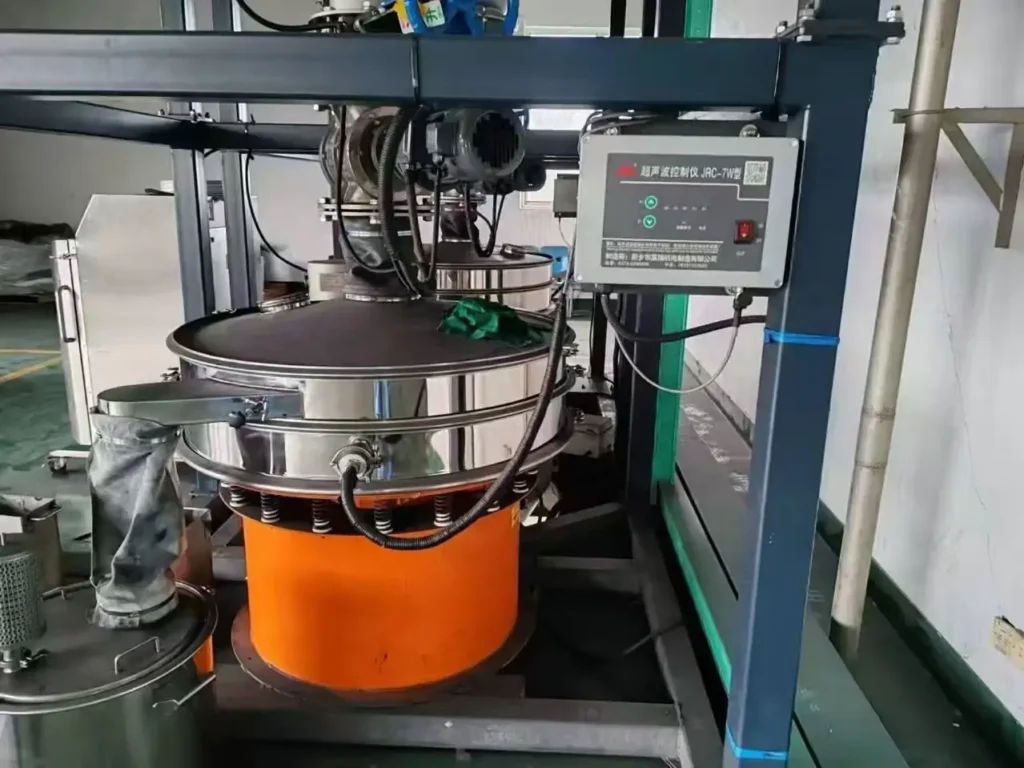 Ультразвуковой вибрационный грохот
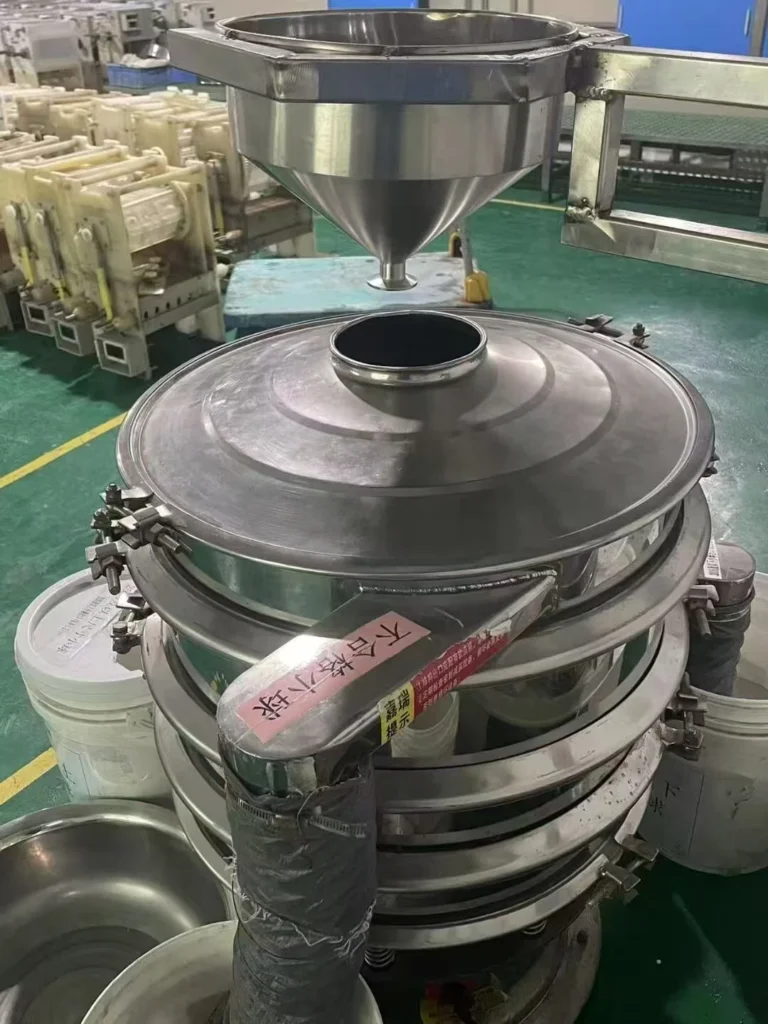 Ротационный вибрационный грохот
Как выбрать ультразвуковой вибрационный грохот
Во-первых, система ультразвукового вибрационного грохота в основном используется для решения проблем просеивания, таких как ультрамелкие порошки, агломерация частиц, статическое электричество, материалы с высоким или низким удельным весом и забивание сетки, особенно для просеивания мелких порошков 200–635 меш. Она широко используется в литий-ионной, фармацевтической, пищевой и химической промышленности.
Шаг 1: Определите ваши требования (основа выбора)
Свойства материала являются наиболее важным фактором. Вам необходимо четко определить размер частиц (меш), удельный вес, влажность, вязкость, статическое электричество и коррозионную активность.
Например, при обработке ультрамелких материалов, таких как карбид кремния 600 меш или порошки для литий-ионных батарей, требуется ультразвуковая система с более высокой мощностью.
Также следует определить:
- Требуемая точность просеивания
- Производственная мощность (пропускная способность)
Различные модели ультразвуковых вибрационных грохотов от поставщиков, таких как Дзяруй Машинери соответствуют различным мощностям и областям применения.
Отраслевые требования также критически важны:
- Пищевая и фармацевтическая промышленность требует нержавеющую сталь 316L и полностью закрытую конструкцию (стандарт GMP)
- Химическая и литий-ионная промышленность может требовать коррозионную стойкость или взрывозащищенную конструкцию
Шаг 2: Сосредоточьтесь на основных параметрах оборудования
После уточнения потребностей оцените ключевые параметры:
- Ультразвуковая система:
Проверьте мощность генератора (50 Вт, 80 Вт, 100 Вт) и возможность регулировки частоты. Материалы с более высокой сложностью обычно требуют ультразвуковых систем с более высокой мощностью. Стабильная система может автоматически регулировать частоту для поддержания постоянной вибрации. - Сетка грохота:
Подтвердите диапазон меш (200–635 меш) и материал (нержавеющая сталь 304 или 316L). Качество сетки напрямую влияет на эффективность просеивания и срок службы. - Материал и конструкция:
Выбирайте углеродистую сталь, нержавеющую сталь 304 или 316L в зависимости от свойств материала. Полностью закрытая конструкция помогает снизить запыленность и повысить чистоту. - Антизабивная производительность:
Ультразвуковой вибрационный грохот использует высокочастотную вибрацию, передаваемую на сетку, снижая адгезию и предотвращая забивание — особенно эффективно для ультрамелких порошков.
Шаг 3: Выберите надежного поставщика
Производительность оборудования во многом зависит от производителя.
Следует выбирать поставщиков с:
- Сильными возможностями НИОКР
- Проверенной технологией ультразвуковых вибрационных грохотов
- Опытом применения в отрасли
Производители, такие как Дзяруй Машинери предоставляют решения для ультразвуковых вибрационных грохотов для различных промышленных применений.
Также рассмотрите:
- Послепродажное обслуживание (запасные части + техническая поддержка)
- Предоставляют ли они тестирование материала перед покупкой
- Возможность кастомизации под особые производственные требования
В итоге, выбор ультразвукового вибрационного грохота сводится к сопоставлению характеристик материала, технической конфигурации и возможностей поставщика.
Не существует “лучшей” машины — только наиболее подходящая для ваших производственных нужд.
Заключение
В итоге, ультразвуковой вибрационный грохот эффективно решает ключевые проблемы при просеивании сверхтонких порошков, такие как забивание сетки, статическое электричество и агломерация, при этом значительно повышая точность и эффективность просеивания.
Если вы ищете надежное решение для ультразвукового вибрационного грохота, свяжитесь с Jiarui Machinery для получения профессиональной поддержки по подбору оборудования и индивидуальных рекомендаций для вашего применения.