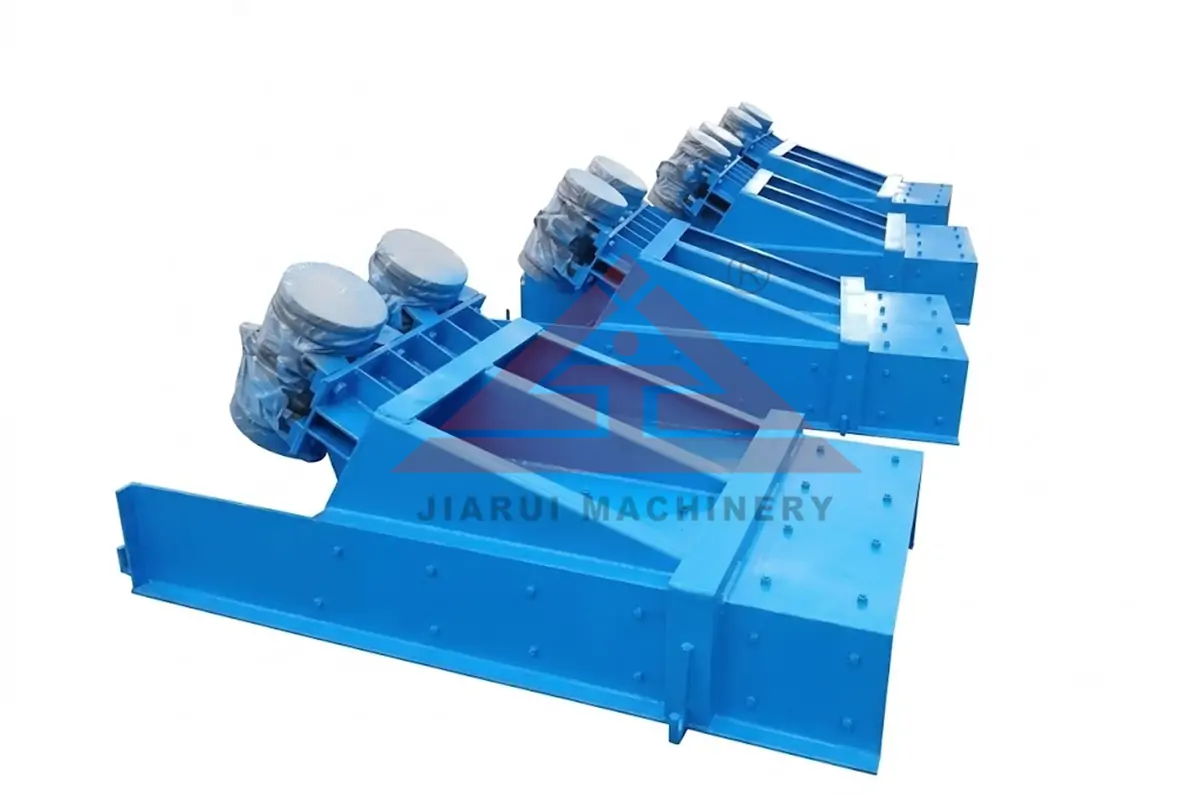
Vibrationsförderer
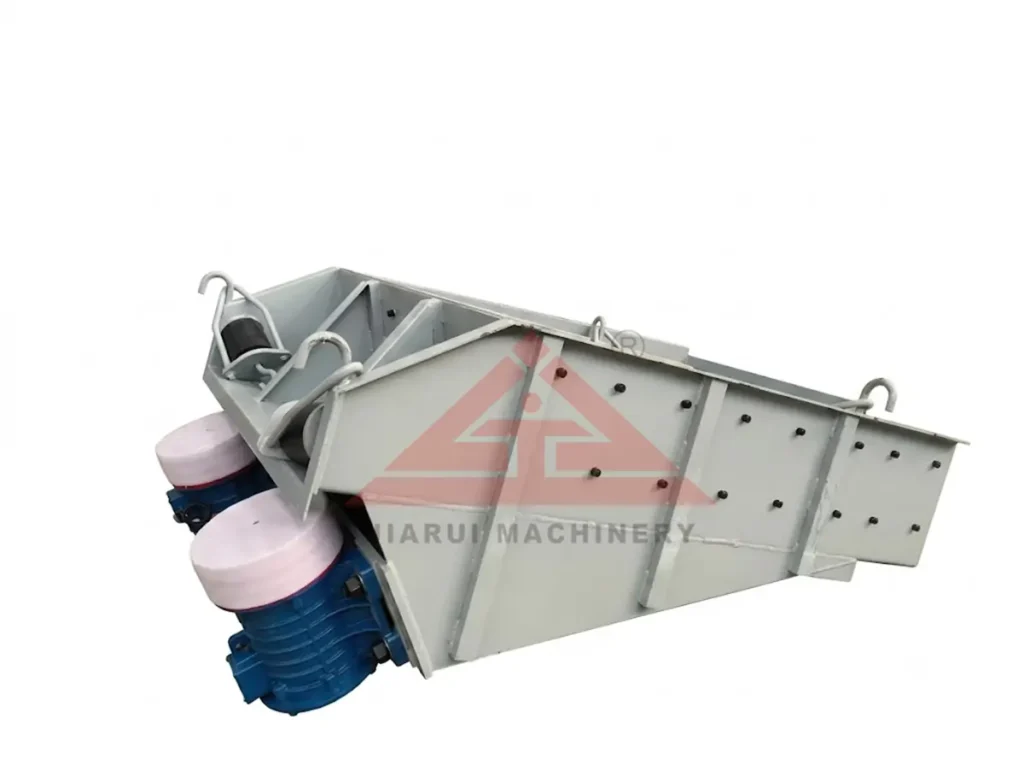
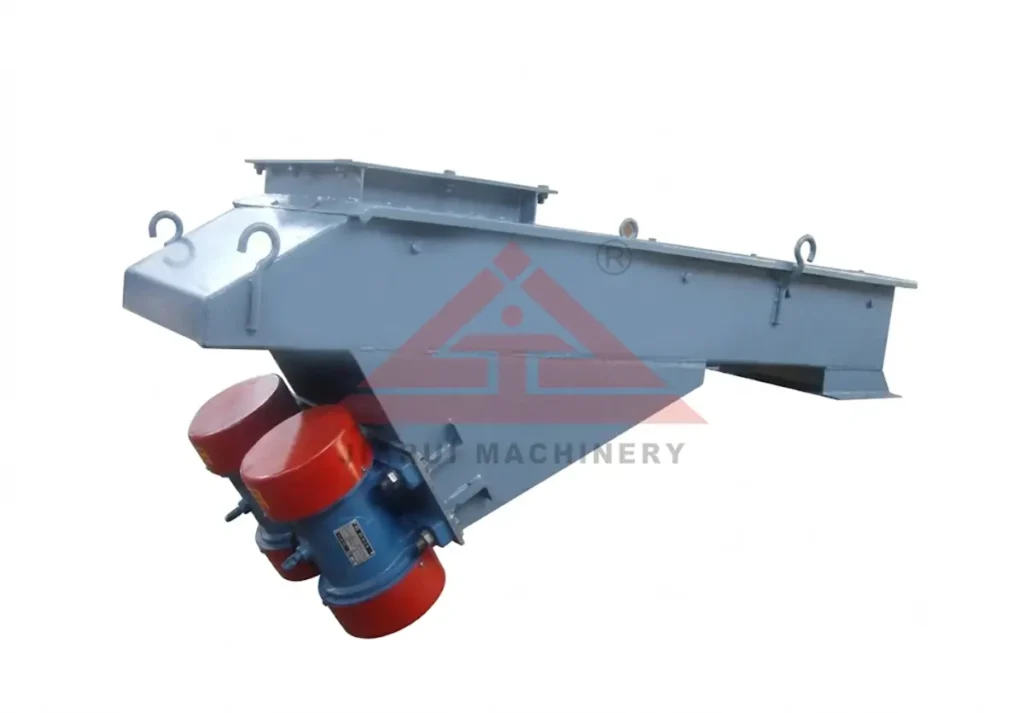
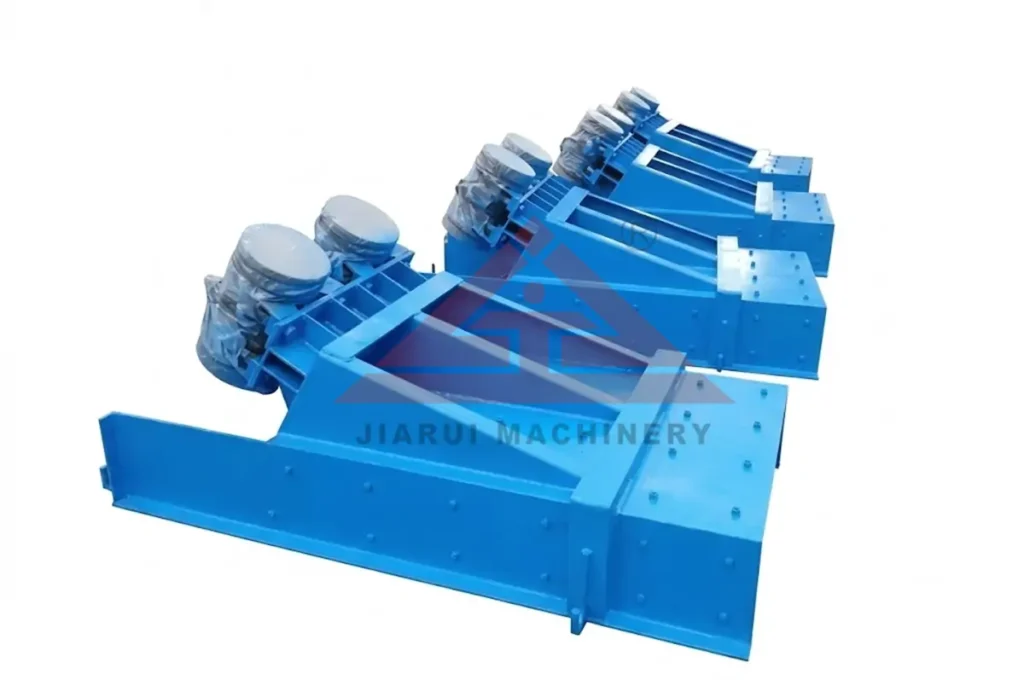
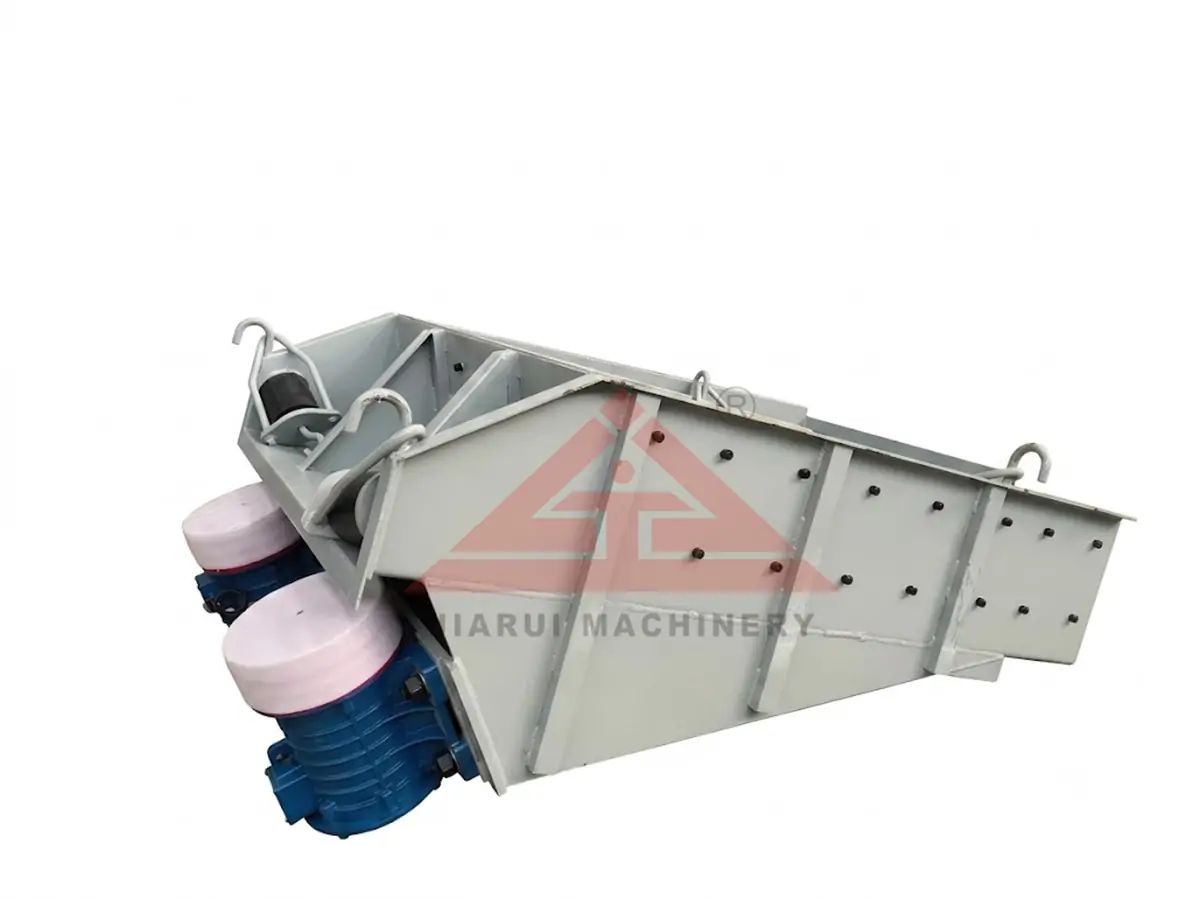
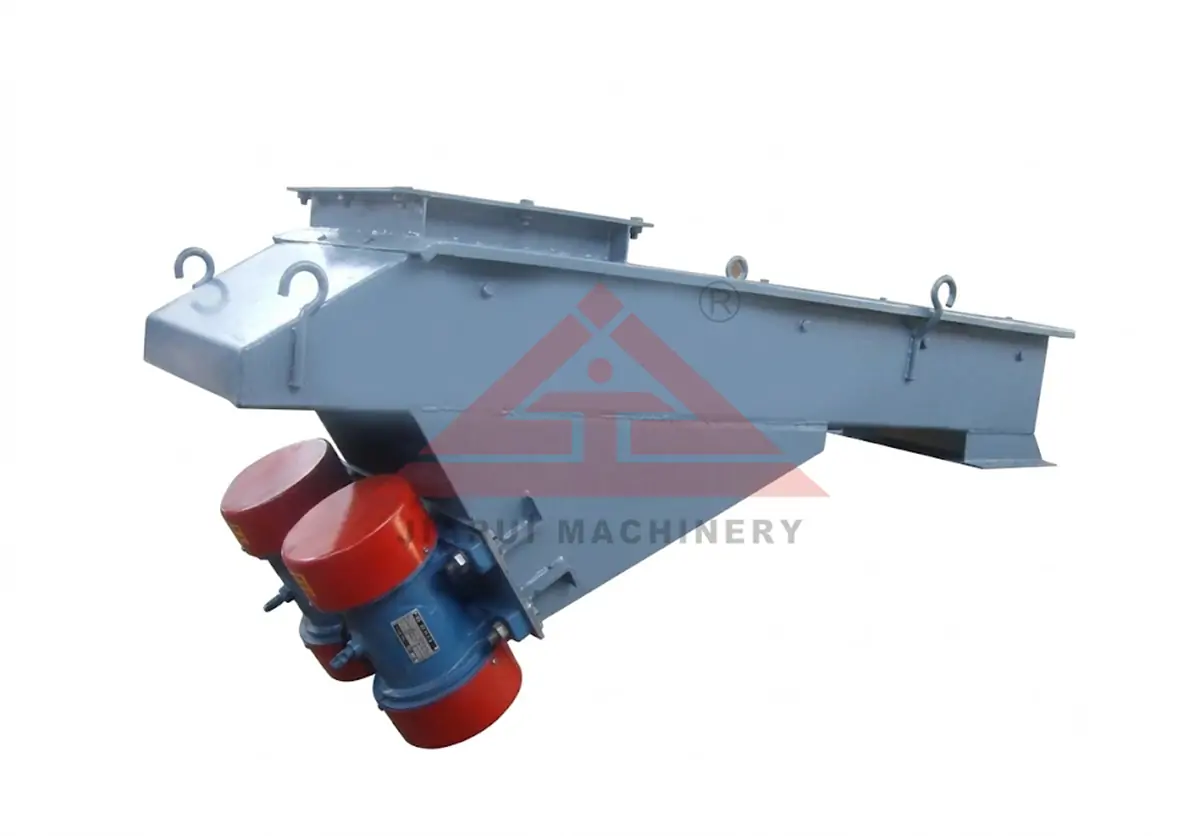
Der Vibrationsaufgabe-Förderer ist für die kontinuierliche und gesteuerte Zuführung von Schüttgütern ausgelegt. Durch Vibration wird das Material entlang der Aufgaberinne vorwärts bewegt, wodurch das Gerät für die Installation unterhalb von Bunkern oder vor Brech- und Siebanlagen geeignet ist. Er trägt zur Steuerung des Materialflusses und zur Aufrechterhaltung einer stabilen Zuführung zu nachgeschalteten Anlagen bei.
Jiarui Die Baureihe JRZG Vibrationsaufgabe-Förderer unterstützt kundenspezifische Rinnenabmessungen, Vibrationsparameter und Installationsstrukturen. Unser Engineering-Team wählt geeignete Zuführungslösungen entsprechend Materialgröße, Kapazitätsanforderungen und Installationsbedingungen aus.
- Modell: JRZG Baureihe Vibrationsaufgabe-Förderer
- Kapazität: 30-640 t/h (kundenspezifisch nach Materialbedingungen)
- Maximale Aufgabegröße: 100-320 mm
- Installationsposition: Bunkerauslauf, vorderer Abschnitt von Brech- und Siebanlagen
- Geeignete Materialien: Erz, Zuschlagstoffe, Kohle, Pulver und körnige Schüttgüter
- Individualisierung: Kundenspezifische Rinnengröße, Material und Struktur verfügbar
Was ist ein Vibrationsaufgabe-Förderer?
Ein Vibrationsaufgabe-Förderer, auch bekannt als Vibrationsaufgeber, ist ein kontinuierliches Zuführgerät, das unterhalb von Bunkern oder am vorderen Ende von Produktionslinien installiert wird. Er verwendet Vibrationsmotoren zur Erzeugung von Erregerkraft, wodurch die Aufgaberinne in eine periodische Bewegung versetzt und Schüttgut zum Austragsende befördert wird. Dadurch können Materialien wie Erz, Zuschlagstoffe und Kohle kontinuierlich Brechern, Siebmaschinen und anderen Verarbeitungsanlagen zugeführt werden.
Die Hauptfunktion eines Vibrationsaufgabe-Förderers ist nicht der Langstrecken-Materialtransport, sondern die Steuerung der Aufgaberate aus Bunkern oder Speichereinrichtungen. Er trägt zur Vermeidung von übermäßigem Austrag, Materialverstopfung und ungleichmäßiger Beladung nachgeschalteter Anlagen bei. Die Baureihe JRZG Vibrationsaufgabe-Förderer kann 30-640 t/h Schüttgut verarbeiten, und die Gerätekonfiguration kann entsprechend Materialeigenschaften, Produktionskapazität, Installationsraum und Betriebsbedingungen angepasst werden.
Funktionsprinzip
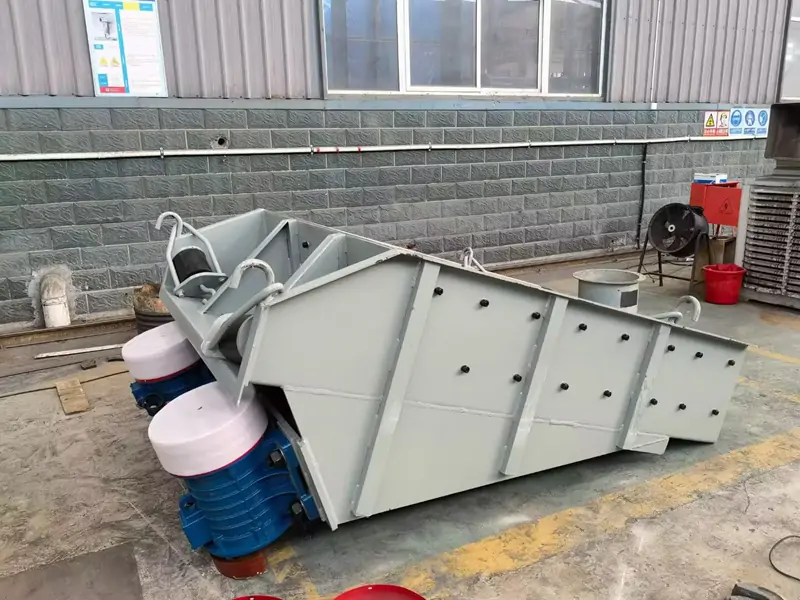
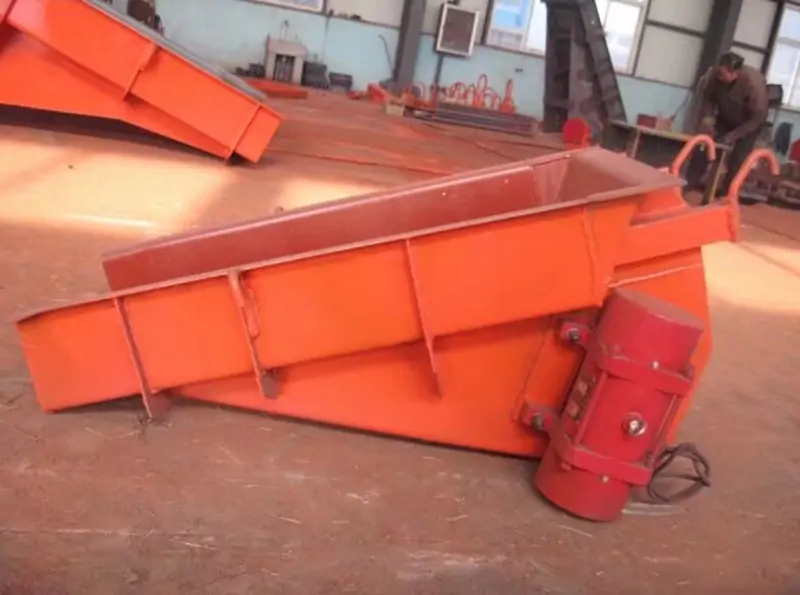
Die Vibrationsmotoren erzeugen Erregerkraft und treiben die Rinne in einer kontrollierten periodischen Bewegung an. Die vibrierende Rinne lockert das Schüttgut und bewegt es zum Austragsende, wodurch ein kontinuierlicher und stabiler Materialfluss aufrechterhalten wird. Der Betriebsprozess umfasst hauptsächlich drei Phasen:
Material gelangt in die Aufgaberinne
Ein Vibrationsaufgabe-Förderer wird üblicherweise unterhalb eines Bunkers oder Speichersilos installiert. Material fällt von oben in die Aufgaberinne. Die Rinnengröße und Zuführungsstruktur werden entsprechend Materialpartikelgröße, Aufgabenhöhe und Bunkerdruck ausgelegt.
Vibration bewegt Material vorwärts
Die Vibrationsmotoren treiben die Aufgaberinne in einer kontrollierten periodischen Bewegung an. Die Vibration lockert das Material und bewegt es zum Austragsende, wodurch eine kontinuierliche Versorgung des nächsten Prozesses gewährleistet wird.
Material gelangt in nachgeschaltete Anlagen
Nach kontinuierlicher Vibrationszuführung verlässt das Material das Austragsende und gelangt in Brecher, Vibrationssiebmaschinen, oder andere Verarbeitungsgeräte. Vibrationsparameter und Zuführerrstruktur können entsprechend den Materialeigenschaften und den Anforderungen der Produktionslinie angepasst werden. Für eine detailliertere Erklärung, wie die Trogbewegung Material vorwärts transportiert, lesen Sie unseren Leitfaden zu Struktur und Arbeitsprinzip des Vibrationsförderers.

Struktur
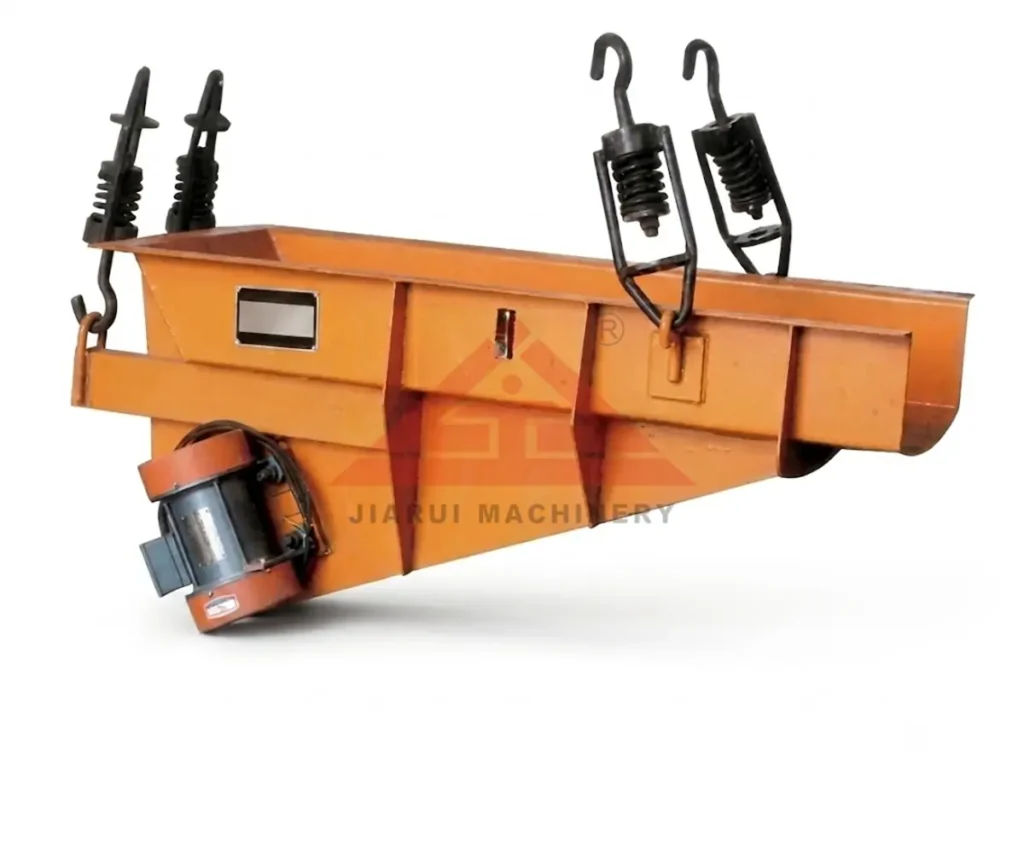
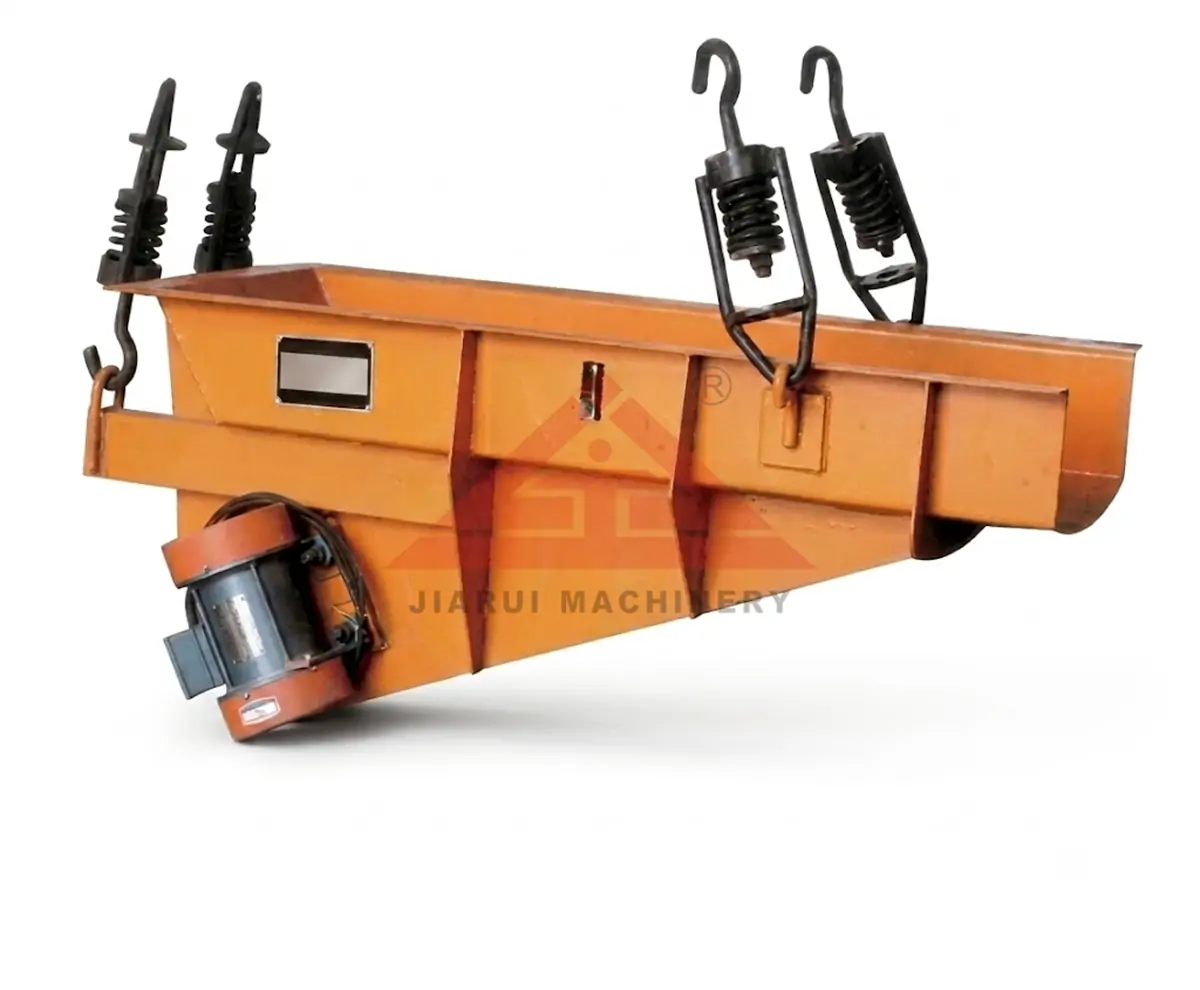
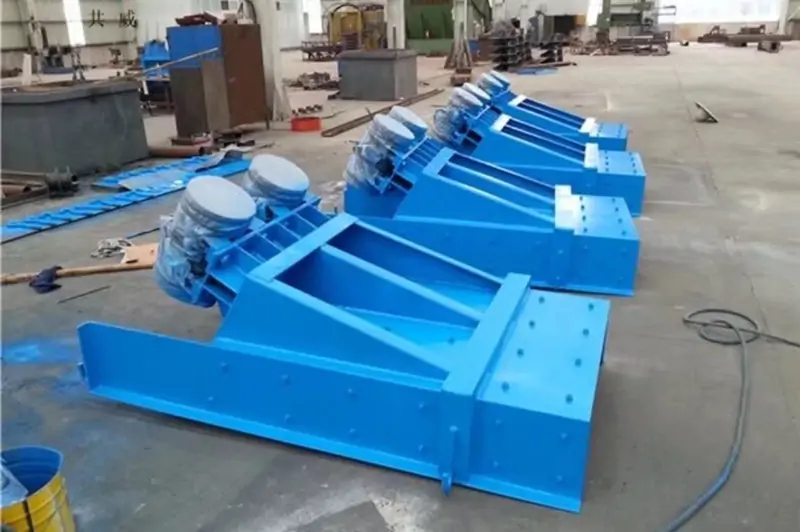
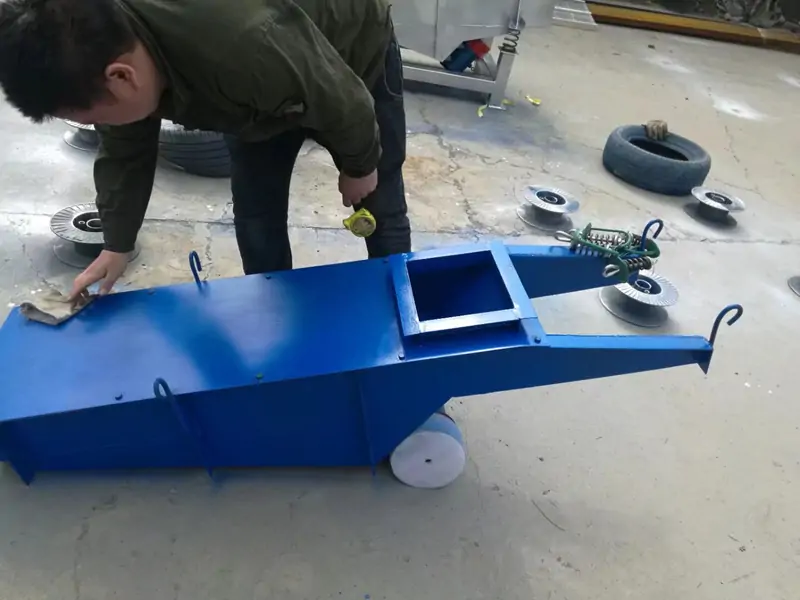
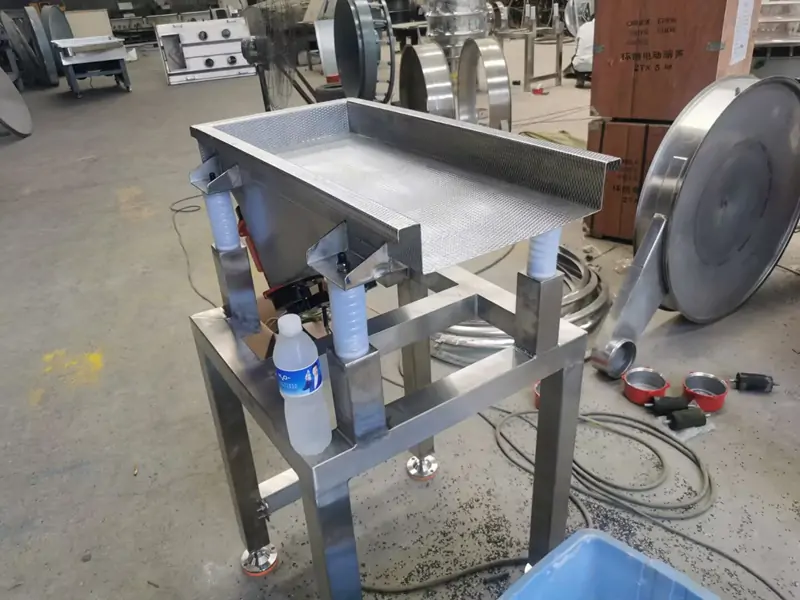
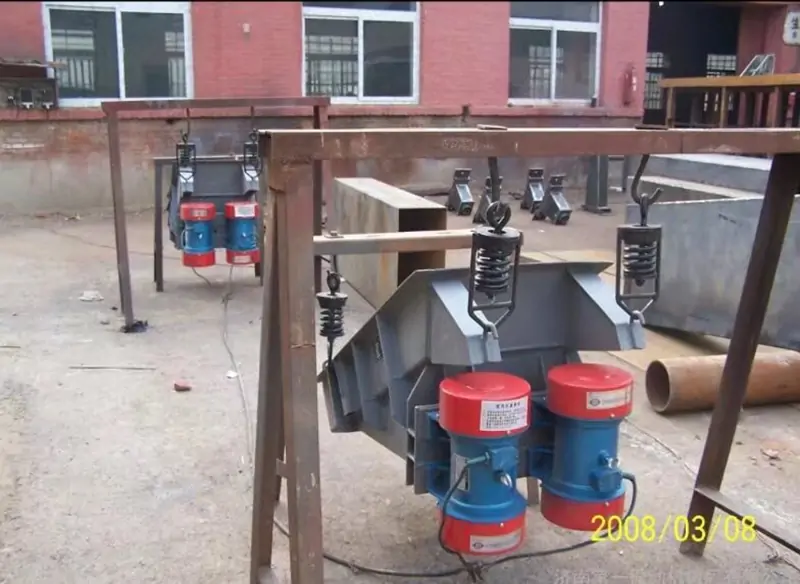
Die Struktur eines Vibrationsaufgabe-Förderers ist relativ einfach und besteht hauptsächlich aus Vibrationsmotoren, Aufgaberinne, Stützfedern und Grundrahmen. Obwohl die Gerätestruktur nicht kompliziert ist, liegt der Schwerpunkt der Konstruktion auf effektiver Vibrationsübertragung, stabilem Betrieb und der Fähigkeit, kontinuierlichen Materialaufprall und Betriebslasten standzuhalten.
Vibrationsmotor
Der Vibrationsmotor ist die Hauptantriebsquelle des Geräts. Er erzeugt Erregerkraft durch Unwuchtmassen und treibt die Aufgaberinne zu kontinuierlicher Vibration an. Bei der Geräteauswahl müssen Faktoren wie Materialgewicht, Aufprall beim Aufgeben und erforderliche Kapazität berücksichtigt werden, um unzureichende Vibrationskraft oder übermäßige Schwingungsamplitude zu vermeiden, die die Materialbewegung und Geräteleistung beeinträchtigen könnten.
Aufgaberinne
Die Aufgaberinne ist der Hauptkontaktbereich mit dem Material und auch eine der Schlüsselkomponenten, die die Lebensdauer beeinflussen. Für stark abrasive Materialien wie Erz und Zuschlagstoffe ist in der Regel eine verschleißfeste Ausführung erforderlich. Bei Pulver- und körnigen Materialien sollte mehr Augenmerk auf den Rinnenwinkel und den Innenraum gelegt werden, um Materialansammlungen zu reduzieren und die Aufgabeleistung zu verbessern.
Stützfedern und Grundrahmenkonstruktion
Stützfedern und der Grundrahmen dienen zur Aufnahme von Vibrationslasten und zur Aufrechterhaltung eines stabilen Betriebs der Aufgaberinne. Bei der Installation können Faktoren wie Fundamentniveau, Federkraftausgleich und Befestigungsbedingungen die Geräteleistung beeinflussen. Unsachgemäße Abstützung kann zu Vibrationsabweichungen, erhöhter Geräuschentwicklung oder instabiler Materialbewegung führen.
Viele Betriebsprobleme vor Ort werden nicht durch das Gerät selbst verursacht, sondern durch eine Nichtübereinstimmung zwischen Strukturkonstruktion, Installationsbedingungen und Materialeigenschaften.
Jiarui Vibrationsaufgabe-Förderer
Vorteile
Ein Vibrationsaufgabe-Förderer wird üblicherweise unterhalb von Bunkern installiert, um Material Brechern, Siebmaschinen und anderen nachgeschalteten Anlagen zuzuführen. Obwohl die Struktur einfach erscheint, muss das Gerät im Betrieb Herausforderungen wie großen Materialaufprall, ungleichmäßige Zuführung und langfristigen Verschleiß bewältigen.
Bewältigt Bunkeraufprall
Ein Vibrationsaufgabe-Förderer erhält oft direkten Aufprall von Material, das aus Bunkern ausgetragen wird, insbesondere in Bergbau- und Zuschlagstoff-Produktionslinien. Die Aufgaberinne muss ausreichende Festigkeit und Verschleißfestigkeit bieten, um schwere und abrasive Materialien zu bewältigen. Jiarui passt die Rinnenstruktur entsprechend Materialgröße und Aufprallbedingungen an.
Reduziert Zuführungsschwankungen
Durch Anpassung der Vibrationsparameter und der Aufgeberstruktur kann die Materialbewegung gesteuert werden, um einen stabileren Materialfluss für Brecher, Siebmaschinen und andere nachgeschaltete Anlagen bereitzustellen.
Unterstützt verschiedene Materialbedingungen
Entsprechend unterschiedlicher Materialeigenschaften, einschließlich Erz, Kohle, Zuschlagstoffe, Pulver und körnige Materialien, kann Jiarui die Rinnengröße, Materialauswahl und Vibrationskonfiguration anpassen, um unterschiedliche Betriebsanforderungen zu erfüllen.
Anwendungen
Ein Vibrationsaufgabe-Förderer wird hauptsächlich unterhalb von Bunkern installiert, um Materialien in Brecher, Siebmaschinen und andere nachgelagerte Prozesse zu überführen. Er kann Erz, Zuschlagstoffe, Kohle und verschiedene körnige Materialien verarbeiten. Für große und schwere Materialien muss die Aufgabe struktur auf Schlagfestigkeit ausgelegt sein; für Pulver und feine Partikel sollten Materialflusseigenschaften und Aufgabegenauigkeit berücksichtigt werden.
 Eisenerz
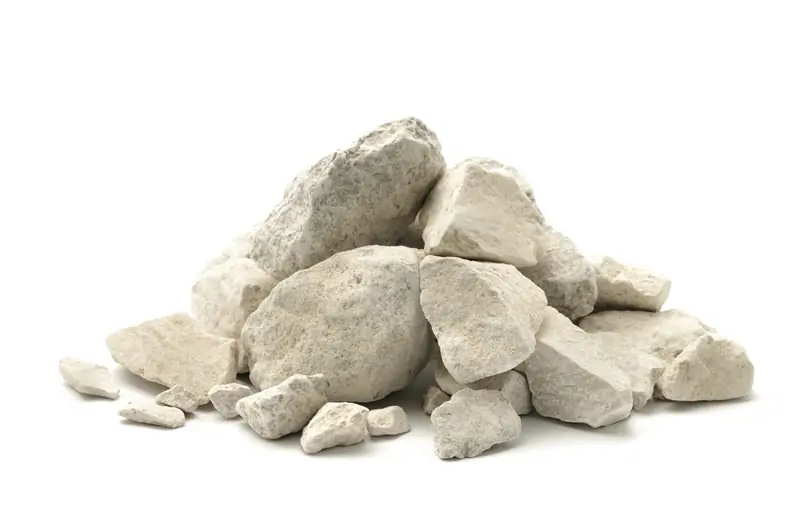 Kalkstein
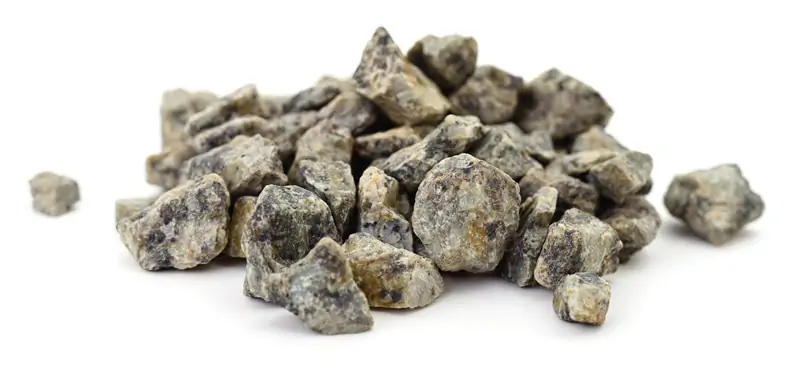 Granit-Zuschlagstoff
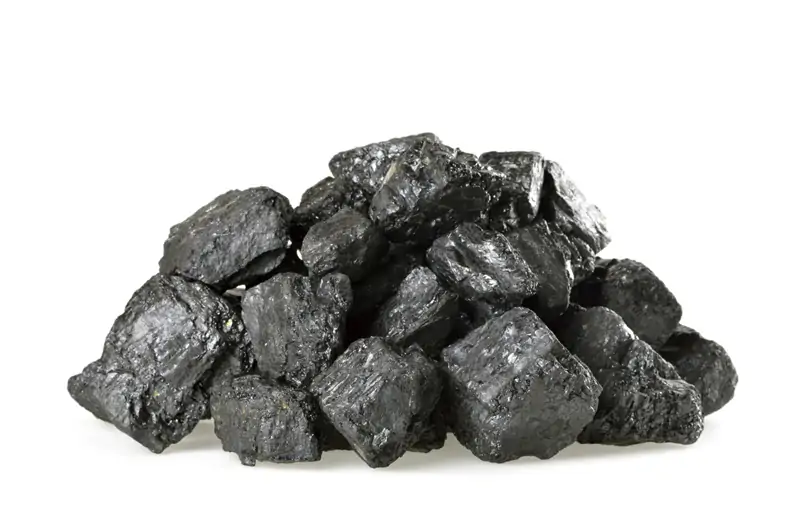 Kohle
Kohle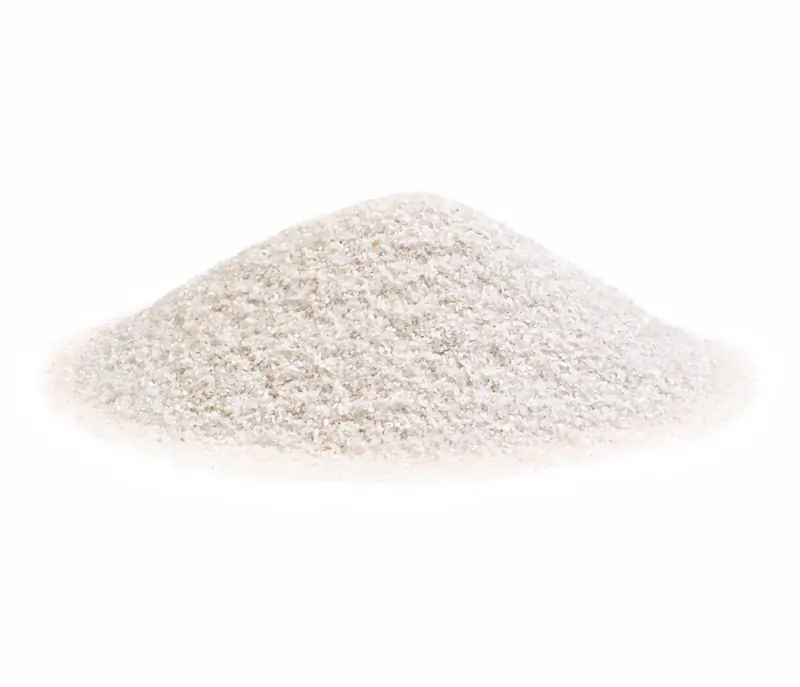 Quarzsand
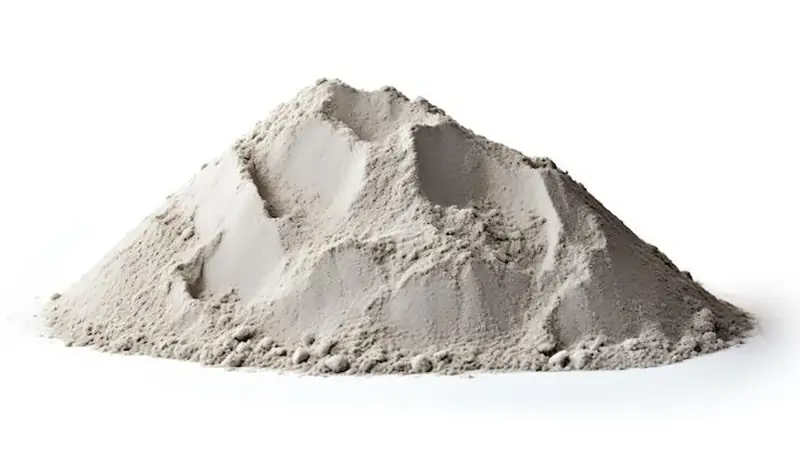 Zementpulver
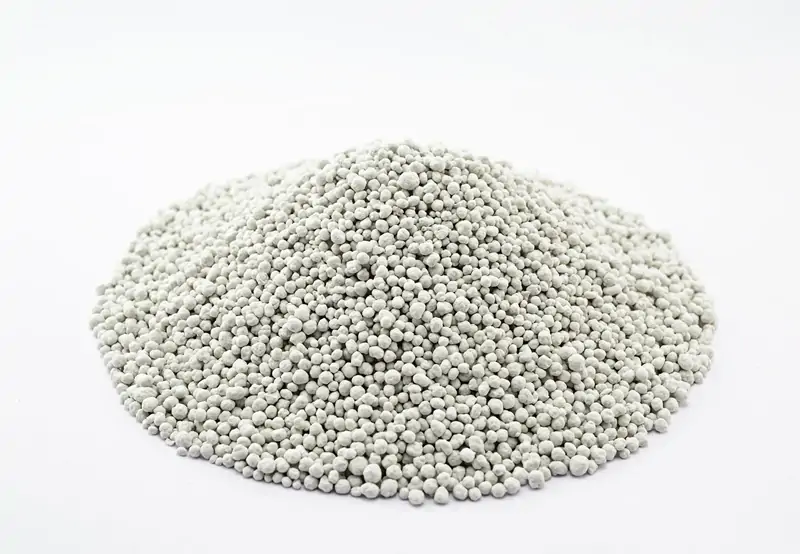 Düngemittelgranulat
 Kunststoffpellets
Häufige Materialien
| Material | Häufige Branchen | Anwendungseigenschaften |
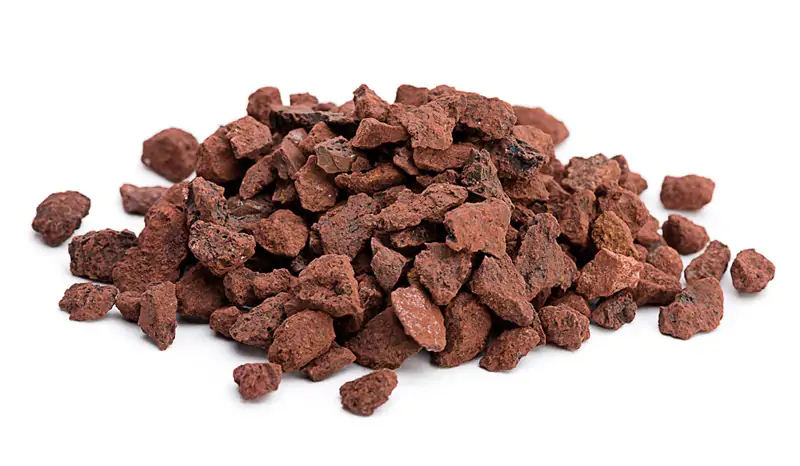
| Eisenerz, Kalkstein | Bergbau, Zuschlagstoffproduktion | Schwere Materialien mit starker Schlagwirkung erfordern ausreichende Trogfestigkeit und Tragfähigkeit |
| Granit-Zuschlagstoff | Baustoffe, Zuschlagstoffverarbeitung | Große Partikelgröße erfordert gute Durchgangskapazität und Verschleißfestigkeit |
| Kohle, Koks | Kohleverarbeitung, Energieindustrie | Geeignet für kontinuierliche Materialzufuhr und Aufrechterhaltung eines stabilen Betriebs nachgelagerter Anlagen |
| Quarzsand, Sand | Glas, Baustoffe | Erfordert eine ordnungsgemäße Materialflussanpassung zur Reduzierung von Zufuhrschwankungen |
| Zementpulver, Mineralpulver | Zement, Pulververarbeitung | Konzentriert sich auf die Materialfließfähigkeit und die Verhinderung von Ansammlungen im Inneren des Zuführers |
| Düngemittelgranulat, Kunststoffpellets | Chemische Industrie, Leichtindustrie | Geeignet für automatisierte Produktionslinien mit kontrollierbarem Materialhandling |
Ungeeignete Bedingungen
Ein Vibrationszuführförderer stützt sich hauptsächlich auf Vibrationskraft, um Materialien zu bewegen, was ihn besser für die kontinuierliche Zuführung aus Trichtern und dem vorderen Ende von Produktionslinien geeignet macht. Wenn die Materialeigenschaften oder Betriebsbedingungen nicht mit dem Gerätedesign übereinstimmen, kann die Zuführleistung beeinträchtigt werden.
- Materialien mit hohem Feuchtigkeitsgehalt oder starker Haftung, wie z. B. klebrige schlammartige Materialien, können nach der Vibration immer noch Materialansammlungen und schlechten Fluss verursachen.
- Ultrafeine Pulver mit schlechter Fließfähigkeit können zusätzliche Anti-Blockier- oder Staubkontrollkonstruktionen erfordern.
- Anwendungen, die eine präzisere Zuführregelung, Dosierung oder Wägung erfordern, sind möglicherweise besser für einen Elektromagnetischer Vibrationsaufgeber.
- Langstrecken-Materialtransport ist nicht die Hauptanwendung eines Vibrationszuführförderers. Für längere Förderstrecken sind andere Förderanlagen möglicherweise besser geeignet sein.
Die Hauptrolle eines Vibrationszuführförderers besteht darin, den Materialfluss aus dem frontseitigen Lagersystem in den nächsten Prozess zu steuern, anstatt Langstreckenfördergeräte zu ersetzen. Bei der Auswahl sind Materialeigenschaften, erforderliche Kapazität und Installationsbedingungen wichtiger als die einfache Wahl eines Modells.
Technische Parameter
Die Auswahl eines Vibrationszuführförderers hängt hauptsächlich von der Zuführkapazität, der maximalen Materialgröße und den Installationsbedingungen ab. Für Materialien mit hoher Aufprallwirkung wie Erz und Zuschlagstoffe sollten auch Faktoren wie Trogfestigkeit, Verschleißfestigkeit und Vibrationsparameter-Abstimmung berücksichtigt werden.
Die folgenden Parameter dienen nur als Referenz. Die endgültige Konfiguration sollte entsprechend den Materialeigenschaften und den tatsächlichen Betriebsbedingungen bestätigt werden.
| Kapazität (t/h) | Zuführertrog-Größe B×L×H (mm) | Max. Partikelgröße (mm) | Vibrationsmotor-Modell | Leistung (kW) | Vibrationsfrequenz (mal/min) |
| 30-415 | 300×700×160 | 100 | JRYZU3-4 | 0.18×2 | 1450 |
| 40-430 | 400×1000×160 | 100 | JRYZU5-4 | 0.25×2 | 1450 |
| 50-450 | 500×1000×160 | 100 | JRYZU5-4 | 0.37×2 | 1450 |
| 60-480 | 600×1250×180 | 150 | JRYZU8-4 | 0.37×2 | 1450 |
| 70-4100 | 700×1250×200 | 180 | JRYZU8-4 | 0.37×2 | 1450 |
| 80-4200 | 800×1500×250 | 200 | JRYZU10-4 | 0.55×2 | 1450 |
| 90-4300 | 900×1500×250 | 200 | JRYZU10-4 | 0.55×2 | 1450 |
| 100-4400 | 1100×1500×300 | — | JRYZU15-4 | 0.75×2 | 1450 |
| 70-680 | 700×1250×200 | 150 | JRYZU8-6 | 0.55×2 | 960 |
| 80-6160 | 800×1500×250 | 180 | JRYZU10-6 | 0.75×2 | 960 |
| 90-6240 | 900×1500×250 | 240 | JRYZU10-6 | 0.75×2 | 960 |
| 100-6320 | 1000×1500×300 | — | JRYZU15-6 | 1.1×2 | 960 |
| 120-6400 | 1200×2000×400 | 320 | JRYZU20-6 | 1.5×2 | 960 |
Auswahlhilfe
Bei der Auswahl eines Vibrationszuführförderers sollte die Kapazität nicht der einzige berücksichtigte Faktor sein. Für die Zuführung großer Gesteinsbrocken sind die Materialgröße, die Aufprallkraft und die Trogfestigkeit wichtige Faktoren. Für pulver- oder granulatförmige Materialien sollten die Materialfließfähigkeit und die Zuführkonsistenz mehr Beachtung finden.
Wenn das Gerät unter einem Trichter installiert wird, sollten auch Faktoren wie Trichterdruck, Austragshöhe, Installationsraum und Verbindung mit nachgeschalteten Geräten bestätigt werden. Durch die Bereitstellung von Materialinformationen, erforderlicher Kapazität und Installationsbedingungen kann unser Engineering-Team eine geeignetere Konfiguration empfehlen.
Vibrationszuführförderer vs. Schneckenförderer
Sowohl Vibrationszuführförderer als auch Schneckenförderer können für den Transport von Schüttgut verwendet werden, aber sie lösen unterschiedliche Materialhandlingprobleme. Ein Vibrationszuführförderer wird hauptsächlich an Trichterauslässen oder vor Brechern und Sieben installiert, um den Materialfluss zu steuern, während ein Schneckenförderer häufiger für den Transport von pulver- und granulatförmigen Materialien zwischen verschiedenen Prozessen verwendet wird.
| Vergleich | Vibrationsförderer | Schneckenförderer |
| Funktionsprinzip | Verwendet Vibrationsmotoren, um Erregungskraft zu erzeugen und Materialien entlang des Zuführertrogs zu bewegen | Verwendet rotierende Schneckenblätter, um Materialien vorwärts zu schieben |
| Hauptfunktion | Steuert den Materialaustrag aus Trichtern und bietet eine stabile Materialzufuhr für nachgeschaltete Geräte | Transportiert Materialien zwischen verschiedenen Produktionsprozessen |
| Geeignete Materialien | Erz, Zuschlagstoffe, Kohle, Schüttgüter und größere Partikel | Pulver, granulatförmige Materialien und Materialien mit guter Fließfähigkeit |
| Materialgröße | Handhabt größere Partikel und widersteht bestimmten Aufpralllasten | Besser geeignet für feine Partikel und pulverförmige Materialien |
| Gerätevorteile | Kontinuierliche Zuführung, einfache Struktur und starke Aufprallbeständigkeit | Flexible Installation mit horizontalen oder geneigten Förderoptionen |
| Häufige Installation | Trichterauslässe, Brecher und Zuführpunkte von Siebanlagen | Zwischen Produktionsanlagen, Verpackungssystemen und Dosiersystemen |
| Wartungsschwerpunkt | Vibrationsmotoren, Federn und Befestigungselemente regelmäßig prüfen | Schneckenblätter, Lager und Antriebskomponenten prüfen |
Für Produktionslinien, bei denen Materialien wie Erz und Zuschlagstoffe aus Bunkern in Brecher oder Siebe überführt werden müssen, insbesondere bei der Handhabung großer und stoßanfälliger Materialien, ist ein Vibrationsaufgabe-Förderer in der Regel die bessere Wahl.
Für pulverförmige Materialien wie Zementpulver, Mineralpulver oder chemische Materialien, die eine geschlossene Förderung, Staubkontrolle oder einen längeren Transportweg erfordern, kann ein Schneckenförderer besser geeignet sein.
Vor der Auswahl wird Kunden empfohlen, Materialtyp, Kapazitätsanforderungen und Einbauabmessungen anzugeben. Unser Engineering-Team bewertet die Betriebsbedingungen und wählt die geeignete Aufgabestruktur aus, um eine unsachgemäße Geräteauswahl zu vermeiden.
Individuelle Konstruktion
Die Struktur und die Parameter eines Vibrationsaufgabe-Förderers müssen entsprechend den tatsächlichen Betriebsbedingungen festgelegt werden. Dasselbe Gerätemodell kann bei unterschiedlichen Materialien und Produktionslinien unterschiedliche Leistungsergebnisse erzielen. Jiarui konzentriert sich auf die Optimierung der Rinnenabmessungen, Vibrationsparameter und Ein-/Auslassanschlusskonstruktionen, um Probleme wie ungleichmäßige Austragung, Materialaufprall und Anforderungen an die Geräteanbindung zu lösen.
Für kontinuierliche Aufgabeanforderungen in den Bereichen Bergbau, Baustoffe, Chemie, Kohle und anderen Industrien kann Jiarui Vibrationsaufgabe-Fördergeräte und zugehörige Produktionslinienlösungen bereitstellen, einschließlich Brecheraufgabesystemen, Sieblinien, Mineralaufbereitungssystemen und Pulverhandhabungssystemen. Kunden müssen lediglich grundlegende Anwendungsinformationen bereitstellen, und unser Engineering-Team kann die geeignete Gerätekonfiguration bewerten.
Zur Bestätigung einer geeigneten Vibrationsaufgabe-Fördererkonfiguration wird Kunden empfohlen, die folgenden Informationen bereitzustellen:
- Materialinformationen: Materialname, Partikelgrößenbereich, maximale Stückgröße, Feuchtigkeitsgehalt und ob das Material klebrig ist.
- Produktionsanforderungen: Erforderliche Kapazität (t/h), kontinuierliche Betriebszeit und Aufgabeanforderungen.
- Installationsbedingungen: Installationsraum, Bunkerabmessungen, Ein-/Auslassanordnung und nachgeschaltete Geräte.
Für spezielle Anwendungen können Kunden auch Standortfotos, Gerätelayoutzeichnungen oder Produktionslinienanforderungen bereitstellen. Diese Details helfen, die geeigneten Gerätespezifikationen zu bestätigen und überdimensionierte Geräte oder unzureichende Kapazität zu vermeiden.
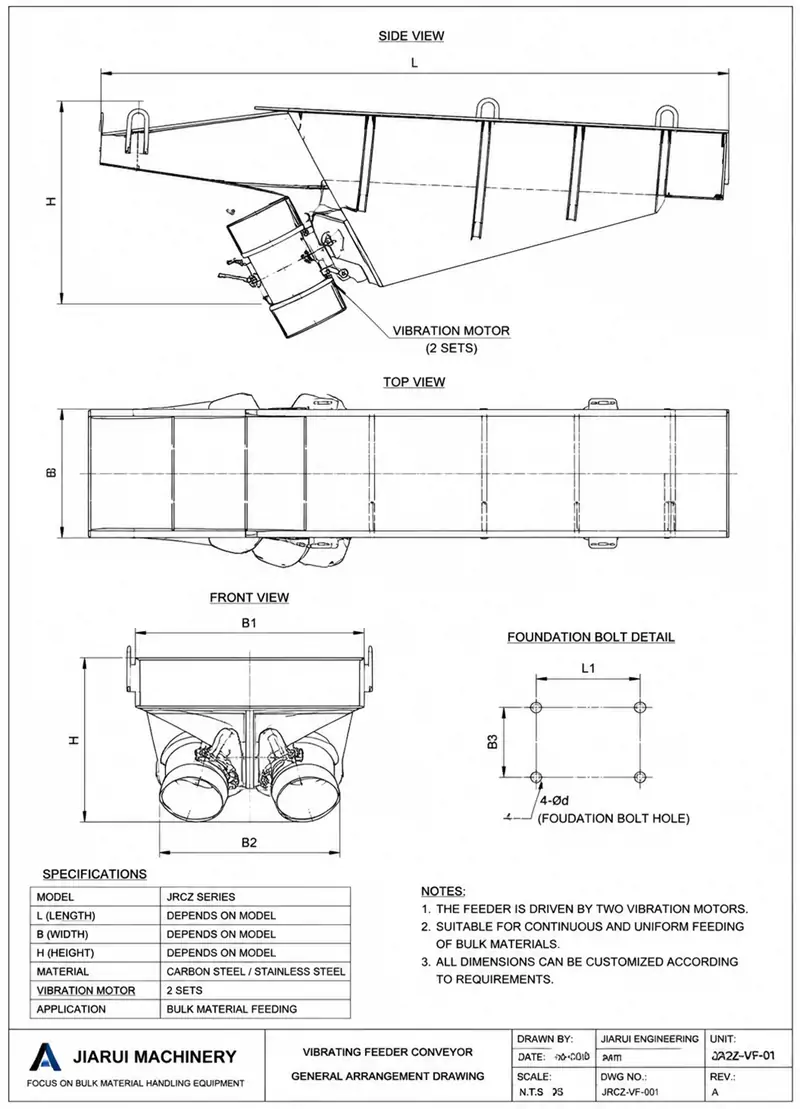
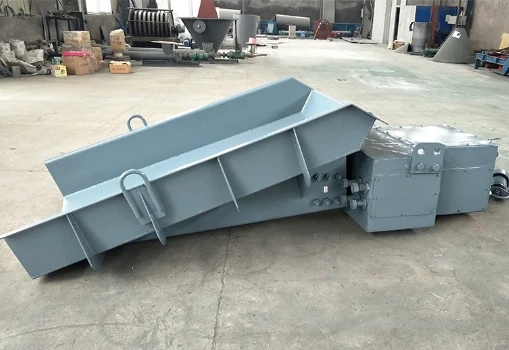
Jiarui Manufacturing
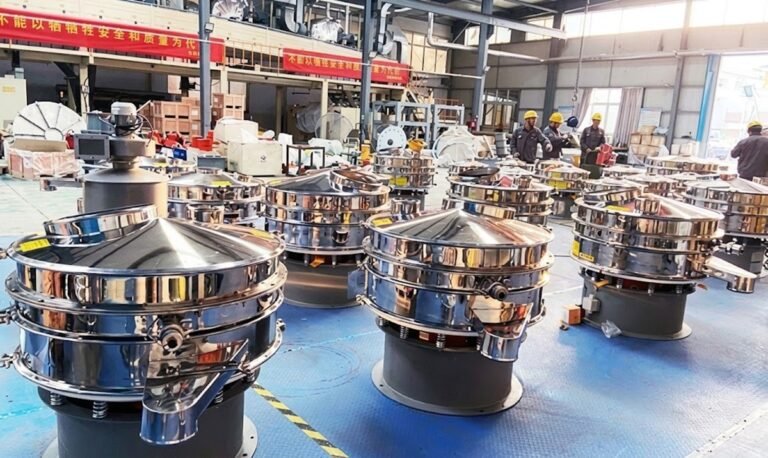
Die langfristige Leistung eines Vibrationsaufgabe-Förderers hängt nicht nur von der Vibrationskraft ab, sondern auch von der Abstimmung von Fördererstruktur, Vibrationssystem und Materialbedingungen. Jiarui konstruiert die Geräte entsprechend Materialgröße, Aufprallfestigkeit, Verarbeitungskapazität und Installationsbedingungen, um sicherzustellen, dass die Fördererstruktur den tatsächlichen Betriebsanforderungen entspricht.
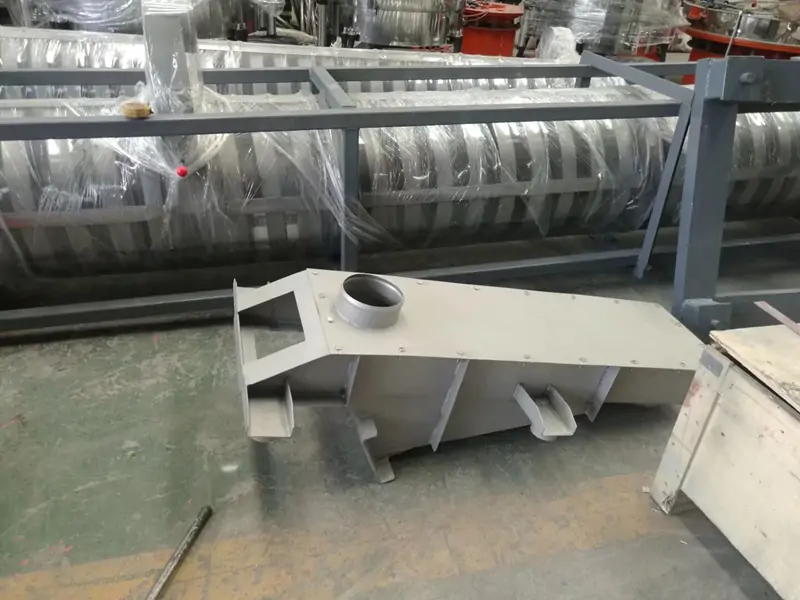
Vom Stahlblechzuschnitt über die Schweißmontage, die Installation der Vibrationsmotoren, die Federabstimmung bis hin zur Endinbetriebnahme kontrolliert Jiarui die wichtigsten Fertigungsprozesse und führt nach der Montage Betriebsprüfungen auf Basis strukturierter Qualitätsmanagementpraktiken durch.
Fertigungsschwerpunkt
- Rinnenstruktur: Passen Sie das Fördererrinnendesign an Materialaufprall- und Verschleißbedingungen an, um die Tragfähigkeit und Lebensdauer zu verbessern.
- Vibrationssystem: Wählen Sie geeignete Vibrationsmotoren, Vibrationsamplitude und Federparameter entsprechend den Kapazitätsanforderungen und Materialeigenschaften ab, um eine ordnungsgemäße Materialbewegung aufrechtzuerhalten.
- Qualitätsprüfung: Prüfen Sie Schweißqualität, Vibrationsleistung und den Gesamtbetrieb des Geräts, um anormale Vibrationen und potenzielle Betriebsprobleme nach der Installation zu reduzieren.
- Anschlusskonstruktion: Passen Sie Ein-/Auslassanschlüsse, Stützstrukturen und Installationsmethoden entsprechend dem Standortlayout an, um die Integration mit Brechern, Siebmaschinen und anderen Geräten zu erleichtern.
Häufig gestellte Fragen
Kostenlose Beratung erhalten
Füllen Sie das untenstehende Formular aus, um sich mit unseren Experten zu verbinden und personalisierte Empfehlungen für Ihre Anwendung zu erhalten.