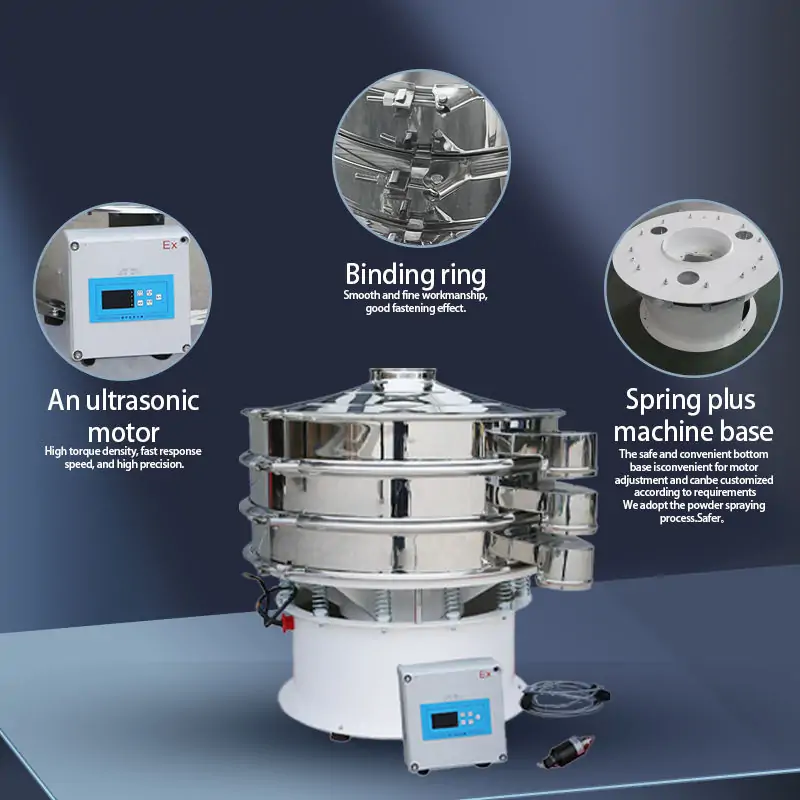
Ultrasonic Vibrating Screen
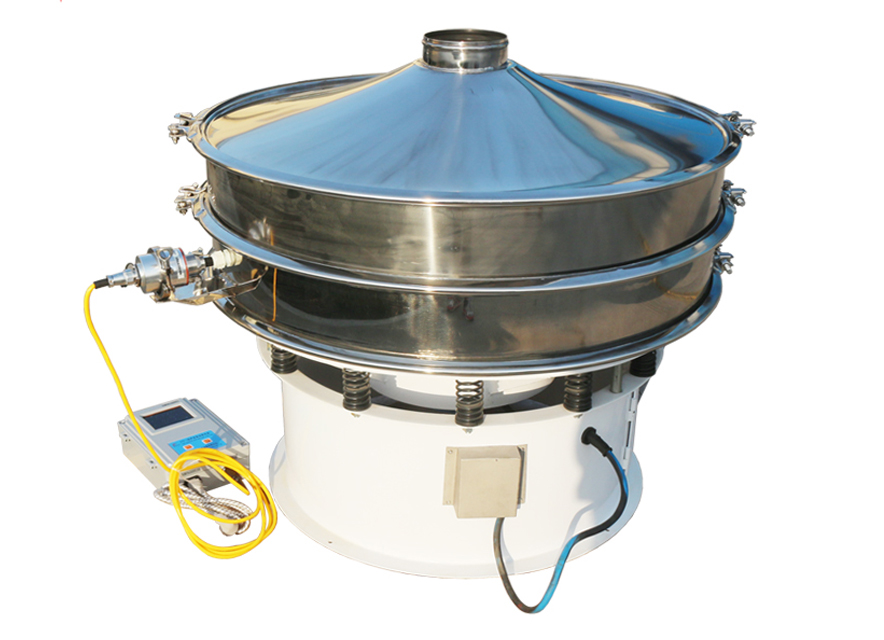
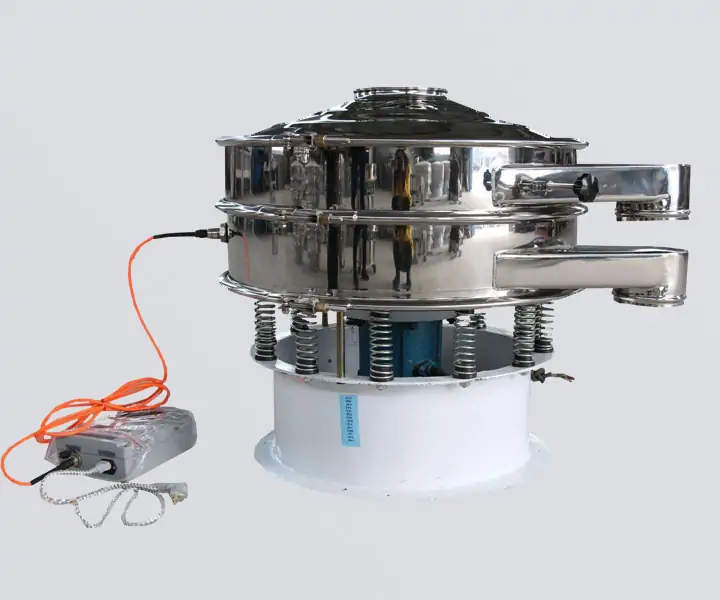
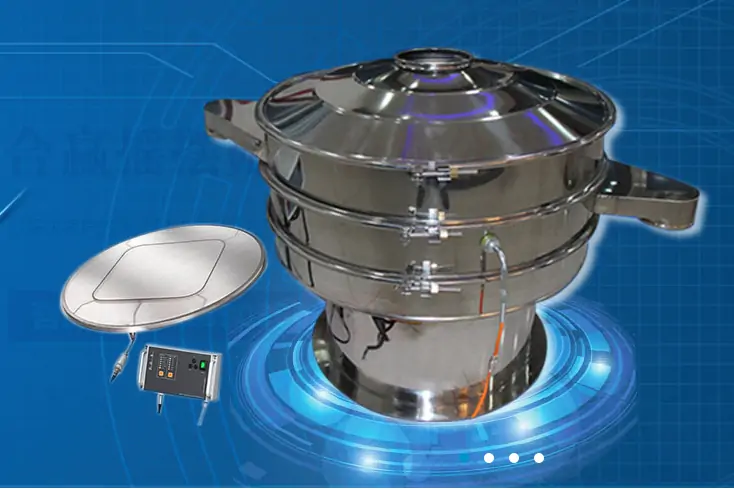
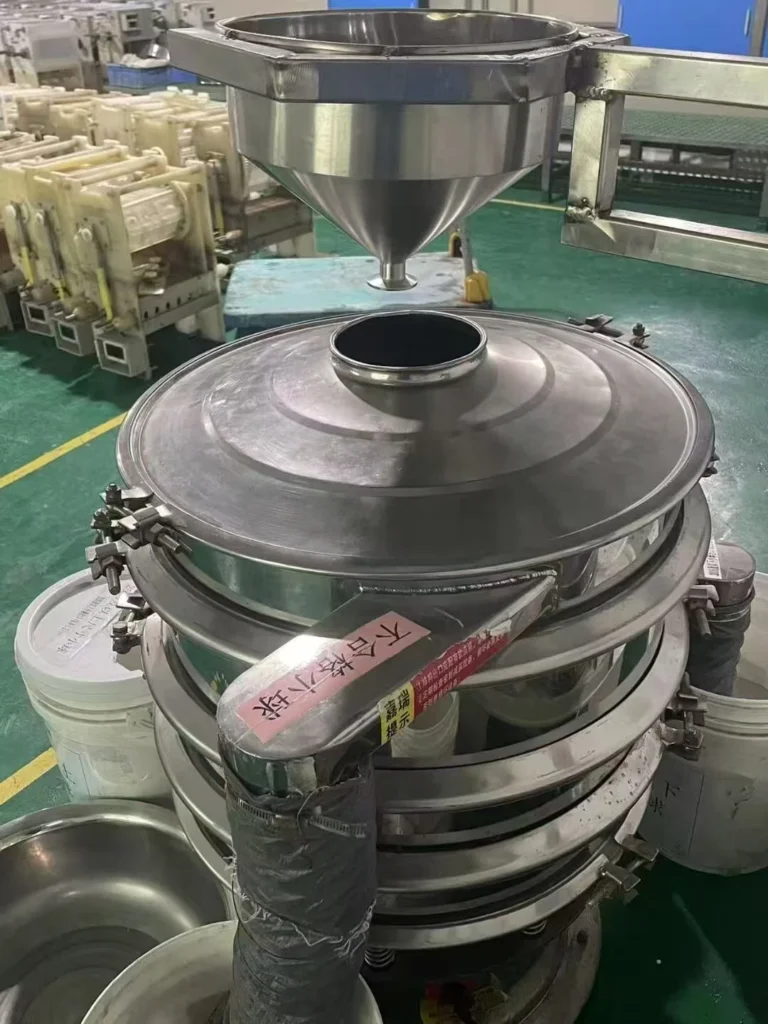
This Ultrasonic Vibrating Screen is an advanced screening device that builds upon traditional vibrating screens by incorporating a high-frequency ultrasonic vibration system. By converting electrical energy into 38 kHz high-frequency mechanical waves and applying them to the screen mesh, it completely resolves the issues of screen clogging and low efficiency encountered during the screening of high-precision, ultra-fine powders.
Product Description
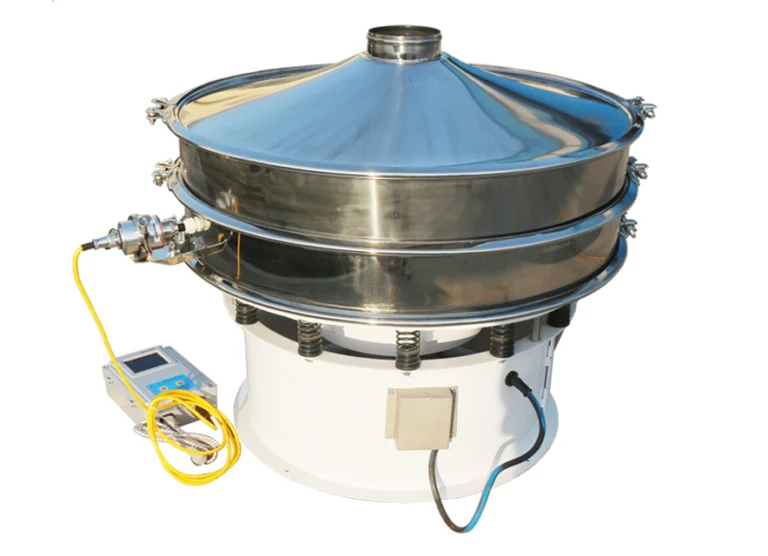
The Ultrasonic Vibrating Screen converts 220V, 50Hz or 110V, 60Hz electrical power into high-frequency 38kHz electrical energy, which is fed into an ultrasonic transducer to achieve efficient screening and mesh cleaning, making the screening of ultra-fine powders a breeze. Building upon traditional vibrating screens, this system introduces a low-amplitude, high-frequency ultrasonic vibration wave (mechanical wave) to the screen mesh to improve the screening performance of ultra-fine particles. It is particularly suitable for users requiring high-value-added fine classification.
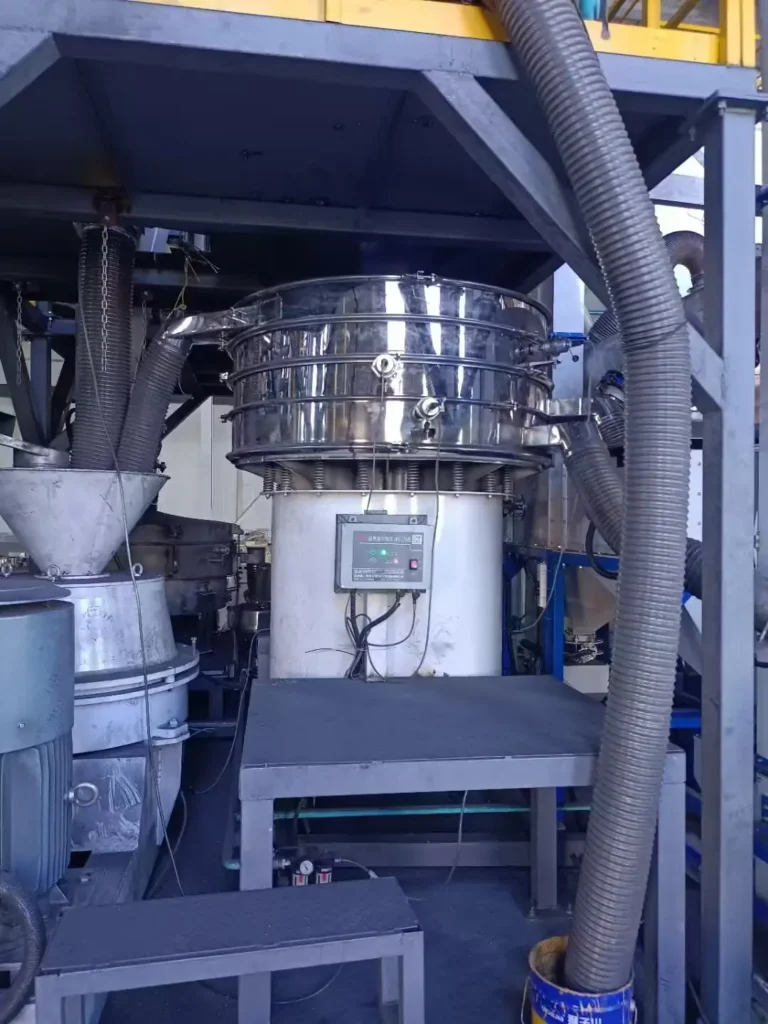
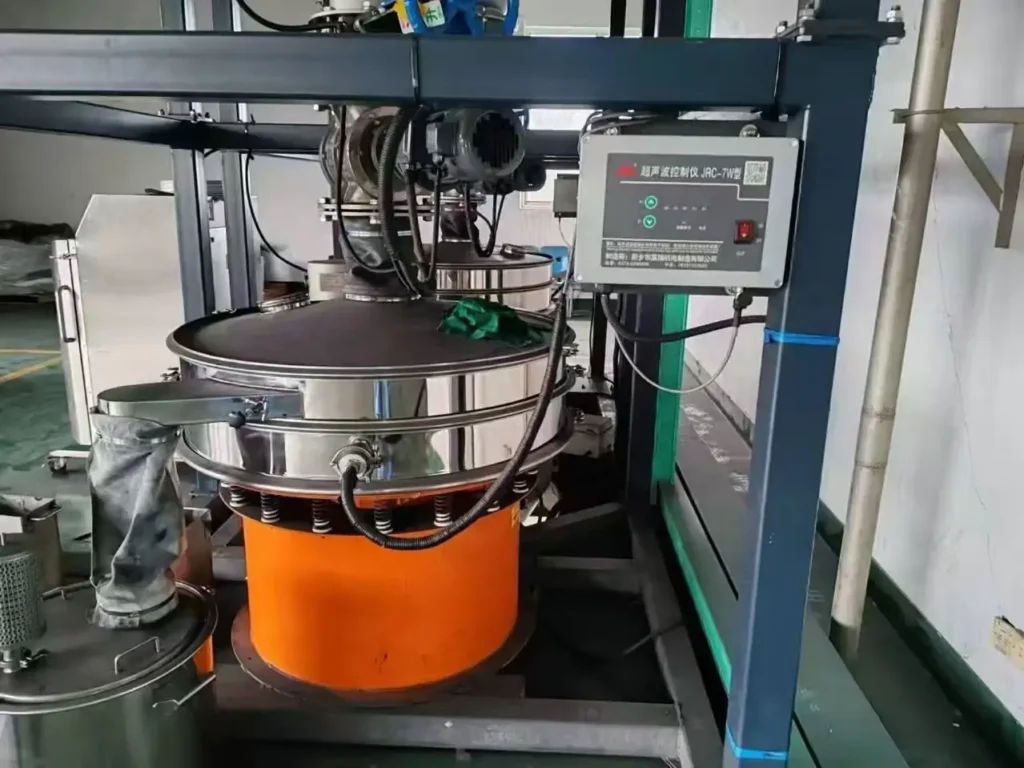
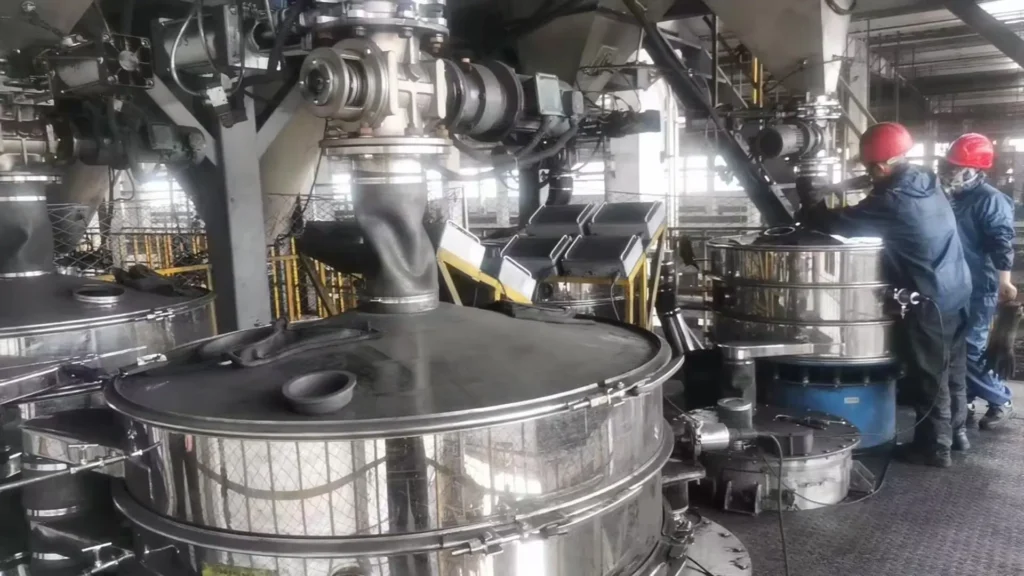
Core Components & Technical Specifications of Ultrasonic Vibrating Screen
Designed for ultra-fine powder screening, this ultrasonic vibrating screen integrates advanced ultrasonic technology with high-efficiency screening performance. It is widely used in industries such as chemical processing, lithium battery materials, food powders, and pharmaceuticals.
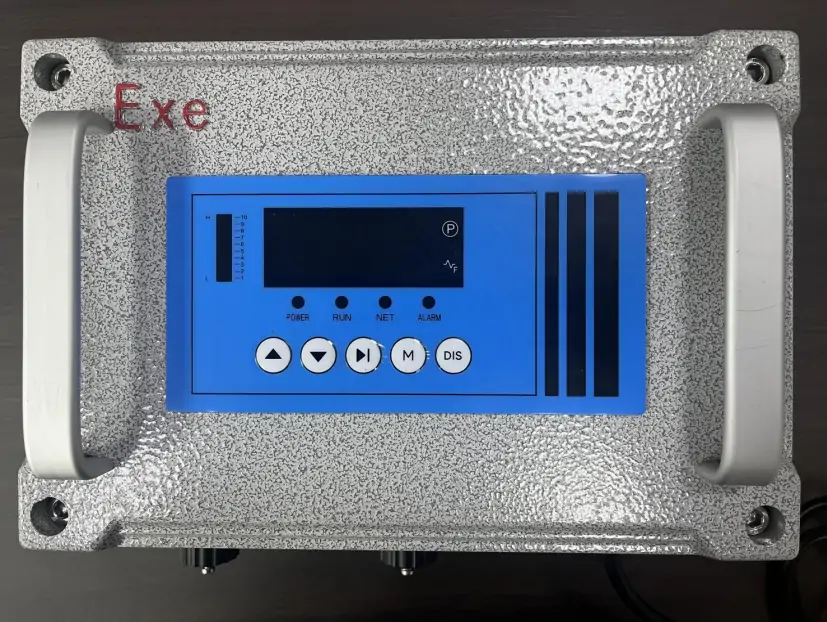
Ultrasonic Power Supply
- Converts 220V / 50Hz or 110V / 60Hz into 38 kHz high-frequency electrical energy
- Fully enclosed circuit design for stable and long-term operation
- Supports digital control, enabling continuous and intermittent working modes
- Power range: 18 kW – 40 kW
- Adaptive frequency adjustment based on material density and viscosity
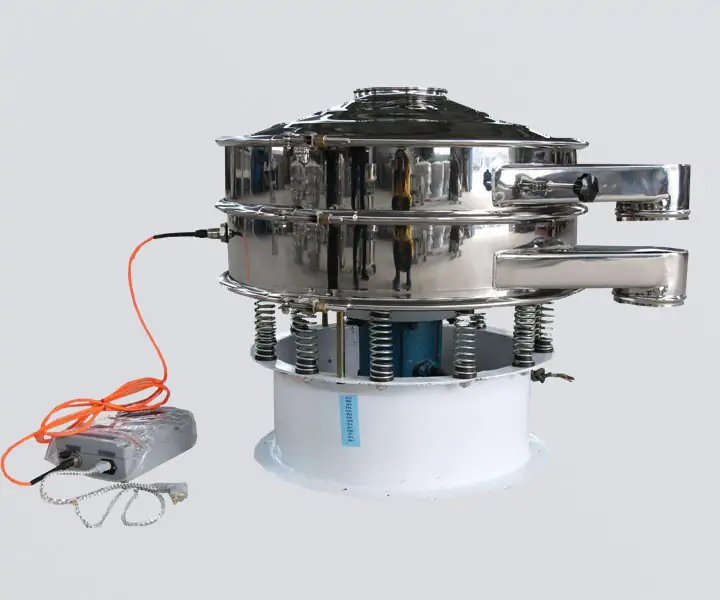
Ultrasonic Transducer
- Converts electrical energy into high-frequency mechanical vibration waves
- Ensures uniform ultrasonic distribution across the screen surface
- Supports 12–24 hours of continuous operation under heavy-duty conditions
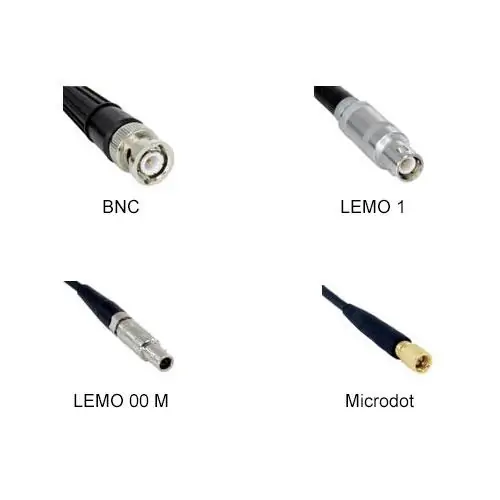
- Equipped with sealed aviation connectors, no cooling system required
Ultrasonic Screen Cloth
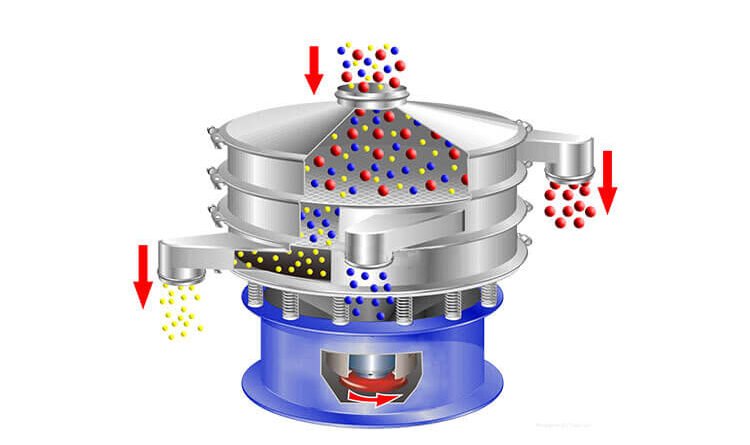
- Combines 3D vibration motion + ultrasonic vibration, improving screening precision
- Ideal for ultra-fine powders (> 500 mesh)
- Self-cleaning function eliminates mesh blockage
- Screening fineness up to 635 mesh (18 microns)
- Maintains stable throughput without efficiency loss
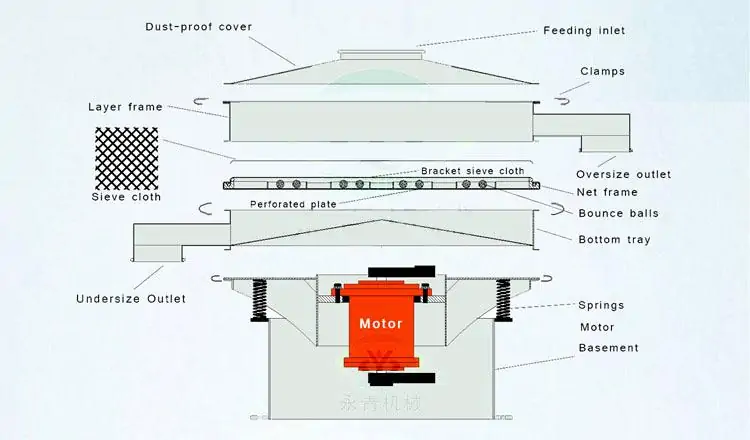
Sieve Body Structure
- Diameter options: Φ400 mm – Φ2000 mm
- Effective screening area: 0.09 m² – 1.5 m²
- Modular design for easy maintenance and component replacement
- Optional PTFE (Teflon) coating for:
- Anti-sticking materials
- Corrosive environments
- High-purity processing industries
Technical Specifications Overview Table
| Parameter | Specification |
|---|---|
| Voltage | 110V / 220V |
| Frequency | 38 kHz |
| Power Range | 18 kW – 40 kW |
| Screening Fineness | Up to 635 mesh (18 μm) |
| Machine Diameter | Φ400 – Φ2000 mm |
| Screening Area | 0.09 – 1.5 m² |
| Operation Mode | Continuous / Intermittent |
| Application Materials | Fine powder, slurry, sticky materials |
Jiarui Ultrasonic Vibrating Screen
High-efficiency Ultrasonic Vibrating Screens: A specialized solution for superfine powder
Designed specifically for difficult-to-screen fine materials, it offers high-precision grading and non-clogging operation to boost production quality and output.
Extremely efficient and durable
Converts electrical energy into 38 kHz vibrations, improving screening efficiency by 50%–400% and enabling 12–24 hours continuous operation without cooling.
Ultra-fast screen change
Quick screen replacement design reduces downtime. Fully enclosed aviation connectors and integrated transducers ensure easy operation, safety, and low maintenance.
Precise fine powder screening
Self-cleaning screen cloth prevents clogging at 500 mesh and achieves up to 635 mesh (18 microns) with stable particle size and unchanged material properties.
Advanced problem solving
Eliminates static, agglomeration, and adsorption issues. Improves powder flow and increases output by 0.5–10 times for high-value materials like lithium battery powders.
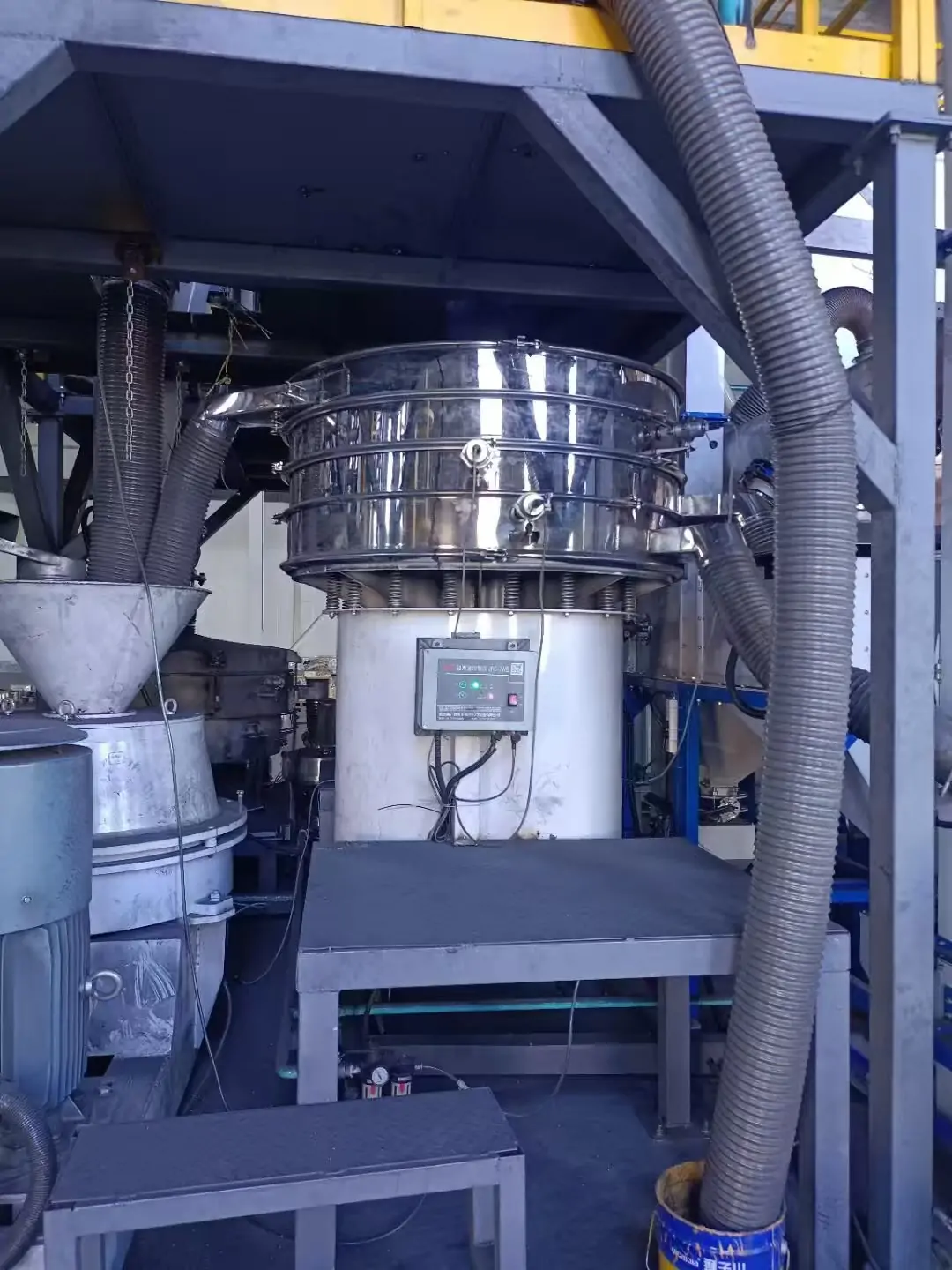
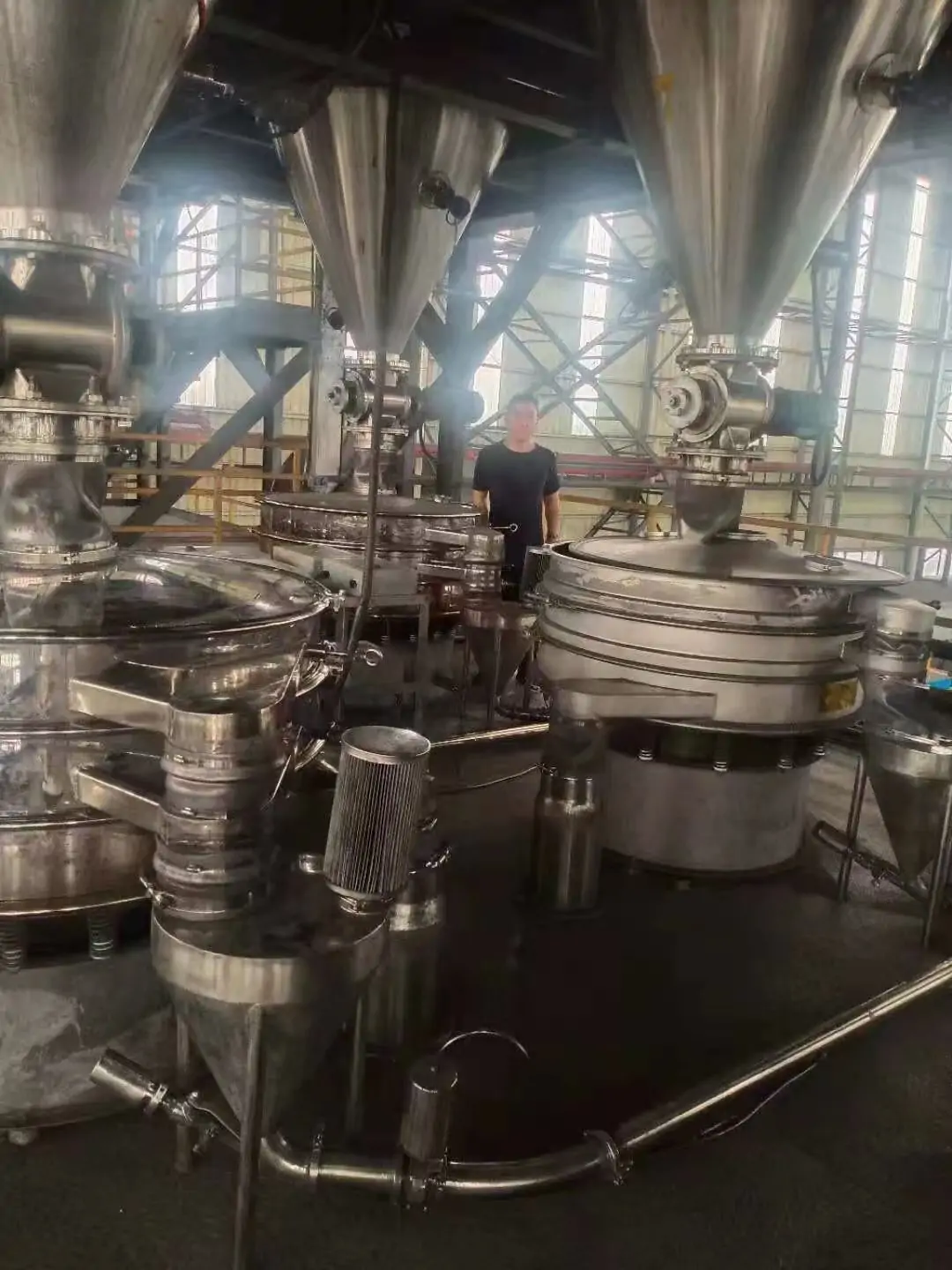
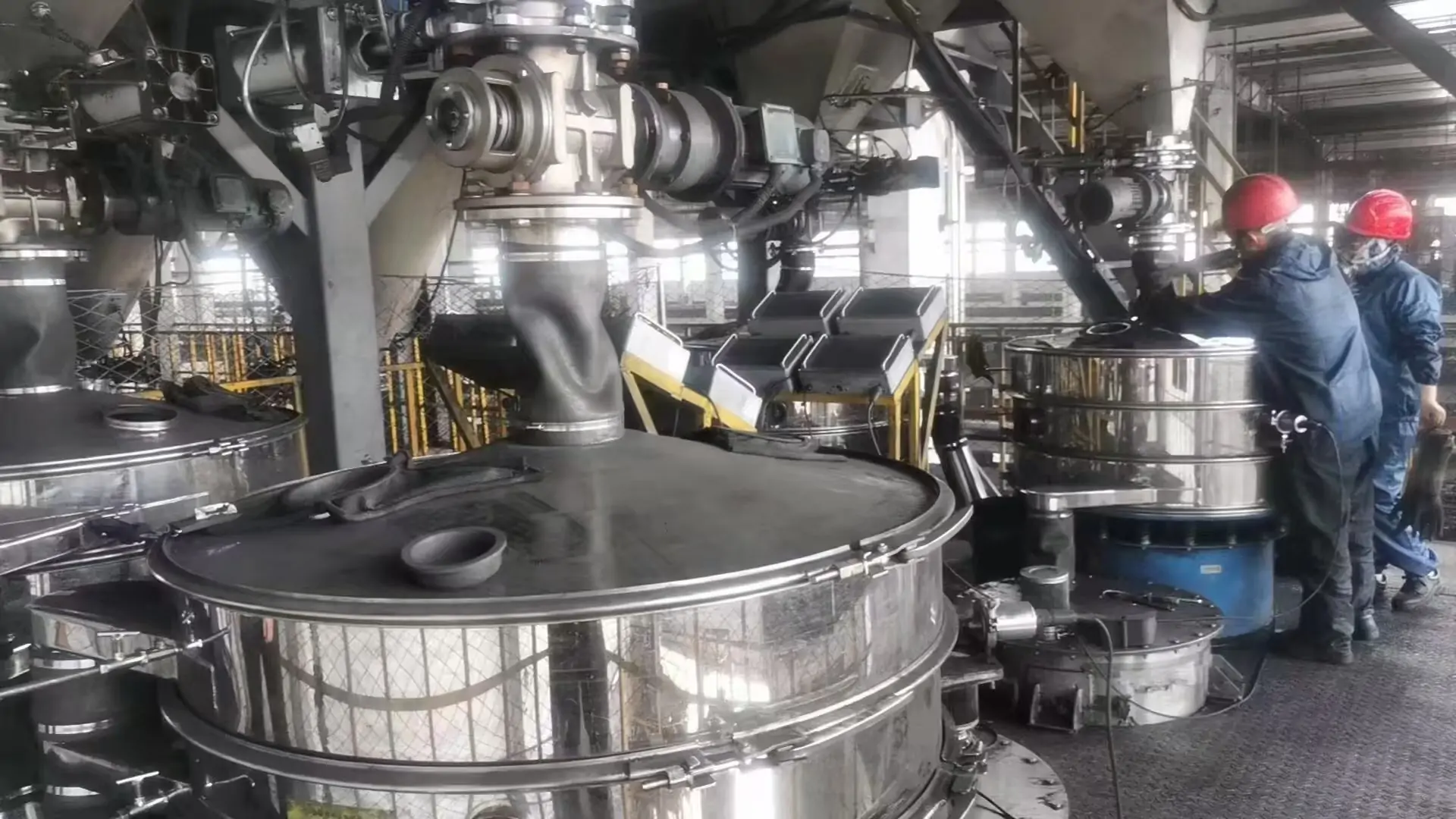
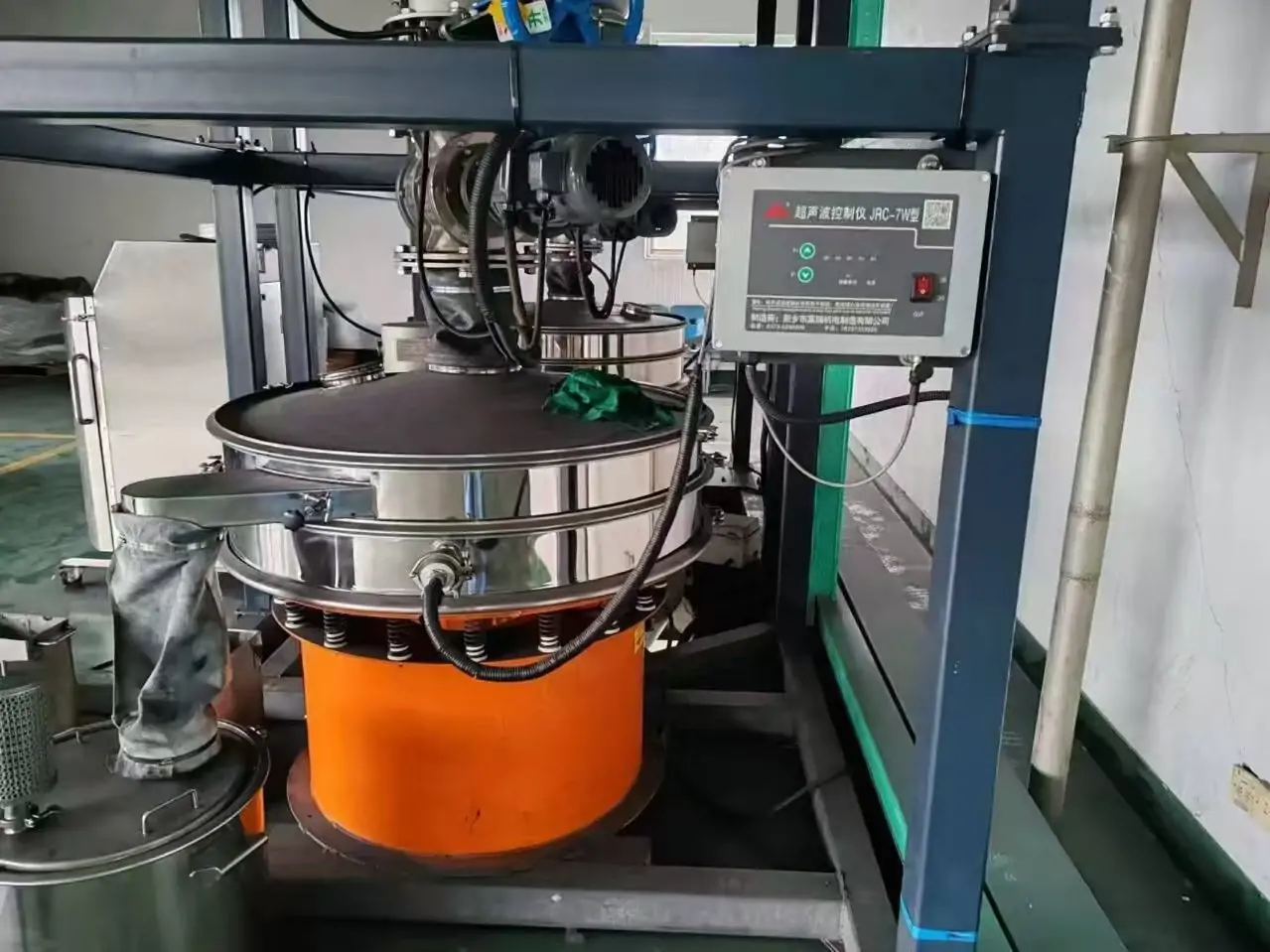
Case
Related Articles
FAQs
Get a Free Consultation
Fill out the form below to connect with our experts and receive personalized recommendations for your application.