
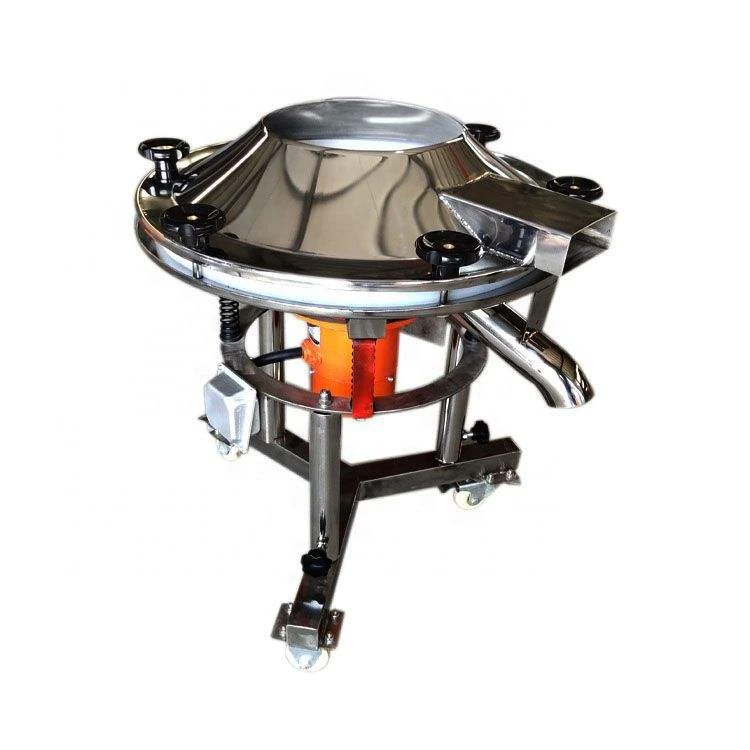
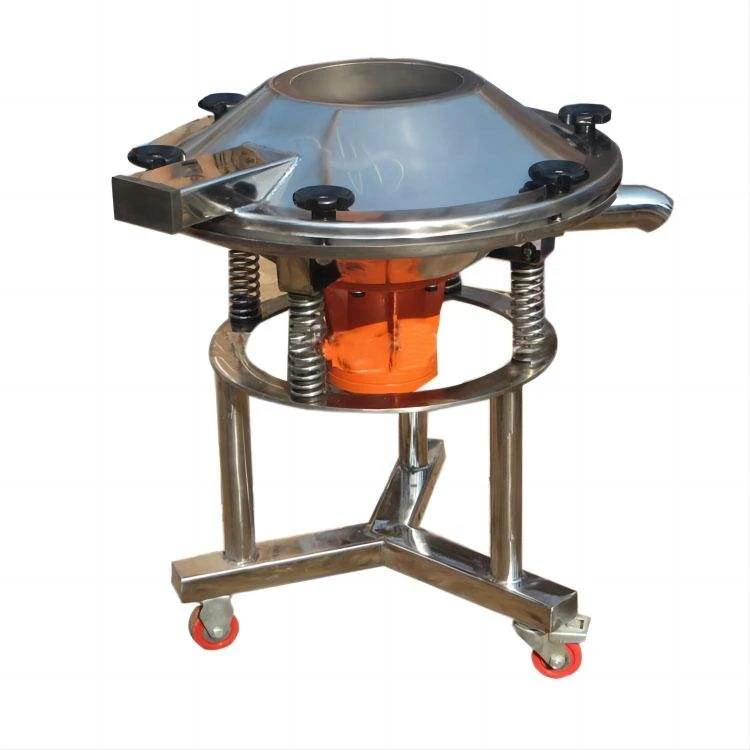
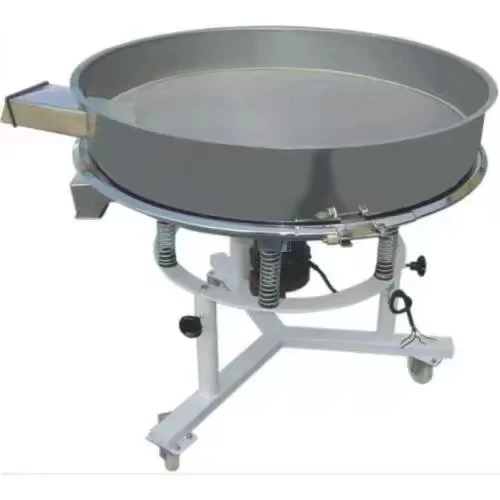
High Frequency Filter Vibrating Screen
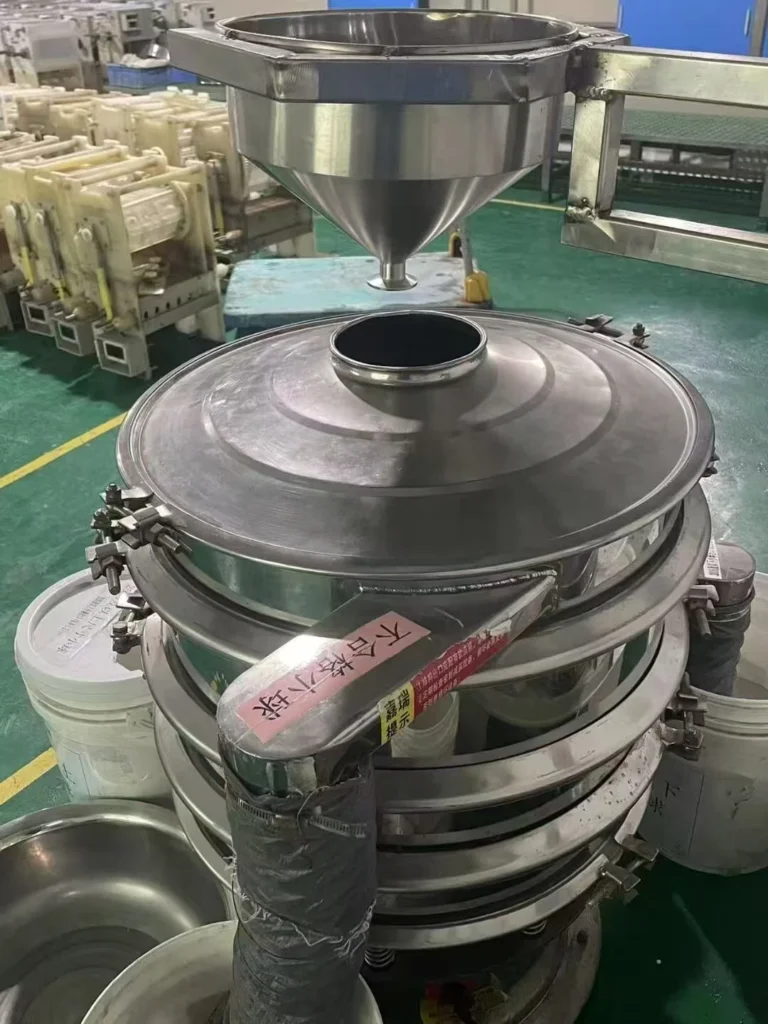
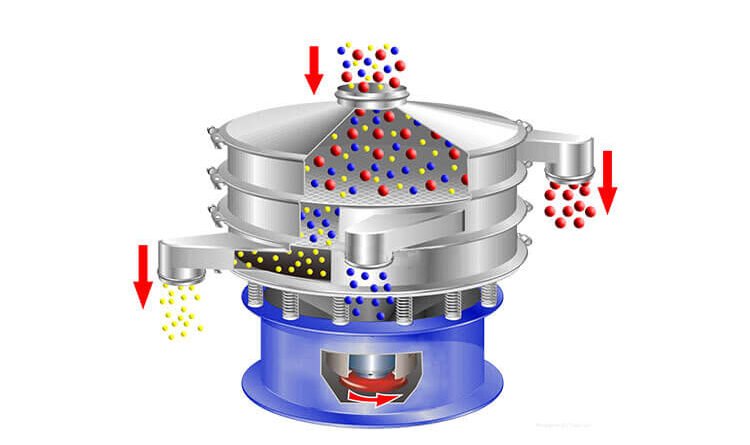
The high-frequency filter vibrating screen is a high-quality vibrating screening equipment, mainly used for screening, filtering, drying, dehumidification, and other processes of granular materials. Its working principle is to separate the materials into particles of different sizes through the vibrating screen surface, and then classify them according to the particle size.
High-frequency filter vibrating screen has the advantages of high efficiency, high precision, and low noise, and is widely used in chemical, food, pharmaceutical, building materials, metallurgy, mining, and other industries.
Introduction
The High-Frequency Filter Vibrating Screen, also known as a high-frequency filter screen, features a simple structure, compact size, high operating frequency, and low energy consumption. It can reach a frequency of up to 2,800 cycles per minute, consuming half the energy of comparable screening and filtering equipment. The parts in contact with the material can be made of standard carbon steel, 304 stainless steel, or 316L stainless steel.
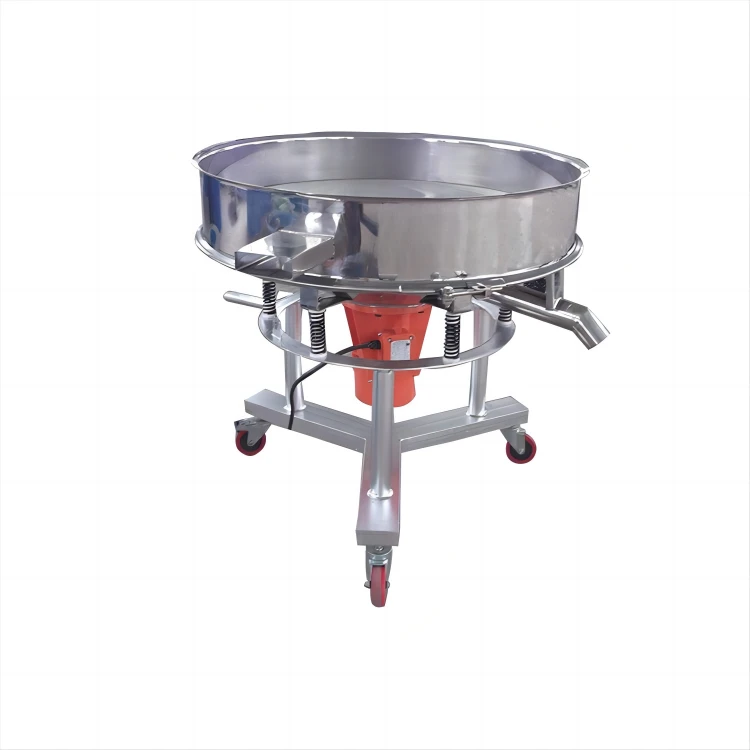
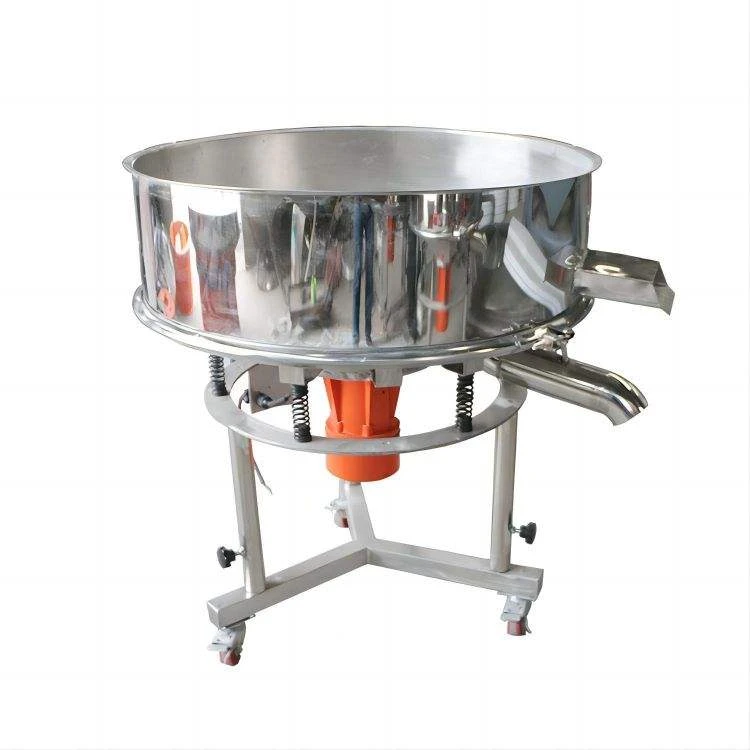
- High-frequency vibrating screens generate kinetic energy in two ways: one involves a standard motor driving an exciter, while the other uses a high-speed rotating vibrating motor to produce vibrations. Both types of power systems can effectively screen various materials.
- High-frequency vibrating screens operate at twice the rotational speed of standard vibrating screens. They feature high efficiency, low amplitude, and high screening frequency.
- The operating principle of high-frequency vibrating screens differs from that of conventional screening equipment. Because high-frequency vibrating screens utilize kinetic energy systems with high frequency, high vibration rate, and high rotational speed, they significantly improve efficiency. Conventional vibrating screens have limited material screening capabilities. For example, materials with mesh sizes exceeding 300 mesh are difficult to screen, but high-frequency vibrating screens can effectively handle them. This is the key distinction between high-frequency screens and conventional vibrating screens.
Working Principle
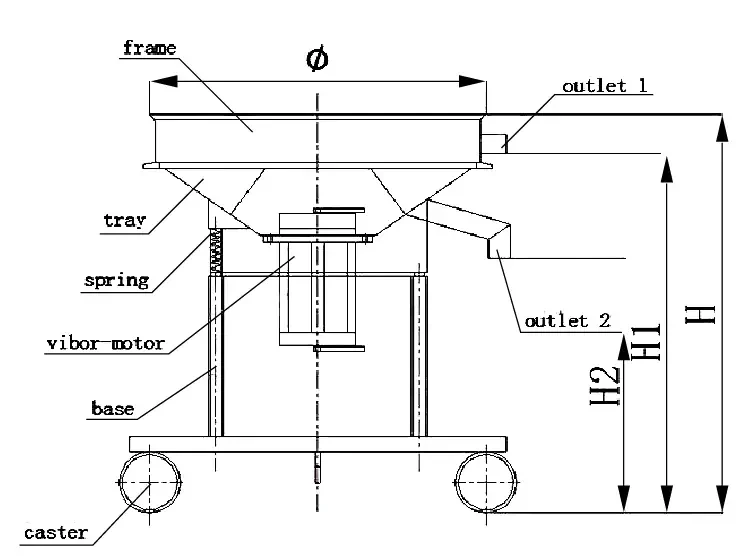
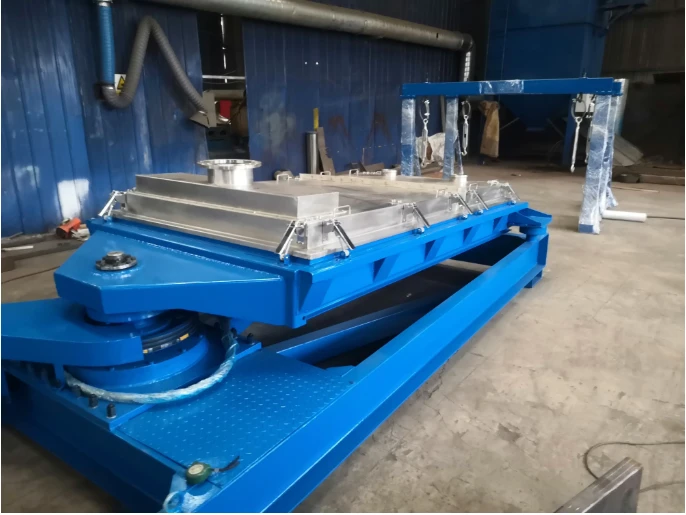
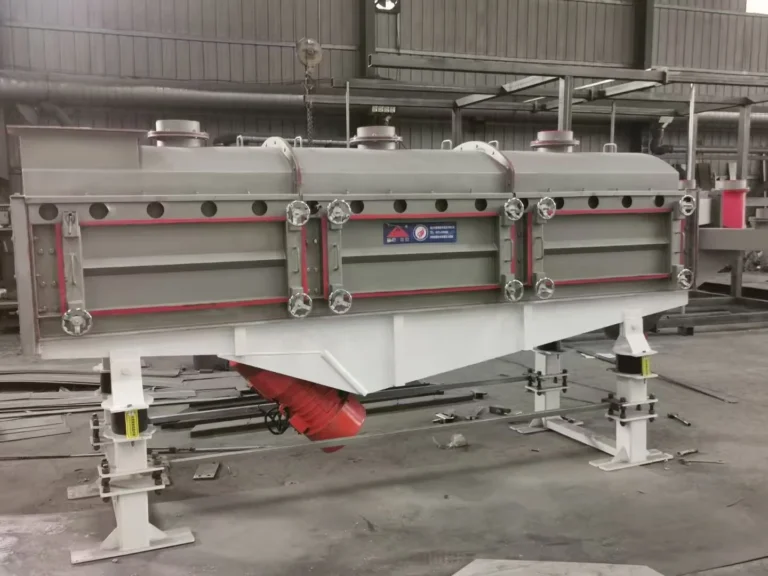
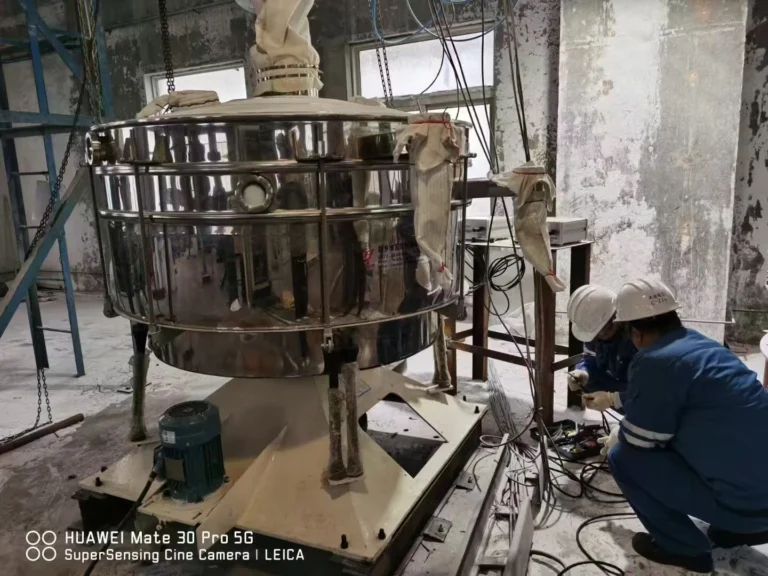
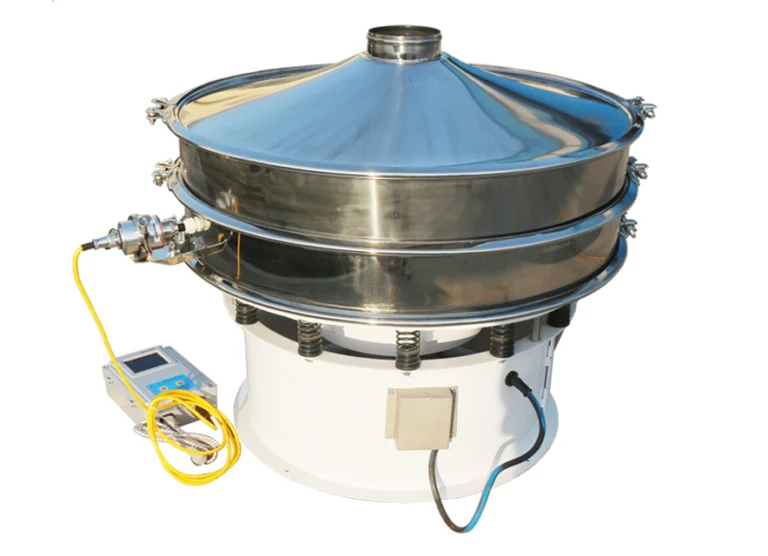
A high-frequency vibrating screen consists of a vibrator, screen frame, frame, suspension springs, and screen mesh.
High-frequency vibrating screens utilize a cylindrical eccentric shaft exciter and adjustable weights to regulate amplitude. They feature a long screening line and support a wide range of mesh sizes. These screens are characterized by a stable structure, strong excitation force, high screening efficiency, low vibration noise, and robust durability. With features such as easy maintenance and safe operation, high-frequency vibrating screens are suitable for product classification in industries including food, pharmaceuticals, chemicals, and new energy.
Because high-frequency screens operate at high frequencies, they disrupt the surface tension of the material and cause fine particles on the screen surface to oscillate at high speeds. This accelerates the separation of high-density materials and increases the probability of particles smaller than the mesh size coming into contact with the screen openings. This results in improved separation conditions, causing particles smaller than the mesh size—particularly those with high specific gravity—to pass through the screen and become the undersize product.
Features
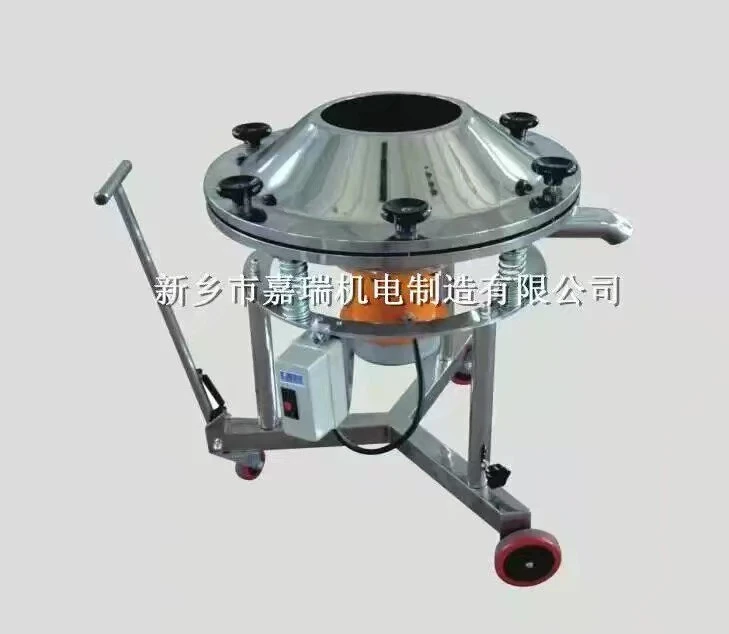
- Excellent slag removal performance and high processing capacity.
- Sophisticated design for easier installation.
- Open-top design for easy viewing of the screen surface.
- Long screen mesh service life; screen replacement takes only 3–5 minutes.
- Low motor power, lightweight, high protection rating, capable of continuous operation, and easy to maintain.
- Can be moved freely within the mining worksite and is height-adjustable, eliminating the need for complex installation.
.
Application
It is primarily used for filtering various liquids—such as yeast, glazes, liquid coatings, wastewater, oils, and slurries—in industries including food, pharmaceuticals, chemicals, abrasives, ceramics, and metallurgy. It is particularly effective for screening ceramic slurries.
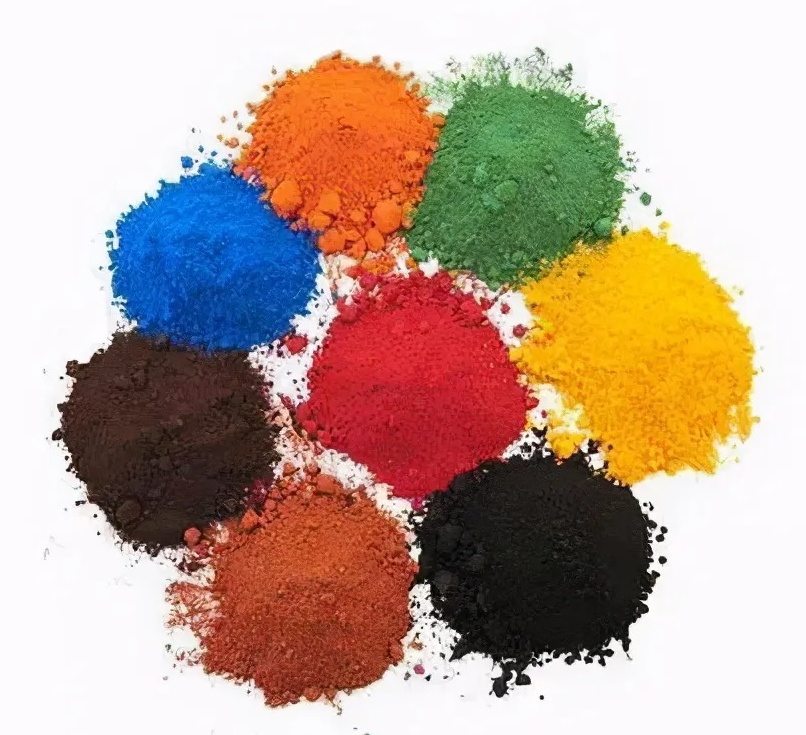
 Metal Powder
 Paint Coating
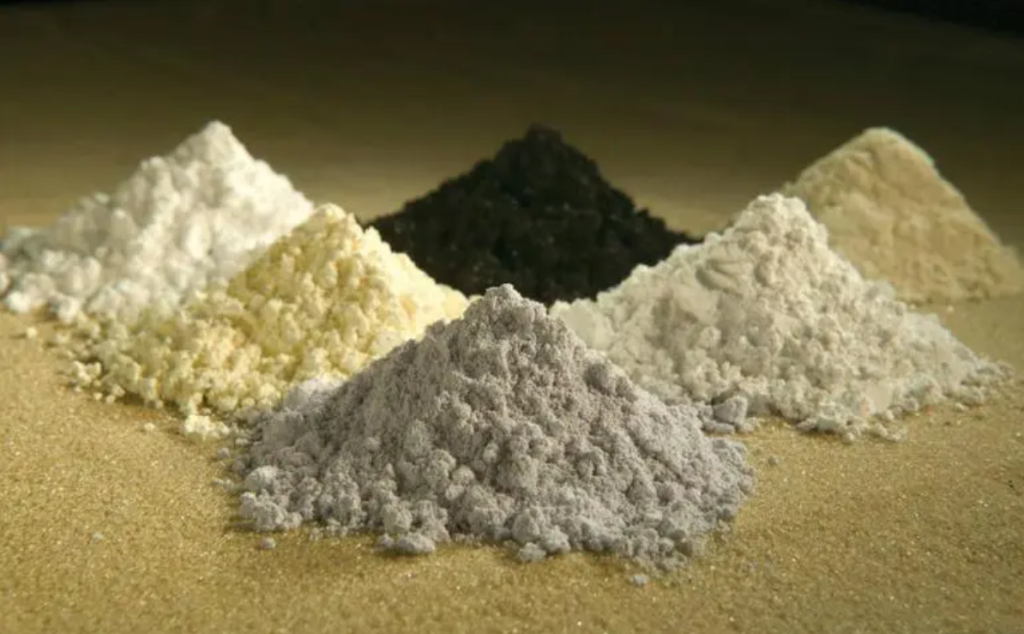 chemical powder
 Tapioca Flour
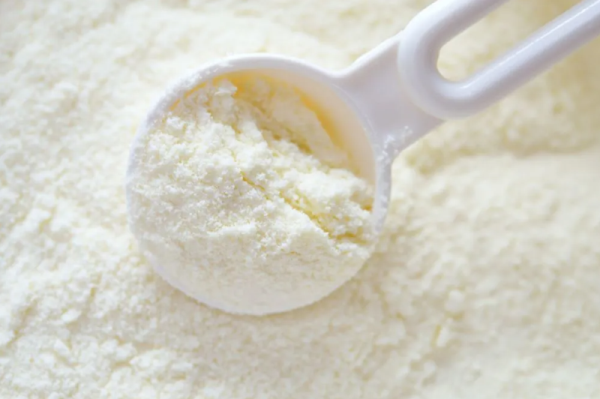 Milk Powder
 Medicine Powder
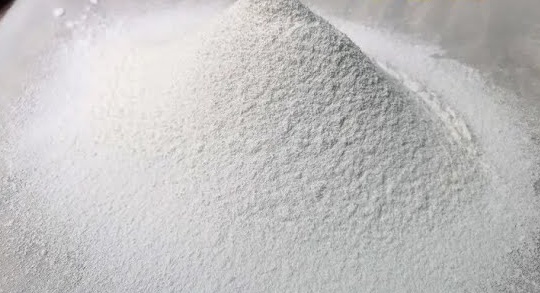 Sugar Powder
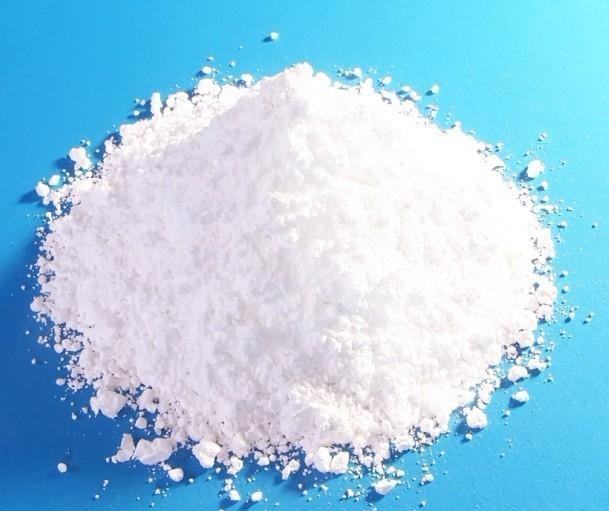 Light calcium powder
High Frequency Screen / High Frequency Vibrating Screen
| Model | Nominal Diameter (mm) | Screen Surface Diameter (mm) | Rotation Speed (RPM) | Power (KW) |
|---|---|---|---|---|
| JR-600 | 600 | 550 | 2800 | 0.55 |
| JR-800 | 800 | 760 | 2800 | 0.55 |
| JR-1000 | 1000 | 930 | 2800 | 0.75 |
Related Articles
FAQs
Get a Free Consultation
Fill out the form below to connect with our experts and receive personalized recommendations for your application.